• Skip to primary navigation
  • Skip to main content

International Salsa Magazine

  • Home
  • Previous editions
    • 2025
      • ISM / November 2025
      • ISM / October 2025
      • ISM / September 2025
      • ISM / August 2025
      • ISM / July 2025
      • ISM / June 2025
      • ISM / May2025
      • ISM / April 2025
      • ISM / March 2025
      • ISM / February 2025
      • ISM / January 2025
    • 2024
      • ISM / December 2024
      • ISM / November 2024
      • ISM / October 2024
      • ISM / September 2024
      • ISM / August 2024
      • ISM / July 2024
      • ISM / June 2024
      • ISM / May 2024
      • ISM / April 2024
      • ISM / March 2024
      • ISM / February 2024
      • ISM / January 2024
    • 2023
      • ISM / December 2023
      • ISM / November 2023
      • ISM / October 2023
      • ISM – September 2023
      • ISM – August 2023
      • ISM July 2023
      • ISM Edition June 2023
      • ISM – May 2023
      • ISM April 2023
      • ISM March 2023
      • ISM February 2023
      • ISM January 2023
    • 2022
      • ISM December 2022
      • ISM November 2022
      • ISM October 2022
      • ISM September 2022
      • ISM August 2022
      • ISM July 2022
      • ISM June 2022
      • ISM May 2022
      • ISM February 2022
      • ISM January 2022
    • 2021
      • ISM December 2021
      • ISM November 2021
      • ISM October – 2021
      • ISM September 2021
      • ISM August 2021
      • ISM July 2021
      • ISM May 2021
      • ISM April 2021
      • ISM June 2021
      • ISM March 2021
      • ISM February 2021
      • ISM January 2021
    • 2020
      • ISM December 2020
      • ISM November 2020
      • ISM October 2020
      • ISM September 2020
      • ISM August 2020
      • ISM July 2020
      • ISM June 2020
      • ISM May 2020
      • ISM April 2020
      • ISM March 2020
      • ISM February 2020
      • ISM January 2020
    • 2019
      • ISM December 2019
      • ISM November 2019
      • ISM October 2019
      • ISM Septembre 2019
      • ISM August 2019
      • ISM July 2019
      • ISM June 2019
      • ISM May 2019
      • ISM April 2019
      • ISM March 2019
      • ISM February 2019
      • ISM January 2019
    • 2018
      • ISM December 2018
      • ISM November 2018
      • ISM October 2018
      • ISM September 2018
      • ISM August 2018
      • ISM July 2018
      • ISM June 2018
      • ISM May 2018
      • ISM April 2018
      • ISM March 2018
      • ISM February 2018
      • ISM January 2018
    • 2017
      • ISM December 2017
      • ISM November 2017
      • ISM October 2017
      • ISM September 2017
      • ISM August 2017
      • ISM July 2017
      • ISM June 2017
      • ISM May 2017
      • ISM April 2017
  • Download Salsa App
    • Android
    • Apple
  • Spanish

Search Results for: Afro-Cuban

5th Rumba y Manana Afro-Cuban Festival in Cracow

Europe / Poland / Cracow

Rumba y Manana is a vibrant world of Afro-Cuban stories and legends coming alive in music and dance.
Rumba y Manana
Rumba y Manana

Rumba y Manana was born out of a pure passion for Cuban rumba and afro along with all they bring: roots, tradition, wealth of rhythms and movements, unlimited possibilities of interpretation, all the wide range of emotions and utility in the modern Cuban music and dance as well as all the amazing joy they bring.

  • We intend to create a place to develop and deepen your skills and knowledge of these dances, as we believe there is a true strength hidden in them.
  • We want them to become more and more popular, as they fully deserve it.
  • We want to share the joy and happiness of dancing them.
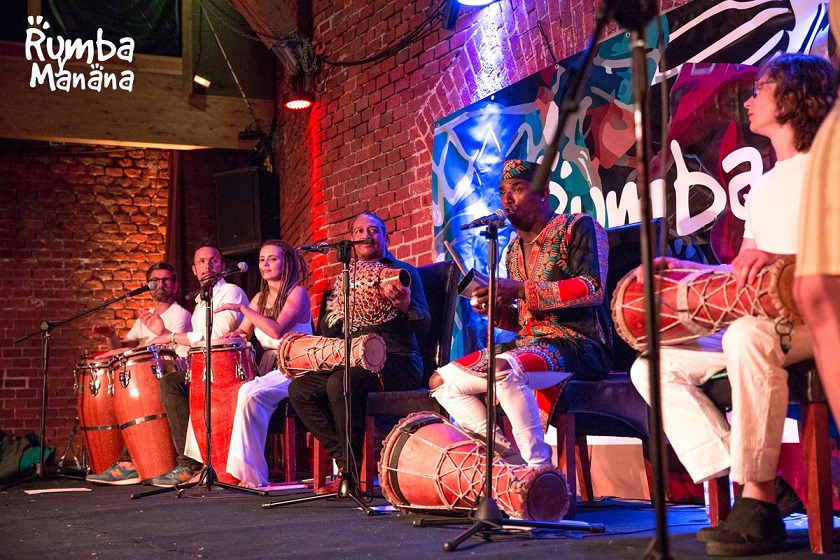
Rumba y Manana rumba in Cracow

We have also created another event to popularize rumba and Afro-Cuban dances: Sabado de la Rumba – a younger sister of Rumba y Manana. Sabado de la Rumba is a projector meetings with live music concerts and free-dancing accompanied by few workshops. We’ve hosted two editions of them in Cracow, where we always invite.

  • 3 workshop rooms , two of them with live music!
  • 4 levels of teaching : begginers, open, advanced, masterclass
  • One workshop room dedicated to Salsa
  • 3 salsa cubana parties with the best DJ!
  • Live Concert & Orisha show
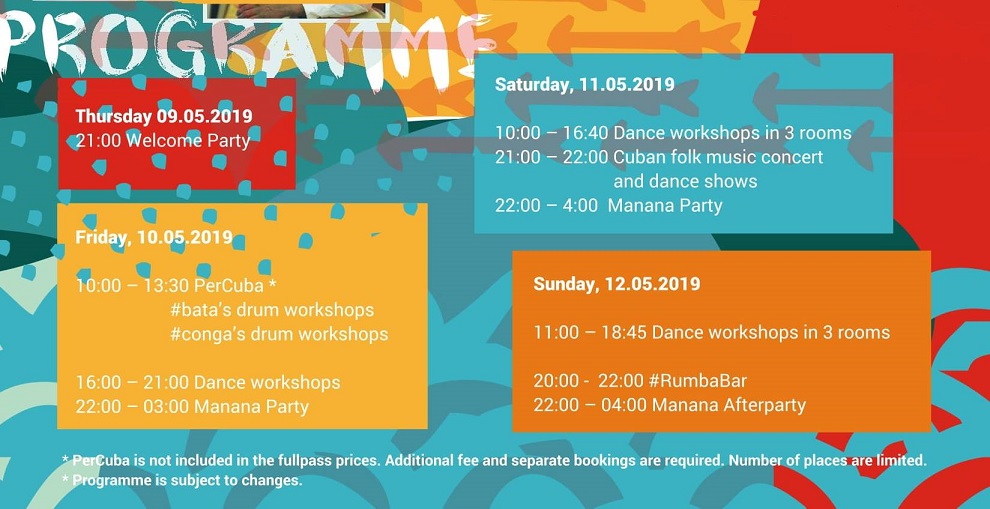
Rumba y Manana Programm

Tickets & Programm: http://rumbaymanana.pl/

Francisco Aguabella “El Tamborero de Cuba” Bravo and Virtuoso Percussionist of Afro-Cuban Ritual Music

Aguabella was born on October 10, 1925 and grew up in the drumming tradition of Matanzas in Cuba.

On May 8, 2010, Francisco Aguabella “El Tamborero de Cuba” passed away in Los Angeles, United States. Bravo and virtuoso percussionist of Afro-Cuban ritual music, Latin/jazz and jazz.

Of remembered links to Tito Puente’s band, Mongo Santamaría, Cachao López, Eddie Palmieri, Dizzy Gillespie, Frank Sinatra, Jorge Santana’s group “Malo” and his own “Latin Jazz Emsemble”.

Aguabella nació el 10 de octubre de 1925 y se crio en la tradición de los tambores de Matanzas en Cuba

In 1953 he emigrated to the United States and settled in California as an olu batá (bata drummer).

Batá drumming is a ceremonial musical style that plays an integral role in the African-derived Santeria religion practiced in Cuba, Puerto Rico and since the 1950s in the United States.

No other music of the Americas bears a more striking similarity to West African music than the batá. Its set of three double cone drums reproduces the Nigerian Yoruba drum set of the same name.

Francisco Aguabella “El Tamborero de Cuba” Bravo y Virtuoso Percusionista de la música ritual afrocubana

Many of the rhythms closely resemble their African prototypes, and the Afro-Cuban language of Lucumí, in which Aguabella sings, is clearly a derivation of Yoruba.

Prior to 1980, Aguabella and Julito Collazo were the only olu batá in the United States who had been initiated into a secret society of drummers designated to perform a very sacred type of batá known as batá fundamento .

The batá fundamento is an integral part of Santeria ceremonies in which an individual’s initiation into the religion cannot be consecrated unless he or she has been presented before this sacred ensemble.

Each year Aguabella builds a shrine for his patron saint, Santa Barbara (Changó), and plays music at a birthday party held in her honor.

Francisco Aguabella “El Tamborero de Cuba”

It’s an all-day celebration for invited friends who are primarily but, not exclusively members of the Santeria sect “Santa Barbara knows it’s her birthday,” Aguabella said, “I know how she feels.

She feels happy if I honor her, I feel bad if I don’t so on St. Barbara’s day every December 4 whatever work I am doing today I don’t do for anyone, I love this saint very much and I promised her I was going to have a party every year.

Se recuerda sus vinculaciones a la Banda de Tito Puente, Mongo Santamaría, Cachao López, Eddie Palmieri, Dizzy Gillespie, Frank Sinatra, el grupo Malo

Although Aguabella is widely respected for his sacred drumming he is also known for his virtuosity in the secular forms of Afro-Cuban music.

Choreographer Katherine Dunham was so impressed with Aguabella’s drumming that she invited him to join her company for tours of South America and Europe.

The most influential of Aguabella’s secular styles is rumba, a complex of several musical genres that evolved in Cuba in the early 20th century.

Rumba was the basis for much of the Cuban dance hall music that in turn helped shape American popular music through dance bands based throughout the United States.

However Afro-Cuban rumba bears little resemblance to the ballroom dance rumba that inspired Francisco. Rumba as Aguabella said is part of daily life for many Afro-Cubans, it doesn’t have to be a special day to play rumba, we could start a rumba here without a drum.

You could play it here or there on the wall, in Cuba rumba is 24 hours a day, we gather in a corner and have a glass of rum…. And someone says: Why don’t we play a little rumba?  Some people touch the wall and someone else plays a bottle and maybe takes a cap off the bottle and ‘ca ca ca ca ca ca ca ca ca’ and the Rumba.”

Aguabella’s goal has long been to maintain the integrity of the tradition he so respects, while incorporating it into “crossover” music aimed at a wider audience.

It was his superior musical ability and commitment to tradition that led musicians such as Mongo Santamaria, Malo and Carlos Santana to bring him into their groups.

Cubacan Francisco Aguabella Año 2002

Aguabella lived in Los Angeles; where he continued to performand exert a great influence on Latin American music.

Afrontilas Music

Read Also:  Tata Güines known as Manos de Oro, Cuban rumbero and percussionist

José Madera Timbal de Machito and his Afro-Cubans, Tito Puente, Mambo Legends Orchestra and Fania Record Co.

The musician, arranger and composer who has yet to find the time to record and write music for some of the most influential bands in existence.

José Madera, Timbal of Machito and his Afro-Cubans, Tito Puente & Fania All-Stars
osé Madera, born on September 30th

One might think that working for Tito Puente’s famous band can keep a percussionist busy enough.

But musician, arranger and composer Jose Madera had found time to record and write music for some of the most influential bands in the world.

Before joining Tito Puente over 35 years ago, Madera played for four years with the famous Machito Orchestra and recorded with many R&B artists (including James Brown, Diana Ross, David Sanborn and Aztec Two – Step).

Jose musical director of Mambo Legends Orchestra

As an arranger for Fania Records, he participated in several commercial hits, and over the years has composed music for Fania All-Stars, Larry Harlow, Johnny Pacheco, Willie Colón and Celia Cruz.

As an arranger for Fania Records, he participated in several commercial hits, and over the years has composed music for Fania All-Stars, Larry Harlow, Johnny Pacheco, Willie Colón and Celia Cruz.
Jose musical director of Mambo Legends Orchestra

Despite having recorded some 75 albums in 20 years, as well as numerous radio jingles and movie soundtracks, Madera still had time for his other career: for 15 years he worked as a teacher and director at a privately funded performing arts high school in New York City.

Jose has written many arrangements for countless commercial Latino artists and has also recorded or worked with many of them.

Some of them include: Larry Harlow, Johnny Pacheco, Chico O’Farill, the Lincoln Center Afro-Cuban Jazz Orchestra, Celia Cruz, Tito Rodriguez, Fania All-Stars, Willie Colon, Joe Farrell, Machito, Graciela, Mario Bauzá, Willie Rosario, Earl Klughand, Eddie Palmieri, to name a few. Jose also worked and recorded with many pop, R&B and jazz artists.

Some of them include Diana Ross, James Brown, Dizzy Gillespie, Paquito D’Rivera, George Benson and Lionel Hampton, among others.

Jose has participated in over 250 recordings. He has worked on several television show soundtracks, including The Simpsons, and several film soundtracks, including The Mambo Kings Play Songs of Love, where he was the musical arranger and conductor for the Tito Puente film segment.

Jose also taught the art of playing Latin percussion instruments at BOYS HARBOR in New York City for 28 years.

Jose has done and continues to do musical clinics around the country at various schools.

He was the musical director of the Latin Giants of Jazz from 2001 to 2009.

Jose continues his musical direction with Mambo Legends Orchestra, a band composed of former members of the Tito Puente Orchestra, which is dedicated to the execution of new and creative Latin and Latin Jazz concepts, as well as some of the music of Machito, Tito Rodriguez and Tito Puente.

He was the musical director of the Latin Giants of Jazz from 2001 to 2009.
José has participated in more than 250 recordings


Jose has personally recreated and re-arranged much of the music that the bands performed during the heyday of the mambo at the Palladium Ballroom in New York City, which many critics consider to be the “Greatest and Most Innovative Era” in the history of Latin music.

Madera’s father, Jose “Pin” Madera, a saxophonist, was one of the original members of the Machito Afrocubans.

The young Jose was influenced by Machito’s drummer (“the best Latin Big Band drummer I’ve ever heard”). He was later influenced by José Mangual and Tito Puente himself.

Madera's father, Jose "Pin" Madera, saxophonist, was one of the original members of the Machito Afrocubans
José Madera was influenced by José Mangual Padre and Tito Puente himself

Home

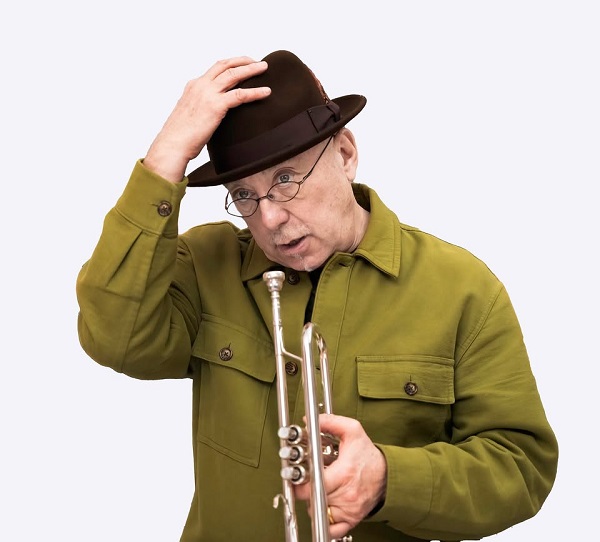
Brian Lynch is known for his versatility, excelling in Jazz (primarily post-bop and hard bop) and notably in Latin Jazz

Brian Lynch is a top-tier jazz trumpet, flugelhorn player, and arranger, highly respected for his work in both traditional jazz and his fusion with Afro-Cuban and Latin rhythms.

Lynch has been on the jazz scene for the better part of the last three decades. He is known primarily for his work as a sideman for many of the top musicians in jazz and as co-leader of a major Latin ensemble alongside Eddie Palmieri. For a long time, he has championed the music of the great trumpet players who preceded him.

Brian Lynch is a top-notch jazz trumpeter, flugelhorn player, and arranger

On this album, which is a natural follow-up to his 2000 album, Tribute to the Trumpet Masters, Lynch pays homage to the works of some of the most prominent, yet undeservedly unknown, jazz trumpeters, such as Joe Gordon, Claudio Roditi, Tommy Turrentine, Louis Smith, Idrees Sulieman, Charles Tolliver, and Kamal Adilifu (also known as Charles Sullivan).

Some of the tributes consist of performing compositions by these artists. In other cases, Lynch performs a tune he composed in the artist’s honor. In all cases, Lynch and his team, which includes Vincent Herring and Alex Hoffman on saxes and Rob Schneiderman on piano, are more than up to the task. They make each of the honorees proud.

Lynch ha estado en la escena del jazz durante la mayor parte de las últimas tres décadas

While there isn’t a single bad track on the album, standouts include Gordon’s “Terra Firma Irma,” which moves along to the potent beat of Pete Van Nostrand, along with excellent solos from all three horn players; Turrentine’s “Big Red” and Sulieman’s “Saturday Afternoon at Four,” both part of a treasure trove of unreleased compositions that were part of the Turrentine and Sulieman estates and that Lynch was able to tap into for these sessions; the hard bop of Tolliver’s “Household of Saud” (again, Van Nostrand’s drumming blew me away) and Lynch’s “RoditiSamba,” a tribute to the Brazilian master.

In short, Unsung Heroes is Brian Lynch’s best album as a leader in his long career. The musical mastery is top-notch, the compositions are always interesting, and the backstory of the whole project is a compelling history lesson for jazz trumpet fans who want to dig deeper than Miles, Diz, and Satchmo. The best news is that there’s more where that came from: this is only Volume 1 of the project; Volumes 2 and 3 are currently available online as downloads.

Paying tribute to the unsung masters of the jazz trumpet is a natural project for trumpeter and flugelhorn player Brian Lynch (the original text mentioned “Bryan Lynch” in this section, it is assumed to be a typo), who has been immersed in the hard-bop lineage since he was part of Horace Silver’s band in the 1980s.

He is accompanied by a mid-sized group that includes Vincent Herring on alto saxophone, Alex Hoffman on tenor saxophone, Rob Schneiderman on piano, David Wong on bass, Pete Van Nostrand on drums, and Vicente “Little Johnny” Rivero on congas.

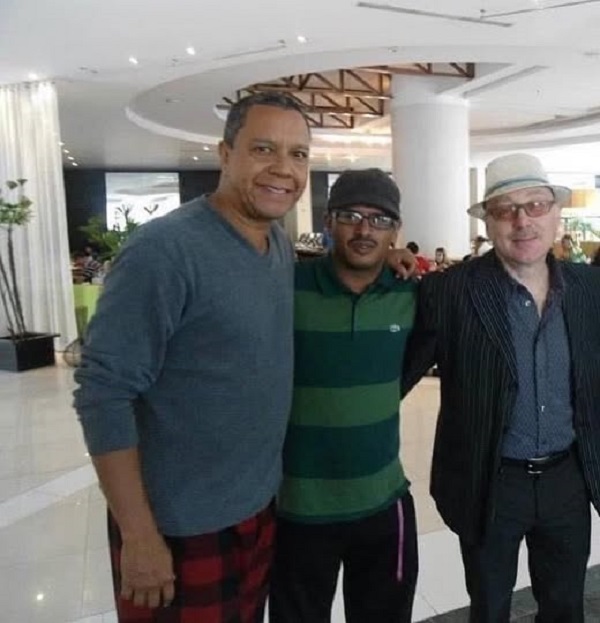
Herman Olivera El Sonero del Siglo XXI voz líder de La Perfecta II de Eddie Palmieri, Dj. Augusto Felibertt y Brian Lynch un trompetista de jazz ganador de varios premios Grammy.

Moving through rhythms ranging from ballads to riffs and Latin jazz, the band masterfully navigates the material with solo and ensemble passages executed with great fluidity. The title suggests that there may be more installments in this series, and hard-bop fans will certainly hope so. Lynch has a wealth of material to draw inspiration from and a talented band with which to make an indelible mark.

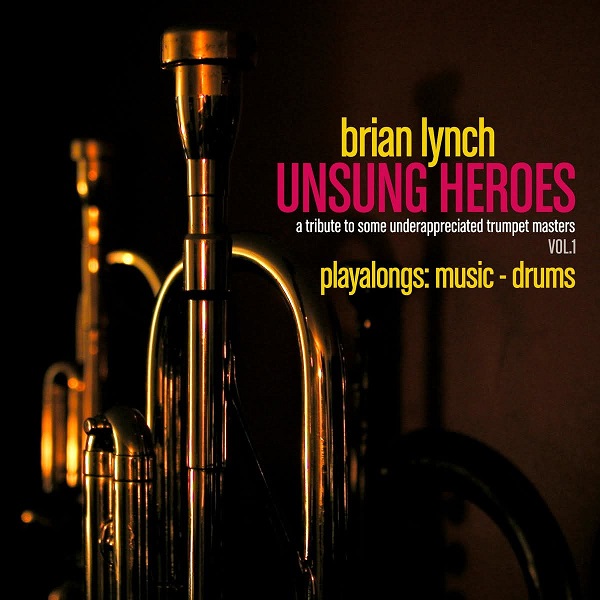
Brian Lynch – Unsung Heroes Vol. 1 (2011)

Brian Lynch - Unsung Heroes Vol. 1 (2011)
Brian Lynch – Unsung Heroes Vol. 1 (2011)

Tracks:

  1. Terra Firma Irma
  2. I Could Never Forget You
  3. Further Arrivals
  4. Saturday Afternoon At Four
  5. Household Of Saud
  6. Roditisamba
  7. Big Red
  8. Unsung Blues
  9. Wetu

Musicians: Brian Lynch (Trumpet, Flugelhorn) Vincent Herring (Alto Sax) Alex Hoffman (Tenor Sax) Rob Schneiderman (Piano) David Wong (Bass) Pete Van Nostrand (Drums) Little Johnny Rivero (Congas 1-3, 1-6, 3-5)

Recorded October 12-13, 2008 and December 22, 2009 at Knoop.

Also Read: Oskar Cartaya “My Music, My Friends, My Time” Featured collaborations with illustrious friends such as Eddie Palmieri, Giovanni Hidalgo, Dave Valentin, and Justo Almario

The Williamsburg Salsa Orchestra: electrifying fusion and salsa flavored with indie rock

The Williamsburg Salsa Orchestra is an 11-member musical group that, as the name suggests, uses salsa as its foundation but also mixes it with other genres such as funk and indie rock to make its music distinct. This combination of beats has led the orchestra to be internationally recognized for its explosive arrangements, modern touches, and repertoire inspired by Anglo-Saxon artists.

Today we are here with arranger and percussionist Gianni Mano (founder) and Argentine singer Solange Prat (vocalist) to find out about their beginnings, the current situation of the orchestra, their roles in the project, and much more. 

Solange Prat and Gianni Mano
Argentine singer Solange Prat and American bandleader Gianni Mano

Gianni and Solange’s musical awakening

Gianni began his first address by sharing that his family had some musicians back several generations, but his own interest in music aroused in his childhood. It was then that his parents enrolled him in piano lessons, but his taste for Afro-Cuban and Afro-Caribbean music settled in when he was a teenager, recently moved to Miami to attend college.

In the late 1980s, he got a job at a nightclub, where he discovered hits from great artists who would inspire him in the future, such as Cuban musician and percussionist Carlos “Patato” Valdés. When he listened to the artist, Gianni could hardly credit how wonderful and different it was what captivated his ears.

By the time, the young man was studying percussion focused mainly on classical music, but the impact of those rhythms he had heard was such that he wanted to know much more about them. This led him to move to New York and hire private teachers to know more about salsa, Afro-Cuban, and Nuyorican music, because when heard them, he discovered that this was what he wanted to dedicate himself on an artistic level. He assured us that it is always best to learn music directly from those who play it, so it was the best decision he could take.

The musician assured us that, at that moment, he could not believe the world he was missing, but when he found it, he did not let it slide.

At this point, Solange joined us and said her interest in music began in her native Argentina, where her parents always listened to Gloria Estefan, Juan Luis Guerra, and other artists of this type. On her mother’s side of the family, some relatives played the guitar and a lot of Argentine folk music such as sambas and chacareras, so she had a lot of contact with that music and eventually started singing at a very young age.

Gianni playing live
Gianni Mano playing live at Brooklyn Bowl

Since the girl used to sing all the time, her mother enrolled her in singing lessons until she got her first opportunity in a band at the age of 15. Added to that she spent about six months on a cruise in the Caribbean, and when she came back, she wanted to continue training on an artistic level, but with a focus on the music she had been listening to during her trip. 

Sometime later, she went to visit a friend in New York, and it was there that she met Gianni, who asked her to join The Williamsburg Salsa Orchestra, which was already founded. It was something very new for her, as she had never sung salsa before, but she accepted the challenge anyway, and Gianni served as a mentor for her at all times.

Gianni as an arranger

As for his role as an arranger, Gianni told us that, when he left his previous job to devote himself entirely to music, he spent oceans of time transcribing arrangements of other artists’ songs to see how they worked. He remembers that the first song with which he tried this was one by Tito Puente, but then he did the same thing with hundreds more.

For a long time, he listened to all these pieces hundreds of times to understand the form of a salsa-based song and how it needs to be structured for the enjoyment of the dancer on the dance floor. That is how he began to write his own arrangements, although acknowledging that they were not all that good at first, so he had to practice a lot.

His coexistence with groups of different genres and practice with various types of instruments helped him greatly to master this area in all styles.

Solange Prat singing
Solange Prat singing at the Sofar Sounds New York

The Williamsburg Salsa Orchestra

In 2009, Gianni was making some demos and garnered rave reviews, so he felt ready to start his own musical project, but obviously he could not do everything alone. He began to place ads in online newspapers to recruit artists to join his band, although there was a subject which worried him: language. He told us that he was looking for musicians who mastered both English and Spanish, and in that sense, Solange pleasantly surprised him with her singing ability in both languages. 

The orchestra’s first show was in 2010, which let it to gaining some popularity in the public of the city.

From Solange’s point of view, she describes her arrival in the orchestra as an unexpected event for her career, since in Argentina she had experienced a lot with soul, R&B, and funk. However, this would change with her move to New York, which is when she met Gianni and discovered a whole new world for her until then, but she loved it a lot.

So, she did his best to learn everything she could about this new music and keep up with required level. Gianni played a big role in this, as he taught her how to play certain instruments and gave him CDs from some of the great salsa legends to take them as a guide. 

She closed the subject by saying that moving to New York, meeting these musicians, and becoming part of this new music scene was great and inspiring.

Gianni, Solange, and the rest of the orchestra
From left to right: Angela Ortiz (piano), Rafael Gomez (bass), Jhohan Hernandez (congas), Felipe Fornier (bongo). Solange Prat (voice), Gianni Mano (Percussion), Alex Asher (trombone), John Challoner (trumpet), Jason Prover (trumpet), and Dimitri Modebacher (baritone sax)

How to maintain an 11-piece orchestra alive

Currently, the Williamsburg Salsa Orchestra has 11 members in total. At a time when bands and musical groups are getting smaller and smaller, we wanted to know what Gianni and his artists do to stay together in an environment that pushes them in the opposite direction. 

The percussionist says that one of his greatest dreams was to have a large salsa orchestra, and he has succeeded, but he admits that things were simpler before COVID-19. After that, far fewer people attended salsa dances or were willing to pay for such an event. Still, they have done everything humanly possible to keep the group together, since in the words of Gianni, an orchestra composed of six or seven people does not sound as good or as complete as one with nine or more musicians.

However, he does not deny that they have had some issues with certain venues due to the orchestra’s size, such as small stages or low ability to pay everyone, but in general, club owners and promoters just want a good show and for people to enjoy it. For this reason, they make an effort to hire bands like the Williamsburg Salsa Orchestra because they know what they have to offer.

Read also: Ania Bartelmus from La Candela Flamenco talks about her performance at the Hispanic Heritage Celebration

  • Page 1
  • Page 2
  • Page 3
  • Interim pages omitted …
  • Page 24
  • Go to Next Page »

International Salsa Magazine (ISM) is a monthly publication about Salsa activities around the world, that has been publishing since 2007. It is a world network of volunteers coordinated by ISM Magazine. We are working to strengthen all the events by working together.