Search Results for: Latin
ISM / October 2023
ISM / November 2023
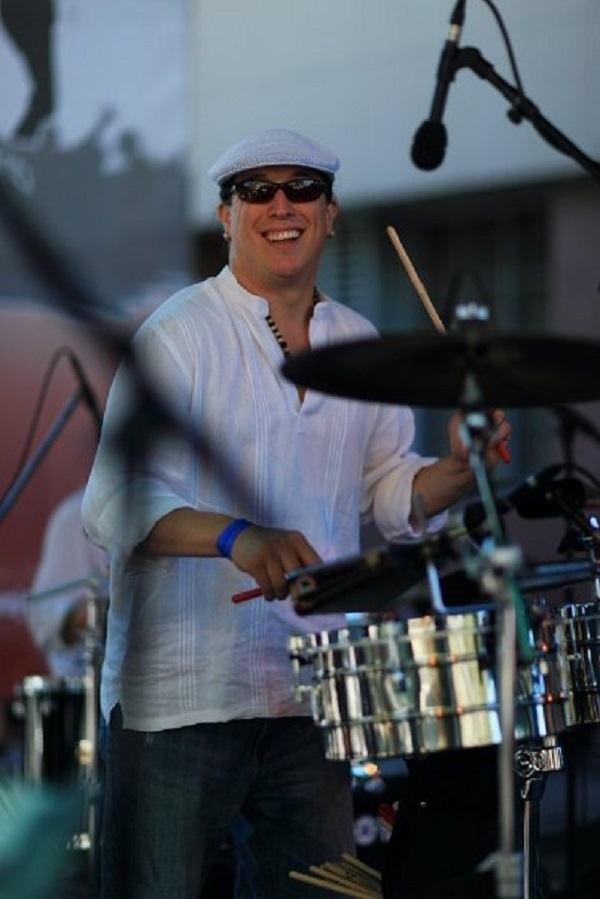
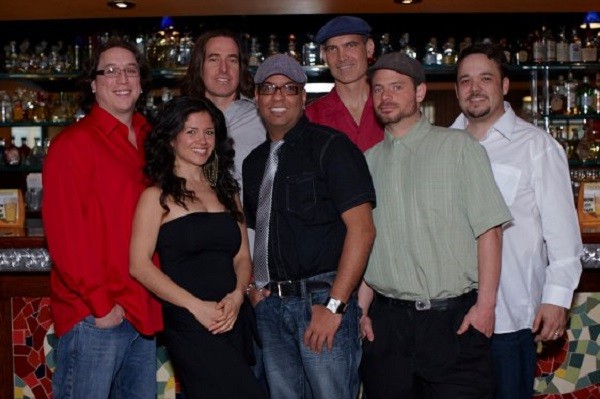
We welcome Patricio Angulo from Rumbaché to ISM
The San Francisco Bay Area, California, has a lot of talented artists, many of which we have had the privilege to interview in this section to learn all kinds of details about the Latin music scene in this area of the United States. This time, we managed to have an interesting conversation with Patricio Angulo, leader and founder of the orchestra Rumbaché, who kindly answered all the questions we had.
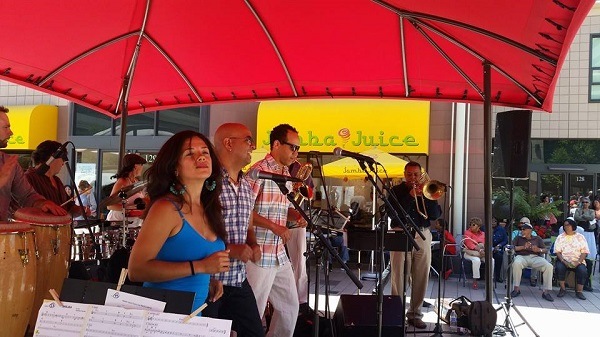
Rumbaché is one of the most important salsa and timba bands in the Bay Area and has a varied repertoire of salsa and contemporary Cuban music that enchants any audience that hears the group perform.
The following are some of the most important issues related to this Latin band and its history.

Patricio Angulo’s beginnings in the music world
Patricio has had a long interest in music, which he developed by himself, since he did not have family musicians to encourage these activities in the little boy.
He started playing violin and trumpet, but it was not long before the young boy found he liked drums and orchestral percussion better. He also played some classical music and learned a lot about instruments used in this genre.
When he went to high school, there were several music programs from which Patricio could choose to develop this branch of art depending on his tastes and finally decided on a jazz group with which he started learning to play congas and timbales. This group wanted an extra Latin touch in their music and the boy was chosen for the role.
The musician was very inclined to Latin Jazz at the time, but then, he was listening to other Latin genres until he discovered Cuban and Caribbean Salsa, which would be very important in the musical future of the artist.
Recruiting talent for Rumbaché
For years, he group Rumbaché, previously called Quimbombó, was forming from musicians Patricio considered played well, since for him this is most important.
However, he emphasized that each orchestra has its own needs and highlighted the vocals as an example of that, as they are very necessary for dance music like the one they play. Likewise, professionalism and experience are two aspects taking into account by him when evaluating a candidate.
In another order of ideas, the musician considers that Latin roots are not a key element in playing salsa or other genres of this type very well, since there are many singers and musicians who have never had contact with Latin genres or instruments can learn to play them without any problem. It is a matter of effort and discipline.

Origin of the name Rumbaché and the Yoruba Religion
From what we have read about Rumbaché, the origin of the name and its relation with the Yoruba religion caught our attention. Rumbaché is a combination of the words ”rumba” (This word can mean ”party” and ”celebration”) and ”ache” (in the Cuyuní language, ”ache” is something very good and pleasant).
Something that Patricio wanted to clarify is that the music of his orchestra is not religious and has nothing to do with the Yoruba religion beyond some choruses and words as there are in many Cuban songs. In fact, they try to have a varied repertoire so as not to bore the audience.
Rumbaché’s activity in clubs
Rumbaché has featured heavily in festivals and renowned clubs in the San Francisco Bay Area such as Sausalito Seahorse, The Cigar Bar & Grill, Rassela’s Jazz Club, Moe’s Alley, Blue Note, among others. It is undeniable that the group has ample experience in performing in these types of venues.
That is why we took this opportunity to ask Patricio how the movement is going in these places when it comes to hiring orchestras in recent years, to which he replied that the presence of orchestras in local venues has decreased dramatically in recent years, especially after the pandemic.
Likewise, because of this same situation, there were many clubs that began to close their doors indefinitely, making it very difficult for Rumbaché to play live regularly.
Once the pandemic was relaxed, Patricio says that a few venues survived, but there were too many orchestras for the few available stages. This led them to opt for festivals, concert series and private shows.
Every night there was a pen club, but that has changed radically and Patricio and the other members of Rumbaché have had to adapt to the circumstances.

Oye Productions
In addition to Rumbaché, Patricio also has his own entertainment company called Oye Productions, with which he is responsible for providing live music for all kinds of events. Obviously, he gives priority to Rumbaché, but he also offers the services of guitarists, trios and all sorts of musicians.
What the company seeks to focus on is providing musical entertainment for private parties such as a business meeting or something more personal such as a wedding.
He always tries to hire musicians who play all kinds of instruments and genres to perform varied shows for each event. He also seeks to look for artists he knows beforehand and who he is sure will do an excellent job.
Activities outside Rumbaché
Patricio also indicated that one of his most important occupations outside Rumbaché was teaching congas, timbales and drums. He also teaches drums to children once a week.
These activities bring happiness to the musician and he always looks for the opportunity for these youngsters he teaches to have some knowledge of Latin percussion and get to know our music much better.
Read also: René Latin Soul and his journey into music from his home country
Lengaïa Salsa Brava is killing it in Montréal
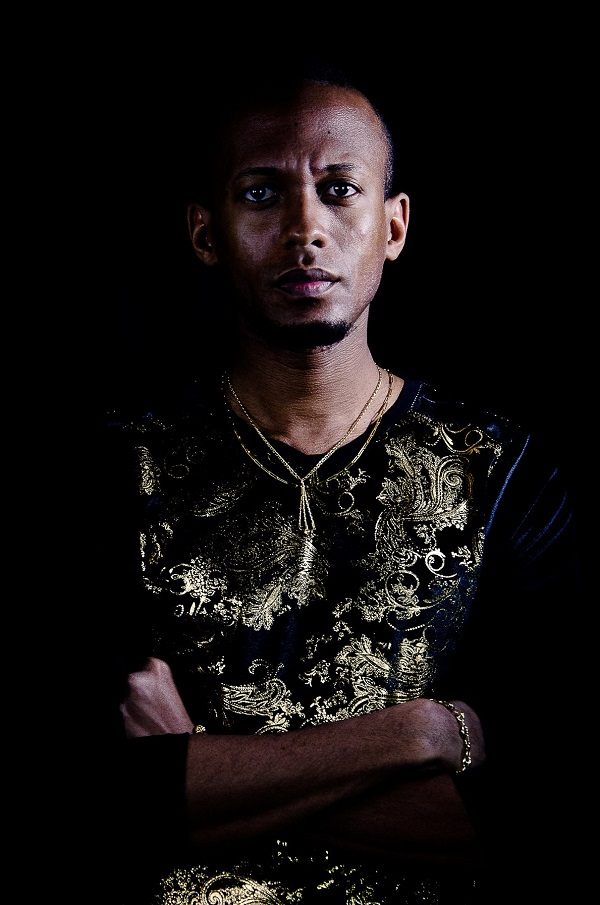
Latin talent can be found where you might least expect it and, this time we found it in the city of Montreal, Canada, a place that is cultivating an increasingly large and vigorous Latin music scene. On this occasion, we were thrilled to be able to talk to Giany-Frantz Huyghues-Despointes, who is the leader and founder of the orchestra Lengaïa Salsa Brava.
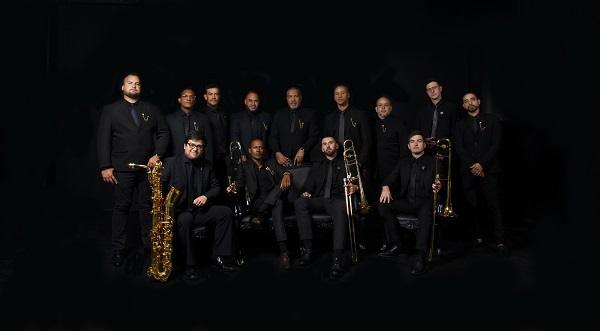
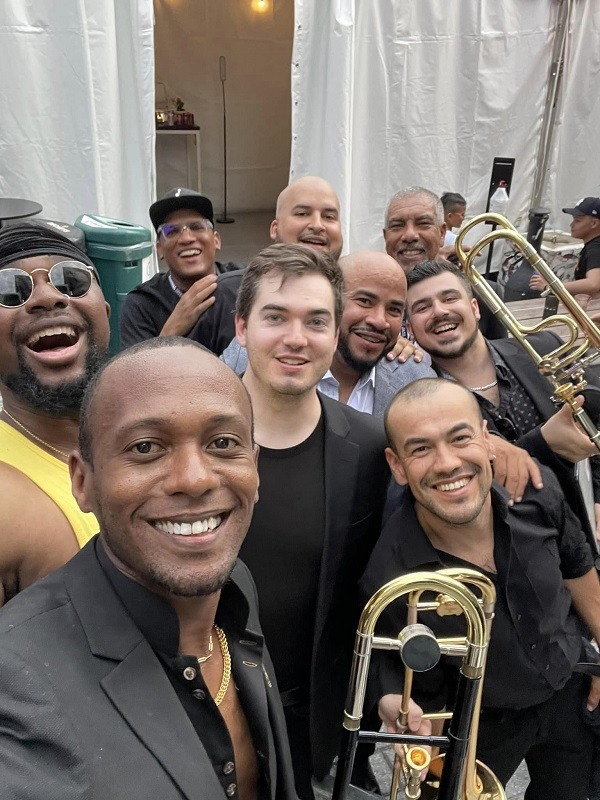
Lengaïa Salsa Brava is a 12-member salsa orchestra that was created in 2012 by Giany, who was also a trombonist and had some experience in the world of music before daring to create his own group.
The effort of all its members has enabled them to collaborate with great performers of the genre and win important awards such as the Canada Latin Awards in the category of ”Salsa Group of the Year” in a row in 2017 and 2018 respectively.
Lengaïa Salsa Brava has also performed approximately 30 concerts a year since its foundation and has participated in important festivals such as Toronto Salsa Festival, Festival Nuit Blanche de Montreal, Nuits d’Afrique, among others. The group was greatly helped by the fact that its members come from different countries such as French Guyana, Cuba, Colombia, Peru, Quebec, Spain and Venezuela.
This interesting journey shows us how hard this group has worked to achieve a place within the industry and all the potential they have to achieve much more than what was obtained. Today, Giany, its founder, shares a little more about himself and his orchestra Lengaïa Salsa Brava.

Giany’s beginnings as a musician
Although the trombone is the instrument for which Giany is known, he started playing the trumpet from 10 years of age, which is when he began his interest in this branch of the art.
An important point is that in French Guyana, the country where Giany was born, salsa is not a predominant genre, since the most played by the French Guyanese is the mazurka, which is very similar to the Haitian compas. In the case of Giany’s family, they listened to a bit of everything, including salsa.
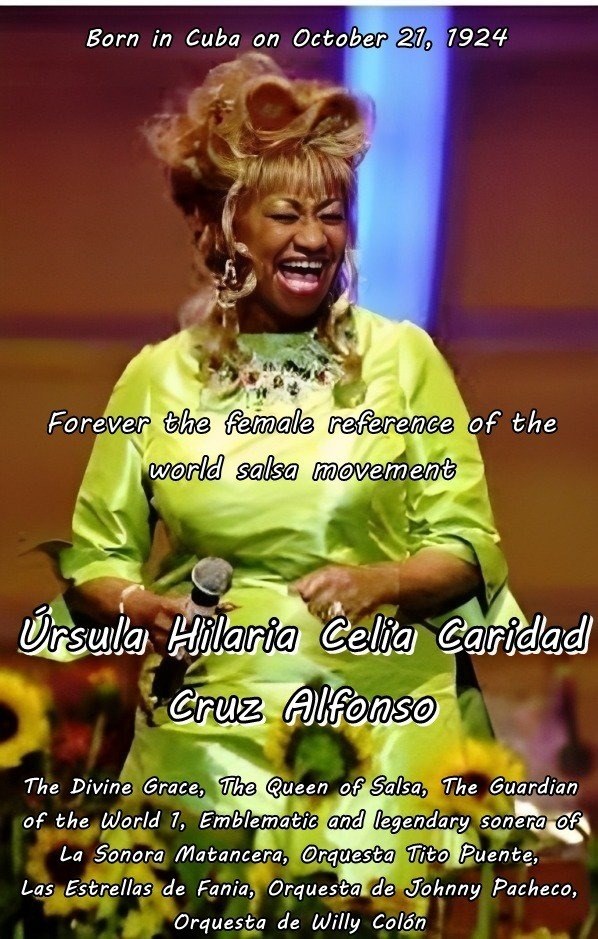
A turning point for the artist was watching Celia Cruz singing on tv one day. The musician had never heard the Cuban singer before and it was an incredible experience for him, as her deep voice, colorful outfit and wig caught his attention at the time.
Because of her deep voice, he thought she was a man, but his mother explained to him who Celia was and, months later, took him to a concert to see her live. That performance of ”La Guarachera de Cuba” marked him so much that he would begin to lean towards music in the future. Today, he says that Celia is a spiritual mother to him, as she was his great inspiration.
Along with being a fan of the Cuban singer, he wanted to learn to play instruments and initially opted for the piano and the guitar, but that changed when his Spanish teacher at school gave him a trumpet and he discovered that he really liked to play it.
Some time later, he graduated from the national school of music in his country and, by the time he turned 18, Giany noticed that his musical skills excelled more with the trombone than the trumpet. This is how he decided to choose the trombone as his main instrument and so it has been to the present time.
He started playing classical music with that instrument but soon discovered that he wanted to return to the genre that captivated him when he was just a child, so he dared to create a group in France, where he studied aviation. The thing is that he went to live in Canada six months later and had to abandon the plans he had at that time.

Founding of Lengaïa Salsa Brava
Giany arrived in Canada with the vision to create another group in his new country of residence, but he did not know any musicians yet, so he moved into action and started placing ads on social networks and other virtual means to communicate with artists who were interested in joining his project.
The results were amazing and there were many musicians who contacted Giany because of their interest in the concept proposed by him. With this group, he started assembling the orchestra in order to give form to what Lengaïa Salsa Brava is today. The orchestra has six years with the same staff and format it presents to the public today.
Huge number of nationalities in Lengaïa Salsa Brava
As for the large number of nationalities living in the orchestra, Giany has said that all ”are part of a big family” hinting that national origins have not been a problem for the smooth development of the group. In addition to that, the salsa brava is a genre widely known worldwide, so the members of the orchestra knew in advance what they were getting into.
To what we must add that these guys work or have worked in other salsa brava orchestras, so they were pretty much steeped in everything related to this beautiful music.
Giany says it is very easy to work with his musicians because they always know how to perfectly interpret what he wants.

Origin of the name Lengaïa Salsa Brava
When Giany was looking for a name for the group, he wanted something different and not very Latin sounding. He also wanted people to ask what the name meant, so we have fallen into the trap.
The musician explained that he wanted something that refers to how explosive, energetic and aggressive his music is, so he chose the name inspired by a Tanzanian volcano called Ol Doinyo Lengaï that spews black lava. ”When you see a volcano exploding, you imagine something explosive and aggressive at the time. That’s what we want to reflect with our music”. Also, the fact that its lava is black is something different from other volcanoes, as is the group’s orchestration and technique,
Activities outside Lengaïa Salsa Brava
Giany wanted to emphasize that all the members of Lengaïa Salsa Brava have other jobs and work activities outside the orchestra. In his particular case, he works as a commercial pilot, but in his spare time, he devotes himself as much as he can to his great passion which is music.
So far, Giany and the other members of the orchestra are unable to live solely on music, but they do their best to keep the group together and are there to fulfill Lengaïa Salsa Brava whenever necessary.
Although the orchestra has been a second employment option, it is undeniable that this is their great vocation and the engine that moves his life, so there will always be space for it.