• Skip to primary navigation
  • Skip to main content

International Salsa Magazine

  • Home
  • Previous editions
    • 2026
      • ISM / January 2026
      • ISM / February 2026
    • 2025
      • ISM / December 2025
      • ISM / November 2025
      • ISM / October 2025
      • ISM / September 2025
      • ISM / August 2025
      • ISM / July 2025
      • ISM / June 2025
      • ISM / May2025
      • ISM / April 2025
      • ISM / March 2025
      • ISM / February 2025
      • ISM / January 2025
    • 2024
      • ISM / December 2024
      • ISM / November 2024
      • ISM / October 2024
      • ISM / September 2024
      • ISM / August 2024
      • ISM / July 2024
      • ISM / June 2024
      • ISM / May 2024
      • ISM / April 2024
      • ISM / March 2024
      • ISM / February 2024
      • ISM / January 2024
    • 2023
      • ISM / December 2023
      • ISM / November 2023
      • ISM / October 2023
      • ISM – September 2023
      • ISM – August 2023
      • ISM July 2023
      • ISM Edition June 2023
      • ISM – May 2023
      • ISM April 2023
      • ISM March 2023
      • ISM February 2023
      • ISM January 2023
    • 2022
      • ISM December 2022
      • ISM November 2022
      • ISM October 2022
      • ISM September 2022
      • ISM August 2022
      • ISM July 2022
      • ISM June 2022
      • ISM May 2022
      • ISM February 2022
      • ISM January 2022
    • 2021
      • ISM December 2021
      • ISM November 2021
      • ISM October – 2021
      • ISM September 2021
      • ISM August 2021
      • ISM July 2021
      • ISM May 2021
      • ISM April 2021
      • ISM June 2021
      • ISM March 2021
      • ISM February 2021
      • ISM January 2021
    • 2020
      • ISM December 2020
      • ISM November 2020
      • ISM October 2020
      • ISM September 2020
      • ISM August 2020
      • ISM July 2020
      • ISM June 2020
      • ISM May 2020
      • ISM April 2020
      • ISM March 2020
      • ISM February 2020
      • ISM January 2020
    • 2019
      • ISM December 2019
      • ISM November 2019
      • ISM October 2019
      • ISM Septembre 2019
      • ISM August 2019
      • ISM July 2019
      • ISM June 2019
      • ISM May 2019
      • ISM April 2019
      • ISM March 2019
      • ISM February 2019
      • ISM January 2019
    • 2018
      • ISM December 2018
      • ISM November 2018
      • ISM October 2018
      • ISM September 2018
      • ISM August 2018
      • ISM July 2018
      • ISM June 2018
      • ISM May 2018
      • ISM April 2018
      • ISM March 2018
      • ISM February 2018
      • ISM January 2018
    • 2017
      • ISM December 2017
      • ISM November 2017
      • ISM October 2017
      • ISM September 2017
      • ISM August 2017
      • ISM July 2017
      • ISM June 2017
      • ISM May 2017
      • ISM April 2017
      • ISM March 2017
      • ISM February 2017
  • Download Salsa App
    • Android
    • Apple
  • Spanish

February

Johnny Pacheco, presents “Orquesta Primera Clase” from Maracay-Venezuela

The title of this album speaks for itself; the hand of the transcendental Dominican musician is introduced in this album.

El Zorro de Plata Pacheco appears as executive producer of the album, although we do not discard that he also participated in part of the musical production, due to the way the orchestra was structured and the style in which the arrangements were given; it is something that we can hardly notice when listening to the album, it is evident the great similarity to “Pacheco y su Tumbao”; four excellent trumpets with sonorous arrangements.

Johnny Pacheco, presents "Orquesta Primera Clase" of Maracay-Venezuela
Johnny Pacheco, presents “Orquesta Primera Clase” of Maracay-Venezuela

The predominance of Teo Hernandez (R.I.P)’s vocal style and register in the nasal coros, fits perfectly with the “Tumbao Añejo” that we have always been accustomed to from maestro Johnny Pacheco (R.I.P).

Although the album was backed by the Fania label and is loaded with a cheerful and swinging flavor, we think that it went somewhat unnoticed by the music-loving public.

The reasons could be several, we must remember that in those times in the 80’s the merengue rhythm was beginning to penetrate with a lot of strength.
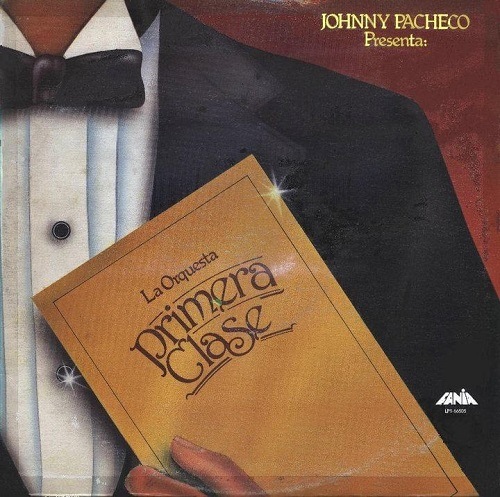
Johnny Pacheco, presenta la Orquesta Primera Clase

Although we could also add the little interest that the public of the capital (Caracas) had for the groups of the regions or interior of the country, and although it seems ironic to say it.
Another possible reason could be linked to the inclusion of only unpublished songs (it is well known that in those times, they supported copies more than creativity); these are only conjectures of this server, however, they do not escape the reality of that time.

Teo Hernández (R.I.P)

As for the musical themes, we have already pointed out that all of them are original and very well compensated with their arrangement; In particular there are two songs that I like very much, one of them is “Negro Nací”, written and sung by Orlando Sanoja, is a very happy song dedicated to our black race of the danceable in his music, “Si negro nací nací nací, blanco no puedo ser”, The other song of my predilection is “El Sabio”, composition and lyrics by Jorge Compres and vocalized by Teo Hernández, with great diction, good phrasing and those tasty choruses that accompany him.
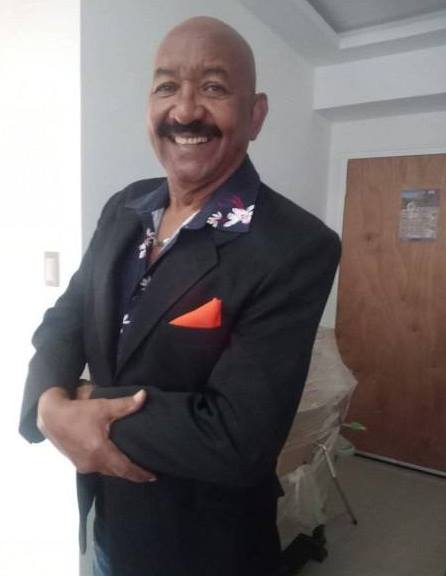
Orlando Sanoja
Orlando Sanoja

It is worth mentioning that the excellent La Orquesta Primera Clase is still in force with a musical staff of the new generation maintaining its original sound with its lead vocalist Orlando Sanoja.

It is another good Venezuelan album that you should have in your personal CD library.
Johnny Pacheco presents “La Orquesta Primera Clase” (1982) Fania LPS-66506

SIDE A

1.- NEGRO NACÍ (Orlado Sanoja) Sings: Orlando Sanoja/ Arrangements: Nicomedes López
2.- ME SIENTO MUY FELIZ (Al mMaro Ríos) Sings: Orlando Sanoja/Arrangements: Bolívar Javier
EL ANIMAL (Jorge Compres) Sings: Teo Hernández/Arrangements: Jorge Compres
4.- TODO TIENE SU FINAL (Bolívar Javier) Sings: Teo Hernández/Arrangements: Bolívar Javier
5.- LLEVAME CONTIGO (Almaro Ríos) Sings: Teo Hernández/Arrangements: Bolívar Javier

SIDE B

1.- EL SABIO (Jorge Compres) Sings: Teo Hernández/Arrangements: Jorge Compres
2.- A MARACAY (Orlando Sanoja) Sings: Orlando Sanoja/Arrangements: Jorge Compres
3.- EXTRANJERA (Phorto Jacquez) Sings: Teo Hernández/Arrangements: Jorge Compres
4.- VIVA MI GUAGUANCO (Jorge Compres) Sings: Teo Hernández/Arrangements: Gilberto Riera
AY QUE HUMANIDAD (Orlando Sanoja) Sings: Orlando Sanoja/Arrangements: Jorge Compres

Personnel:

Pastor Rodríguez (1st Trumpet)
Henry Kamba (2nd Trumpet)
Gustavo Nieves (3rd Trumpet)
William Fermín (4th Trumpet)
Armin Kail (Piano)
Carlos Fagúndez (Bass)
Harold Josef (Congas)
Edgar Aponte (Timbal)
Félix Benítez (Bongo)
Teo Hernández/Orlando Sanoja (Singers)
Bolívar Javier/ Nicomedes López/ Jorge Compres/ Gilberto Riera (Arrangements)
Teo Hernández/Orlando Sanoja/Edgar Aponte (Chorus)
Johnny Pacheco (Executive Producer)
Carlos Guerrero (Recording Technician)
Luis Arismendi (General Recording Supervision)
Recorded at Fidelis Studios
Alejandro Pérez (Art and Design)

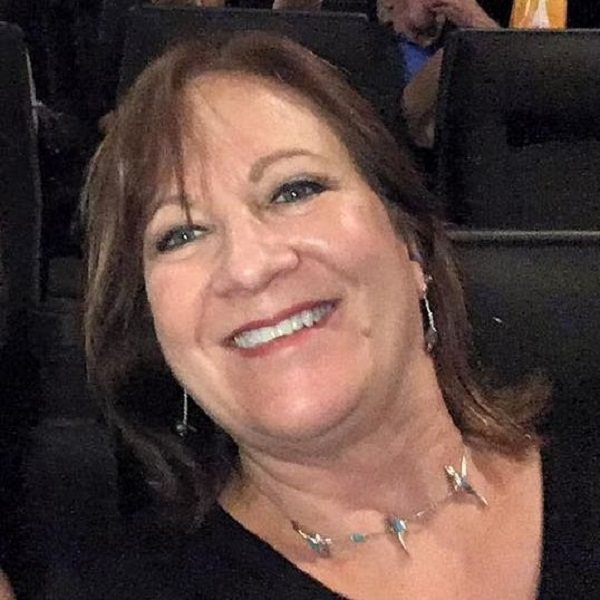
How Jacira Castro and Salsa Power changed the Latin music scene

How did Salsa Power start?

Latin culture, specifically the musical part, has had a large group of unconditional allies who have promoted it worldwide through their work and platforms, being Chilean-American Jacira Castro one of the best known. Jacira is a salsa casino-style salsa teacher and web designer who had the dream of spreading the typical rhythms of our countries, but she did not figure out how until she came up with a revolutionary idea: Salsa Power. 

Salsa Power was born in 1999 as part of an initiative created by Castro and graphic designer Julian Mejia, who practically became her partner until the moment when the page stopped working. From that year on that the dance instructor began to generate contacts and develop human networks with people inside and outside the world of music, especially from the salsa genre. A particularity of this system devised by Jacira was that it was fed by the information received from people from anyqhere in the world about everything related to concerts, festivals, press conferences, autograph signings and much more.

Jacira Castro - Salsa Power
Dance instructor and web designer Jacira Castro – Salsa Power

How did this project work?

Thanks to the technology that was advancing little by little in all this time, there were many more contact ways and social media came along to facilitate these activities. The website grew to such an extent that it came to have more than 300 correspondents in over 60 countries, many of whom did not even have professions or occupations related to music, but wanted to strive to make the initiative successful and Latin artists and orchestras have a dependable space to promote their work.

Contrary to what many readers may have thought, everyone involved in this project never received a single cent or publicity in return for all the work being done. In fact, it was Jacira herself who had to pay for all the expenses related to Salsa Power such as plane tickets, travel, lodging, food, wardrobe, among other things. Not to mention the website maintenance and other hosting costs for the domain to work properly.

Fortunately, all that effort and money were worth it because Salsa Power rose to become the largest salsa website on the internet and a true reference for any independent media planning to do anything remotely like that. Much of the fruits harvested by this beautiful project can still be found on the internet and consist of articles, interviews, event coverage, videos and many other things.

The name Salsa Power was so respected that you could not talk about the Latin salsa scene in the United States without mentioning it, especially in South Florida, a place where competition for the first places was at its higuest. This competition was not only between artists and musical groups, but also between media, associations and academies, triggering some inconvenience and regrettable situations like the one experienced by Jacira and Julián a few years ago.

Jacira paid for all the expenses related to Salsa Power

Controversies

Jacira has had run-ins with some important personalities of the Latin music community in Florida because of her political positions, which went against the current of a large number of Latin artists and dancers at that time, especially those who are part of the Cuban exile. Her attitudes towards the political situation in Cuba have been highly controversial, mainly those related to the U.S. economic embargo on the Caribbean country and the limitations on free cultural exchange between both nations. Both Castro and other leaders of the entertainment industry were opposed to the decades-old blockade, which has been maintained until today.

This caused the dance teacher to make some enemies in the Miami music scene, which led to the hacking of Salsa Power with the caption ”This is a communist website” in big red letters along with a message whose author calls Jacira ”communist” and ”pro-Fidel Castro”. Obviously, she got worried and immediately called Julian to bring down the page.

As they began to diagnose the issue and its possible causes, they concluded that those responsible were part of an association composed of a dozen dance schools in Miami and its sorroundings called Salsa United. Around the same time, this organization had just created its own website, which published content very similar to that of Salsa Power, so much so that its principal spokesperson Jolexy Hurtado and Jacira came to have some arguments and run-ins due to how much alike the interviews were in both websites. The conflict reached at such a level that Jacira states that Hurtado told her she was messing with the wrong guy.

Undoubtedly, this whole situation was a big headache for the web designer, but has never let any of this daunt her or make her feel inadequate. On the contrary, she has grown before adversities and has faced them with the gallantry that has always characterized her, since she knows what her work is worth in terms of quality and globality.

However, there comes a point when the effort and time invested are not enough, so it is time to be realistic and assume that everything has its end, as the great Héctor Lavoe would say.

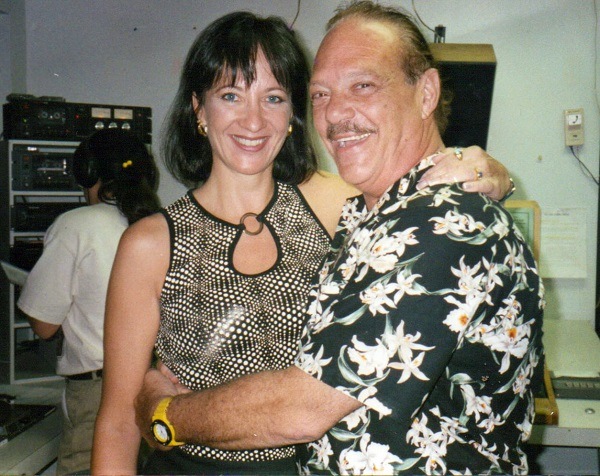
Jacira and Larry
Jacira Castro with producer, composer, and pianist Larry Harlow

Farewell to Salsa Power and Jacira’s current life

After 22 years of operation of the Salsa Power project, many of the correspondents who provided information for the page got married, had children, studied, moved and pursued other professional opportunities that did not allow them to continue their work. For the same reason, Jacira had no choice but to terminate the project that was her life for more than two decades and publish a farewell message thanking all her readers for their support over the years and assuring that she will continue to travel and enjoy salsa and dance.

In spite of abandoning her duties as administrator of Salsa Power, the great impact of the Chilean-American’s work on those who have come to know her and collaborate with her cannot be denied. On her LinkedIn profile, there plenty of favorable reviews about her professionalism and commitment in every activity she makes.

From International Salsa Magazine, we wish her the greatest success in every project she undertakes and that she enjoys all the stages that are to come.

Read also. Pacifica Radio, history, shows and controversy

Maelo y su Klan want to bring tropical rhythms to the whole world

Maelo y su Klan is the latest project, and one of the dreams, of the producer with more than twenty years of experience, Johnny Ysmael Salaverria Dicurú. The popular “Maelo” as his dearest friends call him, continues his career by working and pouring his heart into this project. With them the first genre fusion between Son and Kizomba is known. In the following lines we will talk about Maelo and his most beloved project.

Who is Maelo?

Johnny Ysmael Salaverria Dicurú was born in San Juan parish, in Caracas, capital city of Venezuela, where he spent his childhood surrounded by the joy of the Caribbean “soneros and salseros”. He was a child when he first expressed his interest in one of the most popular tropical Caribbean rhythms, salsa. Part of his influences came from his uncle, Héctor Bruno Dicurú.

Ysmael D´La O, is his artistic name on stage and producing, but his closest friends call him “El Tiburón de la Salsa”. He left with $80, and a luggage full of dreams, to look out for adventures abroad. His destiny was Tenerife, where he quickly earned the love and respect of the natives, and was embraced as an adopted son.

Maelo as a producer has worked with renowned soloists and groups, from all over the world. To name a few: Nicky Jam, El Binomio de Oro, Tito Rojas, Oscar D’León, Porfi Baloa, Tony Vega, La Dimensión Latina, Ray Sepúlveda, Guayacán, El Grupo Niche. As a promoter and producer of events, one of his greatest achievements was El Gran Combo De Puerto Rico who celebrated their 50th anniversary, and visited Europe hand in hand with him.

We can call Maelo, the cultural ambassador of Caribbean rhythms, making more than 30 countries listen and enjoy them. He was the first Latin American to have 100 continuous virtual conversations during the pandemic, a time when creativity was the escape of many artists.

Among his awards and recognitions is being nominated as International Producer of the Year in 2020, Producer and Promoter of the Virtual Euro Festival in the 20/21 edition. But soon more will come, since Maelo’s talent is infinite.

Defining Maelo and his Klan

The band stands out in danceable rhythms such as: Son, Charanga, Guaguancó, Salsa, Tropical, Latin Jazz and a lot of fusion with an original sound, which is inspired by African rhythms. Of course, with the influences of great masters of the old tropical school. In this way, a combination is created that generates a modern sound, worthy of the new generation. But what most characterizes this Klan is the creation of the fusion of the genres between Son and Kizomba.

The works of Maelo y su Klan have the collaboration of the renowned arranger and director of Billo’s Caracas Boys, the Venezuelan Julio Cesar Estrada. Also by Paquito Barón, ex-member of the Orquesta Bronco of Venezuela, in the musical production.

The Klan has all the merits and the support of the Anglo-Saxon and Asian public. One of his productions entitled ¡Cultura viva! Fusion is positioned as the new sound in Afro-Caribbean music. Maelo not only puts his talent for the band, but also puts all his knowledge of the tropical rhythms of Latin America, as well as its movements through Europe and Asia. Let’s hope that the journey of Maelo y su Klan will be a very long one, full of great successes, so that they can continue to please the public that loves these tropical rhythms.

Life and career of Ernie Acevedo

Introduction

This will be a very special edition because we are going to talk about one of the most transcendental figures of Latin music of his time. We are talking about bandleader and percussionist Ernie Acevedo, who has been one of the greatest pillars of the Latin music movement in the United States from the very moment he decided to explore this highly competitive area of arts.

Percussionist Ernie Acevedo recording in the studio

Biography

Ernest ”Ernie” Acevedo was born in New York City and his parents were two Puerto Ricans who were making their living in the United States. His family had deep musical roots, which may be why the young man to devote his life to this wonderful world. This artistic side of the family comes especially from his uncles who played Christian music, with the exception of Jason Youvert. The latter played bass for a few groups throughout his career and one of them was Ray Rodriguez & Duro.

While still very young, little Ernie showed signs of getting great skills with percussion, which made his father decide to take him to play with him and even become a kind of manager for his son and many other young boys with dreams of being artists who entertained parties and celebrations of all kinds in the neighborhood where they lived. This group of boys was called Orquesta Combinación Latina, but it was not long before it would be renamed Sonora Amantes and would have an alignment of instruments totally different from the previous one.

Given that Ernie was always sure of following this path, he chose to prepare as best as possible for it, so he studied at Johnny Colon School and the Brooklyn Conservatory of Music, which contributed enormously to the learing of the musician and would serve him well for what he did next.

All members of Conjunto Imagen

The great beginning of the percussionist’s career was given in the 1970s thanks to his collaboration with the famous bongo player Ralphy Santi, a union that represented a giant leap in the carrer of Ernie. After that, there was an endless list of artists who wanted to work with him such as Héctor Lavoe, Johnny Pacheco, Oscar D’ León, Pete ”El Conde” Rodríguez, Larry Harlow, Daniel Santos, Héctor Casanova and many more.

All of this would be the prelude to the creation of Conjunto Imagen, a group that would be of key importance in the good name of Acevedo as an artist.

Conjunto Imagen

In the year 2021, El Conjunto Imagen was founded on May 21, 1989, starting a legacy impossible to omit in the history of Afro-Caribbean music in the United States, Latin America and the Antilles. The main members of the group were coordinating and agreeing for a while to crystallize this idea that was running through their heads for a long time. Among them were Ernie Acevedo, Jose ”Junior” Rivera, Luis Hernandez, Angelo Gonzalez and many others.

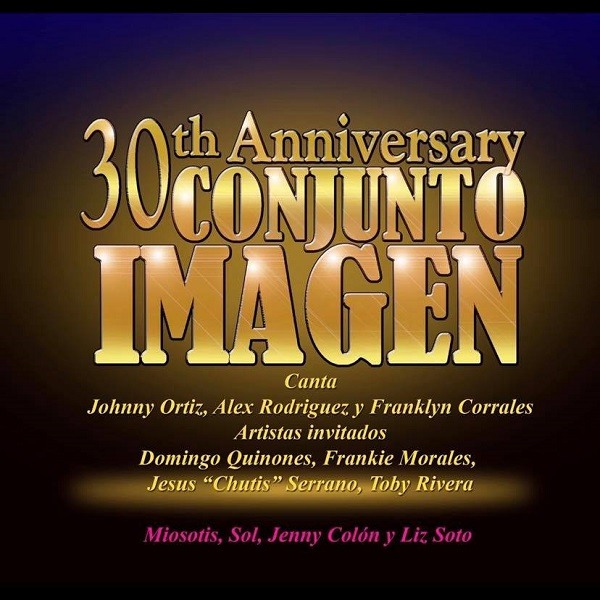
These childhood friends always were clear that they wanted to create a highly successful musical group and go that succeed. In the year 2021, they celebrated their 30th anniversary with their 14th record production entitled ”Los Rumberos”, with which this group proved once more they are one of the most talented Latin groups despite the passage of time. This musical work has great names in the industry such as Juan ”Tiny” Colón in the arrangements, Toby Rivera, Guillermo ”El Pulpo” Colón Jr. and Miguel ”El Zurdo” Rodríguez. Luis Arona Junior Rivera, among others.

Record production to celebrate the 30th anniversary of Conjunto Imagen

Read also: Goodbye to El Canario de Carolina

        By Johnny Cruz, ISM Correspondents, New York, New York City

Multi-Percussionist Carlos Navarro and his Son Y Clave Orchestra

Who is Carlos Navarro?

There have been many celebrities, orchestras, groups of all genres who played their part in the salsa cultural movement in the United States, but we cannot deny that bandleader Carlos Navarro and his Son Y Clave Orchestra played a very important role, since they achieved many goals in the Latin music scene in California, specifically in Los Angeles.

Carlos Navarro was a child of the couple formed by Rafael Navarro and Maria De Jesus Velasquez de Navarro, being at the same time the brother of Alexis Enrique (the famous singer Cherry Navarro), Manuel, Rene, Lelys and Audy. The whole family decided to move to Caracas, the parish of El Valle, where all the children continued their studies.

The first one to start an artistic career at a very young age was his older brother Alexis, who would later be known as Cherry Navarro in the artistic field. Carlos followed the same steps and also dedicates himself to music, but focused on salsa, mambo, merengue, and Latin jazz.

Producer, bandleader, percussionist and singer Carlos Navarro

Las Versalles

In the early 80’s, specifically in 1983, the artist served as co-founder and percussionist in one of the first and most important orchestras in Los Angeles, California, with styles of Salsa, Guaguancó, Merengue, cha cha chá, and Latin Jazz.

This group was called Las Versalles and hired many musicians based in the same city. Here you can see some of the main members and their instruments, Güiro: Carlos Navarro and Jorge Luis Balmaseda, Vocalist, Piano, Arranger: Fito Foster, Vocalist, Guitar, Flute, and Arrangements: Niño Jesús, Bass: Geraldo Zuldo and Luis López, Trumpets: Carleton Smith and Robert Hernández, Trombo: Arturo Velazco, Violin: Gene Hugo, Congas: Humberto Hernández and José “Papo” Rodríguez, Timbales: Héctor Andrade and Edwin Rolland, Backing Vocals: Fitto Foster, Niño Jesús, Bobby Rivas, Jorge Luis Balmaseda and Bass in ‘’Cama Y Mesa’’: Cuco.

Famous singer Cherry Navarro, Carlos Navarro's brother
Famous singer Cherry Navarro, Carlos Navarro’s brother

Son Y Clave

In 1999, the producer, percussionist and singer founded the Son Y Clave Orchestra and became a very important group in the nightlife of Los Angeles and surrounding areas.

One of the most attractive things for spectators of the places where they perform is the ease with which they dance and execute choreography, which are highly contagious, fast and elegant at the same time.

This diversity of performance styles is another one of the many things that has led this orchestra to the summit. In the same way, they have participated in all kinds of festivals, congresses, concerts and much more. They also had an important participation in salsa nights at venues in Los Angeles and the Bay Area such as El Floridita, where they played with Son Y Clave every Monday, until Carlos had to leave for a while and left talented musician Johnny Polanco in charge.

They have been so popular in the last few years that they have managed to open for world famous bands such as the Rolling Stones, who counted on the talent of the orchestra to grace their performances in one of their most important tours.

All members of the Son Y Clave Orchestra

God & Salsa and more

They have also been involved in major film projects such as ”Almost A Woman”, whose director has a long-standing friendship with Navarro. They participated in both the promotional trailer and various parts of the film, especially where there are parties and dancing.

Kaplan was so pleased with Carlos’ work in ”Almost A Woman” that she decided to contact him again to work hand in hand on a project titled ”UNO” which is based on one of the most famous Latin American TV hosts, the famous Renny Ottolina. Once again, Son Y Clave will join forces with the renowned filmmaker to put music to ”UNO”.

”Almost A Woman” had a lot of repercussion at the time, but the film for which they became known in recent years was ”God & Salsa”. Carlos Navarro himself was the main responsible for composing much of the original music that was part of the soundtrack of the film. In addition, they were also present at the filming, displaying their great talent and dedication to the audience.

Currently, Navarro has a lot of contacts, friendships and dealings with other figures and producers of the stature of classical guitarist Yalil Guerra, with whom he has participated in multiple musical projects both with his orchestra and at the production level.

He has also shared the stage with important talents in Los Angeles such as Tito Nieves, Luis Barbarán, Guillermo Canales, Ernie Valenzuela, Melissa Campos, Roosevelt Córdova, among many others.

Carlos Navarro, Luis Conte, Jorge Valmaceda, and the rest of the Siva Orchestra
  • « Go to Previous Page
  • Page 1
  • Interim pages omitted …
  • Page 10
  • Page 11
  • Page 12
  • Page 13
  • Page 14
  • Page 15
  • Go to Next Page »

International Salsa Magazine (ISM) is a monthly publication about Salsa activities around the world, that has been publishing since 2007. It is a world network of volunteers coordinated by ISM Magazine. We are working to strengthen all the events by working together.