• Skip to primary navigation
  • Skip to main content

International Salsa Magazine

  • Home
  • Previous editions
    • 2026
      • ISM / January 2026
      • ISM / February 2026
    • 2025
      • ISM / December 2025
      • ISM / November 2025
      • ISM / October 2025
      • ISM / September 2025
      • ISM / August 2025
      • ISM / July 2025
      • ISM / June 2025
      • ISM / May2025
      • ISM / April 2025
      • ISM / March 2025
      • ISM / February 2025
      • ISM / January 2025
    • 2024
      • ISM / December 2024
      • ISM / November 2024
      • ISM / October 2024
      • ISM / September 2024
      • ISM / August 2024
      • ISM / July 2024
      • ISM / June 2024
      • ISM / May 2024
      • ISM / April 2024
      • ISM / March 2024
      • ISM / February 2024
      • ISM / January 2024
    • 2023
      • ISM / December 2023
      • ISM / November 2023
      • ISM / October 2023
      • ISM – September 2023
      • ISM – August 2023
      • ISM July 2023
      • ISM Edition June 2023
      • ISM – May 2023
      • ISM April 2023
      • ISM March 2023
      • ISM February 2023
      • ISM January 2023
    • 2022
      • ISM December 2022
      • ISM November 2022
      • ISM October 2022
      • ISM September 2022
      • ISM August 2022
      • ISM July 2022
      • ISM June 2022
      • ISM May 2022
      • ISM February 2022
      • ISM January 2022
    • 2021
      • ISM December 2021
      • ISM November 2021
      • ISM October – 2021
      • ISM September 2021
      • ISM August 2021
      • ISM July 2021
      • ISM May 2021
      • ISM April 2021
      • ISM June 2021
      • ISM March 2021
      • ISM February 2021
      • ISM January 2021
    • 2020
      • ISM December 2020
      • ISM November 2020
      • ISM October 2020
      • ISM September 2020
      • ISM August 2020
      • ISM July 2020
      • ISM June 2020
      • ISM May 2020
      • ISM April 2020
      • ISM March 2020
      • ISM February 2020
      • ISM January 2020
    • 2019
      • ISM December 2019
      • ISM November 2019
      • ISM October 2019
      • ISM Septembre 2019
      • ISM August 2019
      • ISM July 2019
      • ISM June 2019
      • ISM May 2019
      • ISM April 2019
      • ISM March 2019
      • ISM February 2019
      • ISM January 2019
    • 2018
      • ISM December 2018
      • ISM November 2018
      • ISM October 2018
      • ISM September 2018
      • ISM August 2018
      • ISM July 2018
      • ISM June 2018
      • ISM May 2018
      • ISM April 2018
      • ISM March 2018
      • ISM February 2018
      • ISM January 2018
    • 2017
      • ISM December 2017
      • ISM November 2017
      • ISM October 2017
      • ISM September 2017
      • ISM August 2017
      • ISM July 2017
      • ISM June 2017
      • ISM May 2017
      • ISM April 2017
      • ISM March 2017
      • ISM February 2017
  • Download Salsa App
    • Android
    • Apple
  • Spanish

Night Club

Azucar Club Cubano

Latin America / Brazil / São Paulo

Azucar Club Cubano
Azucar Club Cubano

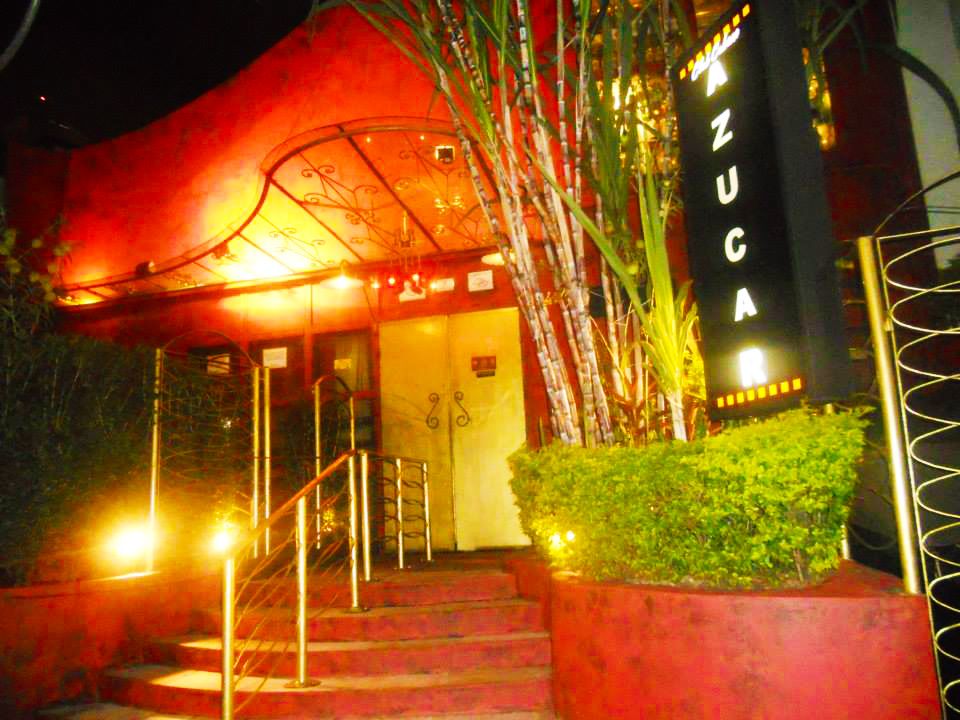
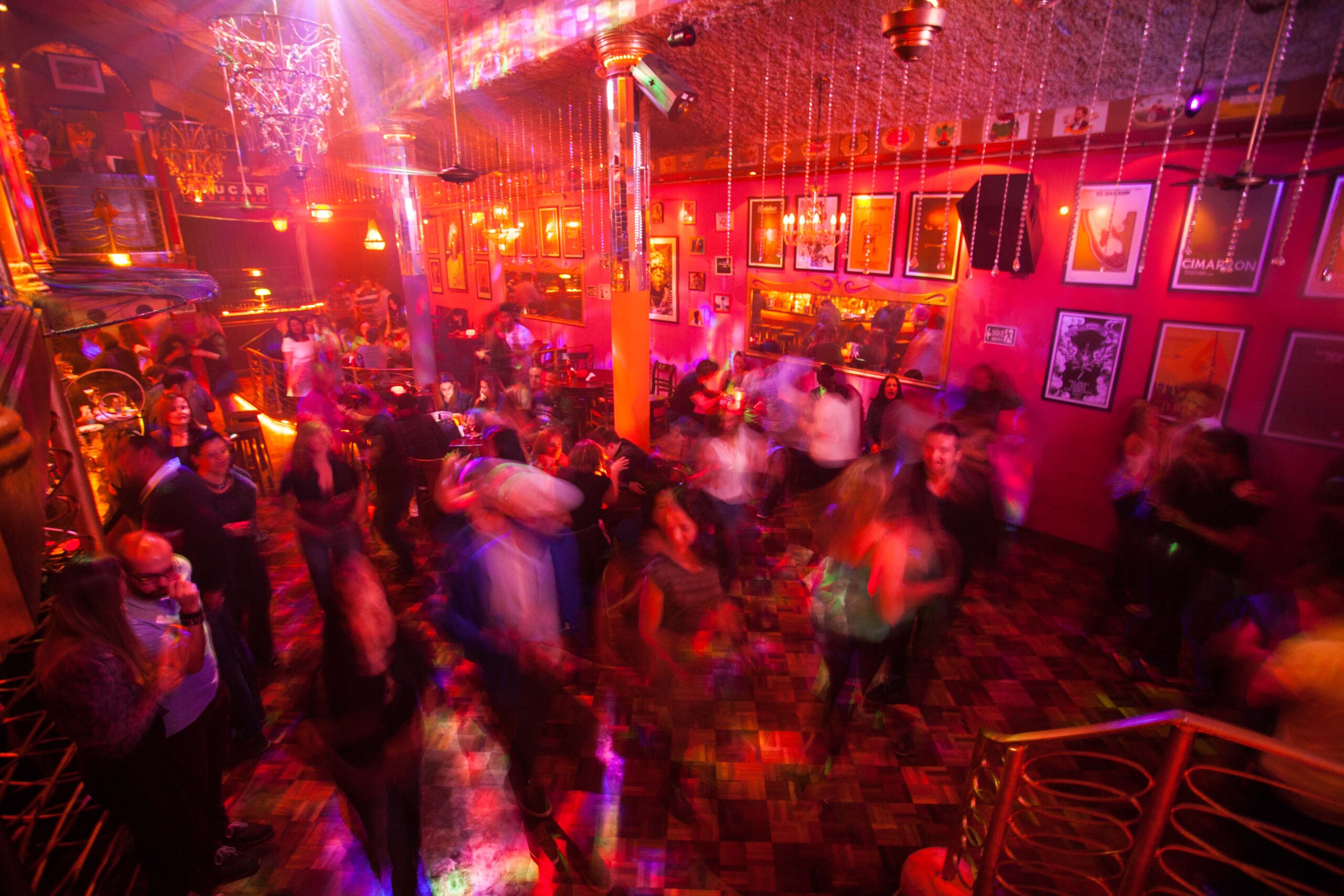
The “Azucar Club Cubano” opened in August 2000. The idea stemmed from Latin inspiration, with its vibrant and magnificent Caribbean music, leading to the opening of the first Latin club in São Paulo. To this day, it is recognized for its lively atmosphere and excellent service, where it enjoyed great success and continues to welcome all those who love Latin rhythms.

Among the rhythms played at “Azucar” are Merengue, Salsa, and Cumbia. It’s worth noting that Reggaeton and Bachata were added due to their popularity. All of these genres are provided by top Latin DJs, including Azucar Nelson Noce, Will Rosbon, Daniel Venezuela, and Julio Moracén. Both Brazilians and tourists visit “Azúcar,” so they specify a schedule of Latin rhythms to be played, as customers have different tastes. This way, you can enjoy the musical genre you want to dance to or listen to at the club that day. However, on Fridays and Saturdays, there’s a mix of Latin rhythms since those are the busiest days, marking the start of the weekend.

Photo 1: Azucar Club Cubano

Photo 2: Azucar Club Cubano

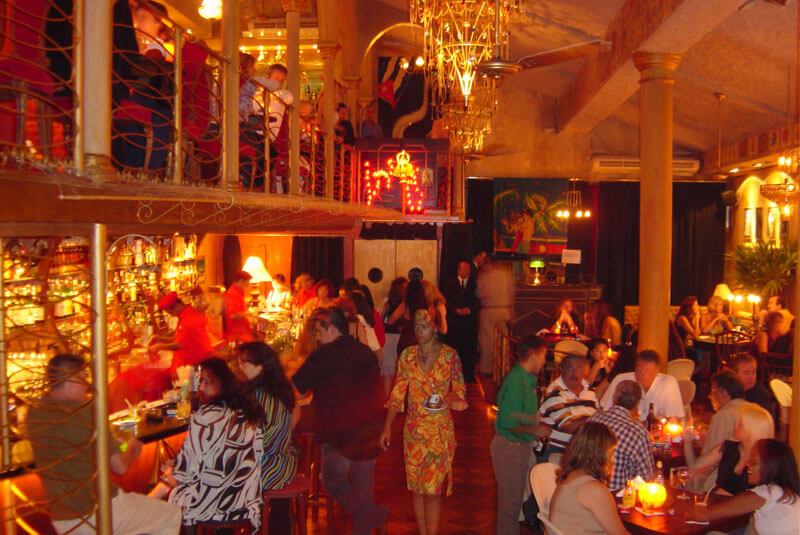
Photo 3: Azucar Club Cubano

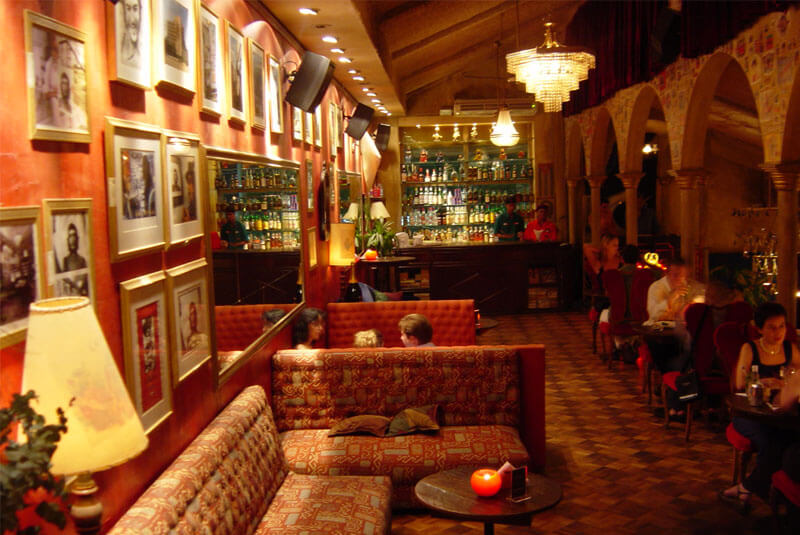
Photo 4: Azucar Club Cubano

They also have a bar where the most popular drinks are rum and tequila, and their cocktails include the Margarita, the Tequila Margarita, and the Mojito, the latter known as the best in all of São Paulo. They also have a varied menu.
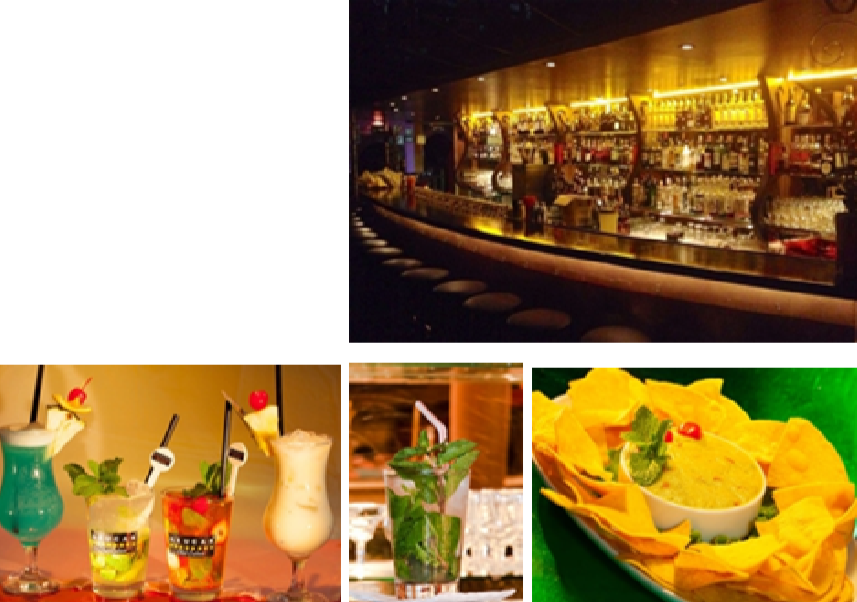
Azucar Club Cubano collash

The club is open to the public from Tuesday to Friday from 7:00 pm and on Saturdays from 8:00 pm, and you can pay with any credit or debit card. For more information:

  • Website: http://www.azucar.com.br/
  • Phone: +55 (11) 3074.3737
  • Facebook: https://www.facebook.com/azucarclubcubano/
  • Instagram: instagram.com/azucarclubcubano

Salsa in Berlin: The Best Clubs for Latin Music

Europe / Germany / Berlin

Salsa hit Europe like a pandemic, spreading from the jazz clubs in the big cities and hitting Germany in the 1980s. No wonder Salsa found so many followers – the Latin beats get directly under the skin and the rhythm moves hips and hearts just by itself. There is a sense of freedom in the music, and the widespread habit of Salseros asking Salseras for a dance makes it a piece of cake to meet new people in a relaxed and unrestrained atmosphere.

Salsa in Berrlin
Salsa in Berrlin

Berlin is famous for its nightlife and the immense diversity of scenes on offer for all kinds of people, tastes, and styles. Hence, it goes without saying that Germany’s capital has a thriving Salsa scene. Every year in October, it finds its peak during the three-day Berlin Salsa congress with famous Salsa stars from all over the world and around 6,000 participants.

But Berlin wouldn’t be the nightlife capital if it didn’t have a Salsa party every night of the week. Here are the best of the best Salsa parties in town to get hips swinging.

Dancing Salsa in Berlin
  1. Havanna

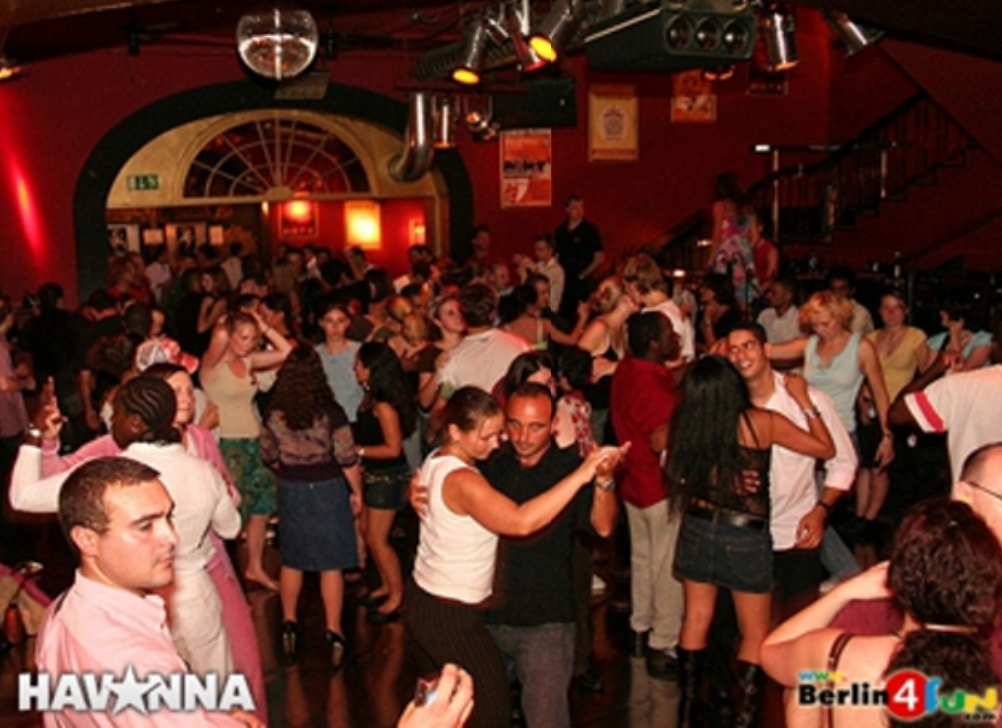
Every Wednesday, Friday, and Saturday, Salsa-obsessed dancers can move their hips in Berlin’s leading Latino and Black music club Havanna. The parties are spiced up by a one-hour dance lesson beforehand and some instructed Merengue in between on up to four dance floors.

  • Table reservation: +49 (0) 176-216 77 012 | [email protected]
  • Schedules: Miércoles 21:00 | Viernes 22:00 | Sábado 22:00
  • Dirección: Hauptstraße 30, 10827 Berlín.
  • Havanna Berlin Photo 1
    Havanna Berlin Photo 1
  1. RED Ballroom

This wonderful location heats up the floor for Salseros every Tuesday and Saturday. There is a compulsory dance instruction session beforehand, and the parties are free and handy for a newcomer to Salsa. The size of the location and the attached restaurant give the parties a more intimate feeling and professional dancer Fernando Zapato is on hand to ensure the right Latin atmosphere for a party night.

  • Genthiner Straße 20 10785 Berlin – Germany
  • Phone: +49 (0) 30 3151 8618
  • Email: [email protected]
Red Ballroom
Red Ballroom
  1. Clärchens Ballhaus

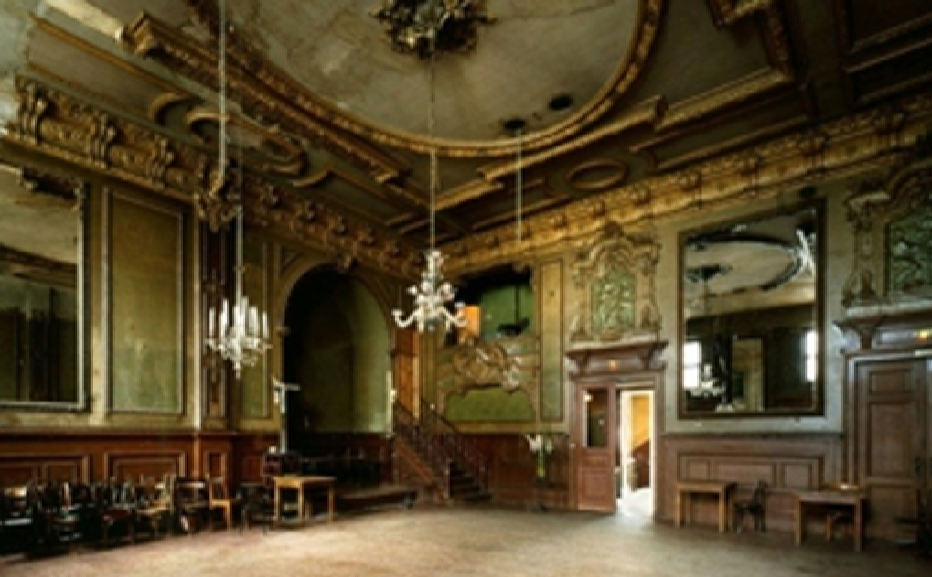
Clärchens’ Ballroom | (c) Clärchens Ballhaus

In an outstanding historical atmosphere, you can shake a leg every Monday. The so-called mirror hall is a secret tip in the Berlin club scene. Built in the late 1800s, the flair of the Wilhelminian era is still present in this location. Furthermore, it has a wonderful wooden dancing floor and is highly frequented by true Salseros in Berlin.

  • Auguststraße 24
  • Berlín
  • +49 30 2829295
  • @claerchens.ballhaus
Clärchens Ballhaus
Clärchens Ballhaus
  1. Soda Club

Known for its immense parties, the Soda Club Berlin plays Latin and Cuban music every Sunday and Thursday. The four dance floors are impressive, and revelers can expect to find Mambo, Kizomba or Bachata DJs serving up an eclectic mix of these styles so dancers can switch things up throughout the night.

  • Address: Knaackstr.9710435 Berlin +49 30 44315155 +49 30 44315199
  • [email protected]
Soda Club
Soda Club
  1. Beachmitte

Salsa parties at this location are organized by the Salsa dance school Cumbancha, which is located in Kreuzberg. They always draw in a huge crowd of Salseros and Salseras, where everyone kind of knows each other and which gives these parties a very familiar atmosphere, although the uninitiated should not be put off, these are friendly folks!

Caroline-Michaelis-Str. 8 10115 Berlin Tel. 030-4679 5997 Fax: 030-4140 8890

Mail: [email protected]

  1. Monbijoupark

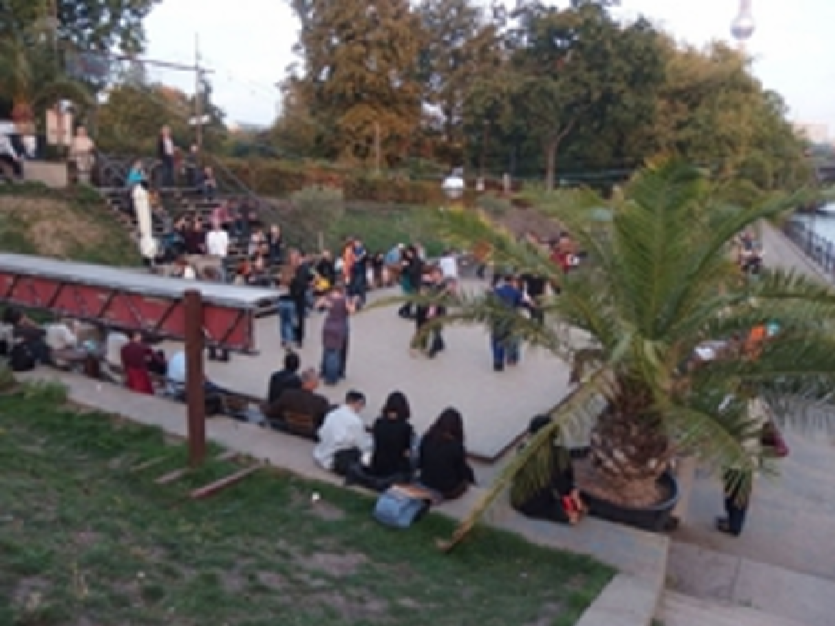
Monbijou Park | © Palickap/WikiCommonsThis is definitely the most beautiful location to dance in Berlin, although there is the small drawback that it is closed during the winter. That just heats the anticipation for the next spring, and, frankly, being outside in Berlin’s winter is a zany plan, even if you are dancing. So when winter starts to abate, and this open air location reopens its dance floor directly in front of the Bodemuseum on Museum Island, things start to swing. Even Tango and Swing lovers can enjoy their hobby; just visit their website for more details when they play which style of music.

Monbijoupark
Monbijoupark

Clubs Tour in Tennessee

North America / USA / Tenessee

Do you want to party in Tennessee? Then, this tour is made for you! It is the perfect opportunity to meet people and dance Latin tropical music all night in the best clubs of the moment.

The Rumba Room

The tour starts with The Rumba Room nightclub every Friday and Saturday from 9:30 pm to 3:00 am. Remember to bring your ID and try the mojitos. Guys first shot is on the house.

The Rumba Room is the first salsa nightclub located in downtown Memphis! Their mission is to introduce Latin culture to the Greater Mid-South through food, music, and dance.

The Rumba Room specializes in Latin food, tropical mixed drinks and live entertainment. They feature salsa lessons, live salsa bands, dance competitions, shows, concerts, after- parties, and reservations for private events.

THE RUMBA ROOM

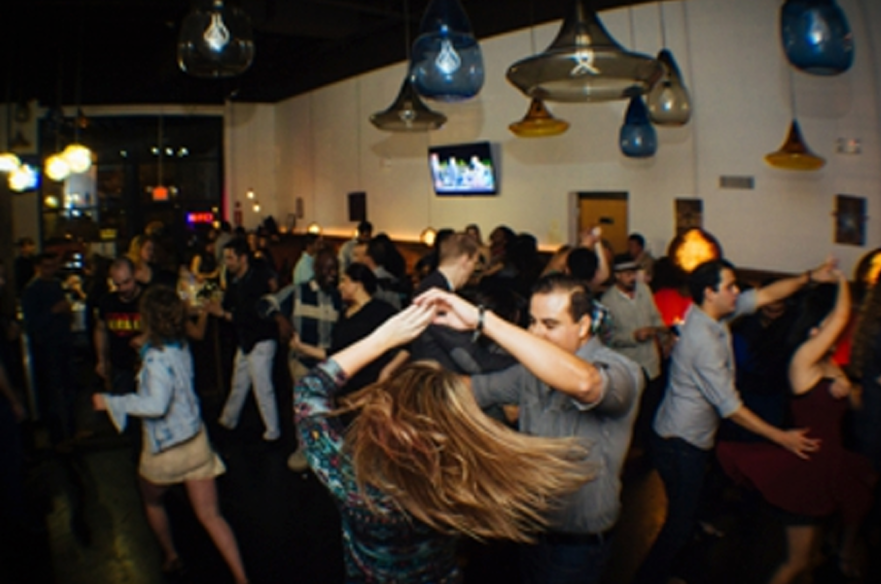
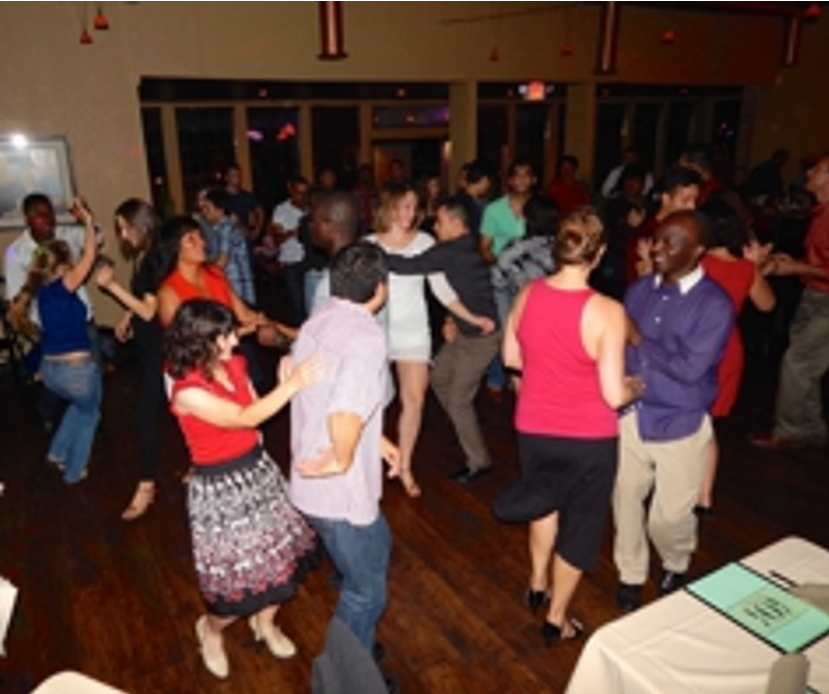
There’s a swanky bar area, a colorful mural, a menu full of Cuban and Latin-inspired appetizers, and a large dance area that pulses with a salsa beat. Primarily a DJ-driven dance club, the Rumba Room offers salsa music every Friday and Saturday night, with an occasional live band featured. Free salsa lessons are offered both evenings starting at 09:30pm. On Friday nights starts at 07:00 p.m until salsa time. The minimum age is 21; entry for salsa nights is 18 and up; ladies over 21 are free until 10 p.m., and there’s a $10 cover for all others.

The Rumba Room
The Rumba Room

Website: www.memphisrumba.com Address: 303 S. Main Street, Memphis, TN 38103, USA.

FRIDAY

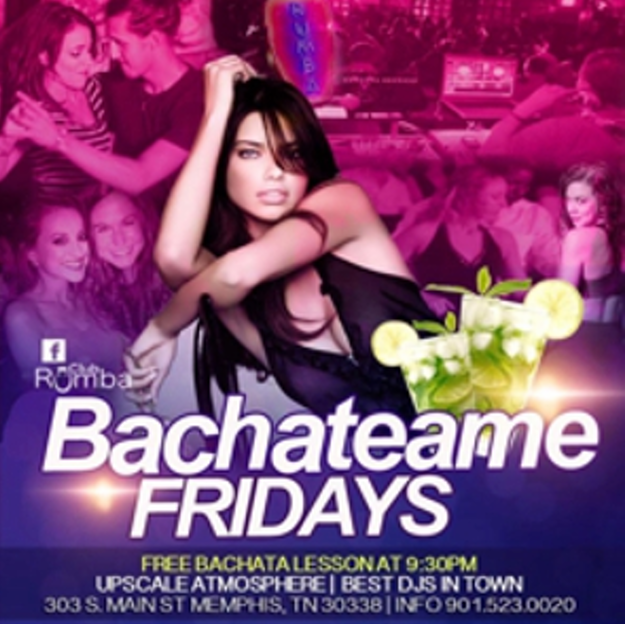
Bachateame Fridays

  • 9:30pm – 3:00am Free bachata lesson at 9:30pm. Ladies free all night. Guys first shot is on the house.
  • The Rumba Room - Bachateame Fridays
    The Rumba Room – Bachateame Fridays

SATURDAY

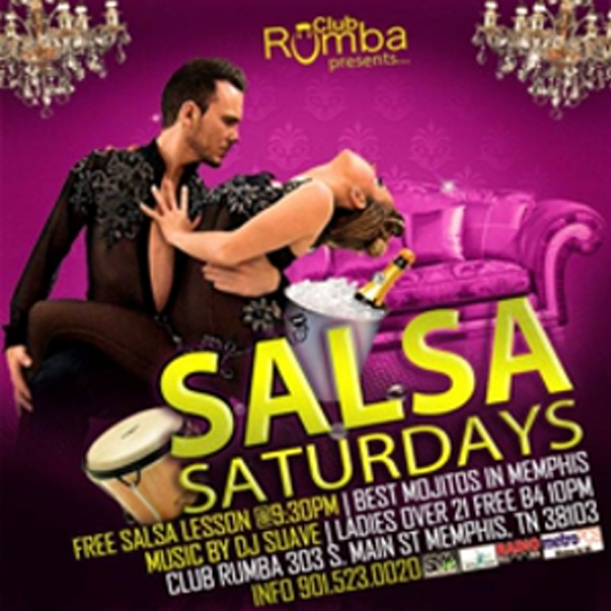
Salsa Saturdays

  • 9:30pm – 3:00am Free lesson at 9:30pm. Best DJs in town.
  • The Rumba Room - Salsa Saturdays
    The Rumba Room – Salsa Saturdays

Salsa Puerto Rican And Latin Cuisine

Explore the limits of your Nashville experience by dancing in this most important nightclub in Tennessee! You will know why Salsa is the queen of the parties and you will meet many people with the same passion as you for this tropical rhythm.

In January of 2013 Salsa Puerto Rican and Latin Cuisine opened its doors to the public in the heart of this city, bringing new flavors to Music City and adding the Caribbean taste to the great cultural variety of Nashville, with Latin dancing evenings and special events.

Salsa Puerto Rican And Latin Cuisine

FREE Salsa Dancing Lessons are presented every Tuesday, starting at 8pm. Aquí el instructor Francisco te ensenara los pasos básico de la Salsa, si eres principiante, para que aprendas a bailar esta música con facilidad y adoptes este ritmo rápidamente. La meta de Francisco es que tú aprendas a bailar Salsa. Es sencillo, te divertirás y socializarás a la vez. No Cover. Free Parking.

  • Address: 818 Palmer Pl, Nashville, TN 37203, USA.
  • Website: www.salsarestaurantnashville.com

404 BAR & GRILL

No queuing, no stress, just one of the best experiences of your life in the nightlife town of Nashville. EVERY SATURDAY, Sexy Salsa Dancing, 08:00pm. As always, on the main floor, we will be playing the hottest mix of Salsa and Bachata with just a splash of Cha Cha, Merengue, and Cumbia. It’s a mix that is proven to keep you on the dance floor all night long, so join for great music, people, and a cool time!

Joining for a very special Havana Nights! They will also be opening up the back patio for Kizomba by Moonlight, a separate area strictly kizomba and some afrohouse. (Weather permitting)

404 Bar & Grill
404 Bar & Grill

It has a small parking lot, but there is also plenty of free parking in the lot across the street.

  • Ticket: 8,00 USD/per person
  • 9:00pm Salsa Lesson
  • 10:00pm-01:00am Open Dancing
  • $8 cover charge
  • Website: www.404barandgrill.net
  • Address: 404 Elysian Fields Rd, Nashville, TN 37211, USA.

IBIZA NIGHT CLUB

And finally, take a walk on Ibiza Nightclub. A Club with 11 years of experience and great reputation in South Nashville. Their owners are Colombians and they put 100% Latin music: Salsa, Merengue, Bachata, Reguetón, etc…, punctured by Djs. They have a great musical repertoire that walks you from the great old successes until the present time. You dance all night and the safety is best.

Ibiza Night Club
Ibiza Night Club
  • Parking: In the street or beach
  • Open: Thursdays – Saturdays: 21:00-03:00 & Sundays: 22:00-03:00
  • Address: 15128 Old Hickory Blvd, Nashville, TN 37211, USA.
  • Facebook: Ibiza Night club

“El Caballero de la Salsa” Kicks Off “Íntimo” in Puerto Rico

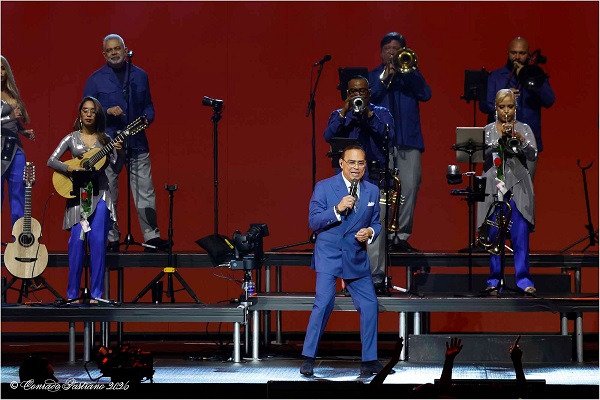
With performances on February 14 and 15, 2026, at the Coliseo de Puerto Rico, Gilberto Santa Rosa started the year “at home” with two sold-out shows and the successful launch of his “Íntimo” tour. That is always the goal. On the island, the audience is as demanding as they are generous and the singer knows it. Following the concerts, “El Caballero” posted on social media: “Puerto Rico, thank you for giving us two nights full of love, dancing, and so much music at home! What a thrill it is to sing at home!”

“El Caballero de la Salsa” Kicks Off "Íntimo" in Puerto Rico
“El Caballero de la Salsa” Kicks Off “Íntimo” in Puerto Rico

On January 30 of this year, the album that shares the tour’s title was released. In Puerto Rico, two shows were scheduled for Valentine’s Day weekend. The first coincided with Valentine’s Saturday; the second was added for the following day due to how quickly the first round of tickets sold out.

At exactly 6:46 PM on Sunday, February 15, 2026, the stage of the Coliseo de Puerto Rico welcomed Gilberto Santa Rosa’s orchestra to begin the second concert, marking the salsa singer’s long-awaited reunion with the Puerto Rican public. According to a press release from Edumil Ruiz’s agency: “These performances are part of a series of special concerts celebrating the month of love (…) and represent the long-awaited reunion of ‘El Caballero de la Salsa’ with his Puerto Rican audience after two years since his last performance on the island.”

A Night of Rhythms and Ovations

The performance began with high energy and impact from the very first track. The opening bars were seasoned with the sounds of the Puerto Rican cuatro, played by Fabiola Muñoz. “Déjate querer” featured a timbal solo by Pete Perignon, while “Cartas sobre la mesa” highlighted Saviel Cartagena’s saxophone. These were followed by “Ahora o nunca,” “Tú,” “Amor para la historia,” “Quiéreme,” and “Almas gemelas,” which featured Juan Carlos Vega on an aerophone solo; followed by “Yo no te pido” and “Conciencia,” for which the audience gave the artist a thunderous standing ovation.

Between songs, Santa Rosa took a moment to address the crowd: “I was born, raised, and live here. And it moves me to know that here in Puerto Rico, I am still dearly loved.” He added that he is a fan of singing to the brokenhearted with “scorned” lyrics set to savory, danceable arrangements. Addressing the contradiction of that combination, he stated, “We Puerto Ricans are capable of crying and dancing at the same time,” capping the explanation with: “That’s just how passionate we are.”

152 With the performances on February 14 and 15, 2026 at the Coliseo de Puerto Rico, Gilberto Santa Rosa began the year in "his home" with two sold-out shows.

152
With the performances on February 14 and 15, 2026 at the Coliseo de Puerto Rico, Gilberto Santa Rosa began the year in “his home” with two sold-out shows.

After his remarks, “Gilbertito” explained he would welcome a beloved artist to sing “Misterio,” an urban salsa track with lyrics “about a relationship where you don’t know if it’s coming or going, starting or ending.” Gerardo Rivas took the lead in his solo role, which required Pete Perignon to fill in on the congas while Pedro Marcano took over the timbales.

Tributes and Special Guests

Later, Gilberto Santa Rosa dedicated a segment of the concert to a legend Puerto Rico bid farewell to last December. He stated that Rafael Ithier was a musical genius whom he considered a mentor and a father in music, dedicating the iconic “Las hojas blancas” to him. Notably, the production featured a team of sign language interpreters who translated the entire concert in real time.

The repertoire also included “Vino tinto,” “Cosas nuevas” highlighting Pedro Marcano on the flugelhorn and “No me dejes solo,” which kicked off with a mozambique rhythm and rumba clave on the drums, courtesy of Gerardo Rivas and Tito Echevarría. The most anticipated moment arrived when Santa Rosa asked the crowd to join him in a chorus that allowed “El Caballero” to pay his respects to special guests. The “Choliseo” vibrated as the crowd chanted: “Mira quien llegó / Quién está ahí / Qué bueno que te vino a ver” (Look who arrived / Who is there / How good they came to see you). The tenacious sonero greeted the following guests in perfect rhyme and with his trademark elegance: Don Perignon, Luisito Ayala, Luis Vázquez, Juan José Hernández, Elwood Cruz, Marilin Pupo, Cucco Peña, Lissette Álvarez, Willie Chirino, his wife Alexandra Malagón (whom he called “The owner of my heart”), and Ismael Miranda, among others.

The evening continued with “No pensé enamorarme otra vez” and “Para vivir,” for which he was joined by Yeika Álvarez and “a representation of the Arturo Somohano Philharmonic Orchestra of Puerto Rico.”

Gerardo Rivas (Hijo de Jerry Rivas el reemplaso de Jimmie Morales), Gilberto Santa Rosa y Pete Pergnon

A Monument to Nostalgia

“Tengo una muñeca,” followed by a fusion that progressed from boogaloo to cha-cha-cha and finally to salsa with Gilberto showcasing his skill on the maracas led us into a monument of nostalgia. The memory of the conga player Santa Rosa had worked with since their days in Willie Rosario’s orchestra until his passing in 2021 was honored with “Impaciencia.” The song showcased the Jimmie Morales Signature Series drums by Remo Percussion©, which sponsored “El Rey del Seco” (The King of the Dry Hit) from 2005 to 2016.

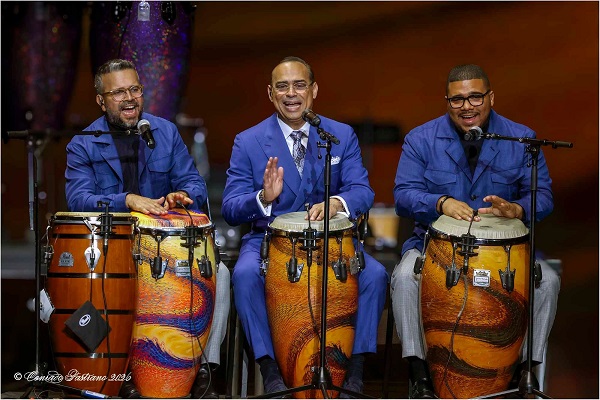
During this segment, “El Caballero” displayed his own skills as a talented conguero while singing, accompanied by Gerardo Rivas (the orchestra’s conga player) and Pete Perignon (the timbalero) on either side. While the audience was spellbound by the sight of the three musicians at their drums, this writer wondered if Gilberto was reminiscing about the days when he used to imagine he was a singer, using an upside-down trash can as a drum in the group led by Don Perignon.

The “Army of One”

This intervention was followed by “La agarro bajando,” which preceded the introduction of the band members, “musically directed by the master of the trombone,” Georgie Torres. The lineup included:

  • Backing vocals: Yeika Alvarez and Gino Ramírez.
  • Puerto Rican Cuatro: Fabiola “The one who holds her own” Muñoz.
  • Trumpet: Rebecca Zambrana (with the orchestra for 29 years) and Pedro Marcano.
  • Trombone: Anthony Rosado (also a ballroom dance champion).
  • Saxophone/Flute: Francisco “Paquito” Cruz and Saviel Cartagena.
  • Piano: Luis Marín.
  • Congas: Gerardo Rivas.
  • Timbales: Pete Perignon Morales.
  • Bongos: Rafael “Tito” Echevarría.
  • Bass: The legend Johnny Torres.
  • Keyboard/Aerophone: Dr. Juan Carlos Vega.
  • Vocals: Michael Pérez.

Santa Rosa also praised the technical and audiovisual teams, producer Rafo Muñiz, and Edumil Ruiz, noting that “all these people make this work.”

After identifying his team who gave a masterclass in what the military calls an “Army of One” the hits “Conteo regresivo,” “Perdóname,” “Que alguien me diga,” and “Que manera de quererte” rang out. Gilberto Santa Rosa celebrated Valentine’s weekend by once again proving why he holds the loyalty and preference of his Puerto Rican fanbase.

From the start, the energy never wavered. The crowd sang and danced along with the artist, the musicians, and the dancers on stage. The vast repertoire serves as a reminder of the countless hits “El Caballero de la Salsa” has collected throughout his prolific career.

Bella Martinez Puerto Rico


Also Read: Bandleader and conga player Tony Rosa tells us how he built his career

Compay Segundo The Eternal Patriarch of Cuban Son

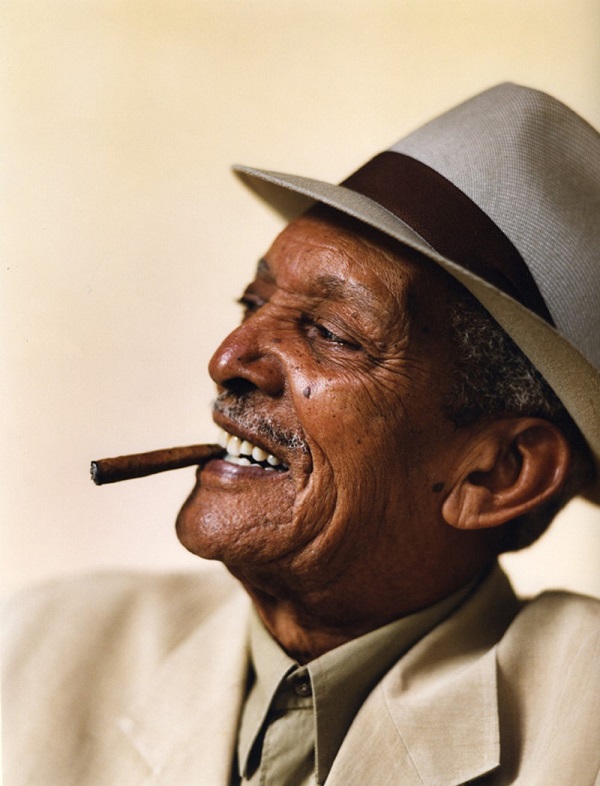
Máximo Francisco Repilado Muñoz better known as Compay Segundo (1907-2003) The voice that conquered the world in the nineties.

Máximo Francisco Repilado Muñoz, globally known as Compay Segundo, is one of the most emblematic and essential figures in traditional Cuban music.

Born on November 18, 1907, in Siboney, Santiago de Cuba, his life was a dedication to music that culminated in a late, but well-deserved, global fame before his passing in Havana on July 13, 2003.

Máximo Francisco Repilado Muñoz, known worldwide as Compay Segundo

Origins and Musical Training

Compay Segundo was raised in a highly musical and manual environment. His father, Máximo Repilado, was a bricklayer and a great lover of traditional santiaguera music, while his mother, Caridad Muñoz, provided a strong cultural influence.

Coming from a large family, his brother Lorenzo Repilado was also an active figure in the Santiago music scene.

His beginnings were typical for the era. Compay started his career as a clarinetist in the Santiago Municipal Band, consolidating his training by later joining the Army Band. In the 1930s, he migrated to Havana, a crucial step that fully integrated him into the capital’s professional circuit.

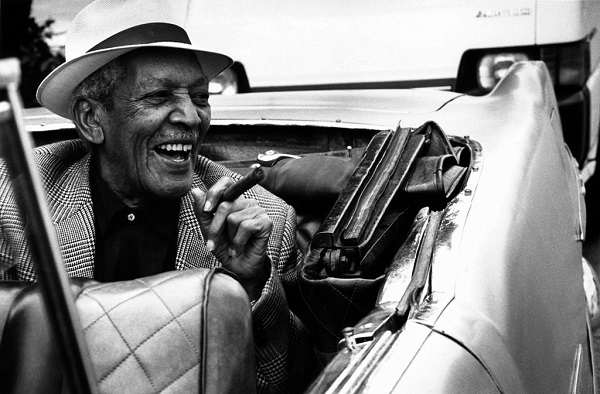
Compay Segundo se crio en un ambiente musical y manual

Los Compadres and the Birth of the Name

The stage that would give him his artistic name and national fame was the formation of the Dúo Los Compadres in the 1940s alongside Lorenzo Hierrezuelo.

  • The Nickname: The name “Compay Segundo” (Second Compadre) arose because Máximo Repilado always sang the low harmonic or “second” voice (segundo) in the song, while Hierrezuelo performed the main voice. Hence, the affectionate Cuban diminutive “Compay” (short for compadre) plus “Segundo” (Second).
  • National Success: The duo became a sensation throughout Cuba, leaving behind unforgettable classics of son oriental such as “Macusa,” “Mi Son Orientál,” and the early version of what would become his most famous song: “Chan Chan.”
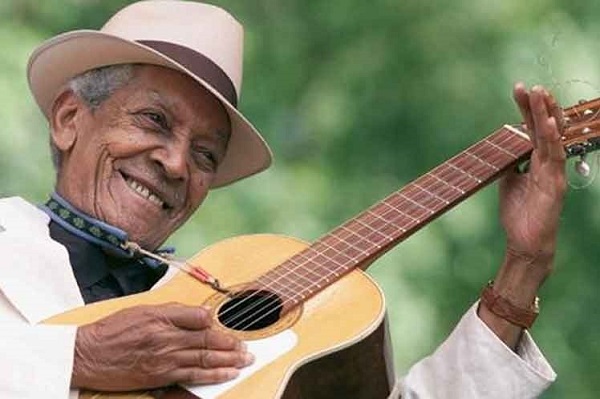
Compay created the armónico, a hybrid between a Spanish guitar and a Cuban tres, with 7 strings

The Armónico: His Instrumental Contribution

One of Compay’s most unique contributions was the invention of the “armónico,” an instrument he designed himself. It is a seven-string hybrid, halfway between the traditional Spanish guitar and the Cuban tres. This instrument allowed him to simultaneously execute bass lines, harmony, and melody, creating a unique sound that became the foundation of his style.

The Buena Vista Social Club Phenomenon

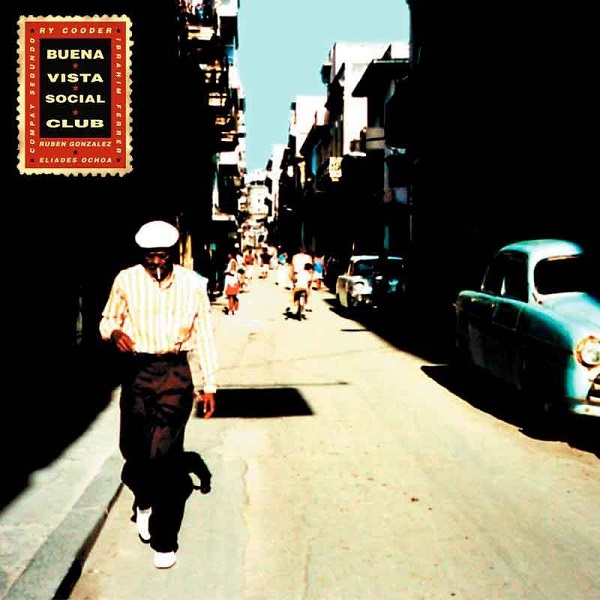
When it seemed Compay’s career was waning, destiny reserved the most glorious stage for him. In 1997, at the age of 90, he was invited by American musician Ry Cooder to participate in the recording of the album “Buena Vista Social Club.”

  • Global Fame: The success of the album and the subsequent documentary directed by Wim Wenders catapulted him to worldwide fame.
  • The Anthem: His unmistakable voice and the magical rendition of the song “Chan Chan” turned him into an international superstar, leading him to perform on the world’s most prestigious stages and bringing Cuban son to audiences of all ages.
The Buena Vista Social Club Phenomenon

Legacy and Family Continuity

Compay Segundo left behind a repertoire of songs considered national treasures. His most prominent tracks include “Chan Chan,” “Sarandonga,” “Las Flores de la Vida,” “Orgullecida,” and the popular bolero “Veinte Años,” which he popularized.

Compay was a father to at least nine children. His musical legacy not only lives on through his recordings but also through the activity of his descendants:

  • Basilio Repilado (1954–2012): Founder and arranger of the Grupo Compay Segundo.
  • Salvador Repilado: Upright bass player and current director of the Grupo Compay Segundo, the official international touring ensemble.

Furthermore, the younger generations (grandchildren and great-grandchildren) such as Yohel, Alejandro, and Yurisley Repilado continue the tradition in Havana with the ensemble “Los Herederos de Compay Segundo” (The Heirs of Compay Segundo), ensuring that the unmistakable sound of the Patriarch of Cuban Son continues to resonate in Cuba and the world.

Collaboration: 

Sr. Eduardo Guilarte

Also Read: Son Cubano is one of the most popular musical styles in Cuba and Kiki Valera is one of its leading exponents

  • Page 1
  • Page 2
  • Page 3
  • Interim pages omitted …
  • Page 17
  • Go to Next Page »

International Salsa Magazine (ISM) is a monthly publication about Salsa activities around the world, that has been publishing since 2007. It is a world network of volunteers coordinated by ISM Magazine. We are working to strengthen all the events by working together.