• Skip to primary navigation
  • Skip to main content

International Salsa Magazine

  • Home
  • Previous editions
    • 2025
      • ISM / November 2025
      • ISM / October 2025
      • ISM / September 2025
      • ISM / August 2025
      • ISM / July 2025
      • ISM / June 2025
      • ISM / May2025
      • ISM / April 2025
      • ISM / March 2025
      • ISM / February 2025
      • ISM / January 2025
    • 2024
      • ISM / December 2024
      • ISM / November 2024
      • ISM / October 2024
      • ISM / September 2024
      • ISM / August 2024
      • ISM / July 2024
      • ISM / June 2024
      • ISM / May 2024
      • ISM / April 2024
      • ISM / March 2024
      • ISM / February 2024
      • ISM / January 2024
    • 2023
      • ISM / December 2023
      • ISM / November 2023
      • ISM / October 2023
      • ISM – September 2023
      • ISM – August 2023
      • ISM July 2023
      • ISM Edition June 2023
      • ISM – May 2023
      • ISM April 2023
      • ISM March 2023
      • ISM February 2023
      • ISM January 2023
    • 2022
      • ISM December 2022
      • ISM November 2022
      • ISM October 2022
      • ISM September 2022
      • ISM August 2022
      • ISM July 2022
      • ISM June 2022
      • ISM May 2022
      • ISM February 2022
      • ISM January 2022
    • 2021
      • ISM December 2021
      • ISM November 2021
      • ISM October – 2021
      • ISM September 2021
      • ISM August 2021
      • ISM July 2021
      • ISM May 2021
      • ISM April 2021
      • ISM June 2021
      • ISM March 2021
      • ISM February 2021
      • ISM January 2021
    • 2020
      • ISM December 2020
      • ISM November 2020
      • ISM October 2020
      • ISM September 2020
      • ISM August 2020
      • ISM July 2020
      • ISM June 2020
      • ISM May 2020
      • ISM April 2020
      • ISM March 2020
      • ISM February 2020
      • ISM January 2020
    • 2019
      • ISM December 2019
      • ISM November 2019
      • ISM October 2019
      • ISM Septembre 2019
      • ISM August 2019
      • ISM July 2019
      • ISM June 2019
      • ISM May 2019
      • ISM April 2019
      • ISM March 2019
      • ISM February 2019
      • ISM January 2019
    • 2018
      • ISM December 2018
      • ISM November 2018
      • ISM October 2018
      • ISM September 2018
      • ISM August 2018
      • ISM July 2018
      • ISM June 2018
      • ISM May 2018
      • ISM April 2018
      • ISM March 2018
      • ISM February 2018
      • ISM January 2018
    • 2017
      • ISM December 2017
      • ISM November 2017
      • ISM October 2017
      • ISM September 2017
      • ISM August 2017
      • ISM July 2017
      • ISM June 2017
      • ISM May 2017
      • ISM April 2017
  • Download Salsa App
    • Android
    • Apple
  • Spanish

Search Results for: Afro dances

Wilmer Sifontes “Music is one of the most important things in society”

Music has no boundaries, it has the magical power to bridge social and cultural divides. Such is the case of percussionist Wilmer Sifontes, born in Caracas on March 21, 1968, a year of great events worldwide, a native of the parish of La Vega.

In 1992 he travelled to the United Kingdom for the first time to participate with the Entreverao Group in the World Music Festival “Spirit of The Earth” of the BBC in London.

Thanks to his (Wilmer Sifontes) participation with this group, he got several offers to return to the United Kingdom, so from 1996 he decided to settle down definitively in that country.

His musical duality has allowed him to work with different musical groups and bring the intoxicating rhythms of the American continent to those latitudes. He tells us that; “Fortunately, music is a universal language, it is the flag that one carries and allows you to make your way in other spaces”.

Wilmer, sometimes we imagine that the passion for music comes from a family inheritance, I see that this is not the case with you, how were your musical beginnings?

“In my family there are no musicians, however, as a child I always listened to music, on the way to my house there were places where the orchestras rehearsed, and that I liked it, I started playing salsa, it was always my forte, the music worm began at 10 years old, when the theme of Pedro Navaja with Ruben Blades and Willie Colon was in fashion, in the classroom a classmate imitated that little grave on the desk, this impressed me so much that from that moment the message came to me and I said -this will be my thing-“.
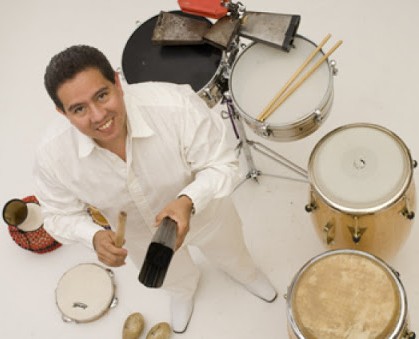
Wilmer Sifontes and his drums

That would be his entrance to the world of music

 “Yes, that was a message -but look at it-, I was a sportsman -I played Volleyball and Basketball-, and my sportsman friends wanted to be musicians, they were all adults and I was always with them as a boy, but they had no musical skills, no instruments, this prompted me to look for someone who would help me get into music, so, through my cousin I met the bassist José Machado

-he belongs to a family of musicians from La Vega-, they were my first teachers, they were always rehearsing and I saw, -a visual teaching – because I was a kid, they had a Cuban Son group called “Los Machados”.

At some point he played with them

 “After a while we started playing with the “Machados”, people were impressed to see such young boys playing, from him I received my first drumsticks, although I wanted to play bongo”.

How was that evolution?

 “In the neighborhood I continued with different groups, then with my cousin we created the “Orquesta La Conclave” and here we developed, we played in all the cultural events”. “We were rehearsing at Catia and Jesús Gómez -one of the singers of Sonero Clásico del Caribe- was always passing by and one day he told us that he needed a timbalero and a pianist, that if we wanted to work with him and we said yes, they played every night at La Caneca, a very famous place that was on Sucre Avenue in Catia”.

“This was my first night job, then I went to Silencio and played in different clubs”.
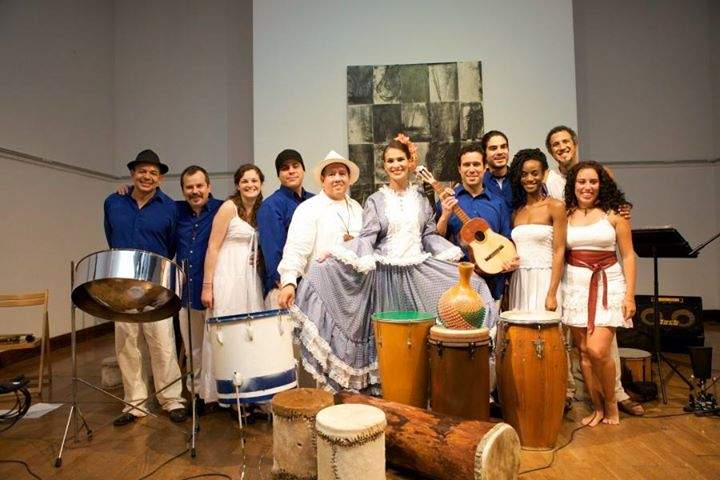
Wilmer Sifontes in the company of various artists

He is an empirical musician

“I made several attempts to study but… It was a little difficult, there were very rigorous classical schools at the time and I could not enroll, in one I went – La Lamas- together with my cousin, we took the exam and they scratched us (laughs), it is a very nice anecdote, we both sang without knowing the Black Tomasa”.

How does it come to perfection then?

 “I was playing by ear, it wasn’t something formal, as he already works in the nights in the clubs, a friend told me that in the Central University of Venezuela, Alberto Borregales and Orlando Poleo were giving classes, when I arrived I saw a great amount of people and I said: -whoa, here they are not going to accept me with that crowd- by chance, the teacher Borregales, makes a small group due to the little space that there was in the classroom, and at that moment I was going to evaluate them to decide who was left and who was not, fortunately I passed the test and I stayed”.

The experience of the street helped him

“(laughs), yes.”

Formally, Borregales was their teacher

 “Yes, but my first teachers were the Lp, besides the radio, I listened to a program called “Latin America the Cosmic Race”, with Borregales I entered with a greater discipline, he taught me to analyze, he indicated us what to read, what to listen. Later I was with Poleo in Caricuao, then in San Agustín and eventually went to Sarria. In the neighborhood I learned from Carlos “Tabaco” Quintana, he was one of my favorites, he was my inspiration, he was a timbalero with a terrible swing, excellent, in the neighborhood there were many good ones”.

“Apart from them I also learned from; Daniel Milano Mayora, Jesus Milano Palacios, in the Aquiles Nazoa Library -of Caricuao-, the Bigott Foundation and the Grupo Autóctono de la Vega”.

How was that jump from salsa to folklore?

 “I was offered to join the Grupo Autóctono de la Vega, with a great trajectory -it must be 40 or 50 years old by now- there is no role for the amount of people who have passed through there, it is the first group that makes the San Juan demonstrations in Caracas, this is from the Rivas and Ochoa family, it was my first school of folklore, they did dances, sports and then it was dedicated only to folklore music, both have been my teaching, I did not leave either of them”. “Then I played with many other folk and salsa groups, music is one of the most important things in society.”

The Grupo Autóctono de la Vega opened its doors to him, but the Agrupación Entreverao marked his future

“Yes, Entreverao marked my future, let’s say it was a show group, a quartet, its musical structure was very particular, harp, bass, drums and singer, then the percussion was introduced, the percussionist Rhay Herrera was their Director, I got a lot of experience with this group, we had a lot of work and learning, with them we made the first trip to the UK in 92”.

Wilmer Sifontes on stage

How did you decide that London would be your destination, why not another place more tropical, warmer, you did not think that you would face another culture, another language, another climate?

 “I was playing with Erick Franchesky, at that time he had 3 songs stuck in New York, we were going to go four or five of the band, it was almost confirmed, but it didn’t happen, music is like that, sometimes it offers you villas and castles and tomorrow you have nothing.” “I also had other proposals to come to the United Kingdom, the first thing that came out was this, that is, my destiny wanted me to come here”.

“Being out of your country, you learn other things, and that’s one of the particularities of my work, you learn to be more tolerant with people, as I know a lot of folklore from other places has allowed me to arrive, the culture is different to ours, is strong above all if you do not master the language, even if it is the basics, the climate if it was a shock, this is a fridge, (laughs)”.

I can’t imagine the English dancing and listening to Salsa, do they like the genre?

 “In the 90’s Salsa was very fashionable around here, there were many places to play, the acceptance of the music is excellent, when the Salsa boom, everyone wanted to learn to dance it, there are clubs to learn to dance, they have fallen in love with Latin American culture, they have been very receptive to those we have come to work with”. “I am the first Venezuelan to make a legal Folkloric Group in this country”.

Tell us a little about that project; AfroAmerica Project

 He founded it in 2007, it is an official group of typical and traditional Afro-Venezuelan music, people love Latin American music, they receive it very well, the name is due to a magazine that Jesus “Chucho” Garcia made, which speaks of Afro-Cuban music”.

 He continues to work with this project

“Yes, it is a group like Un Solo Pueblo, 90% is Venezuelan music, fulia, tambor, parranda, Calipso, Larense music, there are people who are outside Venezuela and do not know their music, then, we must show what we are, show our culture”.
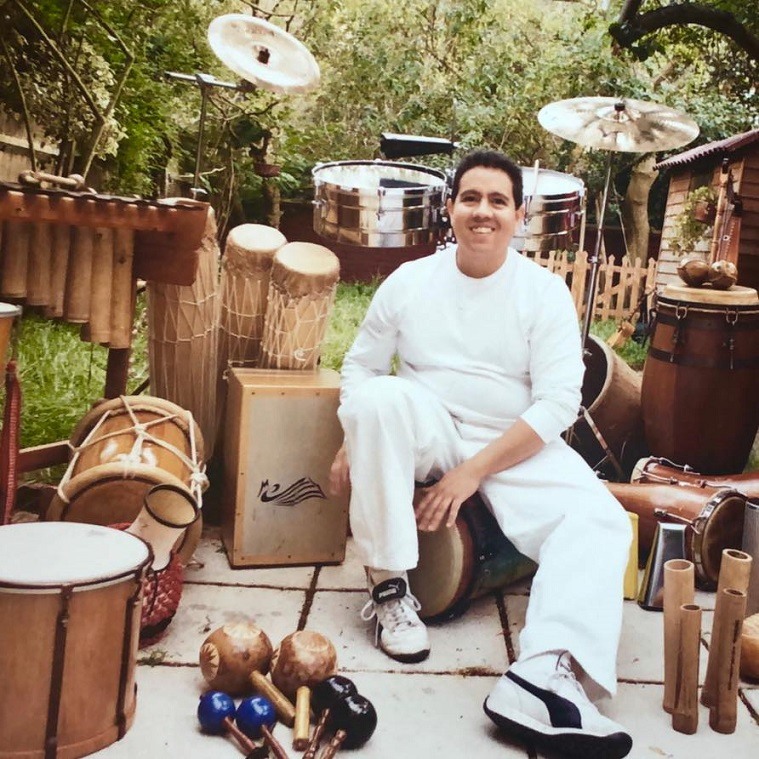
Photo of Wilmer Sifontes and his instruments

What groups have you worked with in the UK?

 “Any number of bands, when I arrived in the UK I started with a man named Kora, he played an African harp, his band was World Music, his music was a mix of African rhythms and the idea was to play Latin American percussion, as I have the virtue of playing different styles of music work with him”.

“Although I did a lot of Salsa in the early years, the other bands I remember are Conjunto Sabroso, Hussein Zahawy, Tumbaito, Ensamble Criollo, La Papayera, Salsa Nueva, The Voices of Naturale, La Charanga Rivera, Tango Tierra, Ensamble Criollo, Clara Rodríguez, Ola Onabule, AfroAmerica Project, Cubanito, Chacón y Su Timba, Bahareque, Salsa Céltica, Kora Colours, Los Charlys Orchestra, Classico Latino, Bilongo all Stars, among others”.

It’s easy for him to move through different genres

“Yes, I owe this to my country, thanks to all that learning I have been able to do so many things and share with so many people in different parts of the world.”

Thanks to this duality you have worked with and accompanied different artists, which ones do you remember?

“Among those I remember are Herman Olivera, Willie González, Maelo Ruiz, José Mangual Jr, Luisito Carrión, Roberto Torres,Tony Vega, Pedro Brull, Tito Gómez, Tito Nieves, Cano Estremera, Giovanni Hidalgo, Andrés Cepeda, Aterciopelados, Leroy Burges, Rodolfo Arcardi, Henry Fiol, Alci Acosta, and the Bands and groups in Venezuela are; Orquesta la Grande, Catatumbo, Entreverao, Criollo y Sabroso, Orquesta la Raza, and with whom I have participated are; Grupo Cosecha, Grupo Autóctono, Jesús Ruiz, La Gran Compañía and Eric Franchesky -who- among many others”.

Wilmer Sifontes in the studio with his instruments

Celtic Sauce, explain that to me, it sounds a little strange

“It’s a Scottish group that mixes Celtic music with Salsa, with them I started doing substitutions for the timbalero, it’s very nice and interesting, they use the traditional instruments of Scottish Folk and the instruments of Salsa and Latin Jazz, they have also mixed it with pop, with rock, with Indian music, that gives them a unique and characteristic sound to this group, with this group I have traveled the world”.

Another band you have worked with is Sidestepper, very famous for fusing elements of Antillean and Colombian music with electronic music.

“Yes, the band was formed in Colombia, by the English producer Richard Blair, he revolutionized the traditional sounds of the region by mixing them with avant-garde sounds, with them I made an interesting work”.

Tell us about the Salsa Nueva Project

“That is the project of the Venezuelan pianist Elena Riu, is the fusion of Salsa with classical arrangements, you can be listening to a kind of montuno, a tumbao’ on the piano and the minute it disappears and leaves a passage well classic, is Latin in classical music, had original themes, is a theme that is called sal-si-ta -so separated-, had songs by Ruben Blades, Ismael Rivera, very cool.

“She needed a rhythmic element and invited me to accompany them, two months later we recorded an album in a church”.

 How do you feel about conducting one of the most popular bands in London, El Conjunto Sabroso?

“It has given me a lot of foundation and satisfaction, it was founded by Mrs. Luisa Elena Caicedo, since I arrived here I started to work with them, she listened to my references and called me to make substitutions, then I was their director and assistant director”.

Wilmer Sifontes in the studio

With you, the saying goes… No one is a prophet in his own land

“I think that yes, many people have been prophets, but… after death or after many years -laughs-, I don’t know, at this moment it is so difficult to put a definition to this, although I believe that nobody is a prophet in his land”.

From whom or from whom has he taken his musical influence?

 “There are several, the list is long, Carlos “Tabaco” Quintana, Orlando Poleo, Alberto Borregales, Alfredo Villamizar, Orestes Vilato, Tito Puente, Dave Wackel, Ray Barreto, Un Solo Pueblo, Guaco, Paquito de Rivera, Giovanni Hidalgo, Paoli Mejias whom I had the pleasure to meet and accompany, El Trabuco Venezolano, La Fania All Star, Irakere Orchestra, and Puerto Rican and New York Salsa, among many others”.

How has your musical growth been?

 “I have learned a lot from each culture, from the Colombian, Cuban, Argentinean, African, knowing the folklore of other places teaches you a lot, sharing with people from all over makes you grow and learn every day, this is part of the particularity of my profession.”

How do you see the market right now, there is a great variety of music, everyone has their own style, what do you think of all this new, but sometimes not good?

 “I don’t know if it’s taking a turn or not, the truth is that Europe is different, it has another kind of market, which is not that I’m involved, previously there were many festivals, pop and rock are the popular music of this country, but, reggaeton has been influenced by society, it has been injected with a lot of money, apart from the impact of social networks, it reaches more people, social networks have changed the way music is sold in the world.

“People are scared of reggaeton, for me it depends on who is doing it, the market has changed because of the networks, anyone makes music, anyone plagiarizes music from others, we are in a time of change and music does not escape from it.”

What do you think about tributes and copies, is the musician’s creativity running out?

“When people are alive it is always good to highlight their contribution to the world, there will always be a reference to someone, but it is good that people are creative, and there are the brazen ones who shoot the songs and put other lyrics on them, it is like winning people over with other people’s work”.

“The musical genius has not declined, what happens is that there are no promotions, people who do not do commercial work, it costs a little more to reach, fight against the great machines that bet on other things, musical geniuses are born for generations, are counted.”
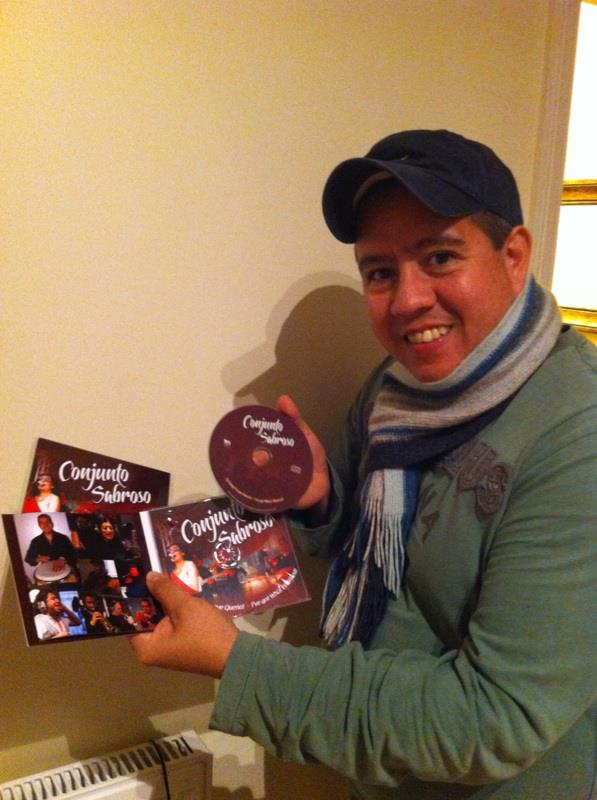
Wilmer Sifontes and his records

The first production of the Conjunto Sabroso is entitled “Ya tengo lo que quería, realmente”

 “You never get to have everything you want, but at that moment, we had what we wanted, in that production there are arrangements by Naty Martínez”.

Among your personal projects, which ones would stand out and what new proposals do you bring to the public?

“I was the founder of Ensamble Criollo, we still work with this, AfroAmerica Project, Wilmer Sifontes y Su Combo Caribe, Will Sifontes and his Latin Sound and I’m still working with Conjunto Sabroso as musical director, besides, I’m making a solo album, -let’s say it’s called Latin Jazz- it’s a mix of everything, of my musical career, I already have 3 numbers, there will be duets, quartets, guests, the production is going to be called “Handmade”.

If you were to choose between folklore and salsa

“I’ll take them both, they’re different loves, I still do folklore, salsa and fusions.”

What recommendation do you have for the relay generation

“My recommendation is that they prepare themselves, musically, but first of all their idiosyncrasy, we have to have very clear the bases of what we are and develop them with modern techniques and other elements from other countries, to have discipline, today it is easier to have the information, there are more institutes, the internet”.
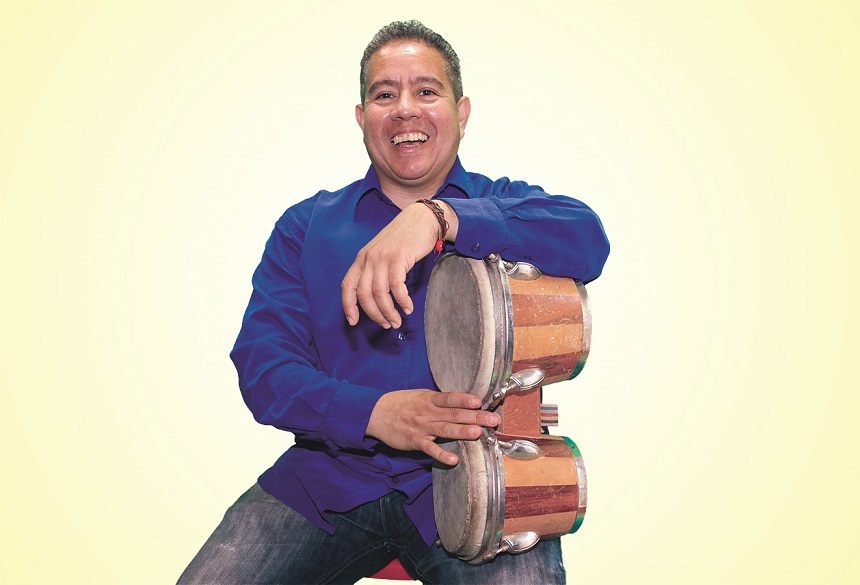
Wilmer Sifontes
Wilmer Sifontes


By Eling Blanco, ISM Journalist Correspondent, Caracas, Venezuela


Fidel Antillano “The greatest satisfaction of a musician is to finish a quality product and see the acceptance of the public” 

Latin America/ Venezuela / Caracas

Salsa is an expression of life within the caraqueño and Latin American neighborhoods. This fusion of rhythms has known how to slip in and no one escapes its magic and enchantment. Such is the case of pianist, composer and arranger Fidel Gregorio Antillano, born in the city of Caracas on June 10, 1962 and raised in one of the city’s sound districts, Los Frailes de Catia, where he lived surrounded by salsa groups, street performers, carnival and Christmas parties, enjoying the golden age of the salsa boom.

Fidel Antillano - Photo
Fidel Antillano – Photo

This genre influenced his destiny and allowed him to make it his way of life. Salsa is a cultural condiment with the flavor of many countries, which has managed to transcend borders.

Almost always at home the musical vein is lit. Was this your case? 

“There was influence from my relatives, in my house there was always music, it was like a big jukebox, La Billos, Los Antaños del Stadium, la Sonora Matancera, Barbarito Diez, Casino de la Playa, among others, my grandmother lived in El Retiro, in La Pastora, she had a piano, when I went to visit her with my dad, I sat at the piano and I liked what I felt, music was part of my family, my dad was a great music lover, he bought all kinds of records, classical music, Creole music, tango”.

Did your grandmother or your father play the piano?

“No, my grandmother Gregoria “Tata” -we called her that because of our affection-, she was an amateur but she did not play it, she had it as a reference, she played cuatro, my uncle also played cuatro and guitar, my father did not play anything, he bought many Lps, given the house we had -the piano was a kind of furniture that embellished and gave cache to the house-“.

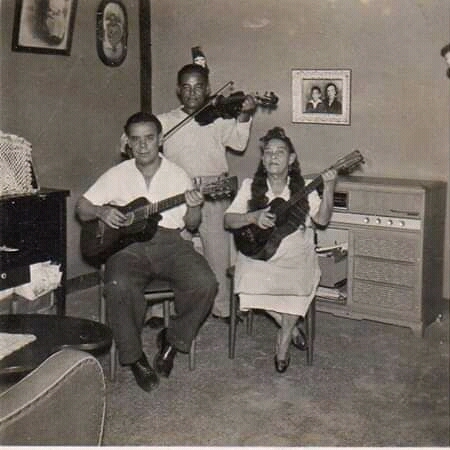
Family photo of Fidel Antillano's uncles Isaías, Pablo and his grandmother Tata
Family photo of Fidel Antillano’s uncles Isaías, Pablo and his grandmother Tata

“My older brother -on my father’s side- he did have some knowledge, he was the most educated, in that house there were harps, cuatro, maracas, records, my family on my father’s side were very fond of music, from our musical family tree we have four musicians -Julito Antillano, Denis Antillano, José “Kikin” Fernández and me”.

What anecdotes or memories do you have of the piano?

“At the time of the construction of La Cota Mil, my grandmother’s piano was taken to my father’s house, at that time I began to kill a fever, I was about 10 years old, it was the time of the gazebos to choose the queens of the neighborhoods, the Sexteto Juventud was in fashion with its theme Caramel and Chocolate; at Christmas and Carnival we did not peel a rehearsal of the groups that lived in Catia”.

That would be the first impulse to awaken the gift within 

“Yes, that was my first impulse, I inherited that musical vein from my grandmother and my father, they were close to salsa and folk musicians, besides, my father and my uncle bought a lot of Long Play (elepé), I started working with my

brother in a shoe store and started buying records.

Fidel, I understand that you are a self-taught musician. How was that learning process and deciding that the piano would be the instrument to play?

“Yes, I am a self-taught musician, back in the 70s we used to hear Nico Monterola’s Orquesta Renovación, La Banda y Su Salsa Joven on the radio. To my surprise, we used to meet with those musicians and we used to go and hang around their rehearsals, this had a big impact on me, there were many shows, it was a coming and going of groups of the moment”.

Orquesta Renovacion
Orquesta Renovacion

When I was 18 or 19 years old, seeing Salsa Mayor, Pacheco, Carlos “El Grande”, all those great musicians, I made the decision to learn to play an instrument, I looked for a teacher or someone who would teach me to play the piano -Salsa was underestimated and that’s why they thought it shouldn’t be studied”.

He got a teacher

“No, because of what I’ve told you, salsa was seen with bad eyes, the scholars did not see it as music would be, look, at that time I was exchanging the Lp with my friends, in one of those exchanges a friend lent me the album “Musical Conquest” by Sonora Ponceña, when I heard the song ‘Ñañara’ I fell and the entrance of the piano played by Papo Luca, that simple montuno, I was hooked – I said; this will be my thing!

That was the leap you’re hoping for 

“Yes, that was the big jump, I went uphill because I didn’t know what a chord was, I didn’t know anything, I mounted 4 songs with simple chords, taking the first steps I fell in love, then I joined people with more knowledge”.

“As there was no one to teach me, I saw books, I had chords of the songs and I was guided by a music theory book, I learned to decipher the codes, music is a code, I read the Swing Latino magazine -from my friend Angel Mendez-, without stepping on a school, I was fed up; one must know about harmony, contra punto, I bought the Berklee harmony book and many more, -I rubbed shoulders with other musicians -some records came as a clinic, all this was feeding me”.

He was his own teacher and a very disciplined student

“I was my own teacher and I took on a discipline because that’s what I wanted, if you went to an institution where they gave music lessons and you said you wanted to play salsa, the musician was fined or thrown out, they were treated in a derogatory way”.

It was worth the effort, from being an empirical musician to playing with the best orchestras.

“I started with Grupo Fósforo, back in 81, we only wanted to play, it was a sextet, Mr. Manuel Ibarra passed me the notes and I didn’t know much about playing, then Jesús “Mandinga” Torres, took me to see different groups, That’s when I decided to introduce brass into the sextet and it became an orchestra, -all the arrangements were done by me-, I had any number of records and many songs from those Lp were not played or played by other orchestras -Gran Combo, Sonora Ponceña, among others-“.

He is a collector

“Not a collector as such, but I do like it, not with the eagerness that any collector has to obtain all the production, as La Sonora Ponceña says, but I have my Lp”.

What happened with the group Fósforo?

“It dissolved because they each started playing for different orchestras.”

And then the Grupo Fósforo   

“Mandinga tells me that Carlos “Tabaco” Quintana needs a pianist, I clarify to him that I do not know how to read the scores, that he gives me the papers that I have the album, I began to listen to the album and I saw the papers, with that I completed the study, and I was increasing the experience, I recorded in the production of Tabaco and his Group Futuro”.

“Then with Dimas and his Orchestra Alegria, it was the first album I recorded professionally in the year 85, through those works I was doing with Dimas, I know Mauricio Silva, I felt afraid because Mauricio already had experience, he was the producer of Dimas’ album, but everything flowed, on the way I know many other professionals”.

“In the year 87 Roberto Blades came to Venezuela to the famous events Consul, Alberto Vergara recommended me Manuel Guerra and we made several tours by some regions of the country, then Julito – my nephew – told me that Naty Martinez needed a pianist”.

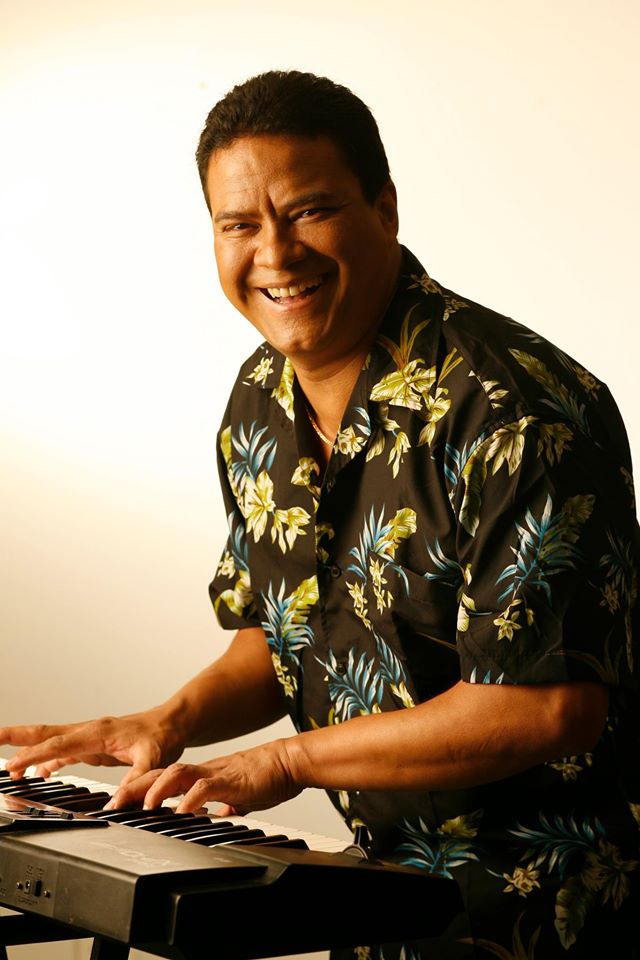
Fidel Antillano
Fidel Antillano

How was your time with Naty’s orchestra and your separation?

“Thanks to the album I made with Dimas, many doors opened for me, he believed in me and I will always be grateful for that. Through this album, Naty hired me, he already had references from me, and I recorded 4 of his productions with him -Naty, El Legendario, returned, In Dos tiempos and Proyecto Maelo-, with Naty I made my debut at the Poliedro de Caracas, I met Ray Barreto and the pianist Ricky González -he passed me some tricks-, we also went to Colombia and alternated with Grupo Niche and Joe Arroyo, a great growth and learning”.

“I left the Orchestra with a good relationship with Naty, so much so that he called me later to record in the productions, En dos Tiempos and Proyecto Maelo”.

It was a very fast growth 

“Yes, I’ve even recorded jingles, I was with the Orquesta Café de Caricuao, I was with Erick Franchesky in the production where he pays tribute to Billos”.

From Salsa orchestras to working with one of the greatest exponents of Caribbean popular music, maestro Porfi Jimenez 

“At the time that erotic salsa was introduced, I started to play with Porfi, merengue and snail soup were in fashion, all that music was in great demand, it was a boom, weekly there were 3 or 4 dances, this dragged a great group of followers, with it I go to Tenerife to some carnivals, I have great respect and admiration for the master”.

His time with the group of Porfi opened the doors to work with the group “Los Roques” of Tenerife

“Of course, however, I had left my resume there and one day they called me and told me that they were going to send me the ticket, I was with them for about 7 months, I played in the carnivals of Tenerife, it was something apotheosis, dances and dances did not let me come – laughs – they played merengue, I was blessed to visit Africa”.

All this accumulation of experience allows him to decide to create his own orchestra

“When Porfi was in the merengue boom, however, most of us musicians were salsa musicians, and because of that need to play our rhythm I decided to create my orchestra, but before doing the Combo Antillano we had an orchestra called La Gran Fuga, the singer was Edgar dolor, we killed fever with that orchestra and eventually I played with Naty and Porfi, because of so much activity I played with my orchestra on the days I had free, it was a good time for the groups”.

What happened with La Gran Fuga?

“We made it to occupy the days we had free with Porfi’s orchestra, at that time it had suffered a drop in the number of performances, but when it came back up, we didn’t have time or space to play, – well – it didn’t really dissolve, in fact they always give us caps to reassemble”.

From being the musician of the Orchestra Dé, to being the owner of El Combo Antillano and taking responsibility for a team

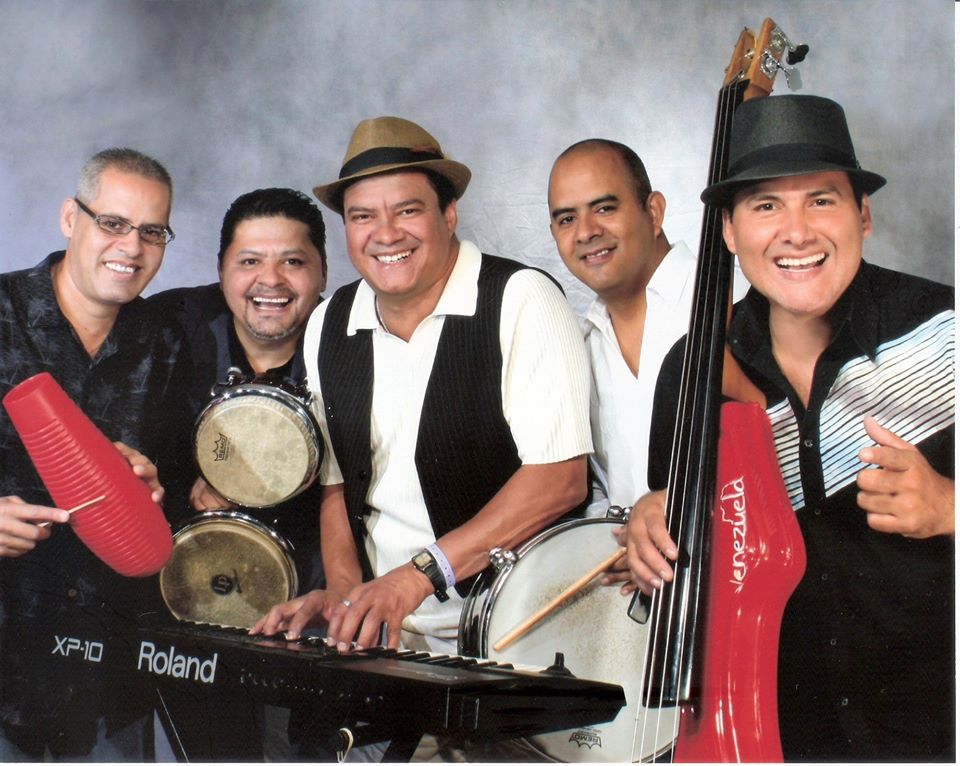
Combo Antillano
Combo Antillano

“A great responsibility and commitment, but it was time to do the same, we opened the compas playing music from the Gran Combo of Puerto Rico, that was the end, we played the greatest hits of the moment, no other band did, on Tuesdays that was full of people in the different places where we worked, this served as a bridge and accompanied other artists, Andy Montañez and other groups, this made me think about making original songs to record.

What was your first composition?

“The “Afro-Caribbean Music Festival” took place at the New Circus in Caracas, with 30 orchestras participating. Lil Rodríguez asked the orchestras to play original songs, and my first composition was a tribute to Caracas”.

At that moment they take a prize as the most applauded group of the night 

“Yes, that was impressive, with Leah’s song, a Mongo Santamaría song, it was something new for the moment, an instrumental discharge”.

Tell us about your record productions

“My first production is called Háblame de Melao (2010), in most of the songs I do the lyrics and arrangements, was something new, the black Mendoza puts me to record and tells me to do theme by theme, we made 21 track, but in the album only put 19, this production was made to recognize the singers, Dimas Pedroza, Teo Hernandez, Angel Flores, Larry Tovar, Luis del Valle “Don Wicho”, Rodrigo Mendoza, Eloy Rios, a tribute to them and highlight our people.

“The second, Fidel and the descarga de los Frailes (2013), here we handle the Salsa, Latin Jazz, Danzón, has a lot of instrumental music before starting the rumba, I had the desire to work and create with a sense of belonging, I made an innovation in the melody with the electric guitar and flute, I did not want to continue recording on wet”.

“and, Caracas en su Salsa (2018), is a tribute to the Salsa of Caracas, in this production we have 14 songs”.

Through this production you made a documentary with the same name, which begins with a beautiful phrase of Cabrujas “Caracas Suena. The city was made to be heard, not to be seen”. How would your interpretation of this hidden city be?

“There is a city that cannot be seen, but it is there, and although the media does not show it to us, we can notice it, through, for example, the musical groups that exist in our neighborhoods and that become visible when there are events, like the one organized by Héctor Castillo (+) in 1983, where we could realize that there was a whole cultural movement hidden in each of our neighborhoods”.

“So I urge this type of inter-neighborhood events, which allow the visibility of the hidden Caracas.

Another of his passions is composition. At what point does the muse come to him?

“At first sight I fell in love -laughs-, -Bella Cubana-, to compose you must have a little bit of each thing, love, dislike, joy, sadness, they are not always experiences of the composer, sometimes if, in the variety is the taste, in my case I work with the rhythmic part and I put lyrics, and more than muse is a mixture”.

He makes songs with meaning that captivate the audience

“You like your audience to identify with your songs, the lyrics are thought-provoking.”

Does the song I don’t want to live in the dark have to do with any experience?

“That one was written by Carlos Navarro and I arranged it for him, it was a personal experience of his. I was in a treatment centre and he talked to me about it, I decided to do the arrangement”.

In the music industry we have many issues of strip and shrinkage, is the case of Domina tu lengua

“Sometimes people think that a song can be a strip and shrink, because of the content of the lyrics, in this case it is not, this was written by the Cuban producer Luis Llamo”.

What gives you the most pleasure as a musician?

“Finishing the product with quality and seeing the acceptance of the public, when you are in the studio and you realize that it looks better, then it sounds on the radio, seeing that the public sings it, dances it, that’s priceless, that’s the greatest satisfaction”.

Which of your productions has given you the most satisfaction?

“Tell me about Melao.”

Why?

“There is a great variety of rhythms in it, I had the opportunity and the satisfaction of exchanging with a large number of people from outside, in it is the theme Pa’ Barlovento, in it exported what is ours, our native rhythm, Venezuelan Sangueo, the Culo e’ Puya, the San Millán”.

What have been your musical influences?

“I wouldn’t be a musician if it wasn’t for Papo Lucas, trying to emulate what he did, as a musician, arranger and person, I admire him a lot, from here comes my influence, -in what time he learned everything he knows-, that makes him incredible, apart from the master Tony Monserrat, an independence with his left hand, he was a virtuoso”.

Many begin by imitating a style, versioning lyrics from other groups. What do you think of the copies, has creativity been lost?

“It’s a resource that is used, at a certain moment, it’s a hook, I barely had the opportunity to do my work, one must have the ability to discern where to play each song, maybe many are afraid of not liking it, or not being accepted”.

What do you think this fear is about? 

“Perhaps not to be broadcast on the radio stations.”

He believes that more support is needed from the various media

“Yes, the lack of support sometimes makes one fear, it’s worrying to touch on a subject and the track gets empty.”

That’s when the artist turns to the hated payola

“I don’t agree with the payola, but it is a necessary evil, all the work that an orchestra owner does generates expenses, and after making an investment you need a retribution; previously live performances were a springboard, they projected a lot to the groups, that has declined a lot”.

What has happened to the Bolero in productions, you don’t listen to them anymore?

“The record companies are more determined to sell, that’s why I think they stopped recording, the new generation should identify with that rhythm, there are many beautiful boleros and if they stop recording they might be forgotten”.

Fidel, what new projects are on the way?

“Right now I’m recording with Angel Flores -record pocket- the song is called Callejon 107, is dedicated to the experiences of Latin American neighborhoods, is a son montuno very tasty, lyrics by Flores and with arrangements by this server”.

At this time when humanity is going through a hard test for its survival, what message would you leave behind?

“There is advice to live a life attached to good habits, one must live under these guidelines, the book of proverbs is wisdom… The man who walks in integrity walks confidently”.

By Eling Blanco, ISM Jounalist Correspondents, Caracas, Venezuela

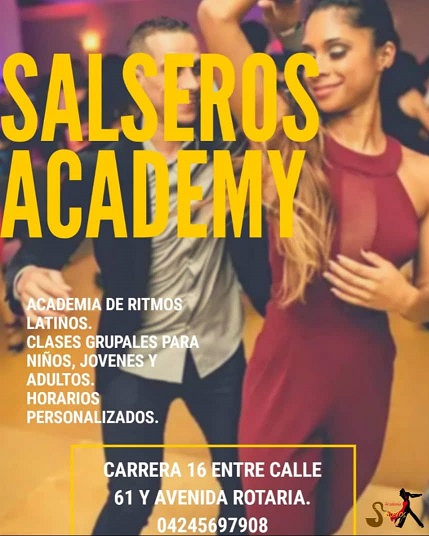
Eva Gordillo, psychologist by profession and director Salseros Academy

Eva Gordillo: The so-called Cuban style is the original way of dancing “casino” or “rueda de casino”.

The first steps of this dance were developed in the sports casino in Havana and other dance halls in the Cuban capital at the end of the 1950s, hence its name in Cuba: “–“, as it was originally called “El baile del casino”.

Photo of Salseros Academy Dance Academy

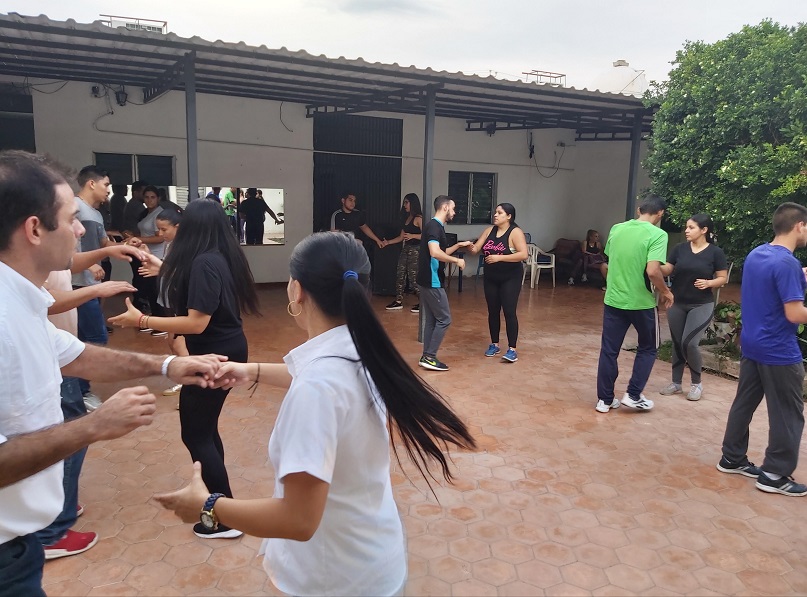
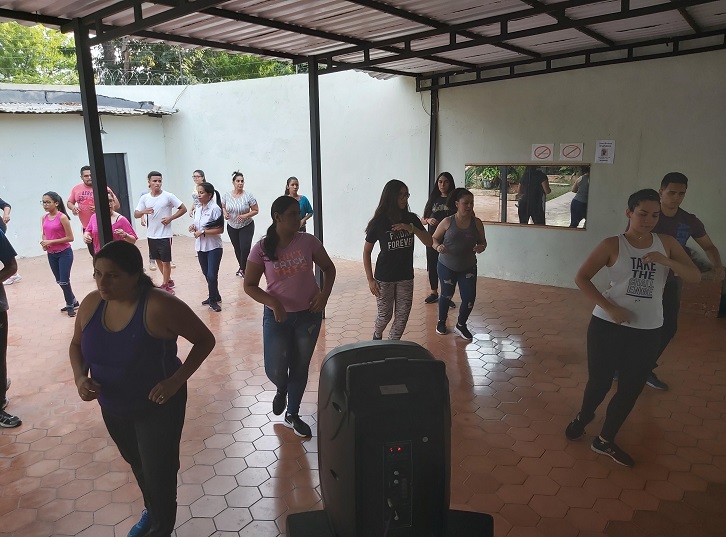
In Barquisimeto, the musical capital of Venezuela, the dancers of Afro-Caribbean rhythms have a place to develop, improve and learn skills with the help of professionals, who achieve the integration of its participants, creating an atmosphere of great joy for all ages.

In this sense, our special guest in Salsa Escrita “La Columna Salsera de Barquisimeto”, through International Salsa Magazine, www.salsamundi.com, is Eva Gordillo, psychologist by profession and director of the dance academy “Salseros Academy”.

Dancers of Salseros Academy Dance Academy

Eva has been a passionate dancer since the age of 13 and today, with only 22 years old, she has toured most of the dance schools in the twilight city and some outside the state of Lara, projecting and developing herself as an instructor of proven hierarchy and reliability.

Welcome Eva to the only salsa magazine in the world, International Salsa Magazine and Salsa Escrita. Thank you, Professor Carlos, for giving me the opportunity to be present in your prestigious salsa column, which is already recognized in my country, the Caribbean, the United States and Europe, thus supporting the entire existing salsa movement in Venezuela.

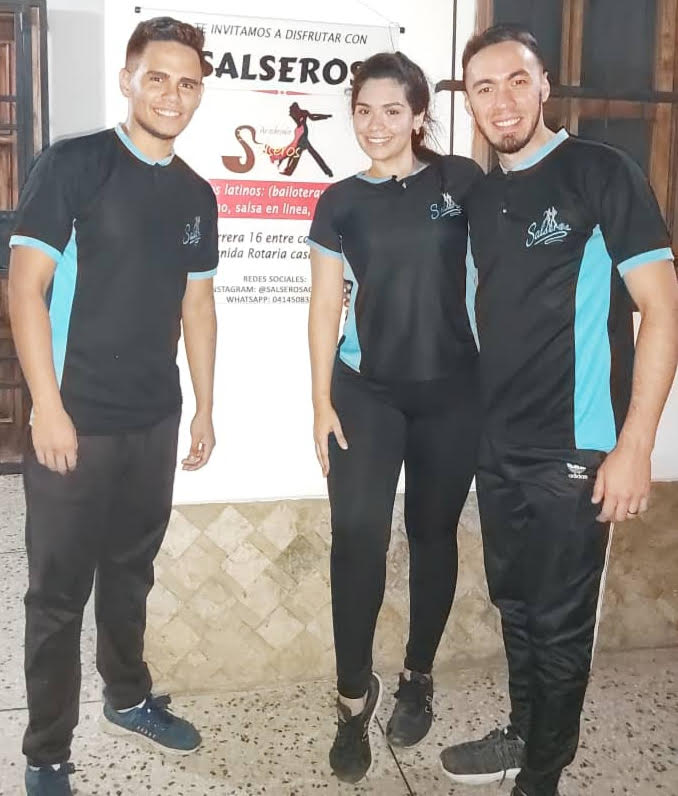
Eva Gordillo and Members of the Salseros Academy dance academy

Eva, how and when did the idea of having your own dance academy come up? Friend Carlos, on November 26, 2018, I started and materialized my great dream, my own academy and together with my colleagues and friends, Eleazar Hernandez and Manuel Gamez, we started this adventure, from which today, we are harvesting many fruits and we feel extremely happy with this project and grateful, mainly with God, because everything is thanks to Him.

Excellent, very good friend, by the way, what kind of dances do you develop and teach in “Salseros Academy”? In our academy we give group and personalized classes, for all ages, conditions and levels. Our strength is Latin rhythms, especially Salsa, as our name indicates.

We focus on their different dance ramifications, such as New York style mambo, Salsa en Linea or Los Angeles style, Cuban Timba en Linea and En Rueda or “Salsa Casino”. Amiga Eva, in addition to salsa, do you teach other dance rhythms? Indeed Carlos, in addition we teach some Cuban music derivatives such as the chachachá, pachanga and boogaloo.

We are also projecting ourselves strongly with the bachata and its variants, as well as other Latin genres, such as merengue, among others.

During a visit to the headquarters of “Salseros Academy” in the city of Barquisimeto, by the Latin American correspondent team of International Salsa Magazine, we were able to see the excellent, comfortable and spacious facilities, located on Carrera 16 between Calle 61 and Avenida Rotaria, where Eva is accompanied by four experienced instructors specialized in different dance styles. The attendance and registration of participants is massive, given the proven quality and recognized throughout the city of Barquisimeto.

Dance Academy Salseros Academy

Friend Eva Gordillo, do you also have other projects at a musical and danceable level? That’s right teacher, at present we are heading to be producers of salsa events, thus promoting the Latin dance movement in our state Lara.

By the way, last year we had the pleasure of carrying out an event called “La Gran Gala de la Salsa” (The Great Salsa Gala), on the occasion of the celebration of the 1st anniversary of our academy, in which the dancers were able to enjoy the “Kadencia Latina” and “Jossy y su Banda” orchestras. Digital platforms and contacts for those interested in dancing at Salseros Academy? Friend Carlos, they are: Instagram: @salserosacademy, @evacarolgz, Whatsapp: 0424-5697908, Facebook: Grupo Salseros.

On behalf of the academy, my team and students, we would like to thank you for your support and projection of our work through your column “Salsa Escrita” in International Salsa Magazine. We wish you success and blessings to continue driving the Venezuelan salsa movement.

ISM Salseros Academy Dance Academy Fund

By Carlos Colmenares, ISM Journalist Correspondents, Barquisimeto, Venezuela

Carlos “Patato” Valdés one of the best percussionists in the history of Latin Jazz.

On November 4, 1926 in the Los Sitios neighborhood of Havana, Cuba, Carlos “Patato” Valdés was born. Known as Patato, he is, quite simply, one of the best percussionists in the history of music.

Patato was born into a very santera and very musical family, his father was a tres player of Los Apaches, the port germ of two illustrious sonera groups: the Sexteto Habanero and the Sexteto Nacional.

He learned to play the tres and the botijuela before turning to percussion, first on the cajones and finally on the congas.

He was an extraordinary percussionist of outstanding participation with the “Conjunto Kubavana”, “La Sonora Matancera”, “Conjunto Casino” and the “Orquesta de Tito Puente”, among other groups, both Son and Latin Jazz.

Formed in rumbero gatherings and carnival groups, Valdés became a professional in the early forties, after trying his luck as a boxer and dancer.

Carlos “Patato” Valdés uno de los mejores percusionistas en la historia del Jazz Latino

He played with Conjunto Kubavana, La Sonora Matancera and El Conjunto Casino. He accumulated nicknames: Zumbito (for his performances at the Zombie Club), Pingüino (for a dance he did on television) and Patato (for his small size), and in those days, dedicating oneself to music in Cuba guaranteed hardship. Besides, Patato wanted to experiment and that was not possible playing for dancers or tourists.

In 1954, he emigrated to New York, like his leather friends: Cándido Camero, Armando Peraza, Mongo Santamaría and the pioneer Chano Pozo (murdered there in 1948).

He immediately began working with Tito Puente. His first recording in the United States was the album Afro-cuban, by trumpeter Kenny Dorham, which opened with the intoxicating Afrodisia. Those were good times for tropical music.

He was the first percussionist to improvise “Solos” with 3 or more Congas at the same time. In addition, he was the creator of the “Congas Afinables”, instruments on which he would ride to dance making them sound rhythmically.

Patato Valdes was an excellent musician, an unforgettable person. Nervous and diminutive, he spoke with an impenetrable Cuban accent; he dressed elegantly, hiding the necklaces and bracelets of Changó and other “orishas”. He looked like a living caricature, but when he hit the percussions he became a divine creature: he had power, spectacularity, sense of melody.

Those skills made him an ambassador of Afro-Cuban rhythms in the jazz world, although he will also go down in history for his extraordinary rumba recordings.

In 1956, Patato appeared in the film Y Dios creó a la mujer, teaching the dances of his homeland to Brigitte Bardot. A great moment, although an implacable Guillermo Cabrera Infante criticized the actress’s movements: “she seems to commit suicide by dancing a cross between mambo and chachachá, a really toxic cross between mambo and chachachá”.

A flexible musician, Valdés sounded as comfortable playing with Machito’s big band as with Herbie Mann’s group. However, he felt indebted to the “rumba de solar” and in 1968 he recorded a revolutionary album with his friend Eugenio Arango, alias Totico.

The exuberant Patato & Totico had genuine Havana flavor, but enriched the basic percussion instrumentation with Cachao’s contrabass and Arsenio Rodriguez’s tres.Patato expanded the creative possibilities for percussionists by playing with three or more congas.

He also made their lives easier by developing a tunable conga: fed up with the traditional method (heating the leather over fire), he installed a metal hoop and keys for tensioning.

Carlos "Patato" Valdés
Carlos “Patato” Valdés

The LP company mass-produced his model, which was to become the standard for conga players. To promote it, he formed the Latin Percussion Jazz Ensemble with Tito Puente, Jorge Dalto and Alfredo de la Fé, among others, an orchestra that would end up becoming Puente’s big band in the early 80s.

It was during this period with Dalto that the album we have chosen for today began to take shape. It was titled “Patato, Master Piece” and it synthesizes all of Patato’s genius.

“Masterpiece” is an album that travels first class through tango, jazz, descarga, guaguancó and bolero, always in a masterful way and with a luxury crew made up of names like Jorge Dalto, Artie Webb, Michel Camilo, Jerry and Andy González, Nicky Marrero, Ignacio Berroa, Joe Santiago, Néstor Sánchez, Vicentino Valdés, and Sabú Martínez, among others.

The Art of Flavor.

Unfortunately Dalto had already passed away when in 1993 the project was released by the venerable German label Messidor, the same label that had already financed some impressive sessions of Patato with Mario Bauzá or Bebo Valdés, with whom he would later record the famous El Arte del Sabor.

Jorge Dalton
Jorge Dalton

In fact, the great Argentine pianist had to be replaced for the last recording sessions that were made 6 years ago since his illness was too advanced, but he left us some incredible arrangements that were kept in the great majority of the themes.

Dalto left us in 1987 when he was only 39 years old. His replacement was nothing more and nothing less than a very young Michel Camilo.formed by 9 cuts among which we especially want to highlight the huge versions of Cute and Nica’s Dream, Masterpiece is an essential album for all lovers of Latin-jazz with capital letters and that is why we wanted to share it on a day as special as today.

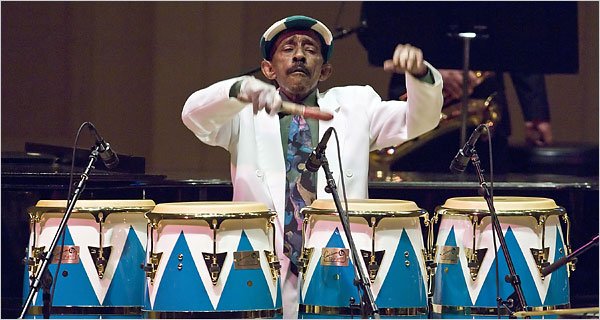
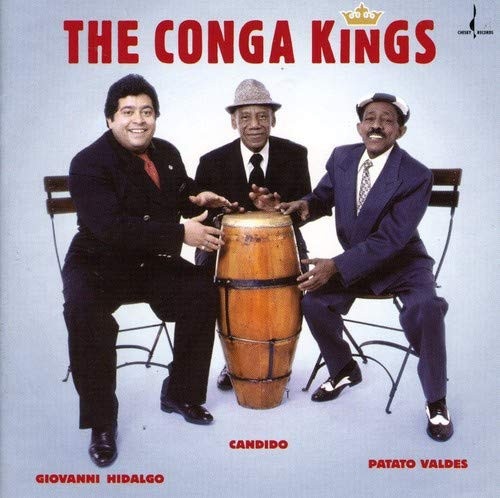
Already recognized as a legend, Patato became more visible in the last 25 years: he had his own band, Afrojazzia, although The Conga Kings, with Cándido and Giovanni Hidalgo, turned out to be more popular.

The Conga Kings Giovanni Hidalgo, Cándido Camero y Patato Valdez

He even made his way onto the modern dance floors, with a remix of San Francisco tiene su propio son. Just as he was returning from playing in California with the Conga Kings, his breathing began to fail.

The plane he was on had to make an emergency landing in Ohio to admit him to a hospital. The 81-year-old percussionist, a heavy smoker, was on his way to his beloved New York, but he would never get there. According to his relatives, he held out until December 4, the day of Santa Barbara, the Afro-Cuban equivalent of Changó, when the cables and tubes that kept him alive were removed.

Valdés died in Cleveland, USA, on December 4, 2007.

Fuentes: http://www.herencialatina.com/Patato/Patato_Valdes.htm

Imágenes: Martin Cohen de Congahead.com

Carlos “Patato” Valdés

You can read: Irakere was a Cuban group that developed an important work in Cuban popular music and Latin Jazz under the direction of Chucho Valdés

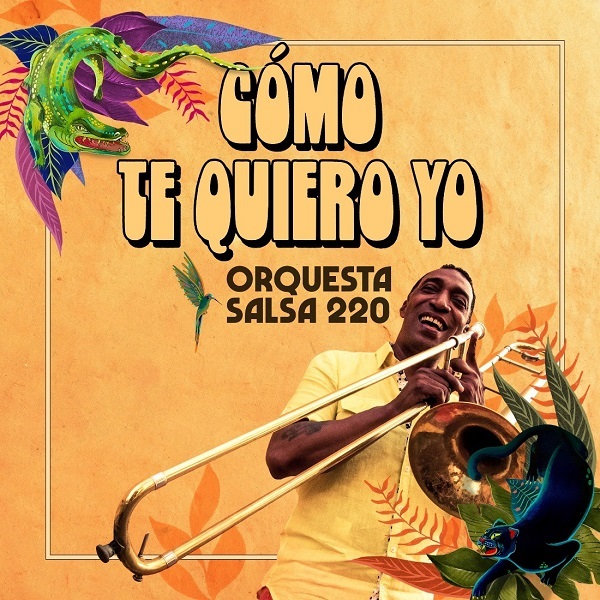
The recently released single “Cómo te quiero yo” is the preview of what will be the album, Sabrosura y Tradición, soon to be released also in acetate.

With a fifty-year career in music, the leader of the Salsa 220 Orchestra, Colombian trombonist Oscar “El Gato” Urueta releases the second song of the musical concept he now directs.

“El Gato” delivers his latest single “Cómo te quiero yo”, composition and arrangement by Venezuelan pianist Alberto Crespo; this time with Rodrigo Mendoza, remembered for his time with Dimensión Latina de Venezuela, on vocals. Urueta got in touch with Alberto Crespo after seeing his work in social networks.

This single, in my opinion, deserves international diffusion because of the Afro-Caribbean interpretation in this concept described by Urueta himself as high-voltage salsa.  I listened to the track and I feel obliged to highlight it for bringing us a classic salsa concept, without being more of the same; so let’s go to the mambo, here is what you hear:

During the first 10 seconds, Rodrigo Mendoza leads the vocal part opening the theme as if opening a door; inviting the listener to go on a musical journey that merges various cultural influences.

At the first minute mark it is already known that the trombones of Oscar “El Gato” Urueta and Eliel Rivero are in charge of the musicalization.  At minute 1:45, Alberto Crespo’s piano solo delights us without making it dense.

This piano solo, from which the salsa dancer who dances in tune can benefit, seems to embrace in perfect synchrony the sound of José Soto “Mortadelo”‘s bass.

At minute 2:30 the trombones take over the song, and melodically give way to the tumbadora, in the hands of Carlos Padrón; meeting with the sound of the same in a tasty instrumental correspondence full of cadence and Caribbean flavor.

At minute 2:36, the bass of José Soto embraces again the sound of the tumbadora.

At minute 2:40 the tumbadora turns on the mambo. At minute 2:42 the tumbadora leads the percussion, opening the way for a bell that plays with the coros of Luisito Cabrera, Rodrigo Mendoza and Edgar “Dolor” Quijada, as well as interweaving with the trombones.

The trombones persist and sustain a mambo of those that bring “more salsa than pesca’o”, as we say in Puerto Rico; until around minute 2:55 the conga, the timbal and the bell execute a forceful cut and in unison, to return the arrangement to the trombones.

At minute 4:00, the leader’s trombone seems to be in sync with the percussion and vocalist to close the track; shortly after the trombones enter into a brief correspondence with the tumbadora, just before Padrón’s campaneo concludes the track at minute 4:25.

Urueta has a healthy musical trajectory, surrounded by the greats of the salsa sound.  “El Gato” was part of the Colombian orchestra La Protesta, when Joe Arroyo was the group’s vocalist. Urueta was also part of the now world renowned Grupo Niche, replacing Alexis Lozano on trombone. Urueta traveled to New York City with Grupo Niche as part of the first international tour of the group founded by the late Jairo Varela. He later settled in Miami where he was part of the orchestras that accompanied stars such as Frankie Ruiz, Hansel y Raúl and Santos Colón, to name a few.

Coincidentally, “El Gato” Urueta joined Hansel y Raul’s orchestra when the song ‘Maria Teresa y Danilo’ had become a hit throughout Latin America. Urueta shared the stage with musicians of the stature of Israel López “Cachao”.

In the 1990s, Urueta was a musician with Joe Arroyo’s Orquesta La Verdad, with whom he traveled around the world.

After participating in several concerts accompanying Richie Ray and Bobby Cruz, about five years ago, Urueta took on the task of forming the Orquesta Salsa 220 with which he presented the single “Guaguancó sabroso”, which featured Puerto Rican Rico Walker as guest artist on vocals.

“Cómo te quiero yo” is the preview of what will be the album: Sabrosura y Tradición, soon to be released also on acetate.

Bella Martínez

You can read: Sigo entre amigos de Luis “Perico” Ortiz


By Bella Martinez, ISM Correspondents, San Juan, Puerto Rico

  • « Go to Previous Page
  • Page 1
  • Interim pages omitted …
  • Page 4
  • Page 5
  • Page 6
  • Page 7
  • Page 8
  • Page 9
  • Go to Next Page »

International Salsa Magazine (ISM) is a monthly publication about Salsa activities around the world, that has been publishing since 2007. It is a world network of volunteers coordinated by ISM Magazine. We are working to strengthen all the events by working together.