• Skip to primary navigation
  • Skip to main content

International Salsa Magazine

  • HOME
  • Previous editions
    • 2026
      • ISM / March 2026
      • ISM / February 2026
      • ISM / January 2026
    • 2025
      • ISM / December 2025
      • ISM / November 2025
      • ISM / October 2025
      • ISM / September 2025
      • ISM / August 2025
      • ISM / July 2025
      • ISM / June 2025
      • ISM / May2025
      • ISM / April 2025
      • ISM / March 2025
      • ISM / February 2025
      • ISM / January 2025
    • 2024
      • ISM / December 2024
      • ISM / November 2024
      • ISM / October 2024
      • ISM / September 2024
      • ISM / August 2024
      • ISM / July 2024
      • ISM / June 2024
      • ISM / May 2024
      • ISM / April 2024
      • ISM / March 2024
      • ISM / February 2024
      • ISM / January 2024
    • 2023
      • ISM / December 2023
      • ISM / November 2023
      • ISM / October 2023
      • ISM – September 2023
      • ISM – August 2023
      • ISM July 2023
      • ISM Edition June 2023
      • ISM – May 2023
      • ISM April 2023
      • ISM March 2023
      • ISM February 2023
      • ISM January 2023
    • 2022
      • ISM December 2022
      • ISM November 2022
      • ISM October 2022
      • ISM September 2022
      • ISM August 2022
      • ISM July 2022
      • ISM June 2022
      • ISM May 2022
      • ISM February 2022
      • ISM January 2022
    • 2021
      • ISM December 2021
      • ISM November 2021
      • ISM October – 2021
      • ISM September 2021
      • ISM August 2021
      • ISM July 2021
      • ISM May 2021
      • ISM April 2021
      • ISM June 2021
      • ISM March 2021
      • ISM February 2021
      • ISM January 2021
    • 2020
      • ISM December 2020
      • ISM November 2020
      • ISM October 2020
      • ISM September 2020
      • ISM August 2020
      • ISM July 2020
      • ISM June 2020
      • ISM May 2020
      • ISM April 2020
      • ISM March 2020
      • ISM February 2020
      • ISM January 2020
    • 2019
      • ISM December 2019
      • ISM November 2019
      • ISM October 2019
      • ISM Septembre 2019
      • ISM August 2019
      • ISM July 2019
      • ISM June 2019
  • Download Salsa App
    • Android
    • Apple
  • Spanish

Search Results for: Bar

A walk through the history of Latin music in the United States

Latin music has been of great in­fluence for singers in training and, without a doubt, marked the lives of its pioneers. Some born in Spanish-speaking countries and others with descent from these lands have not been able to put aside the ­flavor that has been inherited to them. There are those who affirm that these tropical and Caribbean rhythms are carried in the veins and it is very difficult to get rid of these roots.

The arrival of Latinos in the United States also implied the arrival of their customs and culture. Latin music is considered to be a large number of genres, including: salsa, merengue, bachata, bolero, bossa nova, reggaeton, rumba, ranchera, cumbia, tango, among others.
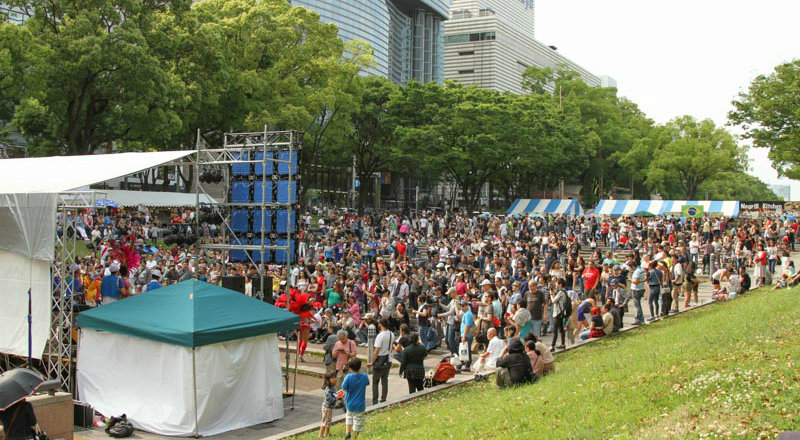
Photo of Latinamerican Festival at Nagoya in Golden Week

Latinamerican Festival at Nagoya in Golden Week

How did Latin music begin to enter the United States?

Latin American music has in­fluenced American music, starting from jazz to country music. Many bands added congas, percussion, or maracas to their instruments as they were drawn to the result these elements brought.

Starting in 1940, the music of Latin America, which still did not have a specific term, covered a greater number of audiences in the United States; international radio networks broadcast different themes of the time. In addition, they featured different Mexican bolero musicians such as Alfredo Antonini, Néstor Mesta Chayres, Eva Garza and Juan Arvizu. In the 1940s the US also heard the “Calypso” with great acceptance.

It was not until the 1950s that the term “Latin music” became popular, seeking to establish a difference between Afro-American and Afro-Latin American rhythms. Some artists marked this musical fusion to a greater extent, making the best of Latin music known on American soil. During the 1950s, music brought to the north from the island of Cuba, such as mambo, cha-cha, and rumba, was very popular. As well as the famous Mexican songs: rancheras and mariachis.

Some Latino artists who marked the history of Latin music in the United States Tito Puente was an American percussionist with Dominican origins remembered for his participation in worldwide jazz, Cuban music and salsa. In 1950 he helped promote the genre of mambo and cha-cha. His album “Dance Manía” was considered the most famous by the artist, it was one of the most heard among the Latino community in the US The album also set a precedent by being recorded in Spanish, generally, Latin albums were in English or with instrumental songs. It was Tito Puente who broke with this tradition.

At the beginning of the 20th century, tango touched American soil. Then, in the 70s, the Argentine Astor Piazzolla gave something to talk about by demonstrating his passion for the genre and revolutionizing what was known until that moment. Piazzolla was born in Mar de Plata but lived in New York from a very young age. It definitely changed the way of looking at music that was long marginalized, it was considered the music of the working class. The singer made mixtures between tango, jazz and contemporary classical music. His songs were a great success and were famous in bars of the time.

It was not until the late 1960s and early 1970s that the term “salsa” began to become known. Afro-Caribbean musicians mixed Cuban dance with infl­uences from jazz, Caribbean music, and American rhythms. Although in previous decades it had already had its beginnings, it was in the streets of New York where it was consolidated as a commercial success.
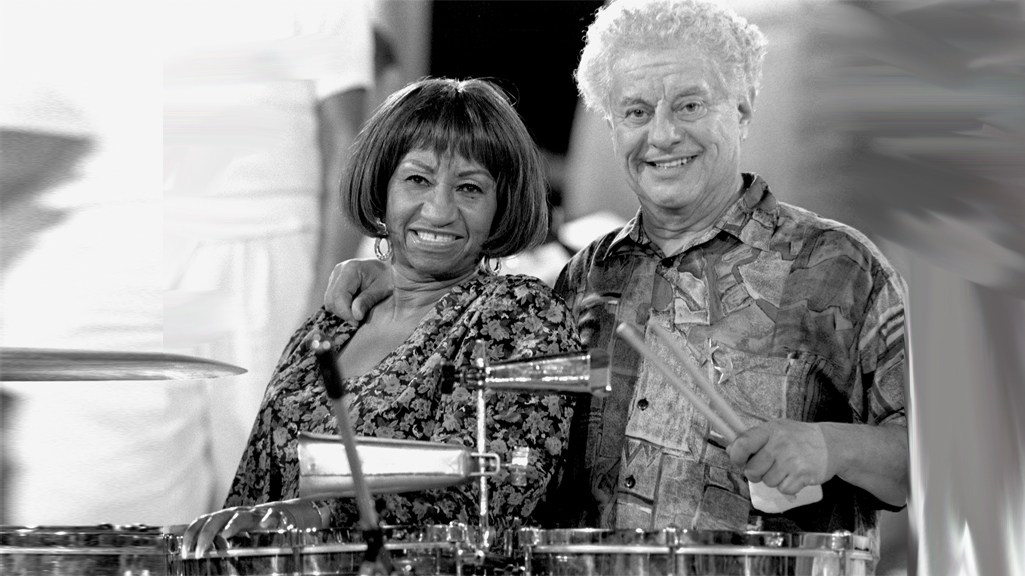
Photo by Celia Cruz and Tito Puente

Celia Cruz and Tito Puente – Latin music

Salsa launched artists who are now legends to stardom, such as: Celia Cruz, Willie Colón, Héctor Lavoe, Rubén Blades, Johnny Pacheco, among others.

Between the 1970s and 1990s, Dominican immigrants to the United States continued, especially to New York City, and promoted genres such as merengue and bachata. Juan Luis Guerra was one of the great exponents of both styles.

In the 90s, Selena mixed the Texan aesthetic with pop, giving her the title of the highest representative of the genre.

Entering the 2000s

In this decade, Latin rhythms continued to set the trend. Singers like Rubén Blades returned with songs that promised to be hits in the country.

At the end of 1999 Marc Anthony surprised his followers with an album of the same name. Although he was already known in the salsa genre, he decided to try other styles. With the intention of reaching the Anglo market, he is encouraged to sing in English. “I Need To Know” is a cha-cha song that quickly became popular in the United States. For eleven weeks it remained in the top North American positions, ranking in the Top 10 on the Billboard. The Spanish version won the Grammy for the best Latin song of the year 2000.

Marc Anthony was one of the artists who marked this decade in the US That same year a compilation of his best salsa songs went on sale, which he called: “Desde el principio”. With these successes to his credit within this country, he set out to make an important tour of the United States. Canada and Central America. Madison Square Garden in New York was over­flowing with fans who wanted to hear this American singer but who positioned himself as the leader of a Latin genre.
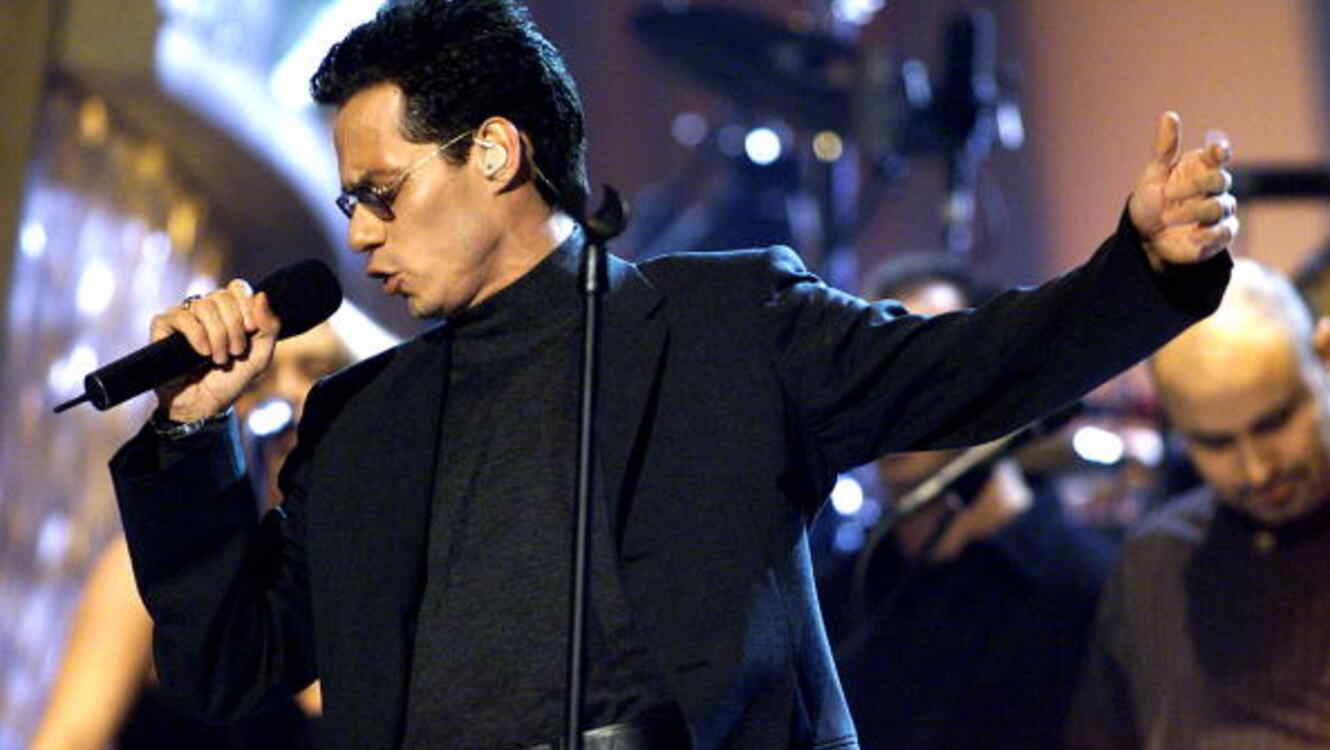
Photo by Marc Anthony

Marc Anthony

The opening of “I Need To Know” appeared in the Nissan Versa commercial in the United States and in 2009 it also featured in an American Dad chapter, an American television series; thus giving greater projection to this genre throughout the North American territory.

During this decade, salsa and Latin music in general ended up positioning themselves in the United States.

In 2002 Blades launched his album “Mundo”, becoming one of the most popular in the United States. In fact, it won a Grammy. The album contained a mix of various rhythms and instruments. The artist wanted to create a fusion of cultures and musicians from different countries. “Estampa” was a subject with great acceptance as it evoked the Afro-Cuban infl­uence in New York music.

By the year 2000, there were already music channels and with them the projection of emerging talents who in many cases did not speak the English language. The dynamics of these channels focused on the public, who chose which songs and videos were to be played, giving the opportunity to many young, little-known artists. They were also considered a springboard for the singers of the season and the Latin movement in general.

A movement that is here to stay

Latin music had come to continue making history and it was time to give it greater merit within the American spectacle.

Today, Latin singers, songwriters, and bands are innumerable. Latin music continues to gain space in the United States and more and more artists are achieving success within its borders. In addition, the endless awards that enhance their work in the industry.
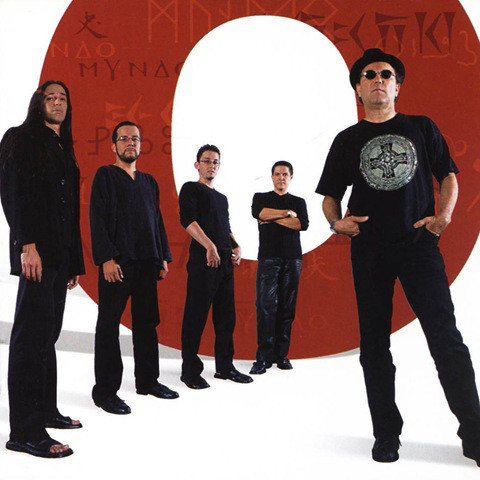
Ruben Blades - Mundo

Ruben Blades – Mundo

The consumption of these musical rhythms has increased throughout the American territory. Latinos and followers of this genre have gained space over the years; they can enjoy nightspots, live music, festivals, concerts and much more. Long live Latin America and its people! Long live the United States and the countries that have opened their doors to Latin music


Five Latin – Caribbean artists who triumph in Canada

Canada is another of the countries that has been influenced by the arrival of Latin music. Its beginnings are attributed to the immigration of Latin Americans to their lands.

Canada's map
Canada’s map

By sharing borders, the United States and Canada tend to have similarities in the musical field. In the 90s, Latin music was present in Canada. However, Spanish pop singers such as Julio Iglesias and Gloria Estefan, as well as Lydia Mendoza, an interpreter of Tejano music, were already known.

Having Latin Americans started a kind of Latino roots, allowing Latin music to gain more ground on Canadian soil. Singers like Celia Cruz, Willie Colón and Rubén González made their songs sound in Canada. However, the beginnings of Latin music in the country are attributed to Ferdinand Morton, known in the artistic field as Jelly Roll Morton, an American jazz pianist.

Starting in 1999, Latin music had a greater growth, beginning to be heard on radio stations, events, festivals and national television stations. By that time singers like Ricky Martin were already being heard in other parts of the world.

Selena, Buena Vista Social Club and Jennifer López. Arriving in Canadian lands was no exception. In fact, Buena Vista Social Club’s album broke a record by becoming the highest-selling Latin album in Canada.

Surprisingly, Canadian artists were also captivated by the benefits of Hispanic countries, by the Caribbean flavor and the warmth of its people. Nelly Furtado, singer, songwriter and producer born in Canada was inspired by the island of Cuba for her album “Mi Plan”. Furtado recorded what would be his fourth album entirely in Spanish. It featured the participation of renowned Latin artists such as Juan Luis Guerra, Alejandro Fernández and the Latin American Julieta Venegas.

“I think this album has several of my first true love songs. They are not complicated. They were not over-thought and I discovered that it is liberating to be able to sing in a Latin language and express my Latin soul,” he said.

Mi Plan obtained great merits and was positioned as the album in Spanish with the highest sales numbers recorded by a Canadian singer. Undoubtedly, a suitable place for many Latino musicians of birth or descent who have wanted to try their luck outside their borders. Some have succeeded and today are among the most loved in Canada.

Some representatives of Latin music in Canada

Hilario Durán, Cuba

Photo by Hilario Duran

Hilario Durán

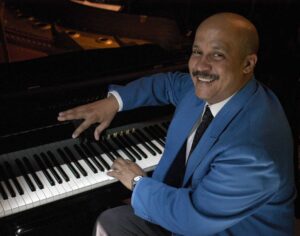
Hilario was born in Havana in 1953. He moved to Canada in the late 90’s, after touring the world with his band “Perspectiva”. He is a famous jazz pianist who fell in love with Canada and decided to live on its streets. He joined the Afro-Cuban jazz band “Spirit of Havana” belonging to Jane Bunnet, a Canadian lover of Cuban culture. In fact, Bunnet regularly travels to Havana to perform with Cuban musicians.

Hilario Durán has become known in Canada and other parts of the world thanks to his orchestra (Big Band), where together with his friend Roberto Occhipinti, a Canadian musician, they bring together Cuban and Canadian musicians. Leaving Latin jazz high. In 2007 he was nominated for a Grammy for his album “From the Heart”, along with Roberto D’Rivera. In addition, it obtained three Juno Awards and different awards in Canada.

Amanda Martínez, Mexico

Photo - Amanda Martínez in concert

Amanda Martinez in concert

Amanda Martínez was born in Toronto, Canada with Latino blood. His father is Mexican. Martínez studied biology and business administration but decided to take a course in his life and dedicate himself to what he really loved: music. The artist was not wrong in her decision. He has left his roots high by venturing into Latin jazz.

In 2007 and then in 2009 she was nominated for the Latin Jazz Artist of the Year Award at the National Jazz Awards in Canada. He has three albums to his credit and his first album “Sola” won the Best World Music award, selling around 6,000 copies.

Martínez has performed on famous stages and renowned events; she sang at the Winter Garden Theater, at the Koerner Hall in Toronto, the Festival Centro Histórico de México, at the Montreal Jazz Festival

Ogguere, Cuba

Ogguere's photo

Ogguere

Aka Edrei Riveri, is a Cuban singer and songwriter who resides in Canada. It has become famous for its musical fusions. He walks through rap, hip hop, jazz and la chacuba. A mix of cha-cha and rap. It is registered as the first mix between both styles.

Ogguere has two solo albums, “Solar” released in 2011 which earned two nominations for a Cubadisco award and “Raíces”. He moved to Toronto in 2010 and has since become an immediate reference in jazz and hip hop.

Natasha Roldán, Colombia

Photo by Natasha Roldan
Natasha Roldán

Born in Colombia and based in Toronto, Canada, Natasha Roldán breaks stereotypes in the musical field. She walks between jazz and bossa.

The artist has a fair complexion and very light eyes. From what anyone would believe, she is a native Canadian singer. However, her Colombian roots run deep in her career.

For Natasha it is important that the musical boundaries collapse. It promotes pattern-free Latin music.

“I think that above all I break many stereotypes because people in Canada whenever they think of Latin music, identify it directly with salsa or bachata. Well, and now reggaeton (laughs). And everything is linked to a super sexy image of the Latin woman, who dresses spectacularly and clearly I am not like that.

Therefore, it is very gratifying to share another type of music that people do not know such as bambuco, cumbia, Argentine zamba, Brazilian music aside from bossa nova … and whenever I talk to someone and they discover that I am always Colombian They ask me why I don’t play such music or dance this.

Suddenly I break with the stereotype but not because it is a bad stereotype but because other things have to be shown as well ”, she expressed in an interview for the Hispano Phone portal.

Her music has allowed many Canadians to have access to the Latin culture and to experience sounds with different influences.

Henry Vivel, Colombia

Photo by Henry Vivel

Henry Vivel

Henry was born in Colombia but moved to New York and later to Toronto. In New York he had the opportunity to study music with Enrique Gil, musician and composer. After his arrival in Toronto, he worked in Sky’s Banda, a group that performed at weddings and different events. He sang Latin music.

In 2009 he became the leader of the Tropicanada Orquesta. Pioneer Latin Orchestra in Toronto. They have participated in different salsa festivals and radio stations. Henry and the band have also been a part of different charities in Canada and other countries. In the same way, Henry has joined social causes for the inclusion of immigrants, he has taught them English and part of Canadian culture.

In 2013 he was nominated for the Oye Awards and 10 Most Influential Latinos in Canada. The singer is very pleased with the affection of the Canadian public.

“The chemistry is so great, especially with those who don’t understand my songs in Spanish, which makes the language barriers dissolve into enjoying themselves, dancing and having a good time. With the orchestra I have been able to witness how people enjoy the beauty of Latin music and it makes me very happy to be a Colombian who sings to Canadians and who puts up our musical roots ”, he commented

Toronto has been a city with great Latin influence. Canada has received mixtures of different cultures and they have formed a variety of styles that locals and visitors enjoy. It has been one of the countries that receive the foreign musicians as part of a great family and give them the opportunity to present their work. They have a great affection for Caribbean music.

Honor to whom honor is due – Johnny Cruz

Johnny Cruz
Johnny Cruz

This month I hope to be able to pay tribute to great figures of our Latin music, who have worked tirelessly for years to make our music very high.

I want to greet my great friend Larry Harlow and wish him a speedy recovery. Larry Harlow is an American artist and performer, composer and producer of Cuban son, Montuno, Afro-Cuban jazz, mambo, guaracha, cha-cha, and salsa, hailing from Brooklyn, New York. Harlow, who is known for his mix of Afro-Cuban jazz and piano playing styles, studied music in the 1950s in Cuba, but was unable to complete his studies before the 1959 Cuban Revolution, forcing him to leave the island.

Larry Harlow y Johnny Cruz

The Harlow Orchestra was the first to sign with Fania Records, Harlow has also produced more than 106 albums by various artists and more than 50 albums of his own authorship, in addition to those he produced for Fania. Among his most popular albums were “Abran Paso” and “Tributo a Arsenio Rodríguez” with Ismael Miranda as the vocalist. He also appeared with La Fania All-Stars, in the film, Nuestra Cosa Latina.

Harlow recorded one of his most momentous albums in just two days. Under the simple title of Salsa, it pays homage to the Cuban roots of tropical music, combining the sound of trumpets and trombones with two violins that evoke the aesthetics of the charanga of groups such as Orquesta Aragón.

With “The portfolio”, a version of a song by Arsenio Rodríguez, Harlow finds his greatest success. Thanks to the singers Adalberto Santiago and Junior González, the nickname “the wonderful Jew” arises. In 1972, salsa was in full swing. Larry Harlow, meditates on a musical concept for the Afro-Caribbean music market. Inspired by the success of the Anglo-Saxon opera, “Tommy”, Harlow was preparing for the launch of a similar concept, aimed at the salsa market.

For 1973 the opera Hommy, using the lyrics of Heny Álvarez, tells the story of a boy who, although blind and deaf, had a great talent for percussion. The outstanding musicians of the time and singers such as Justo Betancourt, Cheo Feliciano, Adalberto Santiago, Junior González, Pete “El Conde” Rodríguez and Celia Cruz joined.

The combination of musicians and voices achieved its goal with a recording that established a lecture in the history of Afro-Caribbean music with a radiant exhibition that captured the airwaves and the imagination of the salsa audience. The songs “Es un Varón”, “El Día De Navidad”, “Quirinbomboro”, “Gracia Divina”, “Cari-Caridad” and “Soy Sensacional” were undoubted radio hits that became themes of dance and discussion among all the salseros.

It was the first time that an opera, Spanish-speaking, and in the salsa guild, was directed to the populace. Salsa got dressed up and that legacy opened the doors for the Afro-Caribbean musical tradition to now visit the most prestigious venues in the world.

That is the legacy of “Hommy”, one of the best recordings of the time, which brought together the best musicians of the moment in an expression that transcended time; and, in turn, he brought Celia Cruz to the salsa market and placed her in a seat of honor which she never left. But more importantly, “Hommy” took Salsa to a new place among audiences. What a contribution from Larry Harlow!

Ralph-Irizarry
Ralph-Irizarry

I also want to send my regards and appreciation to Ralph Irizarry. Recognized as one of the timpanists with the greatest “swing”, Ralph Irizarry has a distinctive style that has allowed him to leave an indelible mark in the groups where he has played. Born in Harlem Latino New Yorker, Ralph is a self-taught musician who learned his trade by listening to his brother’s records and the music of his idols in nightclubs, where he used to sneak into when he was 16 years old.

His family moved to Puerto Rico when Ralph was in his teens; There he acquired his first professional experiences with La Terrífica, El Gran Combo, La Sonora Ponceña and many other groups. After three years on the island, Ralph returned to New York, where he began playing with local groups.

One winter night in 1978, he met the legendary Ray Barreto at Manhattan’s Corso Nightclub and began a productive working relationship that would result in five extraordinary recordings. Ralph has recorded with David Byrne, Paul Simon, Harry Belafonte, Earl Klugh, Juan Luis Guerra, Cachao, Celia Cruz and Yomo Toro, although he is widely recognized for his musical relationship with Rubén Blades and Seis Del Solar, with whom he remained. recording and performing internationally for 13 years.

His musical contributions have also been fundamental in the recording of two Latin jazz albums made by Seis del Solar for the Messidor Records label. Currently, he is one of the most sought after musicians who has kept working on commercials and film and television soundtracks.

His charisma also allowed him to develop an unexpected acting career: he acted in The Mambo Kings, playing the role of Pito Fernández. In the summer of 1996, Ralph participated along with Tito Puente in the show Master Timbaleros, presented at S.O.B.’s in New York. This historic concert was the culmination of 26 years of dedication, practice, and love of music. He founded the group Timbalaye, a septet with a strong big band sound.

The group combines contemporary Latin jazz with diverse tropical rhythms (timba and songo) and traditional Afro-Cuban rhythms (bomba, cha cha chá and son montuno). Their innovative sound has allowed the group to perform weekly at various venues in New York. Among his most recent projects is a recording at Birdland for a compilation to be released by the RCA Records label. Timbalaye is considered the force of Latin jazz. My hug and respect to you Ralph!

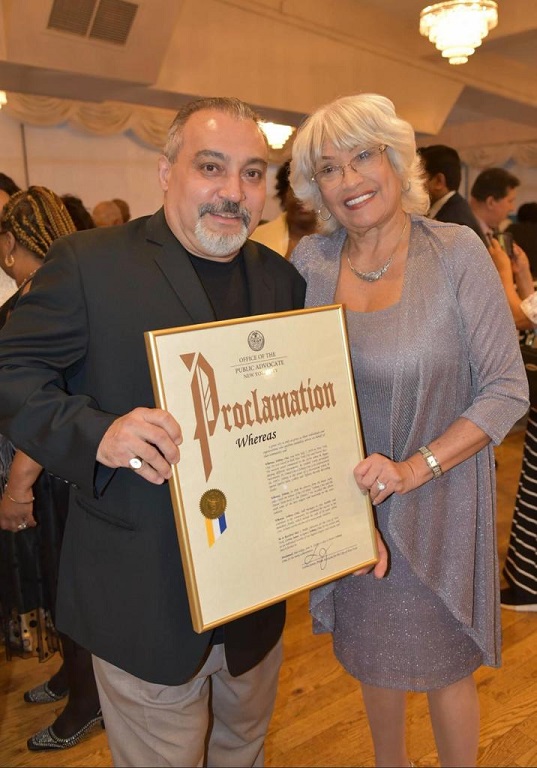
I am happy to express my gratitude and admiration to a powerful woman, Director of Taínos Tower and Vice President of the Museum of Salsa: María Cruz.

Johnny Cruz and Mrs. María Cruz

María Cruz was born in Carolina, Puerto Rico. In 1966 she came to New York looking for new opportunities. While studying at Manhattan Community College, she began working with the East Harlem Pilot Block Redevelopment Project. Although she may have had no idea at the time, that job was the beginning of her career as a community activist and advocate for social services. As a community worker at the East Harlem Pilot Block, she helped design and offer a tenant orientation in preparation for the occupation at Taino Towers.

Later, she became a Building Representative and worked with tenants regarding apartment issues, rent, social service issues, and Section 8. Maria Cruz has been involved in many community activities:

From 1984 to 1989; She served as president of the Tenants Association of her apartment building. She was vice president of the East Harlem Little League Baseball organization. In her spare time, she organized bus trips for neighborhood children to amusement parks and ball games. Encouraged and assisted several tenants to return to school and continue their education, so that they can be trained and empowered to return to the workforce and leave Public Assistance. Ms. Cruz earned her RAM (Registered Apartment Manager) certificate from NYU and is registered as a Certified Leasing Professional.

Currently, Ms. Cruz is the Executive Director of ARCO Management Inc. / Taino Towers. She has always been a strong activist for the community. In the summer of 1999, Ms. Cruz organized the first annual Taino Family Day. Day in which all residents and members of the East Harlem community participate and celebrate a day of unity. On Taino Family Day, residents rent “kioscos” food stalls and sell various ethnic foods, dance to the rhythm of various musical bands, and children enjoy activities such as face painting, puppet theater, and a petting zoo.

Each year, Ms. Cruz focuses on a different topic such as: education, music, tributes, and family values. As Executive Director, one of her greatest accomplishments was the renovation of the Touro College building. She is currently a board member of the East Harlem Council for Human Services and works closely with local politicians and representatives.

In 2002, Ms. Cruz along with Irving “Magic” Johnson opened the Magic Johnson Computer Learning Center. This program provides computer classes to Taino Towers and the East Harlem Community. As Executive Director, she was also able to oversee the completion of the Senior Park at Taino Towers.

In the summer of 2003, voted by the majority of the tenants, the Park for the elderly was renamed the Maria Cruz Park for the elderly. In September 2019, she was honored with the Eugenio María de Hostos Award from the Puerto Rican National Association for her commitment to the East Harlem Community. People like Mrs. Cruz are exemplary citizens of the Latino community in the United States, and in New York.

Papo Rosario and Isidro Infante

Do not stop listening to the new single: “Gracias”, and the first solo production of Papo Rosario, produced by the arranger and musician Isidro Infante. Rosario is grateful to be alive and to be able to walk after being bedridden as a result of a car accident. Papo Rosario is a world-class artist who has put the name of Puerto Rico high. Rosario, withdrew in 2019 from the group considered the “university of salsa”, El Gran combo de Puerto Rico, after having an accident and presenting health problems. Now, he affirms that he already feels ready to resume his musical career with the launch of his first solo production by producer Isidro Infante. Much success in this new stage.

I highly recommend that you follow the track of Quintero’s Salsa Project, a Venezuelan salsa group based in New York, nominated for a Latin Grammy and led by cousins ​​Luisito and Roberto Quintero, released an album in which they pay tribute to the work of La Dimensión Latina, the orchestra that represented a before and after in the history of this musical genre in Venezuela.

Quintero´s Salsa Project

The band wanted to go back to the 60s to remember that particular style with which La Dimensión Latina championed Venezuelan salsa: “Many of the world’s salsa players and Venezuelans identify with this rhythm. We, the Quintero, have always been loyal fans of these great teachers. With this album we wish to pay tribute to those who today are a world icon of salsa ”, they said through their networks. “Ya tú lo verás”, promotional single from the album composed by Oscar D’León, was arranged by the legendary trombonist and director of La Dimensión Latina, César Monges, better known as “Albóndiga”.

The album is the second released by Quintero’s Salsa Project, following their debut project, Nuestro Hogar, which was nominated for the 2019 Latin Grammy for Best Salsa Album. In that same ceremony, Luisito Quintero, one of the great Venezuelan percussionists who make a professional life in the United States, received the gramophone as a member of the Spanish Harlem Orchestra, which was recognized for his Anniversary album as Best Latin Tropical Album. Quintero is also a member of the group of the great pianist Chick Corea. Do not miss it!

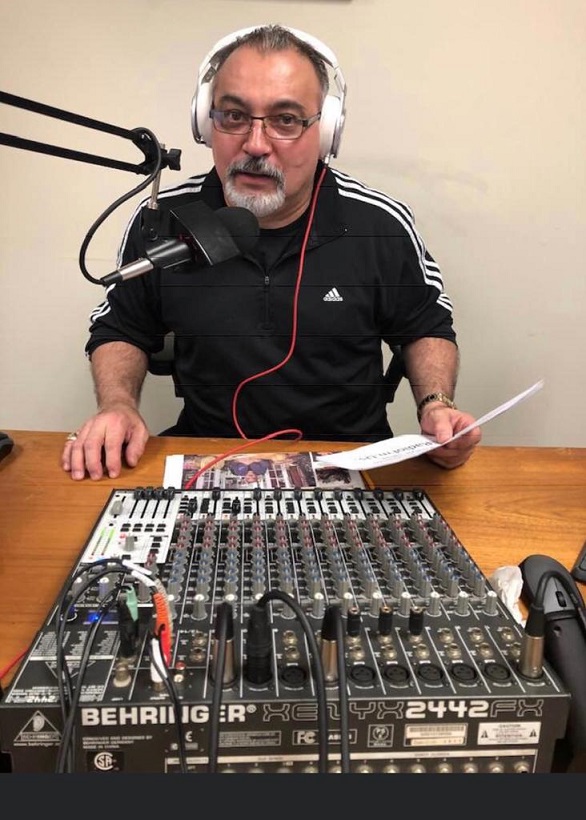
The invitation to tune in to the new Fm / Internet radio station on Live365.com continues: Salsagallery. Good music, interviews with the artists and much more.

Johnny Cruz on the Radio

At the Spanish Harlem Salsa Gallery Museum we are happy to say that we are gradually returning to our activities and we will be opening the gallery sporadically. We do not stop, we continue to work for our music and we will always keep you informed through our social networks. We hope to have more news shortly and that we can return to normal soon.

By Johnny Cruz, ISM Correspondents, New York, New York City

Fanny Almenara better known in the salsa environment as “La Sonera del Callao”

Sonera of Callao, who maintains an impeccable musical career, loving music and recording numerous songs as a soloist and with various singers of first order of the Afro Latin Caribbean genre.

The salsa singer named Fanny Almenara, better known in the music scene as the Peruvian Sonera, was born in Callao, daughter of Don Hector Almenara and Carmen Barreto, the second of 9 siblings.

Fanny studied singing thanks to her mother, she met the best teacher, Mrs. Ana Maria Parodi and entered music at a very early age in the lyrical genre.

Juan Canevello: Percusionista, Antonio Cartagena: Cantante, Fanny Almenara: Cantante y Oscar Huaranga Bajista y Productor Musical

Her salsa collector father made her listen to the best of the best exponents such as Justo Betancourt, La Lupe, Candido Fabre, Benny More, Ismael Rivera, Los Papines, Irakere, Luis “Perico” Ortiz, etc.
At the age of 16 she fell in love with the genre called salsa and had the honor of singing with Junior Gonzales for the first time and alternated Grandes with Peruvian Orchestras such as Peru Salsa de Beto Villena, Las Estrellas de la Máquina de Boris Gómez, HIt Parade Latino del Callao, La Nueva Generación de Franco Crovetto.
She was chosen as the best new voice of the salsa genre in the 80s.

La cantante de salsa llamada Fanny Almenara mejor conocida en el ambiente como la Sonera Peruana

She made recordings for different groups, and also recorded an unpublished song of her own entitled “Yo te Espero”.

Between the 70s and 80s came to Peru Las Leyendas Latinas with Ray Barreto and Adalberto Santiago, gave him the great opportunity to sing with them Quítate la Máscara.

Then with Linda Caballero (lLa India), the song Mi Primera Rumba, then with the pharaoh of salsa Oscar D’ León the song Toro Mata, also with the great Hermanos Lebrón the song sin negro no hay guaguancó.
With the owner of Soneo Carlos “El Cano” Estremera the theme Ámame en Cámara lenta, with Frankie Vázquez the theme Cuarto de Tula, with Yolanda Rivera the theme Rumba en el Patio, Vity Ruiz brother of Frankie Ruiz the theme La Cura, with Aldalberto Santiago the theme Nadie se salva de la rumba.

Primera sonera del Callao, que mantiene una carrera musical impecable

And so with her imposing voice Fanny captivated the attention of the greats of salsa, representing Callao and for which the people of Chalaco named her “La Sonera del Callao” (The Sonera of Callao).
For her vast artistic career she was awarded by different musical associations and by the company Pilsen Callao.
(H3) Asocosalsa Peru (Tite Curet Ceremony, Hector Lavoe Bust, Charlie Palmieri and 25th anniversary of artistic life (Okonkolo Association).
Fanny Almenara, continues her impeccable musical career, loving music and recording a song entitled Amor de Mis Amores, salsa version with the Orquesta Ng del Callao director Franco Crovetto.
Although she was in a halt due to the pandemic, she recorded a Challenger “El Virus Se Mata Con Musica” invited by a Cuban musician, which was also recorded by Cuban artists in different parts of the world.

Fanny Almenara
Fanny Almenara

After her voice reached Cuban websites such as “Benny More” “Un Millón De Adalsoneros” “Al Son Del Pinar Del Rio” she was invited to the “Son 8 de mayo” days led by the gentleman of the son Adalberto Alvarez.
Then she also recorded a song written by the King of merengue Milly Quezada “Gracias A Ti” dedicated to those who are always on the front line as doctors and nurses in the Covid 19 and the last thing she has recorded the production of the song La Sitiera Tribute to the diva of Cuba Omara Portuondo in which in that production participated Nelson Gonzales in the tres: Eddie Montalvo on congas, Nohelia Zambrano on violin and Luis Perico Ortiz on trumpet.

Website: Fanny Almenara Oficial

Women in music: Carmen Laboy tells of a full life, without regrets

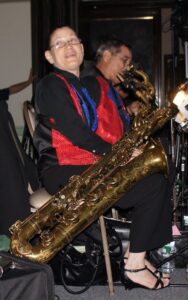
Talking with Puerto Rican saxophonist Carmen Laboy is so pleasurable that it becomes a therapeutic experience for the listener as she leads the musical journey that has become her working life.

The enthusiasm with which she talks about her work is contagious. With that effervescence that characterizes her, for thirty years she balanced her work as a teacher with artistic contracts that led her to perform on countless stages. As an educator, until her retirement in 2012, she headed the Music Department at Columbus High School in New York.  As a musician she remains active and current, accompanying when hired and conducting when it is her turn

Talking with Puerto Rican saxophonist Carmen Laboy is a pleasure
Talking with Puerto Rican saxophonist Carmen Laboy is a pleasure.

She began her story by holding up a book of photographs while laughing out loud at the images that show a life surrounded by music greats at countless concerts.

Neither at the age of nine when she began taking private piano lessons, nor at the age of twelve when she auditioned for a place at the Escuela Libre de Música in her native Ponce, did she imagine that thanks to music she would travel the world accompanied by her inseparable baritone saxophone. Today she reflects and reports a full life, with no regrets.

Graduated from the Interamerican University of San Germán with a Bachelor’s degree in Music Education and Performance, she obtained her Master’s degree in Music Education and Orchestration from Herbert H. Lehman College in the Bronx, New York; but not before having been awarded a scholarship as an outstanding student by the Vienna International Music Center in Austria.

The woman in music Carmen Laboy gives an account of a full life, with no regrets.

The saxophonist Pete Miranda also connected her to the New York music scene when orchestras on Puerto Rican soil denied her a place because she was a woman, forcing her to leave the island that taught her to love the music she continues to treasure and share with the world.

She decided not to comment on this unfortunate rumor. She preferred to thank that from then on she has not ceased to make music with large format orchestras (big band), delivering Latin music. Colleagues such as Tito Puente, José Madera, Eddie Montalvo, Jimmy Delgado, José Alberto “El Canario” and Frankie Morales have allowed the maestro to play her instrument while accompanying them or when she assumes the musical direction, as the case may be.

Puerto Rican saxophonist Carmen Laboy

The rejection to which she was subjected, which at first glance seems to have been a stroke of luck, did not divert her from her goal. On the contrary, she found in it the strength to blow in other lands. More than five decades of musical work at the helm of her baritone saxophone with the orchestras of Tito Puente, Machito, Ray Santos, Joe Cuba, Frankie Morales, Tito Rodríguez, Jr., The Big 3 Palladium Orchestra, Kit McClue Big Band and Harbor Conservatory Latin Band; as well as having accompanied Choco Orta, Paquito Guzman, Andy Montañez and Cano Estremera -among others- attest that her priority has always been to remain active in the music scene; this while wearing the same uniform as her male counterparts, be it a tuxedo or a tie. Among musicians, Carmen Laboy lets the music do the talking, far from worrying about her gender.

Bella Martínez Writer, Researcher in Afro-Caribbean music.


Bella Martínez
Writer, Researcher in Afro-Caribbean music.


  • « Go to Previous Page
  • Page 1
  • Interim pages omitted …
  • Page 100
  • Page 101
  • Page 102
  • Page 103
  • Page 104
  • Interim pages omitted …
  • Page 165
  • Go to Next Page »

International Salsa Magazine (ISM) is a monthly publication about Salsa activities around the world, that has been publishing since 2007. It is a world network of volunteers coordinated by ISM Magazine. We are working to strengthen all the events by working together.