• Skip to primary navigation
  • Skip to main content

International Salsa Magazine

  • HOME
  • Previous editions
    • 2026
      • ISM / March 2026
      • ISM / February 2026
      • ISM / January 2026
    • 2025
      • ISM / December 2025
      • ISM / November 2025
      • ISM / October 2025
      • ISM / September 2025
      • ISM / August 2025
      • ISM / July 2025
      • ISM / June 2025
      • ISM / May2025
      • ISM / April 2025
      • ISM / March 2025
      • ISM / February 2025
      • ISM / January 2025
    • 2024
      • ISM / December 2024
      • ISM / November 2024
      • ISM / October 2024
      • ISM / September 2024
      • ISM / August 2024
      • ISM / July 2024
      • ISM / June 2024
      • ISM / May 2024
      • ISM / April 2024
      • ISM / March 2024
      • ISM / February 2024
      • ISM / January 2024
    • 2023
      • ISM / December 2023
      • ISM / November 2023
      • ISM / October 2023
      • ISM – September 2023
      • ISM – August 2023
      • ISM July 2023
      • ISM Edition June 2023
      • ISM – May 2023
      • ISM April 2023
      • ISM March 2023
      • ISM February 2023
      • ISM January 2023
    • 2022
      • ISM December 2022
      • ISM November 2022
      • ISM October 2022
      • ISM September 2022
      • ISM August 2022
      • ISM July 2022
      • ISM June 2022
      • ISM May 2022
      • ISM February 2022
      • ISM January 2022
    • 2021
      • ISM December 2021
      • ISM November 2021
      • ISM October – 2021
      • ISM September 2021
      • ISM August 2021
      • ISM July 2021
      • ISM May 2021
      • ISM April 2021
      • ISM June 2021
      • ISM March 2021
      • ISM February 2021
      • ISM January 2021
    • 2020
      • ISM December 2020
      • ISM November 2020
      • ISM October 2020
      • ISM September 2020
      • ISM August 2020
      • ISM July 2020
      • ISM June 2020
      • ISM May 2020
      • ISM April 2020
      • ISM March 2020
      • ISM February 2020
      • ISM January 2020
    • 2019
      • ISM December 2019
      • ISM November 2019
      • ISM October 2019
      • ISM Septembre 2019
      • ISM August 2019
      • ISM July 2019
      • ISM June 2019
  • Spanish
  • Download Salsa App
    • Android
    • Apple

Search Results for: Cali

The Dudamel | Father and son

Latin America / Venezuela / Caracas

Oscar Dudamel, the father of Gustavo Dudamel, director of the Los Angeles Philharmonic Orchestra and the Simón Bolívar Orchestra of Venezuela, has been a musician for many years. Every Friday and Saturday, he receives applause from the public in the place where he plays the trombone since a small stage with “La Otra Banda de Dudamel” the Agraz ensemble, a salsa group whose main course is the songs of the duo made famous by Héctor Lavoe and Willie Colón.

Dudamel Padre e Hijo
Dudamel Father and Son

On Sundays, Oscar Dudamel has to be on the other shore and applaud standing up, as parents do, swollen with pride at the talent of their son who, with baton in hand, conducts a world-renowned Symphony Orchestra and if he think about it, his musical vein germinated from the brass bands of charanga, salsa and guaguancó.

After 10 at night it is difficult to find a place in “The Temple of Salsa”, the tickets are not sold out, but the tables and the best stalls of this place located on 7th Street that crosses Bolivar Avenue in Maracay, there fanatics and amateur dancers meet. of salsa and logically admirers of Héctor Lavoe and Willie Colón

Oscar Dudamel on the trombone is accompanied by Charly Guzmán, a talented young man who, at just 18 years old, shows the gifts of his voice; Oswaldo Agraz (musical director, piano and backing vocals), Gerardo Vargas (bass), Vicente Guzmán (timbale), Júnior Narváez (bongo), Diego Camus (conga and backing vocals), Ventura Prieto (trombone) and Johan Figueroa (alternate trombone). It is about the same format, instruments and identical distribution (the trombones next to the vocalist) of the orchestra that captivated him.
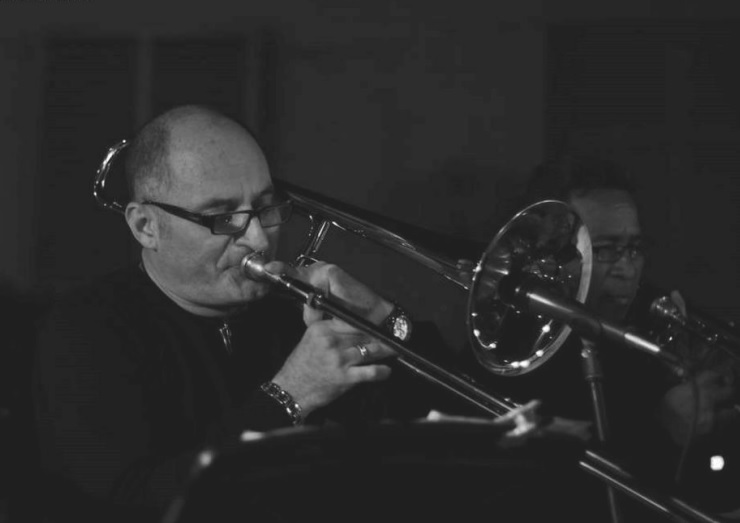
Dudamel father playing trumpet

And it is that music often also enters through the eyes, as Oscar Dudamel says, who knew he wanted to be a trombonist when he saw Willie Colón at La Feria de la Alegría holding his instrument while puffing out his cheeks, in that In this way, it is known that the first approach of the today brilliant, young and valued Orchestra Director Gustavo Dudamel to music, was not appreciating the Tchaikovsky that he likes to conduct so much, on the contrary, it was appreciating the music that came out of the trombone of his beloved dad.

The previous June, Oscar paid homage to Hector Lavoe as usual, for commemorating years of his death. “Héctor Lavoe died on Monday, June 29, 1993 at 11:45 in the morning”, an event that he remembers with the accuracy that sad events mark, but despite the pain, with satisfaction and pride, he mentions that his son Gustavo de Only 29 years old, before entering the stage he repeats a special ritual: “Before entering New York to direct, someone asked Gustavo: ‘“Master, what are you listening to? Tchaikovsky? and Gustavo replied: ‘No, Tito Rodríguez because he gives me swing'”.

If someone were to say that Gustavo Dudamel owes a debt to Willie Colón and Héctor Lavoe for his vocation as a musician, he would not be wrong, or acknowledge his father, who has often referred that his son’s versatility is due to the fact that he always listened to popular and classical music. . “I listened to more salsa than Beethoven, that’s why it has so much rhythm,” he says with a laugh.
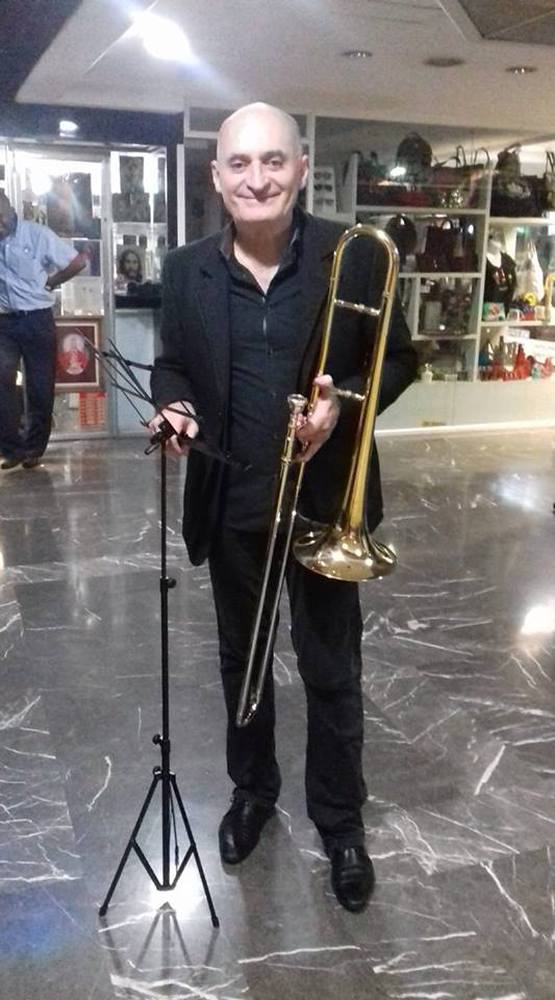
Dudamel Padre
Dudamel Father

“I am his number one fan. He fulfilled the goals that I, due to various circumstances, could not fulfill, he made the dream that I wanted come true. He has reached where I would have liked”, reveals the father, who sees in his son an extension of his, “ .

In a life marked by music, a soundtrack for falling in love could not be missing. It was during the visit of El Gran Combo de Puerto Rico to Barquisimeto in the late 1970s that Oscar noticed Solange Ramírez, his wife and Gustavo’s mother; Today, 30 years later, when Falsaria sounds in Maracay, the song leads him to remember that indelible moment.

Gustavo Adolfo, as his mother calls him, began playing the güiro before he was four years old; later he would build his own battery out of biscuit tins and safety helmets.
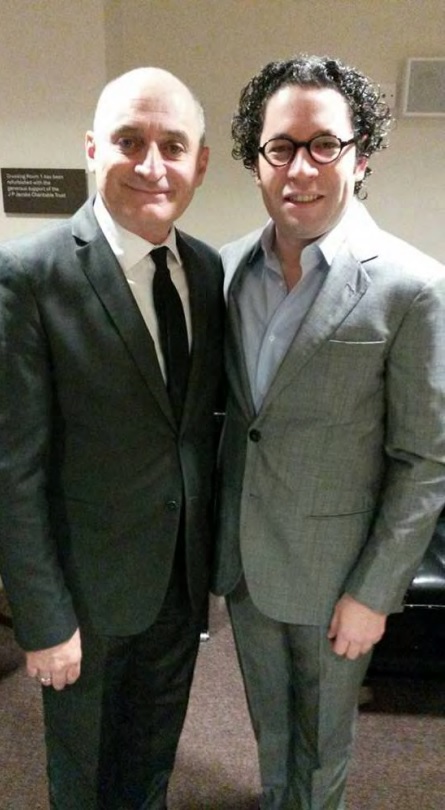
Dudamel Padre e Hijo photo
Dudamel Father and Son photo

Gustavo received his first knowledge of music from his father, who was then a trombonist with the Lara Symphony, who had plenty of passion to play and lacked patience to teach. He wanted to be a trombonist, like his father, but his small arm could not reach the instrument.

“I imagined that Gustavo was going to be a musician,” he says. “I told him: ‘You have to be the best or among the best and never lose your principles or forget where we come from.'”

At the age of seven Gustavo played the timpani with La Banda Actual and at the age of nine he arranged for this salsa orchestra in which Oscar played for 16 years and with which he met again after many years.
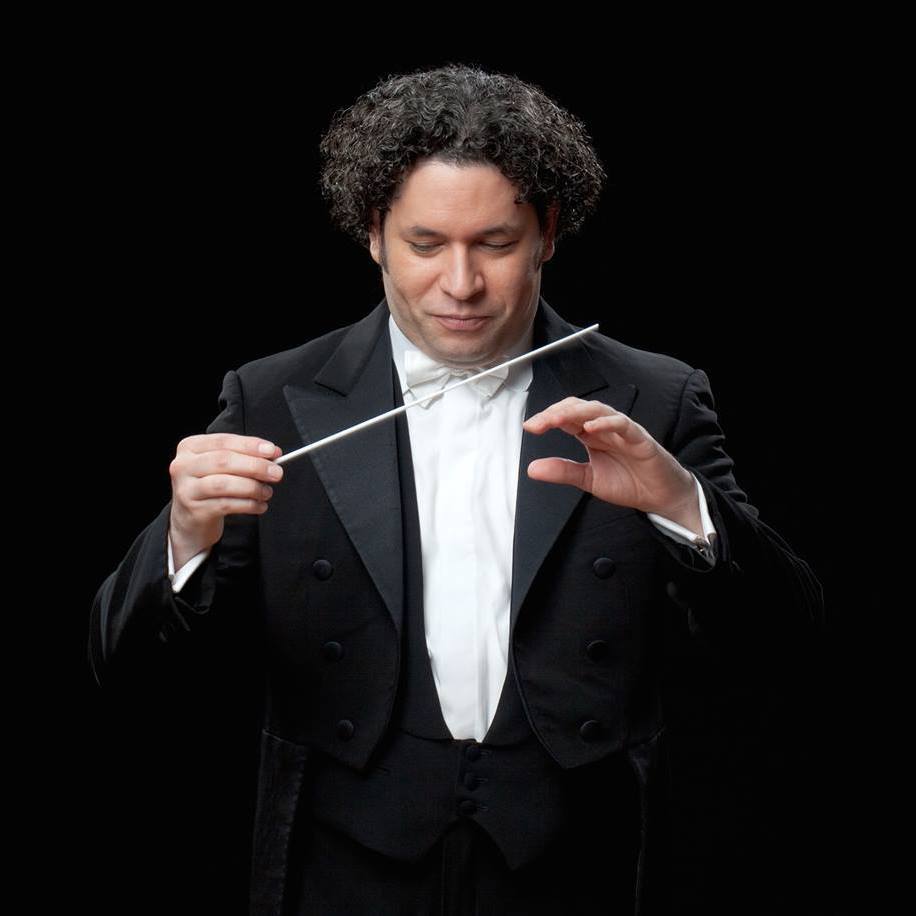
Gustavo Dudamel
Gustavo Dudamel

Gustavo decided on the violin, an instrument that adjusted to his size, and at home, father and son had the habit of studying while walking. There were times when one would bend down for the other to pass, so that the slide of the trombone and the bow of the violin would not trip over each other. However, popular music and academic music finally made their own meeting.

Oscar does not shake his hair, but he inflates his lungs with force and from that mouth-to-mouth breathing with his instrument, he manages to get the best out of it…. The father speaks of his salsa orchestra with the same pride that the son (Gustavo) does of his classical musicians.
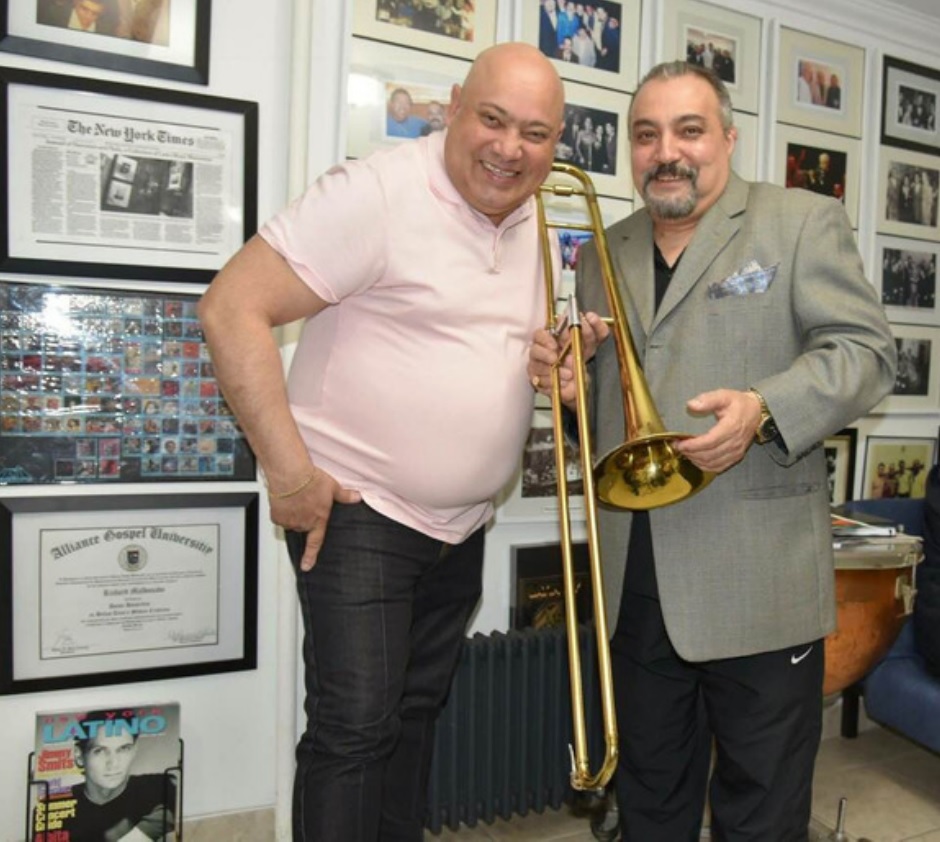

Spanish Harlem Salsa Gallery & Johnny Cruz: ¡Que viva la Salsa!

North America / USA / California

Spanish Harlem Salsa Gallery & Johnny Cruz: ¡Que viva la Salsa!

A private collection that was built over four decades has opened its doors to the public in El Barrio, New York, becoming the only permanent exhibition dedicated to salsa and its heritage

Johnny Cruz Photo
Johnny Cruz Photo

By Carmen Mercedes Aular

With the magic and passion of Johnny Cruz as host, Spanish Harlem Salsa Gallery opened its doors to the New York community and the world a year ago, after 5 years of starting as a private gallery for an exclusive audience.

Spanish Harlem Salsa Gallery

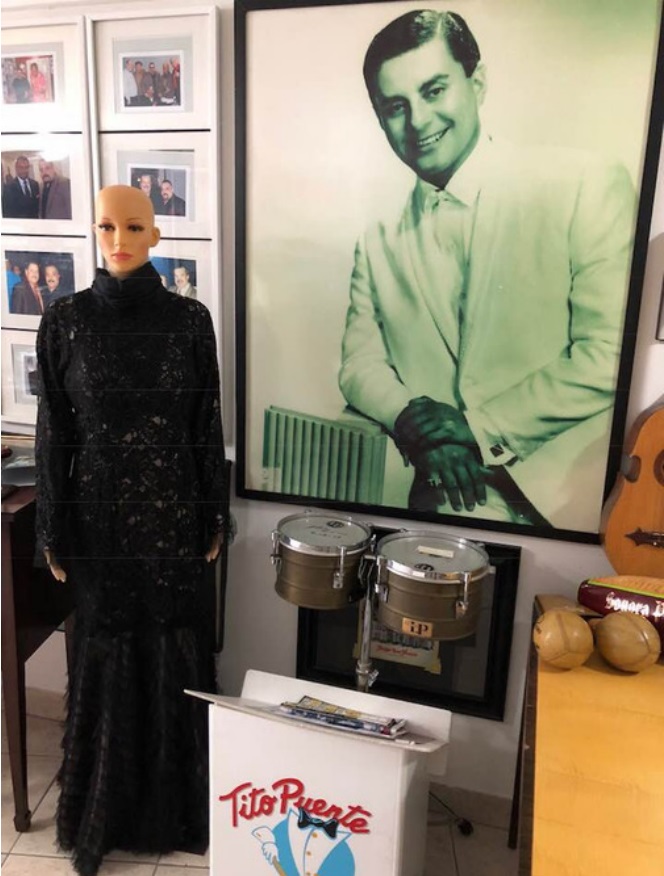
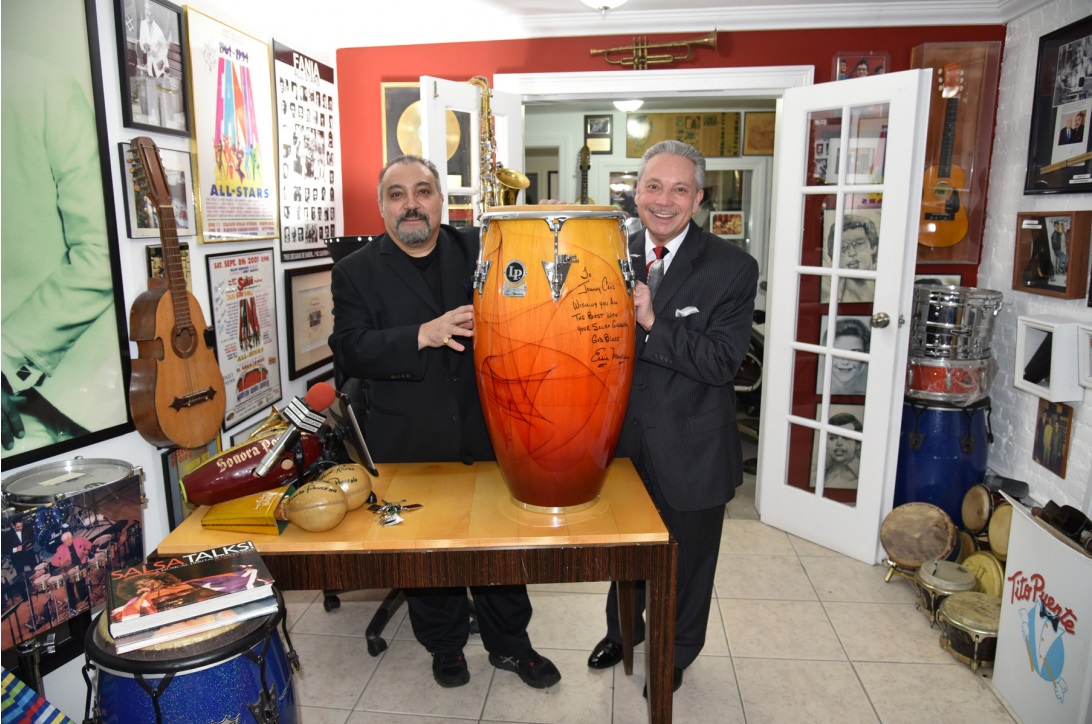
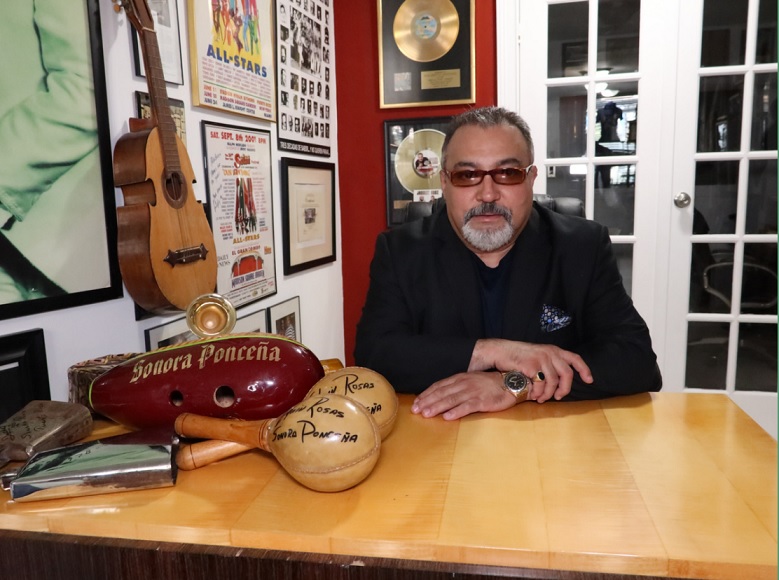
In this extraordinary place are exhibited 40 years of music, experiences and memories that now everyone can relive and consequently know the history behind each instrument, behind each object that rests in this immaculate space and carefully organized by Cruz. The collection includes instruments, pictures, newspapers, clothing and several gadgets donated by great musicians of Latin music.

Must share the good things

The initiative to bring the VIP experience to more people was conceived by Johnny Cruz to realize the positive impact that the gallery would have on the community of El Barrio and the way in which, through it, he could get more involved with schools from the neighborhood. The goal is to continue teaching children and adults the history of Latin music and show them how music is part of history and culture, and how it’s also part of El Barrio.

Spanish Harlem Salsa Gallery Photo

Cruz hopes to tell the story of each element of the gallery to anyone who wants to listen, and continue to increase the collection with donations from the stars of Latin music. Anyone interested in the history of music can learn something new and continue to share this information with other people so that the successes of these artists are never forgotten and kept alive in the collective memory.


In the near future, they hope to carry the information from the gallery to schools and universities in New York. In addition, they are working to collect resources to expand the collection and preserve exposure in the best and safest way possible, and become a source of employment for the community.


What awaits you at SpaHa Salsa Gallery?

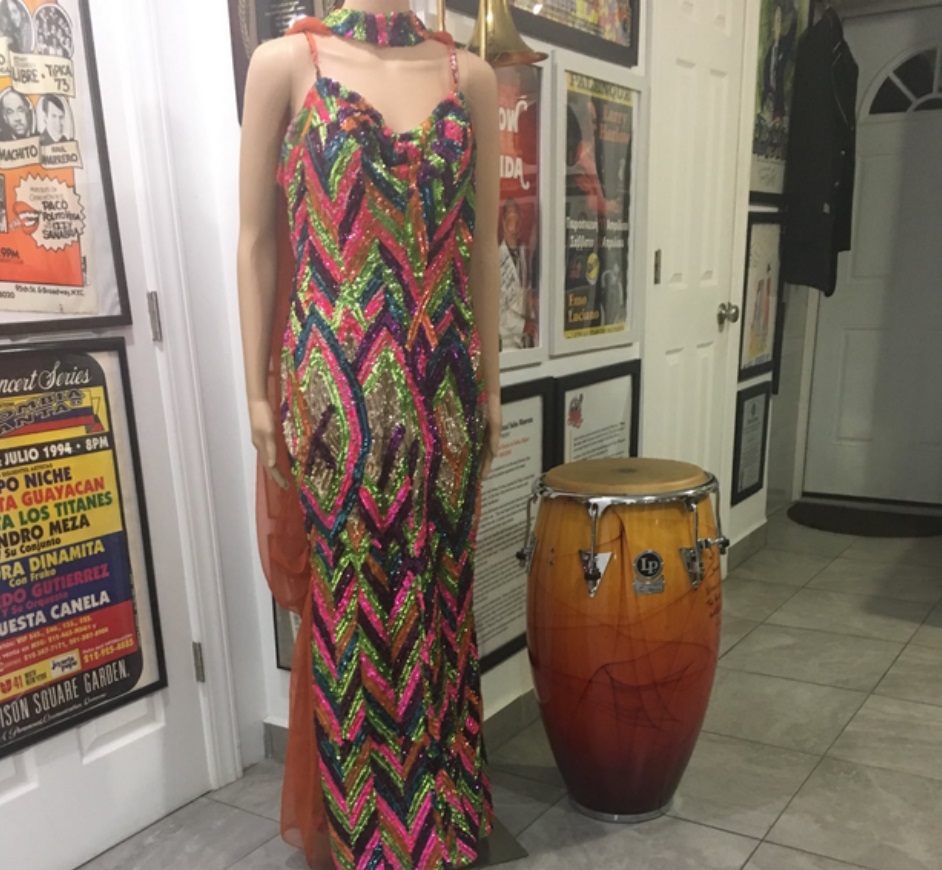
At 1708 Lexington Ave NYC, you can find a wide variety of instruments, costumes, and other items from top artists of Latin music. One of the pieces of more recent data is the costume used by Sophy from Puerto Rico, in the tribute concert to Rafael Hernández at the Center for Fine Arts of Puerto Rico.

Photo by Spanish Harlem Salsa Gallery

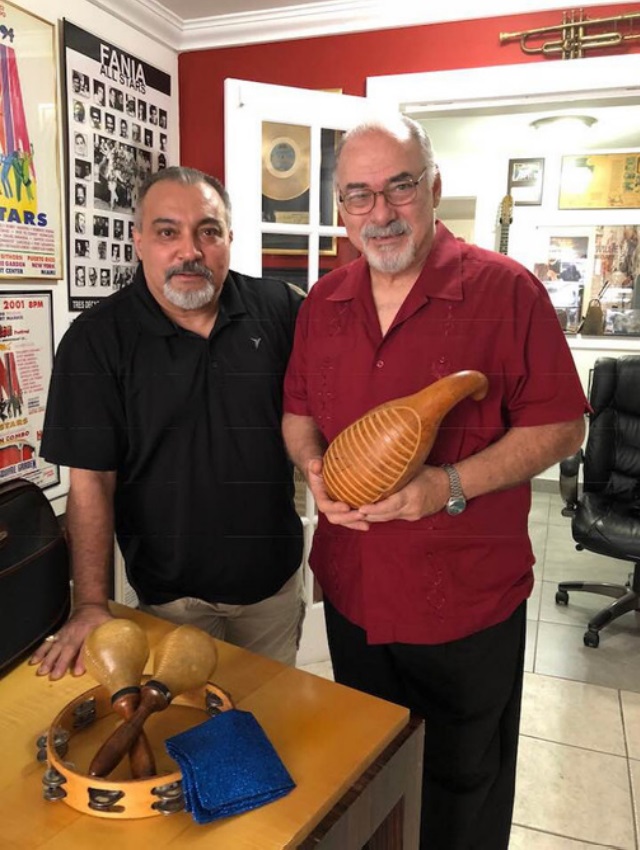
The great Eric Vélez supported the gallery by donating the congas that are in the permanent exhibition. You can also appreciate the tuxedo that Adalberto Santiago used in his 55th anniversary concert and a Bobby Cruz costume. A piece that you definitely have to watch is the colorful and vibrant Celia Cruz’s dress. Mike Rodriguez donated his güiro, maracas and tamboril. Willie Álvarez’s trombone also rests in this exposition.

Spanish Harlem Salsa Gallery photo 4

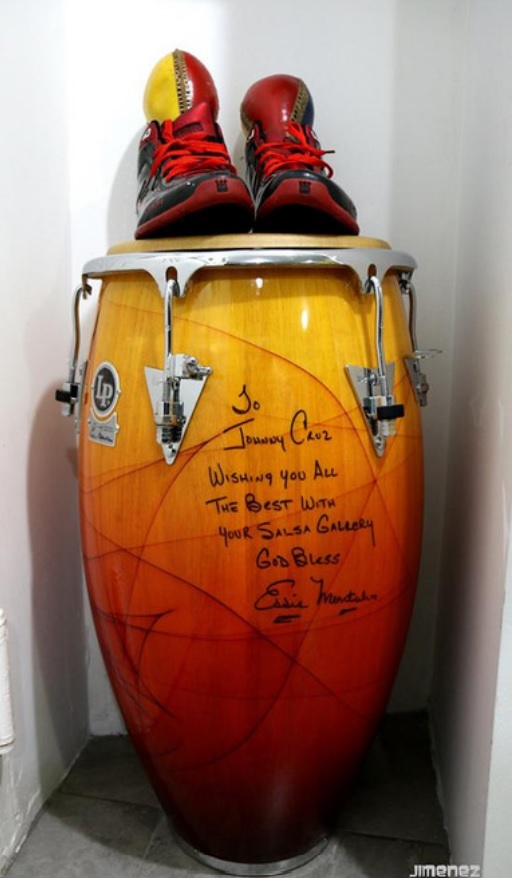
Tourists and locals can learn about the history of objects belonging to musicians of La Fania All Stars or La Sonora Ponceña, the shoes of Héctor Casanova perched on the congas of Eddie Montalvo and numerous pieces full of anecdotes that will always, very gladly, share their host. The commitment of the gallery, and Johnny Cruz, is reaffirmed every day with donations of great glories that have a single purpose: to keep the music alive.

Eduardo Guilarte and Johnny Cruz

Soon, you will have access to the membership of the SpaHa Salsa Gallery, with which you will get information about the events before the general public and discounts in a wide network of restaurants in town, among other benefits, as a way to promote the gallery and obtain funds for its expansion and maintenance.

Within the gallery’s events programming for this month is Pablito Rosario and Cachete Maldonado’s visit, a celebration for Governor Andrew Cuomo for his triumph in the primaries vote in the state of New York, and another for Assemblyman Roberto Rodríguez, who has the support of the Latino community in the area where SpaHa Salsa Gallery lives. Moreover, Nicky Marrero, musician of the Fania All Stars, will donate the timbales he used recently in a tribute to Celia Cruz, so you can meet him in the gallery; on that day, he will be signing the instrument to formally deliver it to the collection.

Spanish Harlem Salsa Gallery photo 3
Drum - Photo
Drum – Photo

The gallery is open to the public from Wednesday to Friday from 4:00 pm to 7:00 pm, and Saturdays from 1:00 pm to 8:00 pm at 1708 Lexington Ave. NY 10029 (El Barrio).

You can get more information about events, membership and donations by calling 917-747-8505.


About the precursor of the initiative

Johnny Cruz has a history of 40 years in the world of Latin music, during which he has been collecting musical instruments. In the last 5 years he created Spaha Salsa Gallery in El Barrio in New York City and a year ago he shares it with friends, contacts, tourists and the community.

Adalberto Santiago flyer

He has been a percussionist for the last 40 years and is passionate about music, singing it, producing it, composing it, telling it, living it today and keeping it alive forever. He has worked closely with some of the most outstanding Latin musicians in the business throughout his career and has been honored with a variety of awards over the years.

Photo by Johnny Cruz with more music instruments

At this time, he produces a public access television program for mnn.org called The Windows of Latin America. The program has been on the air weekly for 20 years, and it is the only TV space in New York where salsa is broadcast.

Jhonny Cruz and Adalberto Santiago

In a few days he will be premiering a collaborative production with Adalberto Santiago, with songs that recap his musical career of more than six decades and have the admiration and gratitude of Cruz. Within the framework of this launch, there will be an event in which great Latin music personalities will meet again at the Spanish Harlem Salsa Gallery to share a fun time with fans and friends.


Since the beginning of this trip, his desire has been to create a space for the community. Sharing these artifacts is their way of giving back to a community that they have had the pleasure of being part of for many years, a bit of their culture and their heritage for the world.

Johnny Cruz
Johnny Cruz

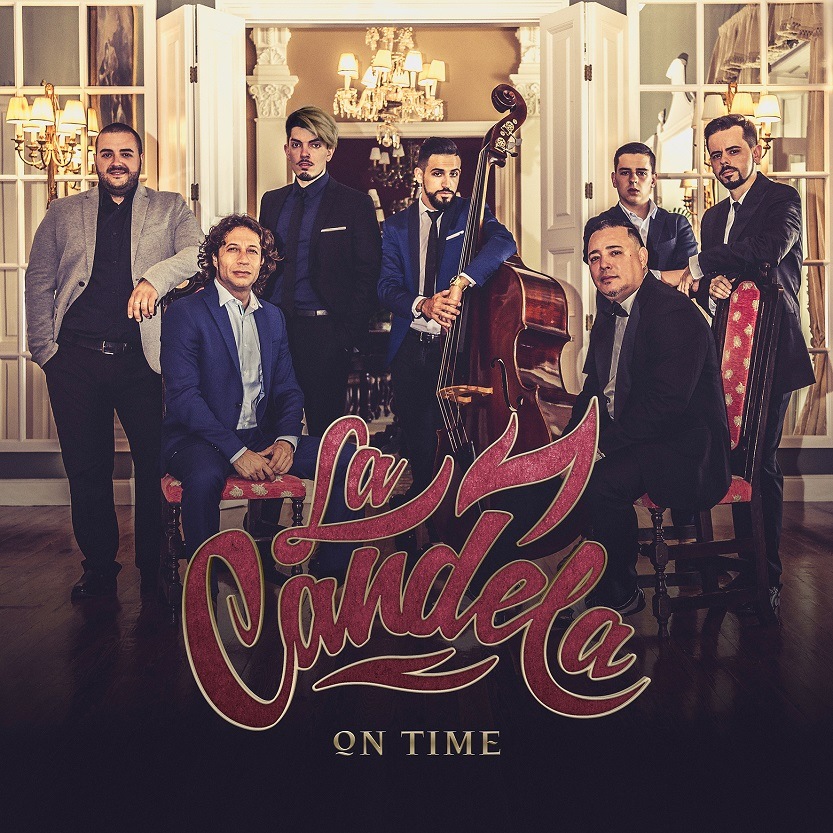
La Candela Salsa Orchestra has a new album titled “On Time”

Europe / Peru

After the worldwide success of their previous work on the best dance floors, the Candela Salsa Orchestra makes a new foray into the sound of legendary sextets like Joe Cuba’s, seasoned with the characteristic sound of the vibraphone. The DJs at conferences and salsa parties, who support Candela’s work worldwide, have had a lot to do with this success, such as:

Members of the new musical theme On Time - Candela Salsa Orchestra
Members of the new musical theme On Time – Candela Salsa Orchestra

DJ Pablo Bat (Spain), DJ Hugo Leite (Portugal), DJ Chino (Colombia), DJ Momo (Japan), DJ Lasse (Norway), DJ Antonio La Conga (NYC), DJ Mauri (Holland), DJ David Muñoz ( Germany), DJ Toni (Switzerland) or DJ Andrea Martini (Italy) among many others.

With this new work, La Candela promises not to leave lovers of a pure and authentic sound focused on the dancer, where there is no shortage of montuno, mambo, guaguancó, pachanga, boogaloo and danceable Latin jazz.

On Time - Candela Salsa Orchestra Members
On Time – Candela Salsa Orchestra Members

The album, which is produced by Batlei Productions and with the collaboration of Canarian musicians, such as Manuel Ángel Lorenzo “Mangüi” and the “Original Big Band”, makes a nod and at the same time a tribute to the great dance bands of the 50s, the golden age of the prestigious Palladium in New York.

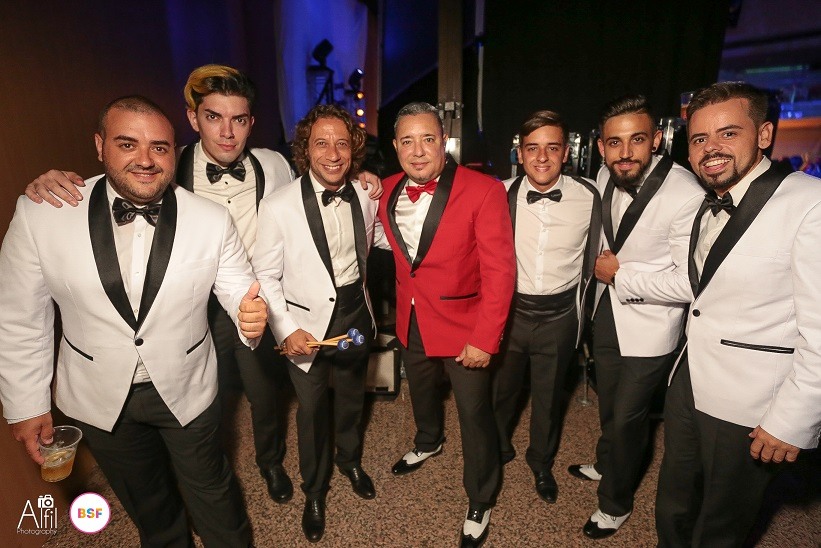
After the success achieved in the last edition of the Benidorm Salsa Congress, the most important congress held in Spain, this year they repeated the visit once again last Thursday, July 13, where they officially presented this new album, which has been recorded at Arena Digital under the direction of sound engineer Juan Carlos Hernández.

Presentation "On Time" Benidorm (Photo by Alfil Photography)
Presentation “On Time” Benidorm (Photo by Alfil Photography)

In a very short time and leaving from the Canary Islands, La Candela has been able to carve out a niche for itself within the salsa scene worldwide. Their music can be heard from Australia to California, passing through such exotic places as Taiwan, Malaysia, India, etc. With the new album, they intend to establish themselves in this market and make different presentations that are already closing both in Spain and in the rest of Europe and America.

La Candela is made up of: Rafael “Richie” Rodríguez, voice; Fonsi Rodríguez, piano: Alejandro Fuentes, bass: Jordi Arocha, vibraphone; Fran Martín, congas; Alberto Martín, timpani; José Brito, bongo and bell. A band that mixes experience with youth, which provides a fresh and different sound for the dancer. Without a doubt La Candela is here to stay “On Time”.

The album is now available on the digital music platform CDBaby.com and soon on iTunes, Google Play, Spotify, etc. It will also be available very soon in CD and vinyl format at www.cucumpa.com

More information on Facebook: lacandelasalsa

Front Pagedisco On Time - Candela Salsa Orchestra
Front Page
disco On Time – Candela Salsa Orchestra

Papo Lucca. The Giant of the South

Latin America / Puerto Rico

Papo Lucca born in Ponce, Puerto Rico on April 2, 1946, Enrique ‘Papo’ Lucca began playing the piano at age 11 with his father’s orchestra. Initially, La Ponceña played versions of tropical hits of the moment by bands like Cortijo y su Combo and La Sonora Matancera.

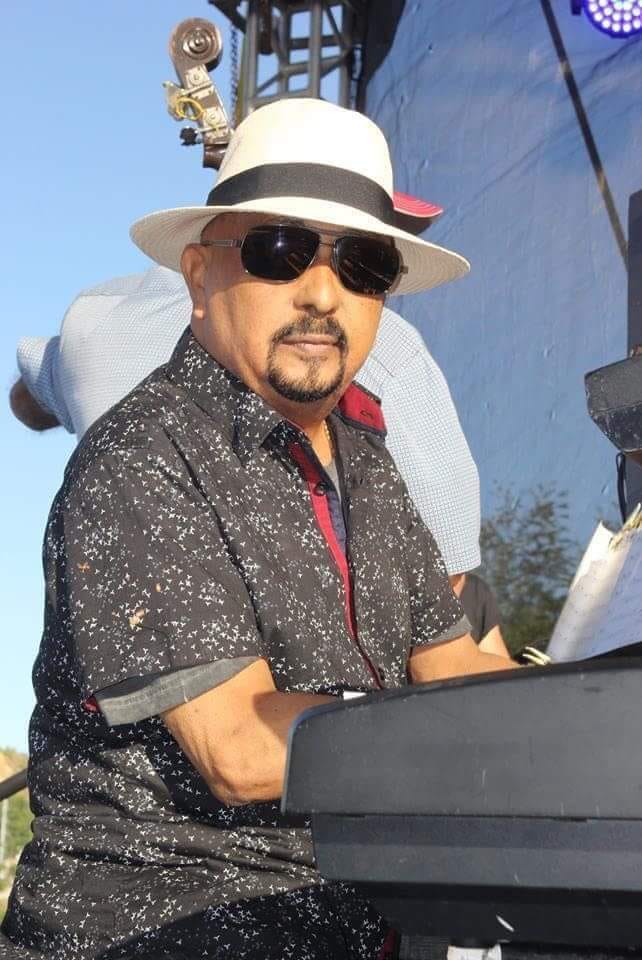
Papo Lucca. The Giant of the South

In the late 1960s, Papo became the orchestra’s musical director, beginning a profound transformation that would eventually establish la Ponceña as one of the most progressive groups in the history of Afro-Caribbean music. Papo’s orchestrations were bold, experimenting with elements of jazz, rock, and Brazilian music. Representing the authentic spirit of Puerto Rican salsa, his piano solos were velvety, displaying elegance, restraint, and infinite swing.

During the mid-’70s, La Ponceña began to enjoy unprecedented success with critics and the public. The band recorded for the Inca label, which eventually became part of the Fania empire. Papo was invited to arrange and play on sessions for the company’s biggest artists, including Johnny Pacheco, Celia Cruz and Cheo Feliciano. He also recorded and toured with the Fania All Stars.

This compilation pays tribute to the art of Papo Lucca through 14 classic songs recorded between 1967 and 1981. Although Lucca has recorded as a solo artist and also collaborated with a multitude of salsa stars, it is his work with La Ponceña that best expresses the clarity of his vision.

The music we make has to make people happy, as well as make them dance. That’s what it’s all about, says Lucca from her home in Puerto Rico. When the public can dance, no matter how complicated the music is. The first theme that this genre had was to divulge the things that happened in the different communities, as if it were a newspaper.

Our journey begins with two fiery songs from the beginnings of La Ponceña: “Hachero Pa’Un Palo” and “Fuego En El 23” are versions of songs by Cuban Arsenio Rodríguez. La Ponceña always had a soft spot for Puerto Rican folklore, but she also found inspiration in the golden age of Cuban music.

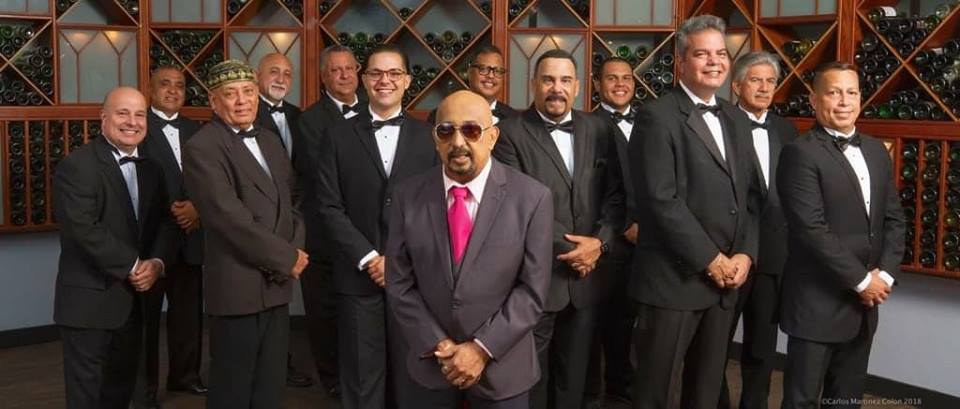
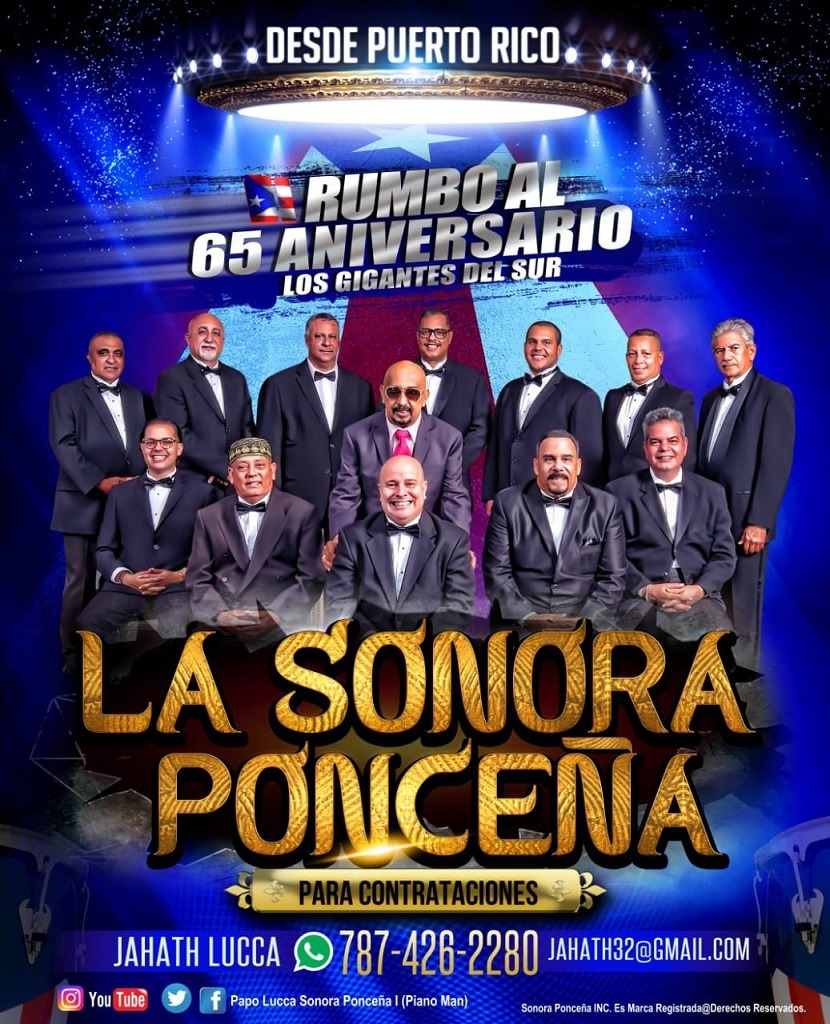
La Sonora Ponceña
La Sonora Ponceña

The precise moment in which La Ponceña becomes a mature orchestra in total control of its aesthetics can be found in the six songs from the Musical Conquest/Conquista Musical and El Gigante Del Sur albums. Launched on the market in 1976 and 1977 respectively, they represent the pinnacle of the salsa movement.

These songs combine a musical skill that approaches virtuosity with deep lyrics and a generous sense of humor. “Ñáñara Caí” is a hilarious narrative of pure magical realism, describing a world where everything is turned upside down (my favorite phrase: I saw a cow/Hit with Pacheco). Also included in Musical Conquest, “El Pío Pío” achieves the perfect cross between Afro-Cuban rhythm and contagious pop. This hit is a mandatory part of all La Ponceña concerts.

The opening theme of the El Gigante Del Sur album, “Boranda” seems to offer a salsa version of progressive rock. Its lyrics contain an important sociopolitical message, and the sophistication of its arrangement is a slap in the face for all those who believe that this music is only for dancing. “Soy Tan Feliz” combines bolero climates with an electric piano solo that recalls the psychedelic sound of jazz-rock from the ’70s. “Noche Como Boca ‘E Lobo” creates a tasty collision between salsa fever and Brazilian rhythms.

Lucca was not alone in his mission to reinvent the rules of Puerto Rican dance music. It was also benefited by the prowess of some of the best instrumentalists on the island. Furthermore, his instinct for choosing singers was always irreproachable.

Some of the vocalists of la Ponceña that appear here are Tito Gómez, who would later find fame with the Grupo Niche de Colombia; the inimitable Luigi Texidor, who gave a sense of placidity to all the songs he performed; and Yolanda Rivera, who added variety to the band’s sound with her unique timbre.

One of Rivera’s happiest moments is included here: Coming from 1980’s Unchained Force, Johnny Ortiz’s “Borinquen” is a soulful anthem to Puerto Rico, blessed with a sinuous melody and subtle instrumental arrangement–one of Rivera’s happiest moments. transcendental within the Ponceña canon.

The golden days of salsa are a distant memory in the new millennium, but Papo Lucca hasn’t stopped shining. Perhaps precisely because he continues to record new music, he refuses to idealize the past when I ask him what his favorite album with “La Ponceña.”

The last one, the most recent, he explained in his characteristically introverted tone. All the albums are very important in the career of the orchestra. They all fulfilled their mission at the time, which was to reaffirm the previous one. That’s the way to maintain a pool after 50 years.

Papo Lucca
Papo Lucca

The teacher was a little more direct when I asked him about his favorite concert of all time.

It was my first concert with the Fania All Stars at Madison Square Garden, back in 1974, he said. All the stars of the Fania were still alive. A few years later we played in front of 47,000 people in Cali. My knees always shake before I go on stage, but this time they shook a little more.

Asia / July 2024

Calibrated maracasBill Martinez

Japan circular flag
JAPAN
DIRECTORY OF NIGHTCLUBS

Bar Mirage
Bar Mirage
5F VORT Roppongi Briller, 3-14-14 Roppongi, Minato-ku
Tokyo 106-0032, Japan
+03-5860-6946

Fiesta
Fiesta Latin Spot Bar
3F, 1 Chome-14-6 Kabukicho, Shinjuku City
Tokyo 160-0021, Japan
+81 90-1086-2878

El Cafe Latino Tokyo
El Cafe Latino
3 Chome-15-24 Roppongi, Minato City
Tokyo 106-0032, Japan
+81 3-3402-8989

JBA
Studio JBA
11-8 HAT Chuo-ku
Chuo City, Tokio 103-0011, Japan
+81 3 62310638

jsdc
Japan Social Dance Club
1-19-5-705 Shibuya-ku
Tokyo 150-0042, Japan
+81 3 5939-7262

Studio Pepe
Studio Pepe
7-17-12 Minato-ku
Tokyo106-0032, Japan
+81 090-4705-715

La Tropi Azabu
La Tropi Azabu
3F Roppongi Azelea Bldf. 1-3-6 Nishi-Azabu, Minato-ku
Tokyo1060031, Japan
+81 3 6804-5776

Latin Club Leon
Latin Club Leon
5-17-6 B1 Shinjuku, Shinjuku-ku
Tokyo 160-0022, Japan
+81 90-6474-5638

Hong Kong `circular flag
HONG KONG
DIRECTORY OF NIGHTCLUBS

PCL
Petticoat Lane
8F, California Tower, 30-32 D’Aguilar Street, Central
Hong Kong, Hong Kong
+852 2808 2893

DANCETRINITY
Dancetrinity
8/F, Fung Woo Centre, 279-281 Des Voeux Road Central
Hong Kong, Hong Kong
+852 9634 9770

Sole Mio Restaurant
Sole Mio
Upper Ground Floor, 51 Elgin Street, Soho. Central
Hong Kong, Hong Kong
+852 5508 8244

Solar LKF
Solar LKF
+2F, Ho Lee Commercial Building, 38-44 D’Aguilar Street
+Central District, Hong Kong 0000
+852 65467339

After Work Salsa Party
Pong, 1st Floor, Ho Lee Commercial Building, 38-44 D’Aquilar Street, Lan Kwai
Fong Central & Western District, Hong Kong
+852 6389 6213

ISRAEL
DIRECTORY OF NIGHTCLUBS

Havana Music Club
Havana Music Club
Yigal Alon St 126
Tel Aviv-Yafo, Israel
+972 3-562-3456

Salsa Carlos
Salsa Carlos
Yegi’a Kapayim St 10, Tel Aviv-Yafo, Israel
+972 54-573-7173

Thailand circular flag
THAILAND
DIRECTORY OF NIGHTCLUBS

bAFROS lOUNGE
Bafros
Sugar Club Complex Sukhumvit Soi 11
Bangkok 10110, Thailand
+66 63 039 8700

Havana Social Cocktail Bar
Havana Social
1/1 Sukhumvit Rd. Soi 11
Bangkok, Thailand
+66 2 821 6111

MillionSpace
MillionSpace Rooftop Bar & Bristro
Soi Sukhumvit 32, Khlong Tan, Khlong Toei
Bangkok 10110, Thailand
+66 83 898 9939
ASIA JULY 2024 FESTIVAL by Karina Bernales

Malaysia ircle flag
MALAYSIA
Alfa 2024 Afro Latin Fest Asia

Jul 18 / 21 2024

SkyArk Event Spaces
3-10, Lakeville lifestyle shoplot, Jalan Sibu, off, Jln Kuching, Taman Wahyu
Kuala Lumpur , Malaysia,51200

$ 125

  • « Go to Previous Page
  • Page 1
  • Interim pages omitted …
  • Page 58
  • Page 59
  • Page 60
  • Page 61
  • Page 62
  • Interim pages omitted …
  • Page 140
  • Go to Next Page »

International Salsa Magazine (ISM) is a monthly publication about Salsa activities around the world, that has been publishing since 2007. It is a world network of volunteers coordinated by ISM Magazine. We are working to strengthen all the events by working together.