|
|
|
|
|
|
|
|
|
|


|
|
|
|
|
|
|
|
|
|
|
|
|
|
|
|
|
|
|
|
Betsy, Colombian singer who began her career at the age of 17, in Bucaramanga in the tropical genre.

She recorded with local orchestras, tropical productions and at the same time consolidated as a commercial voice.
Her love for salsa, bolero and son has led her to belong to important orchestras such as RUMBATA directed by maestro Edwin Rey and LA JOHND BAND directed by JOHN DENNIS ESCOBAR from Cali.
Betsy records with the maestro Edwin Rey, the album “SINCERIDAD”, interpreting in the single PROMESAS, she a song called MI CUMBIA, composed by MARIO ENCALADA, CHILENO and Colombian folklor is heard again with a young and modern oxygen.
In 2020, she recorded the single “SENTIR”, original arrangements of You Salsa de Perú, generating a very positive result to the ear of the public lover of romantic salsa.

With this album, she was nominated as best female singer SALSA, in the last edition of the CRISTO REY Awards, in the city of CALI, which took place on October 21, 2021.
In 2022, she released the album esencia, sabor y son, which contains 10 tracks of emblematic salsa songs, in Cuban son version, such as DIME POR QUÉ, CASI TE ENVIDIO and with an interesting bet on the songs YA LO SE and UN SUEÑO y NADA MÁS, by Calle Real and Polo Montañez respectively.
At the end of 2022, she won the PANORAMA DE PLATA AWARD, as PERSON OF THE YEAR IN SANTANDER, for her outstanding musical performance during the year and for taking the Department to other regions of the country.

In addition, this musical cut is part of the new record production entitled “Yo Soy Betsy”, which has several songs such as: “Caballo Viejo”, “Cuando”, “El Me Mintió”, “Manantial de Corazón”, “Mentira”, “No Sabes Como Duele”, “Que Suene Mi Campana”, “Que Vas Hacer”, “Yo Quisiera” and “Si Ya no Estas”.
Betsy, Colombian singer of SALSA, BOLERO Y SON CUBANO presents her album “YO SOY BETSY”.
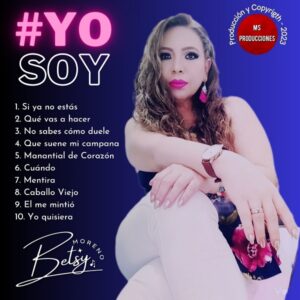
Betsy Moreno, Colombian singer, specialist in Bolero, Salsa and Son Cubano, launches her album: “YO SOY”, which contains the title: “Si ya no estas”, written by maestro Jorge del Valle, Cuban composer, with arrangements by maestro Alberto Ardila Rueda and recorded in the studios of MS PRODUCCIONES Bucaramanga – Santander – Colombia.
“Si Ya No Estas” is a romantic song arranged by Alberto Ardila Rueda, a song for lovers of romantic son.
In addition, this song is part of the new record production called “Yo Soy Betsy”, which has several songs such as: “Caballo Viejo, “Cuando”, “El Me Mintió”, “Manantial de corazones”, “Mentira”, “No Sabes Como Duele”, “Que Suene Mi Campana”, “Que Vas Hacer”, “Yo Quisiera” and “Si Ya No Estás”. This is a highly recommended production for lovers of good music and is already available on all streaming platforms.
Instagram: @betsycantanteoficial
Facebook: betsycantantebucaramanga
Youtube: Betsy Cantante Oficial
Tik Tok: @betsycantanteoficial
Twitter: @betsycantanteoficial
E-mail: [email protected]
Contacts and Bookings: + 57 316 6348316
Also Read: Henry Benavides surprises with “Por Cuenta Propia,” his new project
There is a tremendous amount of Cuban artists who have had to fight against economic adversity there is in their country, but this has not prevented them from getting ahead and fulfilling their dream of making a living from their art. One of them is the bandleader of Sabor De Mi Cuba Band, Carlos Medrano, with whom we had the pleasure to talk for this report.
Carlos Medrano was born in the city of Havana, Cuba, and became interested in music when he was very young. The first instruments with which he began experimenting were the bongo and the conga, which had a huge importance in the training the artist would follow until he became the professional musician he is today. Here are some of the topics we cover in a long but pleasant conversation via Zoom.
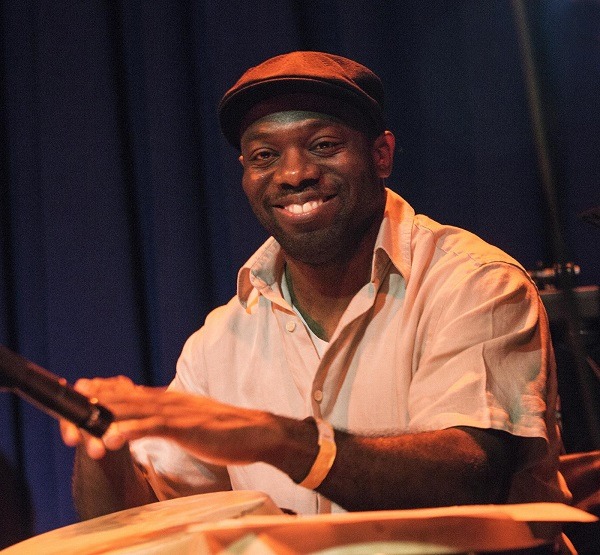
When talking about his first experiences with music, Carlos told us he has always been surrounded by musical sounds since his childhood, which was spent in the neighborhoods of El Vedado and Old Havana.
When he lived in El Vedado, his grandfather used to make poetry and do recitations, while he accompanied him with the drum, but he was in more direct contact with the musical world in Old Havana, a place where there were many rumberos and renowned musicians who were always playing in those parts.
A very young Carlos always saw comparsas and street concerts from her home window and people always joined them making sounds with bells, pans or anything they had.
During the decade of the 90’s, Cuba saw a big boom in tourism, resulting in the appearance of numerous traditional Cuban music groups and the cafes and clubs in the area were filled with sextets with professional musicians. They were looking to play in these places to get tips from tourists and have travel and employment opportunities,” said Carlos.
I always looked at the work these artists were doing, especially tres players and bongos players. That’s how I learned to play the bongo: by watching and listening to what others were doing. I tried to imitate the sounds they made with a metal bucket or whatever I had at home to learn”, he continued.

After junior high school, he met a friend of his father who would be key in his training as an artist and his name is José Antonio Oviedo. Although his father saw no problem in this fascination of Carlos with music, he always told him not to drop out of school and to pursue a university career.
When he began taking lessons with José Antonio, the level of demand was such that he felt he was in a formal school. He taught him to read music in a way that had nothing to envy to an art institute, which Medrano will always be very grateful for.
In addition to that, near his home, there is a sector called ”Cueva De Humo” where there are excellent musicians and rumberos. It was there that Carlos got to meet Juan Ernesto Santana, Ernesto Gatel Coto from Rumberos de Cuba and many more. ”I was lucky that most people liked me and they always explained to me everything I needed to play as it should be” he added.
With all these insights, there came a point when he decided to devote himself to the world of music and put aside other ambitions he had such as studying law, which was a shock to his family at the time.
That is when his mentor José Antonio did the necessary procedure for him to present the Escuela de Superación Profesional de Arte “Felix Varela y Morales” admission exam, which he passed without major setbacks thanks to his training up to that point.
Although his admission to the institution was relatively simple, it was not long before Carlos faced another equally difficult challenge: getting the necessary resources and instruments to receive a good training.
”I didn’t have my own instruments until I started playing professionally with maestro Orlando Sánchez. I had my first bongo thanks to my father’s friends, who helped me to have my own things, but that never limited me” said the percussionist on this topic.
In a time of so many shortages, it was clearly not easy to study, but Carlos was always looking for ways to fulfill his activities, whether it was raising money, borrowing instruments, practicing with other similar implements, sharing school instruments with his classmates, among other things.
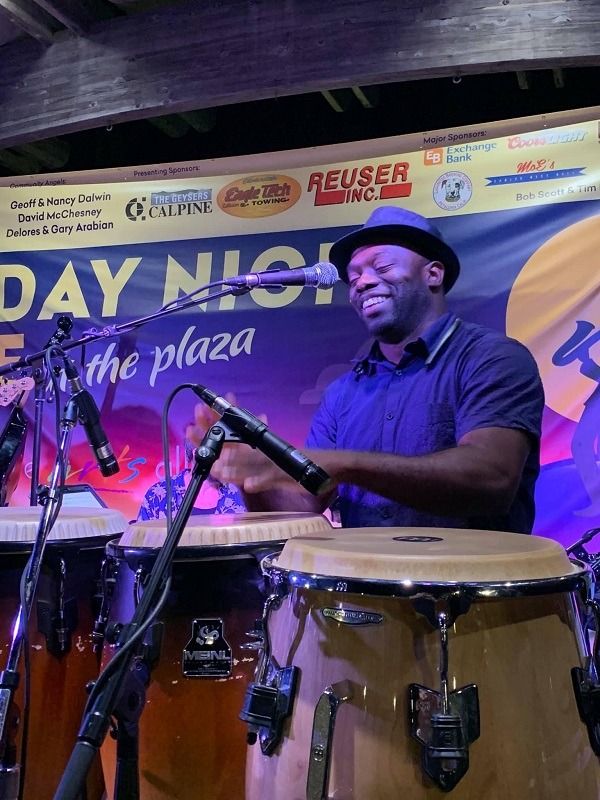
One of his biggest inspirations was his cousin Stanley, who was a professional percussionist. He always advised Carlos to never classify himself in one instrument, but to always learn to play a little bit of everything to become a needed man, so that bands would always consider him for their tours and projects.
Another of the great mentors he had has been Ignacio Jarabe, who has taught him many of the best ”tricks” a percussionist may need when playing one of these instruments. ”I still have solo sheet music that he wrote and some of his book manuscripts, which I don’t know if they were ever published, but they are still important reference sources for me”, said Carlos about Jarabe.
We cannot forget to mention percussionist Eliel Lazo, with whom Carlos had amazing chemistry from the beginning. Lazo had contact with the best AfroCuban jazz musicians of the time and came to travel to many places thanks to his training in percussion instruments, which inspired Medrano to follow in his footsteps. After about one year of studying with this great musician, he was able to perform at La Fiesta Del Tambor and went on to be a finalist in several categories.
Once he started plating professionally, the first person to call him was the maestro Orlando Sanchez, who in addition to offering him his first formal opportunity in this field, taught Carlos many other things which he had not learned so far. He has him up on a pedestal and thanks him for everything he has learned.
Another person to whom the artist is very grateful is José Luis Quintana, better known as Changuito, who told him that ”the good conga player has to listen to the orchestra. You have to be able to hear the piano, the bass and the other instruments. You have to look for your space between the rest of the musicians”.
Another important figure who cannot be left out is Yaroldy Abreu, a mmusician who spent hours rehearsing with Carlos at his house. They focused a lot on technical and creative resources during these classes. Medrano considers him one of the best percussionists and musicians in the world due to his extensive knowledge in every field of music.
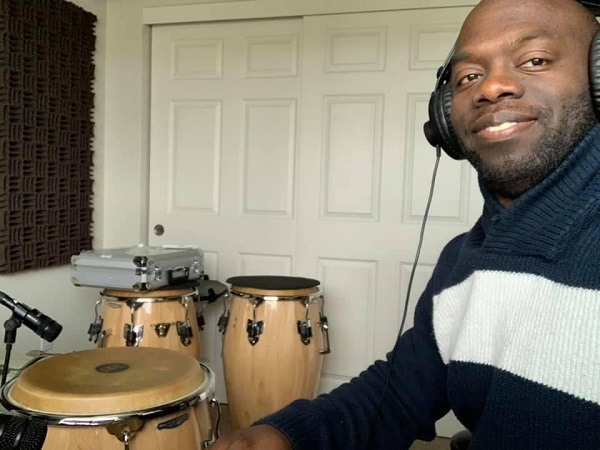
It all started with a contest called ”Joyas” which specializes in promoting young Cuban talents who present their art to a qualifying jury and seek to carve a name for themselves in the industry.
Carlos was fortunate that one of the judges told him and drummer Pablo Calzado ”you two shall go along with me”. The artist spent some time working with this person, who took him to play in other orchestras so that he could learn from the best until developing his own style.
This happened after he moved to the United States and was still acquiring experience with other musical groups. That is when he realized he wanted to do things in a different way and get involved in other genres and rhythms that he had not tried before.
There came a day when a bass player friend of his told him that if he wanted to come up with his original ideas, he had to embody them himself and not wait for others to do it. Carlos never saw himself creating his own band, but he decided to began composing his own music and he succeeded.
Then, he started writing usic, contacting great arranger friends of his who helped him reassemble the idea of what he wanted to do. Once he had a repertoire, they advised him to record an album and give life to everything he had done, which gave birth to his first album ”Sabor De Mi Cuba”.
The first song he wrote in his life was called ”La Habana” and was basically inspired by everything Carlos lived in his country and the longing he feels for not being able to be in his country, walk its streets, party with his friends, visit its special places, among other things. What he relates there is his life in the city where he was born and his desire to be able to go back there.
His main motivation to make the album was the possibility of doing something different from anything he saw in the music scene around him at the time.
Carlos does not think of himself as a professional composer, far from it, as he feels he still has a lot to learn in that field, but he hopes to reach the level of the artists who inspired him in his youth.
Read also: Héctor “Rudy” Regalado and his great career
Roberto is the author of Ray Barreto’s hit “Que viva la música”.
Roberto was born in 1938, in Cienfuegos (Cuba). He began his musical career at the age of 12, in his native province; cradle of the world famous Orquesta Aragón.
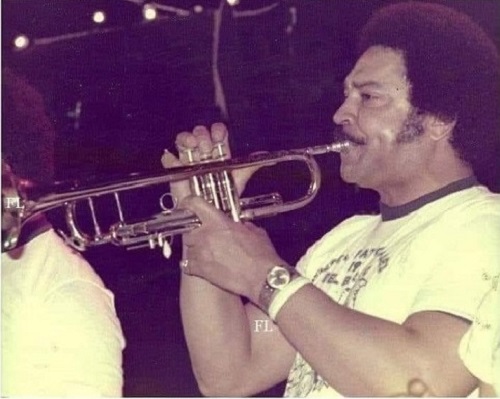
From an early age he participated in “Las Comparsas de Cuba” and with the orchestra “La Unión Fraternal de Cienfuegos”.
In 1955, he emigrated to the United States and in 1957 he married Nancy Zayas, with whom he had three sons: Roberto Jr., William and Richard.
While growing as an artist, Roberto co-founded the orchestra “Los Jóvenes Estrellas de Cuba” with his long-time friend Ernie Stairs. He later moved on to Wilfredo Figueroa’s orchestra and “Ritmo Swing”.
In 1965, Roberto was recommended to Ray Barreto by Eddie Martinez. Eddie was a pianist for both the TataVazquez and Ray Barretto orchestras.
His performance as first trumpet soloist was extraordinary. While in Ray’s orchestra, Roberto composed several famous songs such as: “Yo Soy La Candela”, “Fuego y Pa’Lante”, “Invitación al Son”, “Cienfuegos, Perla del Sur”, “Se Traba”, “El Tiempo lo Dirá”, “O’Elefante”, and the worldwide hit: “Que Viva la Música”.

In 1972, Roberto became a member of the Fania All-Stars as first trumpet and soloist. The documentary “Our Latin Thing” launched Roberto along with the other members of the All-Stars to international fame.
On August 26, 1971 New York City gave birth to a sound that would change Latin music forever. That night at the renowned Cheetah nightclub, the Fania All Stars took the stage with their unique sound that echoed across all borders and reached every country. Fania Records re-releases “Our Latin Thing” on DVD, the film that sparked the salsa movement of the seventies.

From the concert came a double LP entitled “Live At The Cheetah” and the historic film “Our Latin Thing”. Its director, Leon Gast, documented the events at the Cheetah with the addition of footage of the musicians in the recording studio and scenes of New York’s Spanish Harlem.
In 1975, Ray decided to take a turn towards a new musical facet and Roberto became part of the group “Los Kimbos”.
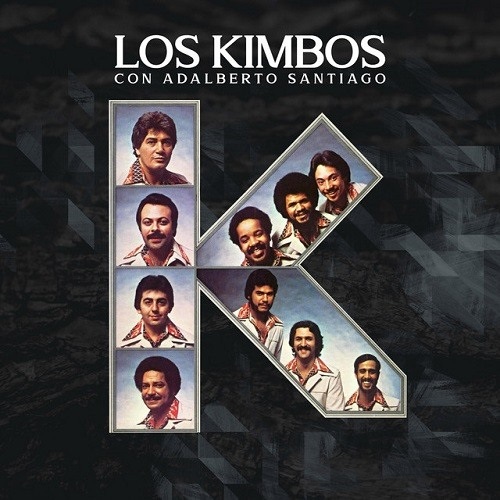
Two years later, in 1977, Roberto joined the charanga band “Orquesta Broadway”. In this group he not only excelled as a trumpet soloist but also as a vocalist. Here he composed new hits, including: “No Se Va a Poder” and “Como Nueva York no Hay”.
In 1982, Roberto decided to assist his sons in their desire to continue their musical journey and produced the album: “Roberto Rodríguez Presenta a Los Rodríguez”, under the “Combo Records” label.
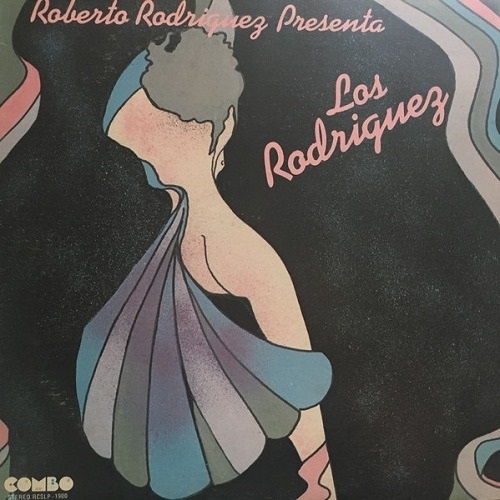
In 1983, Roberto joined the “Los Rodriguez” Orchestra, to perform with his sons Roberto Jr (trumpet player) and Willie (bass player).
Roberto Rodríguez was a Cuban trumpet player and composer
Read Also: Miguelito Cuní recognized among the best soneros of Cuba