• Skip to primary navigation
  • Skip to main content

International Salsa Magazine

  • HOME
  • Previous editions
    • 2026
      • ISM / March 2026
      • ISM / February 2026
      • ISM / January 2026
    • 2025
      • ISM / December 2025
      • ISM / November 2025
      • ISM / October 2025
      • ISM / September 2025
      • ISM / August 2025
      • ISM / July 2025
      • ISM / June 2025
      • ISM / May2025
      • ISM / April 2025
      • ISM / March 2025
      • ISM / February 2025
      • ISM / January 2025
    • 2024
      • ISM / December 2024
      • ISM / November 2024
      • ISM / October 2024
      • ISM / September 2024
      • ISM / August 2024
      • ISM / July 2024
      • ISM / June 2024
      • ISM / May 2024
      • ISM / April 2024
      • ISM / March 2024
      • ISM / February 2024
      • ISM / January 2024
    • 2023
      • ISM / December 2023
      • ISM / November 2023
      • ISM / October 2023
      • ISM – September 2023
      • ISM – August 2023
      • ISM July 2023
      • ISM Edition June 2023
      • ISM – May 2023
      • ISM April 2023
      • ISM March 2023
      • ISM February 2023
      • ISM January 2023
    • 2022
      • ISM December 2022
      • ISM November 2022
      • ISM October 2022
      • ISM September 2022
      • ISM August 2022
      • ISM July 2022
      • ISM June 2022
      • ISM May 2022
      • ISM February 2022
      • ISM January 2022
    • 2021
      • ISM December 2021
      • ISM November 2021
      • ISM October – 2021
      • ISM September 2021
      • ISM August 2021
      • ISM July 2021
      • ISM May 2021
      • ISM April 2021
      • ISM June 2021
      • ISM March 2021
      • ISM February 2021
      • ISM January 2021
    • 2020
      • ISM December 2020
      • ISM November 2020
      • ISM October 2020
      • ISM September 2020
      • ISM August 2020
      • ISM July 2020
      • ISM June 2020
      • ISM May 2020
      • ISM April 2020
      • ISM March 2020
      • ISM February 2020
      • ISM January 2020
    • 2019
      • ISM December 2019
      • ISM November 2019
      • ISM October 2019
      • ISM Septembre 2019
      • ISM August 2019
      • ISM July 2019
      • ISM June 2019
  • Download Salsa App
    • Android
    • Apple
  • Spanish

Search Results for: Cuban music

Nahití Ortega. Dance is her Passion and Life

Latin America / Venezuela / Caracas

Nahiti Ortega, is a Venezuelan with exceptional talent, more than 25 years as a performer of traditional Venezuelan dances, this time International Salsa Magazine has the privilege of conversing with this artist of international stature.

She began her Dance studies in the Popular Culture workshops of the Bigott Foundation, taking classes in different regions of the country.

Nahiti Ortega
Nahiti Ortega

It also conducts courses in other international dances such as: African, Colombian, Cuban, Argentine, Dominican, Bolivian, Brazilian, Chilean, among others.

She expands her knowledge by taking other workshops on dance accessories, body expression, rhythm, dance analysis, theory of popular culture, anti-stress elements of music and singing, vocal technique, artistic makeup, stage costume design, organization of special events, corporate image, online tradition, training of teletrainers, pedagogical resources of a virtual classroom: moodle among others.

Augusto: What does dance mean to you personally?

Nahití: Dance is life…

Life begins with a dance, since we are conceived, we dance when a child is inside his mother’s womb, when the earth turns on its own axis, when the waves of the sea reach the shore, when the wind blows and moves the leaves of the trees… in all those movements a beautiful dance is produced, as well as life itself.

“The Dance is so important that the celestial heroes created the world with the power of the dance, and the whole earth is the magical work of the first dancers. The very existence of human beings is the result of the dance. Therefore, dancing is ensuring the continuation of existence” (Morela Maneiro)

For me, dance is a way of life that connects me with the depths of my being and allows me to undress and show myself as I am. My movements are the physical expression of everything intangible that happens to me. By moving I highlight the relationship I have with myself and with my surroundings.

Augusto : Is there or was there any guide that inspired you to this art?

Nahití : My father has always been my inspiration and my guide; Since I was little I always wanted to dance, one day he asked me, do you really want to dance? and I said yes, it was then he who took me by the hand to study dance and introduce me to this wonderful world.

Throughout my career I have had incredible teachers, which I must mention Professor Freddy Medina who, due to his discipline, demand and dedication, I learned to differentiate and perform a large part of our traditional dances and Omar Orozco who taught me that dance, beyond if interpreted, it serves us for life itself.

Augusto: Name me the best anecdote in your career, nationally and internationally

Nahiti: Hahaha… Woow! Throughout my career I have had many anecdotes, I can tell you a few:

One of the ones I remember right now was in a presentation with Master Cheo Hurtado where I had to show the difference in the execution of the Venezuelan Joropos, when I got to the dressing room and took out the costumes I realized that I had two shoes on the same foot, namely; I had two right shoes, you can imagine my frightened face, after this I had a fit of laughter and my friend Rossmary Rondón, also a dancer, seeing the situation and my reaction, asked me if I was crazy, why was I laughing?…

? and I replied “because I still have to solve it and I don’t do anything to bother myself”. Finally I danced with my two identical shoes and nobody noticed that detail, only she and I knew. And everything went well.

Another was on a long tour of Asia, we were in Korea and we did 3 shows a day, I remember that on the third of the day we did the monkey dance, in this piece we invited the public to join in, in the performance we threw ourselves on the ground and then we couldn’t stop quickly due to fatigue and it made us laugh a lot, the public had to act by imitation and since they didn’t know what was happening, they ended up getting our laughter.

Augusto : Was your father an influence on your work?

Nahití : Undoubtedly yes, I greatly admire my father, he is a great artist one of the best in his style, he has always been a reference in the musical field, I have learned that with discipline, perseverance, dedication and love for what you do you can achieve the proposed goals, my father currently has more than 50 years of uninterrupted artistic career, which shows that his formula works.

Augusto : Tell us a little about your career as a teacher

Nahití : In my classes I usually teach the origin of the dance to be worked on, the main body movements, basic steps and choreographic sequences, depending on the level, as well as breathing and physical preparation for each dance. I also introduce the student to the personal search so that he can achieve his own style and projection.

Augusto : We express, how was your work as Artistic Director of Vasallos de Venezuela?

Nahití : I like to stimulate the members mentally, we create a world together with some characteristics and rules. For me, each body has a story to tell, each one has particular movements acquired through their experiences that they can contribute, so I try to find ways in which the members can identify with the motivation, get involved and feel willing to propose. What I seek is to find during the process, movements that adapt to what I propose.

I also like to work a lot on muscle memory through repetition, to make the movements non-robotic. We work deeply, the gestures and the staging is important for each one to take out and project their personal style.

Nahiti Ortega
Nahiti Ortega

Augusto: Do ​​you have future projects?

Nahití: Many projects, tours, concert that I won’t tell you details for cabal hahaha…

Augusto : Explain your experience as manager of Coco y su Sabor Matancero

Nahití : It is really wonderful, seeing how successful my father’s career has been and now his Manager, it is a great commitment, all the years of experience in the artistic world made me worthy of this responsibility. In this short time we managed to record his new record production entitled “Con Todo” in which we managed to bring together great artists such as: Mariana “La Sonera”, Wilmer Lozano, Rodrigo Mendoza and El moreno Michael, and we have already visited several countries for its promotion. , United States, Chile, Peru and Panama, we have just performed a concert in one of the best venues in Venezuela, just as we performed its baptism.

Nahití Ortega, has a long history at the National and International level, has an extraordinary personality that transmits joy, good vibes, harmony, feeling for what she does that comes straight from the heart, taking into account her particularity and professionalism of the teachings of her dad.

He began his activities in the field of Popular Culture by participating in the Agrupación la Patria y su Gente led by Professor Freddy Medina for three years; In 1994, she participated as a special guest of the Agrupación Autochthono de la Vega in the “Barcelos Festival”, belonging to the CIOF – UNESCO circuit, in the countries of Portugal and Spain.

In 1995 he joined the group with Venezuela directed by Professor Oswaldo Lares in which he worked for four years, participating in the “Caribbean Festival 95” in the cities of Cancun, Cuzumel, Playa El Carmen, State of Quintana Roo – Mexico, in 1996, he carried out the Afro-Venezuelan percussion workshop in the Popular Culture workshops of the Bigott Foundation, dictated by Professor Jesús Paiva, with a duration of three years.

She participated as a dancer in the Oscar D´ León video clip “Mírala Como se Menea”, as well as in the Venezuelan film “Juegos Bajo la Luna”, directed by Mauricio Walerstein.

In 1995 he joined the group with Venezuela directed by Professor Oswaldo Lares in which he worked for four years, participating in the “Caribbean Festival 95” in the cities of Cancun, Cuzumel, Playa El Carmen, State of Quintana Roo – Mexico, in 1996, he carried out the Afro-Venezuelan percussion workshop in the Popular Culture workshops of the Bigott Foundation, dictated by Professor Jesús Paiva, with a duration of three years.

She participated as a dancer in the Oscar D´ León video clip “Mírala Como se Menea”, as well as in the Venezuelan film “Juegos Bajo la Luna”, directed by Mauricio Walerstein.

In the teaching area, he has taught traditional dance workshops at a national and international level.

As well as accessories for dance, body language, dance therapy, clothing, basic stage makeup, artistic makeup, staging, among others.

Among the institutions in which he has given workshops we can mention some such as: Popular Culture Workshops of the Bigott Foundation – Venezuela University of the Arts in Lima – Peru.

Simon Rodriguez University. Nucleus Barquisimeto -Venezuela

She has done work as a dancer, choreographer, image consultant and producer for various groups.

In 1993, he joined the group “Vasallos del Sol” of the Bigott Foundation under the direction of Professor Omar Orozco.

In 2000 she joined Danzas Itanera, as a dancer, costume designer and image consultant for the group.

He has shared the stage with artists such as: Serenata Guayanesa, Un Solo Pueblo, Francisco Pacheco y su pueblo, Simón Díaz, Cruz Tenepe, Vidal Colmenares, Cristóbal Jiménez, Gurrufio, El cuarteto, Caracas Youth Symphony Orchestra, Chamber Orchestra of the Armed Forces , Coco y Su Sabor Matancero, Oscar de León, Guaco, Invisible Friends, Aquiles Báez among others.

He has toured the entire national territory, appearing on countless stages with participation in international festivals. In 2009, she participated as a dancer and workshop facilitator at the X Meeting for the promotion and dissemination of the intangible heritage of Ibero-American countries “Fiestas and Rituals” in Lima, Peru. Currently Manager of Coco y Su Sabor Matancero and dance and artistic director of the Vasallos de Venezuela group.

Nahiti Ortega
Nahiti Ortega

Photos courtesy of Nahití Ortega
Antonio Laya a traditional artist

Latinoamerica / Mexico / Cancun

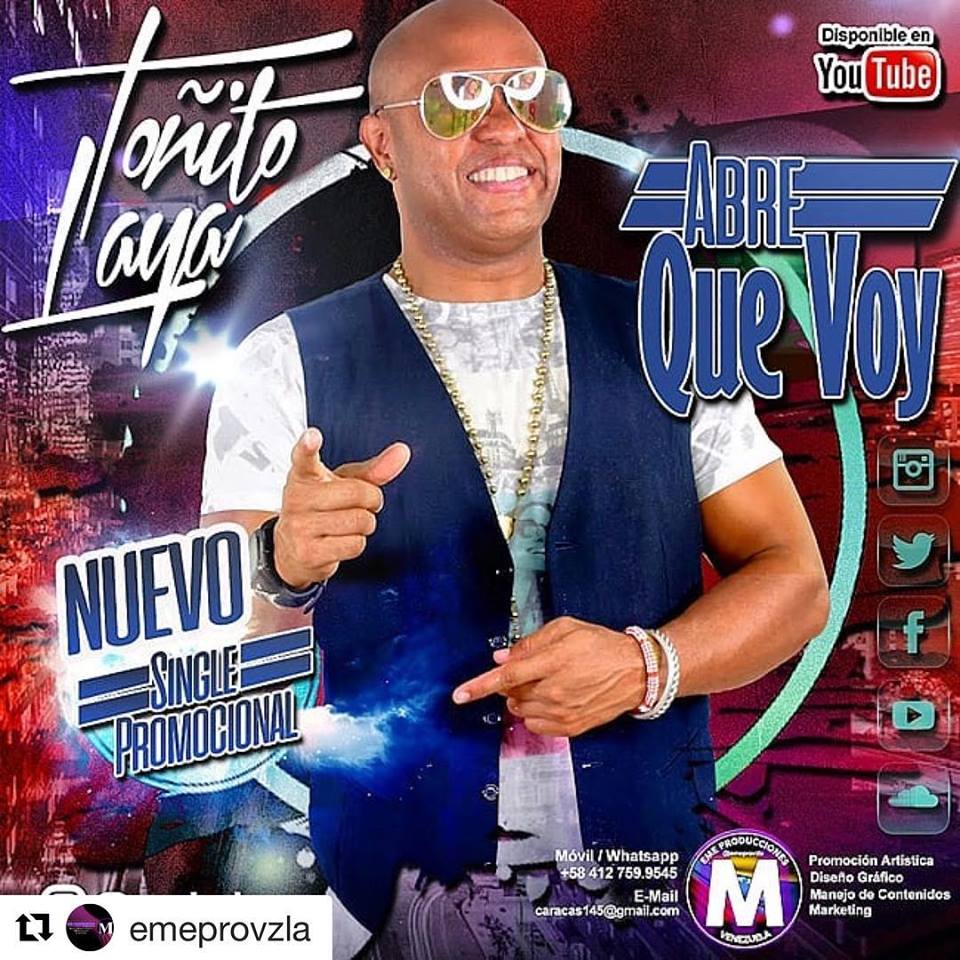
Antonio Laya  “He tells us a little about his new single Abre que voy”

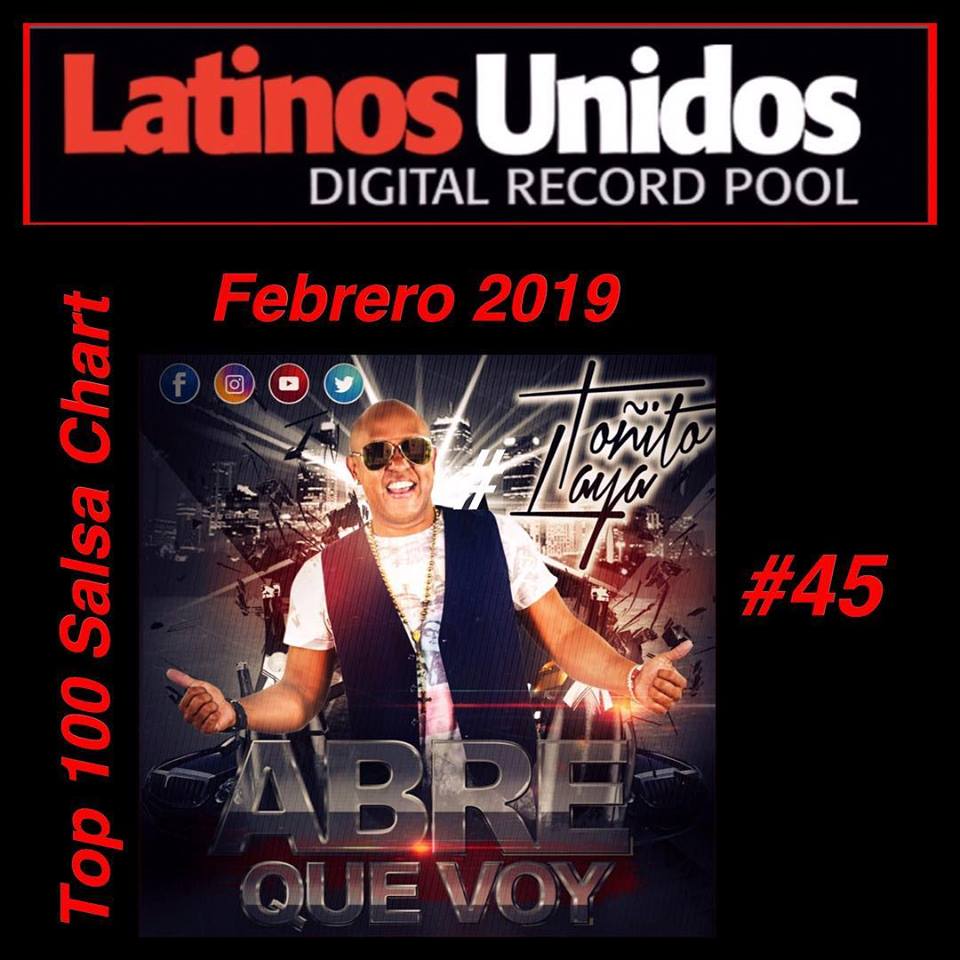
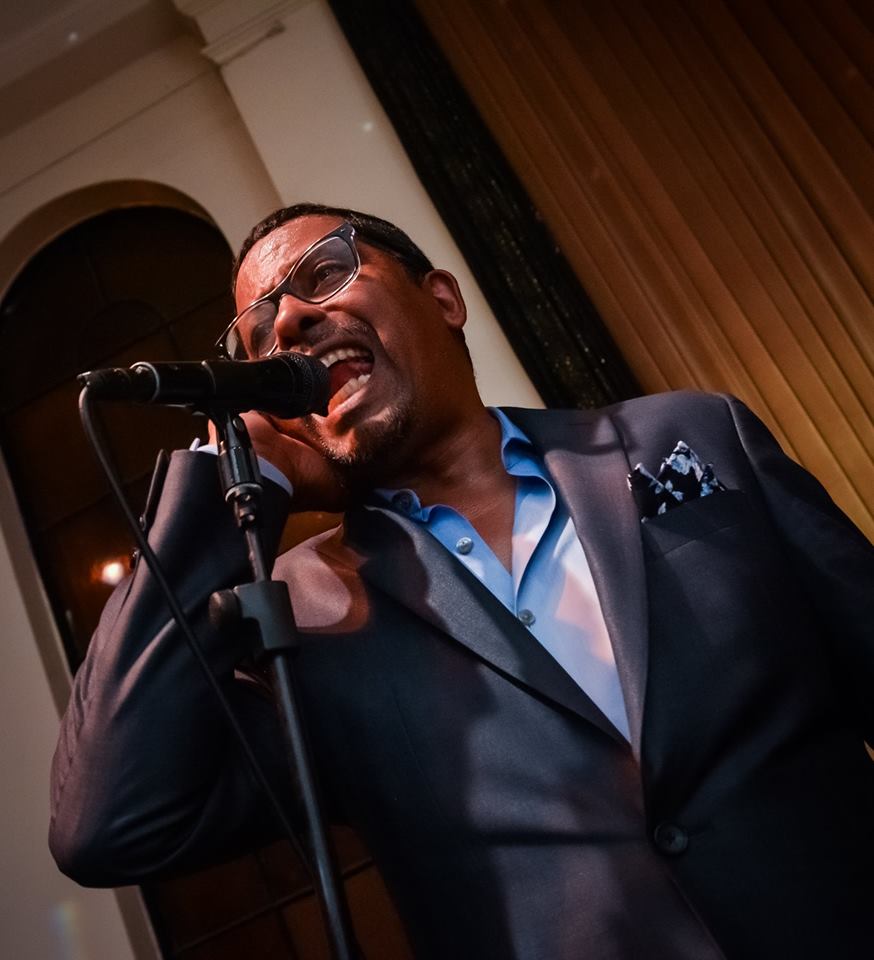
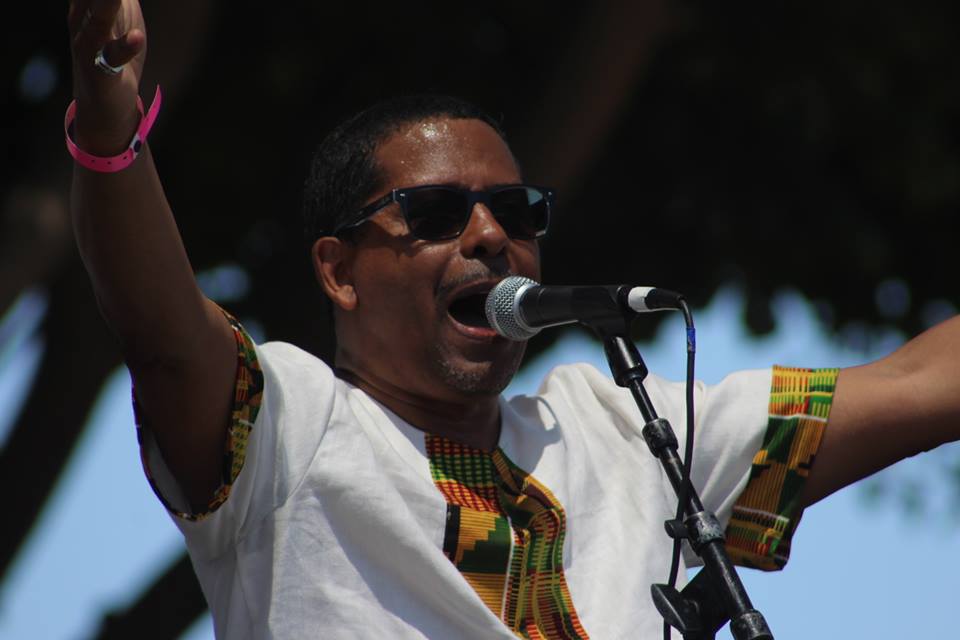
Today we are pleased to learn a little about the life of Antonio Jose Laya Gonzalez (Antonio Laya), a Venezuelan who with his voice and his particular way of dancing has managed to climb and carve his way to success, this Taurean with a great career as a singer of good salsa and especially son, he presents us his new single, abre que voy, a success that has gradually positioned itself on the best musical platforms from his current hometown, the beautiful city of Mexico.

Antonio Laya
Antonio Laya

Good afternoon friend Antonio, thank you in advance for the time you give us to learn a little about your life and give our great readers a little about your son, but in letters, we know from your artistic review that you come from a cultural world. the dance? Why the singing?

I come from a family of musicians, teachers and athletes, in 1995/96 I started in the popular culture workshops of the “Fundación Bigott” (cultural house of great social impact in Venezuela) in the Afro-Venezuelan percussion workshops with Professor Jesús Raúl Paiva, where he gave me the opportunity to enter this world of culture…

Years later this would bear fruit, when I joined the Vasallos del Sol group, a representative entity of Venezuelan folklore, on one of their tours in Europe “Germany” to be exact, one of its dancers stayed, leaving an open vacancy, it was then that I received the invitation to audition, at a festival of San Juan of the foundation, where I was able to win a spot. From then on I became a vassal of the sun.

All this experience in the middle of the show made me lean towards dance, where I got to venture as direct from my own dance school destined to spread the Cuban casino. With Vasallos del Sol I had the opportunity to travel the world, Colombia, Cuba, Ecuador, Spain, Mexico, Korea, Japan, the United States,

How many years has it been since the idea of ​​entering the cultural world of your country?

22 years since I formally started at the Bigott Foundation.

How did the idea of ​​giving life to singing come about?

On the tour of the United States, I began to sing with the vassals accompanied by the guitar of Luis Gonzalez, assuring me later that it was there that he heard me and knew that I could sing, quickly and a few months later he called me and invited me to participate in a project that neither It didn’t even have a name, which would quickly begin to take shape and to date is known as the seventh bohemian.

I began to sing very badly, I lost my voice because I didn’t know how to use the phonator, I began to take classes with several teachers, the first of them Ronald Gonzalez, fundamental pillar to start singing, placing and improving my vocal technique, successively Fabby Olano, Gladys Salazar, Maigualida Ocaña, Dayan Montiel, Marcial, Gustavo Gerardo. We recorded 3 albums on national tours, the second of which is entitled “She takes me” a song that I believe made the Seventh Bohemia popular. Singing was not in the plans but it ended up being one of my great passions.

Antonio Laya
Antonio Laya

A song that marks you?

She sings: The earrings that the moon lacks, I have them saved to make you a necklace I found them this morning in the mist when I was walking next to the immense sea. Since I was a child I woke up very early listening to music by La Sonora Matancera, Felipe Pírela, Damiron and Danzón de Acerina, it fascinated me.

Let’s talk about the seventh bohemia. How do you join this septet?

I am a founder, just in the second rehearsal when only Luis Freites, Cesar “Chagu” Bolívar and Luis Gonzalez were there I was summoned along with Krlos Gonzalez to be part of the group, from then on I started singing “Bilongo” to be exact, hahaha I’m so in love with the black tomasa……….., El Jamaiquino, Me que, among others.

What is the greatest thing you have experienced so far with music? -You could perhaps refer to a concert or moment to share with an artist-

I think the greatest thing I have experienced in music is having shared the stage with great figures both Venezuelan and foreign, Francisco Pacheco, Canelita Medina, Trina Medina, among, Jose Alberto “el canario”, Cheo Feliciano, Alexander Abreu and his Habana de First, Manolito Simonet and his Trabuco, Tiburón Morales, El Septeto Santiaguero, among others. On the other hand, being at the 2014 and 2015 Pepsi Music Awards, the biggest thing, achieving 4 nominations for the 2015 Latin Grammys, a great privilege.

What has given you and what has taken away the artistic life you lead?

It has given me the satisfaction of feeling and receiving the applause of an audience, feeling the magic of a stage, dancing on the most important stages of Venezuela and the countries I visit, I don’t know if there is another artist who performed in the same weekend in two different facets and groups in the most important venue in Venezuela

The Teresa Carreño Theater where on Saturday I danced in my last Vasallos de Venezuela concert in the concert “Guiados por la Luz” occasion to baptize the latest production, with guests from the cultural movement and the next day singing with La Séptima Bohemia alternating with Francisco Pacheco, El Septeto Santiaguero, Jose Alberto “El Canario” Canelita Medina and El Tiburón Morales and as special guests all the best dance academies in Caracas.

Antonio Laya
Antonio Laya

Antonio let’s laugh a little. Tell us about the funniest thing that has happened to you at a concert and the most painful.

WUUAOOO, too many, Well, a concert with Los Vasallos where I went out to dance and my pants began to drop, at a concert at the Yerba Buena Garden Festival 2008 in San Francisco we got the foot burn of the century since the stage was al pure sun and linoleum floor and at the baptism of the album “She takes me” in the main hall of the Central University of Venezuela after the great presentation of the renowned Ramón Castro We went on stage and I couldn’t see anything through my glasses hahaha and I I put in the place of my partner Miguel Guanchez colliding spectacularly ahaha to start singing. What a laugh.

We know of the great success that you have had in Venezuela with the successes that you have sung and have marked the public, they have gone from a sound to a necessity for the dancer. What do you consider this great impact?

Definitely because I come from the world of dance, I’m a dancer and a dancer and I understood perfectly that I needed the same audience that the casineros came from, those of us who at some point went to the Goiticoa school or the Monagas house. By the way, as a curious fact, I was the one who organized one of the first casino parties in a place called Beisboland, a party where I dare say it was the second presentation of one of the most important dance groups in the Venezuelan casino Son Rumbero, where they danced “Cuentas Verdes y Amarillas de Adalberto Álvarez.

How has your foray into Latin music in Mexico been?

Since my arrival in Mexico I have participated in several musical projects, Los Panas.com, La Formula Perfecta, Swing Latino to mention a few, it has not been easy since musically Cancun has a particularity and that is that the music that is danced is still that of the 80s when they talk about salsa, of course with its exceptions, but it has cost me to adapt but in the end it is what is consumed here. Here the forte is the hotel industry, so the Latin genres that marked an era are what is worked on, that’s why as a salsero it has been difficult for me to adapt, although I have worked anyway.

Antonio Laya and his Orchestra

The Salsa or the Son? Which one do you lean towards?

Definitely La Salsa, I grew up in the middle of the Salsa de La Sonora Ponceña, Willie Rosario and the great Ray Barretto to name a few. Son also became my passion but I have to be realistic! came into my life thanks to the Seventh.

Open, I’m coming. Tell us a little about this great topic?

When I got on the plane to leave my country, in addition to nostalgia, I only had one thought, to make my album as a soloist first, I knocked on many doors, I looked for a lot of help, until I finally reached what today is called “Abre que I’m going” in that search the day came when I remembered that I had a buddy who was Omo Aña (Drummer) Maurice Melo and that after conversations, long conversations we would take a first step, start aggravating a theme, my first promotional single.

What surprise do we have to see from Antonio Laya during this 2019?

With God’s favor, to continue recording my album, including my first music video, if money allows me, hahaha For this 2019 I’m going to release my second single, it’s called… (Thinks) Not yet, let’s leave it as a surprise , do a launch concert and seek my respective nomination for the 2019 Pepsi Music Awards and the 2019 Latin Grammys.

Antonio Laya February 2019

Where can our followers find you?

My social networks Facebook and Instagram through @ToñitoLaya, on twitter as @Negrolaya and through my YouTube channel, Toñito Laya


Young Puerto Rican singer Jeremy Bosch supports the Spanish Harlem Salsa Museum

There are many people who believe that salsa is a genre of past generations that does not have worthy youth representatives who stick up for this set of rhythms that has been keeping so many people dancing for so long, but fortunately they are wrong. Jeremy Bosch, whom we had the opportunity to interview at The Johnny Cruz Shw a few weeks ago is a god example of this.   

We are honored to know that one of the new sensations of Latin music, specifically salsa, supports one of the most important institutions dedicated to the genre such as the Spanish Harlem Salsa Museum, so we want to take advantage to talk a little about the career of this young singer and everything he has achieved so far.   

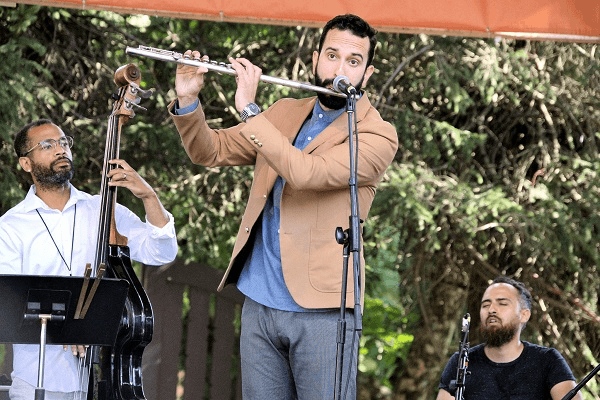
Jeremy playing the flute
Jeremy Bosch playing the flute live

Jeremy’s beginnings in this world 

Jeremy Bosch is a singer and flutist born in the city of Ponce, Puerto Rico, who began his journey in the world of music singing and playing percussion in the church on his block while growing up listening to a great variety of artists including Hector Lavoe to Chicago and Tonny Bennett, so he had influences of all kinds.   

Not much time would past before Jeremy took achevable steps towards the direction he was meant to take. At only 17 years old, he won a scholarship to study at Berklee College of Music in the city of Boston, United States, and graduated in 2023, specializing in jazz composition. From then on, what followed for the young artist have been successes and great proposals he could seize.   

One of thse things he is best known for is having been the vocalist and flutist of the acclaimed group Spanish Harlem Orchestra, but that has not stopped him from collaborating with great figures in the industry such as musical director and Grammy-winning percussionist Pete Perignon, with whom he recorded the social short called ”Sería Una Pena”.   

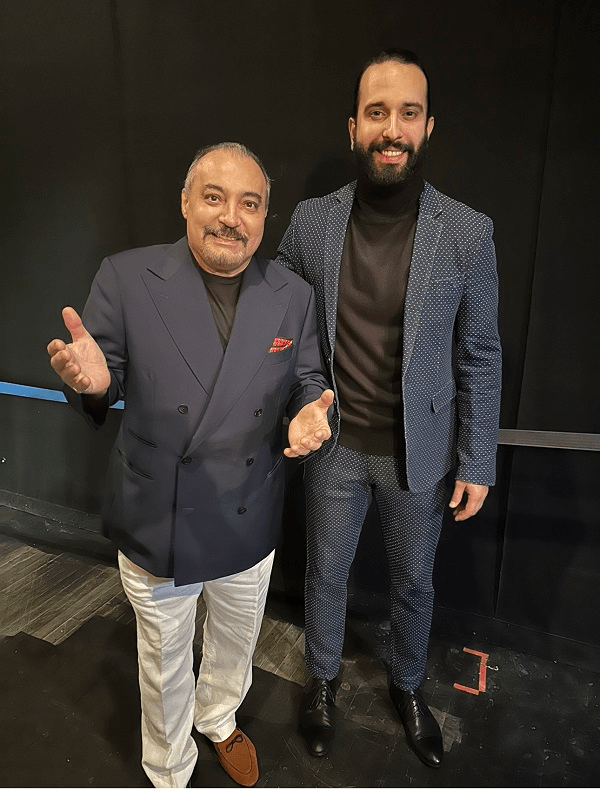
Johnny and Jeremy
Johnny Cruz and Jeremy Bosch posing for the camera

Jeremy’s professional career 

Sometime later, he would have the opportunity to realize one of the most important works of his career, which is the tribute to the late Cheo Feliciano, which was recorded live at the Dizzy Club in New York City and was titled ”The Music of Cheo Feliciano. In addition, the project included Nelson Gonzalez, Johnny ”Dandy” Rodriguez and Spanish Harlem Orchestra leader Oscar Hernandez.   

With regard to this great night for his career, Jeremy commented that since his debut both he and arranger and vibraphonist Felipe Fourniel had long time wanting to work on something about Cheo Feliciano and his legacy for a long time until they finally made it. This show was the sign that Jeremy has everything to become an icon of salsa and Afro-Caribbean music in general.   

As for his solo career, he has made a few remarkable recordings and one of them was ”Prologo Hoy”, which included the participation of Nicaraguan singer Luis Enrique and Cuban vocalist and guitarist Alain Perez. It is a five-song EP that focuses a lot on Afro-Colombian and tropical music, while including some covers in English such as ”Love Holiday”, which gives a distinct flavor to the material as a whole. 

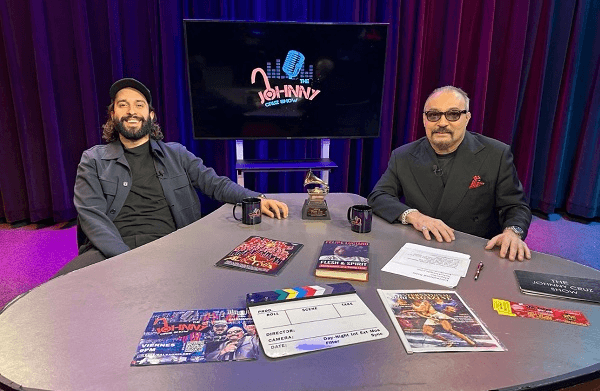
Jeremy and Johnny on the set
Jeremy Bosch and Johnny Cruz on the set of The Johnny Cruz Show

Later on, Jeremy released ”Epilogo: la clave del tiempo”, which includes 11 tracks and is basically a mix of Afro-Cuban rhythms, soneo, urban genres, modern synthesizers, among other elements. The album starts with ”Locura” and continues with singles such as ”Try Again”, ”La Mala”, ”Autopsia” and a few more.   

Support for the Spanish Harlem Salsa Museum 

In the social networks of the director of the Spanish Harlem Salsa Museum, Johnny Cruz, there is a clip in which the The Johnny Cruz Show host introduces Jeremy as his special guest on that occasion, promotes the interview with him and describes him as the sensation of the moment. Then, the camera goes n Jeremy’s face, who thanks the invitation with a smile and assures that they both will have a good time talking about his life and career. 

We are honred to support young talents like Jeremy and, at the same time, to get the same support and love back because that is what salsa and the Latin music scene in general needs, that all those involved join together around it to keep it alive. 

Johnny Cru ISM corresponde in New York City


Read also: Paquito D’Rivera supports the salsa museum 

Bobby Escoto

North America / USA / California

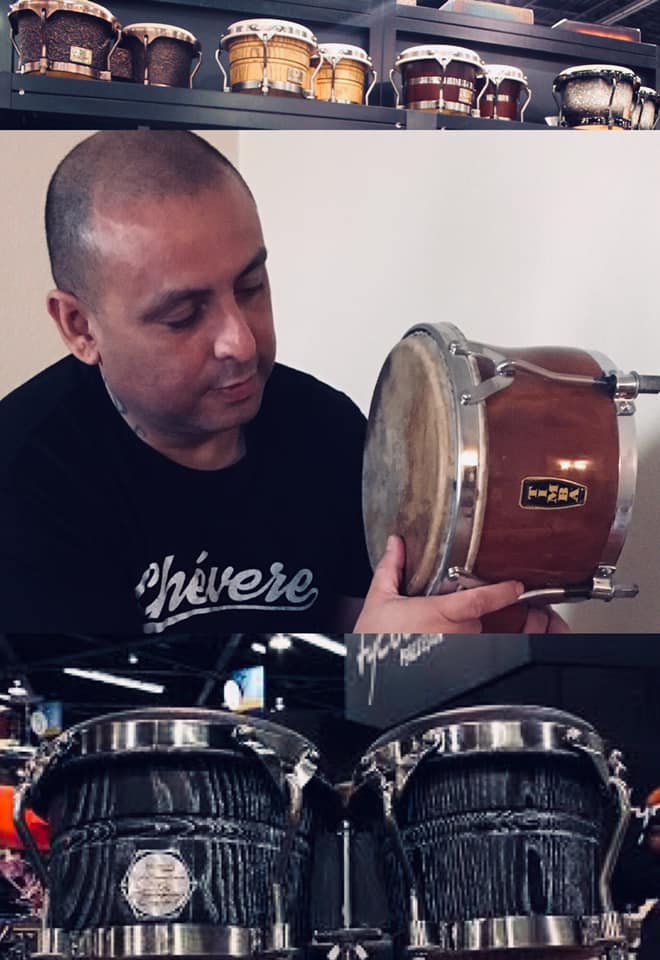
Bobby Escoto, a percussionist, was born in East Los Angeles, from Mexican & Puerto Rican descent. Bobby Escoto III is the nephew to the great vocalist Bobby Escoto, who performed and recorded, with the great percussionist, Tito Puente.  Bobby Escoto III has been playing music, since the age of eight. Today, Bobby is considered one of the most prominent percussionists in the salsa genre, here in his hometown of Los Angeles.

Bobby Escoto has performed with many salsa icons in Los Angeles, New York, Europe, and Asia.  Such as Celia Cruz, La India, Jose Alberto “El Canario,”Lalo Rodriguez, Domingo Quinonez, Menique, Camilo Azuquita, Yolanda Rivera, “Fania All Star” violinist Pupi Legarreta, trombonist Jimmy Bosh, and legendary vocalist Tito Allen who performed and recorded, with the legendary ‘conguero’, Ray Barretto.  Bobby also takes pride in performing and directing his band to back up Frankie Vasquez, Herman Olivera, Pupy Cantor, Jorge Maldonado, and  Hector Tempo Alomar, vocalists to his favorite band, from NYC, Conjunto Libre.

Bobby Escoto
Bobby Escoto

Bobby Escoto is the band leader, director and bongo player to his band, Conjunto Afro Son. They have performed at prominent salsa venues, as a back-up band, to salsa icons, due to their extensive educational background, training, and authenticity.  Bobby is also the band director and bongo player to The Granada All-Star Orchestra and The Salsa Divas (an all-female Orchestra) in the city of Alhambra, CA

Bobby’s goal is to increase awareness of the new generation, about the Afro Cuban and Puerto Rican music. Every Saturday you will find Bobby teaching percussion to underprivileged children in East Los Angeles. Bobby states: “it hasn’t been easy growing up in the streets of East Los Angeles, but my vision as a kid was to perform with great salsa icons.” Bobby Escoto believes that dreams do come true if you put your heart and effort into your talent.  No doubt, Bobby’s talent, passion for his art, leadership, and vision have no barriers.

Phil Robinson Sonero, composer and performer bandleader

North America / USA / New York

Phil Robinson born in S. Bronx, New York, of Dominican and Puerto Rican parents, lived his early years up-bringing in the Dominican Republic, surrounded by music and close family members that sang, recited poetry and performed.

At the age of five, Phil Robinson already sang songs from well known Spaniel child, singer, ‘Joselito’ and was singing and reciting poetry in school recitals and shows, literately, showing his natural talent as a singer and performer.

Phil Robinson
Phil Robinson

Phil Robinson began his professional career in 1973, when he began his musical journey as a lead singer for Orquesta Yare, in Vineland New Jersey.

Phil Robinson relocated to Los Angeles where he was noticed for his charisma, voice range and singing style often compared with Puerto Rican salsa singer Tito Allen, as he evolved, he became lead for Henry Mora and the LA Salsa All Star Salsa Orquestra, he collaborated with many of the local groups, from there on he became lead vocals  for Eric Matos and Orquesta La Caliente, Papo Rodriguez and La Sorpresa, recording two original songs composed by Nelson Montalvo title Fantasia and Mi Regalo, included in his 2005 CD, ‘Oye Salsa Sabor y Clave’.

During the time Phil Robinson was with Papo Rodriguez, Panamanian singer Camilo Azuquita, strolled into town and La Sorpresa became ‘Azuquita y su Melao’, Phil became Azuquita’s back up lead for a number of years, performing in many well-known venues such as Hollywood Palladium and with many renowned artists such as the late Celia Cruz.

Phil Robinson
Phil Robinson

In 1993 he joined Orlando Lopez Mazacote recording his first published cd project under the Fonovisa Record label Salsa Para El Mundo Entero, as the band lead vocals he performed many corporate events, concerts as LA Cinco De Mayo Festival, traveling to Ensenada Mexico, sharing stage with Willie Chirino and Andy Montañez to name a few. He also recorded it additional songs under OLM records Salsa Bravisima.

Phil Robinson paused his career for a bit and continue to collaborate with different local bands and returned to the stage with his band performing well-known places such as San Manuel Indian Bingo and Casino, Oxnard Festival, Fiesta Alegre Festival, private events and LA salsa venues, Conga Room, Rumba Room, Mama Juana, El Floridita, Santa Monica Monsoons and many other popular LA Salsa Venues

Phil Robinson has shared the stage with Adalberto Santiago, Tony Vega, Herman Olivera, Yolanda Rivera, Menique, Luigi Texidor, Wichy Camacho, Cuban singer Franco, Willie Chirino, Celia Cruz, and the list goes on.

After seven years Phil Robinson completed and published his new musical project, produced by Arturo Solar “Between Two Worlds ” a project that encompasses classical compositions from Armando Manzanero, Ted Koehler / Harold Arlen, Virgilio and Homero Exposito, Enrique Benitez, Vicente Garrido Calderon, Jesus Alejandro and originals composed by Phil.

Throughout 2017 Phil Robinson has continued to perform frequently in San Manuel Casino, Granda LA, the new Rumba Room, Granada LA, Cafe Sevilla, Granada LA, Oxnard Festival and Fiestalegre Fundraiser for Puerto Rico Huracane Maria.

Phil Robinson
Phil Robinson

2018 continues to be a year of success as we see it for Phil, many surprises will arise, follow the man with a unique stage presence, charisma y mucho sabor.

Phil Robinson thank you for your continued support and may God bless you all.

  • « Go to Previous Page
  • Page 1
  • Interim pages omitted …
  • Page 66
  • Page 67
  • Page 68
  • Page 69
  • Page 70
  • Interim pages omitted …
  • Page 102
  • Go to Next Page »

International Salsa Magazine (ISM) is a monthly publication about Salsa activities around the world, that has been publishing since 2007. It is a world network of volunteers coordinated by ISM Magazine. We are working to strengthen all the events by working together.