• Skip to primary navigation
  • Skip to main content

International Salsa Magazine

  • HOME
  • Previous editions
    • 2026
      • ISM / March 2026
      • ISM / February 2026
      • ISM / January 2026
    • 2025
      • ISM / December 2025
      • ISM / November 2025
      • ISM / October 2025
      • ISM / September 2025
      • ISM / August 2025
      • ISM / July 2025
      • ISM / June 2025
      • ISM / May2025
      • ISM / April 2025
      • ISM / March 2025
      • ISM / February 2025
      • ISM / January 2025
    • 2024
      • ISM / December 2024
      • ISM / November 2024
      • ISM / October 2024
      • ISM / September 2024
      • ISM / August 2024
      • ISM / July 2024
      • ISM / June 2024
      • ISM / May 2024
      • ISM / April 2024
      • ISM / March 2024
      • ISM / February 2024
      • ISM / January 2024
    • 2023
      • ISM / December 2023
      • ISM / November 2023
      • ISM / October 2023
      • ISM – September 2023
      • ISM – August 2023
      • ISM July 2023
      • ISM Edition June 2023
      • ISM – May 2023
      • ISM April 2023
      • ISM March 2023
      • ISM February 2023
      • ISM January 2023
    • 2022
      • ISM December 2022
      • ISM November 2022
      • ISM October 2022
      • ISM September 2022
      • ISM August 2022
      • ISM July 2022
      • ISM June 2022
      • ISM May 2022
      • ISM February 2022
      • ISM January 2022
    • 2021
      • ISM December 2021
      • ISM November 2021
      • ISM October – 2021
      • ISM September 2021
      • ISM August 2021
      • ISM July 2021
      • ISM May 2021
      • ISM April 2021
      • ISM June 2021
      • ISM March 2021
      • ISM February 2021
      • ISM January 2021
    • 2020
      • ISM December 2020
      • ISM November 2020
      • ISM October 2020
      • ISM September 2020
      • ISM August 2020
      • ISM July 2020
      • ISM June 2020
      • ISM May 2020
      • ISM April 2020
      • ISM March 2020
      • ISM February 2020
      • ISM January 2020
    • 2019
      • ISM December 2019
      • ISM November 2019
      • ISM October 2019
      • ISM Septembre 2019
      • ISM August 2019
      • ISM July 2019
      • ISM June 2019
  • Download Salsa App
    • Android
    • Apple
  • Spanish

Search Results for: Cuban

Arturo “Chico” O’farrill

North America / United States / New York

Arturo “Chico” O’farrill  “The Afro-Cuban Jazz Architect” 
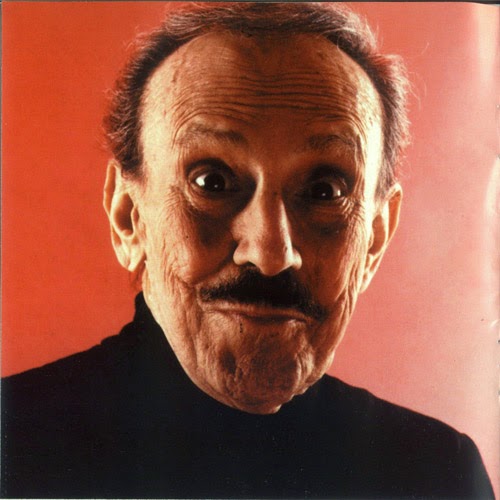
Arturo O'Farrill
Arturo O’Farrill

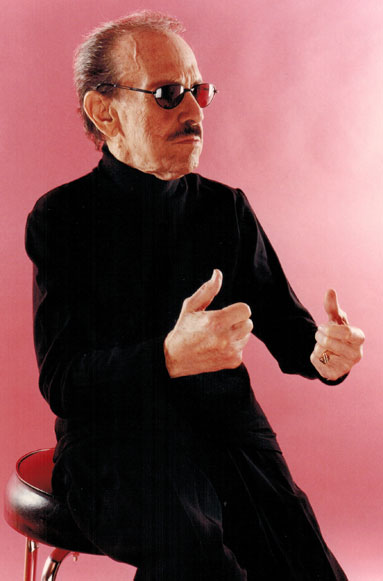
Arturo O’Farrill or better known as “Chico” O’Farrill was born in Havana (Cuba) on October 28, 1921. He was the son of a recognized Jewish family whose father was an eminent lawyer whom one day decided to immigrate to the United States. Arturo undertook his studies at the Riverside Military School in Gainesville, Georgia (interned by his father).

He began to love the jazz orchestras (big bands) and within that environment he fed musically, listening to recordings of Benny Goodman, Artie Shaw, Glenn Miller, and Tommy Dorsey, so much, that in a brief time he learned to plays the trumpet and became the trumpet player of the military band as well as the several dance groups.

Years later, Chico returned to Cuba. He studied law and at the same time developed his facet as a composer, receiving a composition and harmony study with the master, Félix Guerrero. Likewise, he was also Armando Romeu Bellamar Orchestra’s member and the Isidro Pérez Orchestra, when the Son and the Mambo prevailed in the Latin music.


TRAJECTORY

From 1943 to 1947 “The Afro-Cuban Jazz Architect” worked at the cabaret Montmartre. He was a member of Bellamar Orchestra, directed by Armando Romeu and integrated by Luis and Pucho Escalante, Gustavo Mas and Mario Romeu, among others. He traveled to Mexico and Europe as a trumpeter musician as well as he created the band, Los Raqueteros del Swing, being the director and trumpet.

Subsequently, he founded Los Beboppers (the first group of Cuban bop), which was presented at the Saratoga Hotel with Chico again as the director and the trumpet.
Arturo O'Farrill
Arturo O’Farrill

In the ‘50s decade began the successes for Chico as an arranger, working briefly for several orchestra directors, such as Gil Fuller, Noro Morales, Frank “Machito” Grillo, and Benny Goodman.

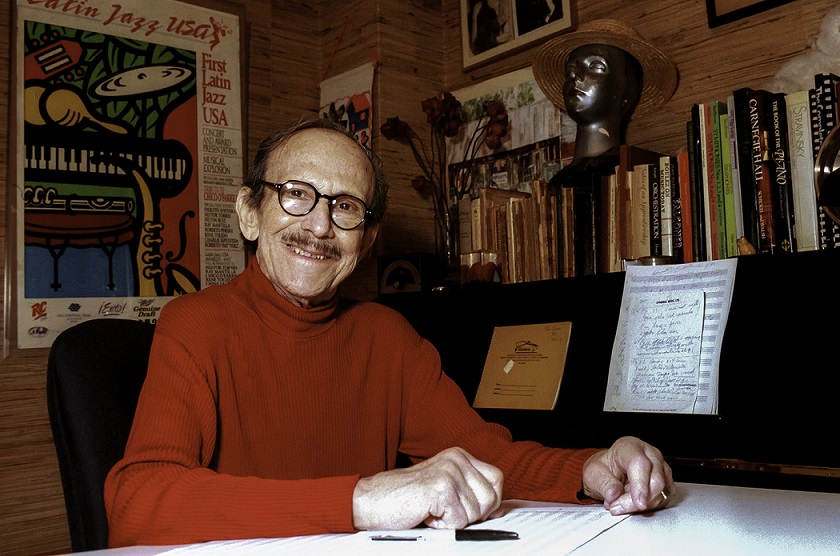
In the same way, he composed his first great masterpiece “Afro-Cuban Jazz Suite” in five movements: Song, Mambo, 6/8, Jazz and Rumba Open. This masterpiece was made and recorded for the businessman Norman Granz’s label, using the Machito’s Orchestra as an accompanist and rhythmic base.

“Afro-Cuban Jazz Suite”, according to Luc Delannoy: “begins and ends with a hypnotic flute and conga duo that reflects the essence of Cuban treatment; the union of musical universes: the European (the flute) and the African (the conga).

To these two instruments is joined the oboe, followed by the trumpets, saxophones and the “Tumbao” of the double bass… After a return to swing and bebop in the fourth movement, Chico takes us to the origins of Latin jazz with a melody of clear Arabic accents, before sinking back into the universe of Afro-Cuban percussions”. Likewise, for Benny Carter, this Suite was: “The reason for the coherence of the rhythmic parts and their relationships with the solos that have their own life and independence, Masterpiece of a genius.”

In New York and following the success of “Afro Cuban Jazz Suite”, O’Farrill writes “Cuban Fantasy” for Stan Kenton, who later changes its name to “Cuban Episode”.

In 1953 he traveled to California, where he founded his orchestra that included renowned musicians such as Mario Bauzá, Doug Mettome, Jimmy Nottingham, Eddie Bert, Fred Zito, Lenny Hambro, Flip Phillips, and saxophonist Eddie Wasserman. The orchestra used the rhythm section of the Machito’s Afro-Cuban, harp and oboe. With this concept he recorded for Norman Granz, performed in Birdland (New York), and the Hat Ballroom located in Los Angeles. In this period he composed three new movements: “La Jungla”, “Contraste”, and “Rhumba Finale”, baptized as “Manteca Suite” recorded with the Jazz player Dizzy Gillespie and orchestra of 21 excellent musicians in 1954.
Arturo O'Farrill
Arturo O’Farrill

He returns to Cuba again in 1956 to be inspired and immediately began working for the best record companies on the island such as Panart and RCA Víctor, recording “Chico’s Cha-Cha-Cha”, adapting the Charanga rhythm to the big band format. This album is released, one more time, on compact disc by BMG during the last decade of the twentieth century. Chico also made a recording for the popular D’Aida Quartet and arrangements for Bola de Nieve and the famous Orchestra Director, Aldemaro Romero.

In 1958 the restless O’Farrill moved for Mexico, an essential platform for all Latin American musicians at that time. There he returned to create another special sound and appears on television as musical director of the Andy Russell singer, and there his life changed radically. He started a semi-retirement period, but never stopped creating music. At that moment, he composed his famous “Azteca Suite” for trumpeter Art Farmer, and he made history again!

In the 60s he returned to New York and makes arrangements for such important figures as La Lupe (They Call Me La Lupe); Cal Tjader (Along Comes Cal); Clark Terry (Spanish Rice); Count Basie (High Voltage); Gato Barbieri (Chapter Three: Viva Emiliano Zapata); Ringo Starr (Night and Day) and dabbled in the Rock music with David Bowie (I Know It’s Gonna Happen, Looking for Lester), and finally he was director of the Aldemaro Romero´s Orchestra.

This stage extends until the end of the 20th century, although already in the 70s, the big bands go down in history for several genres that would be manifested due to their novelty and immense popularity in the United States and around the world. The architects of the new fashion used new techniques, styles, and sounds, especially in the field of harmonization. Suddenly popular music stopped being exclusively for the ballroom and -of course- “new sound” icons appeared in the Jazz Music. For this reason, Chico O’Farrill begins working in the lucrative field of music for television commercials.
Arturo O'Farrill
Arturo O’Farrill

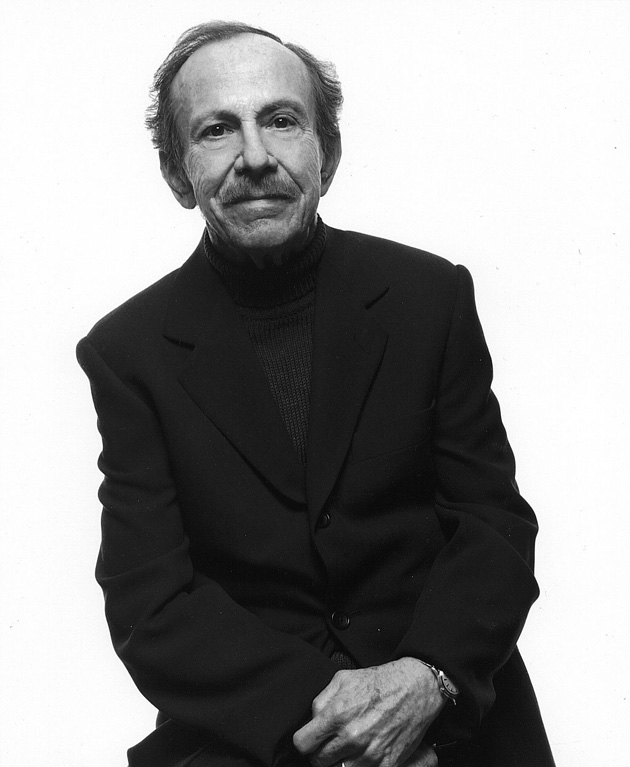
In the mid-1990s, “The Afro-Cuban Jazz Architect” was contacted by American producer and Jazz director Todd Barkan with Pure Emotion, a compiled of his musical career with which he got a nomination for the 37th edition of the Grammy awards.

O’Farrill toured Europe with his orchestra in 1996 and recorded his latest album titled “Heart Of A Legend”, which contains 14 tracks, a formidable orchestra of 18 masters and a staff of international artists. The arrangements of “Heart Of A Legend”, considered for many as the best album of his career, took care by himself and the musical direction was entrusted to his son, Arturo O’Farrill Jr., a formidable pianist and heir of his legacy.

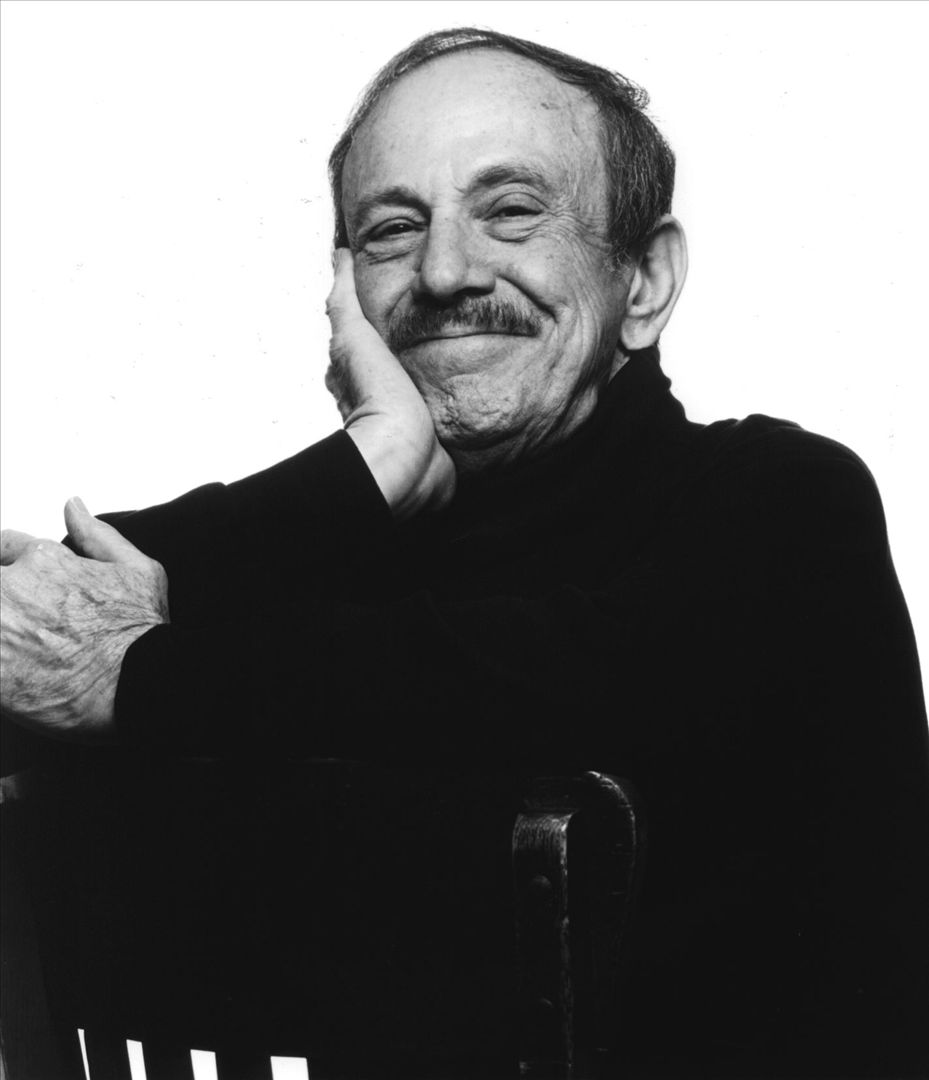
Arturo “Chico” O’farrill died on June 29, 2001, in New York City at 80 years.
Arturo O'Farrill
Arturo O’Farrill

Undeniably, Chico for more than half a century was a great musical creator. He was at the forefront of an innovative style that many know as Latin Jazz nowadays, which was called at the beginning with many names, such as Cuban bop, Mambo Jazz and Afro-Cuban Jazz.

Our dear “AFRO-CUBAN JAZZ ARCHITECT” Until forever!

In memory of 18 years of his passing!

Balazo de Norteamérica:

Arturo “Chico” O’Farrill

“The Afro-Cuban Jazz Architect”

In memory of 18 years of his passing!

Three albums by Arturo Sandoval to give away at Christmas

North America / United Stated / Washington DC

ISM Recommends “CHRISTMAS AT NOTRE DAME”, “ULTIMATE DUETS”, and “LIVE AT YOSHI’S” of the “Trumpet Legend” to enjoy in the comfort of your home

ARTURO SANDOVAL
ARTURO SANDOVAL

Here is already a month left for December and with it the fast and multiple purchases, in addition to the Christmas gifts that you should not leave for last. What a headache for some people! It’s for that we are going to recommend you the elite gift, three Latin Jazz albums by Arturo Sandoval with which you will be 100% a lord and you will not disappoint even your “Secret Santa”.

  • ULTIMATE DUETS

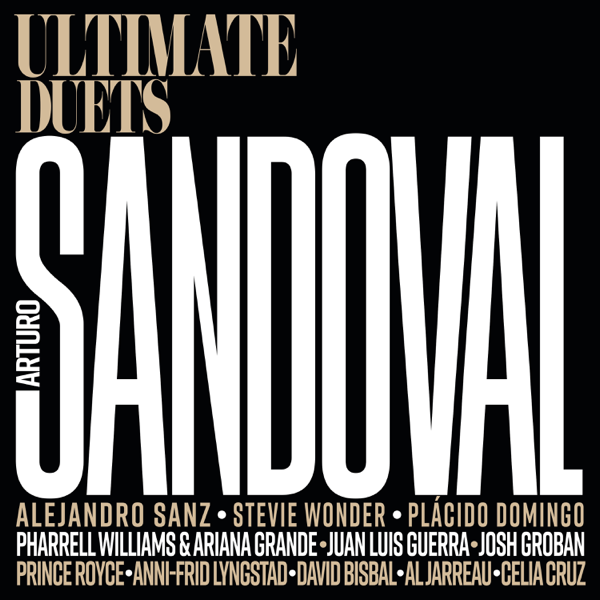
Ten-time Grammy winner Arturo Sandoval released his more recent album “Ultimate Duets” in 1998. Marking the continuation of a distinguished four-decade catalog of over 30 groundbreaking titles, the album finds renowned artists from the worlds of Pop, Jazz, Classical, and Latin music coming together for the Cuban maestro’s first duets.

At the outset of recording, Arturo with more than 40 years making music, wanted to make a CD with singers that perhaps nobody has related to Jazz, so he made a list with more than 20 names of artists that he admired deeply but who sing different genres and then simply asked each participant to suggest a favorite song they would like to reimagine with the “Trumpet Legend”, and the results are absolutely amazing as the list of collaborators.

Arturo Sandoval
Arturo Sandoval

ULTIMATE DUETS includes 11 hilarious tracks: “Andante, Andante” – featuring the awaited return of the globally recognized voice of ABBA’s Anni-Frid Lyngstad. This song from the multi-platinum Super Trooper album marked the first time that a member of the Swedish supergroup has returned to the studio to record one of their classics. Stevie Wonder chose to record “People” (which he and Sandoval first performed at a Grammy tribute to Barbara Streisand), whereas Prince Royce turned the tables and decided to record Stevie Wonder’s “Don’t You Worry ‘Bout a Thing” (Popularized in the 70s) in a contemporary Bachata style.

Likewise, the Spanish singer/songwriter Alejandro Sanz also participated in this album versioning “Corazón Partio” featuring Big Phat Band. In the same way, Arturo recorded with legends and new generation voices: Plácido Domingo (“Granada” feat. Vicente Amigo), Pharrell Williams (“Arturo Sandoval” feat. Ariana Grande), Josh Groban (Solo Esta Soledad), Juan Luis Guerra (La Bilirrubina), David Bisbal (El Ruido), Al Jarreau (After All), and Celia Cruz (Quimbara). “It was very exciting to include something with Celia, whom I always admired and loved very much. I couldn’t make a record of duets without her, the eternal Salsa Queen”, Arturo said.

Although in this album Sandoval shows a great variety of genres, he assures that he won’t move away from Jazz: “It’s my main genre and would never leave it, but I am also a big fan of music in general. I’ve always liked Salsa, Merengue, Pop … Good music is what matters most to me, for that I’m so happy with this album”, Sandoval said for an international media.

Release: May 18th, 2018

Available on your favorite digital platform!

  • CHRISTMAS AT NOTRE DAME

Arturo Sandoval, the most dynamic live performer of our time and virtuous trumpeter recorded his FIRST official Christmas Album with the ensembles of Notre Dame one year ago.

This album contains 12 Joyous tracks featuring the Notre Dame Children’s Choir & Isabella Burns (Ave María), Notre Dame Children’s Choir (Joy To The World, O Come All Ye Faithful, and Silent Night), Symphonic Winds (Let It Shine and Fantasy On Fum, Fum, Fum), Notre Dame Jazz Ensemble (The Christmas Song and Have Yourself A Merry Little Christmas), Gabriella Solis & Stephen Lancaster (I’ll Be Home for Christmas), Alyse Jamieson & Jazz Ensemble (All I Want For Christmas Is You), Matthew Kelly & Emorja Roberson (Frosty The Snowman), Victoria Fraser & Notre Dame Children’s Choir (O Holy Night), Sacred Music at Notre Dame Vocalists, and graduate Jazz trio!

Celebrate the Holidays NOW!

Release: October 5th, 2018

  • LIVE AT YOSHI’S

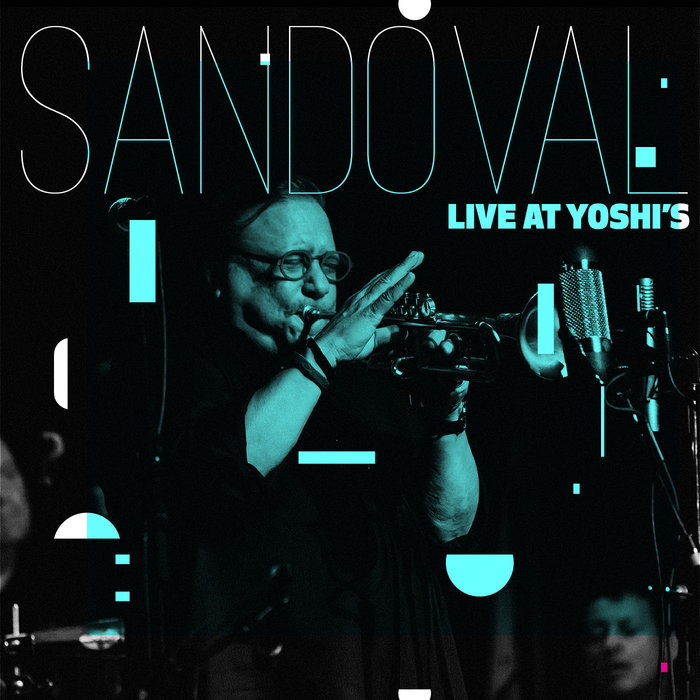
The last ISM recommendation is this live album recorded in Yoshi´s, an important venue located in Oakland, California. This Trumpet Concert in which Sandoval and crew render musical honors was launched in 1995 and contains seven tracks: first pays tribute to the genre’s earliest New Orleans traditions (Second Line – Joe Avery’s Blues) then proceeding on to Bebop (Bebop Medley). Without forgetting his deep Latin roots (El Manisero) and his bound-less love for mentor Dizzy Gillespie (Dear Diz and Every Day I Think of You), as well as for trumpet icons Clifford Brown (Joy Spring Sureña) and Miles Davis (Seven Steps to Heaven). A dollop of Clark Terry’s “mumbling” is even thrown in for good measure.

“I enjoyed Arturo Sandoval’s Latin Jazz concert at Yoshi’s night club on July 4th. He combined all kinds of Jazz inspiration into his own unique “Latin Soul” music. His music is so free and universal. I feel Arturo’s inspiration can bring us together and is taking us into a new dimension of our new world… – Yoshi.

Release: October 2nd, 2015

Oh, And if you haven’t seen a concert by this “Trumpet Legend” yet, don’t miss this month 4 days of amazing shows with two sets, so you can attend at the time that suits you best in the city of the White House, Washington DC.

Dates: November 14th, 15th, 16th & 17th

Prices: $71 – $76

Venue: Blues Alley. 1073 Wisconsin Ave. NW Washington, DC 20007

Contact: 202-337-4141

Purchase your ticket online today at https://www.bluesalleylive.com/?fuseaction=home.artist&VenueID=3&artistid=19523


ARTURO SANDOVAL – Trumpet Legend

  • 10 Time Grammy Award Winner
  • Emmy Award Recipient
  • 6 Time Billboard Award Winner
  • 2013 Presidential Medal of Freedom Recipient
  • 2016  Honorary Doctorate recipient in Fine Arts from The University of Notre Dame
  • 2015 Hispanic Heritage Award Recipient

“Cuando una canción es buena, siempre va a ser buena, sin importar quién, cuándo o cómo se cante”. Arturo Sandoval


More about Arturo Sandoval as well as event dates around the world at http://ARTUROSANDOVAL.com/

Social Channel:

 https://www.facebook.com/pg/ARTUROSANDOVALMUSIC/

José Madera

North America/ United State / New York 

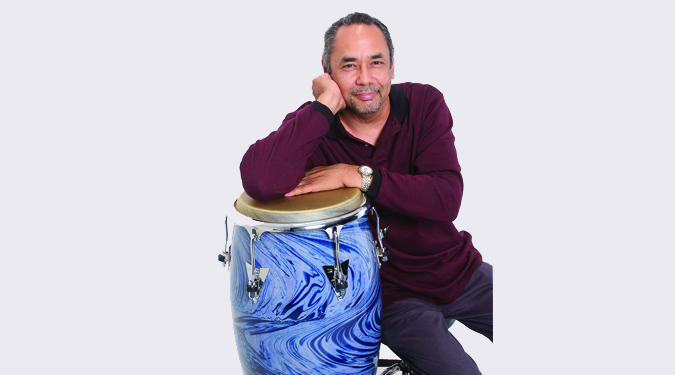
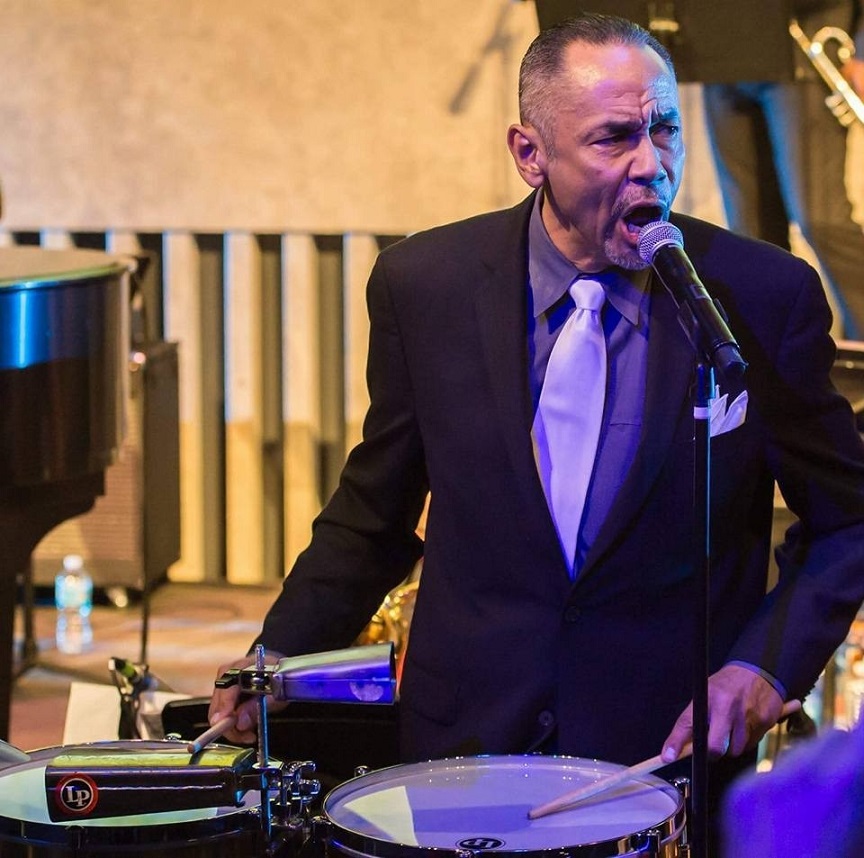
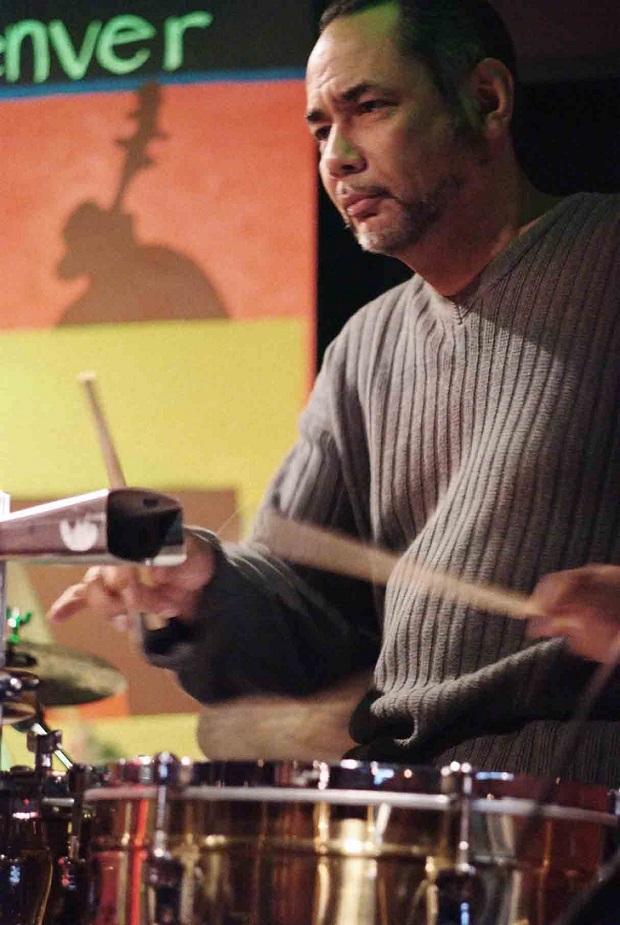
José Madera, Percussion & Arranger of Machito, Tito Rodriguez and Tito Puente

One would think that a job with the world famous Tito Puente

Band  keep busy a percussionist.

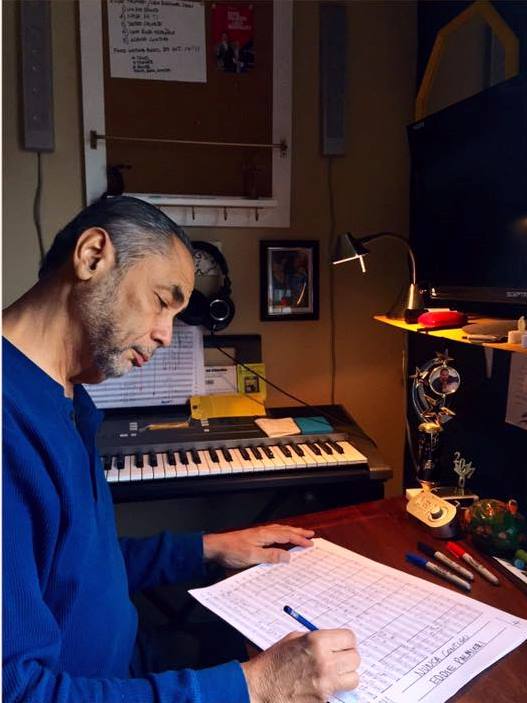
But the musician, arranger and composer José Madera had yet found the time to record and write music for some of the most influential bands in the world.

Prior to joining Tito Puente over 35 years ago, Madera play for four years with the famous Machito Orchestra, and recorded with many artists of R & B (including James Brown, Diana Ross, David Sanborn and Aztec Two – Step).

As an arranger for Fania Records Plant, played in several comerciales successes, and through the years has composed music for the Fania All- Stars, Larry Harlow , Johnny Pacheco , Willie Colón, and Celia Cruz .

Although he has recorded some 75 albums in 20 years, as well as numerous radio jingles and film soundtracks, Madera still had time for his other career for 15 years he had worked as a teacher and conductor in a high school for the performing arts with private funds, in the city of New York.

Jose has written many arrangements for countless commercial Latin artists and has recorded or worked with many of them as well. Some of them include: Larry Harlow, Johnny Pacheco, Chico O’Farill:  The Lincoln Center Afro-Cuban jazz orchestra, Celia Cruz, Tito Rodriguez, Fania All-Stars, Willie Colon, Joe Farrell, Machito, Graciela, Mario Bauza, Willie Rosario, Earl Klughand  Eddie Palmieri, just to name a few.

Jose has also worked and recorded with many pop, R&B and jazz artists.

Some of them include Diana Ross, James Brown, Dizzy Gillespie, Paquito D’Rivera, George Benson and Lionel Hampton among others.

Jose has performed on over 250 recordings. He has worked on several television show soundtracks including “The Simpsons” and several motion picture soundtracks including ”The Mambo Kings Play Songs of Love” where he was the musical arranger and conductor for the Tito Puente segment of the film.

Jose also taught the art of playing Latin percussion instruments at BOYS HARBOR in New York City for 28 years.

Jose has done and continues to do musical clinics around the country at various schools.

¨He was the musical director of the Latin Giants of Jazz from 2001 to 2009¨.

José Madera continues his musical direction with the Mambo Legends Orchestra, a band comprised of former members of the Tito Puente Orchestra, which is dedicated to performing new creative Latin and Latin jazz concepts, as well as some of the music of Machito, Tito Rodriguez and Tito  Puente.

José Madera has personally re-created and re-arranged much of the music that the ban ds performed during the heyday of the Mambo at the Palladium Ballroom in New York City, which is considered by many critics to be the “Greatest and Mostinnovative Era” in the history of Latin music.

Madera’s saxophonist father  Jose “Pin ” Madera, was one of the original members of the Afro -Cuban Orchestra Machito .

Young Joseph was influenced by drummer Machito (The best Latin Big Band drummer I’ve ever heard).

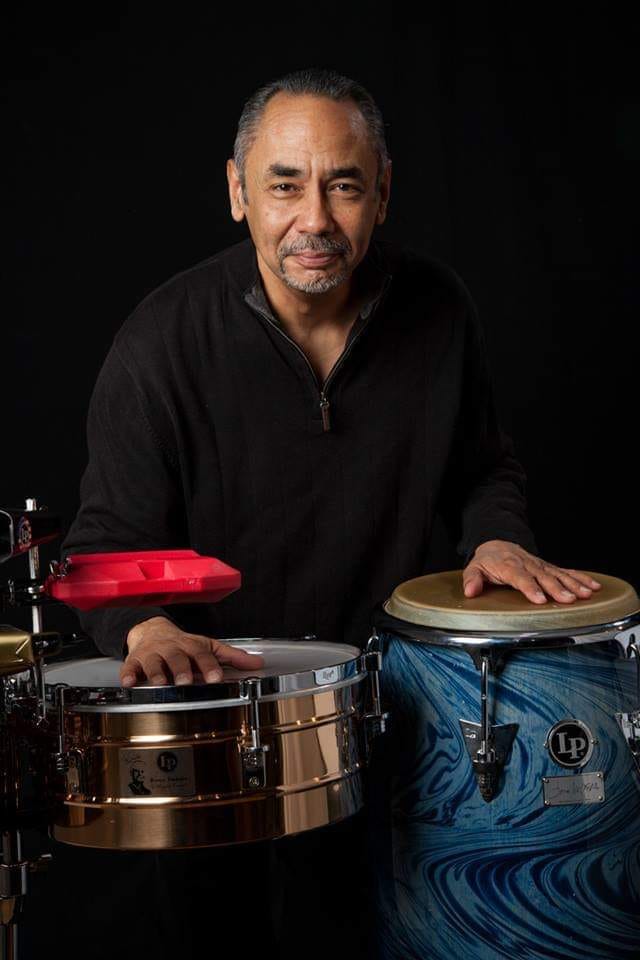
Later I was influenced by José Mangual and the same Tito Puente. The LP Timbale bell (circa 1966) was the first instrument Wood LP , today plays a variety of congas , bongos , guiro and bells LP.

Compared with the instruments that were used years ago , the sounds I get from the LP instruments are very authentic.

As an arranger, it is very gratifying to know that whatever you write will be accompanied by instruments LP, which only improve the quality of interpretation.

In 2008, Madera was entrusted to the Department of Research and Development LP designing the Signature Series José Madera Congas .

José Madera is proud that these drums, bearing his name, present a sound and a visual such outstanding features.

Mura Peringa Orchestra

Europe / France / Strasbourg

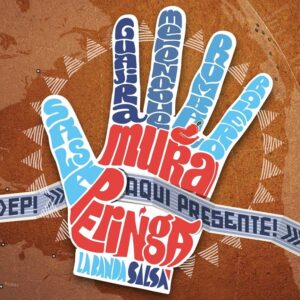
Mura Peringa Orchestra, A tribute to Salsa culture, given by 9 crazy musicians of Latin music

Since 2006, the group (Mura Peringa) brings together 9 musicians (20 – 34 years old) united by their passion for Latin music.

Their influences are important musicians and orchestras such as: Sierra Maestra, Mercado Negro, Eddie Palmieri, Oscar D Leon, Maraca Valle, Chaparro y su Orquesta, Orlando Poleo, Fania All stars, Willie Colon and Hector Lavöe.

From the creation of the project, the heart of repertoire focuses on a color Salsa Dura 70’s, embellished with Bolero, Merengue, Chachacha, Son, Cuban Rumba, Timba.  The compositions and rearrangements of Mura Peringa, faithful or transfigured, were able to invite the crowds to dance on the stages of the French grand-est, and during the summer tours in Switzerland and in the south of France.

Mura Peringa’s music, tasty, throbbing, intoxicating, is supported by rich arrangements, and by the solid instrumental and stylistic mastery of her musicians.  The strength of Mura Peringa is her ability to metamorphose. The lead vocals on the front of the stage go from one musician to another, causing so many reversals of point of view.

The staging of the game and the transitions are served by a light creation that finishes training the audience at the rhythm of the clave and syncopations.  Get ready to swing; it will be hard to resist the call of the dance Mura Peringa, a tribute to Salsa culture, given by 9 crazy  musicians of Latin music. 

United in the most vibrant Salsa orchestra of the Great East, songs, brass and percussion invite you to dance to Afro-Caribbean rhythms and music.  Listening to the surprising compositions and rearrangements of Mura Peringa, you will not sit for long.

MusiciansCongas: Paul StengerTimbales: Nicolas SchmidtBass : Theron FuhrmannClavier : Sebastien ValleTrombone : Fabrice ToussaintSaxophone: Adrien LabordeFlute / Percus : Camille EvrardTrompet : Alexandre BrandTrompet: Adrien Arnaud

To enjoy, and to dance

Know the connections of tropical dances

Latin America / Venezuela /Caracas

Tropical Dances:

Did you know that people have several ways of communicating?

Oral communication is what we normally use to communicate in such a way to establish and maintain personal relationships, and to show not only words and express emotions and/or feelings, body communication is used, which can be said in a few words that it is a form creatively expressing through gestures, eye contact, poses, and arm and leg movements; turning this form of communication into something more intimate and accurate without the need for the use of words.

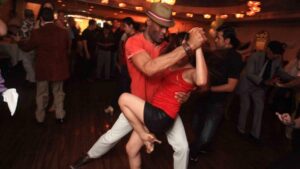
Salsa dancers

In social activities, one of the most popular is dancing, where body communication is very important since the couple or group needs to know certain signs that indicate “when” or “how”, in order to perform the steps and how. As a result, the success of said interpretation will test the quality, maturity and growth of the dancers in the rhythms they dance.

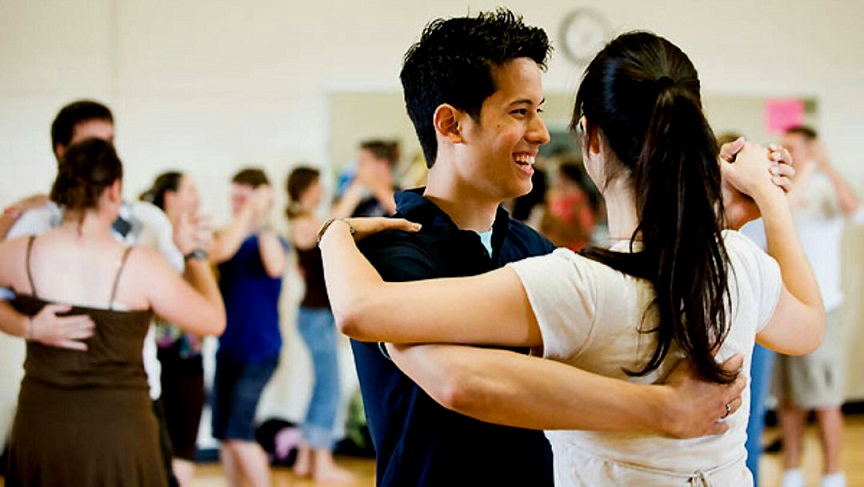
dancers dancing in a club tropical

Of course, it should be noted that each musical genre has its own rules, especially in the counting of steps in music, which gives grace, stability and rhythm to the dancers in the song played either in a musical event and is of vital importance not only for a casual event but for a competition. For this reason, it is important to know the steps and turns to perform and have excellent body communication (especially if it is as a couple) to know what they are going to do.

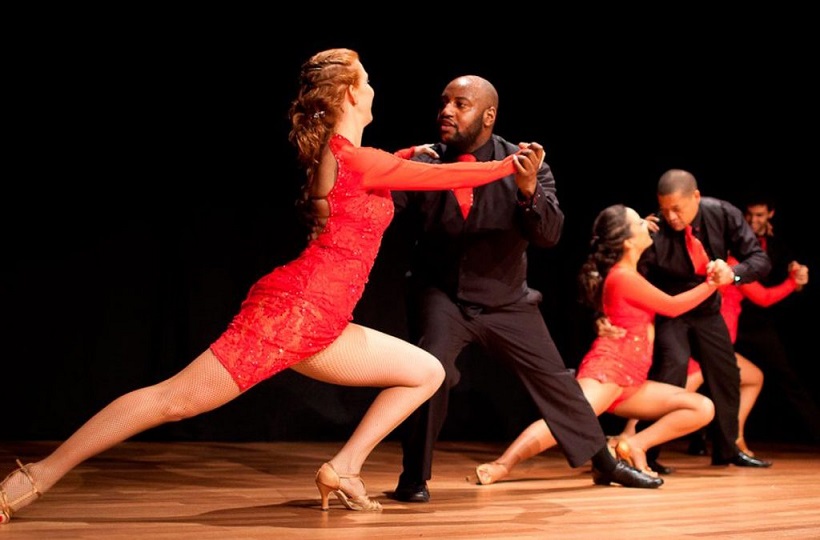
dancers dancing salsa, bachata and other tropical dances

In Latin rhythms, this type of communication is really important, otherwise the grace of the dance is lost. Among the most important Latin rhythms that are essential and/or significant are:

  • Salsa: a Latin tropical rhythm that, although it was born in Cuba due to the mixture of “Guaracha”, “Son”, “Mambo”, “Cha Cha Chá” with a unique style, through time several types emerged ( Salsa Cubana, Salsa en Linea, Salsa Casino, Salsa New York or Mambo style, Salsa Cali style, Salsa Puerto Rican and Venezuelan sauce). In this dance it is very important to pay attention to the look, the hands and arms (the latter in the case of the man since with him he dominates and/or controls the woman in the dance and she must interpret what the next movement is) to thus being able to perform either a simple step or a few laps, of which there is a great variety of them.
  • Bachata: is a danceable musical genre originating in the Dominican Republic, within what is called urban folklore. It is considered a derivative of the rhythmic bolero, with influences from other styles such as the Cuban son and merengue. This dance has great sensuality like the rest of the Caribbean rhythms, where it requires an unbeatable appearance on the part of the dancers when performing it, where that connection with the couple is important so that it can impress the public.
  • Merengue: is a dance music genre originated in the Dominican Republic at the end of the 19th century. It is very popular throughout the American continent, where it is considered, along with salsa, as one of the great dance musical genres that distinguish the Latin American genre.
  • Kizomba: a very sensual rhythm that emerged in Angola, which resulted from the mixture of 3 cultures (Angolan colony, Portuguese colony and part of Cape Verde “Brazil” as well as the French Caribbean of Martinique and Guadeloupe.). In this rhythm, the connection of the couple, especially the woman, is of vital importance, since the movement of the hips is slow and sensual, as are their steps. Did you know that many people have the prejudice that it is a very sensual dance, however, it is as sensual as you want to project it, in the same way it happens with Bachata and Merengue, they can be as sensual as you want to project them or as normal how you want to do it.”

So, if you want to give life, grace, elegance and popularity to your dance, keep in mind, keep in mind these characteristics and how you manage to synchronize with your partner and show your spectators either in a personal party, competition, event and/or or congress, whether national or international, which is a true dance.

dancers pre-performing tropical dances
  • « Go to Previous Page
  • Page 1
  • Interim pages omitted …
  • Page 60
  • Page 61
  • Page 62
  • Page 63
  • Page 64
  • Interim pages omitted …
  • Page 114
  • Go to Next Page »

International Salsa Magazine (ISM) is a monthly publication about Salsa activities around the world, that has been publishing since 2007. It is a world network of volunteers coordinated by ISM Magazine. We are working to strengthen all the events by working together.