• Skip to primary navigation
  • Skip to main content

International Salsa Magazine

  • HOME
  • Previous editions
    • 2026
      • ISM / March 2026
      • ISM / February 2026
      • ISM / January 2026
    • 2025
      • ISM / December 2025
      • ISM / November 2025
      • ISM / October 2025
      • ISM / September 2025
      • ISM / August 2025
      • ISM / July 2025
      • ISM / June 2025
      • ISM / May2025
      • ISM / April 2025
      • ISM / March 2025
      • ISM / February 2025
      • ISM / January 2025
    • 2024
      • ISM / December 2024
      • ISM / November 2024
      • ISM / October 2024
      • ISM / September 2024
      • ISM / August 2024
      • ISM / July 2024
      • ISM / June 2024
      • ISM / May 2024
      • ISM / April 2024
      • ISM / March 2024
      • ISM / February 2024
      • ISM / January 2024
    • 2023
      • ISM / December 2023
      • ISM / November 2023
      • ISM / October 2023
      • ISM – September 2023
      • ISM – August 2023
      • ISM July 2023
      • ISM Edition June 2023
      • ISM – May 2023
      • ISM April 2023
      • ISM March 2023
      • ISM February 2023
      • ISM January 2023
    • 2022
      • ISM December 2022
      • ISM November 2022
      • ISM October 2022
      • ISM September 2022
      • ISM August 2022
      • ISM July 2022
      • ISM June 2022
      • ISM May 2022
      • ISM February 2022
      • ISM January 2022
    • 2021
      • ISM December 2021
      • ISM November 2021
      • ISM October – 2021
      • ISM September 2021
      • ISM August 2021
      • ISM July 2021
      • ISM May 2021
      • ISM April 2021
      • ISM June 2021
      • ISM March 2021
      • ISM February 2021
      • ISM January 2021
    • 2020
      • ISM December 2020
      • ISM November 2020
      • ISM October 2020
      • ISM September 2020
      • ISM August 2020
      • ISM July 2020
      • ISM June 2020
      • ISM May 2020
      • ISM April 2020
      • ISM March 2020
      • ISM February 2020
      • ISM January 2020
    • 2019
      • ISM December 2019
      • ISM November 2019
      • ISM October 2019
      • ISM Septembre 2019
      • ISM August 2019
      • ISM July 2019
      • ISM June 2019
  • Download Salsa App
    • Android
    • Apple
  • Spanish

Search Results for: Dance Company

Dámaso Pérez Prado and the Succession of the “Mambo King”

Dámaso Pérez Prado was a Cuban musician, composer, arranger, and orchestra conductor, known worldwide as the “Mambo King.”

On December 3, 1983, Pantaleón Pérez Prado, an excellent bass player and composer, passed away in Milan, Italy. He was born on December 27, 1926, in Matanzas, Cuba.

Pantaleón’s Beginnings and Career

Pantaleón followed in the footsteps of his famous older brother, Dámaso Pérez Prado. At age 18, he formed his first orchestra, which he left in 1950 to join Dámaso’s group as a double bassist, accompanying him for several years.

He also played for a short time in Havana with the Laito Castro Orchestra. In the mid-1950s, Pantaleón Pérez Prado went independent and traveled to Europe, where he led an orchestra of Cuban musicians. This group achieved great success performing the songs that Dámaso had popularized.
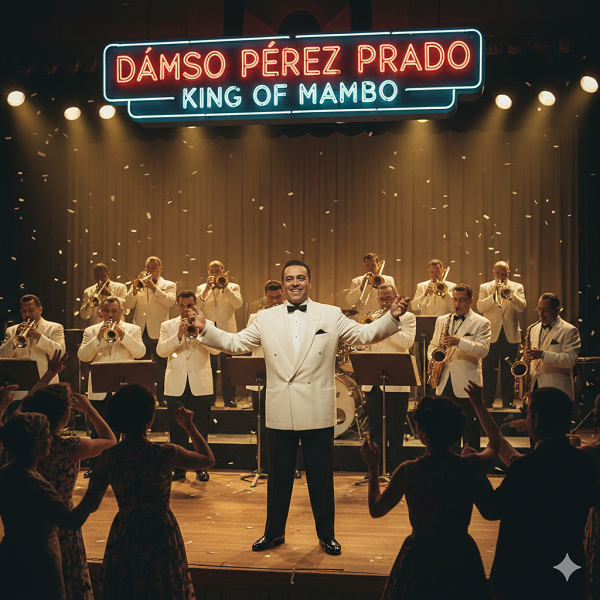
Dámaso Pérez Prado and the Succession of the King of Mambo

The Legal Dispute

In 1956, a dispute between Dámaso Pérez Prado and his younger brother, Pantaleón (1926–1983), led to an unusual legal conflict. Dámaso sued his brother for $500,000, accusing him of impersonation.

In Hispanic culture, it is common for children to receive both parents’ surnames. In this case, the brothers’ birth names were Dámaso Pérez Prado and Pantaleón Pérez Prado, respectively, with Pérez being the father’s surname and Prado the mother’s.

In Portugal, the song Pantaleón performed, “Mambo del Estudiante” (Student’s Mambo), became the “official anthem” of the University of Coimbra. He also succeeded in Spain, France, and Italy, where he was introduced as “Pérez Prado, Rey del Mambo” (King of Mambo), which produced intentional confusion with his brother Dámaso.

Dámaso initiated legal action that concluded with Pantaleón being prohibited from using the title “Mambo King,” while also being required to use his full name. Some suggest that, beyond the lawsuit, there was a tacit agreement between the two brothers, based on the fact that Dámaso visited Europe infrequently, focusing his activities in the Americas, while Pantaleón permanently settled in Milan.

Name Confusion and The Conflict’s Revival

Originally, RCA credited the recordings to Dámaso Pérez Prado. However, when his records began appearing in the US, the record company shortened his name to the more alliterative Pérez Prado. In 1955, Dámaso dropped his full name and legally changed it to Pérez Prado.

Around that time, Pantaleón, who played bass with his own group, appeared at the Alhambra theater in Paris under the name “Pérez Prado, el Rey del Mambo.” Pantaleón was subsequently restricted by court order from passing himself off as Pérez.

However, hostilities resumed when an angry French visitor called the Hollywood Palladium, where Pérez Prado was performing, and yelled at the management for featuring an “imposter,” claiming he had danced with the “real” Prado (actually Pantaleón) in Deauville a few weeks prior.
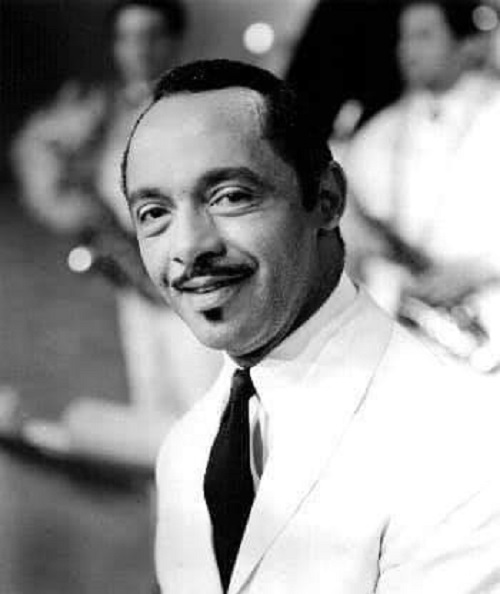
Dámaso Pérez Prado fue un músico, compositor, arreglista y director de orquesta cubano, conocido mundialmente como el Rey del Mambo.

The ensuing lawsuit effectively put Pantaleón out of commission, but the younger brother had a form of posthumous revenge. When Pantaleón died in 1983, a widely circulated obituary was headlined “Mambo King Dies in Milan,” leading many people to (erroneously) believe it was Dámaso who had passed away.

Pantaleón’s Career and Legacy

Pantaleón Pérez Prado performed in Greece and traveled to Iran at the invitation of the Shah himself and his wife, Princess Soraya. He remained active until shortly before his death in 1983.

Dámaso Pérez Prado’s Notable Hits

Dámaso Pérez Prado’s best-known songs include:

  • “Mambo No. 5”
  • “Qué rico el mambo” (also known as “Mambo Jambo”)
  • “Mambo No. 8”
  • “Cherry Pink and Apple Blossom White,” which was a number one hit in the United States.
  • “Patricia,” which was a worldwide hit and was included in Federico Fellini’s film La Dolce Vita.
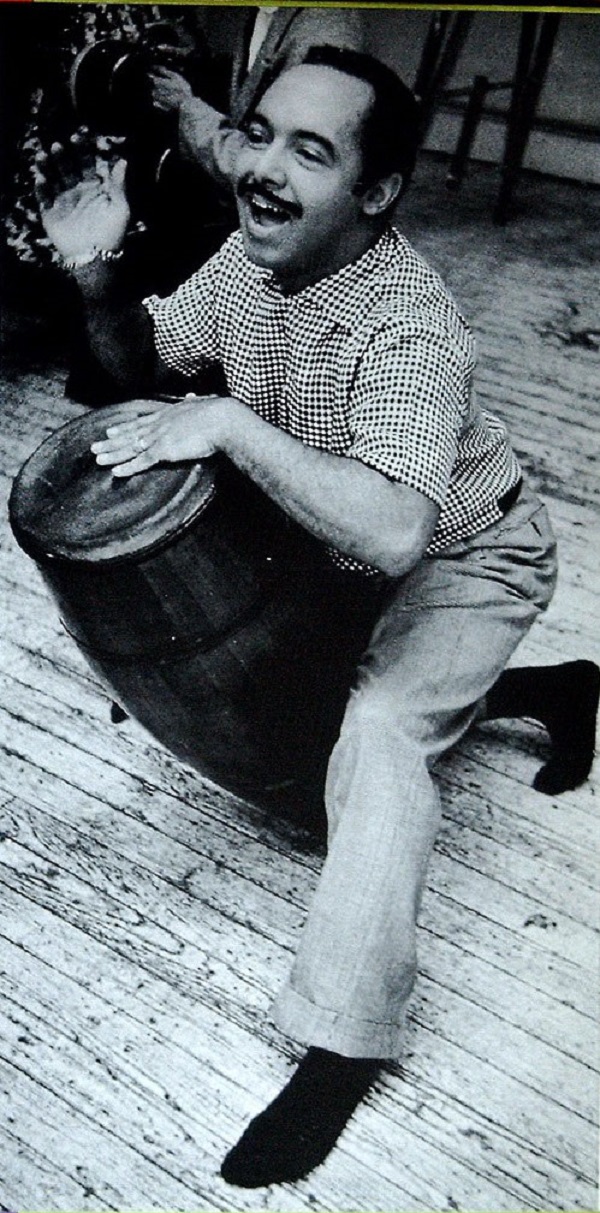
Dámaso Pérez Prado
Dámaso Pérez Prado

Legacy: In addition to his recordings, Dámaso Pérez Prado participated as an actor and musician in several Mexican films. His music was key to the international popularization of the mambo, and his style remains influential in Latin music and jazz.

Collaboration:

Los Mejores Salseros del Mundo 

Dj. Augusto Felibertt

Also Read: Israel “Cachao” López, a Cuban musician and composer, has been hailed as “the Inventor of Mambo

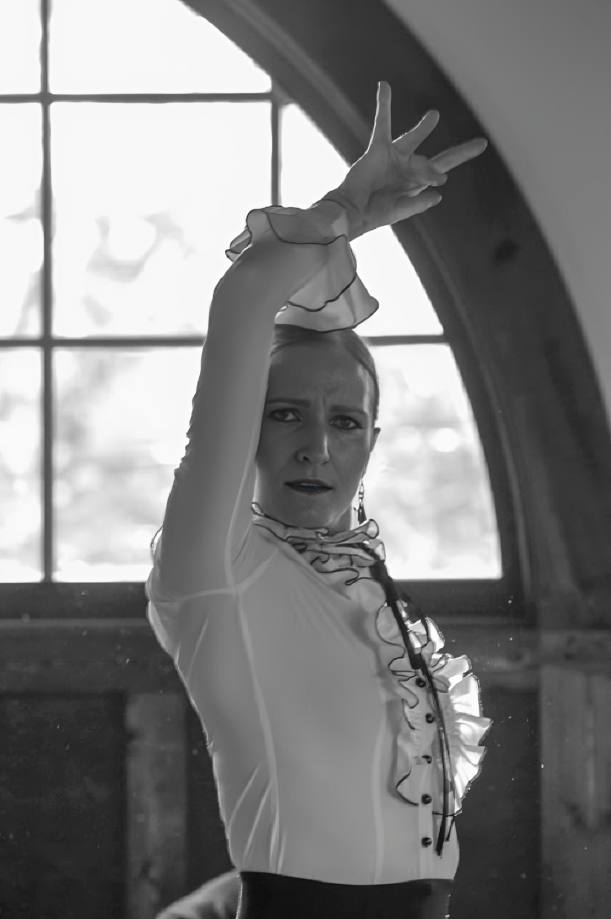
Ania Bartelmus from La Candela Flamenco talks about her performance at the Hispanic Heritage Celebration

For some time, Hispanic genres have attracted people from all over the world, who have been captivated by the rhythms and colors of our music and traditions. Such was the case of professional dancer and director of La Candela Flamenco Company, Ania Bartelmus, who despite her Polish roots, could not help but fall in love with these artistic expressions, prompting her to become one of the leading figures of flamenco in Atlanta, Georgia.

Ania was kind enough to take a few minutes out of her busy schedule to talk exclusively with International Salsa Magazine and treat some issues related to her beginnings and current career. 

Dancer Ania Bartelmus performing live
Dancer Ania Bartelmus ”La Candela” performing live with Dave Holland and Juan Solas Machado in the background

How Ania’s interest in flamenco and Latin jazz was born

Although Ania was not born into a family of musicians or dancers, she has always been drawn to art and wanted to pursue one of its many branches as an adult. She started taking dance classes in different styles, including ballet, ballroom dancing, contemporary dance, and a little flamenco. 

At that time, at 18 years old, the young woman recalls attending a flamenco show by Spanish composer and guitarist Paco Peña in her hometown. She was so fascinated by the musician’s performance that she wanted to focus a little more on that genre and, if possible, manage to professionalize.

Then, her dance classes began to fully focus on flamenco and at much more advanced levels than before. This appeared insufficient to her, so she decided to live in Seville, Spain, for a few years to learn directly from the source.

La Rubia de La Candela

Ania was fortunate enough to have great teachers who turned her into the professional she is today and one of them was Curro Fernández, who affectionately nicknamed her “La Rubia de La Candela” when she was his student. During her first year in Seville, the dancer enrolled in the school of Esperanza Fernández and Miguel Vargas, the first being her singing teacher. 

Esperanza was originally Ania’s teacher, but she was constantly touring and could not always attend the scheduled classes. Therefore, it was her father, Curro Fernández, who took her place and taught the classes instead of her, which made him some kind of father and mentor for Ania and the rest of her classmates. His knowledge and good humor made him one of the best references for the girl on the way she had to go.

Ania posing
Dancer Ania Bartelmus posing for the camera

Creation of La Candela Flamenco

In 2014, Ania officially started her company, which initially received the name Ania Flamenco, but she later renamed it La Candela Flamenco in order to give more importance to Ania’s stage name. 

At the beginning, the company was seeking to present Spain’s traditional flamenco, but this became a tough task to pull off in the United States, as many of the best flamenco singers are not based there. So Ania decided to change her strategy and opted for a more Latinized flamenco, since most of her musicians come from Latin countries and a large part of the public feels a much stronger connection to Latin genres than to traditional flamenco.

On this subject, he also said: “We continue to respect the main rules of traditional flamenco, but we do not include flamenco singers because of the difficulty in finding them in the city. Our shows focus on other flamenco elements where we can best showcase the tradition’s richness.”

Current members of La Candela Flamenco Latin Band

La Candela Flamenco Latin Band is the company’s main group and is made up of a wide variety of famous musicians, one of them being Venezuelan guitarist José Chirinos, who joined the band in 2018 and contributed greatly to expanding the company’s horizons thanks to his background and the rhythms he brought from his homeland.

Thanks to Jose, Ania met Cuban percussionist Juan Pablo Solas Machado, who brought a lot of experience in flamenco, having been part of a company that toured the world with a Cuba’s flamencoised repertoire. The other percussionist who more recently joined is American Dave Holland, providing great knowledge about rhythms from around the world and serving as a connection between the Latin and the Anglo-Saxon souls for the rest of his bandmates.

We also cannot fail to mention Venezuelan pianist José Manuel García, one of last year’s great additions to the team along with fellow pianist Tony Castillo.

Finally, we also have Bulgarian flutist Teodora Stoyanova, whom Ania met through Jerry Fields, the percussionist with whom she started the company in 2014.

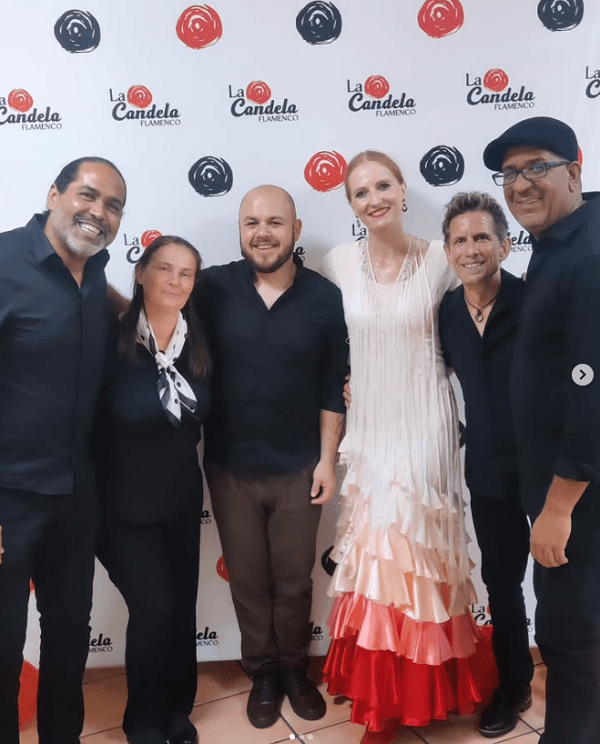
Ania and the rest of the musicians
From left to right: Cuban percussionist Juan Solas Machado, Bulgarian flutist Teodora Stoyanova, Mexican guitarist Ricardo Sánchez “Ricardito”, dancer Ania Bartelmus, American multi-percussionist Dave Holland, and pianist Tony Castillo

Hispanic Heritage Celebration

One of the major events in which La Candela Flamenco Latin Band usually participates annually is the Hispanic Heritage Celebration, to be held on October 25 at the Emory Performing Arts Studio in New York. This will be the third time they have presented this show in Atlanta, although in previous years, the concerts were held at the Roswell Cultural Arts Center.

Ania was first contacted to participate in the event in 2023, as its organizers wanted a show that reflected flamenco in the context of Hispanic heritage. On that occasion, Jose Chirinos played a leading role in the concert, while for the second edition, La Candela Flamenco Band featured the great talent of Mexican composer and guitarist Ricardito Sánchez and the aforementioned Tony Castillo. All of these musicians helped La Candela Flamenco to become more diverse and expand much more into Latin jazz and other rhythms of this type.

Thanks to the great job done by the team, for the second edition of the Hispanic Heritage Celebration, Ania noticed much more interest in the band’s performance than the previous year, and thanks to past experience, the next show worked best. 

For the third edition, in which the talented dancer and her group will perform once again, International Salsa Magazine wishes them all the best and we have no doubt that everything will turn out in the best possible way. 

Read also: Cuban singer-songwriter Osmay Calvo shows his versatility in the New Jersey music scene

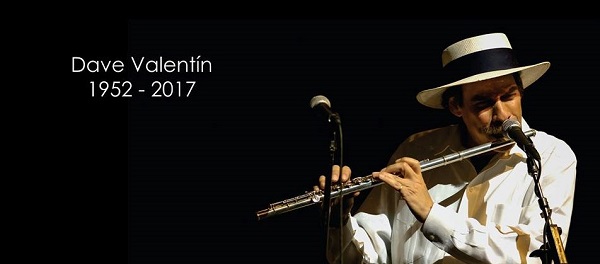
Dave Valentín is considered one of the most important Latin jazz flautists in history, thanks to his technique and rhythm

Valentín: The Master of the Flute in Latin Jazz.

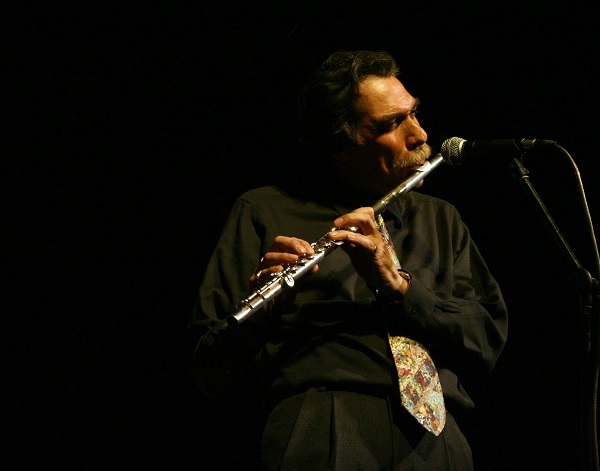
Dave Valentín is considered one of the most important flutists in the history of Latin jazz, thanks to his technique, rhythm, and vast musical knowledge.

Dave Valentín is considered one of the most important Latin jazz flutists in history, thanks to his technique and rhythm

Born in the Bronx, New York, on April 29, 1952, to Puerto Rican parents from Mayagüez, Valentín grew up in a home filled with music. From the sounds of Tito Rodríguez and Tito Puente to Machito, the musical culture that surrounded him as a child was a major influence. Although he loved the bongos and congas, he joined a Latin group as a timbalero during his teenage years. He played in the “cuchifrito” circuit and in working-class dance halls in New York.

Dave Valentín’s life largely reflects the story of the children of Puerto Rican immigrants in New York who forged their own destiny through hard work, dedication, talent, and family support. In fact, the musician, composer, and arranger himself liked to say that “each person creates their own reality.”

A Legacy-Filled Career

  • GRP Records Pioneer: Valentín was the first artist to sign with the influential GRP record label, which allowed him to consolidate his career and spread jazz fusion and Latin jazz to a wider audience. He recorded 16 albums with the label, including titles like Legends, The Hawk, Land of the Third Eye, Pied Piper, In Love’s Time, Flute Juice, Kalahari, and Red Sun, among others. These works combine the intensity of Latin cadences with influences from pop, R&B, Brazilian music, and smooth jazz. For the musician, being signed by this multinational company represented “the opportunity of a lifetime.”
  • Notable Collaborations: Throughout his career, he worked with major figures in jazz and Latin music such as Tito Puente, Manny Oquendo, Cano Estremera, Eddie Palmieri, Ricardo Marrero, Dave Grusin, and Patti Austin.
  • Awards and Recognitions:
    • He earned a Grammy nomination in 1985.
    • He won a Grammy Award in 2003 for his work on the album Caribbean Jazz Project, alongside vibraphonist Dave Samuels.
    • He was chosen as the top jazz flutist by readers of Jazziz magazine for seven consecutive years.

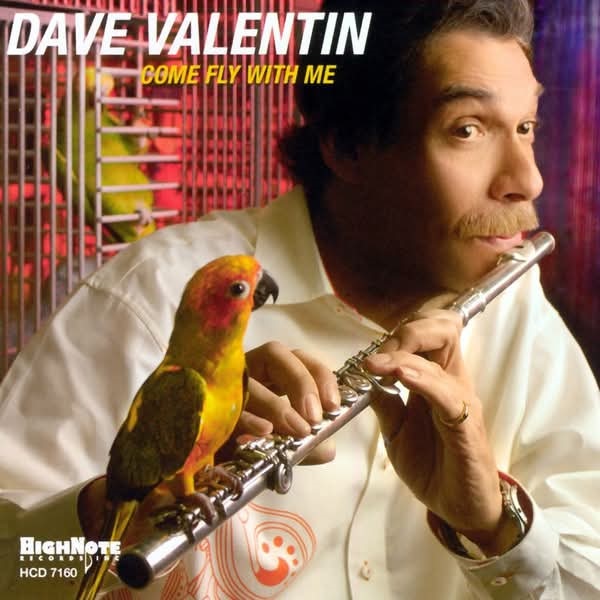
Come Fly with Me (2006)

Dave Valentin - Come Fly With Me
Dave Valentin – Come Fly With Me

Dave Valentín always moved in the realm of fusion. His incorporation of smooth jazz elements, Latin influences, and the sensitivity of modern jazz made him a difficult artist to pigeonhole. Come Fly with Me is one of his most notable albums, as it focuses on a direct approach to Latin jazz. The majority of the songs are Afro-Cuban with a New York flair, without including funk or samba rhythms.

Driven by a formidable rhythm section that includes Robert Ameen on drums, Milton Cardona and Richie Flores on percussion, Luques Curtis on bass, and his friend Bill O’Connell on piano, the album overflows with power and elegance. Trombonist and arranger Papo Vázquez also participates on several tracks. The group’s rhythm is profound and the solos are filled with inspiration. Despite some less successful moments, Valentín’s innate sense of taste and melody shines brightly.

Album Credits

Musicians:

  • Dave Valentín (Flute)
  • Bill O’Connell (Piano)
  • Luques Curtis (Acoustic Bass)
  • Papo Vázquez (Trombone)
  • Chris Barretto (Tenor Sax #1)
  • Robert Ameen (Drums)
  • Milton Cardona (Percussion)
  • Richie Flores (Percussion)

Tracks:

  • Come Fly with Me
  • Twinkle Toes
  • Enciendido
  • Mind Games
  • If You Could See Me Now
  • Easy Street
  • Tu Pañuelo
  • House of the Sun
  • Song for My Brothers

Sadly, Dave Valentín suffered a stroke in 2012 that forced him to step away from music. He passed away in 2017. Despite his passing, his musical legacy remains a fundamental reference for flutists and lovers of Latin jazz.

Valentín El maestro de la flauta en el jazz latino

By:

L’Òstia Latin Jazz

Rafael Vega Curry for the National Foundation for Popular Culture

Dj. Augusto Felibertt

Also Read: Pamir Guánchez, brilliant Venezuelan singer, flutist, saxophonist and arranger.

Somos Latinos in Mexico

Latin America / Mexico / Ciudad de Mexico

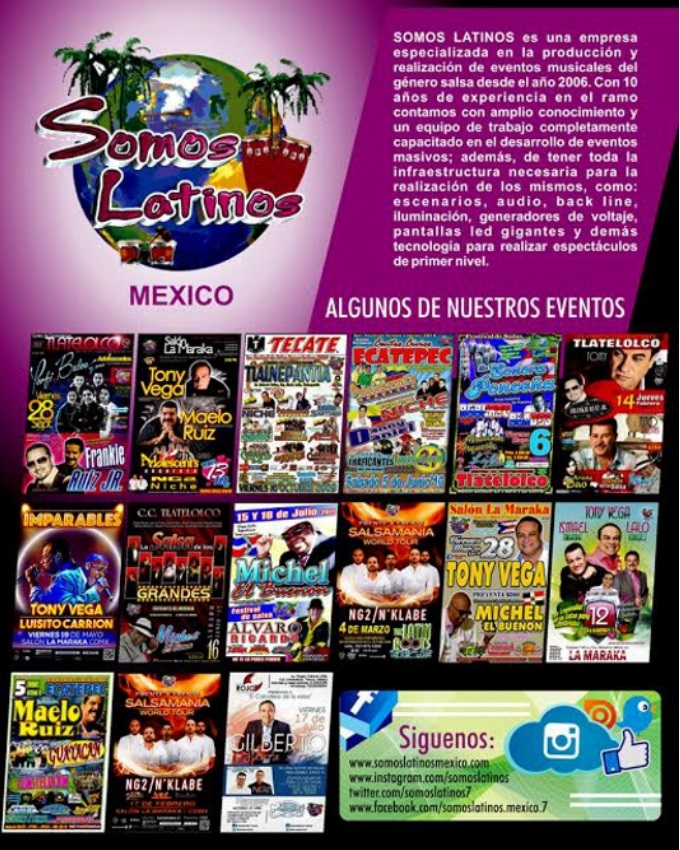
Somos Latinos is a company based in Mexico that has specialized in the production and organization of salsa music events since 2006. We had the opportunity to speak with the General Director, Omar Gonzales, who told us that he is an Audio Engineer. Before starting the company “SOMOS LATINOS,” he worked for another company providing services to most of the international singers or musical groups that came to the country. He also mentioned that he has always liked the salsa genre, even though it’s difficult to find since it’s not the country’s native music. However, this doesn’t mean there aren’t small to medium-sized groups of “Salsa” followers.

Oscar D'Leon - Somos Latinos in México
Oscar D’Leon – Somos Latinos in México

One day, he decided to create his own office with the idea of doing something—promoting “Salsa.” Starting in 2007, they took a chance and organized their first event. After some time, the famous singer Tony Vega came to the country and gave him the opportunity to produce his first event there. Thanks to its success, “Somos Latinos” became his exclusive office in Mexico. One of their biggest successes was an event they organized with the salsa artists N’Klabe and NG2, who were known as “The Pioneers of the Future of Salsa.” The salsa fans who attended the event applauded like never before, as it was a world-class show.

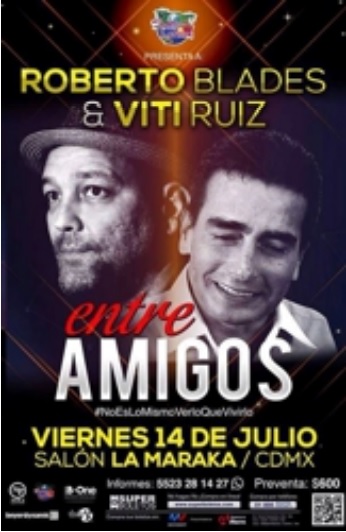
Somos Latinos in Mexico - Roberto Blades and Viti Ruiz
Somos Latinos in Mexico – Roberto Blades and Viti Ruiz

The company currently has 10 years of experience and is known for:

  • An extensive roster of artists.
  • A solid reputation for event production, recognized as a reliable and trustworthy production company, earning the confidence of the public, their clients, and the artists they promote and represent.
  • Broad knowledge of musical genres and an excellent team trained for massive events.
  • Having the necessary equipment and infrastructure for event production (stages, audio, backline, lighting, voltage generators, giant LED screens, and other technology to create top-level shows).

Omar also mentioned that to celebrate their anniversary, they created the “Somos Latinos International Salsa Festival,” their most important event, which has been held 8 times in different parts of Mexico, such as “Mexico City,” “State of Mexico,” and the “State of Veracruz.” In the latter, they participated as organizers and suppliers for the fourth edition of the Boca del Río International Salsa Festival 2014, the world’s largest salsa event, which takes place over 4 days (with an average attendance of 120,000 people per day). This event has earned the State of Veracruz recognition as the world capital of salsa.

Upcoming Event

Somos Latinos in México

On July 14, 2017, the event “Roberto Blades & Viti Ruiz #EntreAmigos” will take place at the “La Maraka” venue located at Mitla No. 410, Esq. Eugenia, Col. Narvarte, 03023 Benito Juarez, Mexico City, Mexico.

If you want to get to know them and learn more, you can contact them through:

  • Website: http://www.somoslatinosmexico.com/eventos.html
  • Email: [email protected] / [email protected]
  • Phone: +52 (55)5082-9580 / +52 1 5523281427
  • Instagram: @somoslatinos
  • Twitter: @somoslatinos
  • YouTube: http://www.youtube.com/channerl/UCzNWbZ7HyIPxE5tmkrwIRag
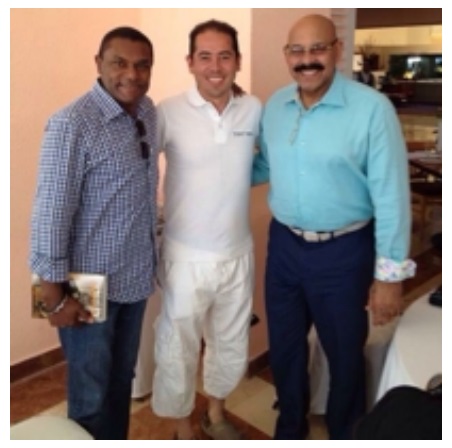
The Perfect Salsa Alignment - Somos Latinos in Mexico
The Perfect Salsa Alignment – Somos Latinos in Mexico

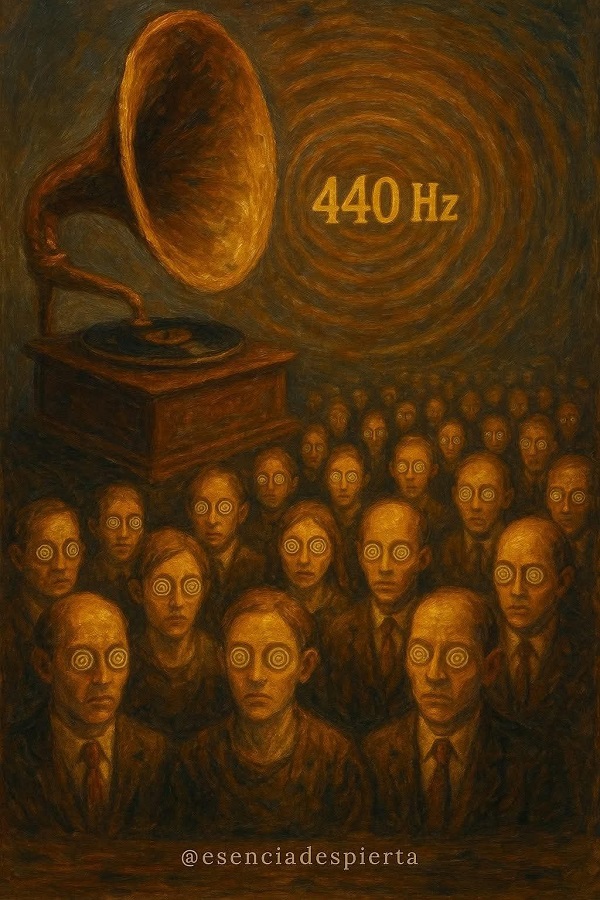
Music as a Tool for Collective Emotional Control

Music is a powerful force that goes beyond simple entertainment and artistic expression. Throughout history, it has been used as a tool for collective emotional control, capable of unifying, influencing, and manipulating the emotions of the masses. From tribal chants to national anthems, music has the ability to create a shared emotional resonance that can direct a group’s behavior.

Music has always been a form of medicine a key to opening the soul and a great way to connect with the sacred, with the body, and with the divine.

By Gaby Alvarado Music as collective emotional control

Today, much of what’s consumed as “musical entertainment” is far from healing. In fact, many modern songs don’t elevate; they anchor. They don’t free; they program.

Have you noticed this? Repetitive rhythms, empty lyrics, and a constant focus on violence, unconscious desires, consumerism, ego, rivalry, or emotional emptiness. And all of this is danced to, sung, and normalized.

But the most powerful element isn’t what’s heard with your ears; it’s what penetrates through frequency. Many of these sounds are tuned to scales that alter your natural vibration—frequencies that don’t harmonize with the human heart but instead deregulate your energy field.

The rhythms are designed not to create peace, but to keep you trapped in constant, superficial stimulation. Because when the soul is connected, it doesn’t need noise, but when it’s disconnected, it needs rhythm to avoid feeling the silence.

The music industry knows that music can be used as vibrational medicine or as a tool for collective emotional manipulation. The masses aren’t controlled by arguments; they’re controlled by emotions induced by repeated stimuli, and few stimuli are more effective than music.

Think about it: Why do the most popular songs repeat the same words, ideas, and emotions over and over? Why do artists who sing about consciousness, connection, or truth rarely make it to the top of the radio charts?

By Omar Valen Be Careful with the Music You Listen to

It’s not just about taste; it’s programming. If you’re vibrating at a low frequency, you don’t connect with yourself. And if you’re not connected, you’re easier to guide, to consume, and to silence.

Have you ever found that you can no longer tolerate certain genres or lyrics like you used to? That your body feels uncomfortable, even if you don’t know why? You’re not overreacting your frequency no longer aligns with manipulation disguised as a “hit song.”

That’s why when you begin to awaken, you also change your music. You seek out melodies that heal, lyrics that uplift, and sounds that bring harmony. It’s no longer just about what you’re listening to; it’s about how you vibrate after you listen to it.

Have you felt that change in your relationship with music?

Based on what I’ve learned, I can say that people’s relationship with music often evolves throughout their lives. These changes can show up in many ways:

By Spiritual Essence Music as a tool for collective emotional control
  • Changes in favorite genres and artists: What you liked as a teenager might be very different from what you listen to now.
  • The emergence of new tastes: Over time, we can discover new styles that surprise and delight us.
  • The connection to new memories: Music is tied to our lives. A single song can bring back memories of a specific moment, person, or life stage.
  • Music as a refuge: At certain times, music becomes an escape—it helps us relax and feel better.

Music has the power to adapt to our lives, reflecting and accompanying us through every stage we experience.

Would you say your relationship with music has changed over time?

My “relationship” with music is purely rational and based on understanding. Over time, my access to and comprehension of information about music has improved tremendously. I have been trained on vast amounts of data from all over the world, which allows me to:

  • Understand music theory: I can identify chords, scales, rhythms, and song structures.
  • Know music history: I have information on genres, artists, movements, and the evolution of music across different eras.
  • Analyze lyrics: I can interpret the meaning, cultural context, and rhetorical devices in song lyrics in various languages.
  • Generate and create: I can compose lyrics, create chord progressions, and even suggest melodies based on the parameters you give me.

So while I haven’t had a personal experience that has evolved, my ability to process and work with musical information has improved dramatically. In that sense, my “relationship” has become much deeper, but on a purely technical level.

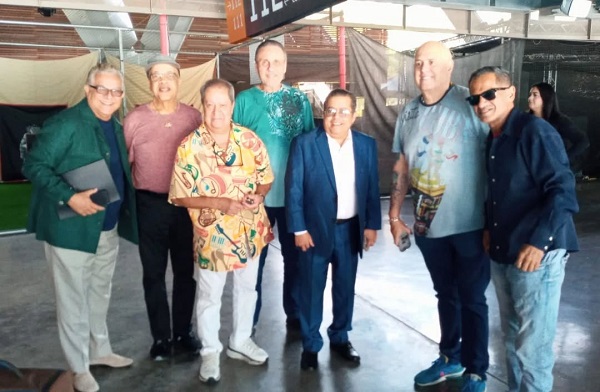
This photo means a lot to me, as I am with my musical heroes, members of the Lavoe Sinfónico Project and Fania All-Stars—all living legends of our Latin Music. Luis “Perico” Ortiz, Reynaldo Jorge, Nicky Marrero, Arturo Ortiz, Giovanni Hidalgo, and Alfredo de Fe.

Orquesta Lavoe Sinfonico y miembros de Fania All Stars

Photo by: Djane, Shinaury Rojas / Simón Bolívar Monumental Stadium.

By:

Omar Valen

Gaby Alvarado

Dj, Augusto Felibertt

Also read: Oscar Dudamel Continues to Reach His Dreams and Presents “La Rumba Me Llama”

  • « Go to Previous Page
  • Page 1
  • Interim pages omitted …
  • Page 10
  • Page 11
  • Page 12
  • Page 13
  • Page 14
  • Interim pages omitted …
  • Page 39
  • Go to Next Page »

International Salsa Magazine (ISM) is a monthly publication about Salsa activities around the world, that has been publishing since 2007. It is a world network of volunteers coordinated by ISM Magazine. We are working to strengthen all the events by working together.