• Skip to primary navigation
  • Skip to main content

International Salsa Magazine

  • HOME
  • Previous editions
    • 2026
      • ISM / March 2026
      • ISM / February 2026
      • ISM / January 2026
    • 2025
      • ISM / December 2025
      • ISM / November 2025
      • ISM / October 2025
      • ISM / September 2025
      • ISM / August 2025
      • ISM / July 2025
      • ISM / June 2025
      • ISM / May2025
      • ISM / April 2025
      • ISM / March 2025
      • ISM / February 2025
      • ISM / January 2025
    • 2024
      • ISM / December 2024
      • ISM / November 2024
      • ISM / October 2024
      • ISM / September 2024
      • ISM / August 2024
      • ISM / July 2024
      • ISM / June 2024
      • ISM / May 2024
      • ISM / April 2024
      • ISM / March 2024
      • ISM / February 2024
      • ISM / January 2024
    • 2023
      • ISM / December 2023
      • ISM / November 2023
      • ISM / October 2023
      • ISM – September 2023
      • ISM – August 2023
      • ISM July 2023
      • ISM Edition June 2023
      • ISM – May 2023
      • ISM April 2023
      • ISM March 2023
      • ISM February 2023
      • ISM January 2023
    • 2022
      • ISM December 2022
      • ISM November 2022
      • ISM October 2022
      • ISM September 2022
      • ISM August 2022
      • ISM July 2022
      • ISM June 2022
      • ISM May 2022
      • ISM February 2022
      • ISM January 2022
    • 2021
      • ISM December 2021
      • ISM November 2021
      • ISM October – 2021
      • ISM September 2021
      • ISM August 2021
      • ISM July 2021
      • ISM May 2021
      • ISM April 2021
      • ISM June 2021
      • ISM March 2021
      • ISM February 2021
      • ISM January 2021
    • 2020
      • ISM December 2020
      • ISM November 2020
      • ISM October 2020
      • ISM September 2020
      • ISM August 2020
      • ISM July 2020
      • ISM June 2020
      • ISM May 2020
      • ISM April 2020
      • ISM March 2020
      • ISM February 2020
      • ISM January 2020
    • 2019
      • ISM December 2019
      • ISM November 2019
      • ISM October 2019
      • ISM Septembre 2019
      • ISM August 2019
      • ISM July 2019
      • ISM June 2019
  • Download Salsa App
    • Android
    • Apple
  • Spanish

Search Results for: Dancing

The Latin sensation in Zurich. Salsa Passion

Europe / Spain

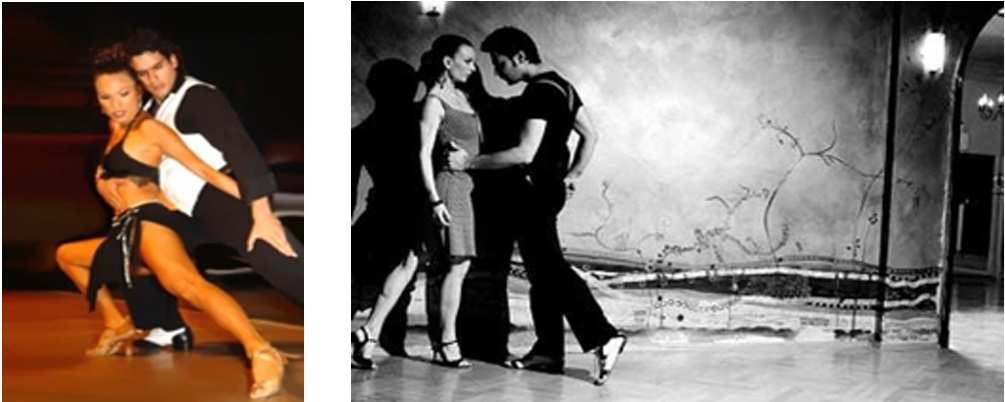
Salsa passion is known as one of the best Salsa Dance School in Zurich to build your foundation. More than 15 years of teaching experiences. See why it’s rated as one of the best in tow.

Zurich. Salsa Passion - Photo 1
Zurich. Salsa Passion – Photo 1

Salsa, Kizomba, Bachata, Cha Cha Cha, Lady Styling, Rhythm and dance Technique. Salsa dance Courses and Workshops for Beginner to Advanced levels. As a student you would benefit from Winny’s and diverse dance and music background. From leading to following technique, from rhythm to musicality, Spin, Body control, styling and footwork technique.

Good teaching strategies can be borrowed, but a good teaching heart is unique and cannot be replicated. Whether you want to become an excellent dancer, for fun or just for social reason, we love to help you to achieve your goal and teach with our hearts and passions.

Director of Salsa Passion – Winny. She is one of the best female instructor in Switzerland that can both lead and follow equally well in all Latin Styles such as Salsa Cubana, Cross Body Style, Mambo on2, Salsa Puerto Rican, New York On2, L.A style on1, Son and Cha Cha Cha.
Zurich. Salsa Passion - Photo 2
Zurich. Salsa Passion – Photo 2

Whether you are completely new to the art, or experienced dancer, we have the patient, the knowledge, the experience to bring you further.

Dancing is about social and fun, but while you are investing your time and money to learn, why not learn it properly.

They’ve developed a “step by step” method that is fun and efficient for everyone to learn. We teach the “know how”. You will learn the vocabulary and the techniques of how to put them together, so you can become creative in a long run, and not just coping or try to memories a program.

“For us, teaching is not just a job, is an opportunity to give, and we love it!” Salsa with a smile, Salsa with passion!

What do we teach

Rhythm

How to dance into the rhythm with the style that you have choose to learn.

Music and Interpretation

We teach our classes with live percussion. We also have special training CD to help you to develop your skill.

Coordination, body movement and Posture

Zurich. Salsa Passion

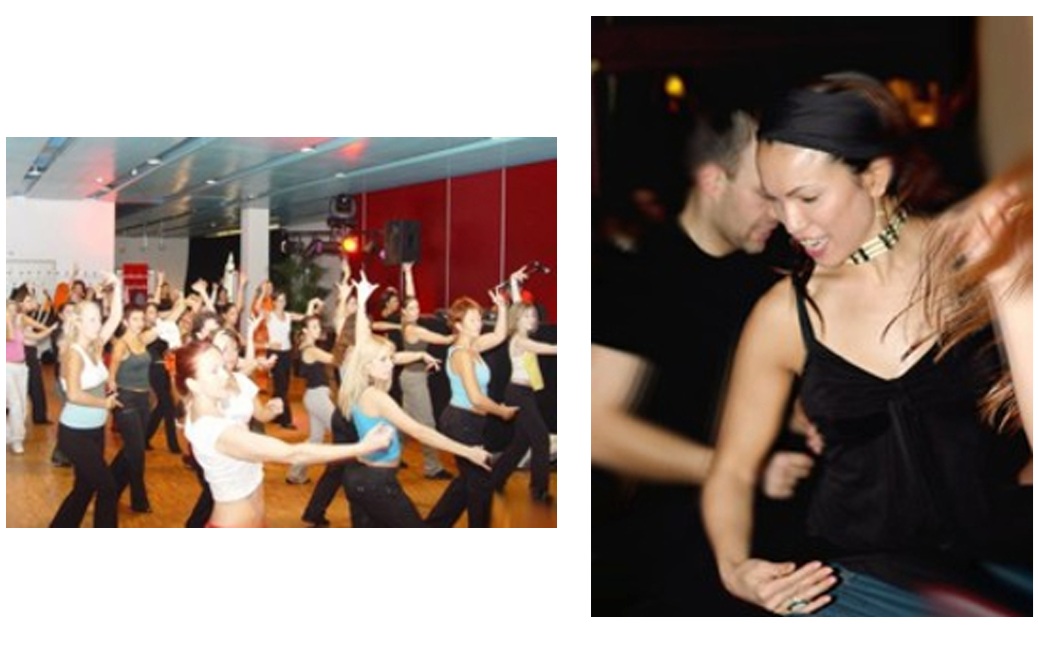
We love to show you how to look good while dancing, not just walking around and making steps. They have warm up and exercise at each course, to help you to perfect your coordination and body movement.

Partner Work – turn patterns and combination for all levels

Any figure or combination without technique is no different then it’s like just making a bunch of movements. We will show you how to makes each figure leadable, what makes a combination easy to follow or the opposite. We taught each figure with leading and follow technique, and how you can become a “smooth dancers”. Read our tricks and tips.

Footwork

Steps and combination to help you develop your dancing technique with balance, speed, and “shine” on the dance floor.
Zurich. Salsa Passion - Photo 3
Zurich. Salsa Passion – Photo 3

Turning /Spinning technique

How to keep your balance when turn, how to gain speed and avoid getting dizzy. We have exercise to develop your turning technique at each of our course, plus tricks and tips how to turn during Partner Work.

Información de contacto:

  • Email address: [email protected]
  • Telephone: +41-76-5173138
  • Location: 4th Floor, Militärstr 84. 8004 ZH
Salsa y Sentimiento Academy

Latin America / Argentina / San clemente del Tuyú

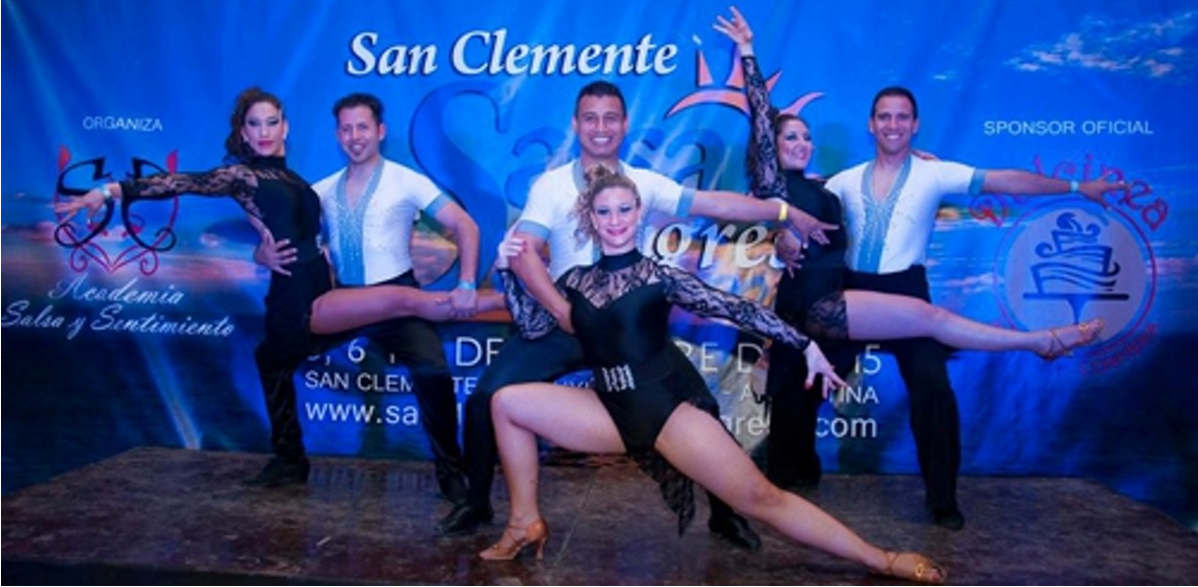
Salsa y Sentimiento is renowned as the first dance academy in the Partido de la Costa. Founded in April 2012 by its current director, Mr. Gerardo Osvaldo Russo, the academy offers a wide range of classes for both adults and children.

The curriculum includes Salsa, Bachata, Reggaeton, Pop Dance, Contemporary, “Ritmos” (various rhythms), Tango, and Introduction to Dance. Beyond daily classes, the academy is a vibrant community hub that organizes parties, festivals, conventions, and events. These activities bring together Salsa and Bachata enthusiasts from across the country and around the world, making it a premier destination for international visitors every year.

Salsa y Sentimiento Academy - San Clemente Salsa Congress
Salsa y Sentimiento Academy – San Clemente Sals

Gerardo Osvaldo Russo

Mr. Gerardo Osvaldo Russo was born on July 3, 1984, and resides in the coastal town of San Clemente del Tuyú, Argentina. His passion for Latin music began in 2005 when he first started dancing and listening to Salsa. This spark soon grew into a lifelong dedication to various Caribbean rhythms.

In 2009, he pursued a professional certification in Caribbean Rhythms at “SAOCO” Studio, one of the top training facilities in Argentina. To complete his studies, Gerardo demonstrated immense commitment by traveling 300 kilometers (approx. 185 miles) every week. It was during this time that he made the pivotal decision to dedicate his life to teaching and developing the ambitious dance projects he had envisioned for the future.

“He mentions that the city where he lived offered no way to get trained since there were few resources, and he couldn’t manage to carry out everything he had in mind. Additionally, his motivation was to grow personally as an instructor and dancer, allowing him to share all the knowledge he was acquiring with the people attending his classes. In 2008, he began teaching—initially as a hobby for a year and a half—until he made the decision to work 100% in his profession. Consequently, today he has his own dance studio called ‘Academia Salsa y Sentimiento,’ which opened in 2012 and where he currently serves as coordinator and instructor. He is also in charge of organizing the ‘San Clemente Salsa Congress,’ which he has done for about 3 years, and he organizes annual Salsa, Bachata, and other Caribbean rhythm parties for his institution; these include seminars and training sessions with high-quality, experienced instructors.”

The reason behind the opening of the “Salsa y Sentimiento Academy” was essentially a need among the people, not only in their own city but also in neighboring towns within the Partido de la Costa—the region where San Clemente del Tuyú is located. This provided them the opportunity to learn how to dance, express themselves, and find a place of freedom and belonging, while also meeting people and socializing. Consequently, it is known for being the first registered dance academy in the entire region, with the founder feeling very proud of both the team and himself.

In short, they mention that their goal has always been for people to feel identified with the activities they perform, finding a place where they can learn and have fun while recharging their energy. Students joining the academy can do so without any prior experience or knowledge of the rhythm they wish to practice. For this year, 2017, they plan to launch their official website to provide more information beyond their Facebook account. At the academy, students can start from scratch, but those who already have experience are also welcome since there are several different levels.

We work with people from 3 years old and up. The greatest goal achieved was creating an International Salsa Congress, where they aimed to take their students to compete. In 2016, they were able to do so with the reggaeton group led by teacher “Maximiliano Laplaca,” reaching the finals of one of the most important competitions in Argentina and South America, called the “Argentine Aerobics and Dance Tournament” (TAAD).

This year, along with other businesses in the city, they are working to provide benefits to their students. The goal is not only for them to have the chance to learn and have fun, but also to access discounts and benefits at shops in San Clemente. There is also a project for the coming years to train teachers who graduate from our Academy.

At the end, Gerardo Russo gives us a message for both current students and future apprentices: “My message as a teacher, but primarily as a human being, is for you not to stop chasing your dreams. As long as you work hard with responsibility, passion, and respect, things can be achieved. I also want to tell anyone who wants to come to the Salsa y Sentimiento Academy that they will find a place not only to learn to dance and train, but also a supportive group of people. It is a place where you can freely express yourself and bring out everything you have inside. Both adults and children are united by our passion for dance. We are teachers who love what we do and wish to pass it on to new generations. We are always open to hearing from anyone with new ideas to build a better SALSA Y SENTIMIENTO ACADEMY every year”.

For this year, 2017, the schedule for the various rhythms mentioned above has been available since January and February, so that everyone is informed before joining.

This magnificent Academy is located at 21st Street No. 139, between 24th and 1st Streets in San Clemente del Tuyú, Argentina

Don Perignon and La Puertorriqueña Release Classique et Savoureux

Timbalero, director, and music producer Pedro Luis Morales Cortijo, better known as “Don Perignon,” presents the 14th musical production from the “dancer’s orchestra” titled Classique et Savoureux. The leader of La Puertorriqueña features three guest vocalists on the album: Venezuelan musician and sonero Marcial Istúriz; Josué Rosado, one of the most iconic voices from La Puertorriqueña’s history; and “El Niño de Trastalleres,” Andy Montañez. With this record, Don Perignon reinforces his commitment to producing “flavorful” salsa with the dancer in mind.

In September 2025, Don Perignon and Andy Montañez reunited in the recording studio to reinvent “La Bikina.” The digital single fused the signature sound of Don Perignon’s La Puertorriqueña with the seasoned expertise of Andy Montañez. This alliance revives a nostalgic duo—the “dancing timbal” and the “singing compressor” that dates back to 1981. At that time, “Perín” took the reins as Andy’s musical director at the invitation of the legendary vocalist following his departure from Dimensión Latina. From that eight-year partnership, Andy Montañez still treasures Don Perignon’s participation in the 1988 recording of El Eterno Enamorado (TH-Rodven), where the latter not only played the timbales but also served as the album’s musical director. Regarding this, Andy says: “I remember him with great affection and appreciate his discipline in directing that recording, especially because every track became a hit.”

Don Perignon and La Puertorriqueña Release Classique et Savoureux

As promised in earlier press releases, that single was the prelude to Classique et Savoureux, where “La Bikina” is featured as the third track. Don Perignon released the song arranged by pianist and composer Domingo García 60 years after its original composition. The song, originally titled “The Beginning,” was penned by Mexican songwriter Rubén Fuentes Gasson.

Tracklist and Credits

The tracklist for Classique et Savoureux is as follows:

  • “Ella Sigue Bailando”: Composed and performed by Joe González; arranged by Andy Guzmán.
  • “Hay Que Quererlas”: Composed and performed by José Karlo Ribot; arranged by Roberto Pérez.
  • “Pura Imagen”: A classic piece by Adalberto Álvarez, vocalized by Joe González; arranged by Juan C. Cardona.
  • “Ayer Te Vi”: Written by Rubén Rada, featuring the vocals of Henry Santiago; arranged by Ramón Sánchez.
  • “No Se Equivocan”: Written and performed by José Karlo Ribot; arranged by Carlos “Cuto” Soto.
  • “Yo Soy Guaracha”: Written by Ángel Santos, performed by Marcial Istúriz; arranged by Carlos García.
  • A Medley of Boleros: Featuring “Necesito Llamar Su Atención” (Roberto and Erasmo Carlo) and “Mírame Más” (Julio Gutiérrez), performed by Henry Santiago and Joe González; arranged by Juan C. Cardona with a flute solo by Roberto Calderón.
  • “Será Mejor”: The closing track, written by Héctor Olmo and arranged by Juan C. Cardona, featuring vocalist Josué Rosado.

The Musicians

Leading his musical generation on the timbales and as director, Don Perignon was backed by the musicians of La Puertorriqueña and several guest artists. On the congas, Antonio “Coqui” Marrero, Jean Carlos Camuñas, and the late William “Kachiro” Thompson ensured the time and clave remained rhythmically precise. On the bongos, you can hear the distinctive touch of one of the original members of La Puertorriqueña, Miguel Aponte. On bass, the unmistakable Efraín Hernández interacts with Juan Rivera on piano. Other pianists on the recording include Luis Marín, Leni Prieto, and Ricky Rodríguez. The production is rounded out by the backing vocals of the incomparable Henry Santiago, Juan Bautista, and Joe González. The trumpet section featured Ángel and Richie Segarra along with Jesús Alonso; Sammy Vélez on baritone sax; and the trombones were handled by Juan C. Cardona, Gamalier González, César Javier Ayala, and Carlos “Cuto” Soto.

Pedro Luis Morales Cortijo “Don Perignon”

The album was recorded at the studios of Rolando Alejandro and Angelito Segarra, with mastering by Wiso Rivera.

This release “reaffirms Don Perignon’s commitment to the evolution of salsa in the digital age” without neglecting physical formats, as the album is available on CD and LP to ensure the music is accessible to everyone.

With the title Classique et Savoureux, Don Perignon honors more than four decades of using his stage name inspired by the French champagne Dom Pérignon. He expresses gratitude for the longevity of a concept that began without a clear goal but was built on heavy discipline and the firm purpose of making music for the dancer. In an interview, the bandleader stated that his musical project “is already a classic, thanks to the dancers who have appreciated and supported its sabrosura (flavor).”

Also Read: Long live the music! Repeat after me: “Long live the musicians so they can keep making it.” And I’ll add: “Long live SALSA!”

Bella Martinez Puerto Rico

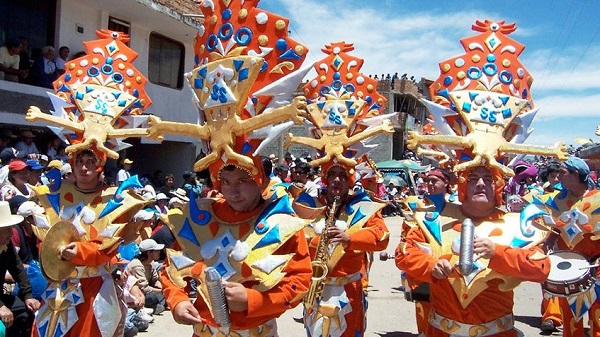
The Callao Carnival A Burst of Gold, Rhythm, and Tradition

The Cultural Heartbeat of Bolívar State

In the mining heart of Venezuela, where gold dictates the pulse of the land, an annual celebration arises that transcends simple festivity: The Callao Carnival.

This is not merely a costume party; it is a living chronicle of resistance, cultural fusion, and joy that has echoed through Bolívar State for over a century. Declared a UNESCO Intangible Cultural Heritage of Humanity in 2016, this festival is the result of a fascinating blend of West Indian, African, and European cultures.

El Carnaval de El Callao de Venezuela, Patrimonio Inmaterial de la Humanidad

A Journey to the Roots: The Origins of Calypso

The history of this carnival is intrinsically linked to the 19th-century gold rush. Immigrants from the British and French West Indies (Trinidad, Grenada, Saint Lucia) brought with them their languages (patois), their cuisine, and, above all, their music: calypso.

Unlike Trinidadian calypso, Callao Calypso developed its own distinct identity. It is sung in both English and Spanish, accompanied by the bumbac drum, the rallo (metal scraper), the bell, and the Venezuelan cuatro, creating a contagious rhythm that narrates the hardships and hopes of the miners of that era.

Iconic Characters: Guardians of Heritage

El Carnaval del Callao. Un Estallido de Oro, Ritmo y Tradición

What makes the Callao Carnival unique is its colorful and unchanging hierarchy of characters, each carrying deep significance:

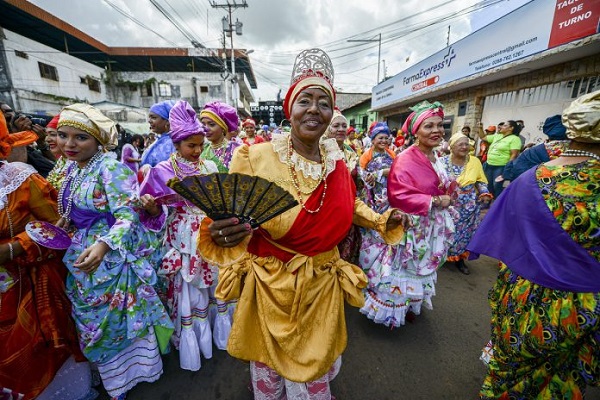
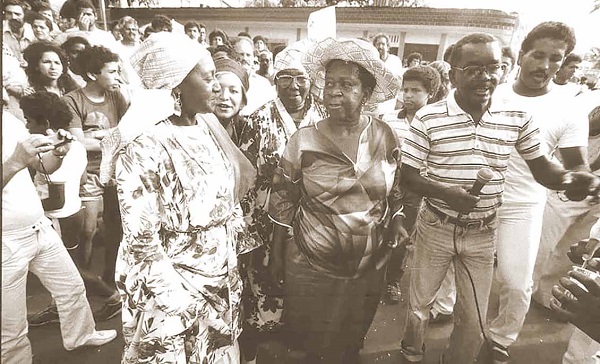
  • The Madamas: They are the central figures and pillars of the tradition. They represent the matriarchs of the West Indies, dressed in regal, brightly colored gowns, headscarves (turbans), and abundant jewelry. The figure of Isidora Agnes, the legendary “Negra Isidora,” is remembered as the great defender of this culture.
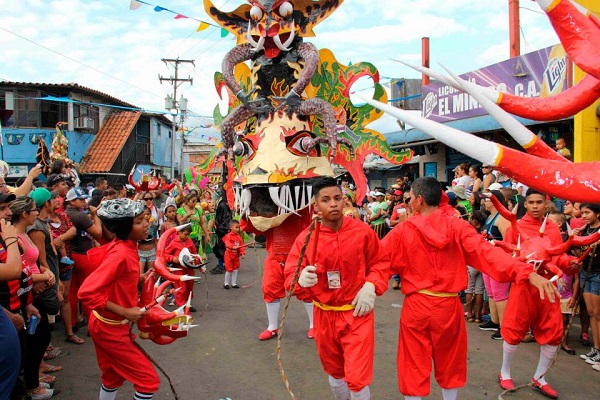
  • The Dancing Devils: Dressed in red and black, they wear impressive masks with multiple horns. Their original role was to clear the path for the parade and maintain order with their whips, symbolizing the protection of the festivities.
  • The Mediopintas: Characters who roam the streets smeared in a mixture of charcoal and molasses. With humor, they threaten to “paint” passersby unless they are given a coin (a medio).
  • The Miners: Clad in helmets and carrying tools, they pay homage to the region’s primary economic activity and the workers who founded the town.

More Than a Party: An Identity

En el corazón minero de Venezuela

The Callao Carnival is a prime example of cultural resilience. During the festivities, social barriers dissolve under the sound of the bumbac. Families prepare all year to sew costumes and rehearse songs, passing this legacy from generation to generation.

Visiting El Callao during this time is to immerse oneself in a whirlwind of energy, history, and hospitality, where every parade tells a story and every beat celebrates freedom.

Isidora Agnes: The Eternal Queen Who Turned Calypso into World Heritage.

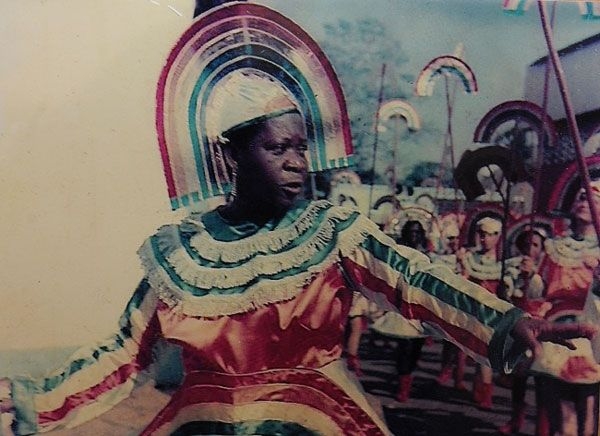
To speak of Isidora Agnes, universally known as “La Negra Isidora,” is not just to remember a figure from the past; it is to invoke the very soul of the El Callao Carnival. She was the vital force who rescued, protected, and championed this tradition until it reached its current status as a UNESCO World Heritage treasure.

Isidora Agnes La Reina del Calipso de El Calla

A Leader Forged in El Callao

Born on August 17, 1923, Isidora was much more than a festive figure. With a firm character and clear convictions, she stood out as a social leader and labor unionist. Her role as the town’s first telephone operator was no coincidence; this position allowed her to be the town’s communication hub, hearing firsthand the needs and struggles of her people.

With deep West Indian roots (the daughter of immigrants from Saint Lucia and Martinique), Isidora grew up with calypso in her blood, leading her to fiercely defend her identity at a time when the tradition was beginning to fade.

Rescuing a Fading Tradition

In the mid-20th century, the El Callao Carnival was facing an identity crisis and losing ground to outside influences. Determined not to let her heritage die, Isidora launched a cultural crusade:

  • Institutionalization: In 1954, she founded the “Friends of Calypso Association,” giving the festival a formal structure.
  • Discipline and Aesthetics: She organized the parades under strict standards of authenticity, demanding rigor in costume making and respect for traditional music.
  • National Exposure: She took calypso beyond the borders of Bolívar State. Thanks to her, Caracas and the rest of Venezuela discovered the thundering bumbac and the patois choruses.

The “Madama” Par Excellence

While the carnival features many “Madamas,” Isidora became the ultimate icon. She didn’t just wear the dress; she personified the elegance, respect, and stately joy of the figure. Her presence in the streets dictated the rhythm of the entire festival.

Beyond the Dance: Her Social Legacy

“La Negra” Isidora’s commitment didn’t end when the drums were put away. She was a tireless advocate for El Callao. It is said she never hesitated to travel to the Miraflores Palace to demand improvements from the nation’s presidents, achieving milestones such as the installation of the sewage system and the construction of the local hospital.

Isidora Agnes
Isidora Agnes

Facts That Immortalize Her Legend

  • The Carnival Anthem: The famous song “Isidora, Isidora, Isidora Callao Calipso Queen,” composed by her close friend Lulú Basanta, is considered the unofficial anthem of the festivities today.
  • A Poetic Farewell: She passed away on March 5, 1986. Ironically, it was Ash Wednesday—the day the carnival ends. She was laid to rest with state honors and, as per her final wish, to the rhythm of calypso.
  • A Date of Honor: In commemoration of her birth, every August 17th is celebrated as Municipal Calypso Day in El Callao.

Also Read: Samba el baile que despierta el Carnaval en Brasil 

Chicago International Salsa Congress

North America / USA / Chicago

Mission of the Chicago International Salsa Congress

The mission of the Chicago International Salsa Congress is to unite cultures and generations, engender leadership through empowerment opportunities in its showcase and to keep alive the history of the many cultures collaboration in the creation and evolution of Latin and Afro-Caribbean music and dance.

Chicago International Salsa Congress

The Chicago International Salsa Congress is brought to you by a special group of dedicated individuals whose energy, skills, passion and perseverance unite to bring you the number one Latin Music and Dance event in the Midwest!

In 2002 they produced the first Chicago International Salsa Congress (CISC) now in its 14th year. The CISC fosters personal awareness, develops leadership, creativity and inspires highest performance by providing emerging artists an opportunity to learn from and perform with professional artists in the congress showcase.

Schedule: Chicago International Salsa Congress

Día Horario Actividad
Jueves 2/9/17 3:00 PM – 11:30 PM Onsite Registration opens
7:30 PM Rueda Summit
8:30 PM – 9:30 PM Opening Night! Meet & Greet the STARS of the 2017 CISC
9:30 PM – 10:30 PM Dance Showcase
10:30 PM – 3:00 AM CISC Concert Series featuring Carpacho y Su Super Combo!
Viernes 2/10/17 9:00 AM – 4:30 PM Onsite Registration
9:30 AM – 3:30 PM Workshops
4:00 PM – 5:30 PM Emerging Artist Showcase / Chicago Midwest Salsa & Bachata Open Competition (Elimination)
5:30 PM – 7:30 PM Youth Performance Challenge w/Natasha Silva
6:00 PM – 8:00 PM Kizomba Bootcamp with Philippe & Upa Danca
6:30 PM – 11:30 PM Onsite Registration
8:00 PM – 10:00 PM Dance Showcase
10:30 PM – 3:00 AM CISC Concert Series: Tromboranga / Bachata Ballroom / Kizomba Party!
Sábado 2/11/17 9:00 AM – 4:30 PM Onsite Registration
9:30 AM – 3:30 PM Workshops
4:00 PM – 5:30 PM Emerging Artist Showcase
5:30 PM – 7:30 PM Youth Performance Challenge w/Natasha Silva
6:30 PM – 11:30 PM Onsite Registration
8:00 PM – 10:00 PM Dance Showcase
10:30 PM – 3:00 AM CISC Concert Series: Jimmy Bosch with Yoko, La Japonesa Salsera! / Bachata & Kizomba
Domingo 2/12/17 9:00 AM – 4:30 PM Onsite Registration
9:30 AM – 3:30 PM Workshops
12:00 PM – 2:00 PM Youth Performance Challenge w/Natasha Silva
4:00 PM – 5:30 PM Emerging Artist Showcase / Chicago Midwest Salsa & Bachata Open (Finals)
6:30 PM – 11:30 PM Onsite Registration
8:00 PM – 10:00 PM Dance Showcase
10:30 PM – 3:00 AM CISC Concert Series: Herman Olivera with Nelson Gonzalez / Bachata & Kizomba
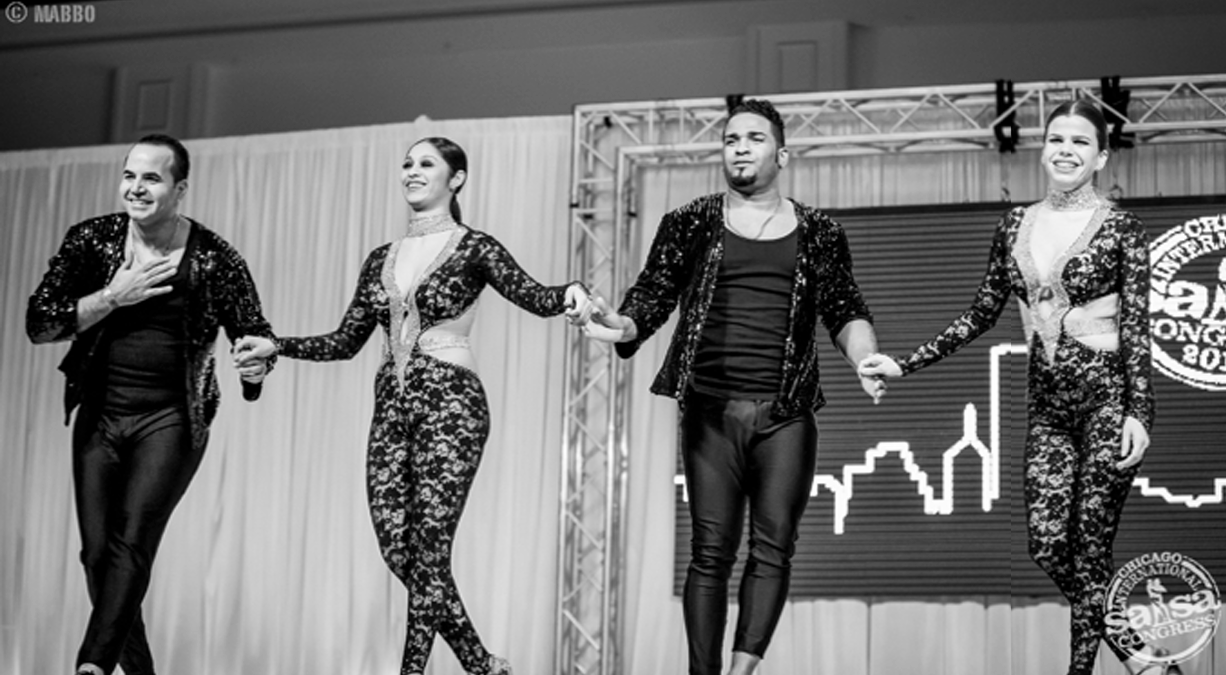
Photo 1: Chicago International Salsa Congress

INSTRUCTORS

Enjoy 3 days of over 70 workshops covering Beginner, Intermediate and Advanced levels of dance styles, movement and musicality. The instructors are from American and European continent to don’t stop dancing.

PERFORMERS

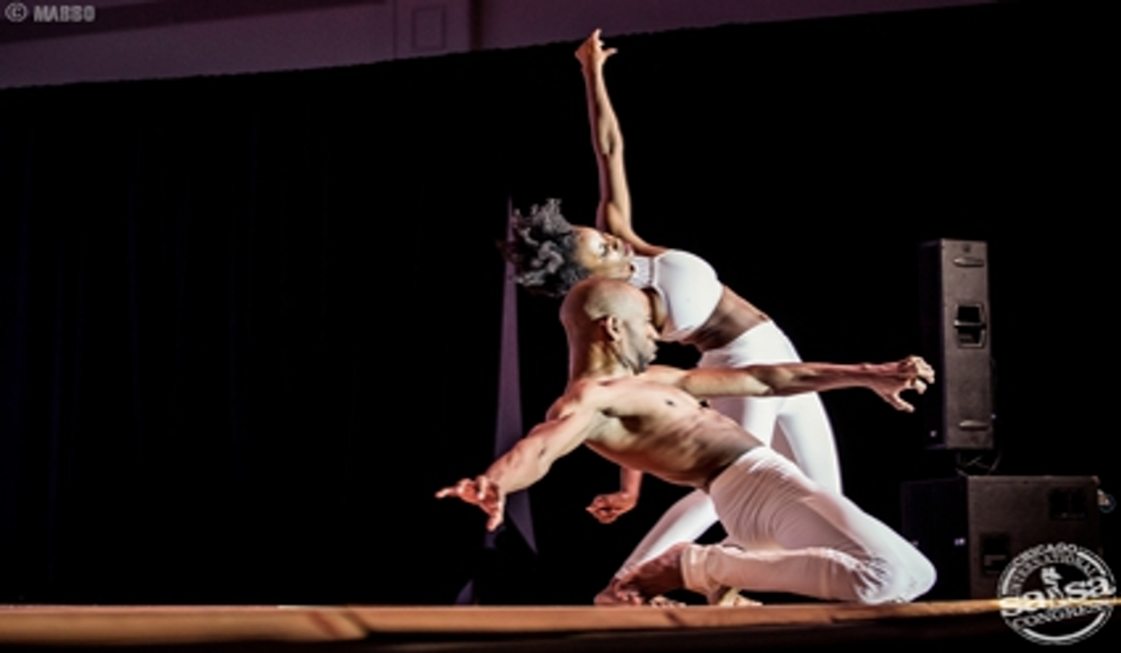
The CISC produces seven Dance Showcases to excite your senses and inspire your creativity. Featuring world-class dancers from near and far, you will be captivated as we unleash their talents on the stage. The shows include our Matinee Emerging Artists Showcases at 4:00PM and World Class Dance Spectacular at 8:00PM featuring national and international performers.

LIVE MUSIC

CICS will present an unforgettable dancing experience in an elegant Grand Ballroom where Latin Music’s top artists and salseros connect. Enjoy four nights of non-stop dancing on our spacious dance floor until 3:00 AM to the hottest sounds of yesterday and today. The Chicago International Salsa Congress Concert Series is unmatched in celebrating Latin Music’s timeless presence in honoring the legendary pioneers while inviting a forward vision as new, young artists take up the torch and carry it forward.

Photo 2: Chicago International Salsa Congress

TROMBORANGA SALSA ORCHESTRA

As part of the new generation of independent latin orchestras, Tromboranga is the pure essence of “Salsa Dura”. Tromboranga’s spicy ingredients are the trombones sound, solid and strong percussion, and they recover the essence of “soneos” (voice improvisation among the chorus). With influences from the salsa music from the 60s and 70s, maintaining a raw, strong and a very danceable sound.

His original songs like “Humildad”, “Palo pa la campana”, “Amigo el ratón”, “Adios que te vaya bien”, talks about stories that can describe the life of any of us, and they have become number one in Latin radios and dance floors worldwide. Tromboranga is made up of musicians from the Caribbean and Europe, all residents of Barcelona, Spain.

JIMMY BOSCH

(18 October 1959, Jersey City, New Jersey), known also “El Trombón Criollo”, is a trombonist, composer and producer of Afro-Cuban jazz, salsa and Cuban music.

At thirteen he was already part of different local bands of Latin music. At age 18, while studying classical music at Rutgers University, he meets Manny Oquendo and joins his band. He plays with Manny Oquendo about two decades; then comes to work with Marc Anthony. In 1996 he created his own band, “Los Masters”, with whom he recorded two albums. He has his own record label, JRGR Records.

Photo 3: Chicago International Salsa Congress

YOKO LA JAPONESA SALSERA

Born in Osaka, Japan, Yoko Mimata began her artistic career at the age of fifteen as a vocalist in a rock band her native Osaka. Las Estrellas, a salsa band composed of former members of the famous Japanese orchestra “Orquesta de la Luz”, invited Yoko to join them as lead vocalist.

Subsequently, in 1997, settled in the Big Apple, city in that began to venture into the salsero environment. Her great debut took place at the Salsa Congress in New York in 2006, where she performed with the orchestra Chino Nuñez and Friends. Later she became the lead vocalist and participated in the recording of the second album by Chino Nuñez, “Dr. Salsa”; In which she sings duet with Ray Sepulveda “Hoy les cantamos”.

NELSON GONZÁLEZ

(Born May 30, 1948) is a Puerto Rican tres player. He specializes in the Cuban tres, and only occasionally plays the Puerto Rican tres (similar to the cuatro). He is a prolific session musician and has been a member of renowned salsa ensembles such as Fania All-Stars, Orchestra Harlow and Típica 73. He has authored a book on the tres guitar method published by Mel Bay. Together with Pancho Amat and Papi Oviedo he is considered one of the most influential modern tres players.

Photo 4: Chicago International Salsa Congress

HERMAN OLIVERA

He is a salsa singer from Newark, New Jersey. Born to Puerto Rican parents, he began his career in New York City where he earned his reputation as a “sonero,” that is, an expert in the demanding art of lyric extemporization. In a genre overrun by pop-oriented singers, Herman’s musicality and mastery in this regard garnered him the sobriquet of “El Sonero del Siglo XXI”. Today Herman counts among the most in-demand and hardworking salsa singers around. His voice literally permeates the sound of hard-hitting salsa from the 1980s to the present-with album credits with the likes of Tito Puente and Eddie Palmieri, among many others where he has contributed to the continued vitality and development of the sonero tradition.

DJS

The fifteen DJs at this year’s congress will definitely get your feet, hips, shoulders, and everything else grooving on the dance floor with the best Salsa, Mambo, Cha Cha Cha on the planet!!!

VENUE INFORMATION

HYATT REGENCY O’HARE is just 5 minutes from O’Hare airport with a free shuttle. Easy access by train or car. Beautifully appointed guest rooms, great amenities and nearby shopping and dining make this a perfect getaway for your CISC weekend.

Photo 5: Chicago International Salsa Congress


  • « Go to Previous Page
  • Page 1
  • Interim pages omitted …
  • Page 4
  • Page 5
  • Page 6
  • Page 7
  • Page 8
  • Interim pages omitted …
  • Page 65
  • Go to Next Page »

International Salsa Magazine (ISM) is a monthly publication about Salsa activities around the world, that has been publishing since 2007. It is a world network of volunteers coordinated by ISM Magazine. We are working to strengthen all the events by working together.