• Skip to primary navigation
  • Skip to main content

International Salsa Magazine

  • Home
  • Previous editions
    • 2025
      • ISM / November 2025
      • ISM / October 2025
      • ISM / September 2025
      • ISM / August 2025
      • ISM / July 2025
      • ISM / June 2025
      • ISM / May2025
      • ISM / April 2025
      • ISM / March 2025
      • ISM / February 2025
      • ISM / January 2025
    • 2024
      • ISM / December 2024
      • ISM / November 2024
      • ISM / October 2024
      • ISM / September 2024
      • ISM / August 2024
      • ISM / July 2024
      • ISM / June 2024
      • ISM / May 2024
      • ISM / April 2024
      • ISM / March 2024
      • ISM / February 2024
      • ISM / January 2024
    • 2023
      • ISM / December 2023
      • ISM / November 2023
      • ISM / October 2023
      • ISM – September 2023
      • ISM – August 2023
      • ISM July 2023
      • ISM Edition June 2023
      • ISM – May 2023
      • ISM April 2023
      • ISM March 2023
      • ISM February 2023
      • ISM January 2023
    • 2022
      • ISM December 2022
      • ISM November 2022
      • ISM October 2022
      • ISM September 2022
      • ISM August 2022
      • ISM July 2022
      • ISM June 2022
      • ISM May 2022
      • ISM February 2022
      • ISM January 2022
    • 2021
      • ISM December 2021
      • ISM November 2021
      • ISM October – 2021
      • ISM September 2021
      • ISM August 2021
      • ISM July 2021
      • ISM May 2021
      • ISM April 2021
      • ISM June 2021
      • ISM March 2021
      • ISM February 2021
      • ISM January 2021
    • 2020
      • ISM December 2020
      • ISM November 2020
      • ISM October 2020
      • ISM September 2020
      • ISM August 2020
      • ISM July 2020
      • ISM June 2020
      • ISM May 2020
      • ISM April 2020
      • ISM March 2020
      • ISM February 2020
      • ISM January 2020
    • 2019
      • ISM December 2019
      • ISM November 2019
      • ISM October 2019
      • ISM Septembre 2019
      • ISM August 2019
      • ISM July 2019
      • ISM June 2019
      • ISM May 2019
      • ISM April 2019
      • ISM March 2019
      • ISM February 2019
      • ISM January 2019
    • 2018
      • ISM December 2018
      • ISM November 2018
      • ISM October 2018
      • ISM September 2018
      • ISM August 2018
      • ISM July 2018
      • ISM June 2018
      • ISM May 2018
      • ISM April 2018
      • ISM March 2018
      • ISM February 2018
      • ISM January 2018
    • 2017
      • ISM December 2017
      • ISM November 2017
      • ISM October 2017
      • ISM September 2017
      • ISM August 2017
      • ISM July 2017
      • ISM June 2017
      • ISM May 2017
      • ISM April 2017
  • Download Salsa App
    • Android
    • Apple
  • Spanish

Search Results for: Grammy nomination

Flora Purim has earned her two Grammy nominations for Best Female Jazz Performance

Flora Purim (born March 6, 1942 in Rio de Janeiro) is a Brazilian jazz singer known primarily for her work in the jazz fusion style.

Airto Moreira, Flora Purim y Carlinhos Noronha

She was featured for her part on Chick Corea’s landmark album Back to Eternity.

She has recorded and performed with many artists, including Stanley Clarke, Dizzy Gillespie, Gil Evans, Stan Getz, the Grateful Dead, Santana, Jaco Pastorius, and her husband Airto Moreira.

Flora Purim’s voice has earned her two Grammy nominations for Best Female Jazz Performance and Down Beat magazine’s Best Female Singer award four times.

Her musical partners include Gil Evans, Stan Getz, Chick Corea, Dizzy Gillespie and Airto Moreira, with whom she has collaborated on more than 30 albums since moving with him from her native Rio to New York in 1967.

In New York, she and Airto became the center of the period of musical expression and creativity that produced the first commercially successful “Electric Jazz” groups of the 1970s.

Blue Note artist Duke Pearson was the first American musician to invite Flora to sing with him on stage and on record.

She then toured with Gil Evans, about whom she says, “This guy changed my life. He gave us a lot of support to do the craziest things.

This was the beginning for me. Her reputation as an outstanding performer earned her work with Chick Corea and Stan Getz as part of the New Jazz movement that also contained the nurturing influence of saxophonist Cannonball Adderley.
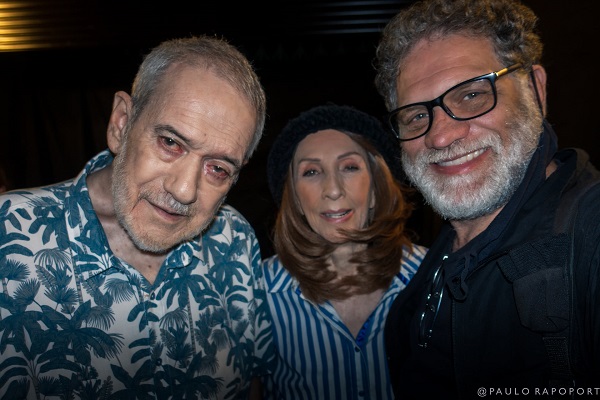
Airto Moreira, Flora Purim e Paulo Rapoport Popó

Soon after, Flora began to seriously re-educate discriminating musical minds after joining with Chick Corea, Stanley Clarke and Joe Farrell to form Return To Forever in late 1971.

Two classic albums resulted – Return to Forever and Light as a Feather nodal points in the development of jazz fusion.

Flora’s first solo album in the United States, Butterfly Dreams, released in 1973, immediately placed her among the top five jazz singers in Down Beat magazine’s jazz poll.

In the mid-1980s, Flora and Airto resumed their musical collaboration to record two albums for Concord – Humble People and The Magicians – for which she received Grammy nominations.

In 1992 she went further by singing on two Grammy winning albums – Planet Drum with Grateful Dead drummer Mickey Hart (Best World Music Album) and the Dizzy Gillespie United Nations Orchestra (Best Jazz Album).
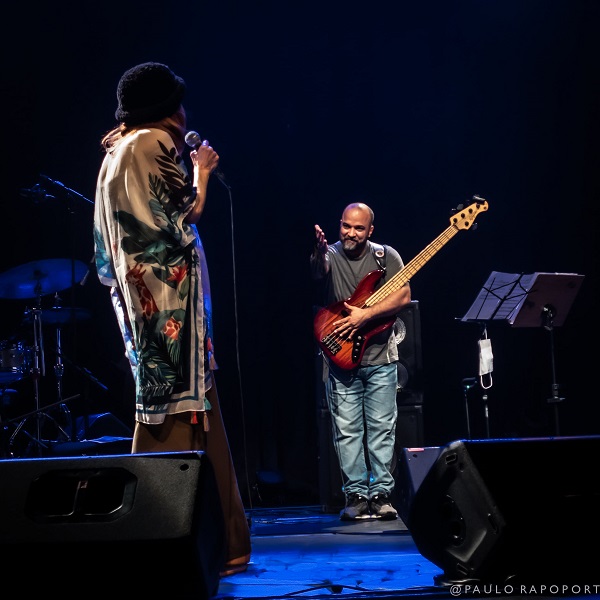
Flora Purim y Carlinhos Noronha

The launch of the Latin jazz band Fourth World in 1991, featuring Airto, new guitar hero Jose Neto, and keyboard and reeds leader Gary Meek, marked a new era in Flora’s career.

The band was signed to the British jazz label B&W Music, and Flora consciously set out to win over the next wave of listeners.

Flora’s 1995 album Speed of Light, with major writing and performance contributions from Chill Factor and Flora’s daughter Diana Purim Moreira, makes the connection between her experimental beginnings with Chick Corea and Gil Evans and the new “head” music being produced by jazz musicians in the London and New York hip hop scenes.

Flora Purim Open Your Eyes You Can Fly (1976)

Flora Purim Open Your Eyes You Can Fly (1976)

1- Open Your Eyes, You Can Fly (Chick Corea-Neville Potter)

2-Time’s Lie (Chick Corea-Neville Potter)

3- Sometime Ago (Chick Corea-Neville Potter)

4-San Francisco River (Airto Moreira-Purim Purim)

5-Andei “I Walked” (Hermeto Pascoal)

6-Ina’s Song “Trip to Bahia” (Flora Purim)

7-Conversation (Hermeto Pascoal)

8-Medley: White Wing/Blank Wing (Hermeto Pascoal-Flora Purim).

arrangements:

Hermeto Pascoal (4.5.7.

Egberto Gismonti (4)

Flora Purim (6)

The whole group (1.2.3)

01-David Amaro – electric guitar

George Duke – electric piano

Alfonso Johnson – electric bass

Ndugu (Leon Chancler) – drums

Background vocals: Flora, David Amaro, George Duke, Hermeto Pascoal

Instrumental solo: David Amaro (electric guitar)

02-Hermeto Pascoal – flute

David Amaro – acoustic guitar

George Duke – electric piano, ARP sequence,

ensemble synthesizer

Alfonso Johnson – electric and acoustic bass – Alfonso Johnson – electric and acoustic bass

Ndugu – drums

Airto Moreira – percussion

Instrumental solo: Hermeto Pascoal (flute), Nudgu (drums)

03-Hermeto Pascoal – flute

David Amaro – electric guitar

George Duke – electric piano, ARP sequence,

ensemble synthesizer

Alfonso Johnson – electric bass

Ndugu – drums

Airto Moreira – percussion

Laudir de Oliveira – congas

Instrumental soloist: Hermeto Pascoal (flute), David Amaro

(electric guitar)

04-Hermeto Pascoal – flute, electric piano

Egberto Gismonti – acoustic guitar

David Amaro – electric guitar

George Duke – moog synthesizer

Alfonso Johnson – electric bass

Ron Carretero – acoustic bass

Robertinho Silva – drums

Instrumental duet: Hermeto Pascoal (flute) and George Duke

(synthesizer

05-Hermeto Pascoal – flute, electric piano

David Amaro – electric guitar

George Duke – moog synthesizer, clavinet

Alfonso Johnson – electric bass

Airto Moreira – percussion

Robertinho Silva – drums, berimbauduet

vocal: Flora Purim and Airto Moreira

Instrumental duet: Hermeto Pascoal (flute), George Duke (flute), George Duke

(synthesizer), David Amaro (electric guitar)

06 -Hermeto Pascoal – electric piano

David Amaro – electric guitar

George Duke – moog, ARP Odyssey and ARP Odyssey sequences, ARP synthesizer

ARP, ensemble synthesizer

Alfonso Johnson – electric and acoustic bass – Alfonso Johnson – electric bass and acoustic bass

Robertinho Silva – drums, percussion

Laudir de Oliveira -congas

Instrumental solo: Georrge Duke (ARP synthesizer)

Odyssey)

07-Hermeto Pascoal – electric piano

David Amaro – electric guitar

George Duke – ARP sequences ensemble and moog synthesizer

moog synthesizer

Alfonso Johnson – acoustic bass

Airto Moreira – percussion

08-Hermeto Pascoal – electric piano, pipe, harpsichord,

whistling, percussion (seven-up bottles)

Egberto Gismonti – acoustic guitar

Ron Carretero – acoustic bass

Alfonso Johnson – electric bass

Airto Moreira – percussion, drums, berimbau

Robertinho Silva – percussion, berimbauduet

vocal: Flora Purim and Airto Moreira

Instrumental solo: Hermeto Pascoal (harpsichord and whistle)

Information realized (March 28, 2008)

Sources:

L’Òstia Latin Jazz 

Flora Purim

Also Read: Samuel Quinto Feitosa is a Brazilian virtuoso jazz and classical pianist

Argentine tango bassist and Latin Grammy winner Pedro Giraudo returned to his roots

Latin Grammy winner Pedro Giraudo spoke exclusively to us for International Salsa Magazine, so we are very pleased to bring you the best of our conversation with the Argentinian bassist and composer. Next, these are the highlights of his beginnings and his exciting career in his native country and in the United States, where he currently resides.

Pedro Giraudo posing
Argentine bassist Pedro Giraudo posing for the camera

Pedro’s beginnings in music

Pedro comes from a family of musicians. In fact, his father was a bandleader and his mother sang in a choir, so he was surrounded by music practically since he was born. He has memories of him watching his parents rehearse and play instruments when he was very young, so he was always very familiar with this kind of thing.

During his adolescence, he performed recitals with various ensembles, some of which played classical music, jazz, and tango. His professional advancement was very gradual, but he was doing some activities that prepared him for what was to come years later.

His love for this world grew so big that, once he turned 19, he moved to the United States precisely to study music and learn everything he could about what can be expressed through it. His musical interests initially focused on jazz, but that changed over time. 

Already at the end of his last year in college in New York, he was working regularly with various groups of different genres.

Interest in tango

Although, as we have said, Pedro comes from Argentina, he had not been particularly interested in tango at first, but his numerous trips around the world made him feel a little uprooted and detached from his beginnings. For this reason, nostalgia made him reconnect with the traditional music of his homeland. In addition, the fact that he was Argentinean encouraged many groups to call him, even though his knowledge of tango was not yet very deep at that time.

After giving himself the opportunity to play tango more formally, he also set to work to study it much more to learn about its most famous composers, its various styles, its ways to write music in the genre, among other things. In addition to that, he started to transcribe a lot of music to know what it sounded like in different styles and to gain practice. 

This path eventually led the artist to become part of many tango bands and even to lead some ensembles.

Pedro and friends
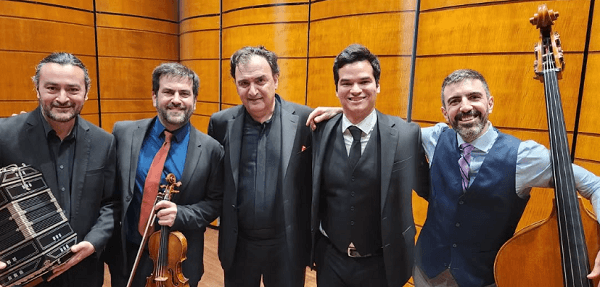
Pedro Giraudo, pianist Ahmed Alom, symphonic director Sergio Alessandro Bušlje, violinist Sami Merdinian, and accordionist Javier Sanchez

Groups Pedro was in

Pedro’s main goal in arriving in the United States was to become a double bassist, and after finally achieving it, he graduated from college and started to explore his role as a composer and leader of his own ensemble. From there, the band varied for characteristics and changed members and in size over the next 15 years. The last thing was a 17-piece big band.

Then, in the year 2014, due to the death of a great friend, Argentine pianist Octavio Brunetti, the Lincoln Center for The Performing Arts asked him to lead an event to celebrate his life and music. Therefore, in 2015, the musician started his tango project, which he would name Pedro Giraudo Tango Quartet, taking this request as a starting point. 

Today, he focuses all his efforts on tango ensembles, although he does recognize that he is increasingly angling for the classical side. For example, for his latest album, Pedro used a symphony orchestra, and since the last few months, he has been conceiving his next project with a chamber orchestra. 

Great collaborations in his career

Throughout his career, Pedro has been able to work with great music glories such as Paquito D’ D’Rivera, Rubén Blades, Pablo Ziegler, William Cepeda, and many others. One of the nicest things about this work for the Argentine is that he is always surrounded by very talented people from whom he can learn a lot.

One of them was bandoneonist Hector Del Curto, who was one of the first people Pedro started playing tango with in New York. Del Curto, in turn, had the great honor of playing with the greats of the golden age of Argentine music, such as Osvaldo Pugliese. 

It was through Hector that Pedro was able to meet and play with Pablo Ziegler, who was the principal pianist of Astor Piazzolla’s Second Quintet and greatly influenced the way tango is played on the piano. In fact, playing along with him on the double bass was an experience of which he learned so much, which he appreciated. 

Pedro and his Grammy
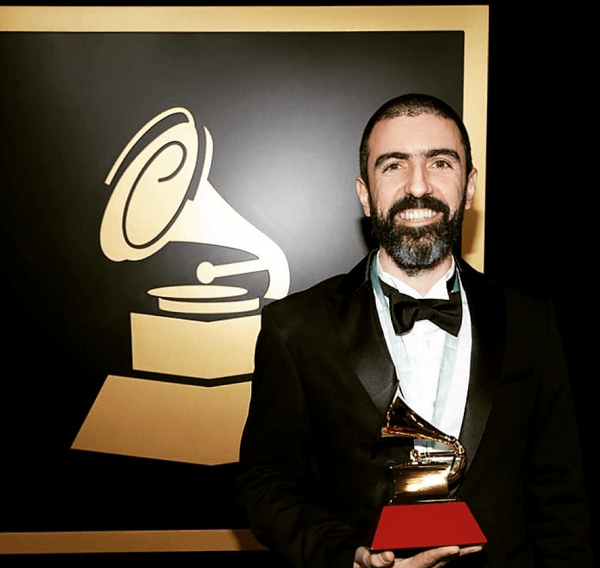
Pedro Giraudo holding his Latin Grammy in Las Vegas

In the case of William Cepeda, the artist made some arrangements for him and he received many valuable lessons from him, such as the importance of keeping musicians engaged with sheet music to prevent them from getting too lax. It was also with Zepeda that he made his first arrangements for a symphony orchestra.

On the other hand, Paquito taught him how to be a practical musician and to make perfect, well done arrangements for any occasion. 

Latin Grammy winner

Pedro is fortunate to be a Latin Grammy winner thanks to his album “Vigor Tanguero” in the category Best Tango Album in 2018. When we asked him about his experience, the double bassist said that there are some details he does not fully understand, such as the elements taken into consideration when voting for an artist in a category. However, that did not overshadow the joy of winning such an important award.

He says his victory was a surprise. At the time, he remembers being on tour with Pablo Ziegler, and after a four-hour rehearsal, his phone had about 40 missed calls congratulating him, while he did not even know that the nominations were being announced that day. To his amazement, he was included.

The final event was in Las Vegas, where Pedro finally heard his name and felt a total joy and pride for all he had achieved. In this respect, he said, “I’m not a person who collects awards, but this is a recognition I’m very proud of, to be honest.”

Read also: French flamenco dancer Fanny Ara lets us know the most important details of her career

19va Entrega Anual de los Latin Grammy

North America / USA / Las Vegas

19th Annual Latin Grammy Awards. The most important award ceremony of the Latin American Music Industry will be held for the fourth time in Las Vegas, Nevada

The main international event in Spanish that brings together the best of Spanish-speaking music reaches its nineteenth live broadcast, from the MGM Grand Garden Arena in Las Vegas, Nevada for the fourth time, to reward and honor the achievements of professionals of music throughout the year. The ceremony of the 19th Latin Grammy Awards is here, and on November 15 you will be able to enjoy it through the Univisión signal for the United States and with the #LatinGrammy you will be able to follow it minute by minute during its three hours of transmission by all social networks.

19 Latin Grammy Nominaciones
The most important night of Latin music 19 Latin Grammy
Congratulations Latin Grammy Nominees

Each year the Latin Recording Academy awards recognition to Latin music in 49 categories for work recorded in two languages: Spanish and Portuguese. This prestigious institution also endorses musical genres, identifies new talent, recognizes legendary living artists, and preserves and archives both recordings and videos in order to preserve the valuable Latin American musical culture.

The global impact that Spanish-language recordings have caused this 2017-2018 has proven once again that this year each category will be close to its maximum exponential, which shows that MUSIC made by Latinos has an enormous export capacity, and further evidence that the Latin Grammy awards continue to be one of the specials with the largest audience in the country, as it integrates the largest audience of diverse generations united to witness the annual event with the greatest presence of artistic talent gathered in the same show.

FOR THIS 19TH AWARD OF THE LATIN GRAMMYS, THE NOMINEES ARE:

BEST SALSA ALBUM

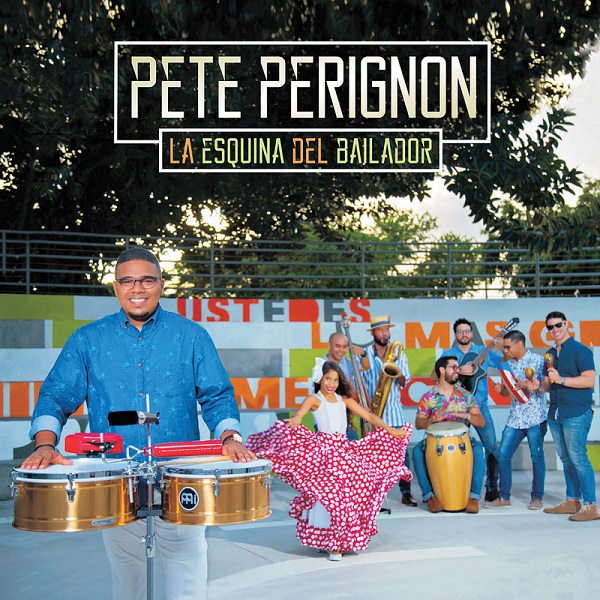
  1. Dancer’s Corner

Pete perignon

Record Label: Pete Perignon Music

“La Esquina Del Bailador” is the second production by musical director and master percussionist, Pete Perignon. This album contains five unreleased singles and five re-interpretations of classics. “Gotita Falling in Key” was his first promotional theme. This album released in 2017 has versions of classics with modern arrangements such as: “De Mi Para Ti” (Bossa recorded by Tito Puente and Santos Colón), “El Beso Discreto” original from the Cuban songbook Trio Matamoros, among many other original songs and versioned

Pete Perignon
Pete Perignon
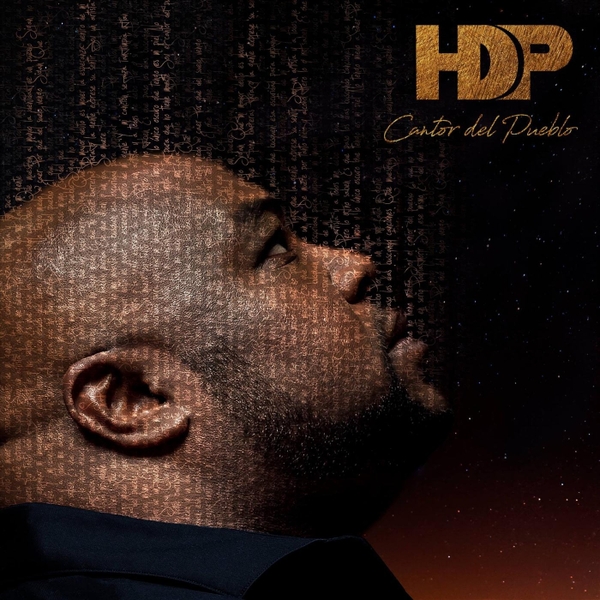
  1. Village Singer

Alexander Abreu and Havana D’ Primera

Record Label: Páfata Productions

Alexander Havana D Primera - Cantor del Pueblo
Alexander Havana D Primera – Cantor del Pueblo
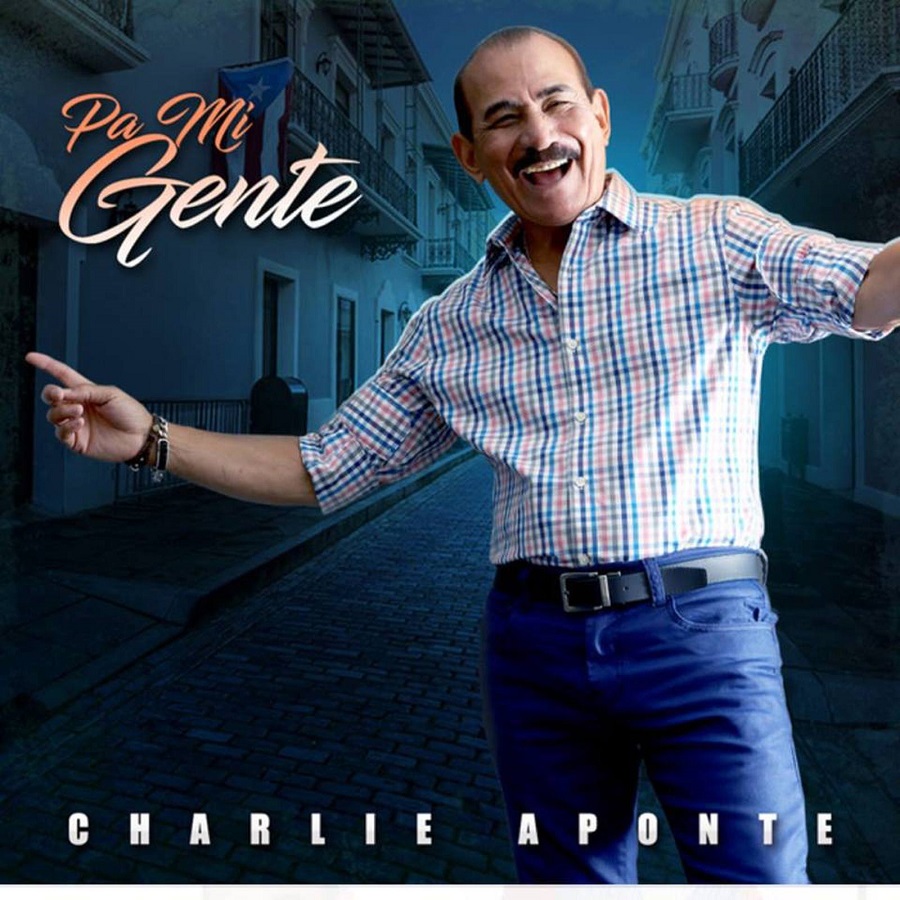
  1. For My People

Charlie aponte

Record Label: CA Records Inc.

Charlie Aponte
Charlie Aponte
  1. The Sound Makers

Chiquito Team Band

Record Label: Planet Records

Chiquito Team Band - Los Creadores
Chiquito Team Band – Los Creadores
  1. 7/25

Victor Manuelle

Record Label: Sony Music Latin

Victor Manuelle y Juan Luis Guerra

BEST TRADITIONAL TROPICAL ALBUM

  1. To Me What – Tribute To The Cuban Classics

José Alberto El Canario & The Santiaguero Septet

Record Label: Los Canarios Music

In this category, the Septeto Santiaguero, originally from Cuba, is nominated for its fourth album “A Mí Qué- Tributo A Los Clásicos Cubanos”. This ensemble founded in 1995 recorded this production in the company of the Dominican interpreter José Alberto “El Canario” and other music stars. This record material has 13 Tracks and was released on May 25, 2018.

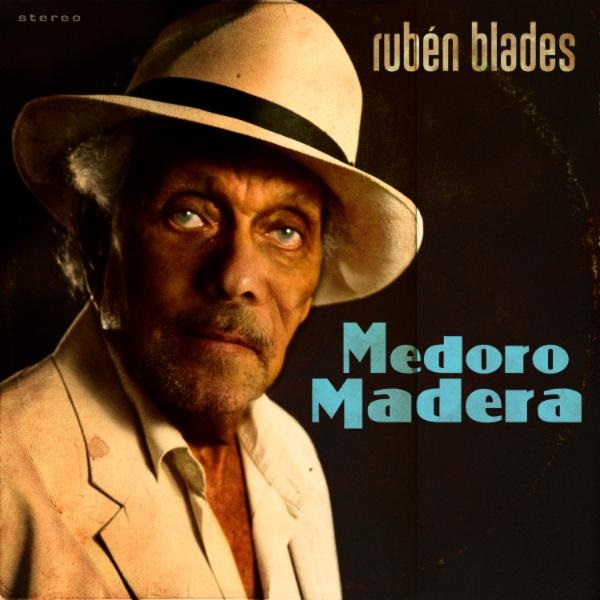
  1. Medoro Madera

Rubén Blades With Roberto Delgado and Orchestra

Record Label: Ruben Blades Productions

Medoro Madera
Medoro Madera
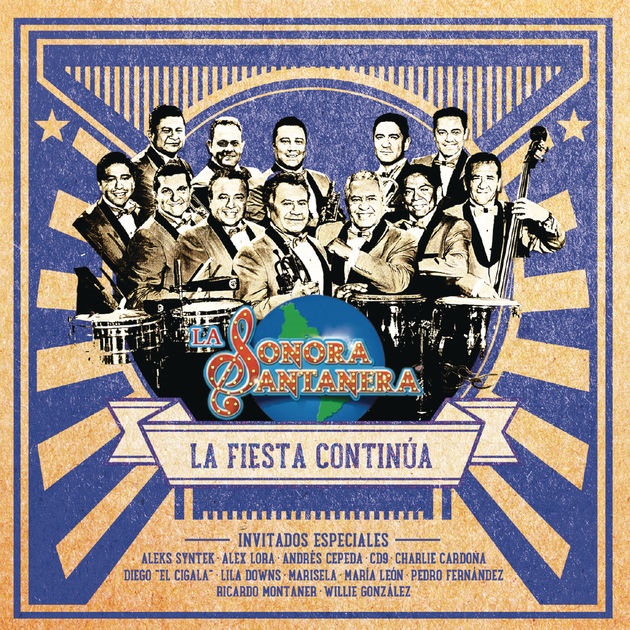
  1. The Party Continues

The Sonora Santanera

Record Label: Sony Music

Sonora Santanera
Sonora Santanera
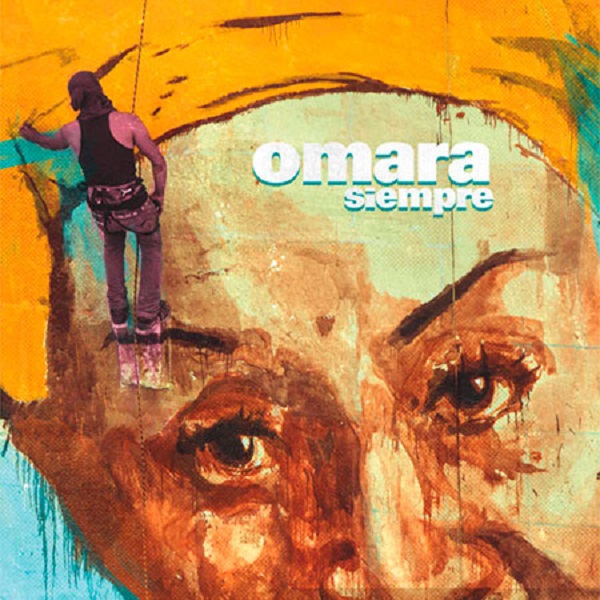
  1. Omara Always

Omara Portuondo

Record Label: Egrem

Omara
Omara
  1. Reasons

Maria Rivas

Record Label: Angel Falls Artists Inc.

Maria Rivas
Maria Rivas

BEST TROPICAL SONG

  1. I want time

Juan Carlos Luces & Víctor Manuelle, songwriters (Víctor Manuelle Featuring Juan Luis Guerra)

Cut off: 7/25

Record Label: Sony Music Latin

Victor Manuelle 25/7

The prominent Puerto Rican singer-songwriter and producer, Víctor Manuelle, began his professional career in 1993, and to date has sold millions of records worldwide. He has earned 16 LATIN GRAMMY and GRAMMY nominations, thus establishing himself as one of the most admired artists of his generation. He has placed 46 singles on Billboard’s weekly Hot Latin Songs chart. Eleven of his albums have reached the place of honor in the Salsa genre for sales in the United States and Puerto Rico.

His hit “Imaginar” (2016) as a duo with urban artist Yandel, broke records, reaching #1 on the tropical charts thanks to his fusions of salsa with urban rhythms. In addition, it was named the most popular tropical song of that year, marking the third time that Víctor has obtained this important recognition, after his hits “Me Da Lo Mismo” and “ Tengo Ganas”.

Tonny Succar
Tonny Succar

In this 2018, Víctor celebrates his silver anniversary as a professional artist with his new record label “25/7” under the Sony Music Latin label. This album nominated for best Salsa album features collaborations with international artists, such as: Wisin, Bad Bunny, Juan Luis Guerra, Gilberto Santa Rosa and Glenn Monroig. The single “Quiero Tiempo” taken from this production is designated as one of the candidates to win the award in this important category.

  1. Marry Me

Silvestre Dangond, Nicky Jam, Juan Medina, Mauricio Rengifo & Andrés Torres, songwriters (Silvestre Dangond Featuring Nicky Jam)

Record Label: Sony Music Entertainment US Latin

Marry Me Silvestre Dangond ft Nicky Jam
  1. Fall in love dancing

Jorge Luis Piloto, songwriter (Reynier Pérez y Su Septeto Acarey Featuring Gilberto Santa Rosa)

Cut from: Fall in Love Dancing

Record Label: Independent

SEPTETO ACAREY
SEPTETO ACAREY
  1. I fall more in love with you

Jorge Luis Piloto, Jean Rodríguez & Tony Succar, songwriters (Tony Succar Featuring Jean Rodríguez)

Record Label: Unity Entertainment

  1. Simple Hearts

Fonseca, Mauricio Rengifo & Andrés Torres, songwriters (Fonseca)

Record Label: Sony Music Latin


BEST LATIN JAZZ/JAZZ ALBUM

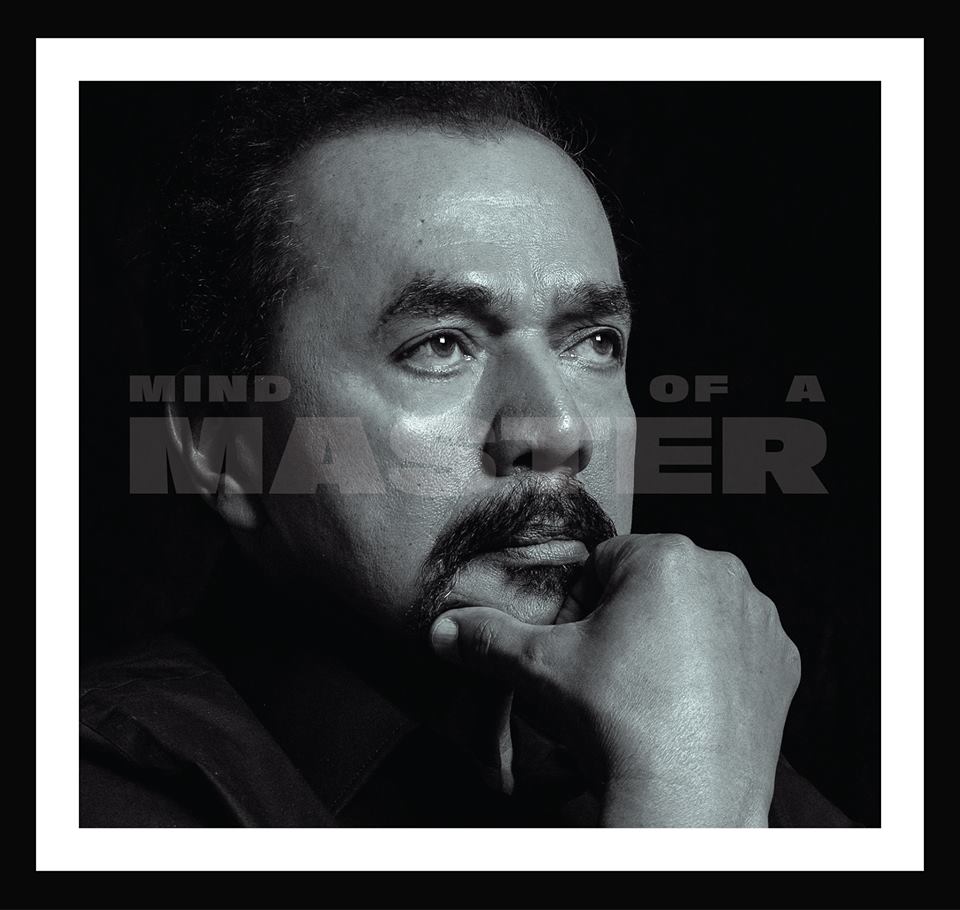
  1. Mind of a Master

Bobby Valentin & The Latin Jazzists

Record Label: Bronco Records

Bobby Valentin
Bobby Valentin
Tracks:
1. De Nuevo a la Carga 7.El Cumbanchero
2. Latin Gravy 8.Mellow Funk
3.Orocoa 9. Endless Love
4.Smooth Ride 10.Freedom
5.Blast Off 11. God Bless the Child
6. Coco Seco  


Roberto Valentin, better known as Bobby Valentin, was born on June 9, 1941 in the town of Orocovis on the island of Puerto Rico. At a very young age, Bobby learned to play the guitar thanks to the teachings of his father. At just 11 years old, he formed his first musical trio with which he won his first prize, after participating in a local competition. In 1963 Bobby Valentin joined the Tito Rodríguez orchestra traveling to Venezuela twice.

This phenomenal bass player and arranger belonged to the Fania All Stars for 20 years and also arranged music at the same time for celebrities such as: Charlie Palmieri, Joe Quijano, Willie Rosario and Ray Barretto.

In 1975 he formed his own record label “Bronco Records” and released the album, “Va a la Cárcel” Vol. 1 and Vol. 2, among others.

Over the years, Bobby has made collaborations on recordings for great artists of international fame, such as: Larry Harlow, Ismael Miranda, Roberto Roena, Cheo Feliciano and the always remembered, Celia Cruz.

Likewise, Valentin has taken over the stages performing live in the United States during this year, and more recently launched his new production “Mind of a Master”, on April 14, 2018, with which he is nominated. for this important award.

  1. The House Of A Jazz Pianist

Adrian Iaies Trio

Record Label: DBN

  1. Universal Nature

Hermeto Pascoal & Big Band

Record Label: Scubidu Music

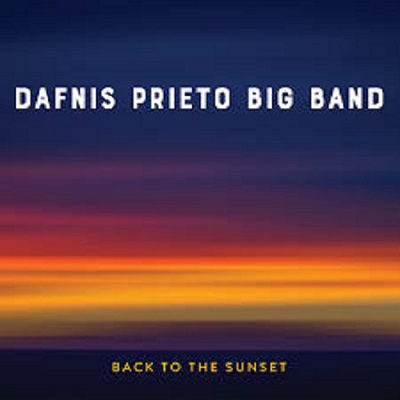
  1. Back To The Sunset

Dafnis Prieto Big Band

Record Label: Dafnison Music

PRIETO
PRIETO
  1. Jazz Flute Traditions

Nestor Torres

Record Label: Alfi Records

Nestor Torres
Nestor Torres

For more information visit the official website of the Latin Recording Academy:

https://www.latingrammy.com/en

Daniel Santacruz wins a GRAMMY®

“Larimar” gave Daniel his first Latin Grammy®

The Dominican singer made history by winning his first Latin Grammy® for his album “Larimar”, in honor of a stone that it’s used in jewelry and can be found in his country. The album has eleven tracks, and it was released in the middle of the year.

After several nominations, 2020 was his year! Also as a historical event, he shared the first place with the merenguero singer Eddy Herrera, who was nominated in the same category. Both obtained the valued award filling the Dominican people with huge pride. In fact, on their Instagram profiles they uploaded a picture celebrating.

Two Dominican Winners
Both Dominicans won the Latin Grammy in the same category.

Santacruz was nominated with his brother Manny Cruz, but on this occasion, Daniel was the lucky one. However, he didn’t hesitate to dedicate this award to him, and the rest of their family; he thanked his wife, his mother, his fans, his manager, and each of his team members.

The Grammy winner for “Best Merengue or Bachata Album”, shared a video on his Instagram Profile where he looked happy and excited. The comments of his followers were immediate, it got more than forty thousand views, and a large number of congratulations.

I’m grateful to God, to the Recording Academy, and to all those responsible for participating in this important production, that represents the sacrifices of a career and efforts of many years”, said the artist.

Santacruz was one of the artists who performed in the show. He sang to the beat of his single “Larimar”, from Dominican Republic. A band of musicians accompanied him, as well as the stunning blue sea of his country.

Larimar was the production that made him a Latin Grammy® winner, and it’s his seven production. Santacruz was also the general producer, however he had a great team of professionals who adjusted all the details. The production was in charged of Ambiorix Francisco, Israel “Mayinbito” y Richy Rojas, mastering by Andrei Fossari, and mixing by Allan Leschorn, Esbin Ramírez y Richy Rojas.

A little bit about Daniel Santacruz

The singer was born in the United States but grew up in Dominican Republic, since childhood he felt a natural inclination for music. Although, he had said that he regrets not having taken piano classes with his grandmother Zulema Victoria.

She was always pushing me to the music ‘Come to teach you music theory'”, recuerda.

Daniel Santacruz
Daniel won her first Latin Grammy.

But nevertheless, this didn’t deprive him of his abilities in the music area. He acquired his first musical interests on the island. Since very young he was interested on the songs of Juan Luis Guerra, Wilfrido Vargas y Luis Miguel.

We won a Latin GRAMMY®!!! Thank you very much to all the Academy Members to take into consideration my album #LARIMAR, that was made with all the heart and feels. This year the #merengue and the #bachata win double as well I shared this triumph with my beloved and admired brother @eddy_herrera with his album #ahora. I shared this joy with my entire work team and with all the artists, musicians, engineers, and producers that participated with me! THANK YOUUUUUUU @latingrammys”, he expressed on his social media.

For the next year he is preparing surprises and new collaborations with colleagues of the industry. Santacruz’s career is just starting, his successes won’t stop since he is so talented and has so much energy. Congratulations, Daniel!

Home

That’s how the Latin Grammys were

The 21st edition of the Latin Grammy

As expected, due to the global pandemic situation that hit us this year, the awarding of the 21st edition of the Latin Grammy was held online. In this way, neither the public nor the red carpet had participation this year. Some creatives recreated them in their homes and took the opportunity to take their respective photography.

The gala was held in the city of Miami with headquarters in other cities in Latin America. Several of the artists’ participations were also carried out under this modality.

The musical presentations were opened by the J Balvin show, one of the great favorites of the night. Who also broke a Guinness record for more nominations, surpassing the title obtained by Calle 13 in 2011. To receive his gramophone, he was dressed in black and then appeared in white. He interpreted the song “Rojo” and dedicated it to those who have had to fight against the COVID-19 virus. Balvin has recognized that this situation has affected him seriously and he has been immersed in depressive pictures.

“My heart is crying,” Balvin commented.

To the surprise of many, his heart actually turned the color of blood. His suit was dyed through some internal mechanism but leaving a large red stain on Balvin’s suit. Really, it seemed like his chest was bleeding incessantly.

J Balvin bled in the stage of the Latin Grammys

“Music humanizes us” was the theme of this year’s meeting. With the singer’s presentation, many were stunned and very sensitive. What did you think of his form of expression?
Natalia Jiménez paid tribute to Julio Iglesias, while the great Hector Lavoe also received recognition. Ricardo Montaner, Ivy Queen and Rauw Alejandro led the tribute.

Jesús Navarro, Ricardo Montaner, Victor Manuelle, Ivy Queen and Rauw Alejandro gave life to the song ‘El Cantante”’ in homage to Héctor Lavoe. Each of the interpreters, from their respective rhythms, created a perfect harmony and joined in a very emotional show. They quickly went viral and comments on social media grew by leaps and bounds. The spectators were pleased by a presentation that moved fibers.

Winners of the night

Natalia Lafourcade, Alejandro Sanz, René Residente, Mike Bahía, Ricky Martín, Caminlo, Rosalía, Bad Bunny, J Balvin, Ozuna, Carlos Vives, Grupo Niche, Eddy Herrera and Daniel Santacruz were the winners of the night. The winners’ social networks were filled with videos of celebration and appreciation. A different night but full of many emotions!

In the Mejor Canción Tropical category, singer-songwriter Carlos Vives shone with his song “Canción para Rubén Blades”, in which Blades participated as a composer. Vives was excited, he did not hesitate to thank Rubén Blades for his support.
“This award with Rubén, congratulations to all the nominees, all the participants, Kany a very big kiss, thank you Sony, thank my entire team, our producers, the artists, Andrés Leal, thank you,” he said in the middle of happiness.

In his social networks he also wanted to dedicate his award to La Academia, his country, his people, each of his followers, his wife and his entire production team. He was also shown celebrating from home, together with family and friends.

In the Mejor Álbum de Salsa category, Grupo Niche shone. Album 40 is a tribute to the group’s musical trajectory. It is the first Latin Grammy that Colombian salseros receive, after having been nominated twice, in 2001 and in 2016.

“We have won the @LatinGRAMMYs for best salsa album for ’40’ our most recent musical production. With great emotion we say to you: Salseros and Nichistas of the world, infinite Thanks! Long live Latin music, salsa, long live the teacher # JairoVarela and long live Colombia!”, They expressed on their Twitter account.

The winning album was recorded for almost a year in studios in Miami, Cali and Puerto Rico. They wanted to maintain the musical guidelines of Jairo Varela and thus remember his roots, without losing his essence.

As Mejor álbum de Merengue/Bachata we have two winners, two Dominicans. A historical event that both celebrate with great fury. Eddy Herrera and Daniel Santacruz were the lucky ones. They tied in one of the closest categories!

Two Dominican Winners
Both Dominicans won the Latin Grammy in the same category

Eddy Herrera has a long history in the genre, known as “El Galán del Merengue”. The followers of his career also celebrated this achievement, being the singer’s first Latin Grammy. “Eddy Herrera Ahora” contains some of his most recent songs.

“It is an immense joy that I also want to share with all my followers and lovers of my performances. Thank you for supporting me throughout these years where you have been faithful to my musical productions ”, he expressed.

The Dominican did not hide his happiness and dedicated himself to thanking those who have supported him during so many years of journey.

“I am extremely grateful to the entire production team, as well as my fans, who are always the impetus to keep going. To achieve this magnificent product, we had, as in other opportunities, the dedication of one hundred percent of our great team, who gave themselves with the charisma, vocation and professionalism of always, an essential symbol of our artistic productions ”, said Eddy Herrera.

For his part, Daniel Santacruz will fondly remember the day that “Larimar” made him the recipient of his first Academy Award. After several nominations, his long-awaited moment finally arrived. In fact, his brother Manny Cruz was also among the nominees.

Even though he was born in the United States, he is of Dominican descent and grew up on its streets. He learned about its culture, its influences and is very proud of its roots.
“Grateful to God, to the Recording Academy and to all those responsible for participating in this important production that represents the sacrifice of many years of career and effort,” expressed the artist.

Santacruz was also part of the singers who entertained the meeting. He appeared from Boca Chica, Dominican Republic to the rhythm of “Larimar”, the promotional song for his album.
The young Dominican posted a video on his Instagram account where he is very happy. He thanked his family, wife, mother and his brother Manny Cruz. To its engineers, musicians, fans and manager. As well as his country, the people who listen and dance bachata, merengue and all his followers. Long live the Dominican Republic!

The event was one of total innovation and, surely, it will become a starting point for other awards. Of course, the dedication and effort on the part of the organization cannot be denied; as well as the artists involved, all left their hearts on stage and showed that better times are to come. So be it!

  • Page 1
  • Page 2
  • Page 3
  • Interim pages omitted …
  • Page 14
  • Go to Next Page »

International Salsa Magazine (ISM) is a monthly publication about Salsa activities around the world, that has been publishing since 2007. It is a world network of volunteers coordinated by ISM Magazine. We are working to strengthen all the events by working together.