• Skip to primary navigation
  • Skip to main content

International Salsa Magazine

  • HOME
  • Previous editions
    • 2026
      • ISM / March 2026
      • ISM / February 2026
      • ISM / January 2026
    • 2025
      • ISM / December 2025
      • ISM / November 2025
      • ISM / October 2025
      • ISM / September 2025
      • ISM / August 2025
      • ISM / July 2025
      • ISM / June 2025
      • ISM / May2025
      • ISM / April 2025
      • ISM / March 2025
      • ISM / February 2025
      • ISM / January 2025
    • 2024
      • ISM / December 2024
      • ISM / November 2024
      • ISM / October 2024
      • ISM / September 2024
      • ISM / August 2024
      • ISM / July 2024
      • ISM / June 2024
      • ISM / May 2024
      • ISM / April 2024
      • ISM / March 2024
      • ISM / February 2024
      • ISM / January 2024
    • 2023
      • ISM / December 2023
      • ISM / November 2023
      • ISM / October 2023
      • ISM – September 2023
      • ISM – August 2023
      • ISM July 2023
      • ISM Edition June 2023
      • ISM – May 2023
      • ISM April 2023
      • ISM March 2023
      • ISM February 2023
      • ISM January 2023
    • 2022
      • ISM December 2022
      • ISM November 2022
      • ISM October 2022
      • ISM September 2022
      • ISM August 2022
      • ISM July 2022
      • ISM June 2022
      • ISM May 2022
      • ISM February 2022
      • ISM January 2022
    • 2021
      • ISM December 2021
      • ISM November 2021
      • ISM October – 2021
      • ISM September 2021
      • ISM August 2021
      • ISM July 2021
      • ISM May 2021
      • ISM April 2021
      • ISM June 2021
      • ISM March 2021
      • ISM February 2021
      • ISM January 2021
    • 2020
      • ISM December 2020
      • ISM November 2020
      • ISM October 2020
      • ISM September 2020
      • ISM August 2020
      • ISM July 2020
      • ISM June 2020
      • ISM May 2020
      • ISM April 2020
      • ISM March 2020
      • ISM February 2020
      • ISM January 2020
    • 2019
      • ISM December 2019
      • ISM November 2019
      • ISM October 2019
      • ISM Septembre 2019
      • ISM August 2019
      • ISM July 2019
      • ISM June 2019
  • Download Salsa App
    • Android
    • Apple
  • Spanish

Search Results for: Johnny Cru

Founder of Yambu Productions and host of ”Alma Del Barrio” Guido Herrera-Yance

Singers, dancers, musicians and artists in general are usually the first thing the public sees during any type of event, but very little is spoken about the companies, producers and promoters that are in charge of managing all the logistics behind these shows, so we wanted to talk to Guido Herrera-Yence, founder of Yambu Productions, which is an important music production company based in Los Angeles, so he could tell us a little about all these subjects.   
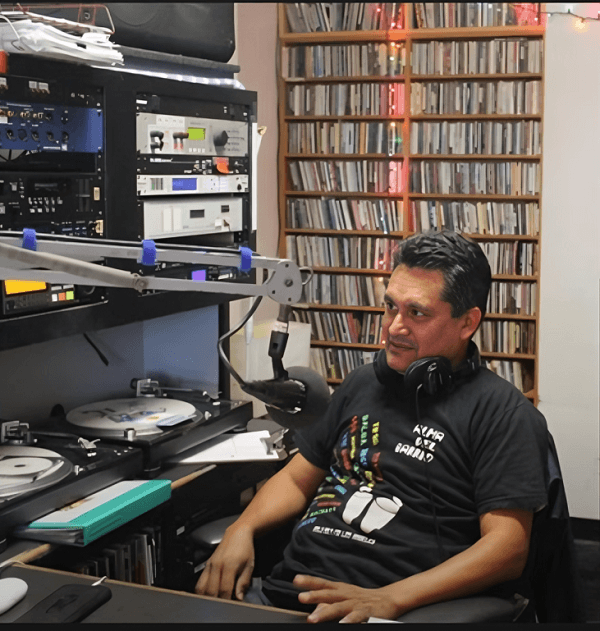
Guido working at KXLU 88.9 FM
”Alma Del Barrio” host Guido Herrera-Yance working at KXLU 88.9 FM

How Guido Herrera-Yance started in the world of music as a radio host 

Many years before Guido even thought about the idea of forming a company, he began to establish himself as a radio host on the popular public radio station KXLU 88.9 FM, specifically on the show ”Alma Del Barrio”, which is about to turn 51 years on the air in October. In Guido’s case, he has been hosting the show for more than 30 years, bringing the best Latin music and artistic news to all his listeners.   

The also producer confesses that he did not really like locution and that he was simply in the right place at the right time, resulting in the career he has built in this type of media. What it does say is that he was a frequent listener of several radio shows and a voracious music collector, which led him to meet certain personalities who saw potential in him to belong to ”Alma Del Barrio”. When a show was opened, he was the leading candidate for the job and accepted immediately. 

Guido did not have any kind of experience in radio, but his employers trained him and taught him everything he needed to know to carry out his tasks properly. 30 years later, Guido is still one of the main hosts of the show and a reference in terms of Latin music radio.    

From radio to event production   

In 1995, one year after having joined ”Alma Del Barrio”, a friend told him that Chucho Valdés was going to the United States after many years and proposed him to make a show together with the artist as the main attraction. When Guido accepted, they began to look for artists to accompany the Cuban that night and some of them were Alex Acuña, Justo Almario, Luis Conte, among others.   

The results were so good that Guido was left with the desire to keep experimenting with this field of the industry, so he continued to produce events of all kinds on a small and large scale since that year. 

As the years went on, he realized that he would need a bigger and more elaborate structure if he wanted to continue to work on this, so the idea of founding a music production company began to take shape in his mind.    
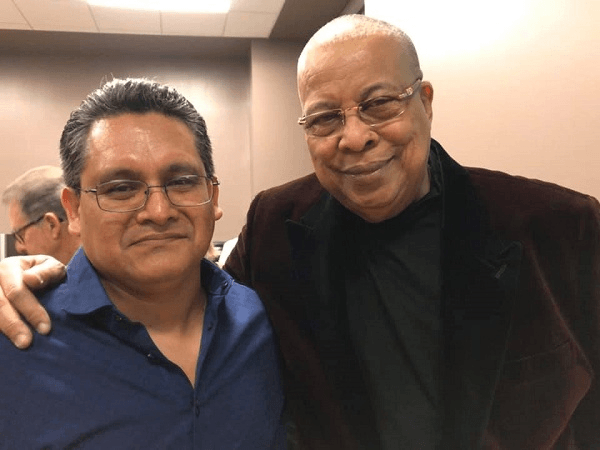
Guido and Chucho Valdés
Guido Herrera-Yance next to Cuban bandleader and pianist Chucho Valdés

How Guido created Yambu Productions   

On the creation of Yambu Productions, something that Guido highlighted is that, in the United States, ”everything must be done very formally”. In light of the obligation to declare the income from his musical activities, Guido saw the need to create a company that would facilitate the procedures related to taxes and issues of this sort in order to cover his back.   

Regarding the name ”yambu”, the businessman was inspired by a song by the Cuban popular music singer Carlos Embale, who was one of his favorite artists, so he wanted to honor him in that way. Taking this detail into account, it is not surprising that Cuban music and its exponents play a fundamental role in the events and groups that Yambu Productions seeks to promote, but it is not limited to nationalities or genres.   

The company has set up events for Los Papines, El Conjunto Folklórico Nacional de Cuba, Chucho Valdés, Los Van Van, El Gran Combo de Puerto Rico, Tito Nieves, José Alberto ”El Canario” and the list goes on. Guido is very proud that Yambu Productions was the one that produced the only concert given by Los Van Van Van and El Gran Combo in the United States, which was in the year 2029. He says he is a fan of both groups, so this was a dream come true for him.   

Upcoming Yambu Productions Events    

This year, Yambu Productions was about to hold the Cuban American Music Festival on 2 June this year, but it has been suspended due to multiple factors, but the main one is that Guido feels that many things have changed in the entertainment industry after the pandemic such as demographics and the public tastes. This has caused the producer to rethink many things, as he is not quite clear  what will be the path to follow by the company, so he prefers to wait. 

In addition to the above, Guido is focused on his own restaurant that opened just six months ago and needs to dedicate all his time and effort to this new project, so it is very possible that the previously festival will be back better than ever for the year 2025, when he will be clearer about what he wants to do with this event.   

However, he said he does not want to be away from live music, to which he attaches a great deal of importance in his work, so with the support of one of the most important jazz clubs in California, Catalina Jazz Club, he rolled up his sleeves and organized the Salsa Meets Jazz Concert Series for 26 April this year (at the time of publishing this article, the concert must have taken place). In this way, Guido wants to recreate that golden era of Latin jazz and salsa in New York, but in his own way. 

The Salsa Meets Jazz Concert Series is expected to pay tribute to a different artist who has contributed to these genres each edition and this year it was the torn for Tito Puente. In addition, Catalina Jazz Club proposed Guido to hold events of this type several times a year, so tribute concerts to Ray Barreto and Andy Gonzalez are also scheduled before 2024 is up. He maintained a close friendship with both musicians, especially with Gonzalez.  
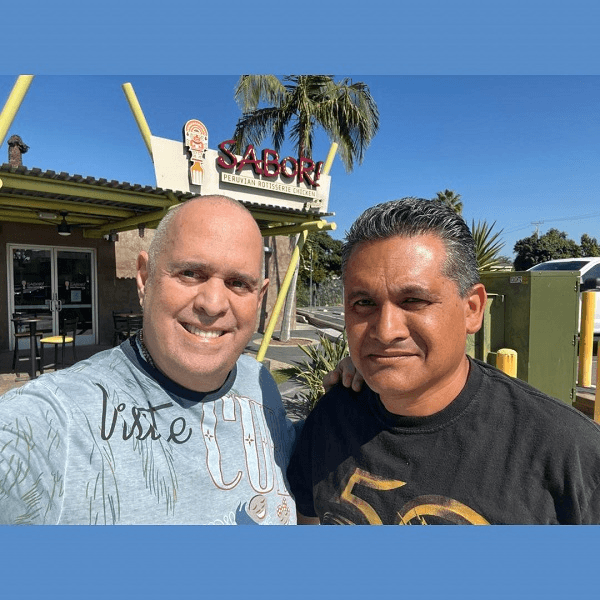
Guido and Alfredo de La Fe
Cuban violinist Alfredo de La Fé next to Guido Harrera-Yance in front of Sabor! Peruvian Rotisserie Chicken, a venue in which Alfredo would perform some hours later

How are the logistics behind a Yambu Productions event? 

When Guido plans to hold an event, the first thing he should do is to find a venue that complies with the requirements for the type of show he plans, analyze the costs involved, find the best talent for the show, hire sound engineers, recruit the people who will be in charge of the logistics part, among other things. It is an arduous work of at least six months before the event takes place.   

An example of the above is the Cuban American Music Festival, which has always been held in May, so he should start organizing and planning for it since November or December of the previous year. This in order to have every detail ready on the day of the festival and to avoid any unforeseen problems that could put those involved down.  

On this subject, Guido said he feels lucky to be able to have so many friends in the world of music, to stay on ”Alma Del Barrio” for so many years and to know people like Nelson González, Johnny ”Dandy” Rodríguez, Genaro Rivera and many others who are always ready to come to Yambu Productions events without even asking about payment, since they know that Guido and his company are very responsible about these issues.  

How talent is selected for events 

”Everything falls on me. I believe that I have the capacity, knowledge and experience to know what the public wants. It is for the very reason that we will not be making the Cuban American Music Festival this year, since the pandemic changed everything in the industry and I have to accept that what sold yesterday is not the same as what sells today” said Guido when asked how he chooses the talent he wants for his shows. He also added that ”I’m still debating with myself on which way to go with the company after quarantine”. 

What Guido will never do is let go of live music because, in his words, ”it feeds his spirit”. As long as he is dedicated to music production and Yambu Productions is still operating, live events will always have a highly important place in the activities carried out by the company. 
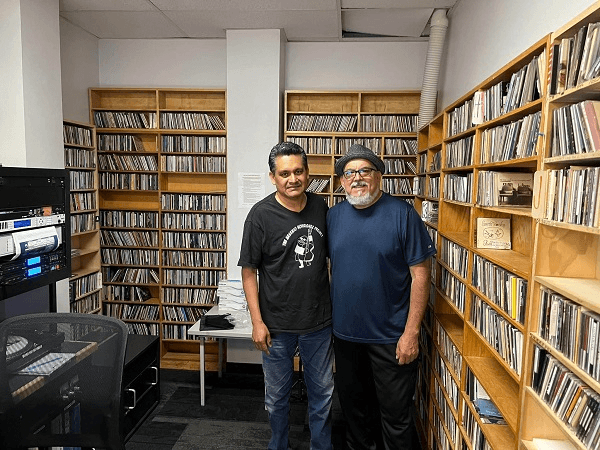
Guido and Poncho Sánchez
Guido Herrera-Yance next to conguero, Latin jazz band leader, and salsa singer Poncho Sánchez

Read also: What The Namm Show is and how it works 
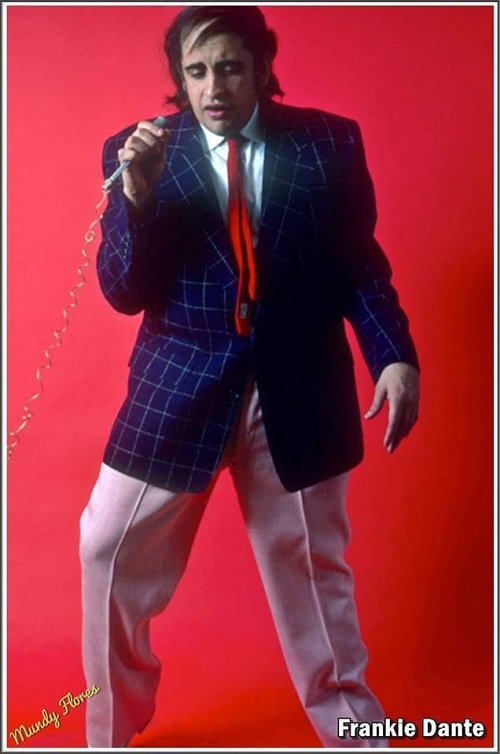
Lenin Francisco Domingo Cerda, better known as Frankie Dante, the “Underground” and “Irreverent” of Salsa in New York in the 60’s and 70’s.

“Cerda If I were president, if I were a president, there would be no armed forces, wars would end, the boys would go home where they belong.”

Lenin Francisco Domingo Cerda, mejor conocido como Frankie Dante el “Underground” e “Irreverente” de la Salsa en New York

Lenin Francisco Domingo Cerda, known as Frankie Dante, was born in Santo Domingo, Dominican Republic, on September 15, 1945.

He traveled to New York City in search of the sound of the barrio, influenced by Willie Colón and Eddie Palmieri with his Orquesta La Perfecta.

Frankie Dante, always characterized for being an authentic sonero, who interpreted the stories of the Latin barrio.

In 1968 under the label Cotique he appears in the album “Los Coquetones”, where Ismael Quintana also participated, the great influence in his development as a vocalist, this album is produced by Mr. George Goldner.

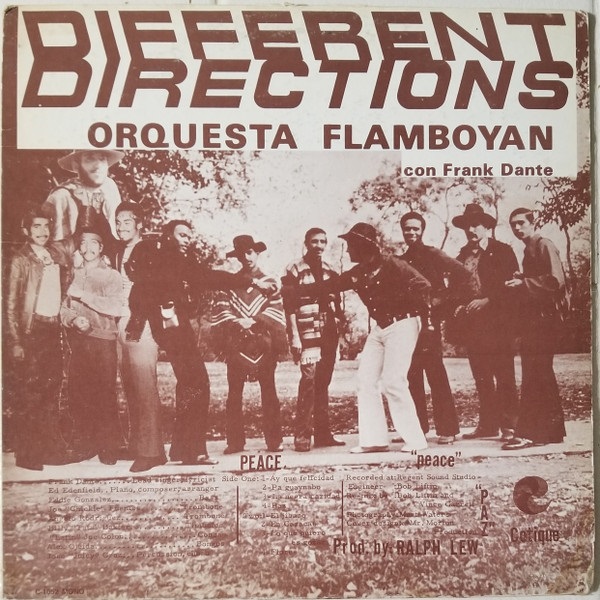
Cerda records a second production with La Orquesta Flamboyán, entitled: “Different Directions”, following the line implemented by maestro Eddie Palmieri with La Perfecta, where he continues the emphasis on social issues, raised in his first musical work, this time with the production of Ralph Lew.

Orquesta Flamboyan Con Frank Dante Different Directions1970
Orquesta Flamboyan Con Frank Dante Different Directions
1970

Launches the album: “Se Viste de Gala”. Resuming his social commitment, he includes the piece “Venceremos”, accompanied by the electric guitar played by Harry Vigianno, who also plays the tres in this production.

In 1972, Frankie Dante is invited by Larry Harlow to produce a new album entitled: “Orquesta Flamboyán Con Larry Harlow”.

Here Frankie achieved hits such as: “La Cuna del Son”, “Yo Te Seguiré”, “Vive La Vida Hoy” and “Presidente Dante”.

The album featured the participation of Larry Harlow on piano and musical production, Ray Romero and Jerry Gonzalez on Congas, Ismael “Pat” Quintana and Milton Cardona on backing vocals.

This album is considered as a recognition of Frankie Dante’s talent when he was asked by the “Wonderful Jew”, Larry Harlow to record together.

Frankie shows all his irreverence by substituting the montuno for a political speech in the manner of a candidate.

As a representative of the Underground current, Dante prefers to perform in a bohemian way in Clubs such as: El Caborrojeño and the Cheetah.

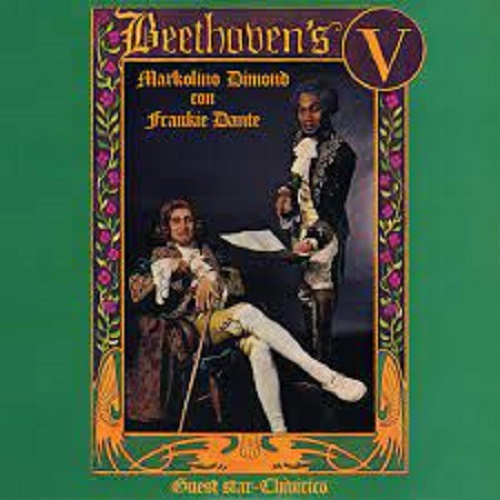
While in these clubs he meets pianist Marcolino Demond and they release the historic album: Beethoven’s V.

One of his best productions was with the extraordinary musician and pianist Markolino Dimond, who had played with Willie Colón, the album was titled: Markolino Dimond Con Frankie Dante Beethoven’s where in addition to his extravagances he imposed a different way of playing.

The album included five compositions by Marcolino Dimond: “Sabrosón”, “Camarones”, “El Quinto De Beethoven”, “Maraquero” and “Ahora Sí”, two songs with reserved author’s rights: “Los Rumberos” and “Yo No Tengo Amigo” and the hit “Porque Adore” by maestro Tite Curet Alonso.

Markolino Dimond Con Frankie Dante Guest Star Chivirico* Beethoven's V
Markolino Dimond Con Frankie Dante Guest Star Chivirico* Beethoven’s V

Dante and Marcolino were a duo without precedents, taking into account that both had the stigma of rebelliousness.

The album features Frankie Dante and Chivirico Davila on vocals and Yayo “El Indio”, Pete “El Conde” Rodriguez and Ismael “Pat” Quintana on backing vocals.

Other great musicians that participated in the band are Nicky Marrero – Timbales, Bongos; Pablito Rosario – Bongos; Barry Rogers – Trombone; Mike Collazo – Timbales, Eddie “Guagua” Rivera – Bass; Lewis Kahn – Trombone; Reinaldo Jorge – Trombone and Frank Malabé – Congas.

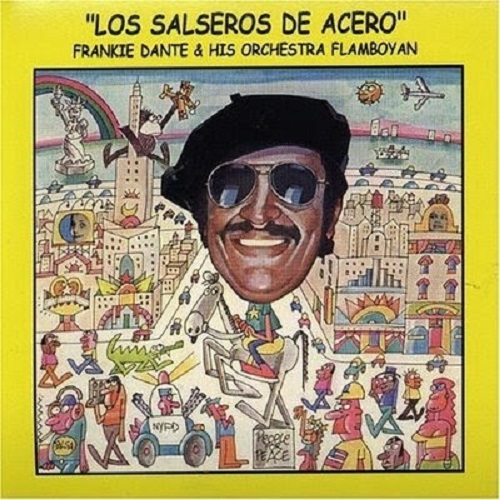
 In 1976, again with Marcolino, he released: “Los Salseros de Acero”, in an attempt to reunite the original line-up of Los Flamboyán with Joe “Chickie” Fuentes on trumpet, Ángelo Rodríguez on trombone and Alex Ojeda on timbales, plus the participation of stars of the moment such as: Charlie Palmieri, Tito Puente and Ricardo Marrero, in what was called: Flamboyán All Star Band.

Frankie Dante & His Orchestra Flamboyan Los Salseros De Acero

Among the songs on the album were “Ciencia Política” by Frankie Dante and “Chupa El Pirulí” composed by the wonderful Ciego Arsenio Rodríguez.

That year he published his seventh album “The Flamboyán All Star Band Frankie “Be Bop” Dante”, also recorded for Cotique Records, which included songs such as: “El Pipón”, “Son Retozón” and “Mumbo Jumbo”, compositions by Frankie Dante himself and a version of the song “María Cervantes” by the Puerto Rican Noro Morales.

Sonny Bravo, Norberto Cruz and Marty Sheller participated in the arrangements; Charlie Palmieri – Arrangements and Director and Mr. Ralph Lew as Producer.

The album also counted with the participation of other great musicians of the salsa movement such as: Leopoldo Pineda – Trombone, Ray Maldonado – Trumpet, Frankie Malabé – Congas, Orestes Vilató – Timbales, Ronnie Cuber – Sax and Flute, Willie Colón – Chorus and Tito Allen – Chorus.

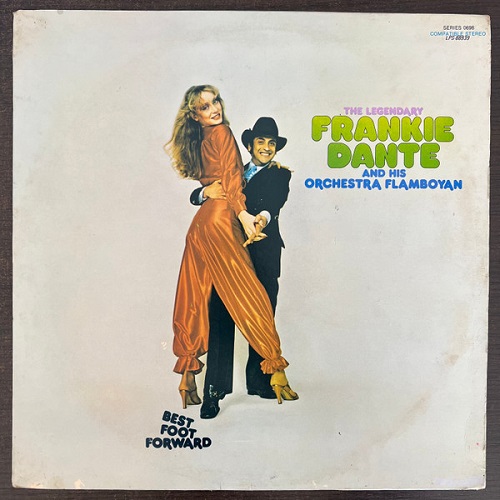
One of Cotique’s recordings was entitled “Frankie Dante and his Orquesta Flamboyán Best Foot Forward”, a compilation album with Frankie’s hits such as: “Paz”, “Los Rumberos”, “Presidente Dante”, “Venceremos” and the well known song “Yo Te Seguiré” written by the great Catalino Tite Curet Alonso.

The Legendary Frankie Dante And His Orchestra Flamboyan Best Foot Forward

His last recording appearance would happen in 1979 with the release of “Los Rebeldes”, where he decided to name his group: Frankie Dante Y Los Rebeldes.

This album has songs such as: “Los Congresistas” by Frankie Dante, a version of the song “Semilla De Caña Brava” by Cuban Luis Martinez Griñan “Lily” and “Vuelve El Rumbero” by Puerto Rican Johnny Ortiz.

Also participating in the recording were: Sal Cuevas – Bass, Louie Cruz, Marty Sheller, and Louie Ramirez in the Arrangements, Alberta Dering – Artistic Director, Ralph Lew as Producer and Milton Cardona as Musical Director.

Dominican Frankie Dante developed his musical career in New York City, where he died of cancer on March 1, 1993.

Dante, emulating his compatriot Johnny Pacheco, settles in the city of skyscrapers and takes with his “precursor” lyrical talent in terms of social conscience in salsa. With good artistic sense he perceives that the sound of the neighborhood and its hurtful musical style will be the main axis of the new concept that is born in the land of Uncle Sam.

“He recognizes in the almost adolescent Willie Colón a style to follow, he is enormously attracted to that “sour” way of arranging the songs, the maestro Eddie Palmieri and his Orquesta La Perfecta (already in full swing) also influence the young Dante as well as Ismael “Pat” Quintana’s way of interpreting, a style that Frankie incorporates immediately in his first production in 1968 under the Cotique label (Ref. CS-1043) titled Los Coquetones”.

Sources and Bibliography:

  • http://www.megaupload.com/pt/?d=FR6AAPU0
    • http://ww.malianteo.com
    • http://www.salsajazz.com/i
    • http://apostolsalsero.soy.es/frankie-dante-la-orquesta-flamboyan/
    • Latinastereo 100.9 FM nuestra música

Also Read: Nicky Marrero is an innovator, timbalero and bongo player, living legend of our Afro-Latin and Caribbean music.

The Conga Room closes its doors, but says goodbye in style

People dancing at The Conga Room

Recently, we learned some unfortunate news for the Latin music scene and the community in general and it is that The Conga Room, one of the most important nightclubs in Los Angeles, will close its doors this March, which has shocked those who used to frequent the cheerful and colorful place to forget their everyday problems for a few hours of dancing.   

This great place was opened in 1999 by businessman Brad Gluckstein thanks to the support of leading figures in the entertainment industry such as businesswoman, actress and singer Jennifer Lopez, actor Jimmy Smits, actor Paul Rodriguez and actress Sheila E. 

Although it first opened its doors on Wilshire Boulevard in 1999, it was moved to L.A.A. LIVE about nine years later. After the change of venue, there were personalities interested in investing in The Conga Room due to the great project it represented at the time, such as rapper and member of the Black Eyed Peas William Adams (better known as will.i.am), actor of Puerto Rican descent Amaury Nolasco, former basketball player Baron Davis and former basketball player Trevor Ariza. 

It was these great figures in music, acting and sports who made The Conga Room one of the most recognized meeting places for Latin music fans and its greatest exponents. 

Jimmy Smits and Paul Rodriguez at The Conga Roo
Jimmy Smits and Paul Rodriguez celebrating The Conga Room’s 20th anniversary some years ago

The achievements of The Conga Room all these years  

During the years following as of its reopening, The Conga Room became an iconic place for music lovers and contributed greatly to the development of the Latin music and cultural scene in Los Angeles. 

During 25 years of operation, it has not only brought the best singers and DJs from California and the United States in general, but also managed to create a lively environment composed of all kinds of cultures that transcended musical genres, to the point that there were people of all nationalities dancing to the same rhythms without any problem, proving once again that music is a universal language we can all understand perfectly.  

And speaking of music, its little stage witnessed more than 500 live shows that included big stars such as Celia, Cruz, Johnny Pacheco, Willie Colón, Tito Puente, Ocar D’ León, Tito Nieves, Gilberto Santa Rosa, Carlos Santana, Elvis Crespo, Los Van Van, Buena Vista Social Club, Alejandro Sanz, Juanes, Fito Paez, Jerry Rivera, Eddie Santiago, Tony Vega, Zacarias Ferreira, Invasión Latina, Andy Montañez, Atercipelados, Aleks Syntek, Beto Cuevas, among many others. As for newer idols, The Conga Room has also received Ivy Queen, J Balvin, Maluma, Bad Bunny, Luis Fonsi and many more.   

It should also be mentioned that; while The Conga Room’s approach is to promote salsa, merengue and bachata; the nightclub is not limited to Latin genres. In fact, there have been great performances by rock, hip hop and R&B artists such as Prince, Stevie Wonder, Lenny Kravitz, Justin Timberlake, Avicci, Snoop Dog, Ed Sheeran, Andy Grammer, Jamie Foxx and on and on.  

This shows that The Conga Room was not limited to the original concept of its founders, but sought to go above and beyond to increase its assistance every day. Its management knew how to reinvent itself in spite of trends and circumstances, which is why it managed to survive so long.   

Oscar D’ Leon at The Conga Room
Oscar D’ Leon performing at The Conga Room

The Conga Room’s definitive closure and farewell show 

The Conga Room was inaugurated with music, so it must also say goodbye with music, so it will offer a private concert this March 27th featuring famous personalities who will meet at the club that day to say goodbye in style.   

The main star of the event will be the renowned Puerto Rican singer Gilberto Santa Rosa, who will be one of those responsible for livening up the night for the show attendees with his greatest hits. Likewise, the host will be Jimmy Smits and he will be accompanied by Paul Rodriguez in the hosting of the show, who were bot very important in club maintenance for so long.  

As for the reasons for the closure, founder Brad Gluckstein has issued statements saying that the ravages of the pandemic, the few events at the convention center and the difficulties in booking national artists with AEG Live (a company focused on the production and promotion of musical events) have made the business model of The Conga Room no longer viable in today’s economy. Not to mention that cost of living, inflation and high interest rates have changed the priorities of potential consumers. 

However, despite the sadness that Gluckstein and the rest of those involved in the Conga Room project have, the businessman pointed out that not everything related to this mythical place will be forgotten, since Conga Kids, a non-profit organization aimed at promoting the social-emotional well-being of children through dancing, will continue to operate as before. This beautiful sister project of The Conga Room will keep its doors open despite the setbacks for the sake of the kids. 

Read also: ”Alma Del Barrio” celebrates 50 years of operation 

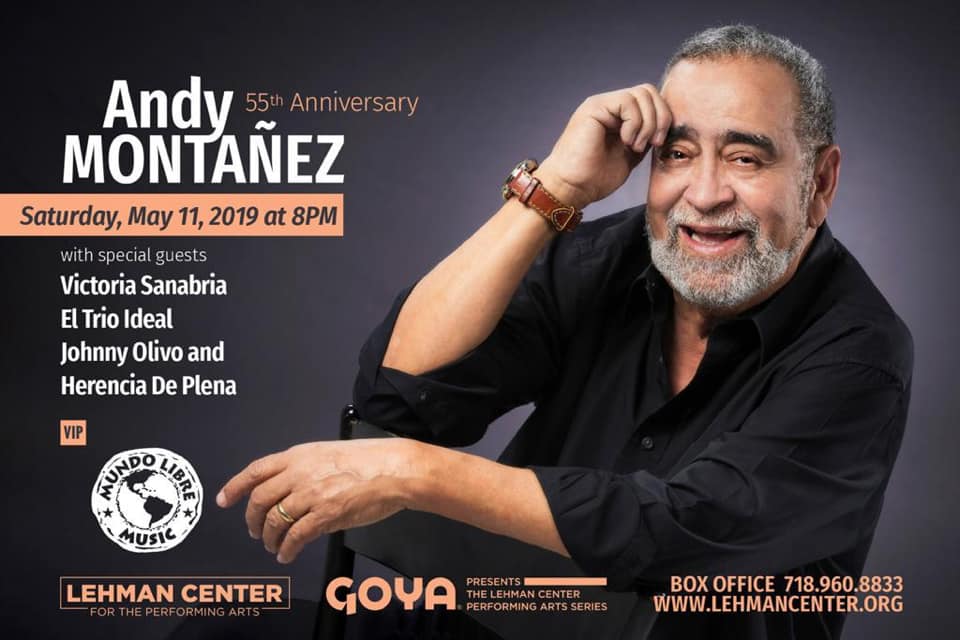
The Lehman Center Performing Arts Series Presents Andy Montañez’s 55TH Anniversary

North America / USA / New York

Lehman Center for the Performing Arts Presents Andy Montañez:

Enjoy this Puerto Rican star recognized as one of the best and most influential singer in Latin America in a Special Show with special guests: Victoria Sanabria, El Trio Ideal and Johnny Olivo & Herencia de Plena

Date: Saturday, May 11th

Show: 8:00PM

Cost: $65 – $100

Venue: 250 Bedford Park Boulevard West Bronx, New York 10468


Lehman Center for the Performing Arts is proud to present the Latin GRAMMY Lifetime Achievement Award winner, Andy Montañez as he celebrates his 55th Anniversary with special guest: Victoria Sanabria on Saturday, May 11th. In addition to this, enjoy EL TRIO IDEAL and the exciting dance rhythms of JOHNNY OLIVO Jr. & HERENCIA DE PLENA’s performance of their afro-rich folkloric musical traditions of Puerto Rican Bomba and Plena in a Salsero Show never before seen in New York City.


BIO: The Andy Montañez ’s beginnings go back to 1962 with the orchestra: El Gran Combo de Puerto Rico. It was 15 years of success. El Niño de Trastalleres recorded 37 LP’S with this great Latin orchestra. There he created and sealed the luggage that would accompany him always: “El Barbero Loco”, “Julia”, “Guaguanco del Gran Combo”, Un Verano en Nueva York”, “Vagabundo”, “Milonga Sentimental”, “Las Hojas Blancas”, “La Soledad” and the now classic “A mí manera”, a song that he recorded with Paquito Guzmán and with Pellín Rodríguez originally.


In 1977, Andy Montañez decided accepts the irresistible offer made by the popular Venezuelan orchestra “La Dimensión Latina” to replace Oscar D’ León. With this important orchestra, Andy Montañez recorded eight LPs that placed the Venezuelan band at the popularity top and sales. The first album with Dimension Latina marked big hits, such as: “El Eco Del Tambor”, “Mujer Impura”, “Ritmos Cubanos”.  Then, the triumphs continued with the themes: “Las Perlas de tu Boca”, “Como Canto Yo “, “Nuestra Tierra”, “Vuelve”, “Rumberos de Ayer”, “Son del Bohío”, “Ave María Lola”, “Mi Son Oriental”, “Cantante Errante”, and others.

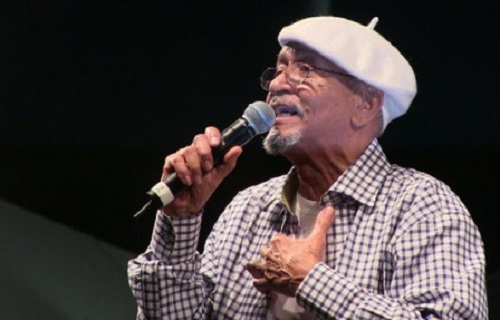
Andy Montañez
Andy Montañez

For 1980, Andy Montañez recorded with the group “Puerto Rico All Stars” three LPs that were the prelude to his return to Puerto Rico. “Reunión en la Cima”, “Isla Bonita”, “Homenaje al Mesías” dedicated to Eddie Palmieri, outlined the growth process in which the Salsero still remains.

Returning Puerto Rico, Andy Montañez forms his own orchestra. By 1981, he recorded his first solo LP titled “Salsa con Caché” with record label LAD (TH Rodven’s subsidiary). His third LP “Simplemente Andy Montañez” rang with the hits: “Dulce Veneno” and “Payaso”. This album stayed 30 weeks in the magazine, Bilboard, inside its pages Tropical Music with five themes.

For 1998, he finally created his first independent production as a Salsero artist. Guided by his feelings, his proven experience and his artistic spontaneity was released the album: “Soy Como Soy”. This production is a tribute to his people to whom Andy Montañez responds with commitment of national pride wherever he goes.

In 2002, this worldwide multifaceted artist sees the support of his people materialized by filling the Centro de Bellas Artes’ Festival Hall for three consecutive days, where he captivated three generations with an unforgettable musical tour in which El Bolero, la Música de Tríos, La Salsa and La Plena harmonized that unparalleled Salsa experience. For more details, please, visit him through http://www.andymontanez.net

BIO: Victoria Sanabria was born on October 6, 1976 in Guayama (Puerto Rico). This woman with a sublime voice who carries in her throat all the essence of singing peasant, is one of the most impressive talents that has given the Trova Jíbara of the island of enchantment.

In 1992, she won the third prize in the category of singing in the competitions “Juventud Vibra”. The following year she won first place in the Troubadour Contest of the Institute of Puerto Rican Culture, becoming the national troubadour per excellence. Later, Victoria was part of the Choir of the University of Puerto Rico, Ponce Campus.

Continuing her ascending path in the arts, in December (1995) she made her debut in Bellas Artes with the Puerto Rico’s Symphonic Orchestra. That same year this talented artist managed to be crowned as the first female to win the Bacardí Troubadour Contest, proving to be the best improviser of Puerto Rico at the end of the century.

Andy Montañez
Victoria Sanabria

Her first album as a soloist, Cánticos de Serrania, was recorded in 1999, and in the next eight years she released three more in Puerto Rico including 2008’s Celebra Conmigo that featured Andy Montañez and Andrés Jiménez as guest artists. That same year, she joined the world-wide Tribute to Hector Lavoe concert tour.

In December 2009, Sanabria released her international breakthrough album Criollo Con Salsa, in which she had combined Puerto Rican folk music with salsa. The album contained several hits including “10 Dias”, “No Lavo, No Plancho, Ni Cocino”, “Jibara Natural” that featured Luis “Perico” Ortiz, and “No Te Quiero” sung with reggaeton star Ivy Queen. 2011 saw the release of the highly successful album Boleros which established Victoria as a major singer, and a year later she followed up with the release of Boleros II, which is now considered a classic.

The Sanabria’s most recent releases are her live concert album Trayectoria that was recorded in Santurce in 2012, and 2016’s Música Mía. In addition to her own recordings, Victoria has been featured as a guest on works by Domingo Quiñónez, Olga Tañon, Richie Ray, Bobby Cruz, Gilberto Santa Rosa, El Gran Combo, Danny Rivera, Charlie Aponte, and Willie Colon, among others.


Purchase your Tickets NOW at:

https://lehmancenter.org/ANDY-MONTANEZ-VICTORIA-SANABRIA/

Justo Betancourt Querol Cuban sonero and singer famous for his interpretation of the song “Pa’ bravo yo”

Heir to the solid musical tradition of his family, Justo Betancourt was an incomparable sonero, possessing a unique personal style, He began his career at a very early age in his native Cuba, where he participated with orchestras and bands.

Justo Betancourt Querol Cuban sonero and singer famous for his interpretation of the song Pa' bravo yo.
Justo Betancourt Querol Cuban sonero and singer famous for his interpretation of the song Pa’ bravo yo.

In the 1960s, he arrived in New York, where he launched a new and brilliant stage of his career, singing vocals for the legendary and inveterate group, La Sonora Matancera, which was already established in the city. Betancourt stayed with the group for five years.

In later years, he was a member of the chorus of several groups, including those of Eddie Palmieri and Ray Barretto.

At the end of 1976 Justo settled in Puerto Rico, fleeing the limitations of the New York environment and separating himself from the tours and recordings of Fania All Stars, to enter the modern and freer scene projected by groups such as Sonora Ponceña, Willie Rosario, Bobby Valentín and Roberto Roena, among others, from the island.

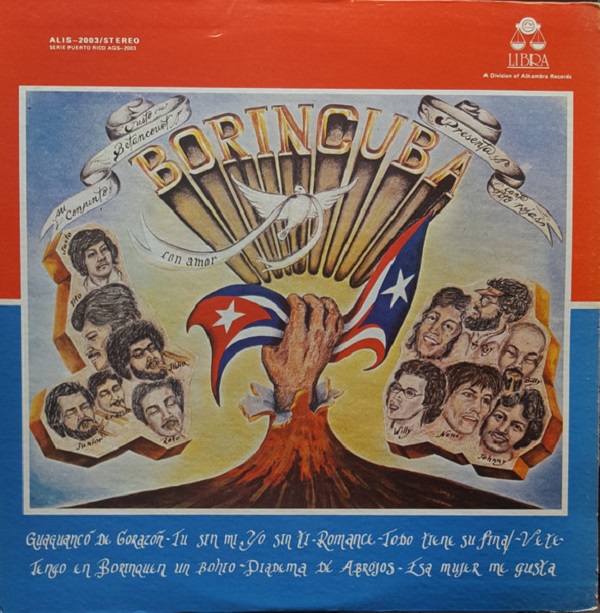
With young musicians including vocalists Sammy Gonzalez and Tito Rojas, he created his own orchestra which he called “Borincuba”, a name to reflect the mixture of Puerto Rican and Cuban artists.

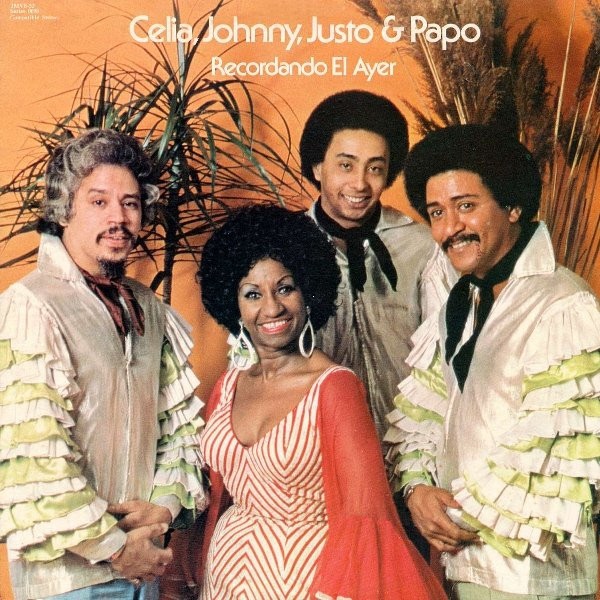
In 1976 Johnny Pacheco in his interest to maintain the successful formula of the modernization of the sound of the Sonora Matancera as the typical sound of his group (the Tumbao Añejo), unites the voice of Justo Betancourt with that of his compatriot Celia Cruz, it was the first time that this duo of Cubans in exile was reunited, in the album “Recordando El Ayer” and in which the young pianist Papo Lucca was presented in a big way. Justo’s voice was recorded in the songs “La Equivocada” (a duet with Celia), “Ahora Sí” and “Guíllate”.

Celia, Johnny, Justo & Papo Recordando El Ayer 1976


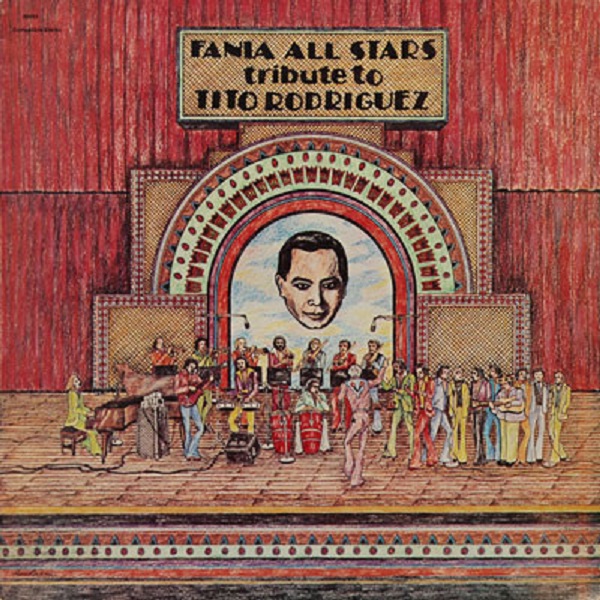
That same year 1976, Justo is part of the ten vocalists that the Fania All Stars summons for his first production in a recording studio in the project “Tribute To Tito Rodriguez”, in which he performs the song “Cara De Payaso”, (the other vocalists were Santos Colón, Bobby Cruz, Cheo Feliciano, Héctor Lavoe, Ismael Miranda, Ismael Quintana, Pete “Conde” Rodríguez, Rubén Blades (his first recording with Fania All Stars) and Chivirico Dávila (his only recording with the group).

Fania All Stars Tribute To Tito Rodriguez 1976

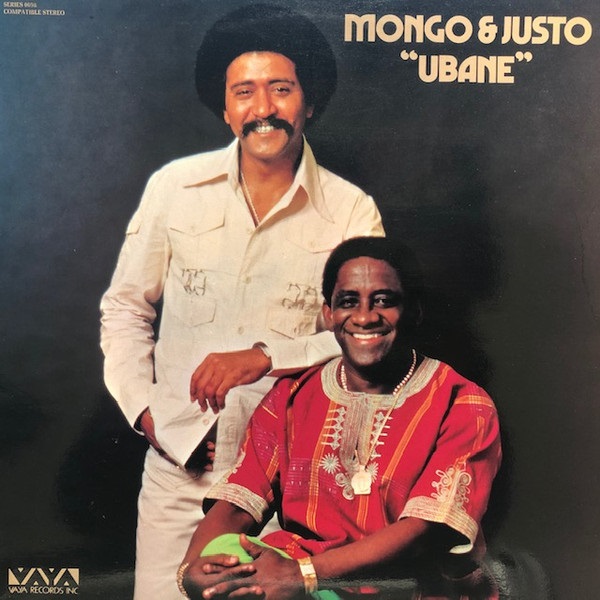
To complete this productive year, Justo Betancourt joins percussionist Mongo Santamaría as the lead vocalist for the musical work “Ubane”, with the production of Marty Sheller, one of the important experimental albums of the salsa boom, a work that recovers the saxophone for the Salsa and bembé orchestra in the old Cuban Guaracha of the 50’s, and in which a constellation of New York, Cuban, Puerto Rican and Colombian musicians participate.

Mongo y Justo Ubane 1976.

However, the album did not succeed in definitely catching on with the public and ended in the most unjust failure.

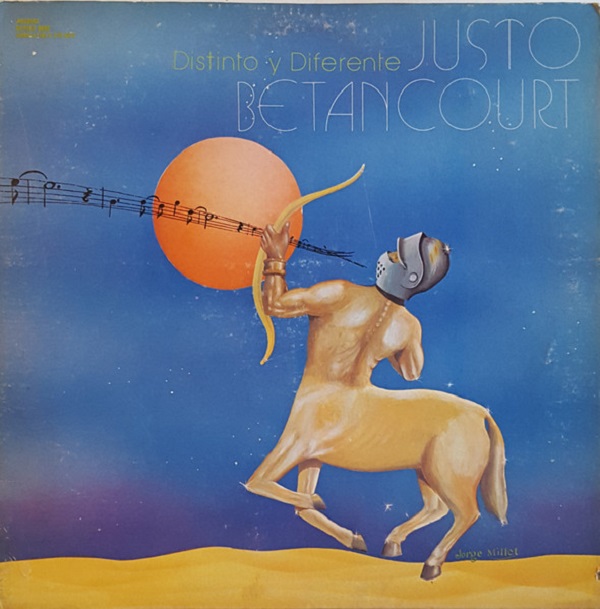
With his new orchestra, he recorded four albums, of which he recorded as lead singer in only two albums: “Distinto Y Diferente” (1977) which includes the songs: “No Estás En Nada”, “Distinto Y Diferente”, “Soy Profesional” and “Óyela”; and “¡Presencia!” (1978) which includes a tremendous new version of the bolero “Psicología” and the song, composed by Catalino “Tite” Curet Alonso, “Camarón”. Justo was always among the best and remained oblivious to the decadence of the industrial boom of New York Salsa at the end of the decade.

Justo Betancourt Distinto Y Diferente 1977

His secret was to remain bravo by performing authentic Caribbean music without the commercial additives imposed by Salsa.

The young singer who performed in the chorus and Justo’s student in Borincuba, Tito Rojas, became the lead singer in the following album “Con Amor” (1978), which Betancourt conducted and participated in the chorus.

Tito Rojas’ last work before splitting from Borincuba to start his solo career was the album titled only as “Borincuba”, in which Justo also served as musical director and backing vocalist.

Justo Betancourt Presenta Su Conjunto Borincuba Canta Tito Rojas Con Amor 1978

So in 1979, when Tito inherited the band, he started his solo career changing the name to Tito Rojas y el Conjunto Borincano¸ which had a short existence.

After a series of his own albums, he became the lead vocalist of the Puerto Rican Power Orchestra and appeared on their first two albums (1987 and 1989).

In 1990, Tito Rojas embarked on his solo career with the romantic salsa album “Sensual” which reached first place in the Latin Music Hit Parade in April.

In the following years, Betancourt, residing between New York and San Juan, continued in the inertia of the Fania contracts. In March 1979, when the Fania All Stars were part of the group of musicians who traveled to the island of Cuba to participate in the “Havana Jam Festival”, a musical exchange between the United States and Cuba organized by CBS and held at the Karl Marx Theater in Havana, Justo Betancourt and his compatriot Celia Cruz, for obvious political reasons, could not travel with the group; for this reason Justo decided to leave the All Stars.

Nevertheless, his contract with the Fania company remained in force, and that year he released another album titled “Justo Betancourt” (1979), produced by himself and Louie Ramirez, which included the songs “Yo Sin Ti” and “Qué Más Quieres De Mi”, among others.

In 1981, Betancourt returns to record again with the Sonora Matancera in an album entitled “Sonora Matancera Con Justo Betancourt”, produced by Javier Vásquez and recorded on the Bárbaro label, a subsidiary of Fania and owned by Jerry Masucci. On this album, four guest musicians appear for the first time to record with the Sonora: Pedro “Puchi” Boulong: on trumpet, José Daniel: on the tumbadora, Elpidio Vásquez Jr. (son of the bassist): on second bass, and Mario Hernández: on tres.

From this work the hit “Mala Pata” and a new version of the bolero “Hoy Sé Más” stand out.

In 1982, he recorded his last work on the Fania Records label “Leguleya No” (1982), with his own production company RMQ and with the arrangements and musical direction of Ray Santos and Javier Vásquez.

From 1982 onwards his appearances were variable, he participated in Israel Sardinas’ LP, “Israel, la Verdad” (1984), and participated in Celia Cruz and Tito Puente’s album “Homenaje A Benny Moré Vol. 3” in 1985, in one of the songs: “Tú Solo Tú”.

Except for these participations, he made no recordings between 1983 and 1989.

And so, there were plenty of reasons for Justo Betancourt, despite so many successes, to end up in virtual anonymity and indifference. He gradually withdrew from the world of the studios, although he continued to perform sporadically.

After years of recording silence, he returned in 1990 with his style with the album “Regresar” on his own label RMQ, of which he was the producer, director and did half of the arrangements written by Eric Figueroa.

In 1992 he released the album “El Bravo De Siempre”, for Rafael Viera’s RV Productions label, which featured the participation of Cuban percussion legend Carlos “Patato” Valdes, among other great Puerto Rican musicians.

In 1994 he participated in the project of Puerto Rican producer and musician Frank Ferrer called “Descarga Boricua”, alongside more than 30 experienced local and international musicians such as Ismael Miranda, Jerry Medina, Papo Vázquez, Juancito Torres, Alex Acuna, Mario Rivera, Pedro Guzmán and Ángel “Cachete” Maldonado, among others. There, and in several songs, he resorted to his superb vocal resources as in his good times. In the second work of the Descarga Boricua, edited in 1996, he participated briefly with some soneos in the song “Abrázate a Puerto Rico”, as well as in the third album of the reunion of the virtuous Puerto Rican musicians.

He returned to the recording studios again in 1998 with the CD “Mató” for the El Paso label in Puerto Rico, and from which the song “El Lema Del Guaguancó” stands out in the most vigorous style of Arsenio Rodríguez, composer of the song.

He also made his return as guest singer of the Fania All Stars for the concert of April 29, 2000 in Puerto Rico, a return that he made together with Ismael Miranda and Luigi Texidor to the group.

Justo Betancourt has participated as a backing vocalist in the recordings of many Latin music orchestras and works of renowned artists, such as La Conspiración de Ernie Agosto, Celia Cruz, Johnny Pacheco, Roberto Roena, Willie Colón, Eddie Palmieri, Willie Rosario’s orchestra, Héctor Lavoe, Adalberto Santiago, Kim De Los Santos, Van Lester and the Puerto Rican Power orchestra, among others.

In 2002 he participated for pianist Papo Lucca in the musical project “Festival de Boleros” with the song “En Cada Beso”, along with a constellation of Boricua singers and musicians.

Sources:

Por: Jose Ramon Tremaria

Ecued

Fania Stars

Also Read: Nicky Marrero is an innovator, timbalero and bongo player, living legend of our Afro-Latin and Caribbean music.

  • « Go to Previous Page
  • Page 1
  • Interim pages omitted …
  • Page 26
  • Page 27
  • Page 28
  • Page 29
  • Page 30
  • Interim pages omitted …
  • Page 42
  • Go to Next Page »

International Salsa Magazine (ISM) is a monthly publication about Salsa activities around the world, that has been publishing since 2007. It is a world network of volunteers coordinated by ISM Magazine. We are working to strengthen all the events by working together.