• Skip to primary navigation
  • Skip to main content

International Salsa Magazine

  • HOME
  • Previous editions
    • 2026
      • ISM / March 2026
      • ISM / February 2026
      • ISM / January 2026
    • 2025
      • ISM / December 2025
      • ISM / November 2025
      • ISM / October 2025
      • ISM / September 2025
      • ISM / August 2025
      • ISM / July 2025
      • ISM / June 2025
      • ISM / May2025
      • ISM / April 2025
      • ISM / March 2025
      • ISM / February 2025
      • ISM / January 2025
    • 2024
      • ISM / December 2024
      • ISM / November 2024
      • ISM / October 2024
      • ISM / September 2024
      • ISM / August 2024
      • ISM / July 2024
      • ISM / June 2024
      • ISM / May 2024
      • ISM / April 2024
      • ISM / March 2024
      • ISM / February 2024
      • ISM / January 2024
    • 2023
      • ISM / December 2023
      • ISM / November 2023
      • ISM / October 2023
      • ISM – September 2023
      • ISM – August 2023
      • ISM July 2023
      • ISM Edition June 2023
      • ISM – May 2023
      • ISM April 2023
      • ISM March 2023
      • ISM February 2023
      • ISM January 2023
    • 2022
      • ISM December 2022
      • ISM November 2022
      • ISM October 2022
      • ISM September 2022
      • ISM August 2022
      • ISM July 2022
      • ISM June 2022
      • ISM May 2022
      • ISM February 2022
      • ISM January 2022
    • 2021
      • ISM December 2021
      • ISM November 2021
      • ISM October – 2021
      • ISM September 2021
      • ISM August 2021
      • ISM July 2021
      • ISM May 2021
      • ISM April 2021
      • ISM June 2021
      • ISM March 2021
      • ISM February 2021
      • ISM January 2021
    • 2020
      • ISM December 2020
      • ISM November 2020
      • ISM October 2020
      • ISM September 2020
      • ISM August 2020
      • ISM July 2020
      • ISM June 2020
      • ISM May 2020
      • ISM April 2020
      • ISM March 2020
      • ISM February 2020
      • ISM January 2020
    • 2019
      • ISM December 2019
      • ISM November 2019
      • ISM October 2019
      • ISM Septembre 2019
      • ISM August 2019
      • ISM July 2019
      • ISM June 2019
  • Download Salsa App
    • Android
    • Apple
  • Spanish

Search Results for: Johnny Cru

XXXIX National Zalsa Day March 19, 2023 Hiram Bithorn Stadium in San Juan Puerto Rico

Celebrates 150 years of history with a posthumous tribute to Tito Puente, Típica 73 and Ismael Miranda

National Zalsa Day 2023

This year the privilege of conducting the Super Orchestra of the National Zalsa Day 2023 is for Maestro Isidro Infante, March 19 at the Hiram Bithorn Park in San Juan, Puerto Rico.

For many years the most important salsa event in Puerto Rico and internationally. Thanks to Z-93 and the entire SBS family. Mr. Alarcón, Víctor Roque, El Cacique and all the executives involved in such an important event.

We will also have Buho Loco and El Hachero, among others.

Celebra 150 años de historia con un póstumo homenaje a Tito Puente y Típica 73 e Ismael Miranda

The radio station Zeta93FM and its sister company, LaMusica.com, announce the thirty-ninth edition of the National Zalsa Day; an award-winning concert, which, on this occasion, will pay a special tribute to the 50th anniversary of one of the most recognized orchestras in the world, La Típica 73.

Known as the pioneers in performing the famous “Descargas musicales”, Adalberto Santiago, José Alberto “El Canario”, Tito Allen and Johnny “Dandy” Rodríguez, have already confirmed their participation and we are proud that the members of this legendary band, which left such a deep mark on the salsa genre, have decided to join us in this celebration.

XXXIX Día Nacional de la Zalsa 19 de Marzo 2023 Estadio Hiram Bithorn en San Juan Puerto Rico

On April 20, 2023, the 100th anniversary of the birth of legendary timbalero Tito Puente, his son.

Tito Puente Jr., along with great guest artists such as Orestes Vilato, Nicky Marrero, Endel Dueño, Frankie Figueroa, Frankie Morales, John “Dandy” Rodríguez and José Madera celebrarán playing on stage the greatest hits of the “King of Latin Music”, among which are: “Oye como va”, “Ran Kan Kan” and “Para los Rumberos”.

“Puente’s legacy of more than 50 years, known as ‘The King of the Timbal’, ‘The composer and musician of the eternal smile’ and ‘The godfather of Latin jazz and salsa’, will be exalted in front of more than 20,000 people at DNZ2023 and we are sure that all salseros will enjoy this presentation,” said announcer Marcos Rodríguez “El Cacique”.

Póstumo Homenaje a Ismael Miranda

In April 2000, the third Sunday of March was instituted as National Zalsa Day under Law #100 of the Senate of Puerto Rico.

History

National Zalsa Day was created in 1984 by Pedro Arroyo, Programming Director of Z-93, who always wanted to celebrate an event that would recognize the talent of popular salsa music, its composers and performers, to present it to the great public who love this tropical genre.

Since its first year, the great event took hold of an audience eager to enjoy this music live.

The support was total and it immediately positioned itself as the annual concert of the people of Puerto Rico and visitors from other countries.

From its beginnings, National Zalsa Day was dedicated to a figure of this genre, as a recognition of his talent and rootedness in the public.

1984 – Dedicated in life to Sonero Mayor, Ismael Rivera

1985 – Rafael Ithier of the Gran Combo de Puerto Rico

1986 – Tito Puente and Santitos Colón

1987 – Héctor Lavoe

1988 – Andy Montañez and Gilberto Santa Rosa

1989 – Celia Cruz and Sonora Ponceña

1990 – Willie Colón and Tite Curet Alonso

1991 – Bobby Valentín, Oscar D’León and composer Gloria González.

1992 – To the Best 5 trumpets of Puerto Rico: Elías Lopés, Charlie Sepúlveda, Juancito Torres, Mario Ortiz and Luis “Perico” Ortiz.

1993 – Celebration of the Tenth Anniversary of National Zalsa Day, dedicated to the Salsa People

1994 – Ray Barreto and Adalberto Santiago

1995 – “Duels at sunset”.

1996 – Dedicated to the reunions: Conjunto Clásico, Tito Nieves, Luis “Perico” Ortiz and Rafael De Jesús, El Gran Combo; Andy Montañez and

Roberto Rohena; Sonora Ponceña with Luigi Texidor and Yolanda Rivera.

1997 – To the salsa people

1998 – Jerry Masucci

1999 – Cheo Feliciano

2000 – Richie Ray and Bobby Cruz

2001 – Eddie Palmieri

2002 – Ruben Blades

2003 – Johnny Pacheco and Roberto Rohena

2004 – Quique Lucca, Papo Lucca and Willie Rosario

2005 – Tommy Olivencia and Roberto Angleró

2006 – Los Hermanos Lebrón and posthumous tribute to Charlie Palmieri, Tito Rodríguez and Ray Barretto

2007 – Ismael Miranda, Ramón Rodríguez, Raphy Leavitt and Sammy Marrero

2008 – Larry Harlow and Manny Oquendo

2009 – Celebration of the release of Tite Curet Alonso’s work on Puerto Rican radio. Dedicated to Louis Garcia.

2010 – Johnny Ortiz. Special recognition to Héctor Maisonave and Ángel Luis Córdova García “Paleco”.

2011 – Elvin Torres of Costa Brava, Luisito Ayala of Puerto Rican Power, Paquito Guzmán, Tito Allen and Luigi Texidor.

2012 – Posthumous tribute to Frankie Ruiz. Dedicated to Orquesta Zodiac and La Corporación Latina.

2013 – Posthumous tribute to Pedro Arroyo, former director of Z-93. Special recognition to Edwin Morales of La Mulenze, Pedro Brul, Pedro Conga of Orquesta Internacional and Cano Estremera.

2014 – El Gran Combo, Joe Rodríguez of La Terrífica, Justo Betancourt and Meñique.

2015 – Gilberto Santa Rosa receives the first National Zalsa Day Star Award. Dedicated to Sammy “Rolo” González, Mickey Cora, Nacho Sanabria.

2016 – Eddie Palmieri receives the second National Zalsa Day Star Award. Dedicated to Lalo Rodríguez and Tito Rojas.

2017 – Zeta 93 announced on the program of its director Néstor Galán, el Buho Loco, that the artists participating in the 34th edition of National Salsa Day are el Gran Combo, José Alberto el Canario, Andy Montañez, la India, Don Perignón y la Puertorriqueña, Grupo Niche, Víctor Manuelle, Luisito Carrión, Guillo Rivera, Camilo Azuquita, Raúl Marrero, Carlos D’ Castro, Juan Pablo Díaz, Orquesta DNZ2017 and Orquesta Canario.

2018 – Dedicated To The People Of Puerto Rico!

Domingo Quiñones, Maelo Ruiz, Chamaco Rivera, Pupy Cantor, Oscar de León, Orquesta Canela (Cali, Colombia), Tribute to Tito Nieves and Yolanda Rivera, La Orquesta del Día Nacional de La Salsa, Pete Pererignon y la Generación del Presente, El Maestro Sammy Velez with Nino Segarra, Héctor Tricoche y Simón Pérez, Víctor García y La Sonora San Juanera and Willie Otero y su Orquesta.

2019 – Los Reencuentros will be

Conjunto Clásico with Tito Nieves, Luis Perico Ortiz with Roberto Lugo, Orquesta Mulenze with Pedro Brull, Don Perignon y la Puertorriqueña with Víctor Manuelle, Frankie Vázquez, Pedro Bermúdez Big Band, Charlie Aponte, Pichie Pérez, Yolanda Rivera, Pedro Arroyo, Conjuno Chaney, Pirulo y la Tribu, Manolito Rodríguez.

2020 – Oscar D’ León, Eddie Palmieri, La India, Tito Rojas, Lalo Rodríguez, La Sonora Ponceña, Ray de la Paz, Ismael Miranda, Tony Vega, Orq. Del Día Nacional (directed by Louis García).

2022 – The gathering was Richie Ray & Bobby Cruz, Víctor Manuelle, Willie Rosario, Bobby Valentín, La Sonora Ponceña, Andy Montañez, Apollo Sound, La Mulenze, from Panama come to Puerto Rico the winners of the contest in which hundreds of salsa orchestras competed, Luis Lugo y La Orquesta 507, the women’s orchestra Son Divas, La Tribu de Abrante and Luis Vázquez,” said Marcos Rodríguez,

Sunday, March 19, 2023 – 9:00am

Hiram Bithorn Stadium, San Juan

On stage:

– – José Alberto “El Canario”

– Adalberto Santiago

– Tito Allen & Johnny el Dandy Rodriguez

– Luis Figueroa

– Pirulo

– India

– Charlie Aponte

– Maelo Ruiz

– Yolanda Rivera

– Luigi Texidor

– Pichie Perez

– Isidoro Infante

– Alex D’ Castro

– Tributes to Tito Puente, Típica 73 and Ismael Miranda

Prices:

Early Bird : $10.00 + ivu & c.s (Limited quantities) SOLD OUT

Presale: $15.00 + ivu & c.s (Limited quantities) SOLD OUT

GENERAL – $20.00 + ivu & c.s

V.I.P. – $75.00 + ivu & c.s. (Includes numbered seat and preferred entrance)

PLATINUM – $225.00 + ivu & c.s. (Includes food, open bar, official t-shirt and preferential entrance)

Information and Tickets: 787-200-7110 or [email protected]

Ticket office open from 2 hours before the start of the event.

Read Also: “Mambo Night in Miami Beach” celebrates the 100th anniversary of the birth of “El Inolvidable”, our own Tito Rodriguez

XXXIX National Zalsa Day March 19, 2023 Hiram Bithorn Stadium in San Juan Puerto Rico

Celebrates 150 years of history with a posthumous tribute to Tito Puente, Típica 73 and Ismael Miranda

National Zalsa Day 2023

This year the privilege of conducting the Super Orchestra of the National Zalsa Day 2023 is for Maestro Isidro Infante, March 19 at the Hiram Bithorn Park in San Juan, Puerto Rico.

For many years the most important salsa event in Puerto Rico and internationally. Thanks to Z-93 and the entire SBS family. Mr. Alarcón, Víctor Roque, El Cacique and all the executives involved in such an important event.

We will also have Buho Loco and El Hachero, among others.

Celebra 150 años de historia con un póstumo homenaje a Tito Puente y Típica 73 e Ismael Miranda

The radio station Zeta93FM and its sister company, LaMusica.com, announce the thirty-ninth edition of the National Zalsa Day; an award-winning concert, which, on this occasion, will pay a special tribute to the 50th anniversary of one of the most recognized orchestras in the world, La Típica 73.

Known as the pioneers in performing the famous “Descargas musicales”, Adalberto Santiago, José Alberto “El Canario”, Tito Allen and Johnny “Dandy” Rodríguez, have already confirmed their participation and we are proud that the members of this legendary band, which left such a deep mark on the salsa genre, have decided to join us in this celebration.

XXXIX Día Nacional de la Zalsa 19 de Marzo 2023 Estadio Hiram Bithorn en San Juan Puerto Rico

On April 20, 2023, the 100th anniversary of the birth of legendary timbalero Tito Puente, his son.

Tito Puente Jr., along with great guest artists such as Orestes Vilato, Nicky Marrero, Endel Dueño, Frankie Figueroa, Frankie Morales, John “Dandy” Rodríguez and José Madera celebrarán playing on stage the greatest hits of the “King of Latin Music”, among which are: “Oye como va”, “Ran Kan Kan” and “Para los Rumberos”.

“Puente’s legacy of more than 50 years, known as ‘The King of the Timbal’, ‘The composer and musician of the eternal smile’ and ‘The godfather of Latin jazz and salsa’, will be exalted in front of more than 20,000 people at DNZ2023 and we are sure that all salseros will enjoy this presentation,” said announcer Marcos Rodríguez “El Cacique”.

Póstumo Homenaje a Ismael Miranda

In April 2000, the third Sunday of March was instituted as National Zalsa Day under Law #100 of the Senate of Puerto Rico.

History

National Zalsa Day was created in 1984 by Pedro Arroyo, Programming Director of Z-93, who always wanted to celebrate an event that would recognize the talent of popular salsa music, its composers and performers, to present it to the great public who love this tropical genre.

Since its first year, the great event took hold of an audience eager to enjoy this music live.

The support was total and it immediately positioned itself as the annual concert of the people of Puerto Rico and visitors from other countries.

From its beginnings, National Zalsa Day was dedicated to a figure of this genre, as a recognition of his talent and rootedness in the public.

1984 – Dedicated in life to Sonero Mayor, Ismael Rivera

1985 – Rafael Ithier of the Gran Combo de Puerto Rico

1986 – Tito Puente and Santitos Colón

1987 – Héctor Lavoe

1988 – Andy Montañez and Gilberto Santa Rosa

1989 – Celia Cruz and Sonora Ponceña

1990 – Willie Colón and Tite Curet Alonso

1991 – Bobby Valentín, Oscar D’León and composer Gloria González.

1992 – To the Best 5 trumpets of Puerto Rico: Elías Lopés, Charlie Sepúlveda, Juancito Torres, Mario Ortiz and Luis “Perico” Ortiz.

1993 – Celebration of the Tenth Anniversary of National Zalsa Day, dedicated to the Salsa People

1994 – Ray Barreto and Adalberto Santiago

1995 – “Duels at sunset”.

1996 – Dedicated to the reunions: Conjunto Clásico, Tito Nieves, Luis “Perico” Ortiz and Rafael De Jesús, El Gran Combo; Andy Montañez and

Roberto Rohena; Sonora Ponceña with Luigi Texidor and Yolanda Rivera.

1997 – To the salsa people

1998 – Jerry Masucci

1999 – Cheo Feliciano

2000 – Richie Ray and Bobby Cruz

2001 – Eddie Palmieri

2002 – Ruben Blades

2003 – Johnny Pacheco and Roberto Rohena

2004 – Quique Lucca, Papo Lucca and Willie Rosario

2005 – Tommy Olivencia and Roberto Angleró

2006 – Los Hermanos Lebrón and posthumous tribute to Charlie Palmieri, Tito Rodríguez and Ray Barretto

2007 – Ismael Miranda, Ramón Rodríguez, Raphy Leavitt and Sammy Marrero

2008 – Larry Harlow and Manny Oquendo

2009 – Celebration of the release of Tite Curet Alonso’s work on Puerto Rican radio. Dedicated to Louis Garcia.

2010 – Johnny Ortiz. Special recognition to Héctor Maisonave and Ángel Luis Córdova García “Paleco”.

2011 – Elvin Torres of Costa Brava, Luisito Ayala of Puerto Rican Power, Paquito Guzmán, Tito Allen and Luigi Texidor.

2012 – Posthumous tribute to Frankie Ruiz. Dedicated to Orquesta Zodiac and La Corporación Latina.

2013 – Posthumous tribute to Pedro Arroyo, former director of Z-93. Special recognition to Edwin Morales of La Mulenze, Pedro Brul, Pedro Conga of Orquesta Internacional and Cano Estremera.

2014 – El Gran Combo, Joe Rodríguez of La Terrífica, Justo Betancourt and Meñique.

2015 – Gilberto Santa Rosa receives the first National Zalsa Day Star Award. Dedicated to Sammy “Rolo” González, Mickey Cora, Nacho Sanabria.

2016 – Eddie Palmieri receives the second National Zalsa Day Star Award. Dedicated to Lalo Rodríguez and Tito Rojas.

2017 – Zeta 93 announced on the program of its director Néstor Galán, el Buho Loco, that the artists participating in the 34th edition of National Salsa Day are el Gran Combo, José Alberto el Canario, Andy Montañez, la India, Don Perignón y la Puertorriqueña, Grupo Niche, Víctor Manuelle, Luisito Carrión, Guillo Rivera, Camilo Azuquita, Raúl Marrero, Carlos D’ Castro, Juan Pablo Díaz, Orquesta DNZ2017 and Orquesta Canario.

2018 – Dedicated To The People Of Puerto Rico!

Domingo Quiñones, Maelo Ruiz, Chamaco Rivera, Pupy Cantor, Oscar de León, Orquesta Canela (Cali, Colombia), Tribute to Tito Nieves and Yolanda Rivera, La Orquesta del Día Nacional de La Salsa, Pete Pererignon y la Generación del Presente, El Maestro Sammy Velez with Nino Segarra, Héctor Tricoche y Simón Pérez, Víctor García y La Sonora San Juanera and Willie Otero y su Orquesta.

2019 – Los Reencuentros will be

Conjunto Clásico with Tito Nieves, Luis Perico Ortiz with Roberto Lugo, Orquesta Mulenze with Pedro Brull, Don Perignon y la Puertorriqueña with Víctor Manuelle, Frankie Vázquez, Pedro Bermúdez Big Band, Charlie Aponte, Pichie Pérez, Yolanda Rivera, Pedro Arroyo, Conjuno Chaney, Pirulo y la Tribu, Manolito Rodríguez.

2020 – Oscar D’ León, Eddie Palmieri, La India, Tito Rojas, Lalo Rodríguez, La Sonora Ponceña, Ray de la Paz, Ismael Miranda, Tony Vega, Orq. Del Día Nacional (directed by Louis García).

2022 – The gathering was Richie Ray & Bobby Cruz, Víctor Manuelle, Willie Rosario, Bobby Valentín, La Sonora Ponceña, Andy Montañez, Apollo Sound, La Mulenze, from Panama come to Puerto Rico the winners of the contest in which hundreds of salsa orchestras competed, Luis Lugo y La Orquesta 507, the women’s orchestra Son Divas, La Tribu de Abrante and Luis Vázquez,” said Marcos Rodríguez,

Sunday, March 19, 2023 – 9:00am

Hiram Bithorn Stadium, San Juan

On stage:

– – José Alberto “El Canario”

– Adalberto Santiago

– Tito Allen & Johnny el Dandy Rodriguez

– Luis Figueroa

– Pirulo

– India

– Charlie Aponte

– Maelo Ruiz

– Yolanda Rivera

– Luigi Texidor

– Pichie Perez

– Isidoro Infante

– Alex D’ Castro

– Tributes to Tito Puente, Típica 73 and Ismael Miranda

Prices:

Early Bird : $10.00 + ivu & c.s (Limited quantities) SOLD OUT

Presale: $15.00 + ivu & c.s (Limited quantities) SOLD OUT

GENERAL – $20.00 + ivu & c.s

V.I.P. – $75.00 + ivu & c.s. (Includes numbered seat and preferred entrance)

PLATINUM – $225.00 + ivu & c.s. (Includes food, open bar, official t-shirt and preferential entrance)

Information and Tickets: 787-200-7110 or [email protected]

Ticket office open from 2 hours before the start of the event.
Read Also: “Mambo Night in Miami Beach” celebrates the 100th anniversary of the birth of “El Inolvidable”, our own Tito Rodriguez

North America – October 2020

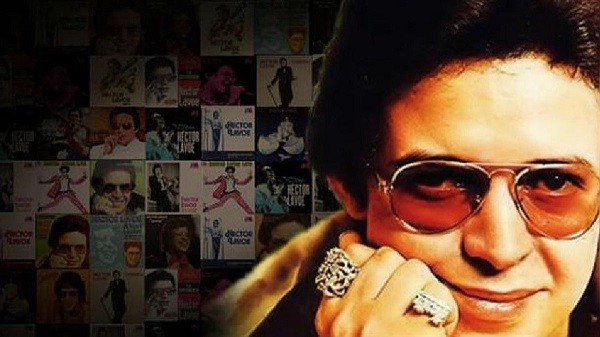
International Salsa Magazine showcases important facts about Héctor Lavoe

(Héctor Juan Pérez Martínez; Ponce, 1946 – New York, 1993) Puerto Rican singer and composer, considered one of the best interpreters of Caribbean music of all time and a pioneer in the introduction of New York salsa in the early 1970s.

He was part of the legendary orchestra of trombonist Willie Colón and was known by the nickname of El Cantante de los Cantantes.

-.Héctor Juan Pérez Martínez was born on September 30, 1946 in Ponce, Puerto Rico. His parents Luis and Francisca are musicians who, from song to song, manage to support a large family of several children.

-. In the year of Hector’s birth, the singers who would influence him are much older: Daniel Santos is 30 years old; Ismael Rivera, better known as “Maelo”, is 15; and Jose “Cheo” Feliciano is eleven.

-. At the age of three, he suffers his first loss: the death of Francisca Martínez, his mother.

-. Juan Morel Campos is a music academy where his father enrolls him. Héctor begins to learn classical music, but he quickly decides to learn what is played in the streets. Jesús Sánchez Erazo, better known as “Chuito el de Bayamón”, is his first idol.

-. Sings the song Campanitas de cristal, a bolero composed by Rafael Hernández Marín, at a school party.

-. In the early sixties, he forms with friends, including Papo Luca, a group that performs boleros and salsas. He earns 18 dollars a night and his talent seduces the people of Ponce. He is invited to sing on television programs. Musicians Felipe Rodríguez and Tito Lara give him a promising future.

-. At the age of 17, being recognized in his native Ponce, he travels to New York. His family does not agree with his departure. In the city he is greeted by the ghost of the death of a brother, who was supposedly a drug addict. He stays in the apartment of Priscila, one of his older sisters.

Héctor Juan Pérez Martínez

Before joining the Fania All Stars for the first time, a group directed by the Dominican Johnny Pacheco, he was part of bands such as Orquesta Nueva York and Alegre All Stars.

-. In 1966, at the age of 21, he sings alongside Pete Rodríguez, Adalberto Santiago, Tito Puente, Richie Ray, among other artists, in the incipient Fania All Stars. He meets Willie Colón, an American musician with Puerto Rican parents. “We both knew the world in the Bronx neighborhood. I learned to speak Spanish with Hector, although at first I understood what he was saying. I remember he had a brilliant sense of humor and was a great imitator of singers,” said Colón in an interview.

-. In 1967, he achieved fame with his first album with Willie Colón. It is a mixture of genres such as guaracha, plena and guaguancó, and is entitled El Malo. The album is a tribute to the slum culture of the United States and Latin America.

-. He tries to work as a painter, but his sister won’t allow it. After two weeks, he attends a musical rehearsal with his backing vocalist friend Roberto Garcia. Hector takes the microphone and makes the orchestra directors fall in love with him.

-. At the beginning of 1968 he meets Carmen, a follower he meets at a concert. On October 30 of that year Jose Alberto, his first son, is born.

-. After the birth of Jose Alberto, he has his second son with Nilda Román, another follower. With her, who is nicknamed “La Puchi”, he finally marries and stays in an apartment in Queens. Héctor Junior is the name of his second son.

-. At the end of the sixties he becomes addicted to drugs. In more than one stage he leaves the audience in a daze.

-. In 1971 he is called again to record, together with other stars, Fania All Stars at the Cheetah. This combo featured Cheo Feliciano, Richie Ray, Ismael Miranda, Celia Cruz and the young Rubén Blades. In 1973, the group filled the Yankee Stadium bleachers. Anacaona, Quítate tú and Ahora vengo yo are some of their hits.

-. With Willie Colón, he recorded more than 18 albums between 1967 and 1973. Thousands of reissues of Asalto navideño, El Juicio and Lo Mato were made. Che che colé, Ausencia, Calle luna calle sol, Todo tiene su final are the most requested songs by the Latin American public.

(H3) -. Willie Colón dissolves the duet in 1974. However, both continue to work. Lavoe’s talent continues despite his excesses and the author of Talento de televisión knows it well.

-. In 1975 he releases La voz, his first solo album. This incursion is interpreted as a second wind in his career. So much is his energy to continue that he releases eight more albums. De ti depende (1976) is a collection of boleros and Comedia (1978) breaks sales with the song El cantante, written by Rubén Blades. This work was also produced by Willie Colón, who that year teamed up with Blades to record Siembra, the best-selling salsa album.

-. His interpretation of El cantante helps to build the nickname “El cantante de los cantantes” (The singer of the singers).

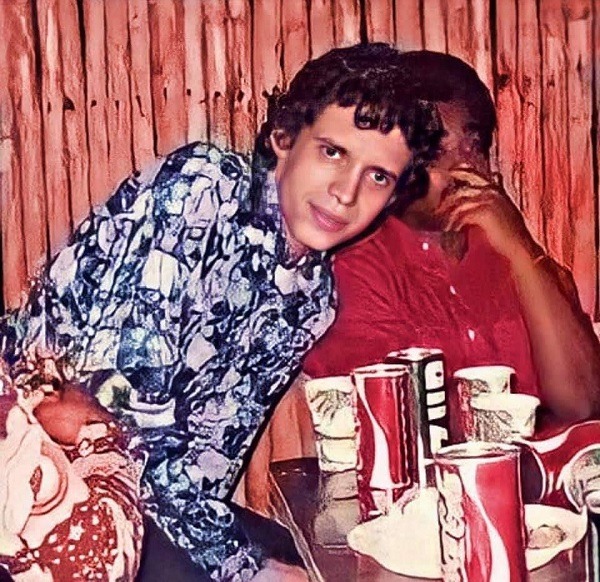
-. He performs at the Coliseo Evangelista Mora in Cali in 1977. This concert was attended by the writer Andrés Caicedo, who managed to take a picture with Lavoe in the dressing room. Months later, the author of ¡Qué viva la música! committed suicide with an overdose of barbiturates.

-. As a result of a strong depression, Lavoe is interned in a mental sanatorium in the United States in 1977. His heroin addiction, which he had begun to suffer at the end of the sixties, is not only known by those close to him but also by his fans. “He paid a lot of attention to me and, when he was in trouble, he would call me”, confessed singer Ismael Miranda in an interview.

-. Lives in Cali between November 1982 and March 1983 at the Hotel Aristi. He is a regular singer at the Juan Pachanga discotheque, owned by Larry Landa, a concert organizer. In the capital of the Valley it is said that Lavoe takes drugs during the day and tries to sing at night.

Hector Lavoe el Cantante de los Cantantes

In February 1987, due to a fire, he jumps out of his apartment in Queens. At the same time, in Puerto Rico, his mother-in-law is stabbed to death.

-. On May 7, 1987, his son Hector is hit by a stray bullet. “That death broke his heart,” said Tito Nieves in an interview. “At that moment Héctor Lavoe’s soul dies”.

-. He is diagnosed with AIDS in 1988. Those who visit him in the hospital maintain that he does not lose his sense of humor nor his desire to return to the stage.

-. In Bayamón, Puerto Rico, he sings Mi Gente in a patron saint festival. But his presentation is sabotaged by one of the organizers who supposedly owes him money; in the middle of the song the lights are turned off and Lavoe is left without sound to continue.

-. In 1988, he throws himself from the ninth floor of a hotel in San Juan. He survives to continue fighting the battle. He sings on a Bronx street in 1989. His physical deterioration is a reflection of his state of mind. Lavoe is a ghost of his former self.

Héctor Lavoe
Héctor Lavoe

-. Tito Nieves is one of his friends who accompanies him in his difficult days. Lavoe depended on other people to live. A thrombosis paralyzes part of his body.

-. In March 1993, pushed by his record company, he makes his last presentation in New Jersey. He sings with Roberto Roena’s orchestra. Maestro Roena is not able to play in front of the “Singer of singers”. “It was too much to put him on stage”, he said indignantly.

-. At the age of 46 he dies of a cardiac arrest, on June 29, 1993, in New York. “He came into the world to enjoy it and suffer it. Although he was not happy, he made many people happy,” said his sister Priscila.

-. He is buried in Puerto Rico. He is accompanied by a horde of followers. The presence of his friend Ismael Miranda stands out, who bids him farewell saying: “He is not here with us, but his music continues”.

-. In 2007, El cantante, a movie inspired by his life, was released. It stars Marc Anthony and Jennifer Lopez.

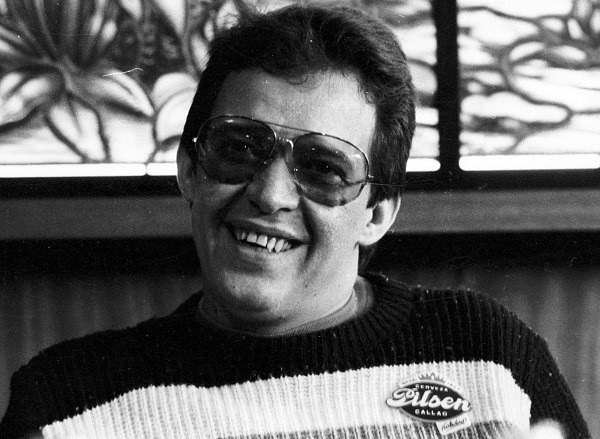
-. Currently there are two monuments in his honor. One in his native Ponce, Puerto Rico, and another in Callao, Peru.

Héctor Lavoe

You can read: Génesis of Salsa, its essence, characteristics, rhythm, history and expansión

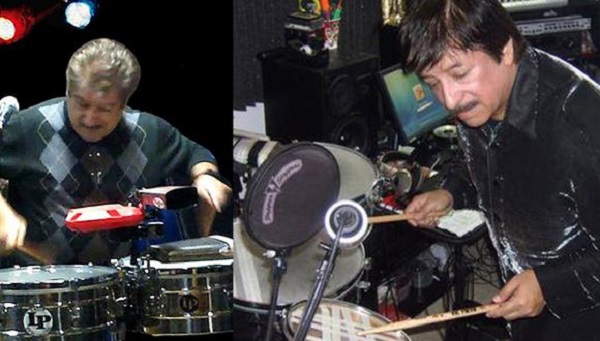
Carlos Peluzza Del Carpio, the versatile Peruvian musician, was in San Juan Puerto Rico

One of Puerto Rico’s salsa anthems is, without a doubt, ‘Borinquen’. Below, Papo Lucca, leader of the famous salsa group, tells us why he included the Peruvian percussionist in that song.

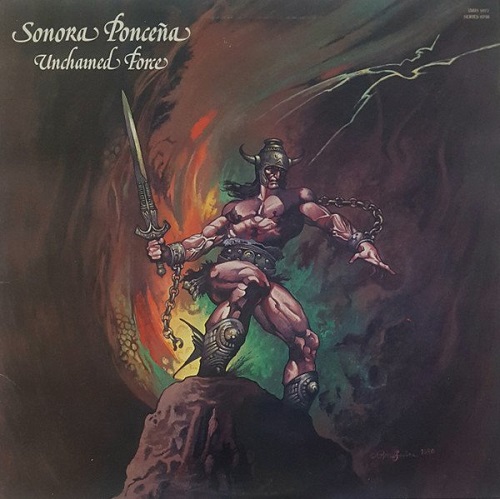
Papo Lucca needed an expert percussionist in Puerto Rican dance for the song ‘Borinquen’, written by Johnny Ortiz, which he would include in the LP ‘Unchained Force’.

It was 1980 and in those days Carlos Peluzza Del Carpio, the versatile Peruvian musician, was in San Juan.

Papo did not hesitate to summon him. “He lived here in Puerto Rico for a long time,” the Sonora Ponceña leader tells us over the phone. “It’s just that in the Sonora I don’t have a redoblante.

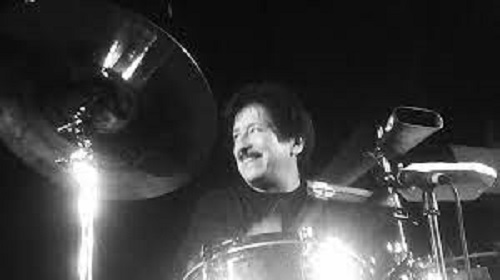
Carlos Peluzza Del Carpio

And since Peluzza was here and shared his musical journeys with many artists from Puerto Rico, he did know those secrets of Puerto Rican dance. It was for that reason that I invited him to be on that recording, recalls Papo, 37 years later.

Wison Torres Jr. was in charge of finding the Peruvian musician, who incidentally was in charge of the arrangements of the song (together with Papo). Peluzza’ was only informed that he was needed in a recording room. When he arrived he saw the percussion ready, a bass and a piano.

A few minutes later Papo arrived, greeted him and the memorable session began. The percussionist remembers it as one of the most beautiful moments of his life. Borinquen’, in its 6.56 seconds, was a hit.

The vocals were provided by Yolandita Rivera, one of the greatest soneras ever born on the Island of Enchantment. The choruses were provided by Toñito Ledee, Miguelito Ortiz and Edwin ‘Caneca’ Rosas. Papo was satisfied. And Carlos ‘Peluzza’ treasures the story fondly.

Sonora Ponceña Unchained Force 1980

That is just one of the many anecdotes that the famous pianist has with Peruvians. He remembers that one day on television in his country a girl and her father were singing the song ‘Fina estampa’. He liked it.

That’s why, in 1979, in the album ‘La Ceiba’, in which Celia Cruz sings, he decided to include that famous waltz by Chabuca Granda. “From that moment on, I got to know other pieces of Peruvian Creole music,” he says.

Papo has visited Lima many times. He has already lost count. He has friendships. For example, he is a friend of Carlos Aparicio, the volleyball coach. He assures us that once they even participated in a game of Alianza Lima’s girls. In addition, he reminds us that Edwin Caneca Rosas is also a referee of that sport. So everything was conspiring.

It is a June morning in La Perla, Callao, and the conversation continues under the gaze of Juan Núñez, a Peruvian singer who a few weeks ago was in Ponce, Puerto Rico, fulfilling a dream: rehearsing with the Sonora Ponceña. Papo is generous with Juan, highlights his singing qualities and underlines the friendship that has grown between them.

Carlos Peluzza Del Carpio, el versátil músico peruano

Precisely, we took the opportunity to ask him about the orchestra’s recent hit entitled ‘Canción a mis amigos’. This salsa was born after the terrible natural disasters that Peru and Colombia faced at the beginning of this year with the El Niño Costero phenomenon.

The composition is by Francisco Alvarado, who wrote it in two days. The voices were provided by Jorge Nicolai and Darvel García. What happened to you identified us a lot,” says Papo.

The musician adds that he felt that La Ponceña should make itself felt with a song of solidarity. Now it is time for it to be played on Lima’s radio stations. Will it become popular?

The twenty minutes of chatting come to an end and Papo has many topics left in the pipeline. He is very grateful and Juan Núñez tells us that behind his solemn appearance there is a human being who enjoys, who is passionate about music and who is always observing how to amalgamate sonorities. La Sonora Ponceña is still going strong and hopefully soon we will be able to see it unload in Lima.

We need to chant ‘Canción a mis amigos’. And that Carlos Peluzza, in one of those, returns to redoblar in ‘Borinquen’. Also that Yolandita Rivera sings? Hopefully.

Sources:

Martín Gómez V.

Papo Lucca

Carlos Peluzza

You can read: September 22, 2022 marked the 48th anniversary of the Fania All-Stars concert in Zaire, Africa

  • « Go to Previous Page
  • Page 1
  • Interim pages omitted …
  • Page 32
  • Page 33
  • Page 34
  • Page 35
  • Page 36
  • Interim pages omitted …
  • Page 42
  • Go to Next Page »

International Salsa Magazine (ISM) is a monthly publication about Salsa activities around the world, that has been publishing since 2007. It is a world network of volunteers coordinated by ISM Magazine. We are working to strengthen all the events by working together.