• Skip to primary navigation
  • Skip to main content

International Salsa Magazine

  • HOME
  • Previous editions
    • 2026
      • ISM / March 2026
      • ISM / February 2026
      • ISM / January 2026
    • 2025
      • ISM / December 2025
      • ISM / November 2025
      • ISM / October 2025
      • ISM / September 2025
      • ISM / August 2025
      • ISM / July 2025
      • ISM / June 2025
      • ISM / May2025
      • ISM / April 2025
      • ISM / March 2025
      • ISM / February 2025
      • ISM / January 2025
    • 2024
      • ISM / December 2024
      • ISM / November 2024
      • ISM / October 2024
      • ISM / September 2024
      • ISM / August 2024
      • ISM / July 2024
      • ISM / June 2024
      • ISM / May 2024
      • ISM / April 2024
      • ISM / March 2024
      • ISM / February 2024
      • ISM / January 2024
    • 2023
      • ISM / December 2023
      • ISM / November 2023
      • ISM / October 2023
      • ISM – September 2023
      • ISM – August 2023
      • ISM July 2023
      • ISM Edition June 2023
      • ISM – May 2023
      • ISM April 2023
      • ISM March 2023
      • ISM February 2023
      • ISM January 2023
    • 2022
      • ISM December 2022
      • ISM November 2022
      • ISM October 2022
      • ISM September 2022
      • ISM August 2022
      • ISM July 2022
      • ISM June 2022
      • ISM May 2022
      • ISM February 2022
      • ISM January 2022
    • 2021
      • ISM December 2021
      • ISM November 2021
      • ISM October – 2021
      • ISM September 2021
      • ISM August 2021
      • ISM July 2021
      • ISM May 2021
      • ISM April 2021
      • ISM June 2021
      • ISM March 2021
      • ISM February 2021
      • ISM January 2021
    • 2020
      • ISM December 2020
      • ISM November 2020
      • ISM October 2020
      • ISM September 2020
      • ISM August 2020
      • ISM July 2020
      • ISM June 2020
      • ISM May 2020
      • ISM April 2020
      • ISM March 2020
      • ISM February 2020
      • ISM January 2020
    • 2019
      • ISM December 2019
      • ISM November 2019
      • ISM October 2019
      • ISM Septembre 2019
      • ISM August 2019
      • ISM July 2019
      • ISM June 2019
  • Download Salsa App
    • Android
    • Apple
  • Spanish

Search Results for: King of Mambo

Dámaso Pérez Prado and the Succession of the “Mambo King”

Dámaso Pérez Prado was a Cuban musician, composer, arranger, and orchestra conductor, known worldwide as the “Mambo King.”

On December 3, 1983, Pantaleón Pérez Prado, an excellent bass player and composer, passed away in Milan, Italy. He was born on December 27, 1926, in Matanzas, Cuba.

Pantaleón’s Beginnings and Career

Pantaleón followed in the footsteps of his famous older brother, Dámaso Pérez Prado. At age 18, he formed his first orchestra, which he left in 1950 to join Dámaso’s group as a double bassist, accompanying him for several years.

He also played for a short time in Havana with the Laito Castro Orchestra. In the mid-1950s, Pantaleón Pérez Prado went independent and traveled to Europe, where he led an orchestra of Cuban musicians. This group achieved great success performing the songs that Dámaso had popularized.
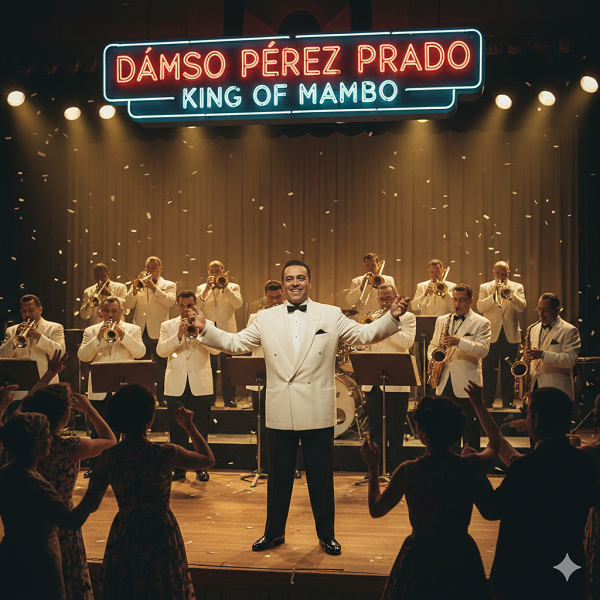
Dámaso Pérez Prado and the Succession of the King of Mambo

The Legal Dispute

In 1956, a dispute between Dámaso Pérez Prado and his younger brother, Pantaleón (1926–1983), led to an unusual legal conflict. Dámaso sued his brother for $500,000, accusing him of impersonation.

In Hispanic culture, it is common for children to receive both parents’ surnames. In this case, the brothers’ birth names were Dámaso Pérez Prado and Pantaleón Pérez Prado, respectively, with Pérez being the father’s surname and Prado the mother’s.

In Portugal, the song Pantaleón performed, “Mambo del Estudiante” (Student’s Mambo), became the “official anthem” of the University of Coimbra. He also succeeded in Spain, France, and Italy, where he was introduced as “Pérez Prado, Rey del Mambo” (King of Mambo), which produced intentional confusion with his brother Dámaso.

Dámaso initiated legal action that concluded with Pantaleón being prohibited from using the title “Mambo King,” while also being required to use his full name. Some suggest that, beyond the lawsuit, there was a tacit agreement between the two brothers, based on the fact that Dámaso visited Europe infrequently, focusing his activities in the Americas, while Pantaleón permanently settled in Milan.

Name Confusion and The Conflict’s Revival

Originally, RCA credited the recordings to Dámaso Pérez Prado. However, when his records began appearing in the US, the record company shortened his name to the more alliterative Pérez Prado. In 1955, Dámaso dropped his full name and legally changed it to Pérez Prado.

Around that time, Pantaleón, who played bass with his own group, appeared at the Alhambra theater in Paris under the name “Pérez Prado, el Rey del Mambo.” Pantaleón was subsequently restricted by court order from passing himself off as Pérez.

However, hostilities resumed when an angry French visitor called the Hollywood Palladium, where Pérez Prado was performing, and yelled at the management for featuring an “imposter,” claiming he had danced with the “real” Prado (actually Pantaleón) in Deauville a few weeks prior.
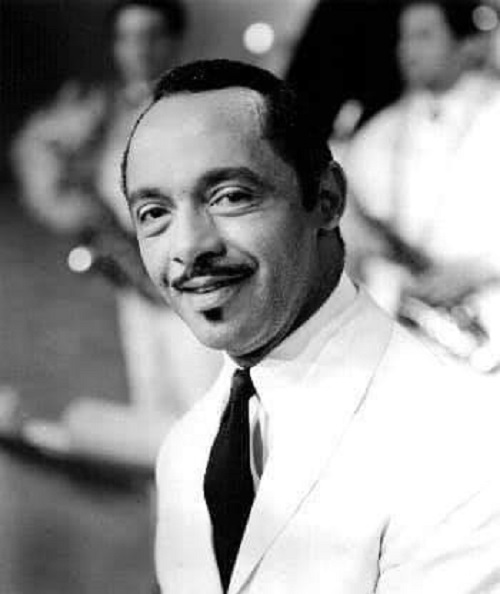
Dámaso Pérez Prado fue un músico, compositor, arreglista y director de orquesta cubano, conocido mundialmente como el Rey del Mambo.

The ensuing lawsuit effectively put Pantaleón out of commission, but the younger brother had a form of posthumous revenge. When Pantaleón died in 1983, a widely circulated obituary was headlined “Mambo King Dies in Milan,” leading many people to (erroneously) believe it was Dámaso who had passed away.

Pantaleón’s Career and Legacy

Pantaleón Pérez Prado performed in Greece and traveled to Iran at the invitation of the Shah himself and his wife, Princess Soraya. He remained active until shortly before his death in 1983.

Dámaso Pérez Prado’s Notable Hits

Dámaso Pérez Prado’s best-known songs include:

  • “Mambo No. 5”
  • “Qué rico el mambo” (also known as “Mambo Jambo”)
  • “Mambo No. 8”
  • “Cherry Pink and Apple Blossom White,” which was a number one hit in the United States.
  • “Patricia,” which was a worldwide hit and was included in Federico Fellini’s film La Dolce Vita.
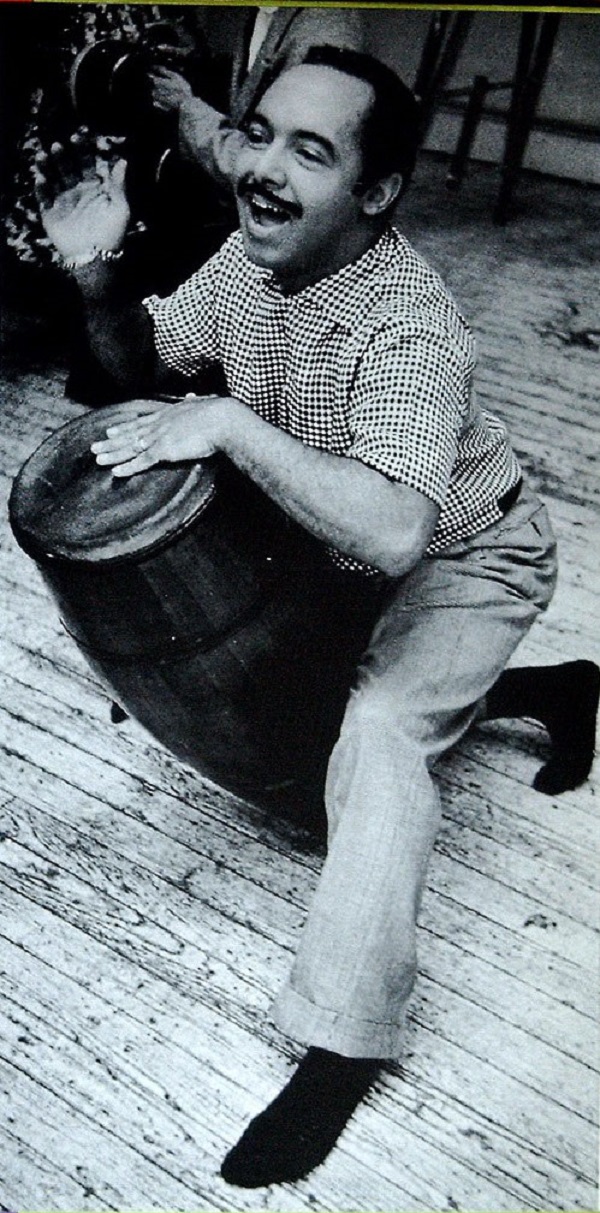
Dámaso Pérez Prado
Dámaso Pérez Prado

Legacy: In addition to his recordings, Dámaso Pérez Prado participated as an actor and musician in several Mexican films. His music was key to the international popularization of the mambo, and his style remains influential in Latin music and jazz.

Collaboration:

Los Mejores Salseros del Mundo 

Dj. Augusto Felibertt

Also Read: Israel “Cachao” López, a Cuban musician and composer, has been hailed as “the Inventor of Mambo

Ray Santos ¨ The last of the Mambo Kings ¨

He was the last surviving member of the glory days of mambo preceding what we know today as salsa.

Ray Santos was a Latin musician, was born to Puerto Rican parents on December 28, 1928, in New York City, attended the Juilliard School of Music where he studied saxophone.

He was a Professor at the City University of New York (City College), where he teaches a Band or ¨performance¨ course.

Ray Santos ¨The last of the Mambo Kings¨

He was a musician in the orchestras of Machito, Tito Puente and Tito Rodriguez. He was also was an arranger and musical director for recordings of Tommy Olivencia, Junior Toledo, Willie Rosario, Lalo Rodriguez, and Rudy Victorino and an Oscar winner in 1992, for the music of the film “The Mambo Kings” starring Armand.

Maestro Santos is a Puerto Rican man who has made significant contributions to Latin music as an arranger, bandleader, and musician.

Ray Santos was a Latin musician, born on December 28, 1928 in New York City to Puerto Rican parents.
Ray Santos ¨ The last of the Mambo Kings ¨

However, beyond the circles of mambo lovers and Latin music big bands of yesteryear, not much is known about his distinguished professional career in Puerto Rico.

Part of it, happens because of the nature of Ray Santos himself. This is a literate person but with an amiable and accessible character, totally devoid of vanity, presumption, or ostentation exhibited by other music personalities with attainments less than him.

For instance, unless he is asked directly, Ray Santos is not going to say that he participated with three arrangements on the compact disc “Palo Pa’ Rumba” CD of Eddie Palmieri, which received a Grammy Award from the Recording Academy in 1985.

Nor will he say that he also arranged for Eddie Palmieri and Tito Puente on the CD “Obra Maestra” which received a Grammy Award in 2001.

For Linda Rondstat he wrote all the arrangements and was the conductor for her CD “Frenesí”, which received a Grammy Award in 1993.

He was a musician in the orchestras of Machito, Tito Puente and Tito Rodriguez, also was as arranger and musical director for record productions of: Tommy Olivencia, Junior Toledo, Willie Rosario, Lalo Rodriguez and Rudy Victorino and winner of an Oscar Award in 1992, for the music of the movie "The Mambo Kings", protragonized by Armad.
Cynthia DeCure y Ray Santos

In the movie “Mambo Kings” he was a mambo director and arranger, including the arrangement of “Beautiful Maria of my Soul”, a song that was nominated for an “Oscar®” as “Best Song from a Motion Picture” at the 65th Academy Awards® of the Academy of Picture Arts and Sciences.

In other words, this is a person who has reached a seat of honor in the world of Latin music, is Puerto Rican, and is practically unknown by his countrymen.

On the one hand, the album “Mi Luz Mayor” celebrates the legacy of Machito, Puente, and Rodriguez. And on the other, The great contribution of Ray Santos to Afro-Caribbean dance music.

We would like to present the outstanding professional career of Maestro Ray Santos after he suffered a recent health problem.

Ray Santos y Eddie Palmieri

Ray Santos passed away at his home died on October 17, 2019, at the age of 90.

Facebook: Ray Santos

Sources:

By Ewin Martinez Torre

[email protected]

Latin Heritage Contributor

San Juan – Puerto Rico

Jaime Torres Torres

National Foundation for Popular Culture

El eterno ‘swing’ de Ray Santos

Articles of Interest: Ralph Irrizary, a well-known percussionist, is considered one of the most “Swing” timbaleros in the world

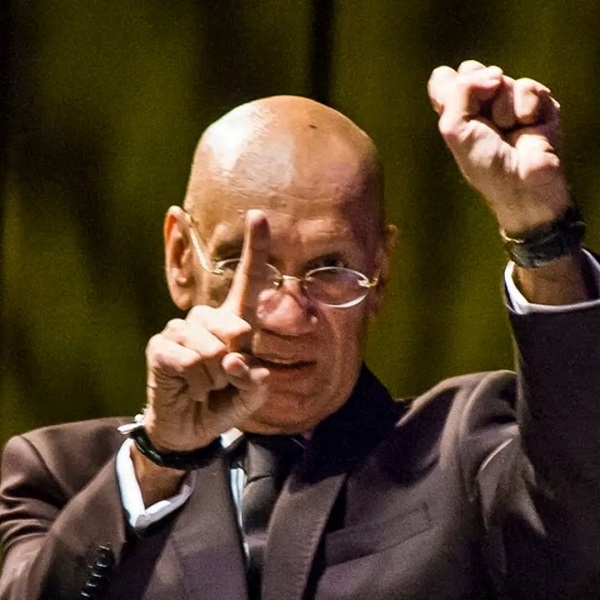
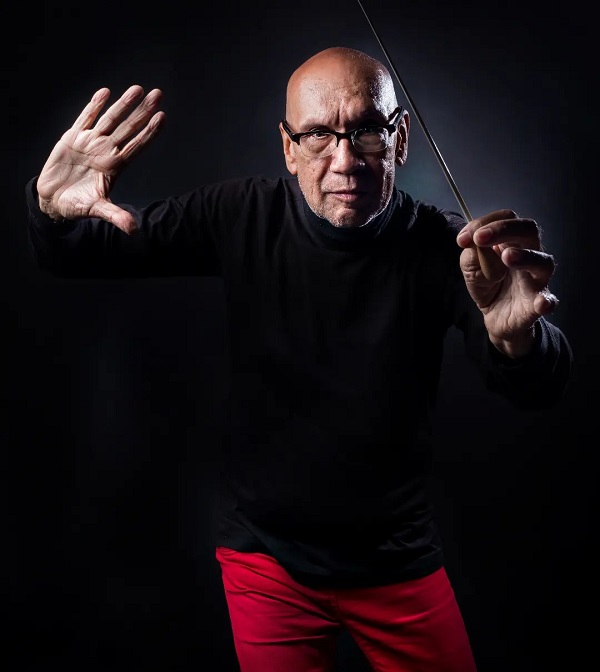
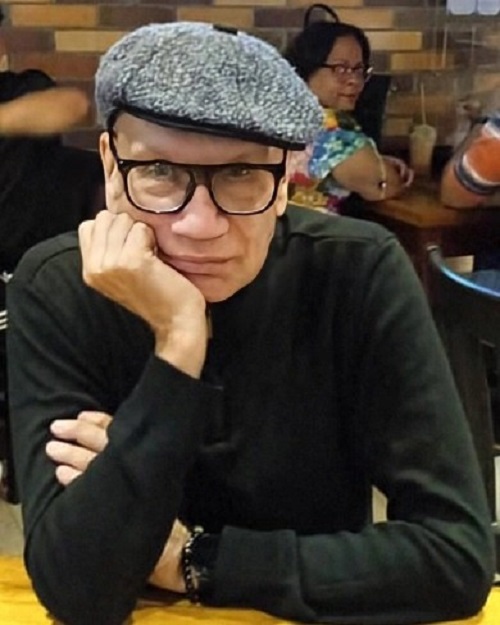
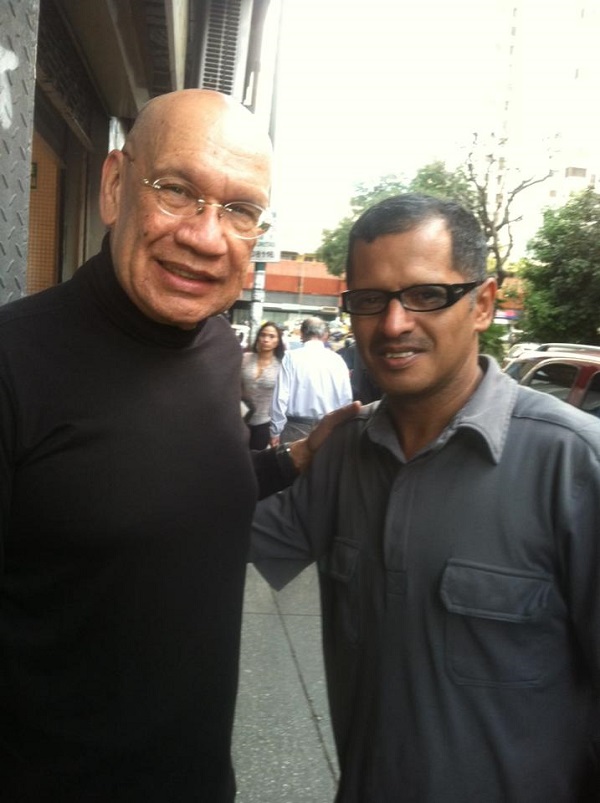
Andy Durán: The Architect of Mambo and Latin Jazz

If there is one name that embodies technical elegance and rhythmic passion in the contemporary Caribbean, it is Andy Durán.

A musician, arranger, composer, and conductor, Durán has spent over four decades serving as the guardian of the big band sound. He keeps the flame of legends like Tito Puente and Pérez Prado alive, but with a distinctive signature that fuses academic precision with popular soul.

Andy Durán El Arquitecto del Mambo y el Latín Jazz

Born in Caracas, Venezuela, on January 2, 1949, as Nelson Valor Ramos, this extraordinary artist is today an essential figure in music production and direction.

The Musician: Master of the Arrangement

Andy Durán is more than just a conductor; he is a scholar of musical structure. His academic background has allowed him to master the art of the arrangement the ability to transform a simple melody into a complex masterpiece where twenty musicians move as a single, unstoppable force.

  • The Big Band Sound: He is one of the few directors who has kept the large orchestra format relevant in Venezuela. His ensemble, Andy Durán’s Latin Jazz Big Band, is an institution renowned for its rhythmic precision and powerful brass section.
  • Stylistic Versatility: While Mambo is his backbone, his repertoire flows seamlessly through Jazz, Salsa, Mambo-Jazz, and traditional Venezuelan music.
  • Cult Discography: Albums such as Tropicalia, Mambo 2000, and his acclaimed tribute to Tito Puente, Fidelidad, are essential pieces for any collector of the genre.

The Person: The Educator and Music Lover

Behind the baton, Durán is known for his humility and profound work ethic; he is frequently described as a “gentleman of music.”

Nacido en Caracas, Venezuela, el 2 de enero de 1949, bajo el nombre de Nelson Valor Ramos
  1. Relentless Researcher: Beyond performance, he is a historian of rhythm. His concerts often turn into masterclasses where he explains the origins of the pieces, always honoring the original composers.
  2. Generational Bridge: He has served as a mentor for young Venezuelan musicians, integrating new talent into his ranks and proving that classic Caribbean genres have no expiration date.
  3. Cultural Resilience: In an era dominated by commercial trends, Durán remains faithful to acoustic quality and the complexity of Latin Jazz, earning the respect of international critics.
  4. Si existe un nombre que personifica la elegancia técnica y la pasión por el ritmo en el Caribe contemporáneo, ese es Andy Durán
    Si existe un nombre que personifica la elegancia técnica y la pasión por el ritmo en el Caribe contemporáneo, ese es Andy Durán

Career and Legacy

Andy Durán is one of the greatest exponents of Salsa and Latin Jazz in Venezuela. With 16 albums to his credit, he holds the most extensive discography of any Venezuelan jazz artist. Additionally, he is recognized as the country’s premier music copyist.

His beginnings date back to his youth with the group Nelson y su Sexteto. In 1978, he founded the Orquesta Palladium. Shortly after, he adopted the stage name “Andy Durán” to avoid confusion with other artists of the era and because it was easy to remember and write.

Since 1982, he has been fully dedicated to professional music, working alongside giants such as Aldemaro Romero, Eduardo Cabrera, the Billo’s Caracas Boys, Los Melódicos, and Soledad Bravo. In 1985, he released his first LP, Mambo Salsa. Among his most notable works are:

Nacido en Caracas, Venezuela, el 2 de enero de 1949, bajo el nombre de Nelson Valor Ramos
  • Tropicalia Caraqueña
  • Canelita y Andy Durán: Tribute to Celia Cruz
  • Tito & Tito (A tribute to Tito Puente and Tito Rodríguez)
  • Salsa Dura y Descarga: A Tribute to Fania
  • Fiesta con Billo

Reflections by Andy Durán: Is Singing Easy?

The Requirements: Flawless pitch, breath control, phrasing, and diction; in addition, a strong memory for melodies, lyrics, and orchestral arrangements.

It is highly recommended to know how to dance according to the genre being performed (e.g., Salsa). It is also beneficial to have basic acting skills to handle dramatic themes when necessary.

Andy Duran y Dj. Augusto Felibertt

Reading is mandatory to develop a rich vocabulary for improvisation or public speaking; it also prevents embarrassing spelling errors in written lyrics. Keeping the vocal cords healthy and trained is a vital matter. Music theory and sight-singing are the ideal, essential, and unavoidable tools.

Finally, a singer must define their style and repertoire with great care. One must invest in professional orchestral arrangements and have an arranger-director or advisor—this is an investment, just like stage attire.

Remember, my fellow singers: a director’s worst nightmare is a singer who is out of tune, off-beat, and forgetful.

Best regards to all vocalists and singers.

Maestro Andy Durán: Director, Arranger, and Composer

P.S. Vocalists must meet two more requirements: keep your nerves in check and sing from the heart.

Also Read: Víctor Cuica “The Eternal Breath of Latin Jazz and Venezuelan Identity“

Cache Orchestra in United Kingdom

Europe / United Kingdom / Holanda

Cache Orchestra in United Kingdom. The Best Mix for Salsa!

Cache Orchestra it’s known for its Salsa sound and is considered to be one of the finest bands of its kind in the UK. Their passion for the music is infectious and gets both Salsa enthusiasts and those new to the sensuous Latin American rhythms straight on the dance floor.

Cache Orchestra has thrilled audiences throughout the UK and internationally, playing authentic Latino rhythms that come straight from the streets of San Juan and Havana. The band is a lively and accessible mix that brings a vibrant spark to all the different rhythms that make up Salsa – mambo, rumba, chacha, bomba, merengue, bolero.

Cache Orchestra in United Kingdom- Integrans

Cache Orchestra has thrilled audiences throughout the UK and internationally, playing authentic Latino rhythms that come straight from the streets of San Juan and Havana. The band is a lively and accessible mix that brings a vibrant spark to all the different rhythms that make up Salsa – mambo, rumba, cha-cha, bomba, merengue, bolero.

“UK’s very own Buena Vista band….absolutely tremendous…. music like that and we’re all feeling terrific. If you don’t start to move to this there is no hope for you. Extraordinary music.” Sean Rafferty, BBC Radio 3

“Most of the band members hail from Santiago De Cuba, the birthplace of Cuban son…. and have the effortless musicianship that comes from being to the manor born…..a set infused with rhythm changes and infectious melodies and grooves. ….the best band playing Cuban son.” Jane Cornwell, Songlines (Homegrown)

“Band were great, intoxicating music and a great crowd – all of which made for a fabulous vibe. Thank you!”Cecile Jackson “Please pass on my thanks to the band who were brilliant at our event and were just what was needed to get the party going. My only regret was that I did not have more time to enjoy the band myself!” Anne Davis, Asylum Productions

“….the acoustic septet with the real sound of Santiago De Cuba.” Simon Broughton, CD of the week, Evening Standard.

“A big thank you to the band for an exceptional wedding party. Everyone was very impressed with the sound and impeccable musicianship and is still talking about the band.” Jessica Garland Communications & Events Manager .

Cache Orchestra in United Kingdom

“Thank you to you, the band and dancers for a fantastic evening at the Chanel Conference. Everyone had a great time and they were still talking about it when they left the next day!” Emma Stoker – World Event Management Ltd

“I just wanted to let you know how much we enjoyed the band on Saturday. The music was superb and everyone was so complimentary about the group. So, thank you for helping to make our day so memorable.” Linda Marks – Harrison Parrott Ltd, Project Management.

“Please pass on my thanks to the whole band who were great on Friday and really got everyone going in the Vodafone Village. I look forward to working with you again.” Dee Goldstraw – Business Development Manager, Liz Hobbs Group

For tours and more stay tuned with us and check their website

https://www.facebook.com/OrquestaCach%C3%A9-320982197917226/

Mambo Coffee

Latin America / Ecuador / Quito

Mambo Coffee. One year playing El Ritmo

Mambo Coffee - Photo 1
Mambo Coffee – Photo 1

We are talking about the fashionable nightlife space in Quito, a space dedicated to dancing, enjoyment and the city’s nightlife. From its tropical image that clearly denotes its dedication to Latin music, to its context, it calls you to have a good time, with family, friends and in the company of a good musical selection.

In a short time, the Mambo, as it is known, has achieved an important link between all the dance schools in the city, sometimes being the meeting place for these dance professionals. For everyone’s benefit we have bachata and salsa Wednesdays, classic salsa Thursdays and Fridays and tropical Saturdays where we can listen to a musical variety that manages to absorb a very heterogeneous audience.

Mambo Coffee - Photo 2
Mambo Coffee – Photo 2

Michell Castillo, manager, expresses to us, “…the concept of Mambo Café is aimed at a Latin public, salsero, who wants to enjoy a good bar.” Concept that day after day continues to be rooted in the visiting public. “… the name arose from the need for something multicolored for a salsa bar, the conditions of the premises allowed the designer to play with colors and structures that will speak for themselves.” It is striking to see a column decorated with acetate discs, murals and paintings in the best Caribbean style.

We had the experience of collecting impressions from many of the city’s dancers, all express the good atmosphere that is lived in this beautiful place, these institutions have had their doors open to celebrate their anniversaries, special parties, closing of the year and other festive occasions. thanks to the great opportunities that the bar offers us.

Mambo Coffee - Photo 3
Mambo Coffee – Photo 3

The recommendation is to try the range of cocktails, delight yourself with the flavored Margarita, a huge glass that you will surely taste with great fascination, not to mention the Maracuya mojitos and the bulldog tequila that surprises you with a corona beer among the decoration, all a show. The Mambo is still waiting for everyone’s visit, from Wednesday to Saturday making the bailadera fashionable in Quito.

It is located on Ave. Cristóbal Colón, Quito 170517, Ecuador where you can contact them through: Facebook: MamboCafeQuito Email: [email protected] Telephone: +593 2-223-1249

Mambo Coffee - Photo 4
Mambo Coffee – Photo 4
  • Page 1
  • Page 2
  • Page 3
  • Interim pages omitted …
  • Page 32
  • Go to Next Page »

International Salsa Magazine (ISM) is a monthly publication about Salsa activities around the world, that has been publishing since 2007. It is a world network of volunteers coordinated by ISM Magazine. We are working to strengthen all the events by working together.