Search Results for: Legacy of Salsa
Víctor Cuica “The Eternal Breath of Latin Jazz and Venezuelan Identity “
The legacy of a visionary who fused the saxophone with the essence of the Caribbean and national cinema.
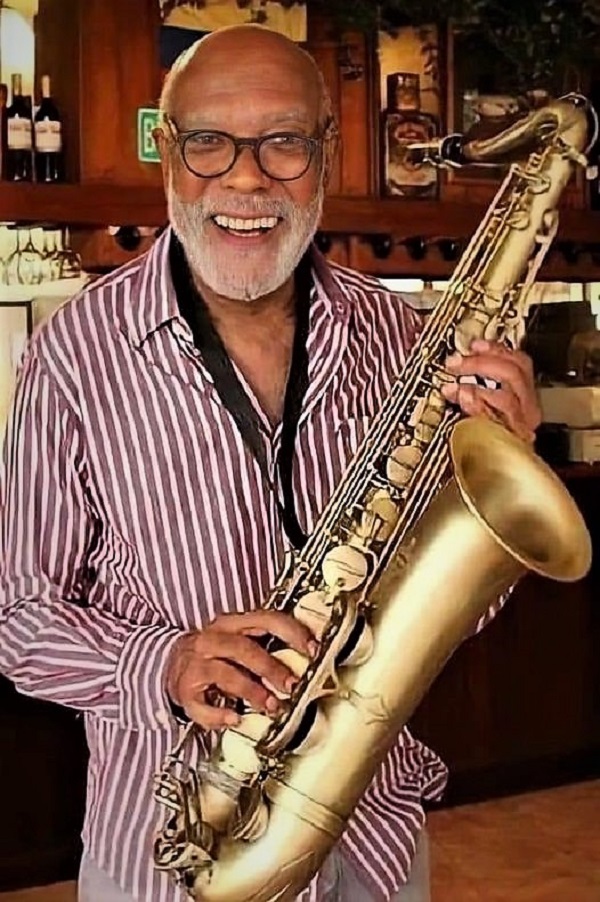
Víctor Cuica was more than just a musician; he was a bridge between two worlds. Born on April 19, 1949, in the iconic Caracas neighborhood of La Pastora, Cuica established himself as a preeminent saxophonist and actor, earning global acclaim for his innovative fusion of Jazz with Afro-Caribbean roots.
His presence defined a golden era in Venezuelan culture, as he shared the stage with legends such as Tito Puente, Paquito D’Rivera, Porfi Jiménez, and Gerry Weil.

Victor Cuica “The Eternal Breath of Latin Jazz and Venezuelan Identity”
Training and First Steps: The Birth of a Style
The journey of this virtuoso—master of the tenor and soprano saxophone as well as the flute—began in 1963 at the Military Music School of La Victoria. His time in the Venezuelan Navy band served as the catalyst for his love of Jazz, leading him to deepen his knowledge of flute, harmony, and composition at the “José Ángel Lamas” Higher School of Music.
His professional career took off in Chucho Sanoja’s orchestra. Shortly thereafter, he joined Oscar D’León’s ensemble. It was actually Cuica who suggested the name “Dimensión Latina” to replace the group’s former name, “Oscar y sus Estrellas,” thereby christening what would become the most iconic salsa orchestra in Venezuelan history.

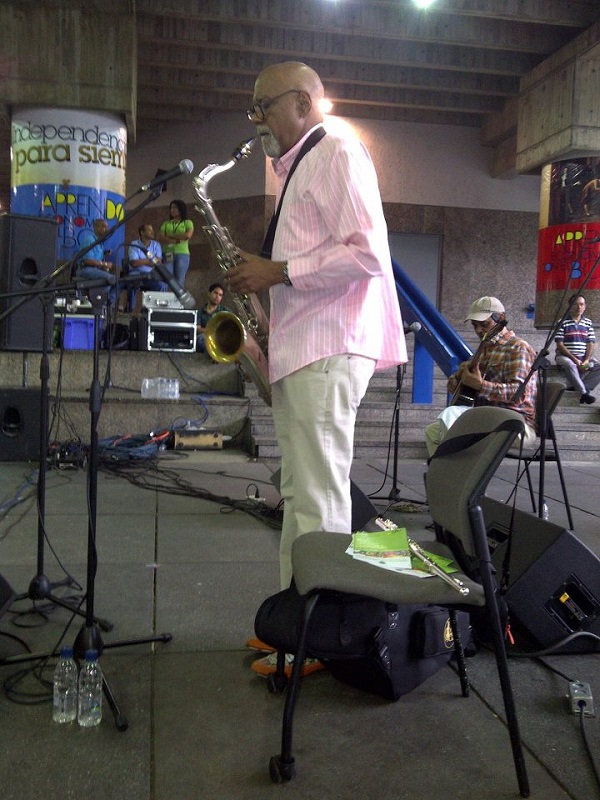
Victor Cuica in concert held on August 22, 2011 in Juan Pedro Lopez Square in Caracas
Latin Jazz: From the Silver Screen to International Stages
By the late 1970s, Cuica expanded his horizons into the “seventh art.” In 1978, he composed and performed the soundtrack for “The Sea of Lost Time” (El Mar del Tiempo Perdido), based on the short story by Gabriel García Márquez. A year later, he solidified his own group, “Víctor Cuica y su Jazz Latino,” debuting to resounding success at the Alcázar Theater in Caracas and gaining international momentum in Costa Rica.
Throughout the 1980s, critics hailed him as the most important innovator of jazz fusion in the region. His talent brought him to historic venues:
- 1981: He triumphed at the “Memphis in May” festival in Tennessee.
- 1982: He performed at the prestigious “Domicile” club in Munich, Germany.
- 1985: He reached a milestone as the leader of the first Venezuelan group invited to the Montreal International Jazz Festival, where he shared the limelight with the legendary vibraphonist Lionel Hampton.
Artistic Maturity and Recognition
In the 1990s, his music reached new academic heights when Maestro Eduardo Marturet composed the work “Music for Six and Sax” specifically for him. It premiered with the Sinfonietta Caracas and represented Venezuela at the 1992 Universal Exposition in Seville.

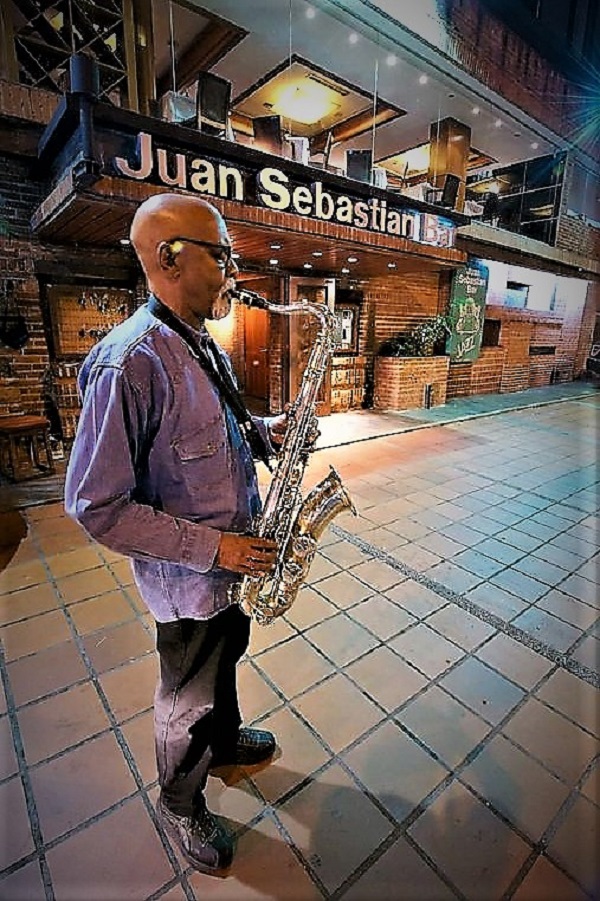
Víctor Cuica was not just a musician; he was a bridge between two worlds. Photograph at Juan Sebastian Bar
His discography, which includes gems such as Que sea para siempre (1984), Noctámbulo (1993), Just Friends (1998), and Los Locos de Caracas (1999), stands as a testament to his versatility. In 1995, the Venezuelan Artist’s Guild (Casa del Artista) honored him as Musician of the Year.
A Farewell with the Flavor of the Streets and Bohemia
Víctor Cuica passed away on Saturday, December 26, 2020, at the age of 71 due to a heart attack. His departure left a void in the film industry, where he starred in memorable films such as Santera (for which he also composed the award-winning soundtrack in 1997), and in the bohemian nights of Caracas, where his saxophone was often the soul of the evening.
A Tribute from His Peers
Multi-percussionist José Hidalgo, known as “El Tokun Mayor,” describes Cuica with words that summarize his essence:
“Víctor Cuica is the finest example of an artist intimately linked to his daily reality and cultural origins, without ever losing sight of the cosmopolitan and universal nature of his musical message. Cuica is the expression of genuine jazz performed with the simplicity of the streets.
Víctor is as authentic in his personal character as he is as an artist. This virtue was his companion as he traveled across numerous international stages, spanning the worlds of music, film, theater, and opera always with the transcendence of a bohemian, simple, and bold minstrel.
Cuica never ceases to surprise us, whether through his voice or the sound of his saxophone an instrument that, with his habitual ingenuity, he turned into a centerpiece of performance through his creativity and versatility.
His talent has graced stages across Europe and the Americas. His work projects far beyond the commercial mainstream and, today, leaves us with a brilliant musical improvisation that is truly beyond compare.”

DJ Augusto Felibertt with the one and only virtuoso Víctor Cuica
Today, the name Víctor Cuica remains etched in history as the man who gave Jazz a Caribbean color and gave the Venezuelan saxophone a voice of its own.

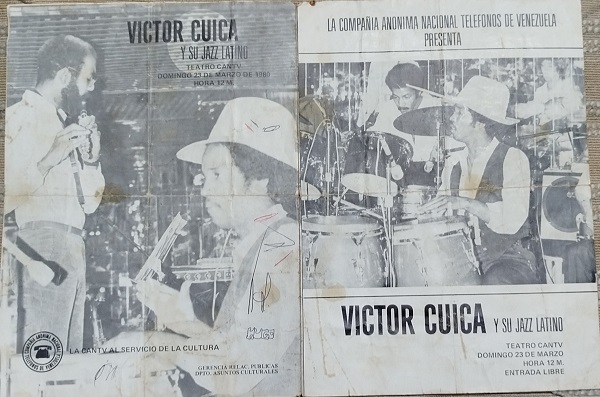
Victor Cuica and his Latin Jazz, March 23, 1980 at the Cantv Theater in Caracas
Also Read: Oscar Rojas Oscar Rojas has 54 years of musical career full of passion, rhythm and flavor
The Callao Carnival A Burst of Gold, Rhythm, and Tradition
The Cultural Heartbeat of Bolívar State
In the mining heart of Venezuela, where gold dictates the pulse of the land, an annual celebration arises that transcends simple festivity: The Callao Carnival.
This is not merely a costume party; it is a living chronicle of resistance, cultural fusion, and joy that has echoed through Bolívar State for over a century. Declared a UNESCO Intangible Cultural Heritage of Humanity in 2016, this festival is the result of a fascinating blend of West Indian, African, and European cultures.

A Journey to the Roots: The Origins of Calypso
The history of this carnival is intrinsically linked to the 19th-century gold rush. Immigrants from the British and French West Indies (Trinidad, Grenada, Saint Lucia) brought with them their languages (patois), their cuisine, and, above all, their music: calypso.
Unlike Trinidadian calypso, Callao Calypso developed its own distinct identity. It is sung in both English and Spanish, accompanied by the bumbac drum, the rallo (metal scraper), the bell, and the Venezuelan cuatro, creating a contagious rhythm that narrates the hardships and hopes of the miners of that era.
Iconic Characters: Guardians of Heritage

What makes the Callao Carnival unique is its colorful and unchanging hierarchy of characters, each carrying deep significance:
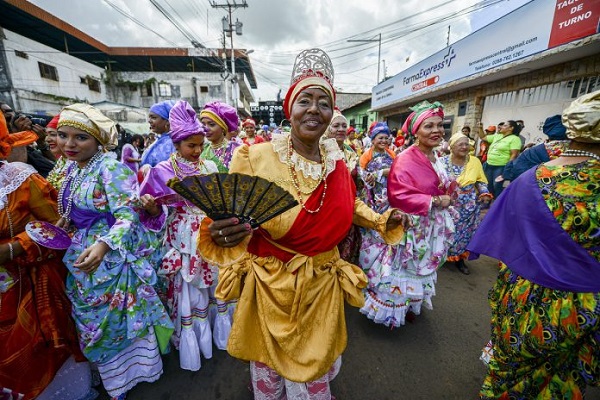
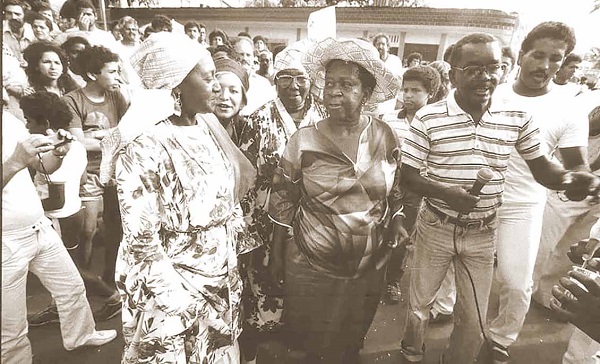
- The Madamas: They are the central figures and pillars of the tradition. They represent the matriarchs of the West Indies, dressed in regal, brightly colored gowns, headscarves (turbans), and abundant jewelry. The figure of Isidora Agnes, the legendary “Negra Isidora,” is remembered as the great defender of this culture.
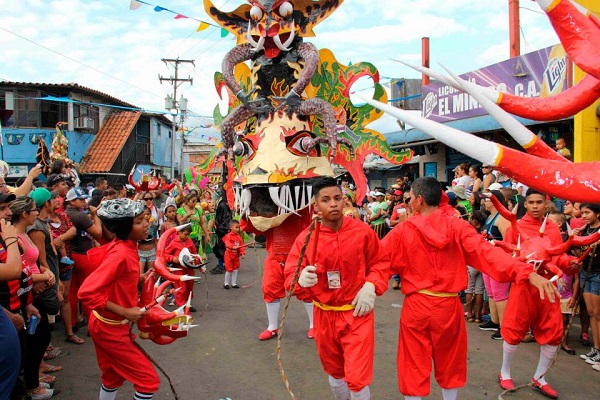
- The Dancing Devils: Dressed in red and black, they wear impressive masks with multiple horns. Their original role was to clear the path for the parade and maintain order with their whips, symbolizing the protection of the festivities.
- The Mediopintas: Characters who roam the streets smeared in a mixture of charcoal and molasses. With humor, they threaten to “paint” passersby unless they are given a coin (a medio).
- The Miners: Clad in helmets and carrying tools, they pay homage to the region’s primary economic activity and the workers who founded the town.
More Than a Party: An Identity

The Callao Carnival is a prime example of cultural resilience. During the festivities, social barriers dissolve under the sound of the bumbac. Families prepare all year to sew costumes and rehearse songs, passing this legacy from generation to generation.
Visiting El Callao during this time is to immerse oneself in a whirlwind of energy, history, and hospitality, where every parade tells a story and every beat celebrates freedom.
Isidora Agnes: The Eternal Queen Who Turned Calypso into World Heritage.
To speak of Isidora Agnes, universally known as “La Negra Isidora,” is not just to remember a figure from the past; it is to invoke the very soul of the El Callao Carnival. She was the vital force who rescued, protected, and championed this tradition until it reached its current status as a UNESCO World Heritage treasure.

A Leader Forged in El Callao
Born on August 17, 1923, Isidora was much more than a festive figure. With a firm character and clear convictions, she stood out as a social leader and labor unionist. Her role as the town’s first telephone operator was no coincidence; this position allowed her to be the town’s communication hub, hearing firsthand the needs and struggles of her people.
With deep West Indian roots (the daughter of immigrants from Saint Lucia and Martinique), Isidora grew up with calypso in her blood, leading her to fiercely defend her identity at a time when the tradition was beginning to fade.
Rescuing a Fading Tradition
In the mid-20th century, the El Callao Carnival was facing an identity crisis and losing ground to outside influences. Determined not to let her heritage die, Isidora launched a cultural crusade:
- Institutionalization: In 1954, she founded the “Friends of Calypso Association,” giving the festival a formal structure.
- Discipline and Aesthetics: She organized the parades under strict standards of authenticity, demanding rigor in costume making and respect for traditional music.
- National Exposure: She took calypso beyond the borders of Bolívar State. Thanks to her, Caracas and the rest of Venezuela discovered the thundering bumbac and the patois choruses.
The “Madama” Par Excellence
While the carnival features many “Madamas,” Isidora became the ultimate icon. She didn’t just wear the dress; she personified the elegance, respect, and stately joy of the figure. Her presence in the streets dictated the rhythm of the entire festival.
Beyond the Dance: Her Social Legacy
“La Negra” Isidora’s commitment didn’t end when the drums were put away. She was a tireless advocate for El Callao. It is said she never hesitated to travel to the Miraflores Palace to demand improvements from the nation’s presidents, achieving milestones such as the installation of the sewage system and the construction of the local hospital.

Facts That Immortalize Her Legend
- The Carnival Anthem: The famous song “Isidora, Isidora, Isidora Callao Calipso Queen,” composed by her close friend Lulú Basanta, is considered the unofficial anthem of the festivities today.
- A Poetic Farewell: She passed away on March 5, 1986. Ironically, it was Ash Wednesday—the day the carnival ends. She was laid to rest with state honors and, as per her final wish, to the rhythm of calypso.
- A Date of Honor: In commemoration of her birth, every August 17th is celebrated as Municipal Calypso Day in El Callao.
Also Read: Samba el baile que despierta el Carnaval en Brasil
Compay Segundo The Eternal Patriarch of Cuban Son
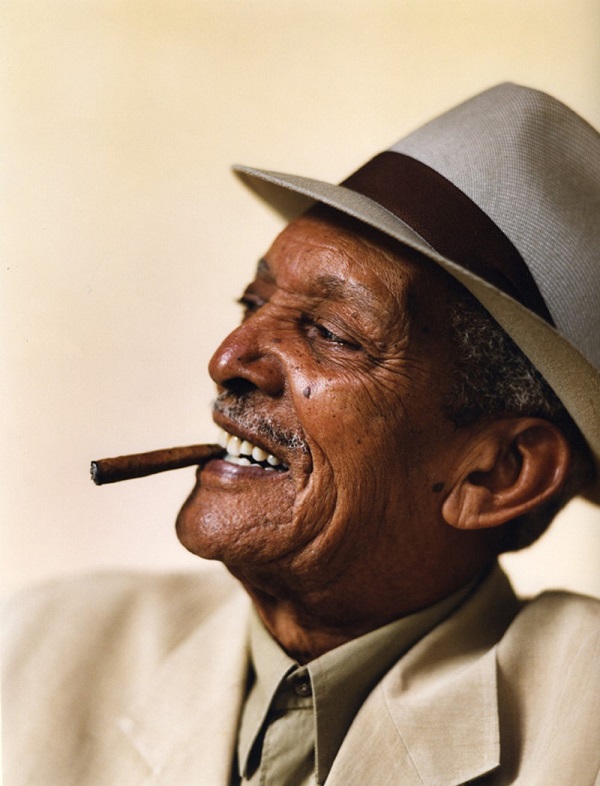
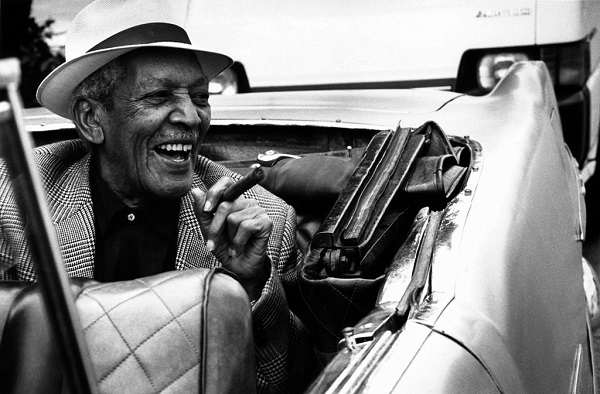
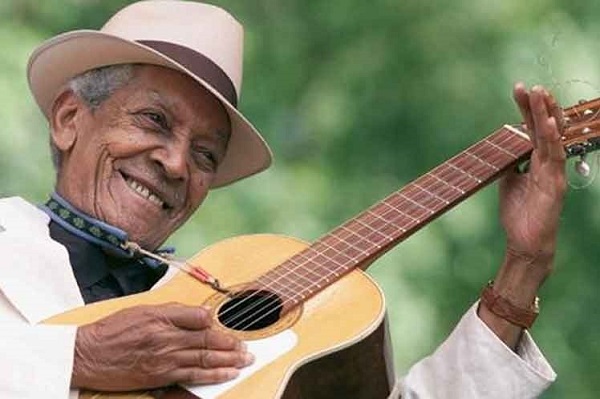
Máximo Francisco Repilado Muñoz better known as Compay Segundo (1907-2003) The voice that conquered the world in the nineties.
Máximo Francisco Repilado Muñoz, globally known as Compay Segundo, is one of the most emblematic and essential figures in traditional Cuban music.
Born on November 18, 1907, in Siboney, Santiago de Cuba, his life was a dedication to music that culminated in a late, but well-deserved, global fame before his passing in Havana on July 13, 2003.

Origins and Musical Training
Compay Segundo was raised in a highly musical and manual environment. His father, Máximo Repilado, was a bricklayer and a great lover of traditional santiaguera music, while his mother, Caridad Muñoz, provided a strong cultural influence.
Coming from a large family, his brother Lorenzo Repilado was also an active figure in the Santiago music scene.
His beginnings were typical for the era. Compay started his career as a clarinetist in the Santiago Municipal Band, consolidating his training by later joining the Army Band. In the 1930s, he migrated to Havana, a crucial step that fully integrated him into the capital’s professional circuit.

Los Compadres and the Birth of the Name
The stage that would give him his artistic name and national fame was the formation of the Dúo Los Compadres in the 1940s alongside Lorenzo Hierrezuelo.
- The Nickname: The name “Compay Segundo” (Second Compadre) arose because Máximo Repilado always sang the low harmonic or “second” voice (segundo) in the song, while Hierrezuelo performed the main voice. Hence, the affectionate Cuban diminutive “Compay” (short for compadre) plus “Segundo” (Second).
- National Success: The duo became a sensation throughout Cuba, leaving behind unforgettable classics of son oriental such as “Macusa,” “Mi Son Orientál,” and the early version of what would become his most famous song: “Chan Chan.”

The Armónico: His Instrumental Contribution
One of Compay’s most unique contributions was the invention of the “armónico,” an instrument he designed himself. It is a seven-string hybrid, halfway between the traditional Spanish guitar and the Cuban tres. This instrument allowed him to simultaneously execute bass lines, harmony, and melody, creating a unique sound that became the foundation of his style.
The Buena Vista Social Club Phenomenon
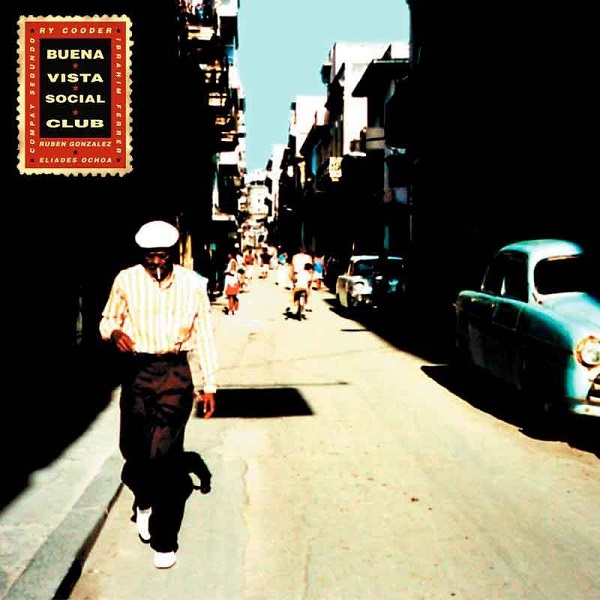
When it seemed Compay’s career was waning, destiny reserved the most glorious stage for him. In 1997, at the age of 90, he was invited by American musician Ry Cooder to participate in the recording of the album “Buena Vista Social Club.”
- Global Fame: The success of the album and the subsequent documentary directed by Wim Wenders catapulted him to worldwide fame.
- The Anthem: His unmistakable voice and the magical rendition of the song “Chan Chan” turned him into an international superstar, leading him to perform on the world’s most prestigious stages and bringing Cuban son to audiences of all ages.

Legacy and Family Continuity
Compay Segundo left behind a repertoire of songs considered national treasures. His most prominent tracks include “Chan Chan,” “Sarandonga,” “Las Flores de la Vida,” “Orgullecida,” and the popular bolero “Veinte Años,” which he popularized.
Compay was a father to at least nine children. His musical legacy not only lives on through his recordings but also through the activity of his descendants:
- Basilio Repilado (1954–2012): Founder and arranger of the Grupo Compay Segundo.
- Salvador Repilado: Upright bass player and current director of the Grupo Compay Segundo, the official international touring ensemble.
Furthermore, the younger generations (grandchildren and great-grandchildren) such as Yohel, Alejandro, and Yurisley Repilado continue the tradition in Havana with the ensemble “Los Herederos de Compay Segundo” (The Heirs of Compay Segundo), ensuring that the unmistakable sound of the Patriarch of Cuban Son continues to resonate in Cuba and the world.
Collaboration:
Dámaso Pérez Prado and the Succession of the “Mambo King”
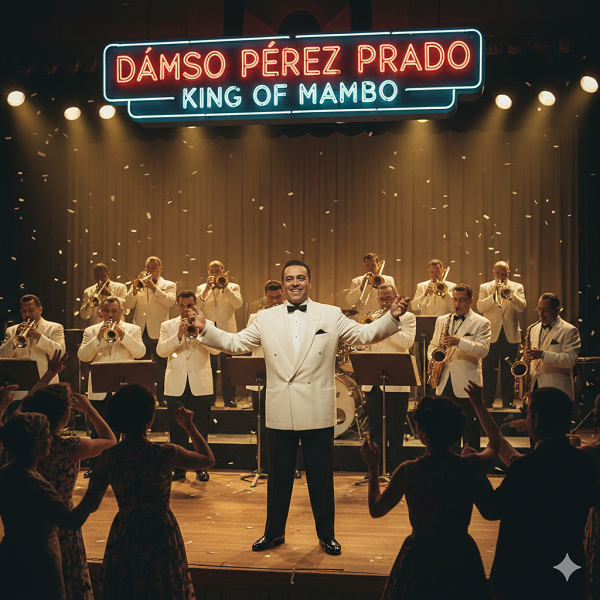
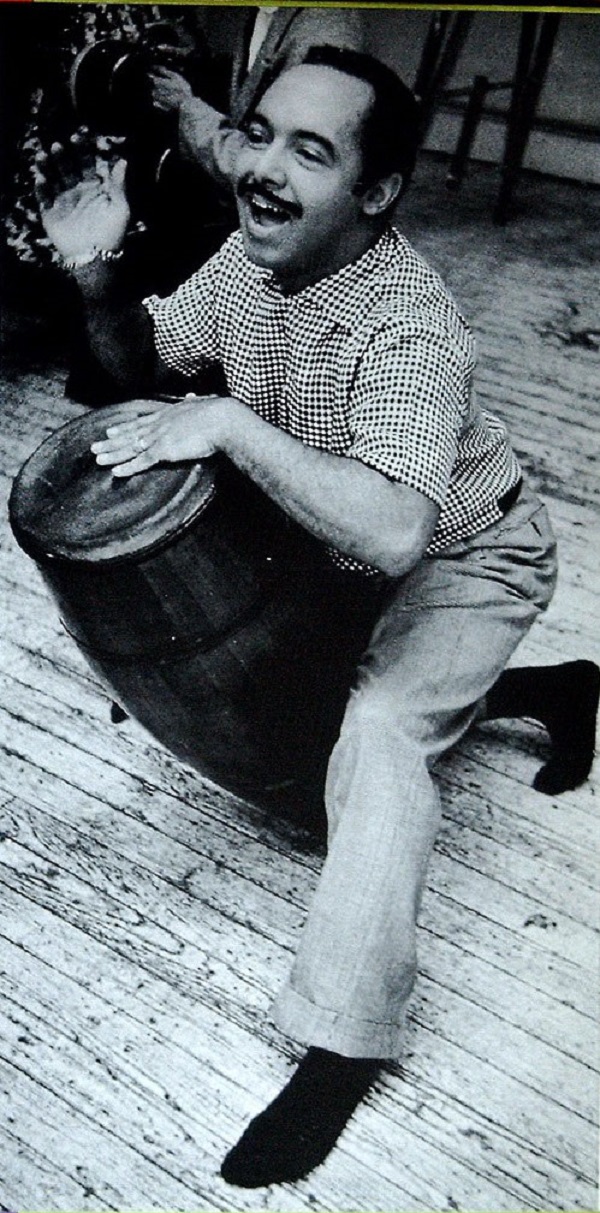
Dámaso Pérez Prado was a Cuban musician, composer, arranger, and orchestra conductor, known worldwide as the “Mambo King.”
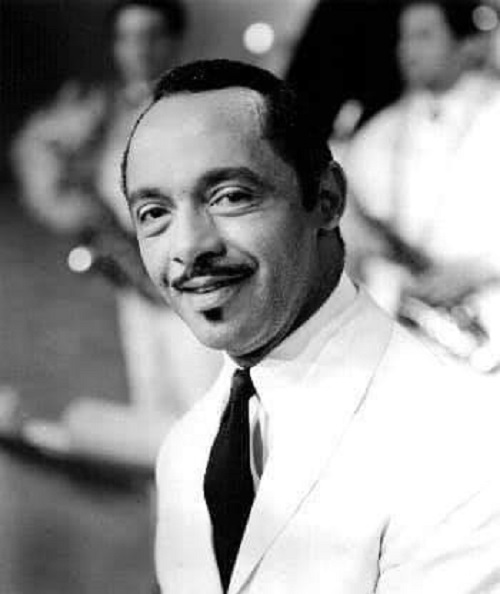
On December 3, 1983, Pantaleón Pérez Prado, an excellent bass player and composer, passed away in Milan, Italy. He was born on December 27, 1926, in Matanzas, Cuba.
Pantaleón’s Beginnings and Career
Pantaleón followed in the footsteps of his famous older brother, Dámaso Pérez Prado. At age 18, he formed his first orchestra, which he left in 1950 to join Dámaso’s group as a double bassist, accompanying him for several years.
He also played for a short time in Havana with the Laito Castro Orchestra. In the mid-1950s, Pantaleón Pérez Prado went independent and traveled to Europe, where he led an orchestra of Cuban musicians. This group achieved great success performing the songs that Dámaso had popularized.

The Legal Dispute
In 1956, a dispute between Dámaso Pérez Prado and his younger brother, Pantaleón (1926–1983), led to an unusual legal conflict. Dámaso sued his brother for $500,000, accusing him of impersonation.
In Hispanic culture, it is common for children to receive both parents’ surnames. In this case, the brothers’ birth names were Dámaso Pérez Prado and Pantaleón Pérez Prado, respectively, with Pérez being the father’s surname and Prado the mother’s.
In Portugal, the song Pantaleón performed, “Mambo del Estudiante” (Student’s Mambo), became the “official anthem” of the University of Coimbra. He also succeeded in Spain, France, and Italy, where he was introduced as “Pérez Prado, Rey del Mambo” (King of Mambo), which produced intentional confusion with his brother Dámaso.
Dámaso initiated legal action that concluded with Pantaleón being prohibited from using the title “Mambo King,” while also being required to use his full name. Some suggest that, beyond the lawsuit, there was a tacit agreement between the two brothers, based on the fact that Dámaso visited Europe infrequently, focusing his activities in the Americas, while Pantaleón permanently settled in Milan.
Name Confusion and The Conflict’s Revival
Originally, RCA credited the recordings to Dámaso Pérez Prado. However, when his records began appearing in the US, the record company shortened his name to the more alliterative Pérez Prado. In 1955, Dámaso dropped his full name and legally changed it to Pérez Prado.
Around that time, Pantaleón, who played bass with his own group, appeared at the Alhambra theater in Paris under the name “Pérez Prado, el Rey del Mambo.” Pantaleón was subsequently restricted by court order from passing himself off as Pérez.
However, hostilities resumed when an angry French visitor called the Hollywood Palladium, where Pérez Prado was performing, and yelled at the management for featuring an “imposter,” claiming he had danced with the “real” Prado (actually Pantaleón) in Deauville a few weeks prior.

The ensuing lawsuit effectively put Pantaleón out of commission, but the younger brother had a form of posthumous revenge. When Pantaleón died in 1983, a widely circulated obituary was headlined “Mambo King Dies in Milan,” leading many people to (erroneously) believe it was Dámaso who had passed away.
Pantaleón’s Career and Legacy
Pantaleón Pérez Prado performed in Greece and traveled to Iran at the invitation of the Shah himself and his wife, Princess Soraya. He remained active until shortly before his death in 1983.
Dámaso Pérez Prado’s Notable Hits
Dámaso Pérez Prado’s best-known songs include:
- “Mambo No. 5”
- “Qué rico el mambo” (also known as “Mambo Jambo”)
- “Mambo No. 8”
- “Cherry Pink and Apple Blossom White,” which was a number one hit in the United States.
- “Patricia,” which was a worldwide hit and was included in Federico Fellini’s film La Dolce Vita.

Legacy: In addition to his recordings, Dámaso Pérez Prado participated as an actor and musician in several Mexican films. His music was key to the international popularization of the mambo, and his style remains influential in Latin music and jazz.
Collaboration:
Los Mejores Salseros del Mundo
Also Read: Israel “Cachao” López, a Cuban musician and composer, has been hailed as “the Inventor of Mambo