• Skip to primary navigation
  • Skip to main content

International Salsa Magazine

  • HOME
  • Previous editions
    • 2026
      • ISM / March 2026
      • ISM / February 2026
      • ISM / January 2026
    • 2025
      • ISM / December 2025
      • ISM / November 2025
      • ISM / October 2025
      • ISM / September 2025
      • ISM / August 2025
      • ISM / July 2025
      • ISM / June 2025
      • ISM / May2025
      • ISM / April 2025
      • ISM / March 2025
      • ISM / February 2025
      • ISM / January 2025
    • 2024
      • ISM / December 2024
      • ISM / November 2024
      • ISM / October 2024
      • ISM / September 2024
      • ISM / August 2024
      • ISM / July 2024
      • ISM / June 2024
      • ISM / May 2024
      • ISM / April 2024
      • ISM / March 2024
      • ISM / February 2024
      • ISM / January 2024
    • 2023
      • ISM / December 2023
      • ISM / November 2023
      • ISM / October 2023
      • ISM – September 2023
      • ISM – August 2023
      • ISM July 2023
      • ISM Edition June 2023
      • ISM – May 2023
      • ISM April 2023
      • ISM March 2023
      • ISM February 2023
      • ISM January 2023
    • 2022
      • ISM December 2022
      • ISM November 2022
      • ISM October 2022
      • ISM September 2022
      • ISM August 2022
      • ISM July 2022
      • ISM June 2022
      • ISM May 2022
      • ISM February 2022
      • ISM January 2022
    • 2021
      • ISM December 2021
      • ISM November 2021
      • ISM October – 2021
      • ISM September 2021
      • ISM August 2021
      • ISM July 2021
      • ISM May 2021
      • ISM April 2021
      • ISM June 2021
      • ISM March 2021
      • ISM February 2021
      • ISM January 2021
    • 2020
      • ISM December 2020
      • ISM November 2020
      • ISM October 2020
      • ISM September 2020
      • ISM August 2020
      • ISM July 2020
      • ISM June 2020
      • ISM May 2020
      • ISM April 2020
      • ISM March 2020
      • ISM February 2020
      • ISM January 2020
    • 2019
      • ISM December 2019
      • ISM November 2019
      • ISM October 2019
      • ISM Septembre 2019
      • ISM August 2019
      • ISM July 2019
      • ISM June 2019
  • Download Salsa App
    • Android
    • Apple
  • Spanish

Search Results for: Legend

5th Rumba y Manana Afro-Cuban Festival in Cracow

Europe / Poland / Cracow

Rumba y Manana is a vibrant world of Afro-Cuban stories and legends coming alive in music and dance.

Rumba y Manana
Rumba y Manana

Rumba y Manana was born out of a pure passion for Cuban rumba and afro along with all they bring: roots, tradition, wealth of rhythms and movements, unlimited possibilities of interpretation, all the wide range of emotions and utility in the modern Cuban music and dance as well as all the amazing joy they bring.

  • We intend to create a place to develop and deepen your skills and knowledge of these dances, as we believe there is a true strength hidden in them.
  • We want them to become more and more popular, as they fully deserve it.
  • We want to share the joy and happiness of dancing them.

Rumba y Manana rumba in Cracow

We have also created another event to popularize rumba and Afro-Cuban dances: Sabado de la Rumba – a younger sister of Rumba y Manana. Sabado de la Rumba is a projector meetings with live music concerts and free-dancing accompanied by few workshops. We’ve hosted two editions of them in Cracow, where we always invite.

  • 3 workshop rooms , two of them with live music!
  • 4 levels of teaching : begginers, open, advanced, masterclass
  • One workshop room dedicated to Salsa
  • 3 salsa cubana parties with the best DJ!
  • Live Concert & Orisha show
Rumba y Manana Programm

Tickets & Programm: http://rumbaymanana.pl/
Bobby Escoto

North America / USA / California

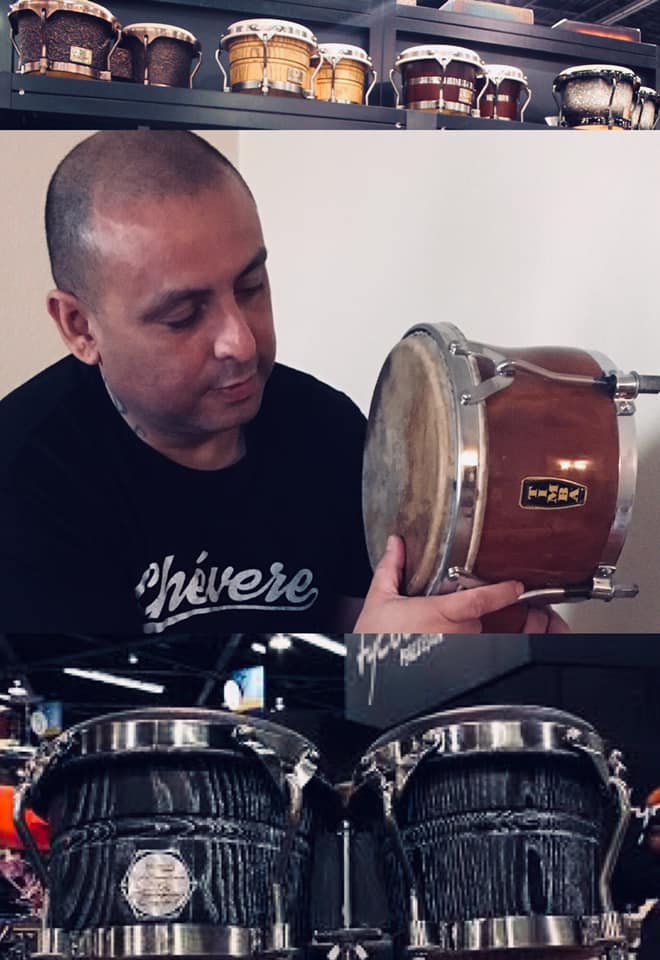
Bobby Escoto, a percussionist, was born in East Los Angeles, from Mexican & Puerto Rican descent. Bobby Escoto III is the nephew to the great vocalist Bobby Escoto, who performed and recorded, with the great percussionist, Tito Puente.  Bobby Escoto III has been playing music, since the age of eight. Today, Bobby is considered one of the most prominent percussionists in the salsa genre, here in his hometown of Los Angeles.

Bobby Escoto has performed with many salsa icons in Los Angeles, New York, Europe, and Asia.  Such as Celia Cruz, La India, Jose Alberto “El Canario,”Lalo Rodriguez, Domingo Quinonez, Menique, Camilo Azuquita, Yolanda Rivera, “Fania All Star” violinist Pupi Legarreta, trombonist Jimmy Bosh, and legendary vocalist Tito Allen who performed and recorded, with the legendary ‘conguero’, Ray Barretto.  Bobby also takes pride in performing and directing his band to back up Frankie Vasquez, Herman Olivera, Pupy Cantor, Jorge Maldonado, and  Hector Tempo Alomar, vocalists to his favorite band, from NYC, Conjunto Libre.

Bobby Escoto
Bobby Escoto

Bobby Escoto is the band leader, director and bongo player to his band, Conjunto Afro Son. They have performed at prominent salsa venues, as a back-up band, to salsa icons, due to their extensive educational background, training, and authenticity.  Bobby is also the band director and bongo player to The Granada All-Star Orchestra and The Salsa Divas (an all-female Orchestra) in the city of Alhambra, CA

Bobby’s goal is to increase awareness of the new generation, about the Afro Cuban and Puerto Rican music. Every Saturday you will find Bobby teaching percussion to underprivileged children in East Los Angeles. Bobby states: “it hasn’t been easy growing up in the streets of East Los Angeles, but my vision as a kid was to perform with great salsa icons.” Bobby Escoto believes that dreams do come true if you put your heart and effort into your talent.  No doubt, Bobby’s talent, passion for his art, leadership, and vision have no barriers.

Argentine-American composer and guitarrist Alejandro Meola kindly talked to us

There is a country we do not usually talk much about in this edition, but we have found the best moment to do so, and it is the land of tango and mate, Argentina. It turns out that, on this occasion, we talked with composer, singer and guitarist Alejandro Meola, who has honored us by accepting our invitation to this very special exclusive interview we had. 

Alejandro Meola is an artist who was born in the city of Miami, but his parents moved to Argentina when he was very young, so he spent his childhood and adolescence in the aforementioned country. In his accent, we can see how influential his upbringing in Buenos Aires was.   

Next, we will touch some of the most important issues related to his career and his life in general.  

This is Alejandro Meola
This is Alejandro Meola, a very talented Argentine-American guitarist

Alejandro’s beginnings in music 

As is typical, Alejandro began to feel a great attachment to music and it all started with the guitar that was in the house he grew up, with which he played at an amateur level and began practicing slowly and improving his skills over time. He says he always knew that his vocation was music, even without being old enough to decide on these issues. 

Given that the guitar was the instrument with which he started in music, this will always be the most important element in his artistic life above any other. However, he is also capable of playing other instruments such as piano, drums and bass, which can transport him to places within his mind where the guitar does not always take him.   

With regard to composition, Alejandro started to develop in this area through the need to express those emotions he had on the inside and communicate what his feelings in an original way with the help of music and the melodies that compose it. ‘‘I like to communicate things that resonate in other people’s minds and that’s where my taste for composition came from. Besides, I think that practice and time improve your ability to communicate emotions and transmit messages to anyone who listens to you. That evolves with oneself” said the artist.  

Alejandro’s musical education 

Alejandro told us that he studied at a music school in Argentina where he specialized more on guitar and composition, but what he calls ”street training” also helped him a lot to polish his act as an artist. The experience gained out the academies is so important to Alejandro that he even defines it as ”a parallel university”, which is as important as formal academic training, if not more. 

”It’s the street that gives you the tools, the experience and the journey to be a more complete artist. Practice on real stages is critical to specialize in music as it should be” Alejandro said on the subject.  

street training is important for Alejandro
According to Alejandro, ”street training” is very important for any artist

Argentine and American roots in Alejandro’s work 

Hearing Alejandro play evidences that he is heavily influenced by legendary and world-famous Argentine rock and the artist confirms this stating that he listened a lot to Fito Paez, Soda Stereo, Charlie Garcia, Gustavo Cerati, Luis Albert Spinetta, Andres Calamaro, among others. Undoubtedly, all of these music luminaries played a very important role on how this young man would perceive music, adding to all the American rock and blues he would listen to upon arrival in the United States. 

However, he noted that being in the United States also allowed him to listen to a number of Latin artists and rhythms which he never planned on experimenting with, but he did. His song ”La Inmigración” is a good example of this. In that regard, living in New York has expanded his horizons and led him to discover salsa, Cuban and Puerto Rican music. He also says that he took inspiration from Héctor Lavoe, Cheo Feliciano and La Fania when doing one or two songs. 

”At the end of the day, my music is a mixture of who I am and the places I’ve lived. A little from there, a little from here and a little from nowhere (laughs). A little from everywhere and a little from nowhere” he said.  

Alejandro also said that he is always on the lookout for other rhythms and ideas that come his way, but always using rock and guitar as a starting point.   

Alejandro at The Bowery Electric
Alejandro Meola playing live at The Bowery Electric

Why Alejandro chose New York as his permanent residence 

Since he was very young, Alejandro had always wanted to experience the dream of living and working in his art in New York. In addition to that, he wanted to know other cities in the country where he was born because while it is true that he spent most of his life in Argentina, he was also very clear that his country of birth was the United States, so he was curious to know it better. 

Once in New York, I met all kinds of people and artists with a very high musical level, so I was able to learn a lot from all of them. I feel like the bar is rising here and that led me to want to improve further every day. In that sense, I feel that New York gives you thick skin, since there are many obstacles to overcome to be truly recognized in music” said Alejandro about the city.   

The artist has been living in New York for 10 years now and is at ease in the place in which he currently is. In addition, he has managed to find a niche singing in Spanish, which has made him very happy and satisfied with his career.    

How Alejandro deals with languages in his music 

Something very common that many well-known artists do is to record songs in both English and Spanish so that the audience they reach is bigger, but Alejandro does not believe in it. He thinks that each song must have its own language and feeling, so he prefers to do one version of each song in one language. 

When he arrived in New York, he experimented a lot with English and has several albums in this language, but noting that he could work with Spanish without problems, he began to focus his music in that direction. In fact, today, almost all of his concerts are in Spanish.   

Each language has its advantages and disadvantages in terms of sound, so I must always pay attention to that,” said Alejandro on the subject. 

It has been a great pleasure for us to count on the talented Argentinean singer Alejandro Meola for this edition and we wish him the greatest success in his career from now on. 

Read also: El Tresero Moderno San Miguel Perez 

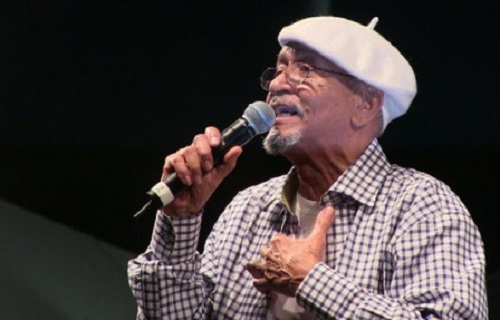
Justo Betancourt Querol Cuban sonero and singer famous for his interpretation of the song “Pa’ bravo yo”

Heir to the solid musical tradition of his family, Justo Betancourt was an incomparable sonero, possessing a unique personal style, He began his career at a very early age in his native Cuba, where he participated with orchestras and bands.

Justo Betancourt Querol Cuban sonero and singer famous for his interpretation of the song Pa' bravo yo.
Justo Betancourt Querol Cuban sonero and singer famous for his interpretation of the song Pa’ bravo yo.

In the 1960s, he arrived in New York, where he launched a new and brilliant stage of his career, singing vocals for the legendary and inveterate group, La Sonora Matancera, which was already established in the city. Betancourt stayed with the group for five years.

In later years, he was a member of the chorus of several groups, including those of Eddie Palmieri and Ray Barretto.

At the end of 1976 Justo settled in Puerto Rico, fleeing the limitations of the New York environment and separating himself from the tours and recordings of Fania All Stars, to enter the modern and freer scene projected by groups such as Sonora Ponceña, Willie Rosario, Bobby Valentín and Roberto Roena, among others, from the island.

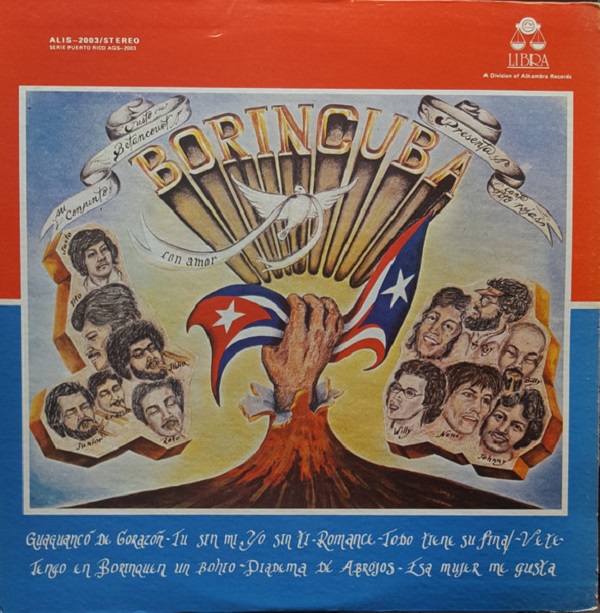
With young musicians including vocalists Sammy Gonzalez and Tito Rojas, he created his own orchestra which he called “Borincuba”, a name to reflect the mixture of Puerto Rican and Cuban artists.

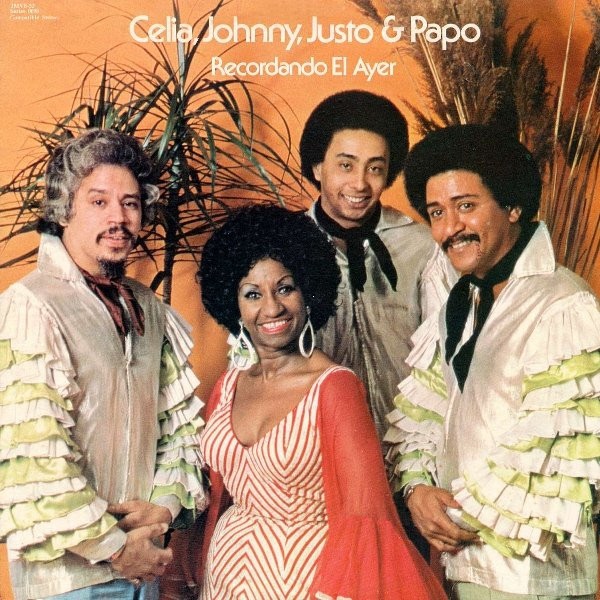
In 1976 Johnny Pacheco in his interest to maintain the successful formula of the modernization of the sound of the Sonora Matancera as the typical sound of his group (the Tumbao Añejo), unites the voice of Justo Betancourt with that of his compatriot Celia Cruz, it was the first time that this duo of Cubans in exile was reunited, in the album “Recordando El Ayer” and in which the young pianist Papo Lucca was presented in a big way. Justo’s voice was recorded in the songs “La Equivocada” (a duet with Celia), “Ahora Sí” and “Guíllate”.

Celia, Johnny, Justo & Papo Recordando El Ayer 1976


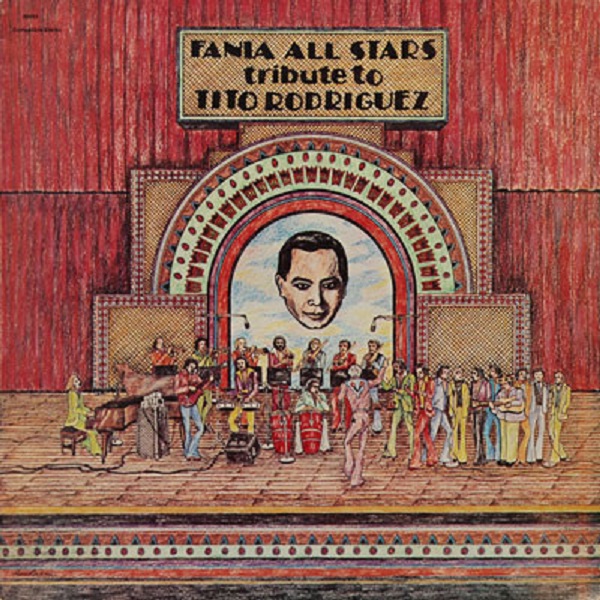
That same year 1976, Justo is part of the ten vocalists that the Fania All Stars summons for his first production in a recording studio in the project “Tribute To Tito Rodriguez”, in which he performs the song “Cara De Payaso”, (the other vocalists were Santos Colón, Bobby Cruz, Cheo Feliciano, Héctor Lavoe, Ismael Miranda, Ismael Quintana, Pete “Conde” Rodríguez, Rubén Blades (his first recording with Fania All Stars) and Chivirico Dávila (his only recording with the group).

Fania All Stars Tribute To Tito Rodriguez 1976

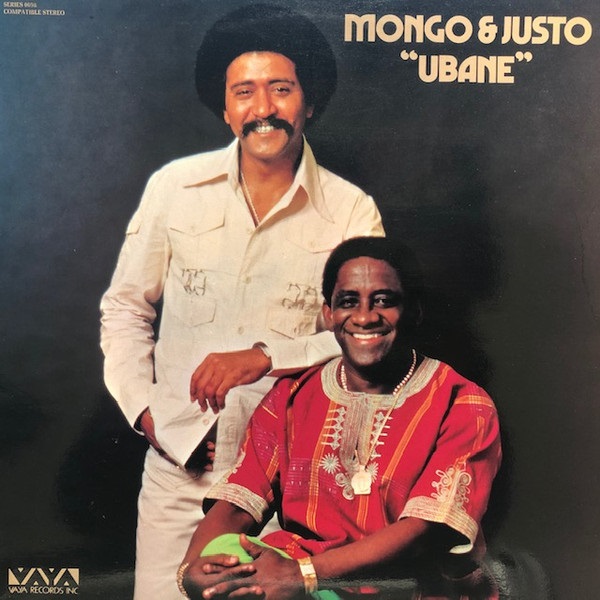
To complete this productive year, Justo Betancourt joins percussionist Mongo Santamaría as the lead vocalist for the musical work “Ubane”, with the production of Marty Sheller, one of the important experimental albums of the salsa boom, a work that recovers the saxophone for the Salsa and bembé orchestra in the old Cuban Guaracha of the 50’s, and in which a constellation of New York, Cuban, Puerto Rican and Colombian musicians participate.

Mongo y Justo Ubane 1976.

However, the album did not succeed in definitely catching on with the public and ended in the most unjust failure.

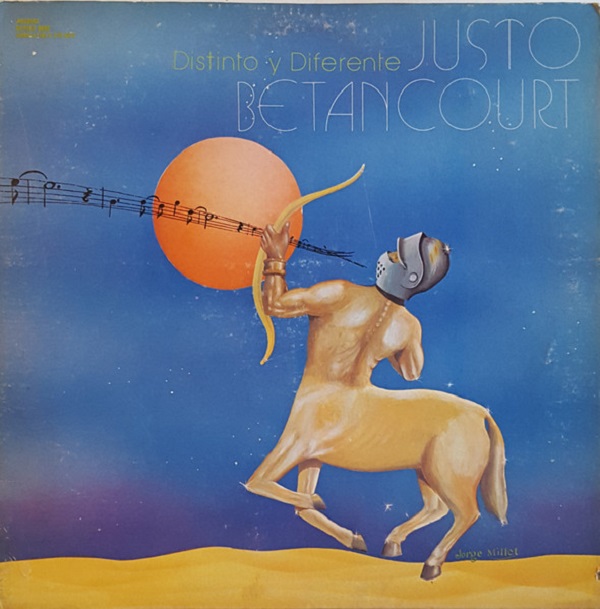
With his new orchestra, he recorded four albums, of which he recorded as lead singer in only two albums: “Distinto Y Diferente” (1977) which includes the songs: “No Estás En Nada”, “Distinto Y Diferente”, “Soy Profesional” and “Óyela”; and “¡Presencia!” (1978) which includes a tremendous new version of the bolero “Psicología” and the song, composed by Catalino “Tite” Curet Alonso, “Camarón”. Justo was always among the best and remained oblivious to the decadence of the industrial boom of New York Salsa at the end of the decade.

Justo Betancourt Distinto Y Diferente 1977

His secret was to remain bravo by performing authentic Caribbean music without the commercial additives imposed by Salsa.

The young singer who performed in the chorus and Justo’s student in Borincuba, Tito Rojas, became the lead singer in the following album “Con Amor” (1978), which Betancourt conducted and participated in the chorus.

Tito Rojas’ last work before splitting from Borincuba to start his solo career was the album titled only as “Borincuba”, in which Justo also served as musical director and backing vocalist.

Justo Betancourt Presenta Su Conjunto Borincuba Canta Tito Rojas Con Amor 1978

So in 1979, when Tito inherited the band, he started his solo career changing the name to Tito Rojas y el Conjunto Borincano¸ which had a short existence.

After a series of his own albums, he became the lead vocalist of the Puerto Rican Power Orchestra and appeared on their first two albums (1987 and 1989).

In 1990, Tito Rojas embarked on his solo career with the romantic salsa album “Sensual” which reached first place in the Latin Music Hit Parade in April.

In the following years, Betancourt, residing between New York and San Juan, continued in the inertia of the Fania contracts. In March 1979, when the Fania All Stars were part of the group of musicians who traveled to the island of Cuba to participate in the “Havana Jam Festival”, a musical exchange between the United States and Cuba organized by CBS and held at the Karl Marx Theater in Havana, Justo Betancourt and his compatriot Celia Cruz, for obvious political reasons, could not travel with the group; for this reason Justo decided to leave the All Stars.

Nevertheless, his contract with the Fania company remained in force, and that year he released another album titled “Justo Betancourt” (1979), produced by himself and Louie Ramirez, which included the songs “Yo Sin Ti” and “Qué Más Quieres De Mi”, among others.

In 1981, Betancourt returns to record again with the Sonora Matancera in an album entitled “Sonora Matancera Con Justo Betancourt”, produced by Javier Vásquez and recorded on the Bárbaro label, a subsidiary of Fania and owned by Jerry Masucci. On this album, four guest musicians appear for the first time to record with the Sonora: Pedro “Puchi” Boulong: on trumpet, José Daniel: on the tumbadora, Elpidio Vásquez Jr. (son of the bassist): on second bass, and Mario Hernández: on tres.

From this work the hit “Mala Pata” and a new version of the bolero “Hoy Sé Más” stand out.

In 1982, he recorded his last work on the Fania Records label “Leguleya No” (1982), with his own production company RMQ and with the arrangements and musical direction of Ray Santos and Javier Vásquez.

From 1982 onwards his appearances were variable, he participated in Israel Sardinas’ LP, “Israel, la Verdad” (1984), and participated in Celia Cruz and Tito Puente’s album “Homenaje A Benny Moré Vol. 3” in 1985, in one of the songs: “Tú Solo Tú”.

Except for these participations, he made no recordings between 1983 and 1989.

And so, there were plenty of reasons for Justo Betancourt, despite so many successes, to end up in virtual anonymity and indifference. He gradually withdrew from the world of the studios, although he continued to perform sporadically.

After years of recording silence, he returned in 1990 with his style with the album “Regresar” on his own label RMQ, of which he was the producer, director and did half of the arrangements written by Eric Figueroa.

In 1992 he released the album “El Bravo De Siempre”, for Rafael Viera’s RV Productions label, which featured the participation of Cuban percussion legend Carlos “Patato” Valdes, among other great Puerto Rican musicians.

In 1994 he participated in the project of Puerto Rican producer and musician Frank Ferrer called “Descarga Boricua”, alongside more than 30 experienced local and international musicians such as Ismael Miranda, Jerry Medina, Papo Vázquez, Juancito Torres, Alex Acuna, Mario Rivera, Pedro Guzmán and Ángel “Cachete” Maldonado, among others. There, and in several songs, he resorted to his superb vocal resources as in his good times. In the second work of the Descarga Boricua, edited in 1996, he participated briefly with some soneos in the song “Abrázate a Puerto Rico”, as well as in the third album of the reunion of the virtuous Puerto Rican musicians.

He returned to the recording studios again in 1998 with the CD “Mató” for the El Paso label in Puerto Rico, and from which the song “El Lema Del Guaguancó” stands out in the most vigorous style of Arsenio Rodríguez, composer of the song.

He also made his return as guest singer of the Fania All Stars for the concert of April 29, 2000 in Puerto Rico, a return that he made together with Ismael Miranda and Luigi Texidor to the group.

Justo Betancourt has participated as a backing vocalist in the recordings of many Latin music orchestras and works of renowned artists, such as La Conspiración de Ernie Agosto, Celia Cruz, Johnny Pacheco, Roberto Roena, Willie Colón, Eddie Palmieri, Willie Rosario’s orchestra, Héctor Lavoe, Adalberto Santiago, Kim De Los Santos, Van Lester and the Puerto Rican Power orchestra, among others.

In 2002 he participated for pianist Papo Lucca in the musical project “Festival de Boleros” with the song “En Cada Beso”, along with a constellation of Boricua singers and musicians.

Sources:

Por: Jose Ramon Tremaria

Ecued

Fania Stars

Also Read: Nicky Marrero is an innovator, timbalero and bongo player, living legend of our Afro-Latin and Caribbean music.

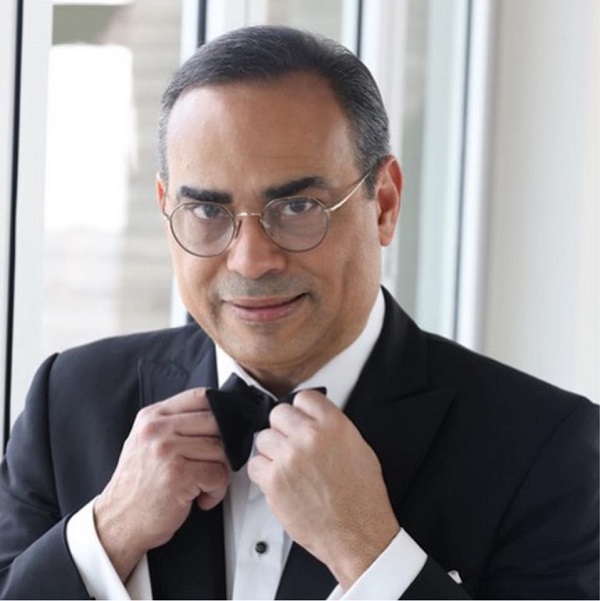
Gilberto Santa Rosa is a Puerto Rican singer, songwriter and sonero better known as “El Caballero de la Salsa” (The Gentleman of Salsa)

Gilberto Santa Rosa (born August 21, 1962) is a Puerto Rican singer, songwriter and also known as “El Caballero de la Salsa” from Carolina, Puerto Rico.

Growing up on the salsa music of the 50’s and 60’s, Rosa became interested in pursuing music during school, participating in her first concert in 1976 while still a tender teenager. After performing with the Mario Ortiz Orchestra.

Gilberto Santa Rosa ex-superior singer and sonero better known as "El Caballero de la Salsa" (The Gentleman of Salsa).
Gilberto Santa Rosa ex-superior singer and sonero better known as “El Caballero de la Salsa” (The Gentleman of Salsa).

Santa Rosa was recruited by La Grande Orchestra where she stayed for two years and met Elías López.

The 1980s brought a series of recordings for the singer with Orquesta Tommy Olivencia, El Gran Combo and the tribute album “Homenaje a Eddie Palmieri” with the Puerto Rican All Stars.

Gilberto Santa Rosa became a unique salsa improviser, walking the line between tropical and romantic styles of music, which contributed to his appreciation and popularity.

In 1986 Rosa signed with Combo Records and among others released the successful albums “Good Vibrations” featuring arrangements by Mario Ortiz, Ramon Sanchez and Tommy Villariny, “Keeping Cool! “and “De Amor y Salso”.

Due to the success of her fourth album entitled “Sala en Movimiento” released in 1989, Rosa signed with CBS Discos who could distribute her music internationally.

Teaming up with the young composer Omar Alfanno on the album “Punto de Vista” Rosa achieved consistent success with a series of hits including “Vivr sin Ella”, Perdoname” and De Cualquier”. The successor album “Perspectiva” released in 1991 was the Salsero’s biggest hit to date and included many of the same collaborators as its predecessor.

In 1990 Rosa was awarded the Billboard Lo Nuestro Award for Best Male Singer, recorded a live album at Carnegie Hall Theatre in New York, USA, the first tropical salsa artist to do so, and acted as Puerto Rican goodwill ambassador to Japan where he sang “De Cara al Viento” in Japanese.

Santa Rosa was recruited by La Grande Orchestra where she stayed for two years and met Elías López.

The singer generated a string of hits throughout the 1990s, always altering his particular sound and diversifying his music. From the orchestral “De Cara al Viento” (1994) and the energized “Esencia” (1996) to “De Corazón (1997) and “Expresión (1999).

At this point Rosa’s popularity and success had increased and the singer seemingly could do no wrong, with Rosa’s subsequent albums achieving both critical and commercial success, including 2002’s “Viceversa” which produced the hits “Por Más Que Intento” and “Un Montón de Estrellas”.

Santa Rosa ha sido honrada por Union City, New Jersey, USA con una llave de la ciudad y una estrella en su Paseo de la Fama, tiene el record de la mayor cantidad de álbumes número uno en la lista Billboard Tropical Albums, así como la mayor cantidad de nominaciones al Grammy por Mejor Salsa.

Canto y grabo varias producciones con el Maestro Mister “AFINQUE” Don Willie Rosario y ese fue el puente para grabar como solista.

En 1981, Gilberto Santa Rosa se unió a la banda Willie Rosario y su Orquesta, con la que grabó seis discos de larga duración. Su primera grabación se presentó en el álbum The Portrait Of a Salsa Man, en el sello Top Hits.

Canciones como “El Antifaz”, “La Mitad” y “El Condenado” se escuchan en la voz de Gilberto Santa Rosa, quien compartió la parte vocal con Tony Vega y Bobby Concepción en dicho álbum.

1982: Willie Rosario y su Orquesta graban el álbum Atízame el fogón para el sello Top Hits. Bobby Concepción, Tony Vega y Gilberto Santa Rosa participan como cantantes en este LP.

1983: El cantante santurcino participa en el álbum de Willie Rosario y su Orquesta, The Salsa Machine, en el sello Top Hits, de este álbum, canciones como “Amigo” y “Cuando Se Canta Bonito” son vocalizadas por Gilberto Santa Rosa.

Gilberto Santa Rosa (born August 21, 1962)

1984: Gilberto Santa Rosa comparte voz con Tony Vega en el álbum de Willie Rosario y su Orquesta llamado Nuevos Horizontes, publicado por Bronco Records, en ese álbum se grabó el tema “Lluvia”, uno de los primeros éxitos de nuestro caballero de la salsa. .

Willie Rosario celebrará 100 años de vida con un gran concierto en el Coliseo de Puerto Rico.

Para la celebración musical estará acompañado por sus amigos y colegas, Gilberto Santarosa y Tony Vega,

El legendario músico puertorriqueño Willie Rosario celebrará sus 100 años de vida en 2024 con un gran concierto en su tierra natal el próximo 27 de abril, junto a dos de los ilustres intérpretes que integraron su orquesta, Gilberto Santa Rosa y Tony Vega.

Willie Rosario celebrará 100 años de vida con un gran concierto en el Coliseo de Puerto Rico.

Source:

El Nuevo Dia

Also Read: The Royalty of our Latin Music Pete “El Conde” Rodríguez first singer signed by Fania Records label

  • « Go to Previous Page
  • Page 1
  • Interim pages omitted …
  • Page 23
  • Page 24
  • Page 25
  • Page 26
  • Page 27
  • Interim pages omitted …
  • Page 56
  • Go to Next Page »

International Salsa Magazine (ISM) is a monthly publication about Salsa activities around the world, that has been publishing since 2007. It is a world network of volunteers coordinated by ISM Magazine. We are working to strengthen all the events by working together.