• Skip to primary navigation
  • Skip to main content

International Salsa Magazine

  • HOME
  • Previous editions
    • 2026
      • ISM / March 2026
      • ISM / February 2026
      • ISM / January 2026
    • 2025
      • ISM / December 2025
      • ISM / November 2025
      • ISM / October 2025
      • ISM / September 2025
      • ISM / August 2025
      • ISM / July 2025
      • ISM / June 2025
      • ISM / May2025
      • ISM / April 2025
      • ISM / March 2025
      • ISM / February 2025
      • ISM / January 2025
    • 2024
      • ISM / December 2024
      • ISM / November 2024
      • ISM / October 2024
      • ISM / September 2024
      • ISM / August 2024
      • ISM / July 2024
      • ISM / June 2024
      • ISM / May 2024
      • ISM / April 2024
      • ISM / March 2024
      • ISM / February 2024
      • ISM / January 2024
    • 2023
      • ISM / December 2023
      • ISM / November 2023
      • ISM / October 2023
      • ISM – September 2023
      • ISM – August 2023
      • ISM July 2023
      • ISM Edition June 2023
      • ISM – May 2023
      • ISM April 2023
      • ISM March 2023
      • ISM February 2023
      • ISM January 2023
    • 2022
      • ISM December 2022
      • ISM November 2022
      • ISM October 2022
      • ISM September 2022
      • ISM August 2022
      • ISM July 2022
      • ISM June 2022
      • ISM May 2022
      • ISM February 2022
      • ISM January 2022
    • 2021
      • ISM December 2021
      • ISM November 2021
      • ISM October – 2021
      • ISM September 2021
      • ISM August 2021
      • ISM July 2021
      • ISM May 2021
      • ISM April 2021
      • ISM June 2021
      • ISM March 2021
      • ISM February 2021
      • ISM January 2021
    • 2020
      • ISM December 2020
      • ISM November 2020
      • ISM October 2020
      • ISM September 2020
      • ISM August 2020
      • ISM July 2020
      • ISM June 2020
      • ISM May 2020
      • ISM April 2020
      • ISM March 2020
      • ISM February 2020
      • ISM January 2020
    • 2019
      • ISM December 2019
      • ISM November 2019
      • ISM October 2019
      • ISM Septembre 2019
      • ISM August 2019
      • ISM July 2019
      • ISM June 2019
  • Download Salsa App
    • Android
    • Apple
  • Spanish

Search Results for: Legend

Takashi Nakazato

Asia / Japan / Tokyo

Takashi Nakazato, Multi- percussionist specializing in various musical genres.
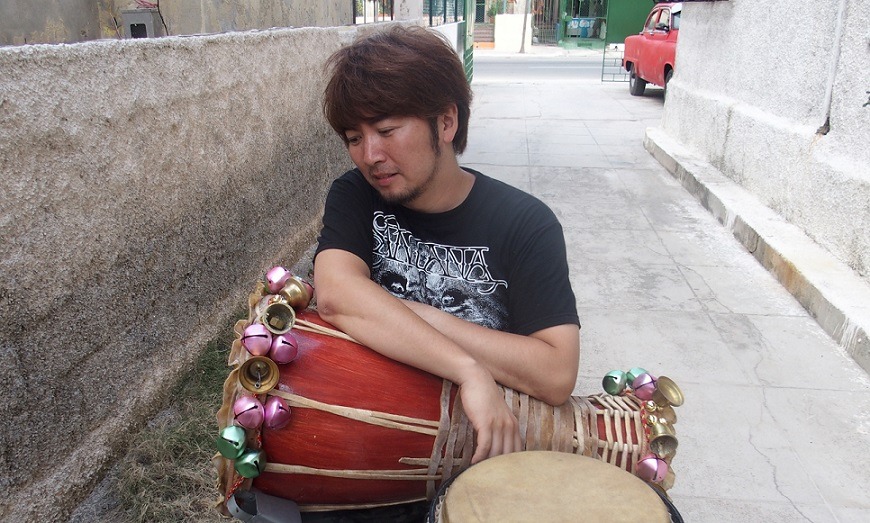
Takashi Nakazato Olympus Digital Camera

Takashi Nakazato born in Asakusa, Tokyo is a multi-percussionist specializing in various musical genres.

He has performed with numerous well-known artists throughout his career, as well as performing with “The Lion King, The Musical” for five years.

Nakazato has toured most of Europe and Asia with the Jaribu Afrobeat Orchestra, Jazztronik, Fried Pride (Tokyo Jazz Festival etc) Kyoto Jazz Massive (North Sea Jazz Festival, Tokyo Crossover Jazz Festival etc) and toured China with the Online Game Orchestra (Ro Legend 2016)

Takashi has also toured Japan with famed pianist, Yukie Nishimura and toured Mala in Cuba.

He was the only Japanese percussionist to be hired for the gig.  Takashi studied for a long while in Cuban, learning Cuban folklore and Bata under the wing of greats like Adonis Panter Calderon, Barbaro Yordany Crespo Richard (Osain Del Monte) and Angel Boraño.

He studied the Conga drum under Tomas “El Panga” Ramos, Edger Martinez and Joaquin Pozo.

His timbal mentor was Juan Carlos Rojas.  He made Santo, Obatala, while in Cuba.
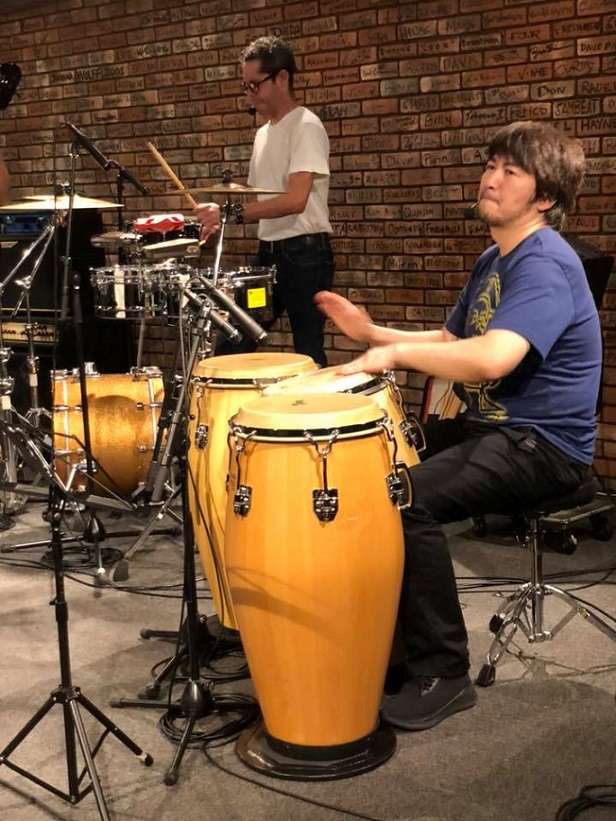
Takashi Nakazato
Takashi Nakazato

Nakazato has his own fusion band, Piecework, and is also a member of 10 piece percussion group, Orquesta Nadge! Nadge! And Ayumigos (Japanese and Cuban members of Latin Jazz).
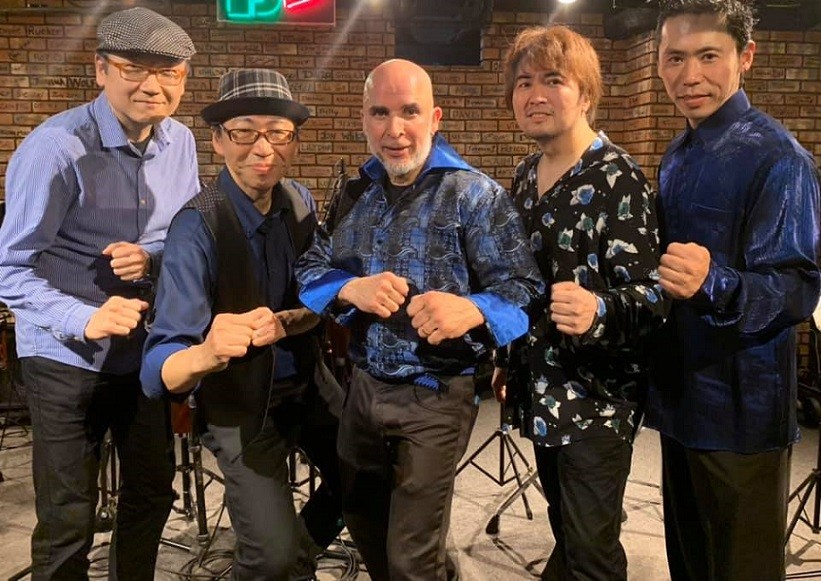
Takashi Nakazato with the orchestra

Nakazato released his first album “Clandestina,” which included guests Luisito Quintero, Robert Quintero, Calixto Oviedo, Karl Vanden Bossche and Olí Savill. His percussion instruction book & DVD was published in 2014.

He is currently a member of the orchestra of maestro Jimmy Bosch ¨The Trombon Criollo de La Salsa ¨ and at the same time is an exclusive artist of the percussion instrument brand Gon Bops in Los Angeles California.

https://www.facebook.com/takashi.nakazato.75

Aguas Trio North American debut in Birdland

North America - United States – New York

Aguas Trio with Omar Sosa, Yilian Cañizares and Gustavo Ovalles from February 18th to 22nd in Birland

Aguas Trio with Omar Sosa, Yilian Cañizares and Gustavo Ovalles

Cuban pianist Omar Sosa and Cuban violinist-vocalist Yilian Cañizares have come together to create AGUAS Trio, an inventive and engaging mix of the artists’ Afro-Cuban roots, Western classical music, and jazz.

Featuring Venezuelan percussionist Gustavo Ovalles, Aguas Trio reflects the perspectives of two generations of Cuban artists living outside their homeland, interpreting their traditions in subtle and unique ways. Songs range from the poignant to the exuberant and are expressive of the exceptional musical chemistry, poetic sensibilities and originality of the artists. The concerts at Birdland are the group’s North American debut!

Omar Sosa y Yilian Cañizales, Aguas Trío

Aguas Trio

It is dedicated to water, and especially to Oshun, the Goddess of Love and Mistress of Rivers in the Lucumí tradition of Yoruba ancestry known in Cuba as Santería – a spiritual practice important to both artists. As water is synonymous with life and energy and strength, the music of Aguas Trio is inspired by the important influences of water- its hidden powers, its infinite transmutations and its relentless destruction and creation.

Dubbed the “The Jazz Corner of the World”, by its namesake, the late Charlie “Bird” Parker, Birdland is a modern nightclub in Midtown Manhattan in the tradition of classic New York elegance, and one of the town’s most iconic venues. In recent years, Birdland has presented memorable sets by such music legends as Oscar Peterson, Pat Metheny and Diana Krall, as well as the big bands of Chico O’Farrill and Maria Schneider. Birdland remains New York’s premier destination for jazz lovers the world over.

Dates and Prices

Doors: 7:30 PM / Show: 8:30 PM

$30.00 – $40.00

Birdland Jazz Club

Address

Birdland Jazz Club

315 West 44th St

New York, NY 10036

(212) 581-3080

Salsa: From New York to the world!

North America – United States – New York

Last February we actively participated in different activities in New York, promoted by different instances and always supported from the Spanish Harlem Salsa Gallery Museum and The Johnny Cruz Show.

Johnny Cruz: We were part of the Somos Puerto Rico event, together with more than 25 artists and with the collaboration of La Boom, which allowed thousands of people to work for our island: Puerto Rico. There was a lot of music, and we were accompanied by artists such as Jova Rodríguez, Arlene, Roberto Vásquez, Anissa Gatners, Fernando Berniero, Alex Bautista, Jen Carrasco and Kevin Tapia, among others.

We also had typical food for sale and many initiatives aimed at saving so many lives in need. From this event we want to continue bringing families to the United States and they can be calm until they stop shaking in the south west of Puerto Rico. You are not alone!

In addition, we are working hard on a documentary about Frank Ferrer, always thinking of immortalizing figures that have consolidated Salsa in the world as a Latin genre of world projection.

Salsa, as you know, is a typically New York musical genre, the result of the influence of great Latin jazz musicians, and the existence of a youth of Latin origin born, or resident in New York, in slums where Salsa is the best expression, spiced up by the exile produced by the Cuban Revolution and the awareness of American racial minorities.

In 1964, Johnny Pacheco, a flutist of Dominican origin, and Jerry Masucci, a young businessman, founded the Fania label, which gave the old Latin labels, a more modern sense of Caribbean music. Musicians and singers of the previous generation were reinvented, but others were incorporated as a young Willie Colon, the Palmieri brothers, Eddy and Charlie; Papo Luca, Ray Barreto, Larry Harlow. And, there were also singers who put their voice to Salsa to tell stories of the street, daily or reflexive, that were the mirror of the life of the neighborhoods: Cheo Feliciano, Adalberto de Santiago, Andy Montáñez, the Ismaeles -Miranda and Ribera-, Justo Betancourt, Héctor Lavoe or Rubén Blades.

Johnny Cruz Salsa: From New York to the world!

The influence of the Cuban revolution had led composers and salsa musicians to become aware that it was necessary to compose songs that talked about what was happening in the streets from a critical perspective, giving way to a new salsa and foot reality for characters as Frank Ferrer started from folklore and protest to arrive at salsa mixing both concepts in an exemplary album: Yerbabuena. All this and much more can be enjoyed very soon.

For this month of March, Puerto Rico will organize the 1st World Salsa Collectors Meeting and of course we will be there representing New York with the Salsa Museum (SPAHA Salsa Gallery Museum). From March 7th, at least 15 organizations of this type of collector from seven countries will exhibit their collections of the Caribbean genre.

The collectors meeting will take place at the Sheraton Hotel, in Miramar, under the theme “La Salsa se baila así” and will be free admission. It will be attended by collectors from Puerto Rico, Colombia, Panama, Peru, Ecuador, Mexico and several cities in the United States.

That day will be the official release in LP format of the album “Mario Ortiz, 55 Aniversario”, nominated for the last edition of the Latin Grammys.

The event includes memorabilia exhibitors of legendary salsa artists such as Willie Rosario, Bobby Valentín, Roberto Roena o la Sonora Ponceña, as well as the Museo de la Salsa de Puerto Rico or the Fundación Nacional para la Cultura Popular.

Pieces from the Jairo Varela Museum, renowned deceased Colombian musician, whose orchestra Grupo Niche is still active and triumphing around the world will be presented. The writer Daniel Nina, will give a lecture about Salsa, and Puerto Rican dancer Tito Ortos will talk about the history of salsa dancing. We can enjoy live music with the group Cubaneo 54, and a great closing with the several times awarded Big Band of the Free School of Music of San Juan, directed by Professor Manuel García. See you there!

As always, remember that Spanish Harlem Salsa Gallery is in 1708 Lexington ave New York N.Y. 10029. Open free to the public all Thursdays & Fridays from 4 to 7 pm and Saturdays from 1 to 8 pm. Check the updates in our website: spahasalsagallery.com.

Johnny Cruz - Spaha Salsa Gallery
Johnny Cruz – Spaha Salsa Gallery

Also, The Johnny Cruz Show, the #1 Salsa Show on television on all 5 Boroughs of New York on CH67.  Saturdays from 3:30 to 4:30 pm.

Contact: Johnny Cruz. 917-747-8505.  [email protected].


By Johnny Cruz Correspondent, New York City, New York

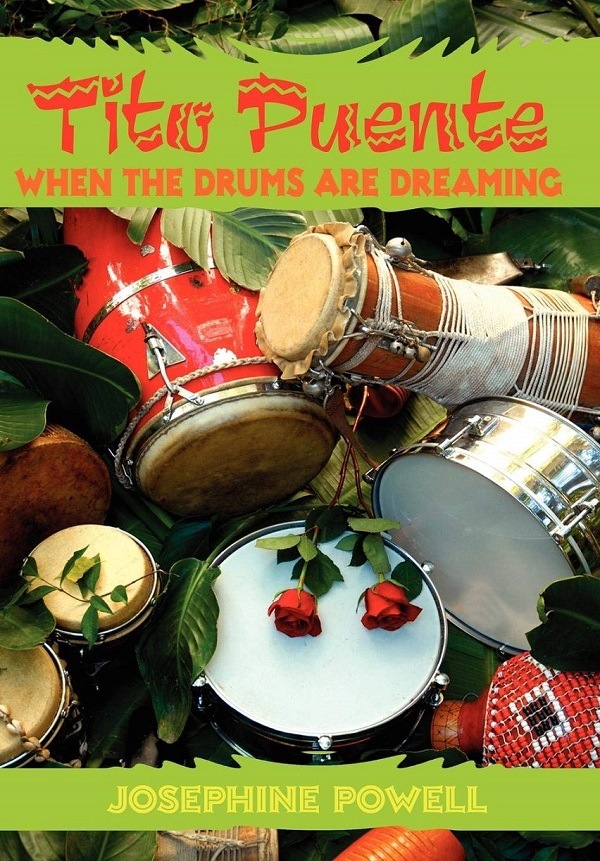
“Tito Puente: When the drums are dreaming” A biography of the King of Latin Percussion by Josephine Powell

North America – USA –CaliTifornia

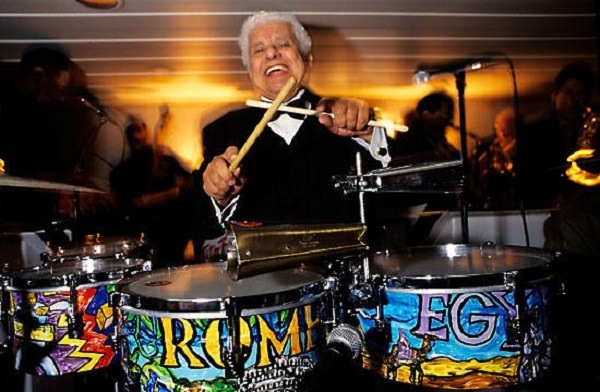
This month we are sure that you will have time to enjoy an excellent reading at home. So we recommend this book by Josephine Powell. An interesting biography about the legendary Tito Puente, that takes us on a journey through the more than 60 years in which he performed.

Further the life of Tito Puente, you can know his insight into the Latin music industry. With many anecdotes of his encounters, racial discrimination while touring and how that impacted his relationship with other band members. There are also numerous insights into his personality, his temperament, and the many obstacles he had to overcome to achieve legendary status.

Josephine Powell’s book on Tito Puente and his contributions to Latin music and dance is a treasure trove of people, places, facts and history. Because of the author’s place in the history of Latin dance, she takes the reader with her through that fascinating maze of how artists like Puente changed the exposure and tastes of the American public and the world.

The Latin Ballroom world today reflects how we adore – and then neglect and forgets – the people who made us who we are. She mentioned many fascinating dance-related characters in this story that takes place in New York, Los Angeles, Miami, the Catskills and Havana.

It is also a much-needed history of great nightclubs and ballrooms, which are only dim memories for the young – but in their time, were the breeding grounds of Latin music and dance. Tito Puente’s percussion and passion are finally brought to life in a fascinating book.

To remember Tito Puente’s career as accurately as Josephine Powell has done makes this biography a worthwhile read. Tito Puente the man and Tito Puente the musician are blended into the tempo of the times during which the musical man lived. For young musicians seeking success Josephine Powell’s well-written commentary provides a glimpse of what can lie ahead in one’s career; so do read Powell’s take on Tito Puente’s life and perhaps capture a taste of how you too can climb the charts with a dash of spice in your style.

With over 100 albums, several Grammy nominations, 7 Grammys and posthumously awarded The Grammy Lifetime Achievement Award in 2003, his footprint in the world of music will forever be the standard of excellence that others will look to emulate.

Josephine Powell took on the monumental task of writing about his life, the forward was written by Tito Puente 2 months before he died.

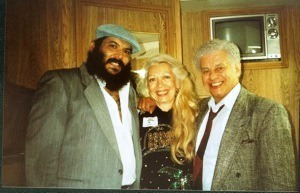
Because of their lifelong friendship of many decades, Josephine was the one person who could create this book. Her talent and passion will pulled this off to perfection. He was a man who brought his music to the world, and put the Mambo on the map.

This book never could have been written without her dedication and perseverance and the personal moments she shares. From the very first chapter, the quality of her writing can be seen as she starts with the moments leading up to his death and continues for 16 more, giving you the history of Latin music from its inception to the music of today. Throughout her many archives of pictures from her private collection, your eyes will wide with wonder.

Josie Powell traces the evolution of Afro-Cuban, Puerto Rican and jazz forms from their generally recognized origins through the end of the twentieth century, focusing on Puente’s interactions with professional allies and constant rivals.

Powell documents musical events as an aficionado of the Latin genres, almost religiously avoiding disclosure of Puente’s family life. Those not yet born during the Big Band decades or Mambo mania can imagine the atmosphere from descriptive passages of Manhattan ballrooms, Havana dance halls, LA nightclubs.

About Tito Puente

Ernesto “Tito” Puente was born in 1923 in Spanish Harlem and grew up with the advent of radio and American swing bands. At 10 years old he aspired to be a dancer, like Fred Astaire. An ankle injury gave him the opportunity to explore his talent as a musician. At fourteen he won the coveted Benny Goodman, Gene Krupa drum contest. Tito became a master percussionist. His instrument was the timbales, a pair of cylindrical drums beat upon with sticks. When he joined the dynamic Machito Orchestra at seventeen he saw a promising future, but the Japanese attack on Pearl Harbor December 7, 1941 took him off to war.

He led a makeshift orchestra delivering lovable American wartime tunes when he was not fighting. He returned home wounded, weary and jobless. Puente’s tale should have been the story of every returning American GI, who went off to war, came home to his sweetheart, attended college, raised a family and settled down in an adorable house. Things were not that way.

After the war his obsession for Cuban music drove him to Havana. He attended secret meetings of Santería, an Afro-Cuban religious cult with its roots steeped in mysticism often referred to as black magic. With the lure of the sacred batá drum he discovered a world of rhythms never heard by a white man’s ear. He found himself inside the beat, and thoroughly possessed. Soon Tito became a devotee of Santería and used those drum patterns and calls, which were the mainstay and backbone of his music. Today this hot hypnotic music is known worldwide as Salsa.

About Josephine Powell

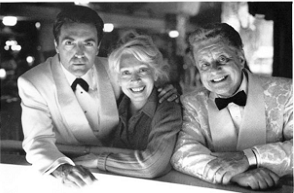
Author Josephine Powell – a music historian, lecturer, and consultant on ballroom music and dancing and Latin American music – was a consultant (music, history, and dance) on the motion pictures Salsa, Havana, and The Mambo Kings, and their soundtracks; The Mambo Kings track received a Grammy Nomination. She also consulted on two Golden Eagle television shows; two television documentaries, one Presidential Inaugural Ball, and two Grammy-winning record albums by her mentor Tito Puente.

In 1990, she obtained a star for her mentor on Hollywood’s Walk of Fame, orchestrated his associated live concert on the Boulevard, and organized a gala event at the Hollywood Roosevelt Hotel, with music industry executives, film producers, and celebrities.

Powell’s dance career took her to the South Pacific, the Philippines, Guam, Hong Kong, Thailand – where she performed for the Royal Family – and Vietnam, where she introduced mambo to the troops in a revue she wrote herself. A Gold Medal ballroom dancer, Powell was Tito Puente’s West coast mambo dance partner, and a cast member of the Broadway show Sketchbook in Las Vegas.

Through touring the country for over a decade with stage and lounge shows, along with work in the recording, television, and movie industries, Powell learned wardrobe design, writing, comedy, and choreography. Appeared at the Tropicana, El Rancho Vegas, Flamingo, and Nevada Club in Las Vegas; The Golden Hotel and Mapes Hotel in Reno; The Wagon Wheel in Lake Tahoe, and The President Hotel in Atlantic City, among others.

After an injury forced her to retire from dance, Powell became a real estate agent in Beverly Hills, where she became actively involved in political work with celebrities and later joined Connie Stevens’s organization Les Girls. Powell’s work and charitable activities afforded many opportunities to work with Hollywood producers, directors, writers, and luminaries.

Powell studied the history of ballroom music and dance, ethnomusicology, journalism, and Spanish at UCLA. A regularly featured musicologist on radio stations KXLU and KPFK, Powell receives many requests for lectures and consultations. She has been a presenter and judge at numerous dance competitions, including the Feather Awards and the U.S. Open National Swing Dance Competition. The Mormon Temple Genealogical Library in Los Angeles has made her its expert lecturer on French Colonial Maritime records. Since 1986, she has conducted ten research and study trips to Havana, where she is a curatorial consultant for El Museo Nacional de la Música Cubana.

With information from: https://josephinepowell.com
You can buy this wonderful book in Amazon: https://www.amazon.com/Tito-Puente-When-Drums-Dreaming/dp/1425981585

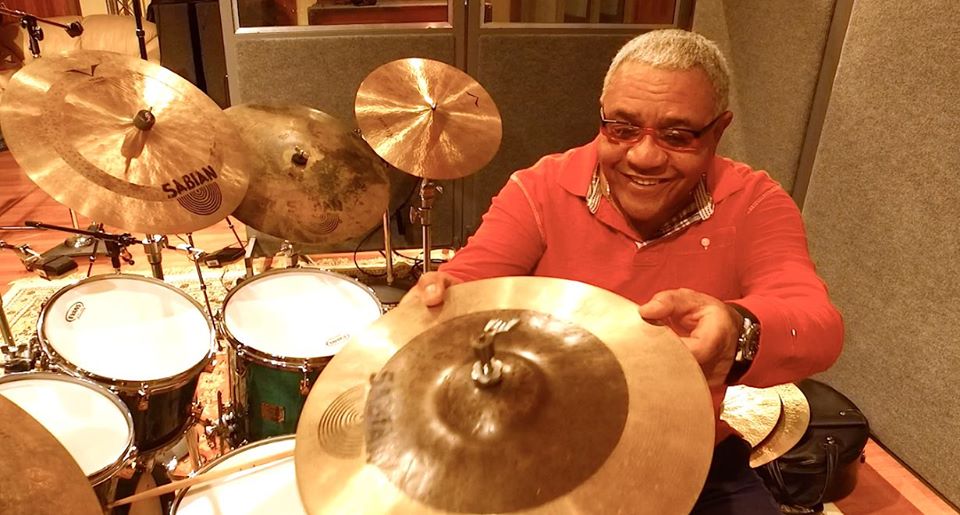
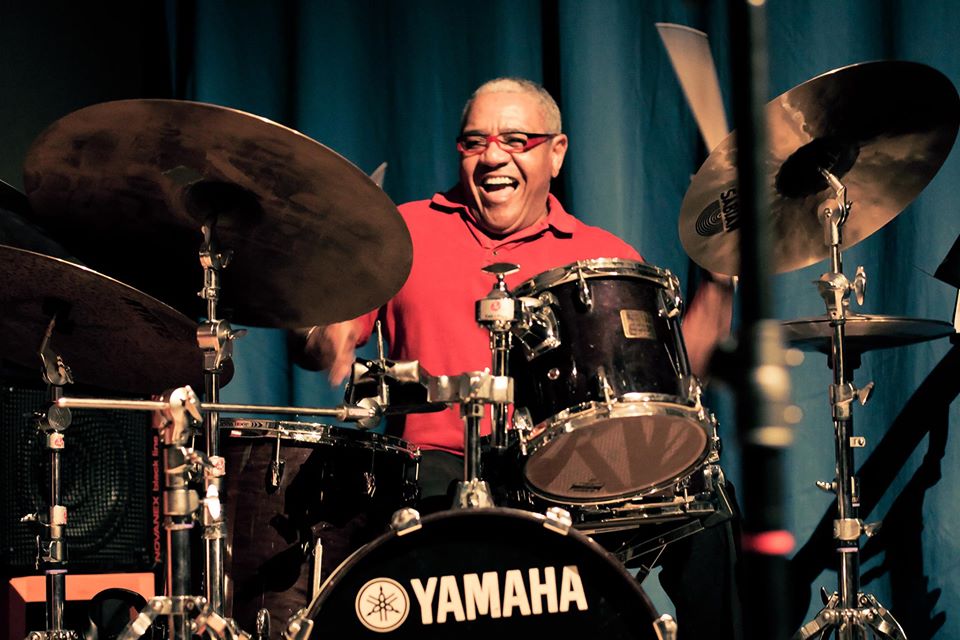
Ignacio Berroa

USA / New York / New York

Ignacio Berroa has been recognized as one of the greatest drummers of our times. He was included in the 2011 Mp3 compilation entitled “Jazz Drumming Legends” which features some of the most renowned drummers in Jazz history.

Ignacio Berroa
Ignacio Berroa

Ignacio Berroa was born in Havana Cuba on July 8 1953. He began his musical education at age 11 at the National School of Arts and subsequently at Havana’s National Conservatory, beginning his professional career in 1970. By 1975 Ignacio had become Cuba’s most sought after drummer.

Ignacio Berroa
Ignacio Berroa

In 1980 he left his country during the Mariel boatlift and settled in New York City where he met the great Cuban musician Mario Bauza who introduced him to Dizzy Gillespie. In August 1981 Gillespie invited Ignacio to join his quartet.

Ignacio Berroa also took part of all the important bands Gillespie assembled during that decade such as: The Dizzy Gillespie 70th Anniversary Big Band, The Dizzy Gillespie All Stars Big Band and the Grammy Award winner, United Nation Orchestra. This relation lasted until Dizzy’s death.

Jazz Legend Dizzy Gillespie best defined Ignacio as: “… the only Latin drummer in the world in the history of American music that intimately knows both worlds: his native Afro Cuban music as well as Jazz…”As an author and a renowned educator he made his mark with the instructional video: Mastering the Art of Afro–Cuban Drumming as well as the books: Groovin’ in Clave and A New Way of Groovin’. He also conducts clinics and master classes around the world.

Ignacio Berroa in concert

As a leader, his album“ Codes” was released in 2007 under Blue Note Records. In 2007 Codes was Grammy nominated, winning a Danish Music Award as best International Jazz Album.

His second album as a leader “Heritage & Passion” was released in 2014 under 5Passion. Ignacio has recorded and played with musicians of the stature of: McCoy Tyner, Chick Corea, Wynton Marsalis, Freddie Hubbard, Clark Terry, Jackie McLean, Jimmy Heath, James Moody, Jon Faddis, Slide Hampton, Michael Brecker, Milt Jackson, Jaco Pastorius, Ron Carter, Charlie Haden, Tito Puente, Mario Bauzá, Lalo Schifrin, Gonzalo Rubalcaba, Danilo Perez, David Sanchez, Michel Camilo, Chico Bouarque, Gilberto Gil, Ivan Lins, Joao Bosco, Lenny Andrade, Lincoln Center Orchestra, WDR Big Band and BBC Big Band to name a few.

Ignacio Berroa
Ignacio Berroa

  • « Go to Previous Page
  • Page 1
  • Interim pages omitted …
  • Page 29
  • Page 30
  • Page 31
  • Page 32
  • Page 33
  • Interim pages omitted …
  • Page 56
  • Go to Next Page »

International Salsa Magazine (ISM) is a monthly publication about Salsa activities around the world, that has been publishing since 2007. It is a world network of volunteers coordinated by ISM Magazine. We are working to strengthen all the events by working together.