• Skip to primary navigation
  • Skip to main content

International Salsa Magazine

  • HOME
  • Previous editions
    • 2026
      • ISM / March 2026
      • ISM / February 2026
      • ISM / January 2026
    • 2025
      • ISM / December 2025
      • ISM / November 2025
      • ISM / October 2025
      • ISM / September 2025
      • ISM / August 2025
      • ISM / July 2025
      • ISM / June 2025
      • ISM / May2025
      • ISM / April 2025
      • ISM / March 2025
      • ISM / February 2025
      • ISM / January 2025
    • 2024
      • ISM / December 2024
      • ISM / November 2024
      • ISM / October 2024
      • ISM / September 2024
      • ISM / August 2024
      • ISM / July 2024
      • ISM / June 2024
      • ISM / May 2024
      • ISM / April 2024
      • ISM / March 2024
      • ISM / February 2024
      • ISM / January 2024
    • 2023
      • ISM / December 2023
      • ISM / November 2023
      • ISM / October 2023
      • ISM – September 2023
      • ISM – August 2023
      • ISM July 2023
      • ISM Edition June 2023
      • ISM – May 2023
      • ISM April 2023
      • ISM March 2023
      • ISM February 2023
      • ISM January 2023
    • 2022
      • ISM December 2022
      • ISM November 2022
      • ISM October 2022
      • ISM September 2022
      • ISM August 2022
      • ISM July 2022
      • ISM June 2022
      • ISM May 2022
      • ISM February 2022
      • ISM January 2022
    • 2021
      • ISM December 2021
      • ISM November 2021
      • ISM October – 2021
      • ISM September 2021
      • ISM August 2021
      • ISM July 2021
      • ISM May 2021
      • ISM April 2021
      • ISM June 2021
      • ISM March 2021
      • ISM February 2021
      • ISM January 2021
    • 2020
      • ISM December 2020
      • ISM November 2020
      • ISM October 2020
      • ISM September 2020
      • ISM August 2020
      • ISM July 2020
      • ISM June 2020
      • ISM May 2020
      • ISM April 2020
      • ISM March 2020
      • ISM February 2020
      • ISM January 2020
    • 2019
      • ISM December 2019
      • ISM November 2019
      • ISM October 2019
      • ISM Septembre 2019
      • ISM August 2019
      • ISM July 2019
      • ISM June 2019
  • Spanish
  • Download Salsa App
    • Android
    • Apple

Search Results for: New York

Christmas salsa albums to listen to this December

Christmas albums 

Christmas is one of the best times to celebrate with family and friends and a very important element of any celebration is music, especially in Latin countries and communities.   

Because we are in December, we thought it would be a great occasion to relive some of the most iconic salsa albums of all time with which our dear readers can enjoy this wonderful month at the rhythm of the most joyful Latin music from some of the best exponents of the genre.  

Asalto Navideño Vol. 1 

This album should never miss in a list of this type and it could not be in another way, since it is part of the incredible path traveled by the New York orchestra Willie Colón & Héctor Lavoe. The material is the group’s sixth studio album and was recorded during the first week of December 1970.  

Prior to this, the boom that was taking the orchestra in those years made Jerry Masucci and Johnny Pacheco suggest to the artists that they take advantage of the fame they had harvested so far to create an album dedicated to Christmas, which they both gladly accepted.  

It is then when they got hands on and invited the talented musician Yomo Toro to participate in the album. The artist was not well known by the fans, but he ended up occupying a very important place in the final result. 

Although at first, the material was focused on honoring Puerto Rico, but ended up embracing the Latin community living in the U.S., which had been the main responsible for the strengthening of salsa in the liking of the people and the profit received the Fania Records label. 

The album was recorded in the studios of Fania Records in New York and had a total of 12 songs dedicated to the most beautiful time of the year. Aires de Navidad” and ”La Murga” are among the most successful tracks of the album and the most listened to so far. 
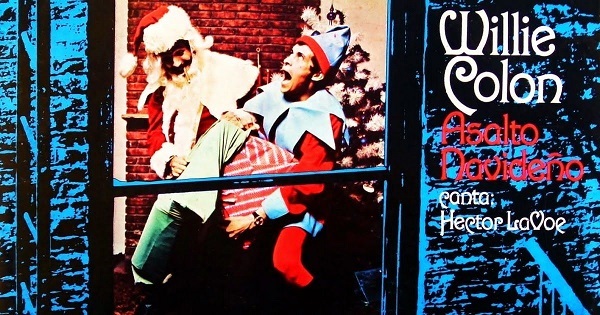
album Asalto Navideño
Cover of the album ”Asalto Navideño Vol. 1”

Nuestra Música 

El Gran Combo de Puerto Rico never disappoints and certainly did not do it with its Christmas production ”Nuestra Música”, with which it seeks to pay tribute to this wonderful time and put everyone on dance in their homes during the Christmas holidays.   

The album was released in 1985, the year in which salsa was going through a very challenging time, since merengue was gaining a lot of momentum, displacing the aforementioned genre to some extent. However, this was no impediment for the orchestra to demonstrate, contrary to what many believed, that salsa was more alive than ever.   

The album’s release was surprising as well as exciting for the fans of El Gran Combo de Puerto Rico, which managed to rescue much of the holiday spirit that was lost and gave life to hits such as ”La Fiesta de Pilito”, ”Desenfunda”, ”Arbolito” and ”No Hay Cama Pa’ Tanta Gente”. 
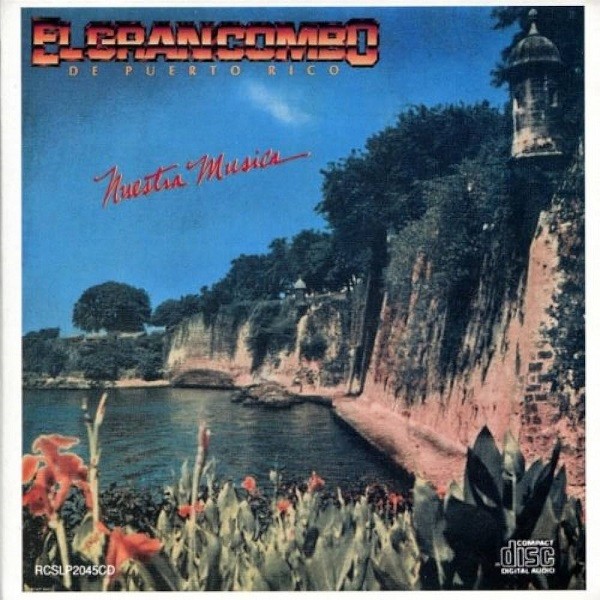
album Nuestra Música
Cover of the album ”Nuestra Música”

Navidad Criolla 

Another great recor production that could not miss in this list is ‘‘Navidad Criolla’’ by La Sonora Ponceña. A very particular and different thing about this Christmas album is that, instead of using the typical Christmas aguinaldos, salsa dura is the predominant genre. However, the vocalists and musicians do their best to maintain the essence of Christmas at all times. 

The album was released in 1978 and includes the unmistakable voices of Luigi Texidor and Tito Gómez, who add an exciting and cheerful touch to the music with the power of their vocal cords. In addition to that, Adalberto Santiago and Yayo El Indio participated on backing vocals along with the talented musicians of the group.   

The album includes songs such as ”Aguinaldo Antillano”, ”De Noche Buena”, ”Canción de Navidad”, ”Vamonos Pa’l Campo”, among others.  
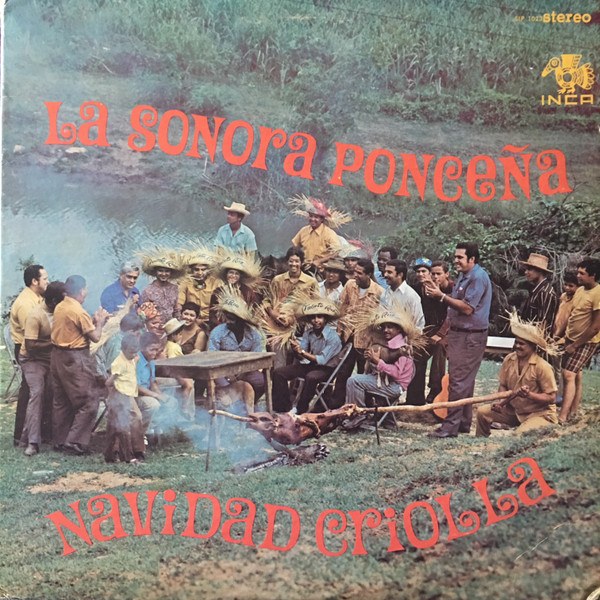
album Navidad Criolla
Cover of the album ”Navidad Criolla”

Felices Pascuas 

Ricardo Ray and Bobby Cruz delighted the public during the December holidays in 1971 with this extraordinary musical work with which they conquered the public one of those countless times they did it.  

Ricardo delighted the duo’s fans from the piano and musical arrangements, while Bobby was on voice and backing vocals. Both artists were accompanied by Miki Vimari on voice and backing vocals, Ismael Cocolia Rodríguez and Ismael Rivera on trumpet, Manolito Gonzales on bongos, José Hidalgo on conga, Charlie Cotto on timbales and Plito Huertas on bass.   

Among some of the best-known tracks of the album, we can mention ”Bomba en Navidad”, ”Mi Niñez”, ”Aguinaldo Navideño”, ”Kyrie Eleison”, ”Sinfonia To Cantata No, 29”, and so on. 
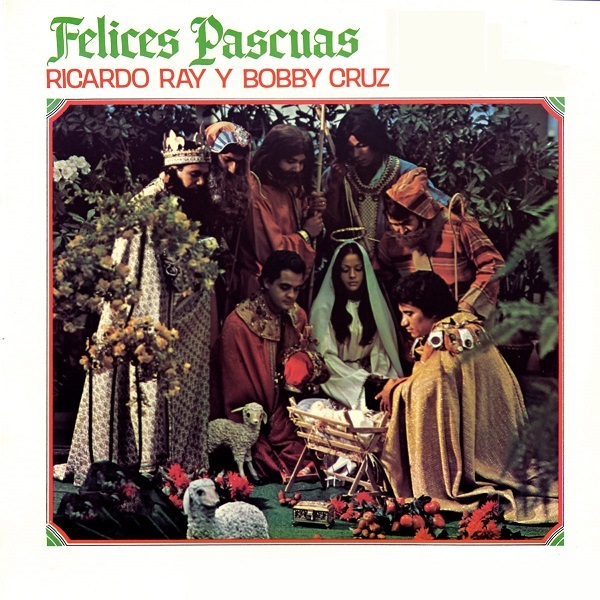
album Felices Pascuas
Cover of the album ”Felices Pascuas”

Read also: Legacy of the Cepeda family after eight generations 

The Great Pichie Pérez and his brilliant career

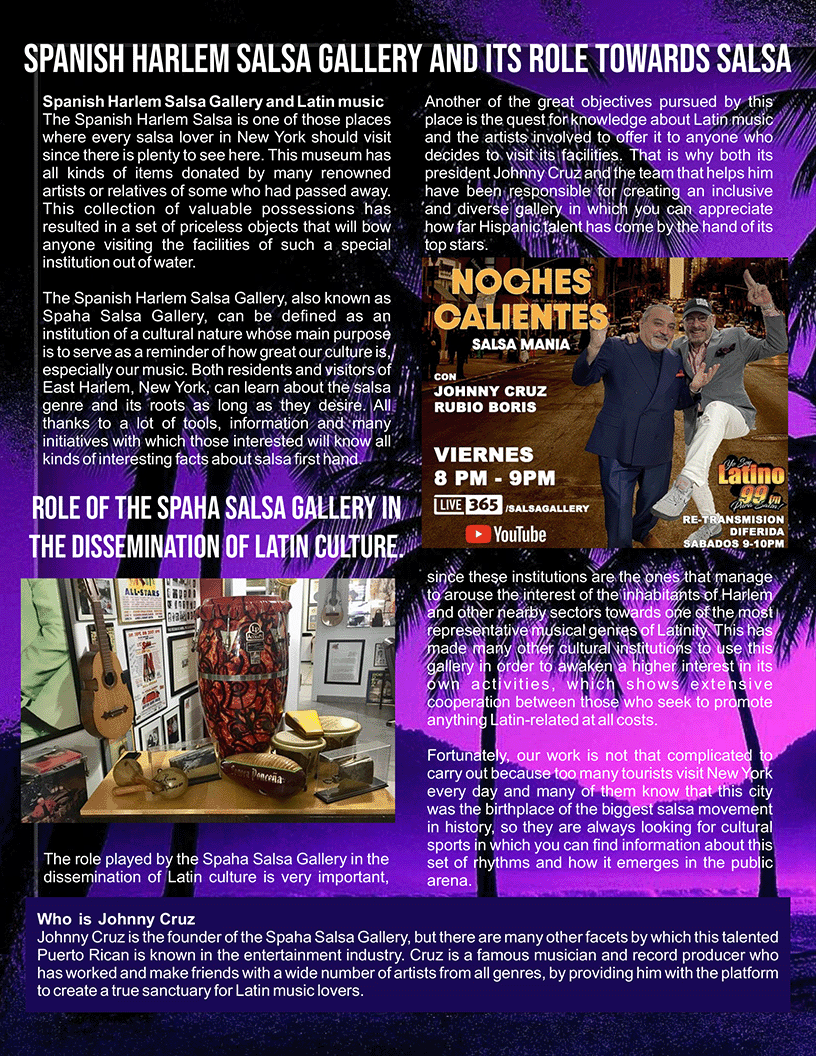
There have been many artists who have supported the Spaha Salsa Gallery due to the multiple contributions made to salsa since its foundation. One of them has been the great Pichie Perez, who gave a fabulous interview to the founder and president of the famous salsa museum in New York, Johnny Cruz.   

During the video on the Johnny Cruz’s Facebook account, Piche talks about some of the most important aspects of his professional life and, of course, gives his unconditional support to the Spaha Salsa Museum and the labor it has been fulfilling in recent years. Below are some of the most outstanding details of the artist’s life.   

Pichie performing live
Pichie Pérez performing live in Peñuelas, Puerto Rico

Youth   

Héctor ”Pichie” Pérez was born on September 24, 1960 in El Bronx, New York, the youngest of three brothers whose parents were Ramón Pérez Rodríguez and Haydée Casiano González, both of Puerto Rican nationality.   

After the age of seven, he moved with his family to Ponce, a place where a genre called bugalú became increasingly popular and the boy’s father enjoyed that kind of music, which made Piche begin to be interested in certain artists, especially Pete Rodríguez with his song ”I Like It Like That”.   

At the age of 10, his parents decided to move again, but this time to Cañaboa Encarnación, Peñuelas. Some time later, he became part of what would be the first band of his career, Los Metálicos Steel Band, with which the artist began to gain a lot of knowledge about merengue and calypso. When this same group became a sextet under another name, Pichie started singing and playing maracas and güiro.   

Pichie was working in several orchestras that gave him the experience he has today such as the Adolfo Grana school orchestra, Orquesta La Intelectual, Orquesta La Preferida, among others.   

Pichie and Jerry
Jerry Rivera next to Pichie Pérez

Orquesta La Terrífica and Orquesta La Primerísima 

However, his big moment would come when he was part of Orquesta La Terrífica, in which he worked as a vocalist between 1976 and 1981. Additional to this group, Pichie would be in six recordings, among them stands out ”La Terrífica. Sabor a Pueblo”. 

Some time later, he would sing in Tommy Valencia’s Orquesta La Primerísima, which would give him the opportunity to share the stage with world famous and acclaimed singer Frankie Ruíz, of whom he cherishes very good memories. Although this is one of the groups for which Pichie would be best known, it was not the last one he was in.   

For more than 30 years, he was in La Sonora Ponceña, to which he thanked for all that he achieved and learned during those years. However, there came a point when the singer wanted to make his own way and had to make the tough decision to leave the orchestra and start a solo career, which had ”El Sonero del Bailador” as its starting point in 2016. 

Pichie and Frankie
Frankie Ruiz next to Pichie Pérez when they were in La Primerísima

Pichie was expectant before the audience reaction to his solo material, but fortunately, the overall response was very positive, which motivated him to release a new album entitled ”Alegrando La Navidad”.   

Nowadays, he has an extraordinary reputation as a solo singer and in orchestral formations, but he also obtained great merits as a güirero and maraquero throughout his artistic career. He also had a great participation as a backing vocalist in many productions and recording sessions to which he added his unique touch. 

Read also: Willito and Japhet from La Sonora Ponceña 

Johnny Cru ISM corresponde in New York City

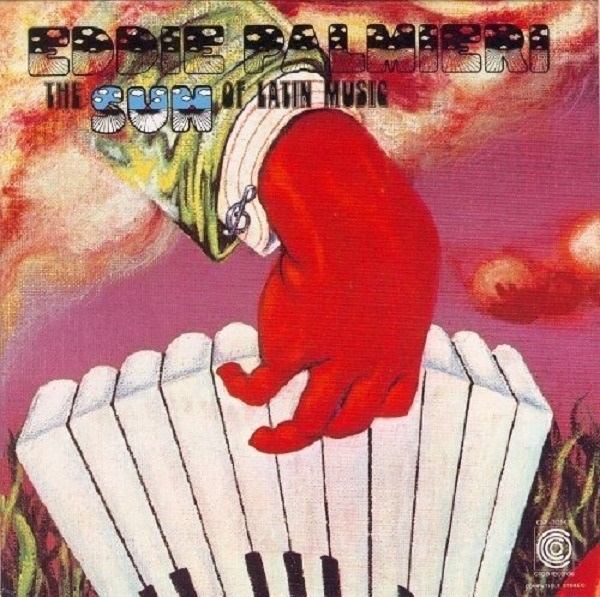
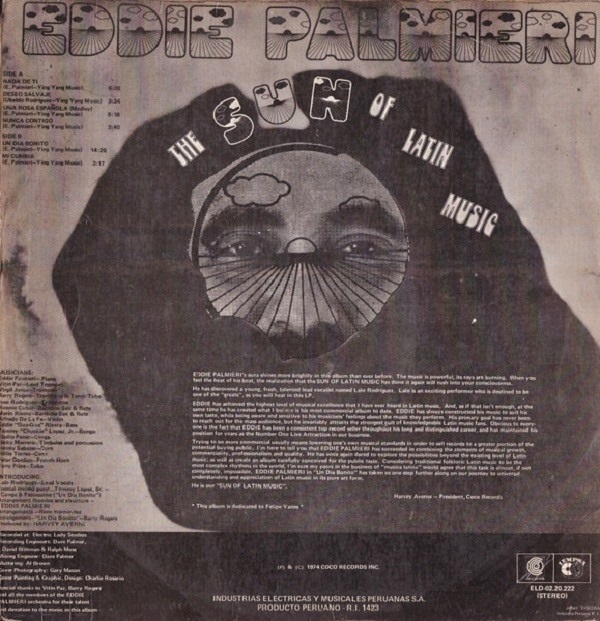
“The Sun of Latin Music” the first Grammy Award for Salsa Eddie Palmieri’s historic album

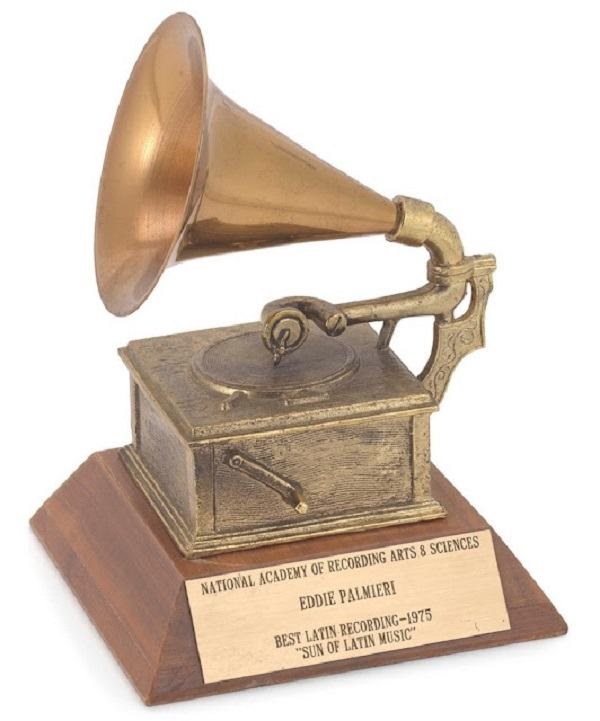
It has been 49 years since “The Sun of Latin Music”, Eddie Palmieri’s historic album, which marked a fundamental milestone in the history of Latin music by becoming the first production to win a Grammy Award in the category of Best Latin Recording, awarded on February 28, 1976.

"The Sun of Latin Music" the first Grammy of Salsa Eddie Palmieri's historic album
“The Sun of Latin Music” the first Grammy of Salsa Eddie Palmieri’s historic album

Recorded in New York at Electric Lady Studios, the album was released by Coco Records on Wednesday, September 18, 1974.

The album featured vocals by Lalo Rodríguez, who was only 16 years old at the time.

It includes: ‘Nada De Ti’, ‘Deseo Salvaje’, ‘Una Rosa Española’, ‘Nunca Contigo’, ‘Un Día Bonito’, ‘Mi Cumbia’.

“The Sun of Latin Music” proved to the world that Latin music, especially Salsa, was an honorable art form and opened the doors for many other Latin artists to receive solid recognition for their talent and work.

Eddie Palmieri

The sun of Latin music

MP, 1990. MP-3109 CD

Recorded in 1975

The Sun of Latin Music was a controversial album. It was too far from the easy formula of the middle salsa boom – what César Miguel Rondón calls the “mtancerization of salsa”.

“Ahead of its time” was one of the comments; “a piece like Un día bonito, had to be mutilated” with a 6-minute piano intro just to be able to play it on the radio; a danzón (Una rosa española) with lyrics by the Beatles; a cumbia that is not very Colombian, despite the name (Mi cumbia) and the chorus that says “very Colombian…”.

Nevertheless, this album represents the strength of the spirit of salsa: the encounter between the harshness of the street and the majesty of the most sophisticated musical sound.

One of the best albums of Caribbean music ever released.

Palmieri was always in search of something new. The Sun Of Latin Music is the culmination of a phase that began with an earlier album, Sentido (1974).

This time he chose the Panamanian Vitín Paz for the trumpet solo, Barry Rogers for his trombone and an unusual tuba, which formed a kind of basso continuo, and besides Barry, José Rodrigues, who for a long time was, and despite his absence still is, his most emblematic trombonist.

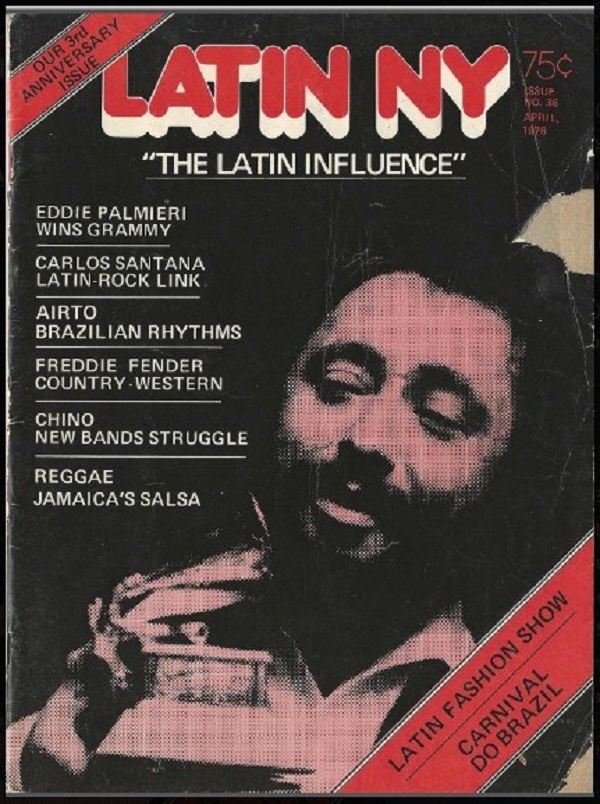
Cover of issue 36 of Latin New York magazine (April 1976) where Eddie Palmieri appears.

Ronnie Cuber and Mario Rivera were chosen as the first saxophonists in a Palmieri orchestra.

For many it is Palmieri’s best album, the most experimental and universal. One that borders on academic music, but without forgetting the dancer.

With spices like the violin of Alfredo de la Fe, who contributes his creativity everywhere, the tuba, the penetrating power of the brass, the overwhelming percussion.

Thus, Una rosa española is a modern danzón that later becomes a montuno that revives the joyful Palmerian game with the dignified uproar of trumpets, saxophones and trombones.

A young man of only 17 years, Lalo Rodríguez, who years later would become the standard-bearer of what was called salsa erotica, was chosen as the singer. Another novelty: the timbre of his voice, with a very high register, and the way he faced the montuno, which did not correspond to his age, caused different reactions.

But the most amazing thing about this 1974 album is the 14:20-minute track Un día bonito, arranged by Barry Rogers, which would keep even the most trained dancers busy. But Palmieri wasn’t just thinking about leg sets or dance floors.

The piece begins with a long piano interlude, the same structure he used in the track Adoración from the album Sentido, which would mark a new musical phase in his career.

It was more than experimental, it had some electro-acoustic music; no one had ever had the audacity to do that on a salsa album. Palmieri made the leap, he could do it, it sounded more like Stravinsky or Milhaud than Puente or Fania.

Suddenly, back in the piece, the orchestra bursts in, harder and heavier than ever, wishing the city of Los Angeles a beautiful day and San Francisco a “warm greeting,” and it is certain that Keruack and Borrough heard the call.

First Eddie Palmieri Grammy

Then Eddie Palmieri was consecrated by the intellectuals and the educated and also by the Grammy.

Eddie Palmieri

The sun of Latin music

Produced by Harvey Averne

Eddie Palmieri: piano

Lalo Rodríguez: vocals

Vitín Paz: trumpet

Virgil Jones: trumpet

Barry Rogers: trombone, tenor tuba

José Rodrigues: trombone

Ronnie Cuber: Baritone Saxophone, Flute

Mario Rivera: Baritone Saxophone, Flute

Alfredo de la Fe: Violin

Eddie Guagua Rivera: Bass

Tommy Chuckie Lopez, Jr.: Bongo

Eladio Pérez: conga

Nicky Marrero: timbales, percussion

Peter Gordon: French Horn

Tony Price: Tuba

Jimmy Sabater: Chorus

Willie Torres: Chorus

Tommy López Sr.: conga

Tracks: Nada de ti; Deseo salvaje; Una rosa española; Nunca contigo; Un día bonito; Mi cumbia

Arrangements by René Hernández and Barry Rogers

One of the most valuable pieces in the exhibition “Rhythm and Power: Salsa in New York”, which will be presented until next November at the Museum of the City of the Big Apple, is the first Grammy in the history of Latin music, awarded in 1976 to Eddie Palmieri for his album “Sun of Latin Music”.

“The Sun of Latin Music”

Sources:

Anapapaya

Salsero Radio

D j. Augusto Felibertt

Also Read: Salsa and its detractors “Caiga quien Caiga”

José Alberto “El Canario” and his orchestra enjoy a great international reputation in the Latin music scene.

His start in music was as a drummer, then as a bongo player, with some 48 years in Latin music and as a sonero, today in International Salsa Magazine through www.salsagoogle.com, José Alberto Justiniano Andújar, better known artistically as José Alberto El Canario, was born on December 22, 1958 in Villa Consuelo in Santo Domingo Dominican Republic.

José Alberto El Canario

El Canario began to have a passion for music from a very young age, first playing drums, bongo and timbales, at the age of 7 his mother Adalgisa, recognized dancer of the golden age of “Radio-Televisión Dominicana”, took him to live on the island of Puerto Rico, as a professional dancer she had to perform in important international theaters.

El Canario began to study in a military school in Las Antillas, then in 1970 he moved with his father to New York, where he began to sing with several orchestras, receiving international attention as the leader of the Típica 73 in October 1977, where he earned 25 dollars for each presentation and recognized it as his university in the life of art.

José Alberto credits his compadre Roberto Geronimo for his successful artistic career. Geronimo discovered him as an artist and managed him for many years. El Canario also sang merengue at the onset of his musical journey.

In 1983, José Alberto established his own band and gained fame as a major Latin star after his debut album Noches Calientes released in 1984.

Jose Alberto is a renowned singer who has recorded numerous chart-topping hits, including “Sueño Contigo”, “Hoy Quiero Confesar”, “Te Voy a Saciar de Mi”, “A Gozar”, “Es Tu Amor”, and “Quieres Ser Mi Amante”, among others, for his 1988 album Sueño Contigo and several others.

His inimitable voice and unmatched improvisational skills have earned him international acclaim. Jose Alberto has collaborated with several contemporary artists such as Johnny Rodriguez, Mario Rivera, Nicky Marrero, Oscar D’Leon, and Celia Cruz.

El Canario began to have a passion for music at a very young age, first playing drums, bongo drums and timbales.

José Alberto “El Canario” has earned multiple gold and platinum records due to his high number of album sales.

He has achieved success not only in the United States and Europe but also throughout Latin America, including his native Dominican Republic, Puerto Rico, Peru, Venezuela, Panama, Colombia, Ecuador, and Costa Rica.

The nickname “El Canario” was bestowed upon him by a New York disc jockey who christened him so in a disco due to his improvisational skills; “Canta canario” was the catchphrase he would belt out through the control microphone.

José Alberto ‘El Canario’ and his Orchestra have gained immense international recognition in the Latin music industry.

His musical prowess and captivating voice make his live shows some of the most thrilling performances.

El Canario, winner of the “Congo de oro” in 2005 – an award given to the best musical groups presented at the Festival de Orquestas del Carnaval de Barranquilla – and of three Latin Grammys in 2013, 2015 and 2018, is one of the undisputed artists of Latin music with a career spanning some 48 years.

Arturo Sandoval, Oscar D' Leon y El Canario
Arturo Sandoval, Oscar D’ Leon y El Canario

Throughout his career, José Alberto El Canario has gained international recognition for his unique voice and style, but also, according to his biographies, for his improvisations on stage.

José Alberto El Canario y su Orquesta enjoys great international renown in the Latin music scene.

Also Read: Jimmie Morales a conguero for the history of Afro-Caribbean music

North America / November 2023

Bomba and plenaLadama

Lengaïa Salsa Brava

Patricio Angulo and Rumbaché

Pichie Pérez

Thumbnail about the salsa museum

Las Maracas promo

Martinez attorney

Canada flag

CANADA

DIRECTORY OF NIGHTCLUBS

Dirty Martini
2075 Winston Park Dr Oakville, ON, Canada L6H 6P5

El Rancho
430 College St Toronto, ON, Canada M5T 1T3

LULA LOUNGE
1585 Dundas West Toronto, ON, Canada M6K1T9

Marlowe Restaurant and Bar
155 York Blvd Richmond Hill, ON, Canada L4B 3B4

Sahara Restaurant
1855 Dundas St E, Mississauga ON L4X 1M1

Smokeshow BBQ & Brew
744 Mt Pleasant Rd Toronto, ON, Canada M4S 2N6

Mangos Kitchen Bar
744 Mt Pleasant Rd Toronto, ON, Canada M4S 2N6

Baza
Baza Dance Studios
1304 Seymour Street Vancouver
BC, Canada V6B 3P3
+1 778-379-2292

Studio Nightclub
919 Granville street Vancouver, BC, Canada V6Z 1L3


United States flag

UNITED STATES

DIRECTORY OF NIGHTCLUBS

CALIFORNIA FLORIDA  ILLINOIS
MICHIGAN NEW JERSEY NEW YORK
 OHIO PENNSYLVANIA TEXAS
VIRGINIA WASHINGTON


NOVEMBER 2023 FESTIVALS

California US circular flag
CALIFORNIA
San Francisco SBK

San Francisco SBK Congress 2023

Nov 17 / 19, 2023

1333 Old Bayshore Hwy, Burlingame

CA, United States, 94010

Georgia US, circular flag
GEORGIA
Atlanta Love Bachata

Love Bachata Congress 2023

Nov 23 / 27,2023

165 Courtland St NE, Atlanta

GA, United States, 30303

  • « Go to Previous Page
  • Page 1
  • Interim pages omitted …
  • Page 52
  • Page 53
  • Page 54
  • Page 55
  • Page 56
  • Interim pages omitted …
  • Page 116
  • Go to Next Page »

International Salsa Magazine (ISM) is a monthly publication about Salsa activities around the world, that has been publishing since 2007. It is a world network of volunteers coordinated by ISM Magazine. We are working to strengthen all the events by working together.