• Skip to primary navigation
  • Skip to main content

International Salsa Magazine

  • Home
  • Previous editions
    • 2025
      • ISM / November 2025
      • ISM / October 2025
      • ISM / September 2025
      • ISM / August 2025
      • ISM / July 2025
      • ISM / June 2025
      • ISM / May2025
      • ISM / April 2025
      • ISM / March 2025
      • ISM / February 2025
      • ISM / January 2025
    • 2024
      • ISM / December 2024
      • ISM / November 2024
      • ISM / October 2024
      • ISM / September 2024
      • ISM / August 2024
      • ISM / July 2024
      • ISM / June 2024
      • ISM / May 2024
      • ISM / April 2024
      • ISM / March 2024
      • ISM / February 2024
      • ISM / January 2024
    • 2023
      • ISM / December 2023
      • ISM / November 2023
      • ISM / October 2023
      • ISM – September 2023
      • ISM – August 2023
      • ISM July 2023
      • ISM Edition June 2023
      • ISM – May 2023
      • ISM April 2023
      • ISM March 2023
      • ISM February 2023
      • ISM January 2023
    • 2022
      • ISM December 2022
      • ISM November 2022
      • ISM October 2022
      • ISM September 2022
      • ISM August 2022
      • ISM July 2022
      • ISM June 2022
      • ISM May 2022
      • ISM February 2022
      • ISM January 2022
    • 2021
      • ISM December 2021
      • ISM November 2021
      • ISM October – 2021
      • ISM September 2021
      • ISM August 2021
      • ISM July 2021
      • ISM May 2021
      • ISM April 2021
      • ISM June 2021
      • ISM March 2021
      • ISM February 2021
      • ISM January 2021
    • 2020
      • ISM December 2020
      • ISM November 2020
      • ISM October 2020
      • ISM September 2020
      • ISM August 2020
      • ISM July 2020
      • ISM June 2020
      • ISM May 2020
      • ISM April 2020
      • ISM March 2020
      • ISM February 2020
      • ISM January 2020
    • 2019
      • ISM December 2019
      • ISM November 2019
      • ISM October 2019
      • ISM Septembre 2019
      • ISM August 2019
      • ISM July 2019
      • ISM June 2019
      • ISM May 2019
      • ISM April 2019
      • ISM March 2019
      • ISM February 2019
      • ISM January 2019
    • 2018
      • ISM December 2018
      • ISM November 2018
      • ISM October 2018
      • ISM September 2018
      • ISM August 2018
      • ISM July 2018
      • ISM June 2018
      • ISM May 2018
      • ISM April 2018
      • ISM March 2018
      • ISM February 2018
      • ISM January 2018
    • 2017
      • ISM December 2017
      • ISM November 2017
      • ISM October 2017
      • ISM September 2017
      • ISM August 2017
      • ISM July 2017
      • ISM June 2017
      • ISM May 2017
      • ISM April 2017
  • Download Salsa App
    • Android
    • Apple
  • Spanish

Search Results for: Nicky Marrero

Spanish Harlem Salsa Gallery & Johnny Cruz: ¡Que viva la Salsa!

North America / USA / California

Spanish Harlem Salsa Gallery & Johnny Cruz: ¡Que viva la Salsa!

A private collection that was built over four decades has opened its doors to the public in El Barrio, New York, becoming the only permanent exhibition dedicated to salsa and its heritage

Johnny Cruz Photo
Johnny Cruz Photo

By Carmen Mercedes Aular

With the magic and passion of Johnny Cruz as host, Spanish Harlem Salsa Gallery opened its doors to the New York community and the world a year ago, after 5 years of starting as a private gallery for an exclusive audience.

Spanish Harlem Salsa Gallery

In this extraordinary place are exhibited 40 years of music, experiences and memories that now everyone can relive and consequently know the history behind each instrument, behind each object that rests in this immaculate space and carefully organized by Cruz. The collection includes instruments, pictures, newspapers, clothing and several gadgets donated by great musicians of Latin music.

Must share the good things

The initiative to bring the VIP experience to more people was conceived by Johnny Cruz to realize the positive impact that the gallery would have on the community of El Barrio and the way in which, through it, he could get more involved with schools from the neighborhood. The goal is to continue teaching children and adults the history of Latin music and show them how music is part of history and culture, and how it’s also part of El Barrio.

Spanish Harlem Salsa Gallery Photo

Cruz hopes to tell the story of each element of the gallery to anyone who wants to listen, and continue to increase the collection with donations from the stars of Latin music. Anyone interested in the history of music can learn something new and continue to share this information with other people so that the successes of these artists are never forgotten and kept alive in the collective memory.


In the near future, they hope to carry the information from the gallery to schools and universities in New York. In addition, they are working to collect resources to expand the collection and preserve exposure in the best and safest way possible, and become a source of employment for the community.


What awaits you at SpaHa Salsa Gallery?

At 1708 Lexington Ave NYC, you can find a wide variety of instruments, costumes, and other items from top artists of Latin music. One of the pieces of more recent data is the costume used by Sophy from Puerto Rico, in the tribute concert to Rafael Hernández at the Center for Fine Arts of Puerto Rico.

Photo by Spanish Harlem Salsa Gallery

The great Eric Vélez supported the gallery by donating the congas that are in the permanent exhibition. You can also appreciate the tuxedo that Adalberto Santiago used in his 55th anniversary concert and a Bobby Cruz costume. A piece that you definitely have to watch is the colorful and vibrant Celia Cruz’s dress. Mike Rodriguez donated his güiro, maracas and tamboril. Willie Álvarez’s trombone also rests in this exposition.
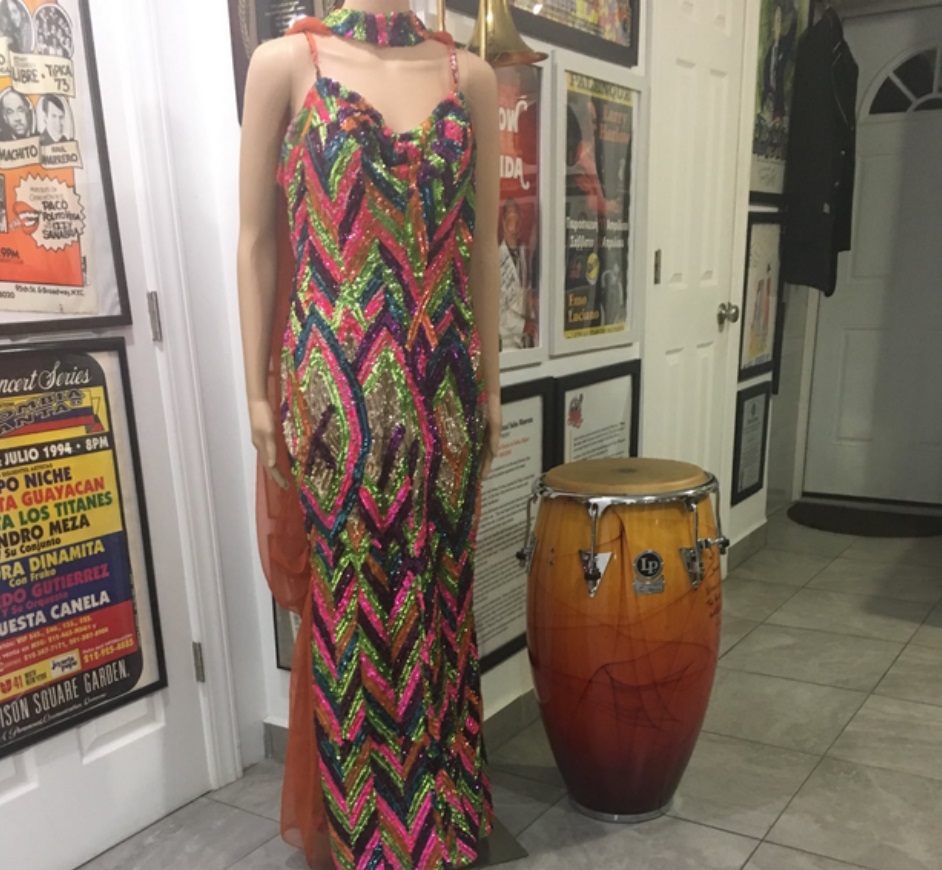
Spanish Harlem Salsa Gallery photo 4

Tourists and locals can learn about the history of objects belonging to musicians of La Fania All Stars or La Sonora Ponceña, the shoes of Héctor Casanova perched on the congas of Eddie Montalvo and numerous pieces full of anecdotes that will always, very gladly, share their host. The commitment of the gallery, and Johnny Cruz, is reaffirmed every day with donations of great glories that have a single purpose: to keep the music alive.

Eduardo Guilarte and Johnny Cruz

Soon, you will have access to the membership of the SpaHa Salsa Gallery, with which you will get information about the events before the general public and discounts in a wide network of restaurants in town, among other benefits, as a way to promote the gallery and obtain funds for its expansion and maintenance.

Within the gallery’s events programming for this month is Pablito Rosario and Cachete Maldonado’s visit, a celebration for Governor Andrew Cuomo for his triumph in the primaries vote in the state of New York, and another for Assemblyman Roberto Rodríguez, who has the support of the Latino community in the area where SpaHa Salsa Gallery lives. Moreover, Nicky Marrero, musician of the Fania All Stars, will donate the timbales he used recently in a tribute to Celia Cruz, so you can meet him in the gallery; on that day, he will be signing the instrument to formally deliver it to the collection.
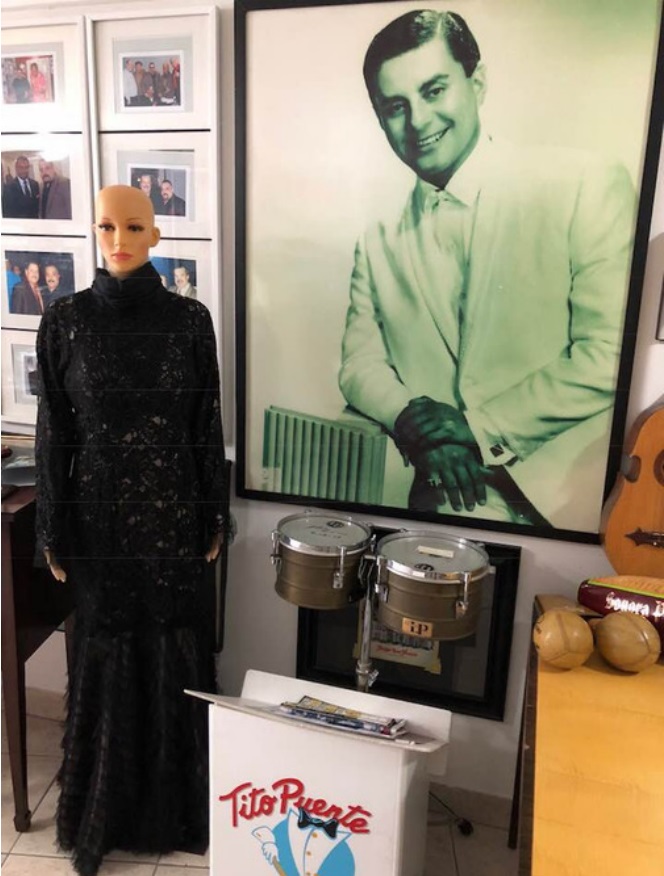
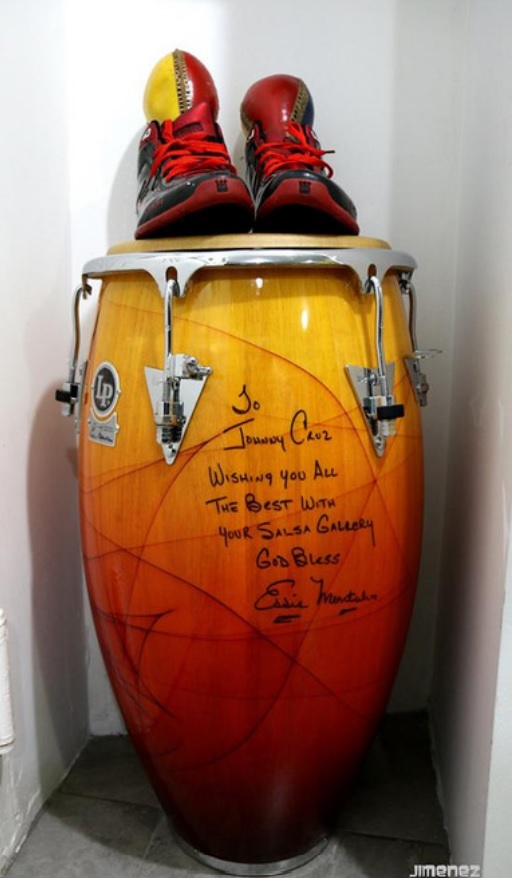
Spanish Harlem Salsa Gallery photo 3
Drum - Photo
Drum – Photo

The gallery is open to the public from Wednesday to Friday from 4:00 pm to 7:00 pm, and Saturdays from 1:00 pm to 8:00 pm at 1708 Lexington Ave. NY 10029 (El Barrio).

You can get more information about events, membership and donations by calling 917-747-8505.


About the precursor of the initiative

Johnny Cruz has a history of 40 years in the world of Latin music, during which he has been collecting musical instruments. In the last 5 years he created Spaha Salsa Gallery in El Barrio in New York City and a year ago he shares it with friends, contacts, tourists and the community.
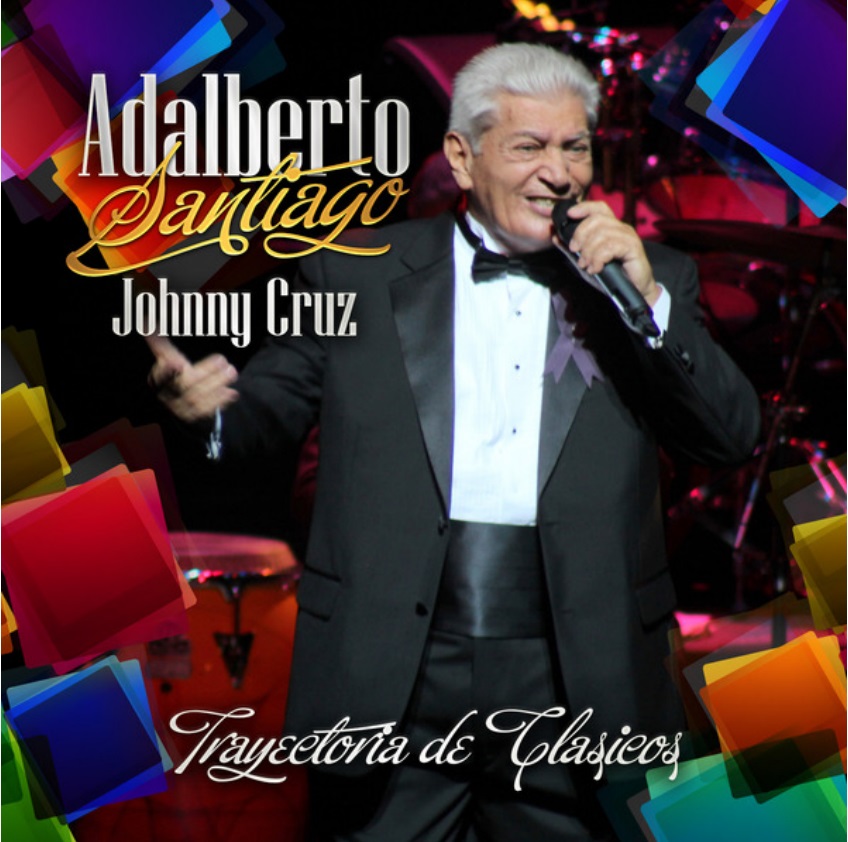
Adalberto Santiago flyer

He has been a percussionist for the last 40 years and is passionate about music, singing it, producing it, composing it, telling it, living it today and keeping it alive forever. He has worked closely with some of the most outstanding Latin musicians in the business throughout his career and has been honored with a variety of awards over the years.
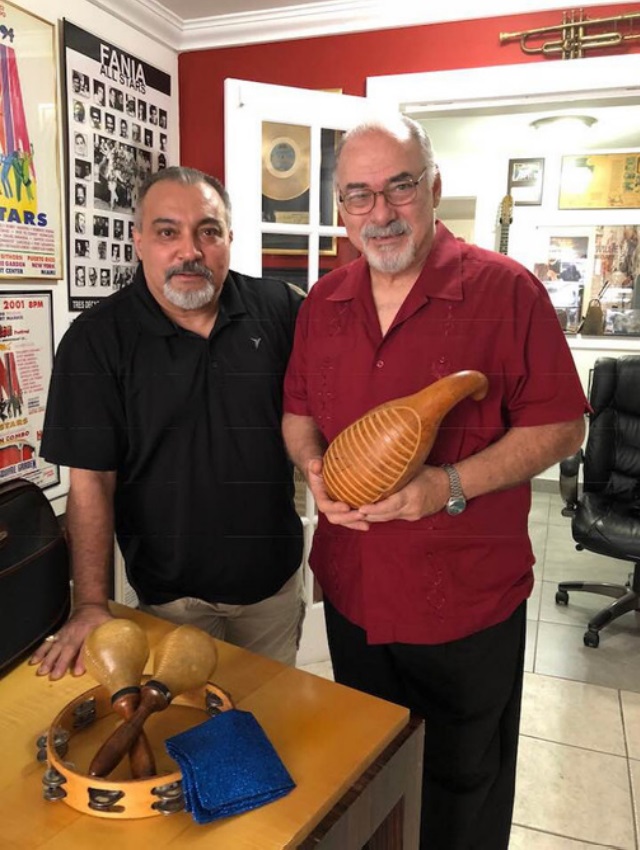
Photo by Johnny Cruz with more music instruments

At this time, he produces a public access television program for mnn.org called The Windows of Latin America. The program has been on the air weekly for 20 years, and it is the only TV space in New York where salsa is broadcast.
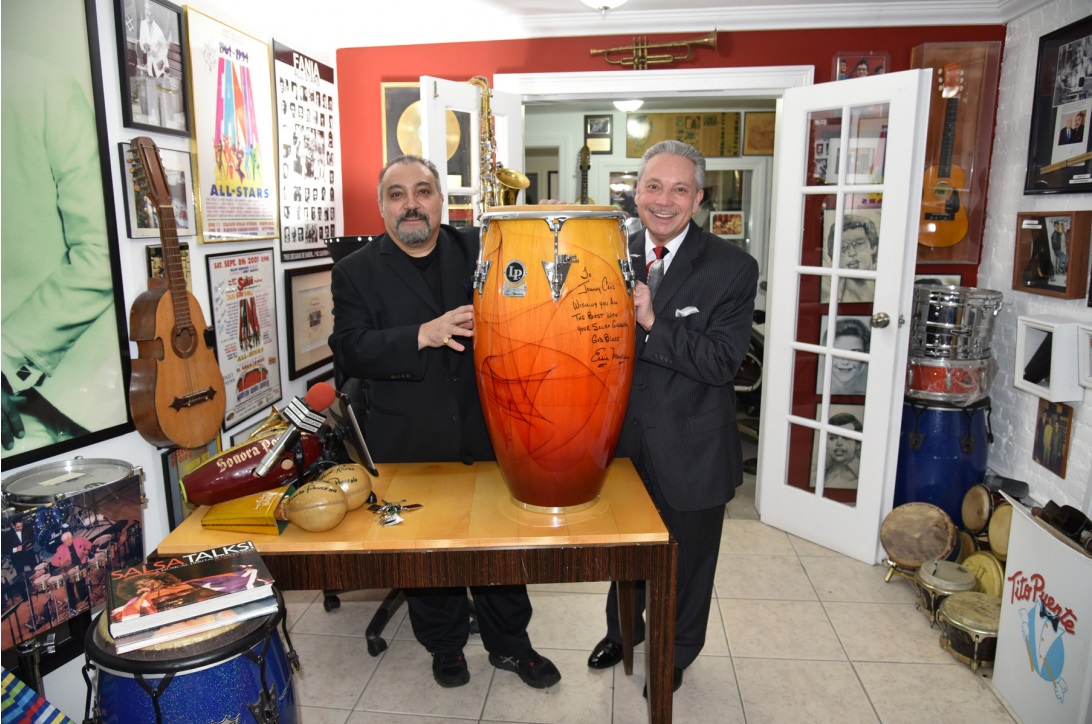
Jhonny Cruz and Adalberto Santiago

In a few days he will be premiering a collaborative production with Adalberto Santiago, with songs that recap his musical career of more than six decades and have the admiration and gratitude of Cruz. Within the framework of this launch, there will be an event in which great Latin music personalities will meet again at the Spanish Harlem Salsa Gallery to share a fun time with fans and friends.


Since the beginning of this trip, his desire has been to create a space for the community. Sharing these artifacts is their way of giving back to a community that they have had the pleasure of being part of for many years, a bit of their culture and their heritage for the world.
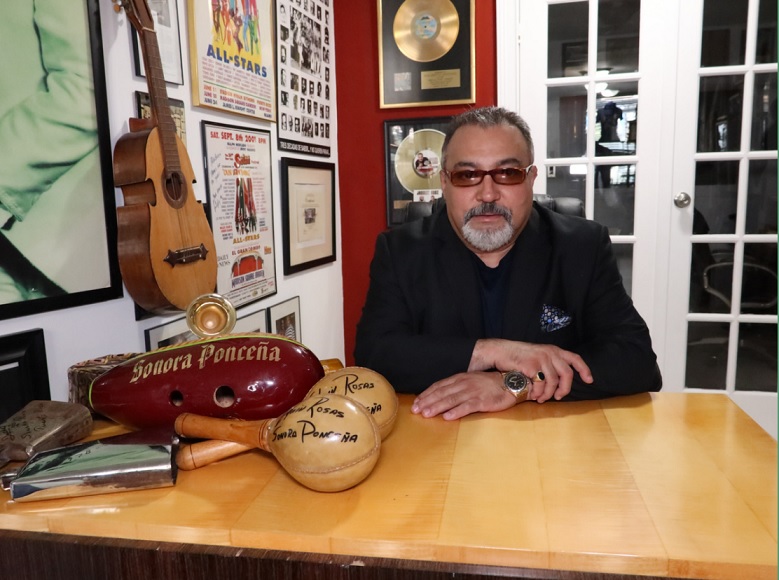
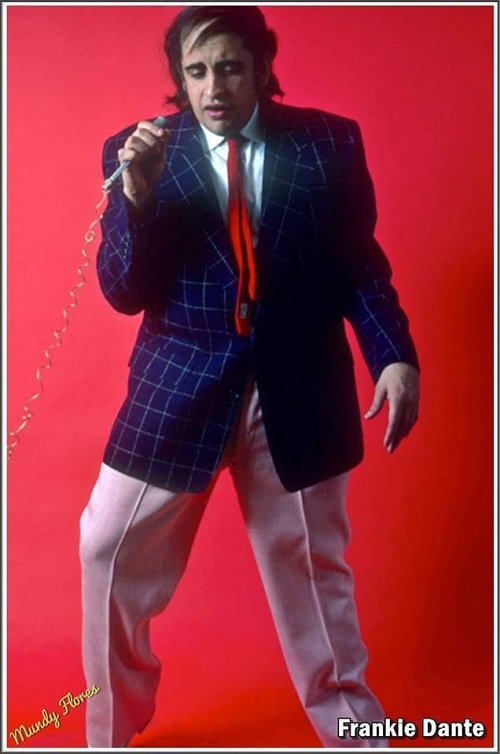
Johnny Cruz
Johnny Cruz

Lenin Francisco Domingo Cerda, better known as Frankie Dante, the “Underground” and “Irreverent” of Salsa in New York in the 60’s and 70’s.

“Cerda If I were president, if I were a president, there would be no armed forces, wars would end, the boys would go home where they belong.”

Lenin Francisco Domingo Cerda, mejor conocido como Frankie Dante el “Underground” e “Irreverente” de la Salsa en New York

Lenin Francisco Domingo Cerda, known as Frankie Dante, was born in Santo Domingo, Dominican Republic, on September 15, 1945.

He traveled to New York City in search of the sound of the barrio, influenced by Willie Colón and Eddie Palmieri with his Orquesta La Perfecta.

Frankie Dante, always characterized for being an authentic sonero, who interpreted the stories of the Latin barrio.

In 1968 under the label Cotique he appears in the album “Los Coquetones”, where Ismael Quintana also participated, the great influence in his development as a vocalist, this album is produced by Mr. George Goldner.

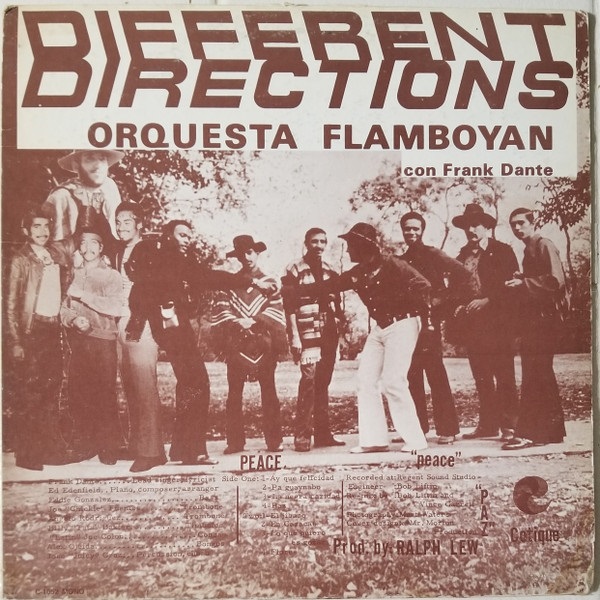
Cerda records a second production with La Orquesta Flamboyán, entitled: “Different Directions”, following the line implemented by maestro Eddie Palmieri with La Perfecta, where he continues the emphasis on social issues, raised in his first musical work, this time with the production of Ralph Lew.

Orquesta Flamboyan Con Frank Dante Different Directions1970
Orquesta Flamboyan Con Frank Dante Different Directions
1970

Launches the album: “Se Viste de Gala”. Resuming his social commitment, he includes the piece “Venceremos”, accompanied by the electric guitar played by Harry Vigianno, who also plays the tres in this production.

In 1972, Frankie Dante is invited by Larry Harlow to produce a new album entitled: “Orquesta Flamboyán Con Larry Harlow”.

Here Frankie achieved hits such as: “La Cuna del Son”, “Yo Te Seguiré”, “Vive La Vida Hoy” and “Presidente Dante”.

The album featured the participation of Larry Harlow on piano and musical production, Ray Romero and Jerry Gonzalez on Congas, Ismael “Pat” Quintana and Milton Cardona on backing vocals.

This album is considered as a recognition of Frankie Dante’s talent when he was asked by the “Wonderful Jew”, Larry Harlow to record together.

Frankie shows all his irreverence by substituting the montuno for a political speech in the manner of a candidate.

As a representative of the Underground current, Dante prefers to perform in a bohemian way in Clubs such as: El Caborrojeño and the Cheetah.

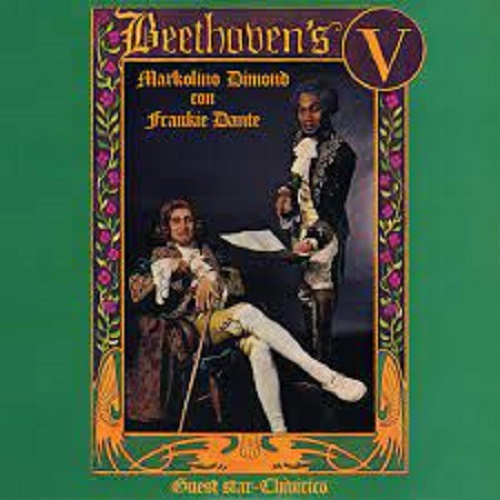
While in these clubs he meets pianist Marcolino Demond and they release the historic album: Beethoven’s V.

One of his best productions was with the extraordinary musician and pianist Markolino Dimond, who had played with Willie Colón, the album was titled: Markolino Dimond Con Frankie Dante Beethoven’s where in addition to his extravagances he imposed a different way of playing.

The album included five compositions by Marcolino Dimond: “Sabrosón”, “Camarones”, “El Quinto De Beethoven”, “Maraquero” and “Ahora Sí”, two songs with reserved author’s rights: “Los Rumberos” and “Yo No Tengo Amigo” and the hit “Porque Adore” by maestro Tite Curet Alonso.

Markolino Dimond Con Frankie Dante Guest Star Chivirico* Beethoven's V
Markolino Dimond Con Frankie Dante Guest Star Chivirico* Beethoven’s V

Dante and Marcolino were a duo without precedents, taking into account that both had the stigma of rebelliousness.

The album features Frankie Dante and Chivirico Davila on vocals and Yayo “El Indio”, Pete “El Conde” Rodriguez and Ismael “Pat” Quintana on backing vocals.

Other great musicians that participated in the band are Nicky Marrero – Timbales, Bongos; Pablito Rosario – Bongos; Barry Rogers – Trombone; Mike Collazo – Timbales, Eddie “Guagua” Rivera – Bass; Lewis Kahn – Trombone; Reinaldo Jorge – Trombone and Frank Malabé – Congas.

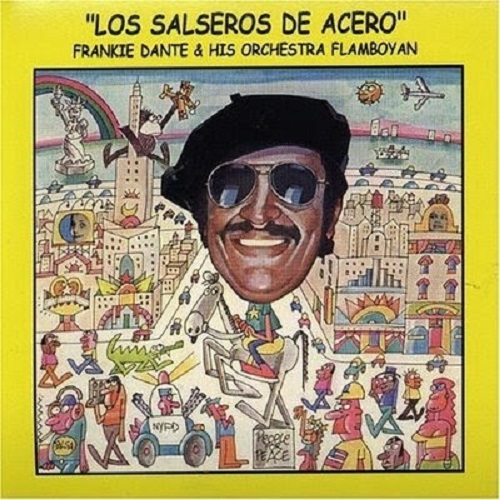
 In 1976, again with Marcolino, he released: “Los Salseros de Acero”, in an attempt to reunite the original line-up of Los Flamboyán with Joe “Chickie” Fuentes on trumpet, Ángelo Rodríguez on trombone and Alex Ojeda on timbales, plus the participation of stars of the moment such as: Charlie Palmieri, Tito Puente and Ricardo Marrero, in what was called: Flamboyán All Star Band.

Frankie Dante & His Orchestra Flamboyan Los Salseros De Acero

Among the songs on the album were “Ciencia Política” by Frankie Dante and “Chupa El Pirulí” composed by the wonderful Ciego Arsenio Rodríguez.

That year he published his seventh album “The Flamboyán All Star Band Frankie “Be Bop” Dante”, also recorded for Cotique Records, which included songs such as: “El Pipón”, “Son Retozón” and “Mumbo Jumbo”, compositions by Frankie Dante himself and a version of the song “María Cervantes” by the Puerto Rican Noro Morales.

Sonny Bravo, Norberto Cruz and Marty Sheller participated in the arrangements; Charlie Palmieri – Arrangements and Director and Mr. Ralph Lew as Producer.

The album also counted with the participation of other great musicians of the salsa movement such as: Leopoldo Pineda – Trombone, Ray Maldonado – Trumpet, Frankie Malabé – Congas, Orestes Vilató – Timbales, Ronnie Cuber – Sax and Flute, Willie Colón – Chorus and Tito Allen – Chorus.

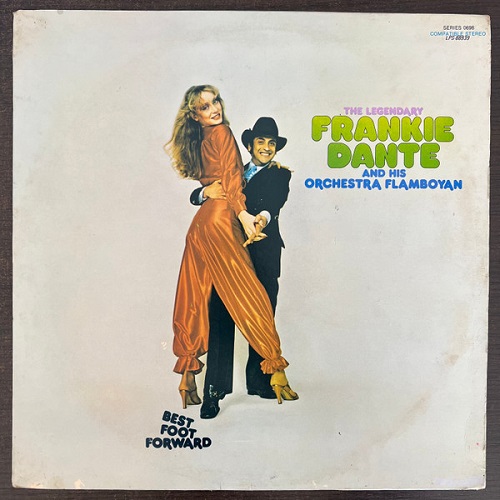
One of Cotique’s recordings was entitled “Frankie Dante and his Orquesta Flamboyán Best Foot Forward”, a compilation album with Frankie’s hits such as: “Paz”, “Los Rumberos”, “Presidente Dante”, “Venceremos” and the well known song “Yo Te Seguiré” written by the great Catalino Tite Curet Alonso.

The Legendary Frankie Dante And His Orchestra Flamboyan Best Foot Forward

His last recording appearance would happen in 1979 with the release of “Los Rebeldes”, where he decided to name his group: Frankie Dante Y Los Rebeldes.

This album has songs such as: “Los Congresistas” by Frankie Dante, a version of the song “Semilla De Caña Brava” by Cuban Luis Martinez Griñan “Lily” and “Vuelve El Rumbero” by Puerto Rican Johnny Ortiz.

Also participating in the recording were: Sal Cuevas – Bass, Louie Cruz, Marty Sheller, and Louie Ramirez in the Arrangements, Alberta Dering – Artistic Director, Ralph Lew as Producer and Milton Cardona as Musical Director.

Dominican Frankie Dante developed his musical career in New York City, where he died of cancer on March 1, 1993.

Dante, emulating his compatriot Johnny Pacheco, settles in the city of skyscrapers and takes with his “precursor” lyrical talent in terms of social conscience in salsa. With good artistic sense he perceives that the sound of the neighborhood and its hurtful musical style will be the main axis of the new concept that is born in the land of Uncle Sam.

“He recognizes in the almost adolescent Willie Colón a style to follow, he is enormously attracted to that “sour” way of arranging the songs, the maestro Eddie Palmieri and his Orquesta La Perfecta (already in full swing) also influence the young Dante as well as Ismael “Pat” Quintana’s way of interpreting, a style that Frankie incorporates immediately in his first production in 1968 under the Cotique label (Ref. CS-1043) titled Los Coquetones”.

Sources and Bibliography:

  • http://www.megaupload.com/pt/?d=FR6AAPU0
    • http://ww.malianteo.com
    • http://www.salsajazz.com/i
    • http://apostolsalsero.soy.es/frankie-dante-la-orquesta-flamboyan/
    • Latinastereo 100.9 FM nuestra música

Also Read: Nicky Marrero is an innovator, timbalero and bongo player, living legend of our Afro-Latin and Caribbean music.

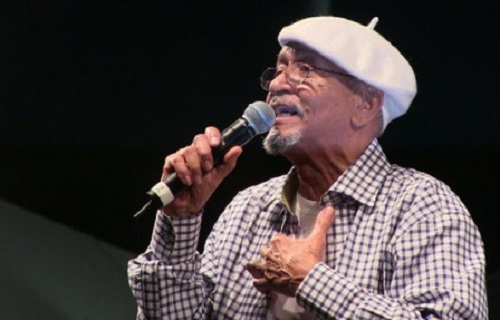
Justo Betancourt Querol Cuban sonero and singer famous for his interpretation of the song “Pa’ bravo yo”

Heir to the solid musical tradition of his family, Justo Betancourt was an incomparable sonero, possessing a unique personal style, He began his career at a very early age in his native Cuba, where he participated with orchestras and bands.

Justo Betancourt Querol Cuban sonero and singer famous for his interpretation of the song Pa' bravo yo.
Justo Betancourt Querol Cuban sonero and singer famous for his interpretation of the song Pa’ bravo yo.

In the 1960s, he arrived in New York, where he launched a new and brilliant stage of his career, singing vocals for the legendary and inveterate group, La Sonora Matancera, which was already established in the city. Betancourt stayed with the group for five years.

In later years, he was a member of the chorus of several groups, including those of Eddie Palmieri and Ray Barretto.

At the end of 1976 Justo settled in Puerto Rico, fleeing the limitations of the New York environment and separating himself from the tours and recordings of Fania All Stars, to enter the modern and freer scene projected by groups such as Sonora Ponceña, Willie Rosario, Bobby Valentín and Roberto Roena, among others, from the island.

With young musicians including vocalists Sammy Gonzalez and Tito Rojas, he created his own orchestra which he called “Borincuba”, a name to reflect the mixture of Puerto Rican and Cuban artists.

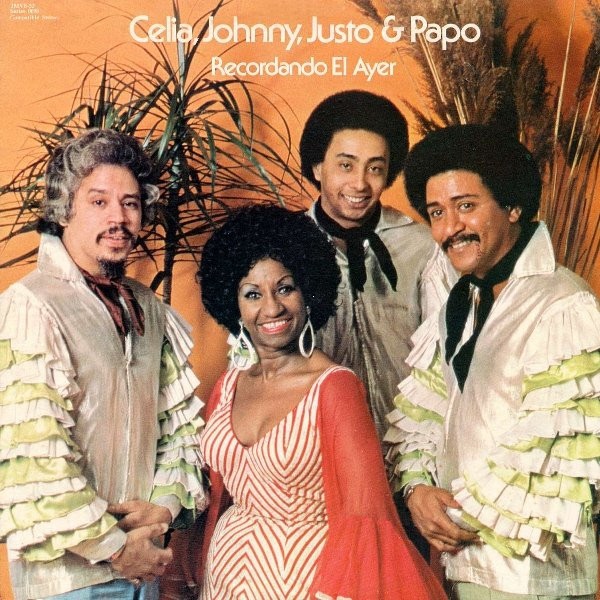
In 1976 Johnny Pacheco in his interest to maintain the successful formula of the modernization of the sound of the Sonora Matancera as the typical sound of his group (the Tumbao Añejo), unites the voice of Justo Betancourt with that of his compatriot Celia Cruz, it was the first time that this duo of Cubans in exile was reunited, in the album “Recordando El Ayer” and in which the young pianist Papo Lucca was presented in a big way. Justo’s voice was recorded in the songs “La Equivocada” (a duet with Celia), “Ahora Sí” and “Guíllate”.

Celia, Johnny, Justo & Papo Recordando El Ayer 1976


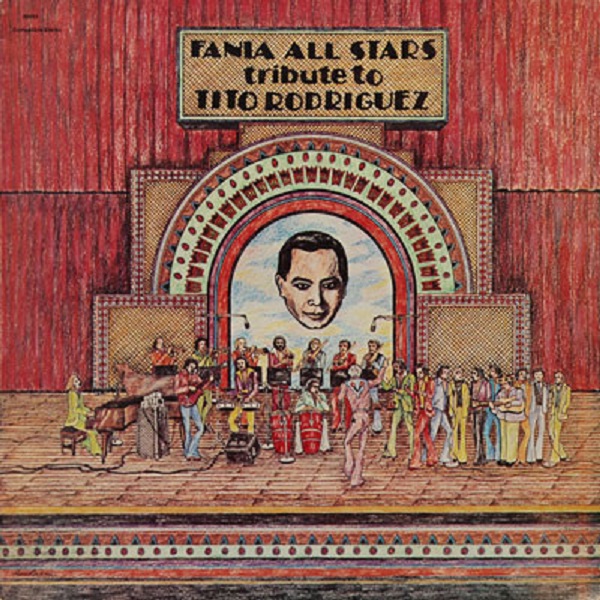
That same year 1976, Justo is part of the ten vocalists that the Fania All Stars summons for his first production in a recording studio in the project “Tribute To Tito Rodriguez”, in which he performs the song “Cara De Payaso”, (the other vocalists were Santos Colón, Bobby Cruz, Cheo Feliciano, Héctor Lavoe, Ismael Miranda, Ismael Quintana, Pete “Conde” Rodríguez, Rubén Blades (his first recording with Fania All Stars) and Chivirico Dávila (his only recording with the group).

Fania All Stars Tribute To Tito Rodriguez 1976

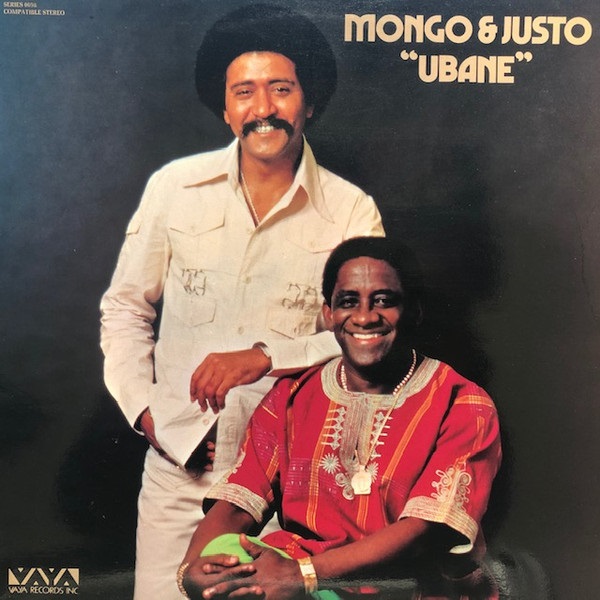
To complete this productive year, Justo Betancourt joins percussionist Mongo Santamaría as the lead vocalist for the musical work “Ubane”, with the production of Marty Sheller, one of the important experimental albums of the salsa boom, a work that recovers the saxophone for the Salsa and bembé orchestra in the old Cuban Guaracha of the 50’s, and in which a constellation of New York, Cuban, Puerto Rican and Colombian musicians participate.

Mongo y Justo Ubane 1976.

However, the album did not succeed in definitely catching on with the public and ended in the most unjust failure.

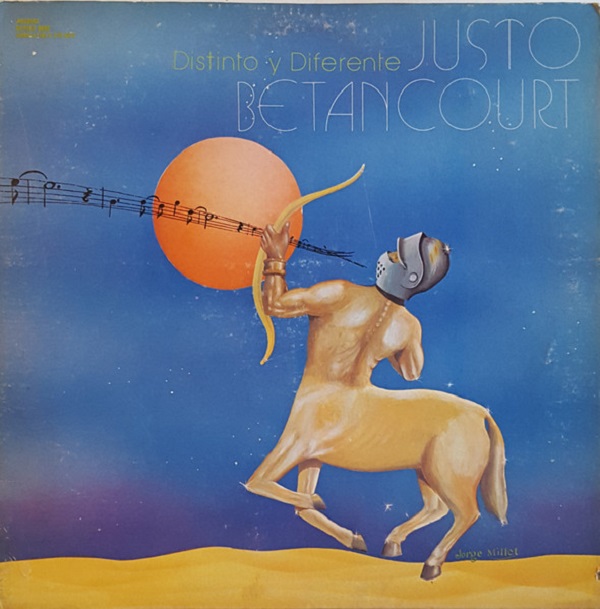
With his new orchestra, he recorded four albums, of which he recorded as lead singer in only two albums: “Distinto Y Diferente” (1977) which includes the songs: “No Estás En Nada”, “Distinto Y Diferente”, “Soy Profesional” and “Óyela”; and “¡Presencia!” (1978) which includes a tremendous new version of the bolero “Psicología” and the song, composed by Catalino “Tite” Curet Alonso, “Camarón”. Justo was always among the best and remained oblivious to the decadence of the industrial boom of New York Salsa at the end of the decade.

Justo Betancourt Distinto Y Diferente 1977

His secret was to remain bravo by performing authentic Caribbean music without the commercial additives imposed by Salsa.

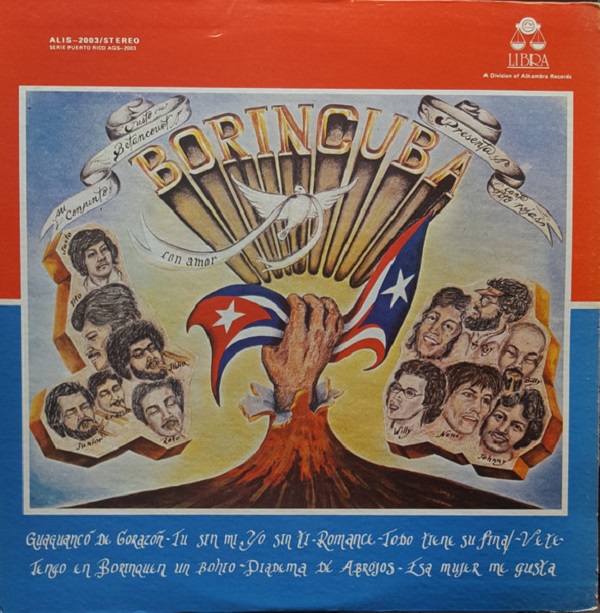
The young singer who performed in the chorus and Justo’s student in Borincuba, Tito Rojas, became the lead singer in the following album “Con Amor” (1978), which Betancourt conducted and participated in the chorus.

Tito Rojas’ last work before splitting from Borincuba to start his solo career was the album titled only as “Borincuba”, in which Justo also served as musical director and backing vocalist.

Justo Betancourt Presenta Su Conjunto Borincuba Canta Tito Rojas Con Amor 1978

So in 1979, when Tito inherited the band, he started his solo career changing the name to Tito Rojas y el Conjunto Borincano¸ which had a short existence.

After a series of his own albums, he became the lead vocalist of the Puerto Rican Power Orchestra and appeared on their first two albums (1987 and 1989).

In 1990, Tito Rojas embarked on his solo career with the romantic salsa album “Sensual” which reached first place in the Latin Music Hit Parade in April.

In the following years, Betancourt, residing between New York and San Juan, continued in the inertia of the Fania contracts. In March 1979, when the Fania All Stars were part of the group of musicians who traveled to the island of Cuba to participate in the “Havana Jam Festival”, a musical exchange between the United States and Cuba organized by CBS and held at the Karl Marx Theater in Havana, Justo Betancourt and his compatriot Celia Cruz, for obvious political reasons, could not travel with the group; for this reason Justo decided to leave the All Stars.

Nevertheless, his contract with the Fania company remained in force, and that year he released another album titled “Justo Betancourt” (1979), produced by himself and Louie Ramirez, which included the songs “Yo Sin Ti” and “Qué Más Quieres De Mi”, among others.

In 1981, Betancourt returns to record again with the Sonora Matancera in an album entitled “Sonora Matancera Con Justo Betancourt”, produced by Javier Vásquez and recorded on the Bárbaro label, a subsidiary of Fania and owned by Jerry Masucci. On this album, four guest musicians appear for the first time to record with the Sonora: Pedro “Puchi” Boulong: on trumpet, José Daniel: on the tumbadora, Elpidio Vásquez Jr. (son of the bassist): on second bass, and Mario Hernández: on tres.

From this work the hit “Mala Pata” and a new version of the bolero “Hoy Sé Más” stand out.

In 1982, he recorded his last work on the Fania Records label “Leguleya No” (1982), with his own production company RMQ and with the arrangements and musical direction of Ray Santos and Javier Vásquez.

From 1982 onwards his appearances were variable, he participated in Israel Sardinas’ LP, “Israel, la Verdad” (1984), and participated in Celia Cruz and Tito Puente’s album “Homenaje A Benny Moré Vol. 3” in 1985, in one of the songs: “Tú Solo Tú”.

Except for these participations, he made no recordings between 1983 and 1989.

And so, there were plenty of reasons for Justo Betancourt, despite so many successes, to end up in virtual anonymity and indifference. He gradually withdrew from the world of the studios, although he continued to perform sporadically.

After years of recording silence, he returned in 1990 with his style with the album “Regresar” on his own label RMQ, of which he was the producer, director and did half of the arrangements written by Eric Figueroa.

In 1992 he released the album “El Bravo De Siempre”, for Rafael Viera’s RV Productions label, which featured the participation of Cuban percussion legend Carlos “Patato” Valdes, among other great Puerto Rican musicians.

In 1994 he participated in the project of Puerto Rican producer and musician Frank Ferrer called “Descarga Boricua”, alongside more than 30 experienced local and international musicians such as Ismael Miranda, Jerry Medina, Papo Vázquez, Juancito Torres, Alex Acuna, Mario Rivera, Pedro Guzmán and Ángel “Cachete” Maldonado, among others. There, and in several songs, he resorted to his superb vocal resources as in his good times. In the second work of the Descarga Boricua, edited in 1996, he participated briefly with some soneos in the song “Abrázate a Puerto Rico”, as well as in the third album of the reunion of the virtuous Puerto Rican musicians.

He returned to the recording studios again in 1998 with the CD “Mató” for the El Paso label in Puerto Rico, and from which the song “El Lema Del Guaguancó” stands out in the most vigorous style of Arsenio Rodríguez, composer of the song.

He also made his return as guest singer of the Fania All Stars for the concert of April 29, 2000 in Puerto Rico, a return that he made together with Ismael Miranda and Luigi Texidor to the group.

Justo Betancourt has participated as a backing vocalist in the recordings of many Latin music orchestras and works of renowned artists, such as La Conspiración de Ernie Agosto, Celia Cruz, Johnny Pacheco, Roberto Roena, Willie Colón, Eddie Palmieri, Willie Rosario’s orchestra, Héctor Lavoe, Adalberto Santiago, Kim De Los Santos, Van Lester and the Puerto Rican Power orchestra, among others.

In 2002 he participated for pianist Papo Lucca in the musical project “Festival de Boleros” with the song “En Cada Beso”, along with a constellation of Boricua singers and musicians.

Sources:

Por: Jose Ramon Tremaria

Ecued

Fania Stars

Also Read: Nicky Marrero is an innovator, timbalero and bongo player, living legend of our Afro-Latin and Caribbean music.

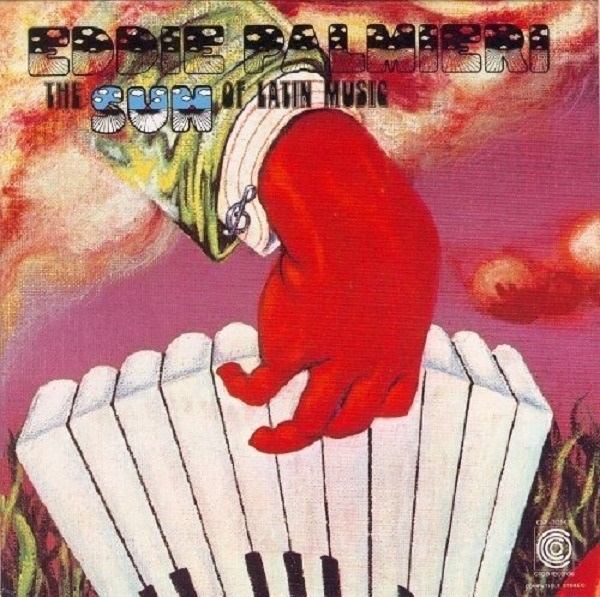
“The Sun of Latin Music” the first Grammy Award for Salsa Eddie Palmieri’s historic album

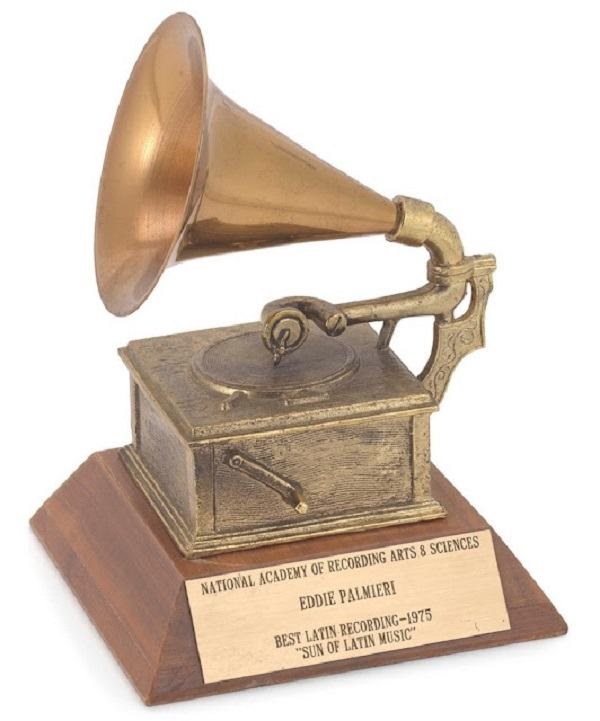
It has been 49 years since “The Sun of Latin Music”, Eddie Palmieri’s historic album, which marked a fundamental milestone in the history of Latin music by becoming the first production to win a Grammy Award in the category of Best Latin Recording, awarded on February 28, 1976.

"The Sun of Latin Music" the first Grammy of Salsa Eddie Palmieri's historic album
“The Sun of Latin Music” the first Grammy of Salsa Eddie Palmieri’s historic album

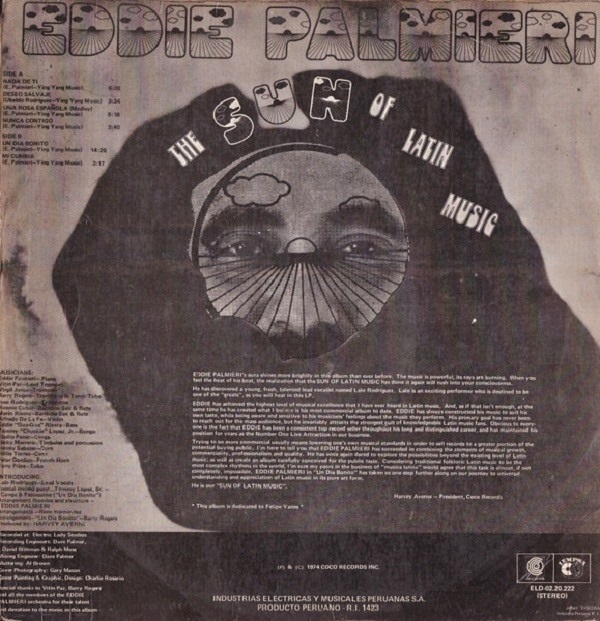
Recorded in New York at Electric Lady Studios, the album was released by Coco Records on Wednesday, September 18, 1974.

The album featured vocals by Lalo Rodríguez, who was only 16 years old at the time.

It includes: ‘Nada De Ti’, ‘Deseo Salvaje’, ‘Una Rosa Española’, ‘Nunca Contigo’, ‘Un Día Bonito’, ‘Mi Cumbia’.

“The Sun of Latin Music” proved to the world that Latin music, especially Salsa, was an honorable art form and opened the doors for many other Latin artists to receive solid recognition for their talent and work.

Eddie Palmieri

The sun of Latin music

MP, 1990. MP-3109 CD

Recorded in 1975

The Sun of Latin Music was a controversial album. It was too far from the easy formula of the middle salsa boom – what César Miguel Rondón calls the “mtancerization of salsa”.

“Ahead of its time” was one of the comments; “a piece like Un día bonito, had to be mutilated” with a 6-minute piano intro just to be able to play it on the radio; a danzón (Una rosa española) with lyrics by the Beatles; a cumbia that is not very Colombian, despite the name (Mi cumbia) and the chorus that says “very Colombian…”.

Nevertheless, this album represents the strength of the spirit of salsa: the encounter between the harshness of the street and the majesty of the most sophisticated musical sound.

One of the best albums of Caribbean music ever released.

Palmieri was always in search of something new. The Sun Of Latin Music is the culmination of a phase that began with an earlier album, Sentido (1974).

This time he chose the Panamanian Vitín Paz for the trumpet solo, Barry Rogers for his trombone and an unusual tuba, which formed a kind of basso continuo, and besides Barry, José Rodrigues, who for a long time was, and despite his absence still is, his most emblematic trombonist.

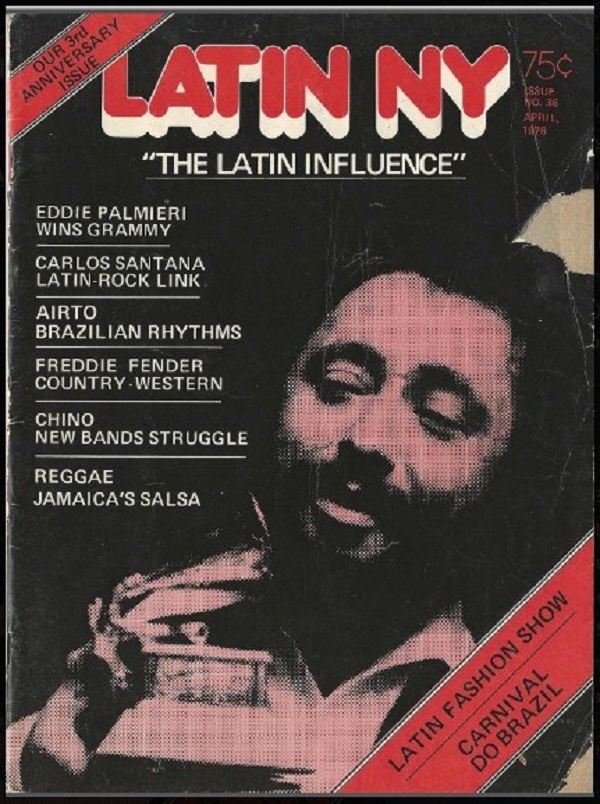
Cover of issue 36 of Latin New York magazine (April 1976) where Eddie Palmieri appears.

Ronnie Cuber and Mario Rivera were chosen as the first saxophonists in a Palmieri orchestra.

For many it is Palmieri’s best album, the most experimental and universal. One that borders on academic music, but without forgetting the dancer.

With spices like the violin of Alfredo de la Fe, who contributes his creativity everywhere, the tuba, the penetrating power of the brass, the overwhelming percussion.

Thus, Una rosa española is a modern danzón that later becomes a montuno that revives the joyful Palmerian game with the dignified uproar of trumpets, saxophones and trombones.

A young man of only 17 years, Lalo Rodríguez, who years later would become the standard-bearer of what was called salsa erotica, was chosen as the singer. Another novelty: the timbre of his voice, with a very high register, and the way he faced the montuno, which did not correspond to his age, caused different reactions.

But the most amazing thing about this 1974 album is the 14:20-minute track Un día bonito, arranged by Barry Rogers, which would keep even the most trained dancers busy. But Palmieri wasn’t just thinking about leg sets or dance floors.

The piece begins with a long piano interlude, the same structure he used in the track Adoración from the album Sentido, which would mark a new musical phase in his career.

It was more than experimental, it had some electro-acoustic music; no one had ever had the audacity to do that on a salsa album. Palmieri made the leap, he could do it, it sounded more like Stravinsky or Milhaud than Puente or Fania.

Suddenly, back in the piece, the orchestra bursts in, harder and heavier than ever, wishing the city of Los Angeles a beautiful day and San Francisco a “warm greeting,” and it is certain that Keruack and Borrough heard the call.

First Eddie Palmieri Grammy

Then Eddie Palmieri was consecrated by the intellectuals and the educated and also by the Grammy.

Eddie Palmieri

The sun of Latin music

Produced by Harvey Averne

Eddie Palmieri: piano

Lalo Rodríguez: vocals

Vitín Paz: trumpet

Virgil Jones: trumpet

Barry Rogers: trombone, tenor tuba

José Rodrigues: trombone

Ronnie Cuber: Baritone Saxophone, Flute

Mario Rivera: Baritone Saxophone, Flute

Alfredo de la Fe: Violin

Eddie Guagua Rivera: Bass

Tommy Chuckie Lopez, Jr.: Bongo

Eladio Pérez: conga

Nicky Marrero: timbales, percussion

Peter Gordon: French Horn

Tony Price: Tuba

Jimmy Sabater: Chorus

Willie Torres: Chorus

Tommy López Sr.: conga

Tracks: Nada de ti; Deseo salvaje; Una rosa española; Nunca contigo; Un día bonito; Mi cumbia

Arrangements by René Hernández and Barry Rogers

One of the most valuable pieces in the exhibition “Rhythm and Power: Salsa in New York”, which will be presented until next November at the Museum of the City of the Big Apple, is the first Grammy in the history of Latin music, awarded in 1976 to Eddie Palmieri for his album “Sun of Latin Music”.

“The Sun of Latin Music”

Sources:

Anapapaya

Salsero Radio

D j. Augusto Felibertt

Also Read: Salsa and its detractors “Caiga quien Caiga”

José Alberto “El Canario” and his orchestra enjoy a great international reputation in the Latin music scene.

His start in music was as a drummer, then as a bongo player, with some 48 years in Latin music and as a sonero, today in International Salsa Magazine through www.salsagoogle.com, José Alberto Justiniano Andújar, better known artistically as José Alberto El Canario, was born on December 22, 1958 in Villa Consuelo in Santo Domingo Dominican Republic.

José Alberto El Canario

El Canario began to have a passion for music from a very young age, first playing drums, bongo and timbales, at the age of 7 his mother Adalgisa, recognized dancer of the golden age of “Radio-Televisión Dominicana”, took him to live on the island of Puerto Rico, as a professional dancer she had to perform in important international theaters.

El Canario began to study in a military school in Las Antillas, then in 1970 he moved with his father to New York, where he began to sing with several orchestras, receiving international attention as the leader of the Típica 73 in October 1977, where he earned 25 dollars for each presentation and recognized it as his university in the life of art.

José Alberto credits his compadre Roberto Geronimo for his successful artistic career. Geronimo discovered him as an artist and managed him for many years. El Canario also sang merengue at the onset of his musical journey.

In 1983, José Alberto established his own band and gained fame as a major Latin star after his debut album Noches Calientes released in 1984.

Jose Alberto is a renowned singer who has recorded numerous chart-topping hits, including “Sueño Contigo”, “Hoy Quiero Confesar”, “Te Voy a Saciar de Mi”, “A Gozar”, “Es Tu Amor”, and “Quieres Ser Mi Amante”, among others, for his 1988 album Sueño Contigo and several others.

His inimitable voice and unmatched improvisational skills have earned him international acclaim. Jose Alberto has collaborated with several contemporary artists such as Johnny Rodriguez, Mario Rivera, Nicky Marrero, Oscar D’Leon, and Celia Cruz.

El Canario began to have a passion for music at a very young age, first playing drums, bongo drums and timbales.

José Alberto “El Canario” has earned multiple gold and platinum records due to his high number of album sales.

He has achieved success not only in the United States and Europe but also throughout Latin America, including his native Dominican Republic, Puerto Rico, Peru, Venezuela, Panama, Colombia, Ecuador, and Costa Rica.

The nickname “El Canario” was bestowed upon him by a New York disc jockey who christened him so in a disco due to his improvisational skills; “Canta canario” was the catchphrase he would belt out through the control microphone.

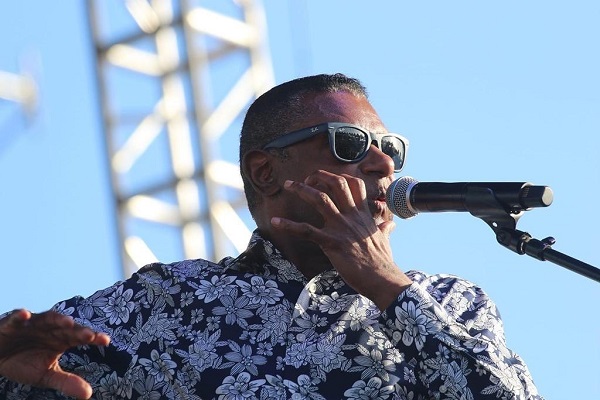
José Alberto ‘El Canario’ and his Orchestra have gained immense international recognition in the Latin music industry.

His musical prowess and captivating voice make his live shows some of the most thrilling performances.

El Canario, winner of the “Congo de oro” in 2005 – an award given to the best musical groups presented at the Festival de Orquestas del Carnaval de Barranquilla – and of three Latin Grammys in 2013, 2015 and 2018, is one of the undisputed artists of Latin music with a career spanning some 48 years.

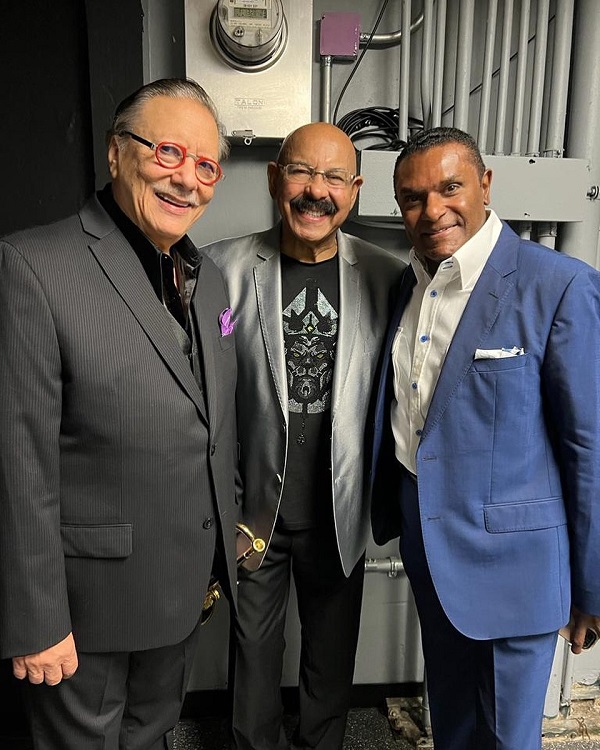
Arturo Sandoval, Oscar D' Leon y El Canario
Arturo Sandoval, Oscar D’ Leon y El Canario

Throughout his career, José Alberto El Canario has gained international recognition for his unique voice and style, but also, according to his biographies, for his improvisations on stage.

José Alberto El Canario y su Orquesta enjoys great international renown in the Latin music scene.

Also Read: Jimmie Morales a conguero for the history of Afro-Caribbean music

  • « Go to Previous Page
  • Page 1
  • Page 2
  • Page 3
  • Page 4
  • Interim pages omitted …
  • Page 6
  • Go to Next Page »

International Salsa Magazine (ISM) is a monthly publication about Salsa activities around the world, that has been publishing since 2007. It is a world network of volunteers coordinated by ISM Magazine. We are working to strengthen all the events by working together.