• Skip to primary navigation
  • Skip to main content

International Salsa Magazine

  • HOME
  • Previous editions
    • 2026
      • ISM / March 2026
      • ISM / February 2026
      • ISM / January 2026
    • 2025
      • ISM / December 2025
      • ISM / November 2025
      • ISM / October 2025
      • ISM / September 2025
      • ISM / August 2025
      • ISM / July 2025
      • ISM / June 2025
      • ISM / May2025
      • ISM / April 2025
      • ISM / March 2025
      • ISM / February 2025
      • ISM / January 2025
    • 2024
      • ISM / December 2024
      • ISM / November 2024
      • ISM / October 2024
      • ISM / September 2024
      • ISM / August 2024
      • ISM / July 2024
      • ISM / June 2024
      • ISM / May 2024
      • ISM / April 2024
      • ISM / March 2024
      • ISM / February 2024
      • ISM / January 2024
    • 2023
      • ISM / December 2023
      • ISM / November 2023
      • ISM / October 2023
      • ISM – September 2023
      • ISM – August 2023
      • ISM July 2023
      • ISM Edition June 2023
      • ISM – May 2023
      • ISM April 2023
      • ISM March 2023
      • ISM February 2023
      • ISM January 2023
    • 2022
      • ISM December 2022
      • ISM November 2022
      • ISM October 2022
      • ISM September 2022
      • ISM August 2022
      • ISM July 2022
      • ISM June 2022
      • ISM May 2022
      • ISM February 2022
      • ISM January 2022
    • 2021
      • ISM December 2021
      • ISM November 2021
      • ISM October – 2021
      • ISM September 2021
      • ISM August 2021
      • ISM July 2021
      • ISM May 2021
      • ISM April 2021
      • ISM June 2021
      • ISM March 2021
      • ISM February 2021
      • ISM January 2021
    • 2020
      • ISM December 2020
      • ISM November 2020
      • ISM October 2020
      • ISM September 2020
      • ISM August 2020
      • ISM July 2020
      • ISM June 2020
      • ISM May 2020
      • ISM April 2020
      • ISM March 2020
      • ISM February 2020
      • ISM January 2020
    • 2019
      • ISM December 2019
      • ISM November 2019
      • ISM October 2019
      • ISM Septembre 2019
      • ISM August 2019
      • ISM July 2019
      • ISM June 2019
  • Download Salsa App
    • Android
    • Apple
  • Spanish

Search Results for: Puerto+Rico

The “Caballero de la salsa” delights us with his new album

North America / United States

The story of an artist

Gilberto Santa Rosa, known as “El Caballero de la salsa”, was born in 1962 in Puerto Rico.

The singer has excelled at performing romantic ballads, boleros, and salsa. His first steps in music were at a very young age. Before reaching adolescence he was already forming youth groups within the tropical genre. For about two years, he was part of the band La Grande, from the hand of greats of the genre.

Colegas is the new album of Gilberto Santa Rosa
Gilberto Santa Rosa has a new album

Elías Lopés, famous Puerto Rican trumpet player, became his teacher and tutor. At the age of 14 he traveled to New York to take his first steps in the musical field and his father entrusted him to Lopés. Santa Rosa is very pleased to have received his teachings.

“The greatest legacy for me was discipline, knowledge of the work you are doing and the challenges; He gave me musical challenges that developed the talent I had at that time, “said the salsa singer.

Gilberto participated in the “Homenaje a Eddie Palmieri” with the Puerto Rico All Star, a great opportunity for his career that was on the rise. In addition, he was in the ranks of the Willie Rosario orchestra.

First steps

In 1986, he got his first opportunity as a soloist. Combo Records allowed him to record four albums; giving it a further boost in the salsa genre. Good Vibrations (1986), Keeping Cool! (1987), De Amor y Salsa (1988) and Salsa en Movimiento (1989) were his first record works.

In 1990, he had the opportunity to change record labels. On this occasion, CBS today is known worldwide as Sony Discos. Company with which he has recorded approximately 24 albums and continues to this day.

Sony Discos trusted him and saw him succeed through the years. Punto de vista, the first production made with the label, received a gold and platinum record. The Man and His Music was quite a special production. It was held in 1995 and reflected a presentation held at Carnegie Hall in New York.

Acting is another of the roles that he has developed with great skill. In 1990, he participated in “La pareja dispareja” with Rafo Muñiz and Luis Vigoreaux, Jr.

In the 2000s he was in other theatrical pieces. He starred in the revival of “La verdadera historia de Pedro Navaja”, a musical that demanded a lot from him on a professional level; and with Cuban comedian Alexis Valdés in the play “Atrácame más”.

“Returning to the theater, this time to comedy, fills me with great enthusiasm and even more so to be able to share the stage with one of the greats of comedy in the United States and Latin America. The truth is that “Atrácame más” takes me out of my comfort zone which is music and challenges me professionally. I’m really enjoying this story and I hope people enjoy it a lot more ”, commented Gilberto Santa Rosa, about “Atrácame más”.

Gilberto Santa Rosa is one of the artists who broke paradigms in the United States and in the rest of the world. From the beginning, the Latin public did not hesitate to follow his career and, of course, attend his meetings. He also had the opportunity to travel to Japan.

He presented himself as a worthy representative of his country and surprised the audience by performing “De cara al viento” in Japanese. A feat that surprised critics due to the difficulty of the language. In addition, it was his beginning in the international market, until today he is acclaimed incessantly.

Gilberto had great acceptance and a box office record in his presentations at the First President Festival in the Dominican Republic, the Lincoln Center in New York with Andy Montañez; at the Anayansi Theater in Panama and at the Universal Studios Amphitheater in Hollywood with Olga Tañón.

The accompaniment by the Symphony Orchestra ended up catapulting him among his followers. They considered it an unprecedented presentation and brimming with talent. It was presented under this format in the United States and broke box office records at the Teresa Carreño Theater in Caracas, Venezuela.

Expresión, 1999

It was one of his most popular albums. The album marked the singer’s career as it was nominated for a Latin Grammy Award, for Best Salsa Album, in its first installment. “Que alguien me diga”, original Omar Alfanno, Panamanian composer positioned him for several weeks on the Billboard. The production featured 13 songs with a total of 55 minutes in length.

The album had great renown in the Central American market, giving it a gold record for sales. In addition, he was chosen by the National Foundation for Popular Culture among the most outstanding of the year 1999.

Gilberto, continued to count successes and praise the work of the greats in the industry. He made several tributes such as the concert “Viva Rodríguez” in tribute to Tito Rodríguez; Tribute that the Orquesta Estrellas de la Fania, to Don Tite Curet Alonso and La Guarachera, Celia Cruz, in New York.

40 … y contando, it was released in 2019. It was a live album, with which he commemorated his 40-year career. The idea was born from his concert at the Coliseo José Miguel Agrelot in San Juan, Puerto Rico. 40… y contando it ranked second in sales of Tropical Albums in the United States and first in sales in Puerto Rico.

The Puerto Rican celebrated his 2020 birthday with the launch of a new collectible album.

Colegas, 2020

Gilberto Santa Rosa - New album cover
The album cover was designed for the Venezuelan artist Gilberto Santa Rosa

In this work, he had sixteen collaborations, bringing together “colegas” known to the audience. The first single is “La Familia”, a duet with the singer Tito Nieves, a Puerto Rican recognized within the genre as well as: Tito Rojas, Luisito Carrion, Pirulo, Nino Segarra, Choco Orta, Jose Alberto “El Canario”, Isaac Delgado and Juan Jose Hernandez.

The arrangements are attributed to Ocana Sordi, (El Guateque De Chombo), James Hernandez (La Fonda De Bienvenido), Jose Madera (Bailadores), Rene Gonzalez (Estoy como nunca), Dino Nugent (Apaga la luz), Ricky Gonzalez (Vamos A Bailar El Son, Eque Tumba), Manolito Rodriguez (Medley Boleros), Marty Sheller (Ban Ban Quere, Caminalo), Ramon Sanchez (Que se sepa), Javier Fernández (Masacote, Tremendo Coco), Louis García (Por la Calle Del Medio , Isidro Infante (El Mejor Sonero, Mario Ague, Sonerito),

Singing with Tito Nieves was a pleasure for him because they share a friendship relationship:

“Tito and I have a friendship that transcends the stage and the day to day. He is my dear brother. His sense of humor is incredible. With him everything is very easy. In fact, it only took 45 minutes for us to have the song ready”, said the salsa singer.

Santa Rosa wanted this album to be a very special tribute to his companions of so many years. He looked for the numbers to fit in some way with the relationship with each colleague.

The 58-year-old singer is a winner of a Grammy and five Latin Grammys. He is in his best moment and it appeared that “Colegas” could have a continuation.

“These things excite me and motivate me to do a second part, because other “colegas” were left out,” he said.

Will it be the beginning of your new musical project? We’ll see!

Home

Tito Puente’s must-hear: Records you won’t be able to forget

North America / Unites States

The best and more emblematic Tito Puente’s records

Ernesto Antonio Puente, better known as Tito Puente, El Rey del Timbal, was a recognized percussionist in the music industry. He was born in Harlem, New York on April 20, 1923.

Those who knew him as a child considered him very active. He was always looking for objects to generate sounds and make noise. The New Yorker, of Puerto Rican parents, began his music studies too young. At an early age he learned to play percussion and piano.

He was heavily influenced by jazz artists and Gene Krupa, considered the most influential drummer of the 20th century. Puente participated in various local bands and was part of the Machito group; musician and singer of Cuban origin who contributed to the creation of Afro-Cuban jazz.

Remember the great percussionist
Tito Puente made history with his unique style

Their first steps

At the age of fifteen he made his debut in a Miami orchestra. He amazes everyone with his ability for Latin perc battledussions.
For seven years he studied piano and drums. He then attended the Juilliard School, a conservatory of the arts located in New York. His musical training was very solid, which led him to become a great figure of the genre.

It was part of the development of rhythms and fusions that led to the success of salsa. However, he wasn’t a big fan of that term. Although he was known as a “salsa ambassador”, when asked about it, he responded in a humorous way:

“Salsa is what I put in spaghetti. What I play is Cuban music”, he repeated over and over again, extolling the roots of Afro-Caribbean music.
In the 1940s, he decided to form his own band, the Picadilly Boys, specializing in Latin jazz. They received the support of Tico Records to make their first musical recording. His career was just beginning. At the end of the 50s, “Dance Manía”, one of the artist’s most popular albums, was released.

Puente walked among the mambo, bossa nova and Afro-Cuban jazz. In the 60s, he ventured into salsa, without leaving behind other rhythms that characterized him.

The timbalero did not hesitate to support talented young people, Sophy from Puerto Rico recorded his first productions under the recommendations of Puente. Puente was in charge of the production, arrangements and instruments. It was a pleasure for her to receive the affection that he gave her. He treated her like a daughter and learned a lot from him; Celia Cruz was another of the artists who had the honor of working with “El Maestro”.

The sound of their timpani was known worldwide. He recorded more than a hundred albums, received a star on the Hollywood Walk of Fame in 1969, as well as the key to New York City and different nominations: Grammy Award for artistic career, Grammy Hall of Fame Award, Latin Grammy Award for Best Salsa Album, Grammy Award for Best Traditional Tropical Latin Album, Latin Grammy Award for Best Traditional Tropical Album, Grammy Award for Best Salsa Album and Grammy Award for Best Latin Recording.

Throughout his career, he had the opportunity to work with several record labels including: Charly Records, BMG, RCA Victor, Fania Records, Sony Discos and Concord Picante.

Most recognized albums:

Dance Mania, 1978.

Dance Manía, 1958 was the artist’s first album. Considered the most famous percussionist. The study work, entered in 2002, in the National Recording Registry; list of recordings that are considered important and part of the culture and history of the United States. It is also found in the 1001 Albums You Must Hear Before You Die, a music reference book founded in 2005.

The history of Latin music in the United States took a cultural turn after the appearance of Dance Manía. It was recorded under the voice of the Puerto Rican Santos Colón, in Spanish. They were generally performed in the native language of the United States or only as instrumental music.

Tito Puente wanted to break down barriers and have the American public listen to the pieces in Spanish. The album is positioned as the most famous Latin album of all time, surpassing successful artists of the time like Héctor Lavoe and Celia Cruz.

Homenaje a Beny, 1978.
Tito Puente made history with this album, by obtaining his first Latin Grammy. It was the winning album for Best Latin Music Album. With the help of his orchestra, he created an unprecedented album, full of flavor; an album that highlighted Cuban origins and fusions. A heartfelt tribute to the remembered Benny Moré, Cuban singer and musician who died in 1963. “Homenaje a Beny” featured 17 pieces of music.

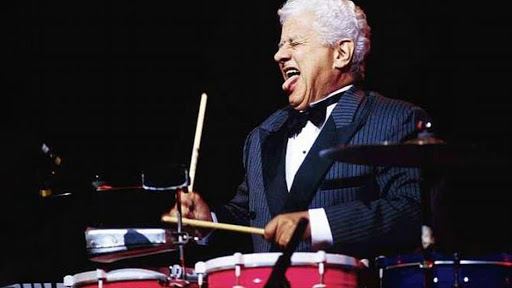
Tito Puente - Nobody will have his wonderful character
Tito Puente ‘s grimaces while performing

Cuba y Puerto Rico son…, 1966.
The career of the remembered Cuban singer Celia Cruz was on the rise. In 1966, Tito Puente decided to contact her to work together. They established a kind of association that was maintained through the years. In addition, they became very close friends, a bond that went beyond the musical realm.

Cruz appreciated him and was saddened after his death. In her autobiography “Celia, mi vida” she recalled the day she received the terrible news. She considered him an authority on Cuban music and admired his career.“Tito was always in charge of the arrangements, and he liked to work at dawn. We would go out to dinner, and when we returned, Tito would stay until four in the morning composing arrangements for what we were going to record the next day.

Although we were not very lucky with our recordings, Tito and I did very well with the tours. Together we travel to many countries. It was during those trips that we developed that great friendship that we had, ”said La Guarachera del Mundo.

In addition to “Cuba y Puerto Rico Son”, they recorded five more albums: Quimbo Quimbumbia (1969), Etc., Etc., Etc. (1970), Alma con alma (1971), En España (1971) and Algo especial para memoria (1972).

Timbalero Tropical (1998)
One of the last works of the artist and that featured fifteen songs. He worked hand in hand with the RCA label. The album stood out with works such as: El Timbal, Mi Guaguancó, Lo Dicen Todo, Mambo Macoco, Mambo and Preparen Candela. Topics that were very popular at the time and that today continue to sound at family gatherings. They are classic salseros that do not go out of style.

“Oye como va” was a song written by Puente in 1963. However, it was rock guitarist Carlos Santana who popularized it. The song went international and was positioned on the Billboard Hot 100, a list that ranks the best-selling hits in the United States. However, he was not the only one to cover it: Celia Cruz, rapper Gerardo Mejía, Bobby Hutcherson, Joe Cuba Sextette and Cheo Feliciano. When he presented the theme on stage he affectionately presented Santana as its author.

This 2020 marks the 20th anniversary of the physical disappearance of the great: Tito Puente. He passed away on May 31, 2000. His Caribbean flavor, his big smile and his white hair left a great void in the entertainment world. Puente left a great legacy. He contributed to the expansion of Latin music in the United States and served as a composer, percussionist, conductor, and performer.

His exaggerated grimaces, his style, energy, and his skill with the instrument earned him worldwide recognition. In addition to positioning him as an admirable figure among colleagues and young people who want to follow in his footsteps. Simply unforgettable!


Home

“Orquesta Bomplenea” with ISM

Meet the ” Orquesta Bomplenea “

Let’s start this month of November presenting a musical group that emerged in the year two thousand ( 2000 ), created with the sole purpose and intention of taking Puerto Rican culture to the top, it is nothing less than the “Orquesta Bomplenea”, who will be with us thanks to Mrs. Jimena Verano León from the company “Verano Producciones Latinoamérica” from Bogotá, Colombia; so that the public and fans of International Salsa Magazine can meet this great Latin music orchestra.

Mr. Gary Vera is the founder and member of the “ Orquesta Bomplenea ”, who has been an outstanding musician in the musical genre of Salsa, Merengue and Latin Jazz for about thirty-five (35) years, the past twenty (20) years in the genre of the Bomba (which is the first indigenous music of Puerto Rico, created in the sugar estates by slaves more than four hundred (400) years ago, where African slaves were brought to Puerto Rico by the Spanish and French in the year one thousand six hundred (1600)) and Plena (it is the native music of Puerto Rico, which has the history of miscegenation in the aforementioned country “the Puerto Rican culture”, its birth is located at the beginning of the twentieth century “XX ”). He has also traveled to Europe, the US (United States), and the Caribbean representing our music and culture.

Bomplenea Orquest
Bomplenea members

They knew that the “Plena” together with the “Bomba”, the “Trova Jíbara” and the “Danza” make up the four pillars of indigenous Puerto Rican music. The purpose of the “Orquesta Bomplenea” is always to maintain the culture of its island (Puerto Rico), of the greatest possible interest to Puerto Ricans inside and outside of Puerto Rico.

Trying to reach the hearts of everyone with flavor around the world all tastes. With this assignment in mind, they have adopted a different style of playing the “Plena” (Puerto Rican popular dance and song that is characterized by its musical simplicity and the repetition of its phrases, especially the choirs).

The lyrics and the aggressiveness of the piano together with the combination of the vocal tone (timbre) give a salsa touch to our Plena, but without forgetting the most essential purpose of the composition, which is to transmit to its audience the “Bomba” and the “Plenas ” .

At the beginning of January 2000, Gary Vera organized the musical group Bomplenéa and made his first recording entitled “Ritmo Caliente”. The CD includes eight (8) musical themes. La Mulata, which is a mix of (Bomba – Sicá – Plenas), Jazz A La Bomplenéa is the alloy of (Plena – Latin Jazz), and María Rumbón, La Carta, El Meneíto, Ritmo Caliente, Remembering Papá, and Bells De Christmas (Plenas).

They recently started a new proposal that includes Salsa, Bomba and full songs. Some themes are: El Pan (Bomba), Mi Parranda (Christmas Sauce) and Déjate Amar (Sauce).

Dejate Amar new music - Bomplenea
Bomplenea Orquest

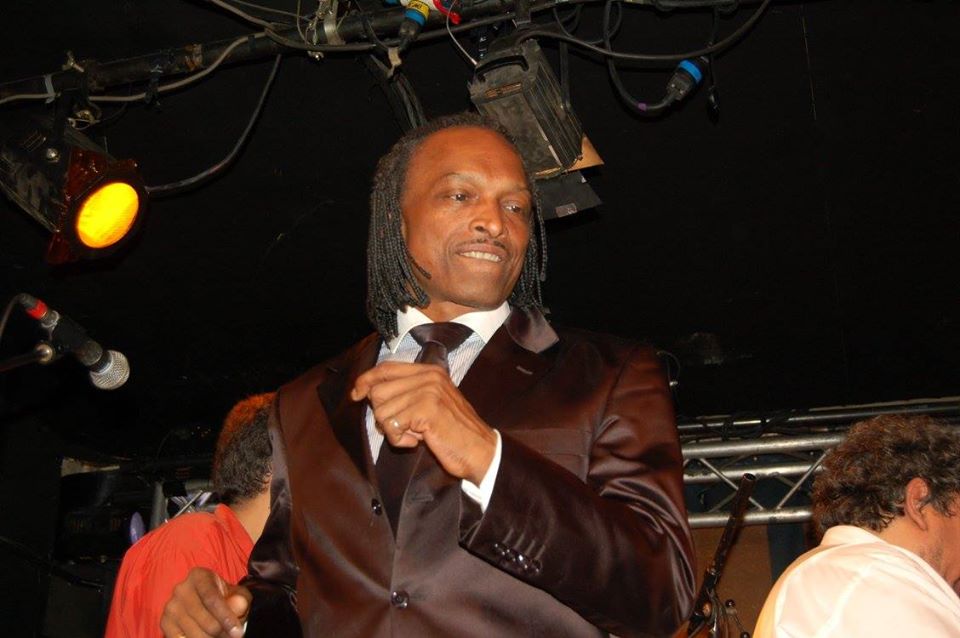
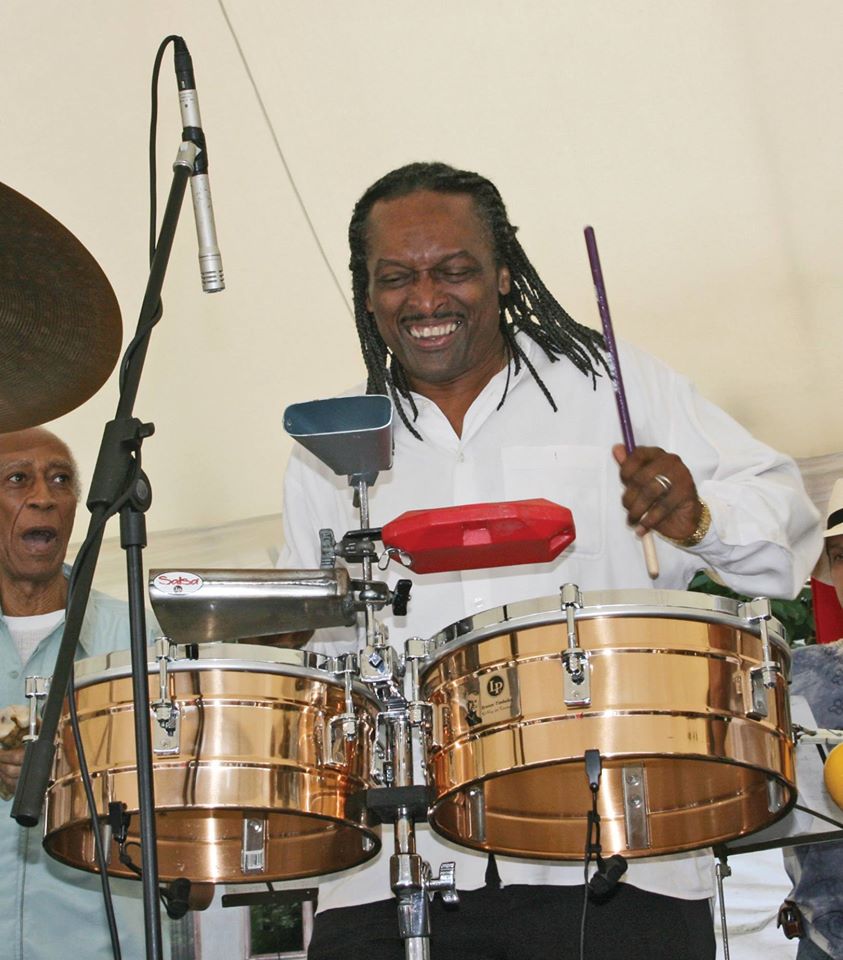
Members: Gary Vera – composition, drummer, congas, Güícharo and direction; José Cheo Arce – arrangement; Luis Discípulo Cuevas, Jan Meléndez – vocals; Carlene Vera and Jan Meléndez – backing vocals; Omar Maldonado – piano; Carlene Vera – flute; Tito Degracia – timbal and bongo; Coamito Martínez – trumpet; Toñito Vásquez – Trombone; Efraín Hernández – bass; Juan Rivera – piano; Celso José Clemente – percussion and minor percussion, recording director, timpani, tambourine; Rafael “Bodo” Torres – piano; Papo Clemente – congas; Cándido Reyes – güícharo; Luis Jungo Ortiz – bass and arrangements; Orlando Ortiz – members; Danny Fuentes – Trombone; Carlos Torres – bass; José Rodríguez – Trumpet; Doel González – vocals

For more information contact you through:

Facebook @ Bomplenea

Home

Tú ni te imaginas – Rik Indio

Rik Indio presents “Tu ni te imaginas” after his great success “Demasiado fuerte”

One of the artists with the most perfect tone of voice of tropical music that we will present in International Salsa Magazine in this November 2020 edition is nothing more and nothing less than “Ricardo Delgado” better known as “Rik Indio”, he is a singer and composer Boricua (“is a Puerto Rican who was born on the island of Puerto Rico and has more than 2 generations living there or resides in the United States “USA”, since Puerto Rico is an “unincorporated territory of the United States USA”)1 who definitely breaks the mold of the established.

Cadence, flavor, strength and sensuality in a single voice that seems not to fit with an image of a tough man, with a thousand stories tattooed not only on the skin.

Rik Indio Artist
Rik Indio – Siger & Composer

Rik Indio was raised in Puerto Rico and music has been the means to convey the strongest emotions and be in charge of making some of his dreams and feelings come true. “As an artist I feel the need to reflect in my music what I consider to be sincere love, that which many people say doesn’t exist. I sing that music precisely because I am a witness that even that feeling is palpable. I consider myself a defender of feelings ”, explained the interpreter of the hits“ Tu Sabes Bien ”and“ Que Esperabas ”.

His beginning in the musical world was something very brave since he was going through a terrible tragedy and even so he continued with his life and his career and currently stands out again as he did years ago.

Ricardo Delgado was recording the last cuts that will be part of his production “Mr. Delgado ”, but before he released his most recent musical cut“ Tú ni te imaginas ”.

Regarding “Tu Ni Te Imaginas” and his music in general, Rik Indio said he felt very happy and with much more strength to emerge again in the art scene, an area that has given him the opportunity to realize one of the great dreams of his childhood: sing. For Rik Indio it is one of the moments that he enjoys the most as a singer, it is when he is in front of his audience and / or followers, an experience that, according to him, is the engine that drives him to continue and not let himself be defeated by adversity .

“Tu ni te imaginas”, is a single, an adaptation to salsa popularized by Basilio and that is authored by the composers of Dino Ramos and Omar Antonio Sánchez, which has incredible arrangements of which Efraín “Junito” Dávila and accompaniment of great musicians; This musical theme will culminate with the recording of the audiovisual of the single “Tu Ni Te Imaginas” in the Dominican Republic where they are doing a casting to find our model. “said the Bad Boy de la Salsa.

Rik Indio pose
Rik Indio presenta “Tú ni te imaginas “

However, they are already available on all digital platforms, as well as on national and international stations. It should be noted that this song has already reached more than 1 million views this week on the Music Choice Tropicales USA music channel.

1: https://es.wikipedia.org/wiki/Boricua

Home

Orlando José Castillo: The Venezuelan sonero graduated in New York

Orlando José Castillo “Siempre Pa’lante”

He (Orlando José Castillo) is catalogued as one of the most important soneros that Venezuela has given to the world and considered a living legend of Afro-Caribbean music for his extensive, successful and extraordinary career during many years; for “International Salsa Magazine”, it is a great honor to have as a special guest on this occasion Orlando José Castillo “Watussi”, born in Marín, Yaracuy state, on March 23, 1949, who, since he was a child, moved with his parents to live in the parish of La Pastora in the city of Caracas.

Welcome Master Watussi and we hope that all salsa lovers through International Salsa Magazine, www.salsamundi.com, will know part of his life.

Thanks to all the staff for giving me the opportunity to read your magazine, which is already observed in Latin America, USA and Europe.

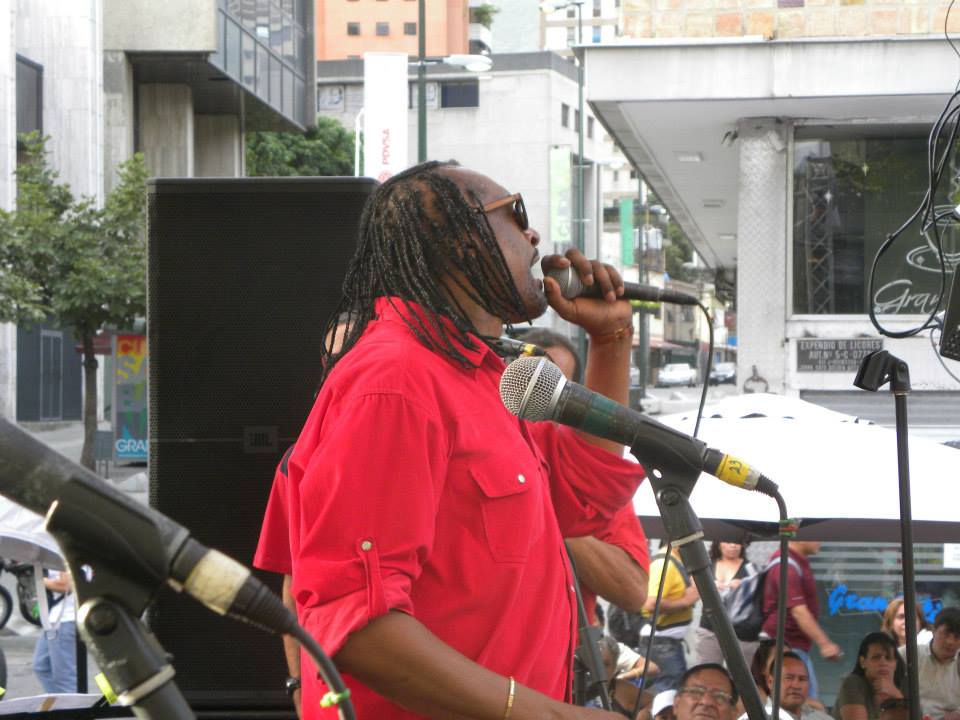
Orlando José Castillo "Watussi" The Venezuelan Sonero graduated in New York
Orlando José Castillo “Watussi”

And well, I am currently living in the city of Milan, Italy and let me tell you that I have beautiful and unforgettable memories of Barquisimeto, so for me it is a pleasure and an honor at the same time, to be sharing with all those people and my country.

To begin with, Maestro Watussi, which were the first groups and orchestras you were part of? Let me tell you that I started with Los Satélites, Federico y su Combo Latino, Porfi Jiménez, Príncipe y su Sexteto and that was super important, since they were the Venezuelan orchestras with which I began to form my career, especially with Los Satélites, Porfi, Federico; I sincerely owe the present of my life to all of them and that is why I do not want to leave them out of the picture.

"Watussi" The Venezuelan Sonero graduated in New York
Orlando José Castillo “Watussi”

Very good teacher, we would like to talk about your career in Puerto Rico and in the United States, with the various groups with which you were part.

Well, I tell you that I left Venezuela in 1979 definitely because I traveled for the first time in 1971, musically speaking, and it was my first international tour to the island of Santo Domingo with Los Satélites and then we returned in 72 and in 1974 we were the first Venezuelan orchestra to set foot on American soil in New York City.

NY being on the most important stage in the world at that time as it was Madison Square Garden and the importance of imposing a hit of musical salsa in the Big Apple, with a song I recorded called “Traicionera”, by the master Carlos Guerra and recorded with “Los Satélites”, after that experience I was founder of the “Renovación”, from there I went to be part of “Federico y su Combo Latino”; Then I worked with Rafael Cortijo and his Combo in Puerto Rico in 1977.

Later, in 1979, I went to the island of Borinquén, Cortijo was already traveling to New York and because I could not accompany him, I was lucky enough to be asked by the maestro Bobby Valentín to be part of his band. I stayed with him for three months and at one point I went to New York, The strike of Puerto Rican musicians, as many Dominican musicians were entering the island, led to Bobby being criticized for having a Venezuelan singer instead of a Puerto Rican one.

Later, in New York, I joined Cortijo and Kako Bastar again, who was another teacher in my career and with him I learned to know that great city and at that time almost all the singers of the orquestas bravas, were beginning to do their own work as soloists and I began to work with Joe Cuba and his Sextet, Eddie Palmieri, Larry Harlow, La Típica 73, until I arrived at the “Conjunto Libre”, I was there for about a year and a half, I recorded with them “El changó de María”.

After I had signed with the Fania label, which was a mistake I made, because Cortijo and Kako were telling me not to do it, since I had Fania in my brain, I rushed and was with them for a year practically inactive in the discography and that cost me not to have recorded the last album with Rafael Cortijo and others.

I recorded with Fania “Mi rumba y yo” and told them to leave me alone, they let me go and I joined the orchestra of “Bobby Rodríguez y su Compañía” for three years, I recorded a very good album, including the songs “María Cristina”, “El Pintor”, “Homenaje a Cortijo”.

In fact Carlos, then I continued with Palmieri in 1987, when I had already recorded the album “Las Calaveras” with José Mangual Jr. and there I began my career as a soloist.

Later on I set up my orchestra in New York, but unfortunately work began to decline due to the closure of venues such as El Corso, Casablanca, Copacabana, El Palladium and that brought as a consequence much less work, but thank God, in 1988 I had the opportunity to go to Paris, invited by my compadre Alfredo Cutuflá, in the place of Cheo Feliciano, to do the dance of December 31st at the New Morning.

Excellent, master Watussi, and it must have been a great commitment to replace Cheo at that time, tell us about this experience. Yes, I was fortunate to take his place because he did not travel at that time without his orchestra and Alfredito Cutuflá told me to get Cheo, I had his telephone number, I gave it to him and he told me that if Cheo did not go, I would go, and well it was a tremendous success with Cutuflá and that opened the doors for me in Europe and specifically in Italy, where my friend Carlos Ugueto was based, who brought salsa to that country.

Orlando José Castillo "Watussi"
Orlando José Castillo “Watussi”

Ugueto played the first album of this genre on his radio program, in his club and after he found out that I was in France, he sent for me and facilitated a tour in Milan in 1990, since in 1989 I was in Panama, singing to my compadre’s daughter Roberto “Mano ‘e Piedra” Durán, his 15 year old party, together with Camilo Azuquita, exactly on December 16, 1989,

but on December 19 the invasion of Panama began and I had to stay there until January 5 and well Carlos, I go to Europe and start my tour in Holland, then London, where I did a show with the master Tito Puente, on December 30, 1990, there I was 2 months in the old continent; I returned to New York, where I was residing, and in 1991 I returned to Europe and that’s when I stayed here for good with my family in Milan.

Orlando José Castillo, when you come to Venezuela, we imagine you will feel very well because you are visiting your homeland?

Of course I do, professor, when I go to my country I recharge my batteries, because there is no place like Venezuela, no matter what happens and I tell you honestly, I hope one day to be able to be in Barquisimeto with you, especially to personally show my appreciation for this gesture of having given my name to that “Peña Salsera Orlando Watussi”, in the middle of 2019, being the first time in Venezuela, to give me an honor of that size; especially my thanks to Dany Castillo and my family there, precursors of that idea, and to all the musicians of the musical capital to whom I send a cordial greeting.

Master Watussi, I am remembering that you were integrating the “Clan of Salsa” here in our city, do you remember that too?

Obviously, my friend Carlos, I was there with one of the bravest singers that Venezuela has given, my little brother Willy Rodriguez, who unfortunately is no longer with us.

Willy “El Guaro”, took care of me in his house for a few days, until I got my house in Barquisimeto; I am going to take advantage of this interview professor, to thank the family of Aldemar Barrera, the family of Honorio, tremendous bass player, Coromoto, who was the engine of that movement; greetings equally to Egidio and to all those panas.

Carlos, I want to greet especially the people of the Orquesta Malecón, I hope that one day we can meet on a stage and make a little effort, or perhaps in the Peña itself.

Orlando José Castillo, what can you tell us about Maestro Baquedano? Santiago Baquedano is one of the best musicians Venezuela has ever given and with him I worked on Margarita Island for a few months and from there I went to “La Salsa Mayor” and then I went to Puerto Rico, but I feel proud to have shared with so many valuable people from my country in my 50 year artistic career.

And let me tell you Carlos, just to finish, I reiterate my congratulations and good wishes for you to continue always with the work you do with this salsa column and your radio program, which aims to support and encourage musical talent in salsa.

Thank you Carlos and God bless you, take care all of you in my country and don’t leave the house! Cool…!.


Home

  • « Go to Previous Page
  • Page 1
  • Interim pages omitted …
  • Page 94
  • Page 95
  • Page 96
  • Page 97
  • Go to Next Page »

International Salsa Magazine (ISM) is a monthly publication about Salsa activities around the world, that has been publishing since 2007. It is a world network of volunteers coordinated by ISM Magazine. We are working to strengthen all the events by working together.