
• Skip to primary navigation
  • Skip to main content

International Salsa Magazine

  • Home
  • Previous editions
    • 2026
      • ISM / January 2026
      • ISM / February 2026
    • 2025
      • ISM / December 2025
      • ISM / November 2025
      • ISM / October 2025
      • ISM / September 2025
      • ISM / August 2025
      • ISM / July 2025
      • ISM / June 2025
      • ISM / May2025
      • ISM / April 2025
      • ISM / March 2025
      • ISM / February 2025
      • ISM / January 2025
    • 2024
      • ISM / December 2024
      • ISM / November 2024
      • ISM / October 2024
      • ISM / September 2024
      • ISM / August 2024
      • ISM / July 2024
      • ISM / June 2024
      • ISM / May 2024
      • ISM / April 2024
      • ISM / March 2024
      • ISM / February 2024
      • ISM / January 2024
    • 2023
      • ISM / December 2023
      • ISM / November 2023
      • ISM / October 2023
      • ISM – September 2023
      • ISM – August 2023
      • ISM July 2023
      • ISM Edition June 2023
      • ISM – May 2023
      • ISM April 2023
      • ISM March 2023
      • ISM February 2023
      • ISM January 2023
    • 2022
      • ISM December 2022
      • ISM November 2022
      • ISM October 2022
      • ISM September 2022
      • ISM August 2022
      • ISM July 2022
      • ISM June 2022
      • ISM May 2022
      • ISM February 2022
      • ISM January 2022
    • 2021
      • ISM December 2021
      • ISM November 2021
      • ISM October – 2021
      • ISM September 2021
      • ISM August 2021
      • ISM July 2021
      • ISM May 2021
      • ISM April 2021
      • ISM June 2021
      • ISM March 2021
      • ISM February 2021
      • ISM January 2021
    • 2020
      • ISM December 2020
      • ISM November 2020
      • ISM October 2020
      • ISM September 2020
      • ISM August 2020
      • ISM July 2020
      • ISM June 2020
      • ISM May 2020
      • ISM April 2020
      • ISM March 2020
      • ISM February 2020
      • ISM January 2020
    • 2019
      • ISM December 2019
      • ISM November 2019
      • ISM October 2019
      • ISM Septembre 2019
      • ISM August 2019
      • ISM July 2019
      • ISM June 2019
      • ISM May 2019
      • ISM April 2019
      • ISM March 2019
      • ISM February 2019
      • ISM January 2019
    • 2018
      • ISM December 2018
      • ISM November 2018
      • ISM October 2018
      • ISM September 2018
      • ISM August 2018
      • ISM July 2018
      • ISM June 2018
      • ISM May 2018
      • ISM April 2018
      • ISM March 2018
      • ISM February 2018
      • ISM January 2018
    • 2017
      • ISM December 2017
      • ISM November 2017
      • ISM October 2017
      • ISM September 2017
      • ISM August 2017
      • ISM July 2017
      • ISM June 2017
      • ISM May 2017
      • ISM April 2017
      • ISM March 2017
      • ISM February 2017
  • Download Salsa App
    • Android
    • Apple
  • Spanish

Search Results for: Salsa Fest

Asia / June 2024

Calibrated maracasBill Martinez

Japan circular flag
JAPAN
DIRECTORY OF NIGHTCLUBS

Bar Mirage
Bar Mirage
5F VORT Roppongi Briller, 3-14-14 Roppongi, Minato-ku
Tokyo 106-0032, Japan
+03-5860-6946

Fiesta
Fiesta Latin Spot Bar
3F, 1 Chome-14-6 Kabukicho, Shinjuku City
Tokyo 160-0021, Japan
+81 90-1086-2878

El Cafe Latino Tokyo
El Cafe Latino
3 Chome-15-24 Roppongi, Minato City
Tokyo 106-0032, Japan
+81 3-3402-8989

JBA
Studio JBA
11-8 HAT Chuo-ku
Chuo City, Tokio 103-0011, Japan
+81 3 62310638

jsdc
Japan Social Dance Club
1-19-5-705 Shibuya-ku
Tokyo 150-0042, Japan
+81 3 5939-7262

Studio Pepe
Studio Pepe
7-17-12 Minato-ku
Tokyo106-0032, Japan
+81 090-4705-715

La Tropi Azabu
La Tropi Azabu
3F Roppongi Azelea Bldf. 1-3-6 Nishi-Azabu, Minato-ku
Tokyo1060031, Japan
+81 3 6804-5776

Latin Club Leon
Latin Club Leon
5-17-6 B1 Shinjuku, Shinjuku-ku
Tokyo 160-0022, Japan
+81 90-6474-5638

Hong Kong `circular flag
HONG KONG
DIRECTORY OF NIGHTCLUBS

PCL
Petticoat Lane
8F, California Tower, 30-32 D’Aguilar Street, Central
Hong Kong, Hong Kong
+852 2808 2893

DANCETRINITY
Dancetrinity
8/F, Fung Woo Centre, 279-281 Des Voeux Road Central
Hong Kong, Hong Kong
+852 9634 9770

Sole Mio Restaurant
Sole Mio
Upper Ground Floor, 51 Elgin Street, Soho. Central
Hong Kong, Hong Kong
+852 5508 8244

Solar LKF
Solar LKF
+2F, Ho Lee Commercial Building, 38-44 D’Aguilar Street
+Central District, Hong Kong 0000
+852 65467339

After Work Salsa Party
Pong, 1st Floor, Ho Lee Commercial Building, 38-44 D’Aquilar Street, Lan Kwai
Fong Central & Western District, Hong Kong
+852 6389 6213

ISRAEL
DIRECTORY OF NIGHTCLUBS

Havana Music Club
Havana Music Club
Yigal Alon St 126
Tel Aviv-Yafo, Israel
+972 3-562-3456

Salsa Carlos
Salsa Carlos
Yegi’a Kapayim St 10, Tel Aviv-Yafo, Israel
+972 54-573-7173

Thailand circular flag
THAILAND
DIRECTORY OF NIGHTCLUBS

bAFROS lOUNGE
Bafros
Sugar Club Complex Sukhumvit Soi 11
Bangkok 10110, Thailand
+66 63 039 8700

Havana Social Cocktail Bar
Havana Social
1/1 Sukhumvit Rd. Soi 11
Bangkok, Thailand
+66 2 821 6111

MillionSpace
MillionSpace Rooftop Bar & Bristro
Soi Sukhumvit 32, Khlong Tan, Khlong Toei
Bangkok 10110, Thailand
+66 83 898 9939
ASIA 2024 FESTIVAL by Karina Bernales

Sotn Korea
SOUTH KOREA
Korea Festival 62024

Jeju Latin Culture Festival

Jun 20 / 23 2024

Ebenezer Jeju Hamdeok
504, Johamhaean
Jeju-si, South Korea

Veruska Verdú woman full of Barloventeña roots currently doing artistic work in Peru

On January 26, 1993 was born in the city of Caracas Venezuela, Cristina Veruska Verdú Mendoza, a woman full of Barloventeña roots.

Currently doing artistic work in Peru,

Veruska Verdú woman full of Barloventeñas

Premiering the songs “ME CANSE DE TI, LA NEGRITA, Y PASITO A PASITO” This is the first advance of “Caminando”, solo album that the Venezuelan artist plans to release this year and which will include songs of her authorship.

Third finalist of “LA VOZ PERU” season 2022, a program of great artistic relevance, where for the first time in the program a participant arrives as a foreign singer to the final.

Singer in Tonny Succar’s orchestra in Peru with Mimy Succar.

Special participation in the video clip, QUIMBARA of the producer Tonny Succar.

Participates hand in hand with the great musician and international producer Tito Manrique creator of the Salsa criolla, nominated to the Latin Grammy and winner of VIÑA DEL MAR. Participating in a solo track on his album Abriendo Caminos with the song and video of the song Taita Bilongo (Peruvian salsa/afro fusion).

From the production of Puerto Rican composer Eduardo Zayas and his project ¨EZ la Banda¨ sings with another legend of salsa singer Rafy Andino singer of the MULENZE Orchestra the song ¨Sabor y Sandunga¨, also recorded a song with Luchito Muños “Dos puntos de vista”.

Veruska fue invitada especial en dos temas de la producción llamada “Huerta de Soneros” con el tema ¨Yo soy la Rumba¨ y otro junto al legendario cantante Johnny Vega (cantante de Cortijo y su Combo) ¨Nació para cantar¨, igual del compositor Eduardo Zayas.

Veruska Verdú, a woman full of Barloventeño roots, is currently doing artistic work in Peru.

Also invited to the production of producer Gerson Zayas, performing the song “Cuando deje de amarte”.

Works with producer and pianist Kike Purizaga, Mario Cuba, singer Carlos Mosquera, with Juan Medrano “Cotito” known as the voice of the cajo of Peru and many more.

Along with producer Alberto Crespo and Daniel Espinoza, recording choirs for the film of Ricardo Rey and Bobby Cruz with Rodrigo Mendoza and Wilmer Lozano.

She is invited to work with international musician Alfredo Naranjo in his project “El Guageo” with singer Edgar Dolor Quijada.

Later they work together with the great Venezuelan musician Nene Quintero in the “Be Jazz Sessions” project also winner of the Pepsi Awards 2019 which sold out all their concerts during the framework of its activities which had international reach.

She sings as a special guest with the classic Sonero del Caribe.

She shares the stage as a duo with Rodrigo Mendoza, singer of Dimensión Latina and of great worldwide trajectory.

She is part of the project “Salsa Master” with the participation of Edgar dolor Quijada, Marcial Isturiz, Rodrigo Mendoza and percussionist Cheo Navarro.

Veruzska was also a special guest in the orchestra “RUMBEROS DEL CALLEJON” of Carlos Padron in which she participates in its production along with the staff of artists such as Wilmer Lozano, Rodrigo Mendoza, Gonzalo Diaz, Memo Arroyave, and international artists such as Tito Nieves, Gilberto Santa Rosa, Maelo Ruiz and Domingo Quiñonez.

He began his musical career when he was only eight years old in the Afro-Venezuelan genre (traditional Venezuelan Afro music). Where he participated in various festivals being in first place in each of them.

Later he joined the ranks of the prestigious “Orquesta Latino Caribeña” of the orchestra system which is directed at that time by the great maestro Alberto Vergara, orchestra with great projection and impact in the country (Venezuela), participating in major festivals in countries like the United States and Colombia captivating the public with his voice.

Pasito a Pasito · Veruska Verdú

All the power of her voice, the flavor and the feeling.

Songs from the album that she is recently finishing the recording of

La Negrita

Pasito a Pasito

Me Canse de ti

It is a great joy for me to share this event with you. My dear friend Veruska Verdu does not stop growing and now she is going all out with the help of Takina Records to make a Celia Cruz Tribute in style.
By: Alberto Valles Salazar.

Also Read: Virginia Ramirez is the artist of the XXI century, the Princess of Piano and Voice, the hope that will save the new generations of anti-music

Jimmy Bosch. The Creole Trombone of New York.

Norteamerica / USA / Nueva York

Jimmy Bosch was born on October 18, 1959 to a Puerto Rican family in the city of Hoboken in the state of New Jersey.

At the elementary school of his hometown, at the age of eleven Jimmy Bosch was offered a trombone which would give the starting point in his career. According to him, that metallic, valveless, long instrument (which was taller than him) was not necessarily what a child dreamed of; Perhaps, at that time, children dreamed of traveling to the moon, or with an electric guitar that would make them look like The Beatles or, failing that, the Rolling Stones. It didn’t take long for that 11-year-old boy to transform this instrument into an expression of his already visible creativity.

Jimmy Bosch
Jimmy Bosch

At the age of 13, the talented Jimmy was rehearsing with local bands and making his first foray onto the public stage a year or two later. His determination, the Latin blood that ran through his veins and the taste for the genre that had captivated him on so many occasions, led him to play with the most recognized band in the city: Manny Oquendo & Conjunto Libre. His dexterity and ingenuity in playing “moñas” (a section of trombone solos that enrich the melody) helped him to work with them since 1978, which is why it was alongside the Mythical Free Ensemble that Jimmy experienced the freedom to express himself musically with the trombone

On March 11, 1996, Jimmy Bosch debuted with his band at the internationally known S.O.B.’s nightclub. The result was immediate: Publications in the most prestigious newspapers in the Big Apple such as the “New York Times”, praising his excellence and a house full of loyal fans began to crown the dream of this tropical music worker. In this way he becomes a remarkably respected musician and an icon of Latin culture in New York.

His compositions reflect the creativity and depth of who Jimmy Bosch is. He takes his audience on a journey from Bronx-style “funk” to “hot” guajiras, melodious cha-cha-chás, and clearly poetic lyrics awash with feeling. Thus, Jimmy pays tribute to the other teachers who share their presentations generating remembrance and posterity in each one of them.

Jimmy Bosch playing trumpet

In 1998, under the Ryko Latino label, his first solo album, “Soneando trombone”, was released. Jimmy included a “Big Band” with renowned Latin virtuoso artists, such as trumpeter Alfredo “Chocolate” Armenteros, bassist Andy González, and singers like Jimmy Sabater and Pete “El Conde” Rodríguez. They played a mix of Latin styles, including “hard sauce,” of which Bosch is one of its greatest exponents. Bosch not only played a virtuoso trombone, but was also the musical director on that recording.

With his recording debut as a solo artist, Bosch scored a definite success on the international scene. In Europe critics welcomed his musical creations. And in the United States, newspapers such as the Los Angeles Times and The New York Times were full of praise for their brilliant performances.

Jimmy Bosch in concert

At the beginning of 1999, the popular musician returns to the charts with a new production: “Salsa dura“. In this production, including musicians like Steve Turre and Chucho Valdés, it was as diverse, strong, and tough as his first production. The recording also included songs like I’m Still Changing. For the release of “Salsa dura” the Creole trombonist traveled to Europe and performed on countless stages of the Old Continent.

Persevering in his creativity, in 2004 Bosch received new applause in Puerto Rico, presenting his musical proposal at jazz festivals. His bows have accompanied such important figures in the salsa industry around the planet as the aforementioned Free Ensemble of Manny Oquendo and Andy González, Eddie Palmieri, Ray Barretto, Rubén Blades, India, the Lebron Brothers, La Combinación Perfecta, Cachao, Spanish Harlem Orchestra and Celia Cruz among others. He was the musical director of the outstanding Puerto Rican performer Marc Anthony.

The late creator of the Mambo, Israel “Cachao” López, composed for him the song “Lluvia, viento y caña”. The legendary trombone solo can be heard on the Grammy-winning recording, “Master Sessions Vol. 1” produced by Emilio Estefan and Andy García.

This talented musician stamps his signature with his particular way of playing the trombone, becoming his personal stamp in the music industry. Today, Jimmy Bosch is famous for his explosive solos, full of melody, vibration and funk.

Jimmy Bosch live
Jimmy Bosch live

Known by many as “El Trombón Criollo” for the strength of his improvisations, Jimmy radiates his energy to any musical challenge. Jimmy brings us El airplane de la salsa, his latest production, surrounded by high-voltage musicians and soneros.

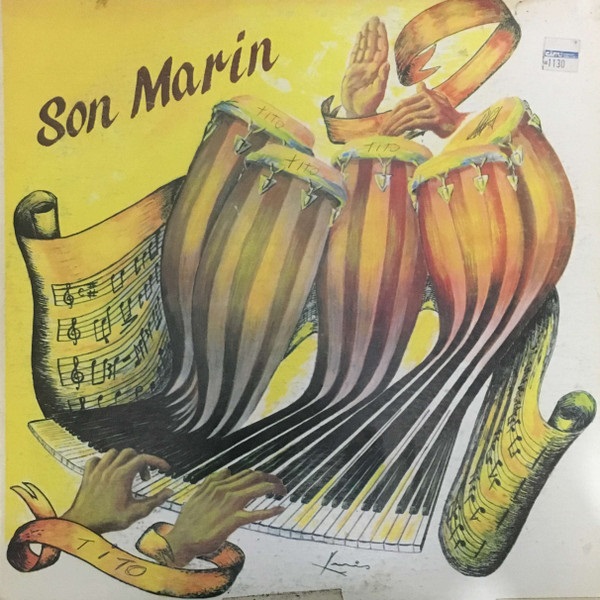
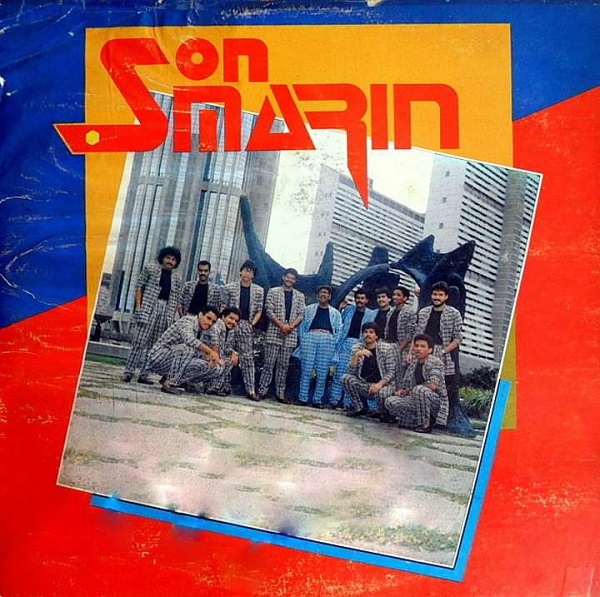
From Parroquia San Agustín del Sur is Son Marín ¡Aquí Empezó la Cosa…!

In order to delve a little into what the group Son Marín was, we must necessarily refer to the late musician Jesús Blanco or “El Pure” as everyone called him.

Jesús Giselo Blanco was his first name, born in Mirandino, but settled in Caracas when he was still a child.

To talk about his musical beginnings is to evoke part of the history of the Son in our country, since “El Pure” before arriving to the San Agustin Parish had already participated with old groups such as Conjunto Rex and the well remembered Sonora Caracas.

Son Marín ¡Aquí Empezó la Cosa...!!
Son Marín ¡Aquí Empezó la Cosa…!!

El Pure Blanco was recognized in San Agustin Marin as a true builder of musicians since, with his work as a musical artisan, besides having created the first music school in Marin, many young people were nurtured and formed with his teachings.

Jesús “el Pure” Blanco was a key character in the formation and integration of several groups in Barrio Marín, among them we remember the aguinaldo group Los Juveniles, Los Gaitetricos, Los Super Cremas, La Nueva Generación and of course his biggest dream, the “Son Marín”.

The group Son Marín had several stages, starting in 1981 when in Barrio Marín an improvised musical group was organized to receive at the International Airport of Maiquetía the Grupo Madera that was arriving from an important presentation in an International Festival in the city of Avignon, France.

That small group was formed by: Eliel Rivero (trombone), Jorge Rondón(flute), Enrique Palacio (Bass), Arnaldo Blanco(tres), Renny Mendoza (Bongó), José Luis Mendoza (Tumbadora) Luciano Reyes (singer), Pablo” Pabloco” Martínez (singer) and Jesús “Pure” Blanco was the director.

As fate would have it, that group, which was only a provisional “vente tú” organized by Pure, later became another of the emblematic groups of San Agustín, SON MARÍN.

In particular we remember pleasantly the participation of Son Marin as a representation of the San Agustin del Sur Parish, in the Afro-Caribbean Music Festival “La 5ta Esencia de la Salsa” held on June 17, 1983 at the Nuevo Circo de Caracas, by then the group had not yet recorded their first album, but we had already had the opportunity to listen to a demo with a couple of numbers that came to promote the announcer Hector Castillo in his radio program on the now defunct Radio Aeropuerto.

Son Marin
Son Marin

Over time the group grew and new instruments were added; and of course the inclusion of other musicians, such is the case of Jesus Guzman the popular “Paicosa” who enters as guitarist to later become the bassist and musical director of the group, it was the idea of “Paicosa” with the support of “Pabloco“, to expand the group’s equipment incorporating Hugo Olivero’s sax, Josue Silva’s trumpet, Randal Monasterio’s piano, while the percussion was reinforced with Juber Ramirez.

Already with a more solid group and with a view to a greater projection within the Venezuelan salsa music scene, the only thing missing was the recording of the album, which began in September 1986, with the collaboration of Mauricio Silva in the arrangements and the inclusion of several guest musicians.

Unfortunately, a month after the recording began and without being finalized, Jesús “el Pure” Blanco died, however his voice and feeling were reflected in this album that was finally released in 1987, quickly gaining strength and penetrating the taste of the music lover public after the composition of Pablo Martínez, AQUÍ EMPEZO LA COSA, a tribute to this neighborhood that has given so many important musicians, a cradle of soneros as Gonzalo Martínez says in the song.

The voice of Pure Blanco was recorded in the song LA CAÑA; all the numbers were original pieces except for the song “Sin Compromiso” by the Brazilian Chico Buarque, but with an excellent adaptation of the lyrics by Pablo Martínez and Joseito Romero.

To end this biographical sketch, I leave here part of the thanks contained in the back cover of the album from Son Marín.

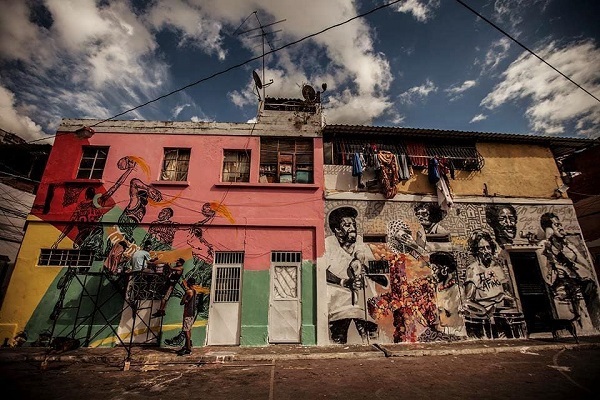
San Agustin del Sur
San Agustin del Sur

JESUS BLANCO “Pure” every joy lived with this work, makes us feel you more.

SON MARIN… This is where it all began!!! (1987) Mucer International DL-7140

SIDE A

1.- HERE I STARTED THE THING (Pablo Martínez)

2.- SIN COMPROMISO (Chico Buarque) Lyrics Adaptation: Pablo Martínez/Joseito Romero

3.- YOUR HOLY BLESSING (Pablo Martínez)

4.- EL BUHONERO (Pablo Martínez)

SIDE B

1.- LA CAÑA (Rafael Quintero/Pablo Martínez)

2.- RECUERDOS (Rafael Quintero/Pablo Martínez)

3.- VOLVAMOS A EMPEZAR (Rafael Quintero/Pablo Martínez)

4.- BENITO EL CHICHERO (Jorge Rondón)

Members:

Randal Monasterio (Piano)

Arnaldo Blanco (Tres)

Jesús Guzmán (Bass, Conductor)

Josue Silva (Trumpet)

Hugo Salinas (Trombone)

Hugo Olivero (Saxophone)

Jorge Rondón (Flute)

Jimmy Fariñas (Congas)

Fidel Martínez (Bongo/Campana)

Juber Luis Ramírez (Timbales, bongo, bell)

Gonzalo Martínez (Vocal)

Pablo Martínez (Vocal)

Jesús Blanco (Vocal)

Pablo Martínez/Gonzalo Martínez/Arnaldo Blanco/Mauricio Silva/Daniel Silva (Backing Vocals).

Guest Musicians:

José Pepe Vera (Saxophone)

Raúl Agras (Trumpet)

Mauricio Silva (Piano/Trombone)

Felipe Blanco (Conga/Güiro)

José “Cheo” Escobar (Conga)

Douglas Guevara (Tumbadora)

Daniel Silva (Bass)

Other Credits:

Arrangements and Musical Direction: Mauricio Silva

Recording Technician: Fernando Hernández

Sound Engineer: Fernando Hernández and Mauricio Silva

Executive Production: Wolfgang Roldan

General Direction: Mauricio Silva (Cortesía Sonográfica)/Son Marín (Mucer Internacional)

Recording Studio: Sonomatrix

Photos: Pedro Hernández.

Also Read: If you want to listen to Tasty Salsa tune in to Ritmo Sabor y Salsa with Nesmary J. Gómez

José Antonio “Maceo” Rodríguez was a faithful cultivator of Son Cubano and participated in the Afro Cuban All Stars project

José Antonio “Maceo” Rodríguez was born on April 17, 1950 in Holguín, Cuba.

Famous sonero voice leader of the group Sierra Maestra, he began his career at the beginning of the eighties of the last century with the group Sierra Maestra, integrated by former students of the Polytechnic University José Antonio Echeverría, of Havana, with which he won a televised contest of new musicians.

José Antonio Maceo Rodríguez was a faithful cultivator of Son Cubano and participated in the Afro Cuban All Stars project.

He died at the age of 55 on November 6, 2005 in Copenhagen, Denmark, of a heart attack, after giving a concert with his group at the end of a tour of Europe.

He was born on April 17, 1950 in a modest country house in the vicinity of the Antonio Maceo Sugar Mill, in Cacocun, in the eastern province of Holguin.

Relatives and neighbors say that since he was a child he loved art, music, pirouettes and attracting attention.

October 20, 1976 in Havana, together with his classmates at the José Antonio Echevarría University Center, he founded the musical group Sierra Maestra, called at that time Grupo de Sones de la Facultad de Ingeniería Eléctrica.

Those young dreamers performed in the popular contest “Todo el Mundo Canta”, where they took off on a spiral of success in Cuba and the world.

They traveled to many countries promoting Cuban music. They participated in Festivals of international relevance in Australia, Bosnia, Canada, Croatia, Cyprus, United Kingdom, Greece, Ireland, Israel, Italy, Macedonia, Mexico, Portugal, Puerto Rico, Singapore, Slovenia, Turkey, Yugoslavia and the United States.

A faithful cultivator of Son, Rodríguez participated in the Afro Cuban All Stars project, nominated for a Grammy in 1998 and parallel to the Buena Vista Social Club.

José Antonio Maceo Rodríguez

His excellent voice, comparable according to critics to that of the great cultivators of the genre, was one of the emblematic of the current Cuban dance music scene.

She began recording in 1981 her first album, “Sierra Maestra Llegó con El Guanajo Relleno”, was a silver disc and received excellent reviews. He participated in the Afro Cuban All Stars project, and parallel to the Buena Vista Social Club.

The trumpet player José Alemañy, Cubanisimo, and Juan de Marcos González, founder of the Buena Vista Social Club, were his partners in the group for years, and together they undertook the task of recovering the tradition of famous sones and soneros, revitalizing the genre at a time when other musicians were opting for salsa and more commercial rhythms.

According to the Cuban composer, José Antonio Rodríguez not only possessed a very special voice, “he also had the courage and human qualities to remain faithful to that style, the son style, which is the mother of Cuban music”.

The repertoire of Rodriguez, known as Maceo among his friends and admirers, included, in addition to the great classics of traditional son, pieces that became very popular in his voice, such as Dame un traguito ahora or Esa mujer lo que quiere es que la miren.

Maceo, although small in stature, was an immense man, someone who could not conceive where to keep the torrent of voice he displayed without ostentation, so much musicality, intonation and love for Cuban music.

José Antonio was not only a great musician, he was a great person, very loved by his closest friends and in general by the people whose affection and admiration he won since the participation of Sierra Maestra in the Adolfo Guzmán contest and that thanks to his special way of interpreting the Cuban son, great musicians such as Ignacio Piñeiro’s Septeto were born again in the popular taste.

José Antonio Maceo Rodríguez y su Grupo

The singer died on November 6, 2005, just a few hours after finishing the European tour of Sierra Maestra with a concert at the Amager concert hall in Copenhagen.

With this presentation, the popular band put an end to the performance of all the Cuban artists who participated in the First International Latin Music Festival of that capital. The sonero’s remains were repatriated to Cuba, where he was buried.

Also Read: Bamboleo de Lázaro Valdés is another of those exquisite Cuban products, as well as sweet rum and mild cigars

  • « Go to Previous Page
  • Page 1
  • Interim pages omitted …
  • Page 71
  • Page 72
  • Page 73
  • Page 74
  • Page 75
  • Interim pages omitted …
  • Page 126
  • Go to Next Page »

International Salsa Magazine (ISM) is a monthly publication about Salsa activities around the world, that has been publishing since 2007. It is a world network of volunteers coordinated by ISM Magazine. We are working to strengthen all the events by working together.