• Skip to primary navigation
  • Skip to main content

International Salsa Magazine

  • Home
  • Previous editions
    • 2025
      • ISM / November 2025
      • ISM / October 2025
      • ISM / September 2025
      • ISM / August 2025
      • ISM / July 2025
      • ISM / June 2025
      • ISM / May2025
      • ISM / April 2025
      • ISM / March 2025
      • ISM / February 2025
      • ISM / January 2025
    • 2024
      • ISM / December 2024
      • ISM / November 2024
      • ISM / October 2024
      • ISM / September 2024
      • ISM / August 2024
      • ISM / July 2024
      • ISM / June 2024
      • ISM / May 2024
      • ISM / April 2024
      • ISM / March 2024
      • ISM / February 2024
      • ISM / January 2024
    • 2023
      • ISM / December 2023
      • ISM / November 2023
      • ISM / October 2023
      • ISM – September 2023
      • ISM – August 2023
      • ISM July 2023
      • ISM Edition June 2023
      • ISM – May 2023
      • ISM April 2023
      • ISM March 2023
      • ISM February 2023
      • ISM January 2023
    • 2022
      • ISM December 2022
      • ISM November 2022
      • ISM October 2022
      • ISM September 2022
      • ISM August 2022
      • ISM July 2022
      • ISM June 2022
      • ISM May 2022
      • ISM February 2022
      • ISM January 2022
    • 2021
      • ISM December 2021
      • ISM November 2021
      • ISM October – 2021
      • ISM September 2021
      • ISM August 2021
      • ISM July 2021
      • ISM May 2021
      • ISM April 2021
      • ISM June 2021
      • ISM March 2021
      • ISM February 2021
      • ISM January 2021
    • 2020
      • ISM December 2020
      • ISM November 2020
      • ISM October 2020
      • ISM September 2020
      • ISM August 2020
      • ISM July 2020
      • ISM June 2020
      • ISM May 2020
      • ISM April 2020
      • ISM March 2020
      • ISM February 2020
      • ISM January 2020
    • 2019
      • ISM December 2019
      • ISM November 2019
      • ISM October 2019
      • ISM Septembre 2019
      • ISM August 2019
      • ISM July 2019
      • ISM June 2019
      • ISM May 2019
      • ISM April 2019
      • ISM March 2019
      • ISM February 2019
      • ISM January 2019
    • 2018
      • ISM December 2018
      • ISM November 2018
      • ISM October 2018
      • ISM September 2018
      • ISM August 2018
      • ISM July 2018
      • ISM June 2018
      • ISM May 2018
      • ISM April 2018
      • ISM March 2018
      • ISM February 2018
      • ISM January 2018
    • 2017
      • ISM December 2017
      • ISM November 2017
      • ISM October 2017
      • ISM September 2017
      • ISM August 2017
      • ISM July 2017
      • ISM June 2017
      • ISM May 2017
      • ISM April 2017
  • Download Salsa App
    • Android
    • Apple
  • Spanish

Search Results for: Salsa Orchestra

Charlie Haden was an extraordinary double bassist and composer who was a key figure in the history of modern jazz.

Double bassist and composer extraordinaire, Charlie Haden (Shenandoah, Iowa, August 6, 1937 – Los Angeles, California, July 11, 2014).

Charlie Haden began his professional activity in 1959 with Ornette Coleman’s quartet, a key figure in the history of modern jazz, and very soon began to investigate in that direction that Coleman initiated known as free jazz.

In that context, Charlie Haden participated in the recording baptism of that movement with the album recorded on May 22, 1959 for the Atlantic label and entitled: “The Shape of Jazz to Come” with the invaluable collaboration of Don Cherry, another incomparable musician and leader together with Coleman of that revolutionary musical movement that still lasts today.
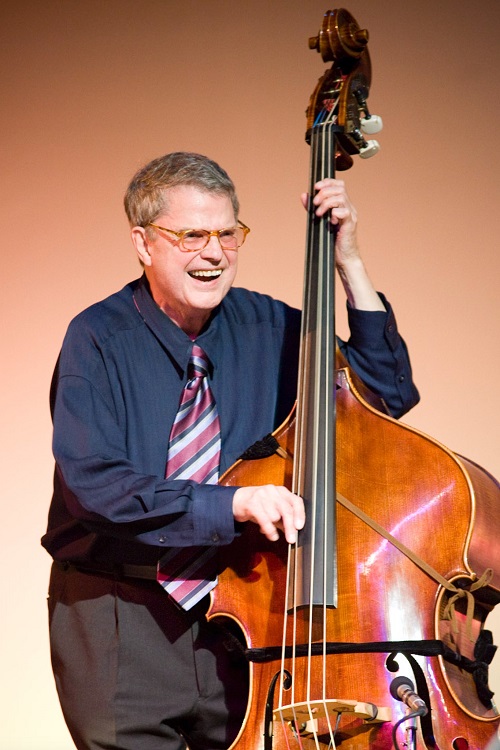
Charlie Haden (August 6, 1937- July 11, 2014)

Charlie Haden in 1960 participated with another double bass player, Scott LaFaro in an operatic manifesto entitled: “Free Jazz” of whom both were distinguished representatives in their instrument.

In 1964 he worked with Denny Zeitin’s trio and in 1966 he returned with Ornette Coleman while expanding his performance area with collaborations left and right.

In these areas he stood out for his participation in the work, studio and recording meetings of the “Jazz Composer’s Orchestra” and in 1969 he was finally able to realize a wish he had been pursuing for years: to record his first album under his own name with the Liberation Music Orchestra.

With original arrangements by Carla Bley, the music of the Liberation also stood out for the political character of the songs, being the first time that, in that context, a jazz group echoed the popular songs alluding to the Republican side of the Spanish Civil War.

After the album recorded by Impulse in 1976 entitled: “Song for Che” in homage to Ernesto Che Guevara, Charlie Haden formed with Don Cherry, the quartet “Old and New Dreams” with which he toured throughout Europe, Asia and North America. At the end of the eighties, Charlie Haden elaborates a new musical discourse within the framework of his new formation entitled “Quartet West”.

The founding album of this new discourse was an extraordinary album generically entitled “Quartet West”, a musical manifesto of great beauty and one of the essential albums of contemporary jazz. From 1990 onwards, Charlie Haden explores more intimate jazz universes, introducing the duo format into his discourse.
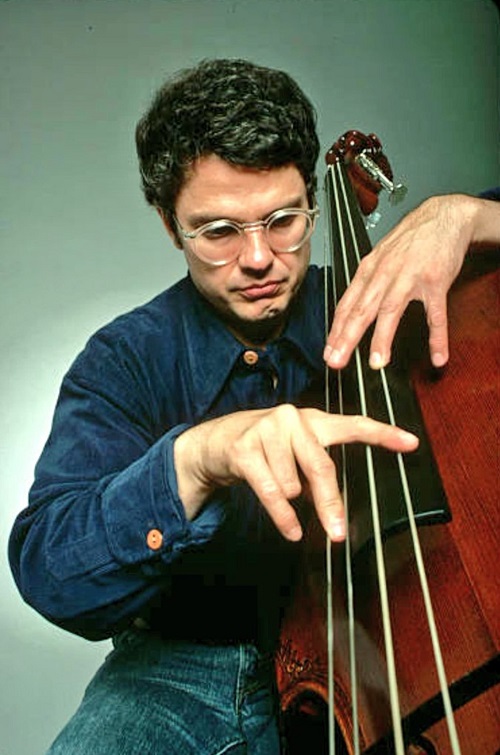
Charlie Haden
Charlie Haden

In this context, the musician explores himself in the composition and his relaxation together with the other protagonist discovers us a music of great inventiveness, clean in the execution and approached from a purely instrumental point of view.

This is how on Thursday, November 14, 2002, Charlie Haden appears in Seville at the Central Theater with the master of the guitar, Jim Hall to offer a portentous concert, full of sensitivity, art and talent.

Fortunately Apoloybaco was present that magical night in Seville and Charlie Haden is still making music of the highest level. ~ (apoloybaco)

Charlie Haden teams up again with the young Cuban pianist Gonzalo Rubalcaba in this melancholic and relaxing album. Ignacio Berroa on drums and percussion completes the main trio.

Special guests include tenor saxophonists Joe Lovano and David Sánchez, violinist Federico Britos Ruiz and guitarist Pat Metheny (one track only).
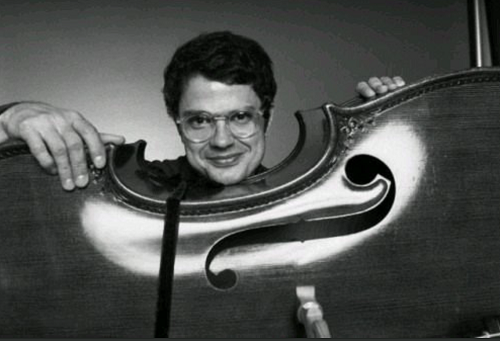
Charlie Haden photo 1978 Roger Ressmeyer

Rubalcaba contributes orchestrations on two tracks, both of which omit drums and percussion. Haden’s intention is to explore the bolero, a distinctive Latin dance rhythm that Ignacio Berroa accentuates with a soft, subtle snare drum roll, played with brushes, that begins on the “y” of the first beat of the measure and ends on the second.

This rhythm is perfect for a slow dance and, in fact, the whole album is very romantic, with bittersweet melodies and lilting cadences.

The only problem is that Berroa’s bolero figure is present on almost every track, perhaps what you would expect from a bolero album, but there is no getting around the fact that the music sounds pretty much the same on every track.

 (To be fair, Berroa is not the only one guilty of uniformity.) Most of the songs, except for two Haden originals and one by Rubalcaba, are Cuban and Mexican standards, and they are beauties. Haden’s reluctance to mess with them is understandable.
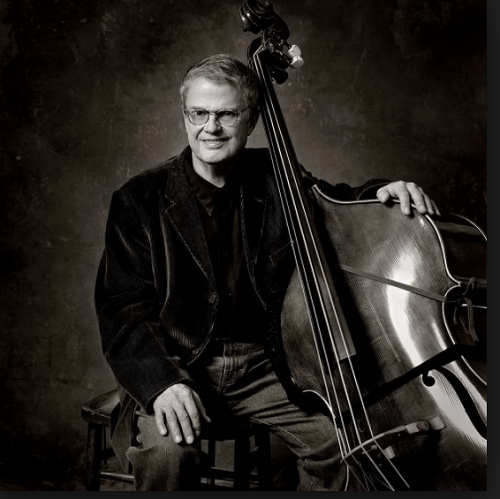
Charlie Haden fue un gran padre.

But the arrangements, always straightforward, fade too easily into the background.

Nocturne may be the best music for a candlelit dinner party, but Haden and his guests are capable of much more.  David R. Adler.

Charlie Haden – Nocturne (2001)
Temas:
01. En La Orilla Del Mundo (At The Edge Of The World) (Martin Rojas)
02. Noche De Ronda (Night Of Wandering) (Maria Teresa Lara)
03. Nocturnal (Sabre Marroquin/José Mojica)
04. Moonlight (Claro De Luna) (Charlie Haden)
05. Yo Sin Ti (Me Without You) (Arturo Castro)
06. No Te Empeñes Mas (Don’t Try Anymore) (Marta Valdès)
07. Transparence (Gonzalo Rubalcaba)
08. El Ciego (The Blind) (Armando Manzanero)
09. Nightfall (Charlie Haden)
10. Tres Palabras (Three Words) (Osvaldo Farrès)
11. Contigo En La Distancia·En Nosotros (With You In The Distance·In Us) (Cèsar Portillo De La Luz/Tania Castellanos)

Músicos:
Charlie Haden (Bajo)
Gonzalo Rubalcaba (Piano, Orquestación)
Ignacio Berroa (Percusión, Batería)
Joe Lovano (Saxo tenor en temas #1, #4, #7, #11)
David Sánchez (Saxo tenor en temas #6, #10)
Pat Metheny (Guitarra acústica en tema #2)
Federico Ruiz (Violín en temas #1, #5, #8)

Grabado del 27 al 31 de agosto de 2000 en Criteria / The Hit Factory Studios, Miami, FL.
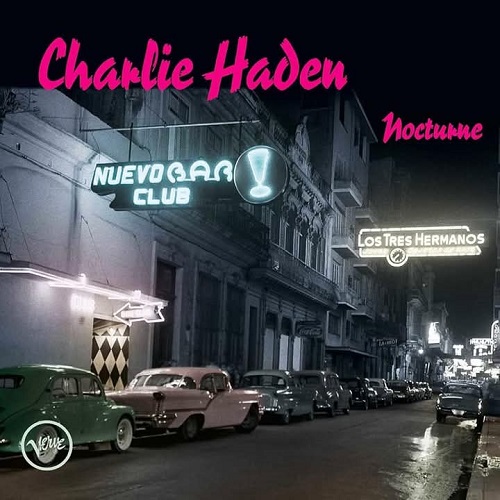
Charlie Haden - Nocturne (2001)
Charlie Haden – Nocturne (2001)

Research Sources:

L’Òstia Latin Jazz

Dj, Augusto Felibertt

Also Read: Andy Gonzalez started as a musician at the age of 13 in the Latin Jazz Quintet in New York

Cheo Linares is a Singer, Composer, Sonero, Poet and Caraqueño

National Culture Award 2023-24 and the Artistic Glories of Venezuela Award.

José Gregorio Linares Carrasco is one of the great singers, composers and defenders of Venezuelan Salsa,

Cheo Linares born in the city of Caracas-Venezuela, he has been part of groups such as La Salsa Mayor, Salsa Mágica, el Trabuco Venezolano and Saxomanía.

José Gregorio Linares Carrasco es uno de los grandes cantantes compositor y defensor de la Salsa Venezolana

He is one of the most important composers of Venezuela.Linares has just been distinguished with the National Culture Award 2023-24 in the music category, so it is his first musical release since this important recognition, which surely is an encouragement to continue his work.

Last Saturday, January 11, 2024, Venezuela’s Minister of Culture, Ernesto Villegas, announced the winners of the National Culture Award 2023-24 and the Artistic Glories of Venezuela Award 2024.

The names of the artists, teachers and researchers favored by the jury as winners of the 2023-24 National Culture Award were announced by Venezuelan Minister of Culture Ernesto Villegas.

In the Music Mention, the flute master Antonio Toñito Naranjo stood out “for his career as a performer and trainer of generations of Venezuelan flutists and for his contribution to Venezuelan culture”, according to Villegas.

Antonio Naranjo is an extraordinary musician, composer and musical director, as well as a member of the group El Cuarteto, which he formed together with his brother Telésforo Naranjo and brothers Miguel and Raúl Delgado Estévez (+).

Also linked to music, but in the Popular Culture category, the National Culture Award was granted to Rafael Salazar “for his long and uninterrupted career as researcher, musicologist, composer and cultural promoter”.

It is worth mentioning that Rafael Salazar has been one of the most outstanding researchers, compilers and disseminators of Venezuelan popular culture, in addition to being the author of books dedicated to folklore.

Cheo Linares es un Cantante, Compositor, Caraqueño, Sonero y Poeta

Several extraordinary musicians received honorary mentions in the National Culture Award, such as cuatrista Daniel Enrique Gil Rosado, llanero singer Cristóbal Jiménez, master composer Henry Martínez, oriental singer Hernán Marín, and members of Los Guaraguao, Eduardo Martínez, José Gerardo Cordero and José Manuel Chachata Guerra.

Artistic Glories of Venezuela

The Artistic Glories of Venezuela award deserved a special mention, which was given to great singers such as Cecilia Todd, Lilia Vera and Biella da Costa. The first two are part of the living history of Venezuelan folklore and their voices are part of the national heritage. Biella da Costa is one of the leading figures of jazz in Venezuela.

The award was also presented to Jesús Sevillano, a singer who was part of the historic Quinteto Contrapunto. It was also received by the stupendous composer and salsa singer Cheo Linares and the popular singer José Montecano, brother of Alí Primera.

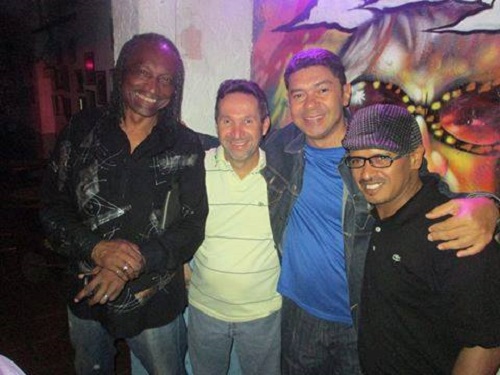
Orlando Watussi, Jose G. Acero, Cheo Linares y Dj, Augusto Felibertt

Mario Díaz, an enormous exponent of the central joropo, was also recognized as an Artistic Glory of Venezuela, as was the great composer and oriental singer Perucho Aguirre.

The same award went to the Simón Bolívar System of Children’s and Youth Choirs and Orchestras, and groups such as the parranda La Flor de Cojedes, the Teatro Negro de Barlovento or Los Cañoneros, excellent representatives of merengue rucaneao, were not left behind.

In the world of rock ‘n’ roll, the group Los Tres Tristes Tigres, the mythical Ivo, and more recently, the singer Colina, famous for his pop hits in the 80’s, shone.

Tags: Antonio Toñito Naranjo, Biella da Costa, Cecilia Todd, Chachata cultura, Eduardo Martínez, Ernesto Villegas, Glorias Artísticas de Venezuela Hernán Marín Jesús Sevillano, José Gerardo Cordero, José Montecano, lilia Vera, Los Guaraguao, Mario Díaz, Perucho Aguirre. National Culture Award and Rafael Salazar.

Cheo Linares was not even 20 years old when something unexpected happened to him. Another young man, Gonzalo Martinez, came to his house looking for him to invite him to sing with La Salsa Mayor. It was perhaps 1983.

Cheo says that his aunt was the one who opened the door and then told him: “Hey, Cheo, they are looking for you. They are asking if you want to sing in La Salsa Mayor…”. Cheo, shirtless, came out. He couldn’t believe it.

Cheo Linares y Dj, Augusto Felibertt

“Venezoa is a term I created to name the Venezuelan salsa music lover, to whom I dedicate this production, which in turn I extend to the salsa brothers of the planet, this CD was made with all the love, mysticism and professionalism of the musicians, technicians and designers who participated in it, to them I present my most sincere and expressive thanks for the support provided. Grateful to all the people who have supported my career, especially journalists, announcers, DJs, collectors and promoters, for all, blessings, love and light …”.

Cheo Linares.

Source: Radio Café Atlántico

Also Read: Marcial Isturiz from Capaya with soneos and melodic phrases and his popular “Agua pa’ los Gallos “Puerto Rico

Puerto Rican singer Max Rosado and what he had achieved in Washington DC

Puerto Rican singer Max Rosado is one more example of everything Puerto Ricans have accomplished and continue to achieve on a musical level in the United States, so it is a great pleasure for us to speak with this phenomenal artist about his life and career in the following lines. Below are the most important topics covered in our conversation with Rosado.

Max posing for the camera
Max Rosado singing for the camera

What caught Max’s attention in music in the first place?

Since he was very little, Max always had a great love for music and this is largely due to his mother, who loved salsa and instilled this taste in her son from a very young age. She loved La Fania All Stars, Hector Lavoe and Frankie Ruiz, who were practically the first artists Max listened to as a child.

As he grew up, he also listened to other salsa exponents such as Jerry Rivera, Rey Ruiz and Luis Enrique, who strengthened in the youngster his taste for romantic salsa which was very fashionable at the time. 

Since he was six or seven, Max was already singing those songs he always listened to on the radio, but he did not take formal music classes until he was 17, which is when he took his artistic inclinations much more seriously. Moreover, at the university level, he started to get involved in bomba, plena and salsa ensembles, thanks to which he met Ramon Sanchez, who is Jerry Rivera’s musical director and arranger for many other artists such as Jerry himself, Frankie Ruiz and Gilberto Santa Rosa. 

Professional start in music

The mentorship he received through these ensembles he played with helped him enormously and his first professional contact with salsa was in 2011 with Rey Ruiz, for whom he worked doing backing vocals and with Guillermo Calderon, who gave him the opportunity to do some dates with them.

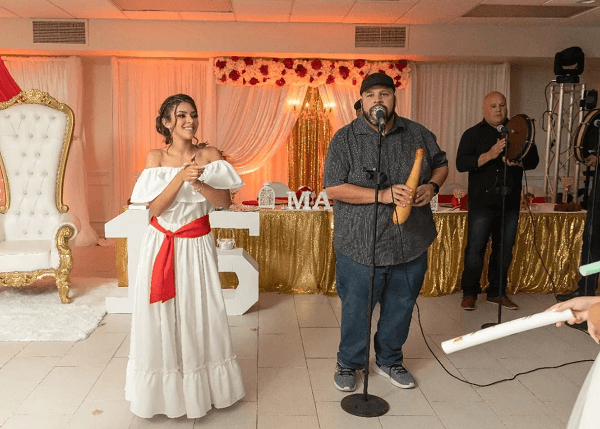
Max during a celebrating of a quinceañera
Max Rosado during the celebrating of a quinceañera

He was also able to work with great arranger Tommy Villariny, who worked for El Gran Combo de Puerto Rico. Gilberto Santa Rosa and finally his son Oscar Villariny. Thanks to this contact, Max may have formed part of the orchestra Villariny Salsa Project for some time.

All these experiences were teaching him what he needed to know about the Puerto Rican musical environment and the musicians of his homeland. He has also been able to improve as an artist and have more experience in the genre.

All this adds up to his training at the university with classes related to piano, arrangements, improvisation and other areas of music to understand it and his colleagues so much better.

The 7th St. Band

Back in 2020, Max was planning on forming his own band and finally becoming independent. When he left Puerto Rico and moved to Washington DC in 2018, he met people like Leonardo García, Dominic Patrick Noel and Eduardo Padua, who were also working on their own projects and aroused the artist’s interest in exploring the idea of creating his orchestra again.

It was then that, the following year, he started to perform with his own group in Cincinnati, specifically at an event known as Salsa On The Square. Since then, he could finally make his dream come true and sing live with his own project, with which he has been able to travel to various cities.

As for the name of the group, The 7th St. Band, it owes it to the name of the street Max grew up in Puerto Rico, but he translated it into English to give it that American touch it has.

Max and Villariny Salsa Project
From left to right, Max Rosado, Villariny Salsa Project (composed of Oscarito Villariny and Victor Gabriel), Michelle Brava, and Kayvan Vega

What has Max learned from the artists he has worked with?

Just like Max has worked with Jerry Riera and Ray Ruiz, he also did the same with Luisito Carrion, Ismael Miranda, Jose Alberto El Canario, Daniela Darcourt, among many others. When we wanted to know what he learned from these big names in the industry, he explained that he tends to observe other artists and their engagement with the public to learn well from each one. In the case of Daniela Darcourt, he told us that her talent, interpersonal gifts and human warmth pleasantly surprised him and he was glad to have been able to meet and work with her.

By working with El Canario, Max noted that he was ”a master of the stage” who has an exceptional and admirable audience management. Talking again about Jerry Rivera, it was an honor for him to have worked with ”El Niño Bonito” of the 90’s whose songs are still chanted with the same feeling as many years ago.

Something that Max admires about all of them is the way they have maintained their positions over the years. He himself notices it in his shows when he plays some of their iconic songs and makes people go crazy with happiness. These are timeless lyrics and artists that Max hopes to belong to one day. 

Max and Noel
Max Rosado next to Argentine singer and songwriter Noel Schajris, who is also a former member of the duo Sin Bandera

Read also: Dina y Los Rumberos makes Portland and its surroundings dance

Tromboranga, the Latin soul in Europe.

Europe

A band formed in Spain to share rhythm, music and soul around the world. As a part of the new generation of independent Latin orchestras around the world, Tromboranga is the pure essence of “Salsa Dura”. Tromboranga´s spicy ingredients are the trombones sound, solid and strong percussion, and they recover the essence of “soneos” (voice improvisation among the chorus). With influences from the salsa music from the 60s and 70s, maintaining a raw, strong and a very danceable sound.

Their original songs like “Humildad”, “Palo pa la campana”, “Ah Caraj”, “Mi China Colombiana”, talks about stories that can describe the life of any of us, and they have become number one in Latin radios and dance floors worldwide.

Tromboranga is made up of musicians from the Caribbean and Europe, all residents of Barcelona, Spain.

Its members are:

Joaquín Arteaga, Band leader, Timbal and composer from Venezuela, known for his long career as a percussionist and also as band leader of the orchestra “Bloque 53”.

Diego Coppinger, traditional “Sonero”, with an extensive carrer that includes “Tropicana” in Cuba, gives color and Cuban flavor, with great force and experience in his amazing soneos.

Freddy Ramos, young singer from Venezuela, also arranger with a wide impresive musical career.

Rafael “Madagascar” Arciniegas adds Colombian flavor with his piano and arrangements.

Lorenzo “El diablo” Barriendos, Venezuelan musician on bass, with tastefull tumbaos, known for his interventions with orchestras such as Trabuco Venezolano, Mango group Guaco among others.

The strong and colorful trombone section, which offers a distinctive mark on the band: Vladimir Peña (Venezuela), Josep Blanes (Spain) and Albert Costa (Catalunya), all supported by the taste and the conga afinque Oriol Martinez and the spicy bongo of Climent Campa.

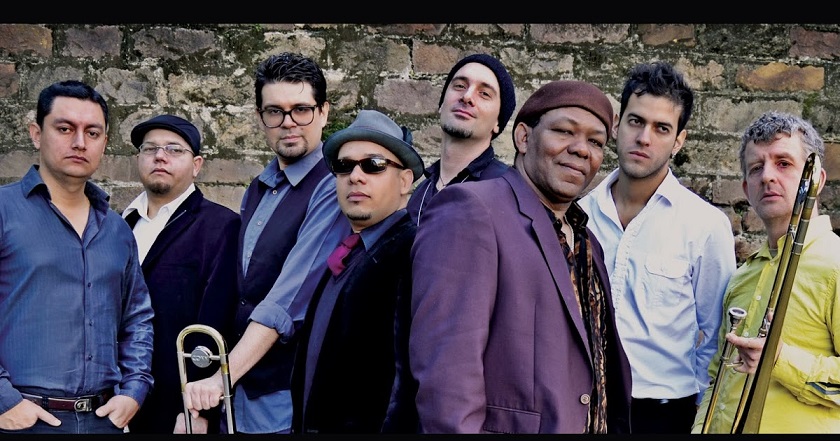
Tromboranga
Tromboranga

Their first EP “Agua que va caer” hits the market in November 2011 in anticipation for the first official cd “Salsa Dura” (April 2012), considered by Latin music lovers, DJs, dancers and specialize salsa bloggers among the 10 best CDs of 2012. Also recorded a CD together with Bloque 53 “Tumba Puchunga” where the song “Me alborotas” and also “Tumba Puchunga” reached number one in many Latin radios listings.


In April 2013 the new cd “Al mal tiempo buena salsa”, take them to do their first world tour in Spain, France, Belgium, Switzerland, Netherlands, Tunisia, Germany and Colombia.

In November 2013 they release a L.P. Vinyl Special Limited Edition (only 300 copies) called “Solo para coleccionistas Vol. 1”. They are invited to do 4 concerts at one of the biggest salsa festivals in the world “La Feria de Cali” and Pereira, Colombia. The 4 concerts were filled in its entirety. Since then the followers and fans of the band call themselves “Salseros Tromborangueros”.


In 2014 visit Mexico on a tour of four dates, all concerts were sold out and the public had the opportunity to hear some songs from the 4th Album called “Salsa pa’ rato”, with 10 new original tracks.

From “Salsa pa´rato” album the track “Palo pa la campana” is already a hit among salsa dancers, been between top 10 salsa dancing songs of 2014. Also “Sentimiento Caleño”, a song dedicated to the city of Cali. Songs with social messages like “Esclavo de tu apariencia”, “No tengo pa pagar” and “Como la marea” also known for their catchy tune.


2015 arrives with new album “Golpe con Melodía” , with 8 new hard and raw salsa tunes, and great swing for dancers, with songs like “Golpe con Melodía”, son montuno “Carretera” and a cover of “La mafia”. And a extensive tour in Colombia, Ecuador and in USA for the first time in cities like New York, Miami, Los Angeles, Las Vegas and many more.


In 2016 the songs “Ah Caraj, aquí que pasó”, “Cambumbo”, “El rey sin corona”, “No me vuelvo a enamorar”and “Mi China Colombiana” from new album “Sangre Sudor y Salsa” are already on every salsa Dj set. Also they release amazing new videos from this songs. In 2016 they have long tour from Japan to Russia, from USA to United Kingdom and all Europe.


Other songs like “Agua que va caer”, “Humildad”, “Te provoca”, “Adios que te vaya bien”, “Mama Calunga”, “amigo el raton”, “Boogaloo Marilu”, “Rompe colchon” are danced currently on the dance floor of salsotecas, dance schools, salsa parties and salsa festivals worldwide.

Tromboranga CD cover

THE 2018 TOUR

JANUARY

  1. • 19 Lille, FRANCE..

FEBRUARY

  1. • 14 @The Gov Hindmarsh, Adelaide, AUSTRALIA.
  2. • 16 @The Track, Toorak, Melbourne AUSTRALIA.
  3. • 17 @Cloudland, Fortitude Valley, Brisbane, AUSTRALIA.
  4. •18 @The Studio venue, Auckland NEW ZEALAND.
  5. • 24 @Big Top, Luna Park, Sydney AUSTRALIA.
  6. • ALL TICKETS FOR AUSTRALIA at:

APRIL

  1. • 7 Afrolatin Festival, Madrid SPAIN.


MAY

  1. • 11 Bern, SWITZERLAND.
  2. • 13 Barceloneta, Barcelona, SPAIN.


JUNE

  1. • 8 Bangkok THAILAND.
  2. • 9 Bangkok THAILAND.
  3. • 23 Ourense SPAIN.
  4. • 30 Saint Tropez, FRANCE.


AUGUST

  1. • 25 Pirineos salsa Festival, Huesca, SPAIN.


OCTOBER

  1. • 11 Aventura Dance Cruise Los Angeles U.S.A.
Tromboranga cover
Tromboranga cover

Discography:

-Tromboranga EP “Agua que va caer” (2011)

-Bloque 53 & Tromboranga “Tumba Puchunga” (2012)

-Tromboranga “Salsa dura” (2012)

-Tromboranga “Al mal tiempo buena salsa” (2013)

-Tromboranga “Solo para coleccionistas” (2013)

-Tromboranga “Salsa Pa´Rato” (2014)

-Tromboranga “Golpe con Melodía” (2015)

-Tromboranga “Sangre Sudor y Salsa” (2016)


Web & Social Network:

www.tromboranga.com

www.facebook.com/tromboranga

www.youtube.com/tromboranga

www.twitter.com/tromboranga

www.instagram.com/tromboranga


Music available at:

@cdbaby: http://www.cdbaby.com/Artist/Tromboranga

@iTunes:  https://itunes.apple.com/es/artist/tromboranga/id484381251

Production and Bandleader: Joaquin Arteaga

Musicians:

Joaquin Arteaga: Director and Timbal.

Diego Coppinger : Voice

Freddy Ramos: Voice

Oriol Martinez: Congas

Climent Campa: Bongo

Lorenzo Barriendos: Bass

Rafa Madagascar : Piano

Vladimir Peña: Trombone

Josep Blanes: Trombone

Albert Costa: Trombone

Jose Bello “The Singer-Songwriter”

North America / USA / New York
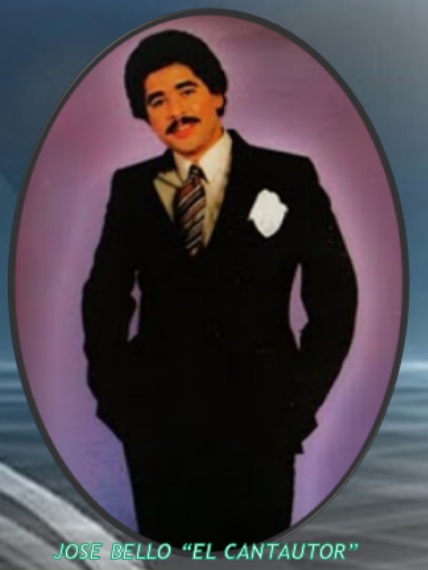
Jose Bello - Photo
Jose Bello – Photo

At International Salsa Magazine, we were able to chat with this incredibly talented artist. Below is the interview:

How was your first presentation? Did you know after that that music would be your passion?

In the kindergarten of the La miraculous school they had parties and they had a stage where I sang constantly and even had choirs that accompanied me and also acted, since I can remember, my passion is music.

How did you and Carlos Castillo meet? Did you know about his career before?

I met Carlos Castillo, because my mom lived in the house next to him and she talked about me to Carlos’s mom and they both agreed to introduce me, I had no idea who he was, until I met him.

What inspired you to compose those songs?

The experience of life and the gift that I always knew I had to compose, at any time.

Jose Bello
Jose Bello

Tell us a little about Aldemar Barona, what year did you decide to start with the label?

My great friend Aldemar Barona always went to my presentations and when the contract ended with the best record, we decided to make our own record label in the late 80s, early 90s.

Was this performance during a tour? Which album were you promoting? Where could that DVD be purchased?

Exclusive record. He hired me to make that dvd in the mid-90s and you could get it online, or at the Musical 90 record store in Jackson Hghts Queens New York All these artists are very well known worldwide and having been able to share stages with them speaks volumes about your incredible talent and career.

Which of these artists would you say is your greatest inspiration or example?

As I said before, my inspiration is a divine gift, I love all my colleagues very much, I respect and admire them, some started before me, others are from my generation and others became famous after my love, and I respect music, I They have bitten as I am and have led me to feel fulfilled in what I do, blessed and immensely happy.

Where would you like to present yourself in the next opportunity? How was your first presentation?

After I would like to personally take my art to some countries that I have not visited to this day, such as Mexico, Peru, Panama, Canada, Japan, Chile, and Argentina.

What comes next in the life of Jose Bello, El Cantautor?

Make my new recording, already as JOSE BELLO EL MAGNATE DE LA SALSA 40 ANIVERSARIO and finish negotiating my next tours, to Central Europe and South America.

Jose Bello flyers
Jose Bello flyers

Where does his nickname El Magnate de La Salsa come from?

On July 23, 2017, I married the designer Patricia González on the largest luxury yacht in New York called “Infinity”, around 2000 people and with two orchestras. Tito Nieve with his orchestra and my orchestra. The ceremony was on the high seas. When in Mexico they found out about my marriage, they wrote me congratulating me and told me “Now you are the salsa magnate” I was surprised and asked them why? and they told me “Only Arab tycoons get married on the high seas on a luxury yacht” I liked the idea.

I always hear that in music there are kings, princes, knights, but there are no tycoons and I think that because of the explanation of the Mexicans, I am the salsa tycoon

  • « Go to Previous Page
  • Page 1
  • Interim pages omitted …
  • Page 56
  • Page 57
  • Page 58
  • Page 59
  • Page 60
  • Interim pages omitted …
  • Page 149
  • Go to Next Page »

International Salsa Magazine (ISM) is a monthly publication about Salsa activities around the world, that has been publishing since 2007. It is a world network of volunteers coordinated by ISM Magazine. We are working to strengthen all the events by working together.