• Skip to primary navigation
  • Skip to main content

International Salsa Magazine

  • Home
  • Previous editions
    • 2026
      • ISM / January 2026
      • ISM / February 2026
    • 2025
      • ISM / December 2025
      • ISM / November 2025
      • ISM / October 2025
      • ISM / September 2025
      • ISM / August 2025
      • ISM / July 2025
      • ISM / June 2025
      • ISM / May2025
      • ISM / April 2025
      • ISM / March 2025
      • ISM / February 2025
      • ISM / January 2025
    • 2024
      • ISM / December 2024
      • ISM / November 2024
      • ISM / October 2024
      • ISM / September 2024
      • ISM / August 2024
      • ISM / July 2024
      • ISM / June 2024
      • ISM / May 2024
      • ISM / April 2024
      • ISM / March 2024
      • ISM / February 2024
      • ISM / January 2024
    • 2023
      • ISM / December 2023
      • ISM / November 2023
      • ISM / October 2023
      • ISM – September 2023
      • ISM – August 2023
      • ISM July 2023
      • ISM Edition June 2023
      • ISM – May 2023
      • ISM April 2023
      • ISM March 2023
      • ISM February 2023
      • ISM January 2023
    • 2022
      • ISM December 2022
      • ISM November 2022
      • ISM October 2022
      • ISM September 2022
      • ISM August 2022
      • ISM July 2022
      • ISM June 2022
      • ISM May 2022
      • ISM February 2022
      • ISM January 2022
    • 2021
      • ISM December 2021
      • ISM November 2021
      • ISM October – 2021
      • ISM September 2021
      • ISM August 2021
      • ISM July 2021
      • ISM May 2021
      • ISM April 2021
      • ISM June 2021
      • ISM March 2021
      • ISM February 2021
      • ISM January 2021
    • 2020
      • ISM December 2020
      • ISM November 2020
      • ISM October 2020
      • ISM September 2020
      • ISM August 2020
      • ISM July 2020
      • ISM June 2020
      • ISM May 2020
      • ISM April 2020
      • ISM March 2020
      • ISM February 2020
      • ISM January 2020
    • 2019
      • ISM December 2019
      • ISM November 2019
      • ISM October 2019
      • ISM Septembre 2019
      • ISM August 2019
      • ISM July 2019
      • ISM June 2019
      • ISM May 2019
      • ISM April 2019
      • ISM March 2019
      • ISM February 2019
      • ISM January 2019
    • 2018
      • ISM December 2018
      • ISM November 2018
      • ISM October 2018
      • ISM September 2018
      • ISM August 2018
      • ISM July 2018
      • ISM June 2018
      • ISM May 2018
      • ISM April 2018
      • ISM March 2018
      • ISM February 2018
      • ISM January 2018
    • 2017
      • ISM December 2017
      • ISM November 2017
      • ISM October 2017
      • ISM September 2017
      • ISM August 2017
      • ISM July 2017
      • ISM June 2017
      • ISM May 2017
      • ISM April 2017
      • ISM March 2017
      • ISM February 2017
  • Download Salsa App
    • Android
    • Apple
  • Spanish

Search Results for: Salsa

Tito Rodríguez The Unforgettable “Gentleman of Salsa”

A journey through the life and legacy of Pablo Rodríguez Lozada, the voice that defined an era between mambo and bolero.

Pablo Rodríguez Lozada, known worldwide as Tito Rodríguez, was born on January 4, 1923, in Santurce, Puerto Rico. From early childhood, young Tito displayed a natural affinity for Caribbean rhythms, organizing the ensemble Sexteto Nacional alongside his lifelong friend, Mariano Artau.
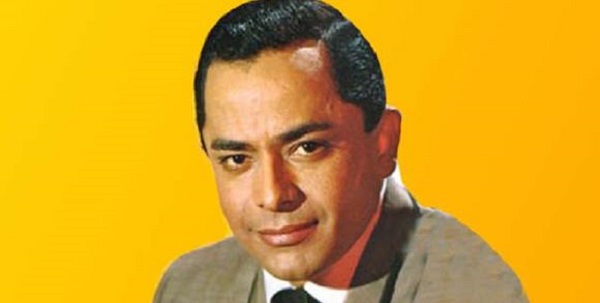
Pablo Rodríguez Lozada, conocido mundialmente como Tito Rodríguez

The Early Steps of a Prodigy

At the age of 13, his professional career began to take shape when he joined Conjunto Típico Ladí (also known as Conjunto de Industrias Nativas), led by Ladislao Martínez. Shortly after, he joined the Cuarteto Mayarí under the direction of Plácido Acevedo, where he played maracas and sang second vocals. Although this stint lasted only four months and left no studio recordings, it was fundamental to his musical development.

In 1939, at just 16 years old, Tito emigrated to New York City with hopes of carving out his own musical path. His first jobs in the Big Apple included collaborations with his brother Johnny Rodríguez’s orchestra and recordings with Cuarteto Marcano.

After passing through prestigious groups like Cuarteto Caney and the orchestras of Enric Madriguera and Xavier Cugat, he had to pause his rising career in 1945 to serve in the U.S. Army.
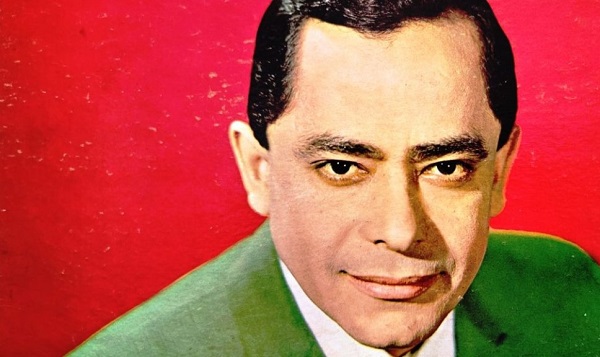
El legado de Tito Rodríguez es analizado este domingo en el Viejo San Juan. (Foto UA Latino)

The Rise of the “Mambo Devil”

Upon his discharge, Cuban pianist José Curbelo recruited him for his band. It was at the China Doll nightclub where Tito met Japanese-American chorus girl Takeku Kunimatsu (Tobi Kei), who would become his wife and lifelong partner.

In 1948, Tito founded his own group: the Mambo Devils. During the height of the mambo craze, Rodríguez entered into a legendary musical rivalry with Tito Puente and Machito’s orchestra.

Under the Tico Records label, he renamed his group Los Lobos del Mambo. Ever conscious of the importance of formal training, he enrolled in the Juilliard School of Music, where he studied percussion, vibraphone, and xylophone.
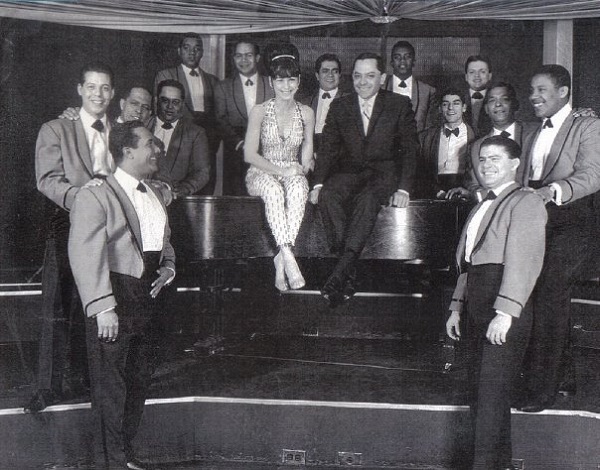
Un recorrido por la vida y el legado de Pablo Rodríguez Lozada, la voz que definió una era entre el mambo y el bolero

Reinvention: From Mambo to Bolero

In 1953, he signed with RCA Victor, formally establishing the name Tito Rodríguez and his Orchestra. Years later, in 1960, he achieved massive mainstream success with United Artists and the album Live at the Palladium.

However, in 1963, an artistic union dispute prevented him from performing with his usual musicians. Refusing to back down, he took on the challenge of radically shifting his style: he traded the frenzy of mambo for the intimacy of boleros accompanied by a string orchestra. The result was the album From Tito Rodríguez with Love, a commercial phenomenon that established him as an unparalleled romantic crooner.

Return to Puerto Rico and the Beginning of the End

After dissolving his orchestra in 1966 due to contractual issues, he returned to Puerto Rico to star in his own television program. However, nostalgia and his enduring passion brought him back to New York for the record Estoy como nunca.
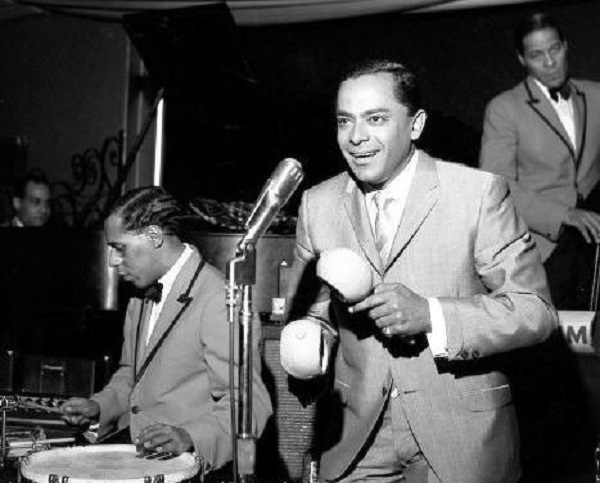
Tito Rodriguez era excelente tanto en guarachas como en boleros. Esto lo convirtió en uno de los artistas más versátiles de la época.

It was in 1967 when the first symptoms of leukemia appeared. Despite the diagnosis, Tito continued to work. In 1971, he founded his own label, TR Records, releasing the iconic album Inolvidable (Unforgettable).

A Final Farewell on Stage

In 1972, he celebrated 25 years in the industry with a show at the El Tumi club in Lima, Peru, alongside Lucho Macedo’s orchestra. This live recording would prove to be a premonition of his end.

Ignoring medical advice, he gave his final performance at Madison Square Garden on February 2, 1973, alongside Machito’s orchestra. During the show, his health failed, and he had to be hospitalized. Finally, on February 28, 1973, Tito Rodríguez passed away in New York in the arms of his wife.

Per the singer’s express wish, his remains were returned to Puerto Rico. At his funeral, legendary figures of the music world paid their respects, including his old rival, Tito Puente. Today, his ashes rest alongside those of his wife, while his voice continues to resonate as one of the most elegant and versatile pillars in the history of Latin music.

Also Read: Tito Rodríguez, Jr. “The Palladium legacy lives on”
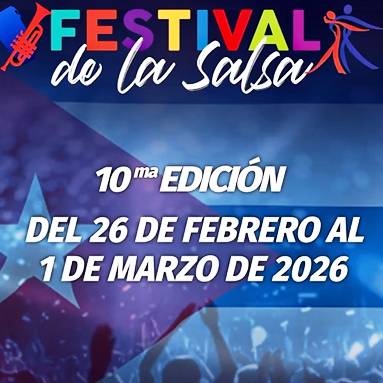
10th Annual Salsa Festival in Cuba: A Milestone Between Stage Lights and the Shadow of Crisis

The event founded by Maykel Blanco celebrates a decade of history amidst blackouts and inflation that make access difficult for the local public.

Havana. What began in 2016 as a personal dream for musician Maykel Blanco has evolved into Cuba’s most significant cultural tourism event for the genre.

As the Salsa Festival reaches its 10th edition, it has succeeded in uniting top-tier orchestras under a single project, fostering an organic exchange between local dancers and international visitors who travel specifically for the occasion.

Festival de la Salsa 2026

However, the announcement of this year’s celebration scheduled for February 26 to March 1 at Club 500 comes at a time of extreme fragility for the country.

While the government promotes the festival as a showcase of “credibility and growth,” the Cuban population is grappling with a profound economic crisis characterized by daily blackouts, shortages of basic goods, and a steady decline in quality of life.

Tributes and a Star-Studded Lineup

This special edition will pay tribute to the 70th anniversary of Elito Revé y su Charangón, an iconic institution of popular dance music. Organizers announced in a press conference that the event will feature a strong international presence, including foreign dance instructors and DJs.

Starting Friday, February 27, four high-caliber orchestras will perform each night. Among the confirmed headliners are:

  • Los Van Van
  • Alexander Abreu y Havana D’Primera
  • Adalberto Álvarez y su Son
  • Alain Pérez
  • Willy García (Special guest from Colombia, former vocalist of Grupo Niche).
Cartel Oficial de los Artistas que estarán en la 10ma edición de el festival de la salsa en Cuba

The Economic Barrier to Entry

Despite its cultural relevance, ticket prices have sparked debate. Presale tickets at Cine Yara were set at 800 Cuban Pesos (CUP), a price that will rise to 1,000 CUP per night at the venue.

In a context of stagnant wages and runaway inflation, these figures are out of reach for many everyday Cubans, highlighting the gap between official propaganda and daily reality.

Main Concert Schedule

Date Featured Artists
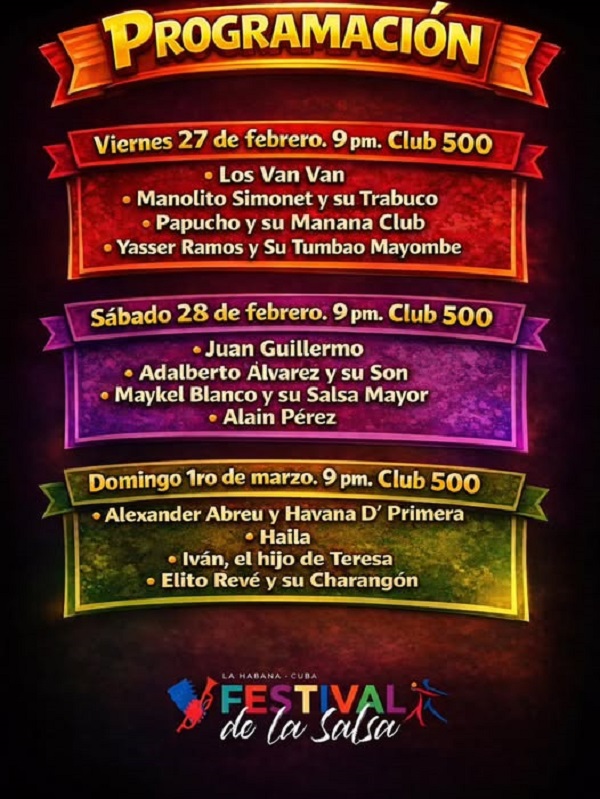
Thursday, Feb 26 Opening Gala: Issac Delgado, Los Muñequitos de Matanzas, and Eduardo Sandoval.
Friday, Feb 27 Los Van Van, Manolito Simonet y su Trabuco, Papucho y Manana Club.
Saturday, Feb 28 Maykel Blanco y su Salsa Mayor, Adalberto Álvarez y su Son, Alain Pérez, and Willy García.
Sunday, March 1 Alexander Abreu y Havana D’Primera, Haila Mompié, and Elito Revé y su Charangón.
PROGRAMACIÓN OFICIAL (Horarios) de todas los conciertos que brindaremos en EL Festival dela salsa en cuba en su 10ma Edición

Beyond the Music: An Immersive Experience

The festival—driven by MB Producciones, ARTEX, and the Paradiso Agency—is not limited to evening performances (which begin at 9:00 p.m.). The agenda also includes:

  • Dance Workshops: Classes in Casino (Cuban salsa), Rumba, Son, and the popular “Reparto” genre, taught by prestigious instructors.
  • Pool Parties: Meet-and-greets with national and international DJs at the Memories Miramar Hotel.
  • Academic Forums: Lectures on the evolution of popular music and the legacy of figures like Elio Revé Matos.
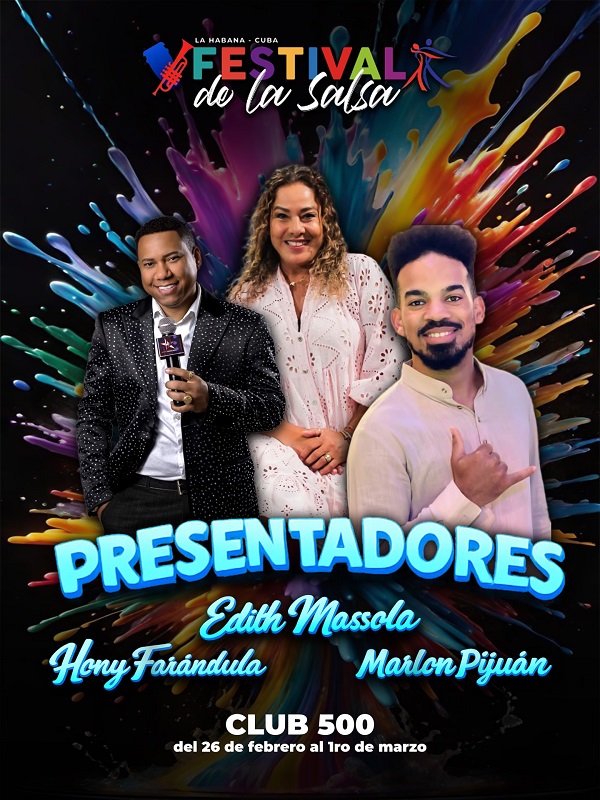
Presentadores Oficiales de la 10ma edición del Festival de Salsa en Cuba

Once again, the Salsa Festival presents itself as a musical oasis on an island mired in uncertainty, leaving open the question of whether art can truly build bridges in the midst of such a structural crisis.

Also Read: Compay Segundo The Eternal Patriarch of Cuban Son

Chicago International Salsa Congress

North America / USA / Chicago

Mission of the Chicago International Salsa Congress

The mission of the Chicago International Salsa Congress is to unite cultures and generations, engender leadership through empowerment opportunities in its showcase and to keep alive the history of the many cultures collaboration in the creation and evolution of Latin and Afro-Caribbean music and dance.

Chicago International Salsa Congress

The Chicago International Salsa Congress is brought to you by a special group of dedicated individuals whose energy, skills, passion and perseverance unite to bring you the number one Latin Music and Dance event in the Midwest!

In 2002 they produced the first Chicago International Salsa Congress (CISC) now in its 14th year. The CISC fosters personal awareness, develops leadership, creativity and inspires highest performance by providing emerging artists an opportunity to learn from and perform with professional artists in the congress showcase.

Schedule: Chicago International Salsa Congress

Día Horario Actividad
Jueves 2/9/17 3:00 PM – 11:30 PM Onsite Registration opens
7:30 PM Rueda Summit
8:30 PM – 9:30 PM Opening Night! Meet & Greet the STARS of the 2017 CISC
9:30 PM – 10:30 PM Dance Showcase
10:30 PM – 3:00 AM CISC Concert Series featuring Carpacho y Su Super Combo!
Viernes 2/10/17 9:00 AM – 4:30 PM Onsite Registration
9:30 AM – 3:30 PM Workshops
4:00 PM – 5:30 PM Emerging Artist Showcase / Chicago Midwest Salsa & Bachata Open Competition (Elimination)
5:30 PM – 7:30 PM Youth Performance Challenge w/Natasha Silva
6:00 PM – 8:00 PM Kizomba Bootcamp with Philippe & Upa Danca
6:30 PM – 11:30 PM Onsite Registration
8:00 PM – 10:00 PM Dance Showcase
10:30 PM – 3:00 AM CISC Concert Series: Tromboranga / Bachata Ballroom / Kizomba Party!
Sábado 2/11/17 9:00 AM – 4:30 PM Onsite Registration
9:30 AM – 3:30 PM Workshops
4:00 PM – 5:30 PM Emerging Artist Showcase
5:30 PM – 7:30 PM Youth Performance Challenge w/Natasha Silva
6:30 PM – 11:30 PM Onsite Registration
8:00 PM – 10:00 PM Dance Showcase
10:30 PM – 3:00 AM CISC Concert Series: Jimmy Bosch with Yoko, La Japonesa Salsera! / Bachata & Kizomba
Domingo 2/12/17 9:00 AM – 4:30 PM Onsite Registration
9:30 AM – 3:30 PM Workshops
12:00 PM – 2:00 PM Youth Performance Challenge w/Natasha Silva
4:00 PM – 5:30 PM Emerging Artist Showcase / Chicago Midwest Salsa & Bachata Open (Finals)
6:30 PM – 11:30 PM Onsite Registration
8:00 PM – 10:00 PM Dance Showcase
10:30 PM – 3:00 AM CISC Concert Series: Herman Olivera with Nelson Gonzalez / Bachata & Kizomba
Photo 1: Chicago International Salsa Congress

INSTRUCTORS

Enjoy 3 days of over 70 workshops covering Beginner, Intermediate and Advanced levels of dance styles, movement and musicality. The instructors are from American and European continent to don’t stop dancing.

PERFORMERS

The CISC produces seven Dance Showcases to excite your senses and inspire your creativity. Featuring world-class dancers from near and far, you will be captivated as we unleash their talents on the stage. The shows include our Matinee Emerging Artists Showcases at 4:00PM and World Class Dance Spectacular at 8:00PM featuring national and international performers.

LIVE MUSIC

CICS will present an unforgettable dancing experience in an elegant Grand Ballroom where Latin Music’s top artists and salseros connect. Enjoy four nights of non-stop dancing on our spacious dance floor until 3:00 AM to the hottest sounds of yesterday and today. The Chicago International Salsa Congress Concert Series is unmatched in celebrating Latin Music’s timeless presence in honoring the legendary pioneers while inviting a forward vision as new, young artists take up the torch and carry it forward.

Photo 2: Chicago International Salsa Congress

TROMBORANGA SALSA ORCHESTRA

As part of the new generation of independent latin orchestras, Tromboranga is the pure essence of “Salsa Dura”. Tromboranga’s spicy ingredients are the trombones sound, solid and strong percussion, and they recover the essence of “soneos” (voice improvisation among the chorus). With influences from the salsa music from the 60s and 70s, maintaining a raw, strong and a very danceable sound.

His original songs like “Humildad”, “Palo pa la campana”, “Amigo el ratón”, “Adios que te vaya bien”, talks about stories that can describe the life of any of us, and they have become number one in Latin radios and dance floors worldwide. Tromboranga is made up of musicians from the Caribbean and Europe, all residents of Barcelona, Spain.

JIMMY BOSCH

(18 October 1959, Jersey City, New Jersey), known also “El Trombón Criollo”, is a trombonist, composer and producer of Afro-Cuban jazz, salsa and Cuban music.

At thirteen he was already part of different local bands of Latin music. At age 18, while studying classical music at Rutgers University, he meets Manny Oquendo and joins his band. He plays with Manny Oquendo about two decades; then comes to work with Marc Anthony. In 1996 he created his own band, “Los Masters”, with whom he recorded two albums. He has his own record label, JRGR Records.

Photo 3: Chicago International Salsa Congress

YOKO LA JAPONESA SALSERA

Born in Osaka, Japan, Yoko Mimata began her artistic career at the age of fifteen as a vocalist in a rock band her native Osaka. Las Estrellas, a salsa band composed of former members of the famous Japanese orchestra “Orquesta de la Luz”, invited Yoko to join them as lead vocalist.

Subsequently, in 1997, settled in the Big Apple, city in that began to venture into the salsero environment. Her great debut took place at the Salsa Congress in New York in 2006, where she performed with the orchestra Chino Nuñez and Friends. Later she became the lead vocalist and participated in the recording of the second album by Chino Nuñez, “Dr. Salsa”; In which she sings duet with Ray Sepulveda “Hoy les cantamos”.

NELSON GONZÁLEZ

(Born May 30, 1948) is a Puerto Rican tres player. He specializes in the Cuban tres, and only occasionally plays the Puerto Rican tres (similar to the cuatro). He is a prolific session musician and has been a member of renowned salsa ensembles such as Fania All-Stars, Orchestra Harlow and Típica 73. He has authored a book on the tres guitar method published by Mel Bay. Together with Pancho Amat and Papi Oviedo he is considered one of the most influential modern tres players.

Photo 4: Chicago International Salsa Congress

HERMAN OLIVERA

He is a salsa singer from Newark, New Jersey. Born to Puerto Rican parents, he began his career in New York City where he earned his reputation as a “sonero,” that is, an expert in the demanding art of lyric extemporization. In a genre overrun by pop-oriented singers, Herman’s musicality and mastery in this regard garnered him the sobriquet of “El Sonero del Siglo XXI”. Today Herman counts among the most in-demand and hardworking salsa singers around. His voice literally permeates the sound of hard-hitting salsa from the 1980s to the present-with album credits with the likes of Tito Puente and Eddie Palmieri, among many others where he has contributed to the continued vitality and development of the sonero tradition.

DJS

The fifteen DJs at this year’s congress will definitely get your feet, hips, shoulders, and everything else grooving on the dance floor with the best Salsa, Mambo, Cha Cha Cha on the planet!!!

VENUE INFORMATION

HYATT REGENCY O’HARE is just 5 minutes from O’Hare airport with a free shuttle. Easy access by train or car. Beautifully appointed guest rooms, great amenities and nearby shopping and dining make this a perfect getaway for your CISC weekend.

Photo 5: Chicago International Salsa Congress


Leader of K’ndela Salsa Band Eric Cabanilla and all his entertainment company has to offer

We are very pleased to be able to talk to the leader of K’ndela Salsa Band, a salsa group which has been gaining ground in New Jersey despite the great competition it faces. 

Eric Cabanilla is a talented musician who, in addition to founding a successful band, has also managed to build an entertainment company with a solid team that has put its talents at the service of large audiences eager to enjoy a quality show. The artist has told us some of the most important details of his career, and we bring them here for all of you.

Eric Cabanilla posing for the amera
Leader of K’ndela Salsa Band Eric Cabanilla posing for the camera at an event

How Eric started to like music 

Eric started his story saying that he and his siblings listened to the music their mother played as she cleaned the house and her children helped her with household duties. Back then, there were many romantic artists and groups such as Los Iracundos and La Sonora Matancera. These melodies helped him understand his love for salsa today.

One important thing to mention is that there were no musicians in his family to teach him about the professional part of this craft, so it can be said that he was the first to make this his way of life till today. His first impulse in this regard was to start writing poems at school, and he even won some poetry contests, which awoke in him the taste for putting words together to create pleasant sounds for others.

It was his great friend and musician Mike Pérez who encouraged him to put these compositions to songs, so he took those poems and rhymes he had created and added music to them. He worked alongside Mike for about seven years singing backup for the Orquesta Swing Combo until his sudden passing, which led to the dissolution of the group. Fortunately, the musicians were not left unprotected and could get a job in a new orchestra with new sound.

During this time, he had the opportunity to learn a lot about how the music biz works, as his responsibilities included institutionalizing the orchestra and formalizing its schedule through emails, business cards, written contracts, and that sort of thing. 

Angel Peguero, Eric Cabanilla, and Stephany Moore
Dancer Angel Peguero, Eric Cabanilla, and dancer Stephany Moore

Thanks to all this acquired knowledge, once Swing Combo broke up, Eric already had an accurate idea of what to do when creating his own orchestra and how to manage it, so he jumped into action from there. 

K’ndela Salsa Band

After all the experience he had gained, Eric finally decided to build something of his own, as he felt ready to take on such a challenge.

One of the first people he counted on was maestro Jimmy Bosch, “El Trombón Criollo,” who has a 50-year career and his own orchestra, Salsa Masters. He is always traveling the world with his orchestra, but whenever he is required to play with Eric and K’ndela Salsa Band, he makes an appearance without hesitation. He describes Bosch as a very professional man, to the point that he is the first to arrive and the last to leave at any rehearsal. 

Together with Eric and Bosch, K’ndela also leverages the talent of other great musicians like bassist Edgar “Danny” Rosado, pianist Ray “El Loco” Cabrera, Xabi “El Chamo” Estrada, Eric Pizza, Brian ‘Tibiri’ Pozo, Jimmy “El Nene” Feliciano, and Daniel “El Gato” Arboleda.

This orchestra project was his first professional goal, but once he made it, he did not want to be confined to that. He also wanted to offer a complete package that offers more comprehensive entertainment than just playing and singing. That is when he took advantage of their closeness to a dance school where he sometimes performed to be in touch with dancers who wanted to join their shows.

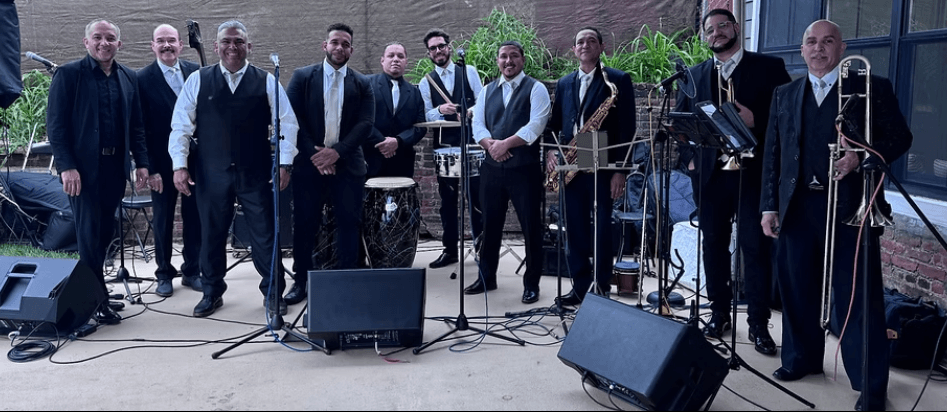
Eric and the rest of the band
From left to right Ray “El Loco” Cabrera, Danny Rosado, Eric Cabanilla, Xavi “El Chamo” Estrada, Erik Piza, Brian “Tibiri” Pozo, Jimmy “El Nene” Feliciano, Daniel “El Gato” Arboleda and Jimmy “El Trombón Criollo” Bosch

Additionally, he hired a relative who worked as a mariachi, who in turn introduced him to other artists who did the same thing so he could hire them. Over time, he also included DJs who would liven up all kinds of events with their diverse mixes.

Something Eric wanted to clear up is that all these professionals are permanent workers in his company. He has a very good relationship with many dance schools in New Jersey, to which he offers his packages, and there is always a very generous group of its dancers that accepts the proposal. Whenever Eric is involved in a festival or private event, he never has any problem finding talent in the field of dance to accompany him thanks to his reliability, professionalism, and great respect for the work of others.

Read also: The Cajón throughout history

Salsa and Casino Ecuador Festival 2017

Latinoamerica / Ecuador / Quito

“Ecuador is a country located in South America, bordered to the north by Colombia, to the south by Peru, and to the west by the Pacific Ocean. Here, we can appreciate a rich cultural and natural heritage, boasting numerous rivers of unparalleled beauty.”

“‘Hecho Salsa’ is a dance community founded on April 21, 2013. In 2015, it began operating as a dance academy, and starting March 20, 2016, it expanded as an ‘event organizer,’ organizing the 1st International Flashmob for ‘World Rueda de Casino Day,’ which took place on a single day in ‘La Carolina’ park in Quito, Ecuador. As of this year (2017), it became the official organizer of the Salsa y Casino Ecuador Festival, which was the 2nd International Giant Rueda de Casino Flashmob in Ecuador.”

Salsa and Casino Ecuador Festival 2017

“It’s worth mentioning that there was a demand from those in the world of Salsa and dance in general for a dance competition, which led to the start of the 1st Ecuador Dance Contest. This was an open dance competition in the Salsa, Bachata, and Casino categories across two divisions: couples and groups.”

“The Salsa y Casino Ecuador Festival 2017 took place on March 24, 25, and 26, 2017. Its objective and intention were to promote Salsa in general, as well as dance culture, and to strengthen the bond that unites salseros within the community.”

“This interesting event was held first and primarily at the Best Western CPlaza Hotel (located at Av. De Los Shyris N37-53 and Av. Naciones Unidas) and secondarily at the same location where the event took place last year (the aerobics track in ‘La Carolina’ park).”

“We will soon be providing more details about the now-concluded event.”

For more information:

  • Website: www.festivalsalsaycasino.com
  • Facebook: festivalsalsaycasino
  • Instagram: hechosalsa
  • Twitter: hechosalsa
  • YouTube: https://www.youtube.com/channel/UC2x76mai4gCfa7QoYiF979A
  • « Go to Previous Page
  • Page 1
  • Page 2
  • Page 3
  • Page 4
  • Page 5
  • Interim pages omitted …
  • Page 392
  • Go to Next Page »

International Salsa Magazine (ISM) is a monthly publication about Salsa activities around the world, that has been publishing since 2007. It is a world network of volunteers coordinated by ISM Magazine. We are working to strengthen all the events by working together.