• Skip to primary navigation
  • Skip to main content

International Salsa Magazine

  • Home
  • Previous editions
    • 2025
      • ISM / November 2025
      • ISM / October 2025
      • ISM / September 2025
      • ISM / August 2025
      • ISM / July 2025
      • ISM / June 2025
      • ISM / May2025
      • ISM / April 2025
      • ISM / March 2025
      • ISM / February 2025
      • ISM / January 2025
    • 2024
      • ISM / December 2024
      • ISM / November 2024
      • ISM / October 2024
      • ISM / September 2024
      • ISM / August 2024
      • ISM / July 2024
      • ISM / June 2024
      • ISM / May 2024
      • ISM / April 2024
      • ISM / March 2024
      • ISM / February 2024
      • ISM / January 2024
    • 2023
      • ISM / December 2023
      • ISM / November 2023
      • ISM / October 2023
      • ISM – September 2023
      • ISM – August 2023
      • ISM July 2023
      • ISM Edition June 2023
      • ISM – May 2023
      • ISM April 2023
      • ISM March 2023
      • ISM February 2023
      • ISM January 2023
    • 2022
      • ISM December 2022
      • ISM November 2022
      • ISM October 2022
      • ISM September 2022
      • ISM August 2022
      • ISM July 2022
      • ISM June 2022
      • ISM May 2022
      • ISM February 2022
      • ISM January 2022
    • 2021
      • ISM December 2021
      • ISM November 2021
      • ISM October – 2021
      • ISM September 2021
      • ISM August 2021
      • ISM July 2021
      • ISM May 2021
      • ISM April 2021
      • ISM June 2021
      • ISM March 2021
      • ISM February 2021
      • ISM January 2021
    • 2020
      • ISM December 2020
      • ISM November 2020
      • ISM October 2020
      • ISM September 2020
      • ISM August 2020
      • ISM July 2020
      • ISM June 2020
      • ISM May 2020
      • ISM April 2020
      • ISM March 2020
      • ISM February 2020
      • ISM January 2020
    • 2019
      • ISM December 2019
      • ISM November 2019
      • ISM October 2019
      • ISM Septembre 2019
      • ISM August 2019
      • ISM July 2019
      • ISM June 2019
      • ISM May 2019
      • ISM April 2019
      • ISM March 2019
      • ISM February 2019
      • ISM January 2019
    • 2018
      • ISM December 2018
      • ISM November 2018
      • ISM October 2018
      • ISM September 2018
      • ISM August 2018
      • ISM July 2018
      • ISM June 2018
      • ISM May 2018
      • ISM April 2018
      • ISM March 2018
      • ISM February 2018
      • ISM January 2018
    • 2017
      • ISM December 2017
      • ISM November 2017
      • ISM October 2017
      • ISM September 2017
      • ISM August 2017
      • ISM July 2017
      • ISM June 2017
      • ISM May 2017
      • ISM April 2017
  • Download Salsa App
    • Android
    • Apple
  • Spanish

Search Results for: Son de Bolero

From Cuba El Septeto Son de Nipe come Abriendo Caminos (Opening Paths)

Son de Nipe. A musical septet born in the municipality of Antilla, it burst into the cultural world with an album of the In Situ label of the Colibri Record Production Company.

Antilla is the smallest municipality of the province of Holguin in Cuba and one of the smallest of Cuba, it was founded on January 21, 1925, it is famous from distant times for its beauty, legends and original aspect.

De Cuba El Septeto Son de Nipe vienen Abriendo Caminos

The group is formed by former musicians of the orchestra Brisas de Nipe of this municipality.

This project was born from the hands of Porfirio Núñez Cruz (Firo) who as Art Instructor at the Casa de Cultura Adelaida del Mármol of Antilla had experimented with other amateur groups, but not with the same results, because the members did not have the necessary musical training.

The album Abriendo Caminos includes 14 songs, 10 of which belong to Antillean authors.

“The value of Abriendo Caminos also lies in the fact that it helps Antillean composers and arrangers to open up to the recognition of their work and ways of doing things”.

From the singer and percussionist of the septet Son de Nipe, Alejandro Arencibia appears the guaracha Esa muchacha quiere bailar and the son, Honor al Guayabero; from Edalio Espinosa Alayo (Pupi), former member of the Brisas de Nipe orchestra, the son, Es caliente como el sol (It’s hot like the sun).

The songs A mi Antilla (bolero-son) and, Y no me niegues el beso (son) by José James Pinder, singer of the septet. By Oscar Fernández, former singer of the Brisas de Nipe Orchestra, the disc offers the themes Rebozo de amor (guaracha) and the son Que lástima.
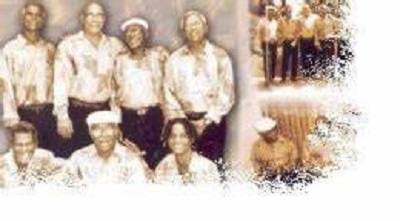
Septeto Son de Nipe
Septeto Son de Nipe

From the director of the septet Son de Nipe Porfirio Núñez Cruz, Mi son tradicional.

And the guaracha Olvídate de esa nena by the Antillean composer Nemesio Palacio.

The remaining four musical numbers are; De que callada manera by Nicolás Guillén and Pablo Milanes, Culpable by Pepe Delgado, Rabo de nube by Silvio Rodríguez and Una alborada de amor by Ariel Dotres Zaldivar, these songs were arranged by Porfirio Núñez Cruz.

In the septet’s album Son de Nipe Abriendo Caminos “the guaracha, the bolero, the bolero-son and the genuine son are retaken with originality and revalued”.

The latter is due to the fact that the musical criteria followed by its director was the respect for traditional music, its deep knowledge, but imbuing it with very contemporary nuances, which results in a seal that distinguishes the septet Son de Nipe.

“We use the son, but more updated because we make innovations, harmonizing it in a more modern way, without losing its roots”.

The selection of the songs that made up the album Abriendo Caminos was in charge of the septet’s management, since the Casa Discográfica Colibrí wanted originality and the authentic exhibition of the work that has been developed with traditional music in the eastern part of the country.

Son Cubano de Nipe en Holguin

The graphic image of the disc, worked in sepia and black colors fundamentally manage to set the atmosphere that is offered to us with a vintage flavor and invites us to listen to these 14 songs full of tradition and contemporaneity.

“It will be a delight for the listener and the dancer, the good function of the tres in its solos and “entregas”, the beautiful and ingenious introductions, the exquisite mixture between text and music of the boleros, the harmonic patterns of the soneros that not for conventional reasons give up a significant finish, without neglecting, on occasions, the voices replacing wind instruments”.

The selection of the members was meticulous. Porfirio had in his favor the prestige he possessed and the convening power among his former colleagues of the Orquesta Brisas de Nipe, so much so that in the list of his group he planned to include Reyes Cástulo Urgellés Fáez, better known as Lulú as bassist and José James Pinder (Joseíto) as singer, both retired from the Orquesta Brisas de Nipe and linked to the Casa de Cultura in occasional activities.

The septet still needed to be completed with a key piece, the tres, for which the prestigious Mario Arencibia Rodríguez, one of the best tres players in Antilla, was summoned.

In the Arencibia family, musicians abound, that is why the group was completed with them: Alejandro, singer and Rafael on the tumbadora.

Alejandro and Mario had been part of an amateur group called Renovación Antillana for more than 20 years, which was very famous in its time and where a great number of aficionados were formed.

Alejandro sometimes played the tres in other groups, but in Son de Nipe he remained as a singer, he also had a work relationship that did not allow him to devote himself entirely to music; His nephew, trained at the Casa de Cultura and under the musical influence of the family, had taken over the tumbadoras, so Rafael Arencibia was the youngest of the group, he was barely 25 years old and at this young age he had already played in several amateur groups and got the Brisa de Nipe orchestra out of trouble, due to the unexpected absence of its percussionist.

Rafael Arencibia Rodríguez joined the project with enthusiasm despite the fact that the genre and style of the repertoire were not those used by the amateur groups of his contemporaries.

Iro had obtained the desired musicians, but he still had a big step to climb, his musicians were not professionals, they all had work commitments and he needed to prepare the project for the right day…(ecured).


Septeto Son De Nipe – Abriendo Caminos (2006)

Temas:

  1. Esa Muchacha Quiere Bailar (Alejandro Arencibia)
  2. Es Caliente Como El Sol (Edalio Espinosa Adayo)
  3. A Mi Antilla (José James Pinder)
  4. Rebozo De Amor (Oscar Fernández Paz)
  5. De Qué Callada Manera (N. Gillén / Pablo Milanés)
  6. Honor Al Guayabero (Alejandro Arencibia)
  7. Culpable (Pepe Delgado)
  8. Mi Son Tradicional (Porfirio Núñez Cruz)
  9. Y No Me Niegues el Beso (José James Pinder)
  10. Clodomiro (Oscar Fernández Paz)
  11. Rabo De Nube (Silvio Rodríguez)
  12. Qué Lástima (Oscar Fernández Paz)
  13. Una Alborada De Amor (Ariel Dotres Zaldívar)
  14. Olvídate De Esa Nena (Nemecio Palacio)
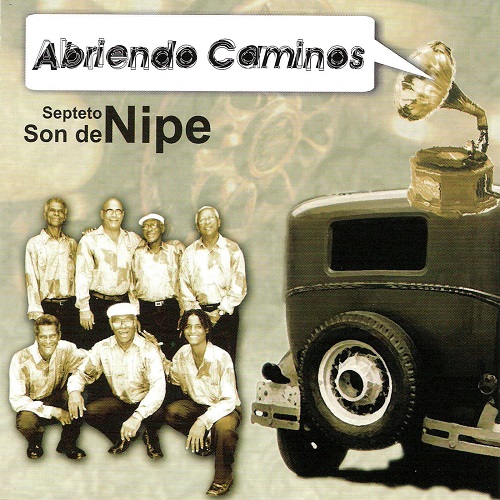
Septeto Son De Nipe - Abriendo Caminos (2006)
Septeto Son De Nipe – Abriendo Caminos (2006)


Research Sources:

L’Òstia Latin Jazz

Dj. Augusto Felibertt

Also Read: Virgilio Martí was an excellent rumbero and composer of the classic “Cuba Linda” where he was vocalist and percussionist in Grupo Folklorico Experimental Newyorkino

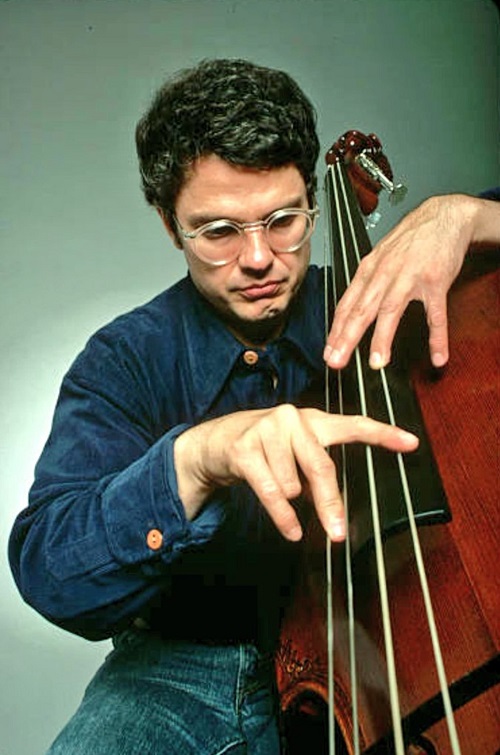
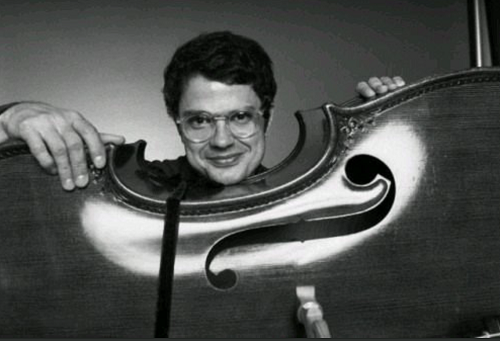
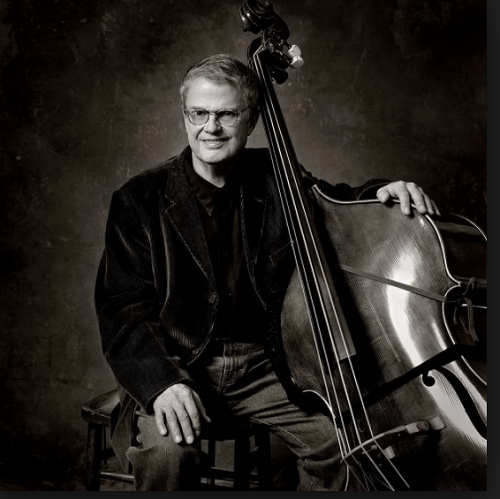
Charlie Haden was an extraordinary double bassist and composer who was a key figure in the history of modern jazz.

Double bassist and composer extraordinaire, Charlie Haden (Shenandoah, Iowa, August 6, 1937 – Los Angeles, California, July 11, 2014).

Charlie Haden began his professional activity in 1959 with Ornette Coleman’s quartet, a key figure in the history of modern jazz, and very soon began to investigate in that direction that Coleman initiated known as free jazz.

In that context, Charlie Haden participated in the recording baptism of that movement with the album recorded on May 22, 1959 for the Atlantic label and entitled: “The Shape of Jazz to Come” with the invaluable collaboration of Don Cherry, another incomparable musician and leader together with Coleman of that revolutionary musical movement that still lasts today.

Charlie Haden (August 6, 1937- July 11, 2014)

Charlie Haden in 1960 participated with another double bass player, Scott LaFaro in an operatic manifesto entitled: “Free Jazz” of whom both were distinguished representatives in their instrument.

In 1964 he worked with Denny Zeitin’s trio and in 1966 he returned with Ornette Coleman while expanding his performance area with collaborations left and right.

In these areas he stood out for his participation in the work, studio and recording meetings of the “Jazz Composer’s Orchestra” and in 1969 he was finally able to realize a wish he had been pursuing for years: to record his first album under his own name with the Liberation Music Orchestra.

With original arrangements by Carla Bley, the music of the Liberation also stood out for the political character of the songs, being the first time that, in that context, a jazz group echoed the popular songs alluding to the Republican side of the Spanish Civil War.

After the album recorded by Impulse in 1976 entitled: “Song for Che” in homage to Ernesto Che Guevara, Charlie Haden formed with Don Cherry, the quartet “Old and New Dreams” with which he toured throughout Europe, Asia and North America. At the end of the eighties, Charlie Haden elaborates a new musical discourse within the framework of his new formation entitled “Quartet West”.

The founding album of this new discourse was an extraordinary album generically entitled “Quartet West”, a musical manifesto of great beauty and one of the essential albums of contemporary jazz. From 1990 onwards, Charlie Haden explores more intimate jazz universes, introducing the duo format into his discourse.

Charlie Haden
Charlie Haden

In this context, the musician explores himself in the composition and his relaxation together with the other protagonist discovers us a music of great inventiveness, clean in the execution and approached from a purely instrumental point of view.

This is how on Thursday, November 14, 2002, Charlie Haden appears in Seville at the Central Theater with the master of the guitar, Jim Hall to offer a portentous concert, full of sensitivity, art and talent.

Fortunately Apoloybaco was present that magical night in Seville and Charlie Haden is still making music of the highest level. ~ (apoloybaco)

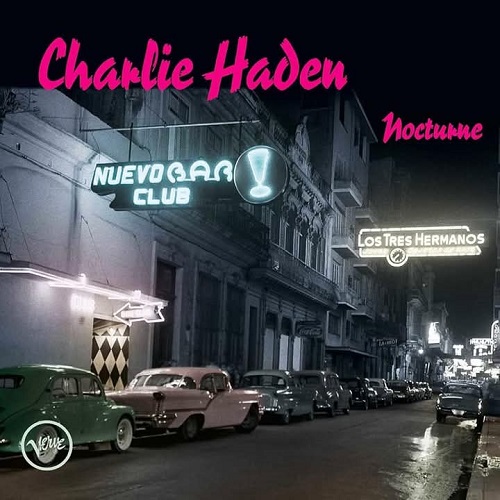
Charlie Haden teams up again with the young Cuban pianist Gonzalo Rubalcaba in this melancholic and relaxing album. Ignacio Berroa on drums and percussion completes the main trio.

Special guests include tenor saxophonists Joe Lovano and David Sánchez, violinist Federico Britos Ruiz and guitarist Pat Metheny (one track only).

Charlie Haden photo 1978 Roger Ressmeyer

Rubalcaba contributes orchestrations on two tracks, both of which omit drums and percussion. Haden’s intention is to explore the bolero, a distinctive Latin dance rhythm that Ignacio Berroa accentuates with a soft, subtle snare drum roll, played with brushes, that begins on the “y” of the first beat of the measure and ends on the second.

This rhythm is perfect for a slow dance and, in fact, the whole album is very romantic, with bittersweet melodies and lilting cadences.

The only problem is that Berroa’s bolero figure is present on almost every track, perhaps what you would expect from a bolero album, but there is no getting around the fact that the music sounds pretty much the same on every track.

 (To be fair, Berroa is not the only one guilty of uniformity.) Most of the songs, except for two Haden originals and one by Rubalcaba, are Cuban and Mexican standards, and they are beauties. Haden’s reluctance to mess with them is understandable.

Charlie Haden fue un gran padre.

But the arrangements, always straightforward, fade too easily into the background.

Nocturne may be the best music for a candlelit dinner party, but Haden and his guests are capable of much more.  David R. Adler.

Charlie Haden – Nocturne (2001)
Temas:
01. En La Orilla Del Mundo (At The Edge Of The World) (Martin Rojas)
02. Noche De Ronda (Night Of Wandering) (Maria Teresa Lara)
03. Nocturnal (Sabre Marroquin/José Mojica)
04. Moonlight (Claro De Luna) (Charlie Haden)
05. Yo Sin Ti (Me Without You) (Arturo Castro)
06. No Te Empeñes Mas (Don’t Try Anymore) (Marta Valdès)
07. Transparence (Gonzalo Rubalcaba)
08. El Ciego (The Blind) (Armando Manzanero)
09. Nightfall (Charlie Haden)
10. Tres Palabras (Three Words) (Osvaldo Farrès)
11. Contigo En La Distancia·En Nosotros (With You In The Distance·In Us) (Cèsar Portillo De La Luz/Tania Castellanos)

Músicos:
Charlie Haden (Bajo)
Gonzalo Rubalcaba (Piano, Orquestación)
Ignacio Berroa (Percusión, Batería)
Joe Lovano (Saxo tenor en temas #1, #4, #7, #11)
David Sánchez (Saxo tenor en temas #6, #10)
Pat Metheny (Guitarra acústica en tema #2)
Federico Ruiz (Violín en temas #1, #5, #8)

Grabado del 27 al 31 de agosto de 2000 en Criteria / The Hit Factory Studios, Miami, FL.

Charlie Haden - Nocturne (2001)
Charlie Haden – Nocturne (2001)

Research Sources:

L’Òstia Latin Jazz

Dj, Augusto Felibertt

Also Read: Andy Gonzalez started as a musician at the age of 13 in the Latin Jazz Quintet in New York

Melina Almodóvar “La Muñeca de la Salsa”

North America / USA / New York

Melina Almodóvar

Melina Almodóvar
Melina Almodóvar

With an unwavering spirit, melodious voice, Caribbean cadence on her hips, friendly and cataloged by many as sexy, Melina Almodóvar has represented the Latin female son in the US. During her 20 years of artistic career, Melina Almodóvar has conquered audiences in the most imposing scenarios and has shared stages with the most recognized artists of the tropical genre

The nickname as many know she is “La Muñeca de la salsa” and which for a long period of time she sought to have because she had the same name that already identified another Salsa singer. Getting an ideal pseudonym to her was difficult, but not for a fan who, while delighting in her live presentation, cataloged her with this nickname with which they would later recognize her in the whole world.

“I wanted to give myself a nickname for Salsa … But I did not want to change my name … And then one day a gentleman says to me:” Hey, but you are a doll and look how you sing “, and then it was there that I stayed “La Muñeca de la Salsa”. It’s a name that stuck with me and it stayed there, so everyone knows who “La Muñeca de la Salsa” is and sometimes they do not know who Melina Almodóvar is, but I really like that name, I think it’s very beautiful”, she said.

At the age of 14, the interpreter born in San Juan de Puerto Rico lived an experience that marked her life since then. She moved with her mother to Memphis, Tennessee, leaving behind her culture and family, which caused an emotional shock and made her take full refuge in the music.

Melina Almodóvar - Photo
Melina Almodóvar – Photo

“Salsa saved my life.” The Salsa is my way of life. It’s my way of breathing, of doing things “.

“We moved to a very white place to an extremely American place. The south of the US is a very different place from New York or Florida. There are not many Latin people and for me it was very hard … I started studying music at the High School. I got into all the choirs that I could and all the bands in the school where I could be”, told me Melina.

Melina Almodóvar - Photo 2
Melina Almodóvar – Photo 2

This Puerto Rican composer not only prepared in salsa, also studied different musical styles: Blues, Jazz and Gospel. What made her race for only 3 years at the University of Memphis the career of Musical Execution. Studies that she decided to abandon for working at the same time as a receptionist and translator for the City Council and also to continue pursuing her dream of singing Salsa professionally. “I decided to quit my university studies because I was really doing what I wanted to do: that was to be a singer… I thought it was better to leave school and nothing has gone wrong, I have continued doing everything at that moment, but on a slightly larger scale and for me it was the right decision”, commented Amodóvar.

During the 90s, Melina and other music professionals created the first salsa orchestra in Memphis called “La Orquesta Caliente”. With this band toured places like Alanna, Kentucky and Alabama. They played at such iconic venues as Beale Street, one of the most famous music streets in all the US for almost 4 years, just as they did at Young Ave Deli, a place that filled to its maximum capacity just to hear them sing and play Salsa every Monday. In this regard, Melina told me: “That’s when I started singing Salsa. That’s when I fell in love with salsa and I wanted to continue being a professional Salsa singer.”

Melina Almodóvar “La Muñeca de la Salsa” in concert
Melina Almodóvar “La Muñeca de la Salsa” in concert photo

In 2003, she began her musical career as an independent soloist with her first album Rumba’s Salsa Soul Delight, where she exhibited her creative freedom to compose, work with other people in the music industry and create her own identity in this tropical genre. So, her second álbum was La Muñeca De La Salsa Y Más (2008) and Pasión y Salsa Live in 2013.

In all her productions this Puerto Rican singer based in Miami, likes to sing to the love in a very positive way. Each song is a tropical proposal of Latin culture, passion, celebration, dance and happiness that invites the dancer to enjoy. “I like to talk positively about things that make me happy. I do not like to shoot men … Because it’s not what happened to me. “She added: “I have a bolero that’s called Mi Nueva Página de Amor, but it’s very positive.

Melina Almodóvar “La Muñeca de la Salsa” - Cover
Melina Almodóvar “La Muñeca de la Salsa” – Cover

”Although the Salsa is a genre dominated by men, Melina has shown to take firm steps and open field solidly in the music industry, she has sung alongside major figures such as: The Great Combo of Puerto Rico, Andy Montanez, Bobby Cruz, Gilberto Santa Rosa, Marlo Rosa, Tito Puente Jr., el maestro Larry Harlow and Tromboranga.

She has developed a successful musical career of 20 uninterrupted years that has led her to perform at the biggest annual festivals and daily events in the country. For nine years “La Muñeca de la Salsa” performed live shows in South Florida at Tapas y Tintos club located in Miami’s South Beach with el maestro Ricky Torres, where thousands of dancers from all over the world gathered every Tuesday to dance and enjoy her music.

Melina Almodóvar “La Muñeca de la Salsa” - Singing
Melina Almodóvar “La Muñeca de la Salsa” – Singing

In 2010, Melina and approximately more than 600 dancers broke the Guinness Record for the largest number of people dancing Salsa at the same time a song. The idea got with her former manager Frank Nieves. The theme was “Lista pa’ Impresionar” of her authorship and doesn’t rule in the near future to do it again. “We were there seeing how we could do something different for an event that he was doing here for the Broward County Patron Festivities and we said why we did not try to break the Guinness Record. Establish a Guinness Record of the greatest number of dancers dancing a song and then we did it and it was spectacular”, said Melina.

In 2016, she released to the national and international market the salsa version single “Estoy aquí” of the popular Pop singer Shakira, whose arrangement was made by Seferino Cavan. The video of “Estoy Aquí” was shot on the famous beaches of Miami Beach and already has almost 1 million views.

Melina Almodóvar “La Muñeca de la Salsa” - Photo
Melina Almodóvar “La Muñeca de la Salsa” – Photo

Likewise, and in mid of 2017, Almodóvar recorded with Tito Puente Jr. a new version in Salsa Mambo of the song “Mi Socio” created by Tito Puente and Cuban singer La Lupe popularized in 1965. In the same way, she did with the singer and composer Bobby Cruz the song “La Chica del Bling”.

Currently, Melina does live performances every Friday to 6pm at Best Time Wine Shop located on 8th Street at 64th and 8th, a wine warehouse with a large dance floor. “Ándale! Pon a Sonar el Güiro” is her most recent single, it was released since last December and you can find it on all digital platforms. During this month of January, Melina will continue playing her music through the territory of Florida with the event Los Patrones de la Salsa and on April 7 she will produce along with her friend Kristina Moinelo the biggest salsa festival in Miami, the Hollywood Salsa Fest, in which she will also participate as a main star with great figures of salsa music.

la muneca de la salsa - flyers
la muneca de la salsa – flyers

Melina Almodóvar believes that the Salsa will never die because it is in the Latin idiosyncrasy and at some point this AfroCaribbean genre will return to be that people like most. She also commented that she does not rule out the possibility in the future to do a fusion with the new urban musical trends of the moment.

“For me to represent Latin music in the US is a very big honor because I love tropical music more than anything. It’s my life, it’s my way of breathing like all the SALSEROS … For me, it’s the whole world to be able to continue my long-standing career, to go ahead and bring good Salsa for the whole World.” Melina Almodóvar

The Salsa is the NUMBER ONE music genre that is danced around the world. I believe that we are keeping this genre alive with what we are doing every day. “Melina Almodóvar

Melina Almodóvar “La Muñeca de la Salsa”

To more information about La Muñeca de la Salsa, please visit www.melinaalmodovar.com or like her on Facebook: www.facebook.com/pg/MelinaSalsa


What a pleasure to talk to Pablo Pérez ‘‘El Alcalde de La Salsa’’

It is a pleasure to talk to Latin music artists who have left our genres in a high place all over the world and today it is the turn of the great American producer, composer and percussionist Pablo Perez, also known as ”El Alcalde de La Salsa”, who we were lucky enough to interview to know his fascinating story with music. We say to our dear readers that they cannot miss it.

Pablo playing
Pablo Pérez ”El Alcalde de La Salsa” playing the bongos live

How Pablo became interested in music 

From the beginning, Pablo made it very clear that since his childhood he has been interested in music, to the point of beginning to study it at school, as his taste was great since then. To what we must add that the time when he grew up in Trenton, New Jersey, was marked by a total command of salsa, which greatly influenced the young boy. However, he clarifies that he liked all types of genres like ballads, boleros, cha cha chá, merengue, classical music, among others. 

He grew up listening to all sorts of artists and groups such as La Fania All Stars, Ray Barretto, Willie Colón, Johnny Pacheco, Spanish Harlem Orchestra and many others. To some extent, all of them have influenced the style he applies to his own work today.

World traveler

Throughout all this process of being involved with music and learning what he knows today, he came to live in a lot of Latin countries like Puerto Rico, Venezuela, Ecuador, Argentina, Panama, Costa Rica, among others. During all these travels and stays, Pablo dedicated himself at all times to play and present his music to the populations of those places.

In the same way, each of these places has given something new to his style and, in them, he was able to hear new versions of other songs that he knew before. He himself did a new version of the llanera song ”Quierela más que yo” by Venezuelan singer Luis Silva, making it into a salsa song and giving it his own touch. ”I’ve always wanted people to connect with me through my music and I’m always looking to do new, danceable and interesting things,” Pablo said on the subject.

The artist has always liked to mix different sounds and instruments, so he had the idea of creating a trombone orchestra (the first instrument of his career) and seing how it worked. Finally, this group included two trombones, two trumpets and a baritone in order to obtain a bigger sound, helping with a ”baby bass” (an electric double bass model designed by Ampeg), and a piano.

Pablo in the studio
Pablo Pérez recording in the studio

The Pablo Pérez Project and Orquesta Yanes

Although it is true that Pablo’s first major project was The Pablo Pérez Project in 2005, prior to that, he already had a group called Orquesta Yanes (2001), with which he recorded two albums back then. During that time, what was used were LPs and cassettes, one of them being a recording made in Belgium (country where he also lived) and called ”Pablo Pérez con el paisaje latino”. This was the same name of a group he created with local and Latin European musicians in Europe.

At the same time, the musician was also part of other orchestras in his native New Jersey as well as in Puerto Rico and some of them were ”El Nuevo Sonido”, ”Paquito Y Su Tumbao”, ”Peligro” and many others.

Time in Belgium

One of the most important events in Pablo’s career during his time in Europe was his involvement in the album ”Algo Diferente” by Mexican musician Héctor Islas y Su Pachuco 21. The artist referred to Islas as a very good person and a great singer whom he met in the aforementioned country and it was not long before they worked together.

Hector invited him to join his orchestra as a timbalero and they both toured the rest of Europe together, taking their music to anyone who wanted to listen to them in those territories. Later, the Mexican went to Cuba to make a series of recordings in which he asked Pablo to play the bongos.

During their tours, they were able to play alongside El Gran Combo de Puerto Rico, Jerry Rivera, Original de Manzanillo, Sin Damas, La Fania All Stars, La India and many more.

Pablo and Luis
Luis González ”El Tsunami de La Salsa” next to Pablo Pérez

El Alcalde de la Salsa

A very interesting facet Pablo had was that of a politician in 2014, when he ran for mayor of Trenton, New Jersey. Although targets were not met, the artist explains that this decision to compete gave him many positive experiences with the community.

One of the biggest endorsements he received at the time came from Willie Colón, whom he had known for many years. When the trombonist asked Pablo about his motivations for running for office, he replied that what he wanted was to help the community from a better position. That is when Colón nicknamed him ”El Alcalde de La Salsa” (The Mayor of Salsa), which Pablo liked so much that he decided to use it for the rest of his career.

It is worth mentioning that he also received the endorsement of Tito Nieves during his aspirations for political office.

Music played a crucial role in the campaign events, since the artist’s orchestra was very attractive to people, especially for the fundraisers that Pablo and his team carried out. Likewise, it was a good tool for the former candidate to connect with the community, especially the Latino community. 

It was in this same period that he made contact for the first time with his current bassist and arranger Michael Colón, pianist Efraín ”Juanito” Dávila and other musicians with whom he was able to form his orchestra, which helped him a lot during his political career to gain the sympathy and attention of people. 

When asked if he would be interested in running for public office, he assured that this stage of his life is over and that he prefers to concentrate solely on music for now. 

Willie and Pablo
Willie Colón endorsing Pablo Pérez’s campaign

Read also: How freelance musicians are viewed today

The legacy of El Palladium lives on, as demonstrated by ‘Mambo Fantasy’

The legacy On Saturday, January 18, 2025, the Tropicoro Club at the Fairmont El San Juan Hotel in Puerto Rico was decked out to celebrate the music of Tito Rodríguez; led by his heir, Tito Rodriguez Jr., and El Caballero de la Salsa: Gilbertito Santa Rosa on vocals and the characteristic marquee of “El Inolvidable”. The show was part of ‘Mambo Fantasy’, a duel between the legacy of Tito Puente and that of Tito Rodríguez, two of the Kings of mambo during the golden age of big bands.

Humberto Ramirez, Herman Olivera, Tito Rodriguez jr. y Gilberto SantaRosa en Mambo Fantasy

The dance concert featured the musical power of the big orchestras, responsible for placing Latin music among the favorites of the dancing public. It was a must remember that the history of what was the era of mambo was strengthened in the emblematic New York halls, among which “El Palladium” stood out. To do so, the dance corps of Tito Ortos and Tamara Livolsi was accompanied by the nonagenarian Mambo Mike, engaging in an energetic choreography that the trio executed to perfection.

The legacy of Tito Puente resonated under the musical direction of the trumpeter, arranger, composer and producer Humberto Ramírez, with Hermán Olivera and Michelle Brava as the singers in charge of interpreting Puente’s repertoire.

Michelle La Brava 'Mambo Fantasy' en Puerto Rico
Michelle La Brava ‘Mambo Fantasy’ en Puerto Rico

Rodríguez’s legacy was carried out by the union between the timbalero, arranger, composer, producer and orchestra director, heir to the musicality and the name of one of our greatest musical glories -Tito Rodríguez, Jr.- and one of the greatest stars of contemporary music -Gilberto Santa Rosa. The group was composed of: Gerardo Rivas on the tumbadoras, Pete Perignon on the bongos, Mako Pérez and Genaro “Ginno” Ramírez on the chorus, Luis Marín on the piano, Johnny Torres on the bass; Freddie Miranda, Josué Urbina, Saviel Cartagena and Francisco “Pacman” Cruz on the saxophones; Georgie Torres and Anthony “Nony” Rosado on the trombones; with Rolando Alejandro, Pedro Marcano, Kevin Ibáñez and Becky Zambrana on the trumpets. And since legacies are significant, it should not be overlooked that the three percussionists of this group are children of musicians.

Orquesta 'Mambo Fantasy' en Puerto Rico
Orquesta ‘Mambo Fantasy’ en Puerto Rico

The repertoire, which included “Mama Güela,” “A los Muchachos de Belén,” “Vuela la paloma,” the bolero “Me faltabas tú,” “Baranga,” “Bon sueno,” “Yambú,” “Avísale a mi contrario,” “El agua de Belén,” “Óyeme Antonia,” “Estoy como nunca,” and the surprising intervention of the tumbador singer Johnny Rivero, the bolero “Tómame ya,” “El que se fue,” and “Abarriba cumbiaremos,” made it clear that the musical complexity of the golden age of mambo remains alive. The Gentleman of Salsa gave a lecture on his expertise in the most Tito Rodríguez-like dance that has ever been seen and heard, imprinting his interpretive style on the songs of “El Inolvidable,” while demonstrating his mastery of the dance, sliding across the stage using Rodríguez’s best steps.

Herman Olivera 'Mambo Fantasy' en Puerto Rico
Herman Olivera ‘Mambo Fantasy’ en Puerto Rico

Evidently, the participation of El Caballero de la Salsa was inspired by the musical perfection of “El Inolvidable”, achieving an impeccable performance. Through the magic that Santa Rosa brought to the concert, Tito Rodríguez, Jr. managed to connect with the Puerto Rican public that follows his father’s music. For our part, we are grateful for the invitation of the work team responsible for the success of ‘Mambo Fantasy’, while we remain awaiting the next show that manages to bring together these greats of mambo.

Also Read: Bella Martinez, the irreverent Salsa writer

Bella Martinez Puerto Rico

  • « Go to Previous Page
  • Page 1
  • Page 2
  • Page 3
  • Page 4
  • Page 5
  • Page 6
  • Interim pages omitted …
  • Page 30
  • Go to Next Page »

International Salsa Magazine (ISM) is a monthly publication about Salsa activities around the world, that has been publishing since 2007. It is a world network of volunteers coordinated by ISM Magazine. We are working to strengthen all the events by working together.