• Skip to primary navigation
  • Skip to main content

International Salsa Magazine

  • Home
  • Previous editions
    • 2025
      • ISM / November 2025
      • ISM / October 2025
      • ISM / September 2025
      • ISM / August 2025
      • ISM / July 2025
      • ISM / June 2025
      • ISM / May2025
      • ISM / April 2025
      • ISM / March 2025
      • ISM / February 2025
      • ISM / January 2025
    • 2024
      • ISM / December 2024
      • ISM / November 2024
      • ISM / October 2024
      • ISM / September 2024
      • ISM / August 2024
      • ISM / July 2024
      • ISM / June 2024
      • ISM / May 2024
      • ISM / April 2024
      • ISM / March 2024
      • ISM / February 2024
      • ISM / January 2024
    • 2023
      • ISM / December 2023
      • ISM / November 2023
      • ISM / October 2023
      • ISM – September 2023
      • ISM – August 2023
      • ISM July 2023
      • ISM Edition June 2023
      • ISM – May 2023
      • ISM April 2023
      • ISM March 2023
      • ISM February 2023
      • ISM January 2023
    • 2022
      • ISM December 2022
      • ISM November 2022
      • ISM October 2022
      • ISM September 2022
      • ISM August 2022
      • ISM July 2022
      • ISM June 2022
      • ISM May 2022
      • ISM February 2022
      • ISM January 2022
    • 2021
      • ISM December 2021
      • ISM November 2021
      • ISM October – 2021
      • ISM September 2021
      • ISM August 2021
      • ISM July 2021
      • ISM May 2021
      • ISM April 2021
      • ISM June 2021
      • ISM March 2021
      • ISM February 2021
      • ISM January 2021
    • 2020
      • ISM December 2020
      • ISM November 2020
      • ISM October 2020
      • ISM September 2020
      • ISM August 2020
      • ISM July 2020
      • ISM June 2020
      • ISM May 2020
      • ISM April 2020
      • ISM March 2020
      • ISM February 2020
      • ISM January 2020
    • 2019
      • ISM December 2019
      • ISM November 2019
      • ISM October 2019
      • ISM Septembre 2019
      • ISM August 2019
      • ISM July 2019
      • ISM June 2019
      • ISM May 2019
      • ISM April 2019
      • ISM March 2019
      • ISM February 2019
      • ISM January 2019
    • 2018
      • ISM December 2018
      • ISM November 2018
      • ISM October 2018
      • ISM September 2018
      • ISM August 2018
      • ISM July 2018
      • ISM June 2018
      • ISM May 2018
      • ISM April 2018
      • ISM March 2018
      • ISM February 2018
      • ISM January 2018
    • 2017
      • ISM December 2017
      • ISM November 2017
      • ISM October 2017
      • ISM September 2017
      • ISM August 2017
      • ISM July 2017
      • ISM June 2017
      • ISM May 2017
      • ISM April 2017
  • Download Salsa App
    • Android
    • Apple
  • Spanish

Search Results for: Trombones

45 years of salsa career of ‘el más que canta’ was in style

On Sunday, February 5, 2023, at about 5:00 p.m. Puerto Rican time, the curtain of the Coca Cola Music Hall rose to give way to a radiant Domingo Quiñones.

El más que canta’ arrived ready to share his voice and his usual nostalgic smile with the audience.

The 45th anniversary party began, the melodic style of the saxophone in charge of Jorge Baez. A minute after the orchestra played the first notes, Domingo let out a loud war cry that sounded like: “Puerto Rico”. Immediately, the first two songs were played: Chica romántica & Poeta y guerrero.

Domingo Quiñones  ‘el más que canta’

After a brief greeting in which Domingo thanked his fans for their support, the most emblematic songs of his career were heard, such as: Tú cómo estás, Soy, Enséñame, El progreso, Busco un amor, Falco de valor, Salsumba, Cuando se necesitan más, Fuera de control, Río abajo, Deseo salvaje y Devórame otra vez, A que no te atreves, Se necesita un milagro, Pasarás al libro del recuerdo, Lo reconozco y No voy a dejarte ir.

Keeping the rhythmic base going, Charlie Padilla was in charge of the tumbadoras, in perfect sync with Javier Oquendo on the bongos and Pablo Padín on the timbales. It was clear that Domingo was backed by a luxurious orchestra, under the musical direction of pianist, music producer, arranger, composer, singer and dancer: Carlos García.  Ricardo Lugo accompanied with his impeccable bass playing. Ramón Sánchez complemented the perfection of the stage behind the keyboard.

The wind section was formed by Ángel Hernández and Jesús Alonso on trumpets, and Eliut Cintrón and Víctor Vázquez on trombones. In the choirs, the vocal forcefulness and precision of Jorge Yadiel, Nahyra Pérez and David Carrero was heard.

Domingo Quiñones
Domingo Quiñones

About an hour into the celebration, Domingo decided to do a conga solo, what a surprise we were in for! The conga solo was very well done.

An hour and a half into the concert, Gilberto Santa Rosa, Luisito Carrión and Carlos García sang with Domingo Quiñones the song En el mismo barco, composed by Domingo in the midst of the COVID-19 pandemic.

Domingo Quiñones Tributo a Lalo Rodriguez

The arrangement of the song allowed the wind instrumentalists to have their way with the big spoon before giving way to a very heavy rumba in the percussive corner.

A moment of great emotion was the one that gave way to the song Río abajo, with the accompaniment of Luis ‘Perico’ Ortiz in his impeccable trumpet solos, in addition to accompanying Domingo in the chorus.

Por todo lo alto  fueron 45 años de trayectoria salsera de ‘el más que canta’

This intervention made clear the affection that Domingo and Perico have for each other.  It must be because when Domingo decided to pursue his dream as a soloist, he was part of ‘Perico’s’ orchestra.

For this celebration, our Domingo Quiñones gave way to a repertoire that summarized very well those 45 years of career.  More than singing, Domingo interpreted with that emotionality of his best times.  The audience vibrated with his performance. His histrionic ability, his interpretative quality and the charisma with which he captures the audience’s attention, kept them captive for hours.

Domingo Quiñones  y sus Amigos

Photo credits: Félix Guayciba

Bella Martínez

Read Also: “Mambo Night in Miami Beach” celebrates the 100th anniversary of the birth of “El Inolvidable”, our own Tito Rodriguez

Bella Martínez Writer, researcher of Afro-Caribbean music and author of Un conguero para la historia, Las memorias de Jimmie Morales.

787-424-8868

Jesús “Chuito” Narváez the Atheist of La Guaira and the pianist of the golden age of the Latin Dimension

Jesús Chuito Narváez was born in Margarita on August 26, 1950. He began his musical career as a player of stringed instruments such as the guitar, cuatro and bass.

On Monday, January 16, 2006, at 6:00 a.m., Jesús “Chuito” Narváez, pianist of the golden age of the Latin Dimension, died in La Guaira at the age of 55 due to a liver disease.Especially for the guitar instrument with which he debuted with “Los Tremendos” in La Guaira and under the tutelage of Edgar Evers in the late sixties and early seventies.

Jesús “Chuito” Narváez el Ateo de La Guaira

Precisely in 1971, the famous Estrellas Latinas of composer Cheo Palmar (a group that included Canelita Medina, Joe Ruiz, Calavén, El Flaco Bermúdez, Cheo Navarro, among others), made a record in which Chuito recorded the guitar on one of the sides of the 45 rpm.

In that group Los Tremendos bought a piano so that Chuito could learn to play it, and it is when he had the opportunity to replace Nano Ladera, pianist of Los Satélites and they recorded the LP: “Saltando el Muro” in 1972, an album that reached the first places in NY especially for the song: “Traicionera”.

Los Satélites Saltando el Muro” en 1972

Cheché Mendoza’s Satélites, after jumping the wall to fame in other yards, constantly traveled to achieve the success that in their own land they were denied, one of those frequent travelers was Chuito himself, a fact that prevented him from recording the first album of Dimensión Latina in its entirety, where there was the need in the song Julia to use the piano of Professor Franklyn Stuart or Eddie Frankie or rather Tony Monserrat, who like a serious madman leaves that string of madmen who were the members of the Latin Dimension, so when Chuito returns from his trip to Aruba, Curaçao and Bonaire he must make the difficult decision to choose between the Satellites (with whom he had recorded another album : “Cheché himself, disillusioned by the little affection in his homeland, encourages him to go with the Dimension, where he begins a fruitful career of 14 long durations.

In 1979, Dimensión Latina had already suffered the loss of Oscar D’León in July 1976, in February 1978 Wladimir to go with Oscar, until after a series of rumors Chuito together with Rodrigo Mendoza also left the group fulfilling contracts until March 15, when he was replaced by the excellent Colombian pianist Samuel Del Real.

Chuito Narváez and Rodrigo Mendoza formed the Orquesta Amistad in April 1979, recording three albums: “Presente y Pasado” in 1979, “El Poder de la Amistad” (1979), and “Calavén y Yo” in 1981, with the legendary Negrito Calavén replacing Rodrigo who had left with La Salsa Mayor.

With the Orquesta Amistad Chuito changed his structure with the dimension and incorporated three and four trumpets, two trombones and the flute of the young Natividad Martínez.

Chuito-Narvaez
Chuito-Narvaez

Chuito himself once declared: I am not pedantic, because I don’t like that, but my aspirations are to have one of the best orchestras and to be able to alternate with those who are said to be the best. In his first album, the vocalists Rodrigo and Tito Gómez compete with one of his greatest hits: Ritmo de Azúcar (1979).

La Amistad de Chuito y Rodrigo

Fuente:

Herencia Latina

Read also: Lizna Tovar winner in the category Voice Over of the year 2022 in Canary Islands Tenerife

In front of adversity we grow with Johnny Cruz .

North America/ All USA

Johnny Cruz : This month I wanted to dedicate myself to good news, highlighting the work of those who, despite adversity, continue to strive to bring the best to the public. We keep working!

Gilberto Santa Rosa surprises us with his new album Colegas. His most recent phonogram. In this, Santa Rosa invested the last six years and presents 16 collaborations with Cuban artists -Isaac Delgado and Juan Jose Hernandez-Puerto Ricans -Tito Nieves, Tito Rojas, Luisito Carrion, Pirulo, Nino Segarra, Choco Orta among others-, as well as with a Dominican – Jose Alberto “El Canario” -.

Gilberto Santa Rosa - Colegas
Gilberto Santa Rosa – Colegas

The album is preceded by “40… y contando en vivo desde Puerto Rico”, an album recorded in 2018 live at the Coliseo de Puerto Rico in San Juan, to celebrate its 40 years of musical career. The majestic arrangements were the work of Dino Nugent (Apaga La Luz), Marty Sheller (Caminalo, Ban Ban Quere), Ramón Sánchez (Que Se Sepa), Javier Fernández (Tremendo Coco, Masacote), Louis García (Por La Calle Del Medio, Ocana Sordi, El Guateque De Chombo), Ricky González (Vamos a Bailar El Son, Eque Tumba), Manolito Rodríguez (Medley Boleros), José Madera (Bailadores), Rene González (Estoy como Nunca), Isidro Infante (Mario Ague, El Mejor Sonero, Sonerito), James Hernández (La Fonda De Bienvenido).

In good time Santa Rosa presents this production. He positions him on the GRAMMY platform and refreshes him in his role as sonero and incidentally, he extends a helping hand to some who had not recorded Salsa Brava again.

Tracks: La Familia; Caminalo; Que Se Sepa; Mazacote; Apaga La Luz; Sonerito; Por La Calle Del Medio; Nos Vamos A Bailar El Son; Medley Boleros; Ocana Sordi; Bailadores; El Mejor Sonero; Tremendo Coco; Estoy Como Nunca; Mario Ague; Eque Tumbao; La Fonda De Bienvenido; Ban Ban Quere; Guateque De Chombo.

Members: Angie Machado, Jan Duclerc, Jesús Alonso, turbidity Vilchez – trumpet; Charlie Sierra – maracas; Dino Nugent – violín; Johnny Torres, Pedro Perez – bass; Manolito Rodriguez – timbal; Rafy Torres, Toñito Vásquez, Víctor Vázquez, Reynaldo Jorge – trombones – trombone; Richie Bastar – bongo; Sammy García, Jimmie Morales – congas; Sammy Vélez, Josué Urbina; Pedro Méndez, Frankie Pérez, Janice Maysonet – saxophone; Luis Marín, Isidro Infante, Javi Fernández, Ricky González – piano; Orestes Vilató – timpani; Pablo “El Indio” Rosario – percussion; Meñique, Paquito Guzmán, Víctor Manuelle, Luisito Carrion, Justo Betancourt – backing vocals. Guests: Víctor Manuelle, Choco Orta, Juan José Hernández, Isaac Delgado, Yan Collazo, Luisito Carrion, Pirulo, Tito Nieves, Tito Rojas “El Gallo”, Ismael Rivera Jr., José Alberto “El Canario”, Carlitos Ramírez, Michelle Brava, Herman Olivera, Maelo Ruiz.

I take this opportunity to greet my good friend Johnny Rodríguez Jr., better known as Johnny “Dandy” Rodríguez, is an American bongo player. He was Tito Puente’s longtime bongo player, and also played with Tito Rodríguez, Ray Barretto, and Alfredo de la Fe. He belonged to various popular bands of the salsa era such as Tico All-Stars, Fania All-Stars, and Typica 73. He is a proud son of El Barrio (Spanish Harlem), New York, and stickball (street baseball) was more interested than music.

Marco Bermúdez - En mi voz
Marco Bermúdez – En mi voz

However, influenced by his father, Johnny, 17, earned the position of playing bongos in the Tito Puente Orchestra. Johnny spent more than 30 years with the orchestra, also working with Tito Rodríguez from 1965 to 1968 and with Ray Barretto from 1970 until the end of 1972. Johnny went on to form Tipica 73, of which he remained a member until 1979. He then returned to the band. Tito’s band, playing alongside him until the time of Tito’s death in May 2000.

Johnny “Dandy” Rodríguez Jr. continues to be a Latin jazz and salsa percussionist. Today he works as a percussionist in different Latin music ensembles, He is unstoppable and is very active with the Latin Jazz Giants (alongside his colleagues and Exclusive LP Artists Jose Madera and George Delgado) and that includes the stars from the original Tito Puente Orchestra. The band plays the famous music from the Palladium days of Tito Puente, Tito Rodríguez, and Machito, and also recorded The Giants Play the Music of the Palladium.

In 2008, Johhny entrusted LP’s Research and Development Department with the design of the John “Dandy” Rodríguez Jr. bongoes from the Legends series. John is proud that these drums, which bear his name, present such a sound and visual characteristics outstanding. Keep going, Johnny!

A few days ago, En Mi Voz, the solo debut of the Ecuadorian singer Marco Bermúdez, was officially launched on the market. This is a very good selection of ten songs, under the master hand of Oscar Hernández, the prestigious and renowned musician who is making his debut as a record producer with Ovation Records.

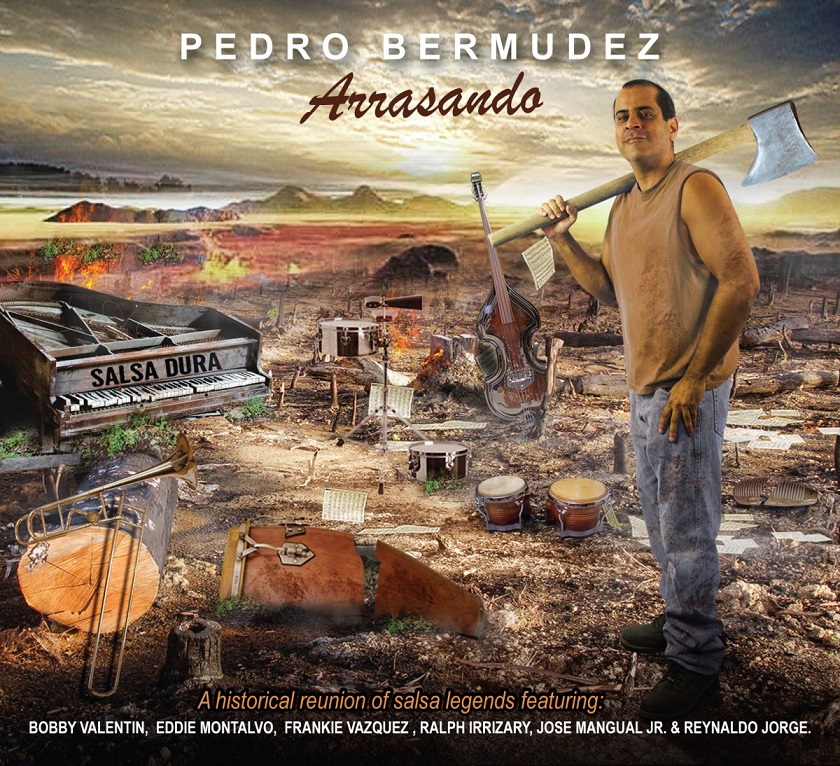
Pedro Bermudez - Arrasando
Pedro Bermudez – Arrasando

Marco has not saved anything for this premiere. He has met with his colleagues from the “Hispánica del Barrio” and the result could not be better: Jerry Madera, Máximo Rodríguez, Maneco Ruiz, Héctor Colón, Doug Beavers, Reynaldo Jorge, Jeremy Bosch, George Delgado, Luisito Quintero and Jorge González give solvency and flavor to En Mi Voz. The album opens with “Amanecer Contigo”, composed with four hands between Hernández and Bermúdez, where the trumpet solos by Maneco Ruiz and flute by Jeremy Bosch stand out.

Jeremy is also heard with his flute in his fine and heartfelt composition “Canto a mi Mamá” and in “Únicamente tú”, making Marco the second voice. The romantic spirit of the singer of the Spanish Harlem Orchestra and Mambo Legends Orchestra is confirmed in songs like “Solo Basta” and “Tu Regreso”. Oscar’s arrangements guarantee the key melody. Highly recommended this album, it has no waste!

I send my greetings and wishes for a reunion with this excellent salsa singer: Hermenegildo Olivera, or Herman Olivera. Born in Newark, New Jersey, the son of Puerto Rican parents and from an early age linked to Latin music. In the 70s, in the middle of the salsa boom, Herman began his love of singing by listening to the interpretations of Chamaco Ramírez, Héctor Lavoe, Cheo Feliciano and Marvin Santiago, among others. These vocalists were primarily his source of inspiration. When he was just 15 years old, Herman began his career as a salsa interpreter with an orchestra called La Justicia.

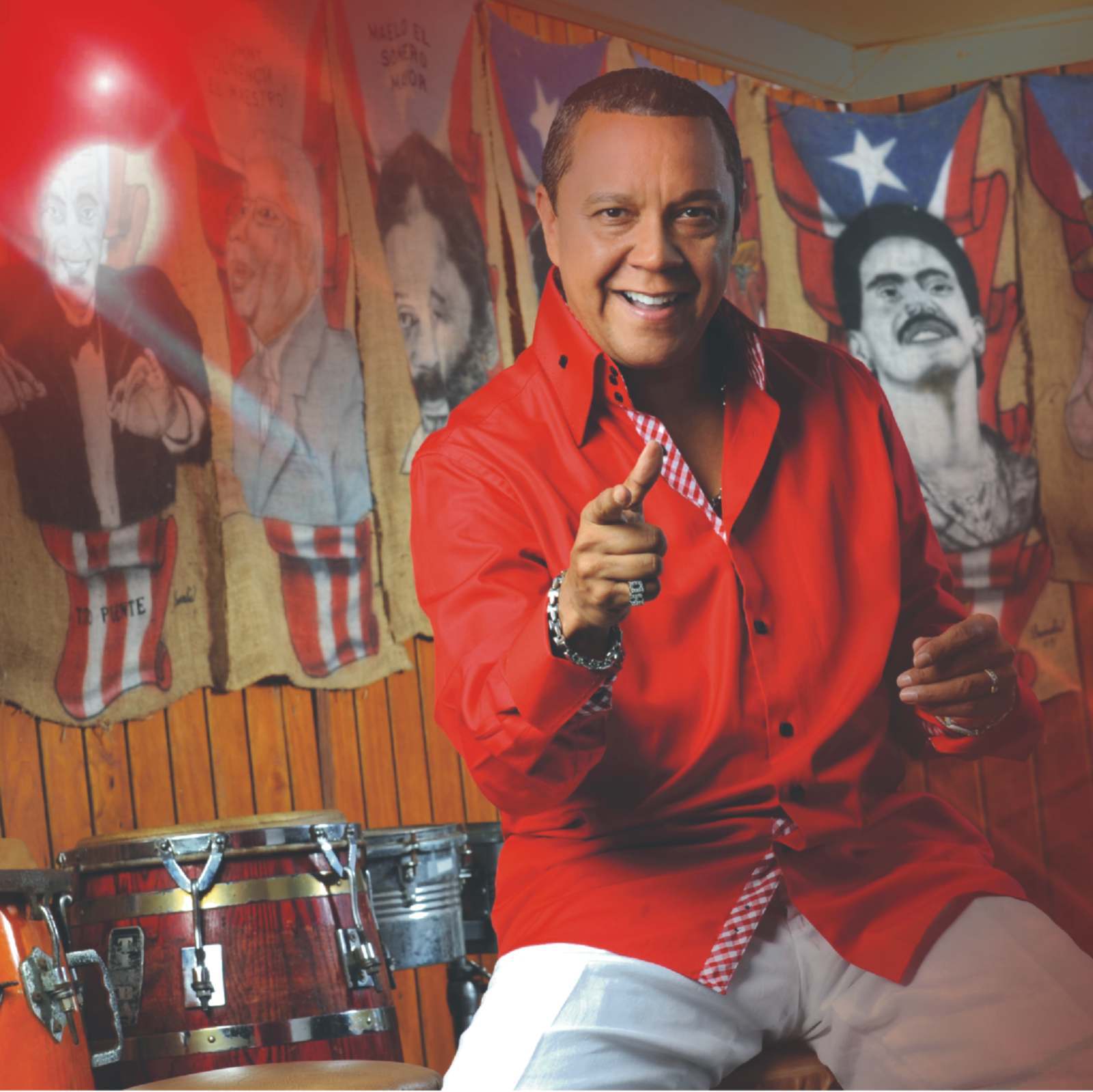
Johnny Rodríguez
Johnny Rodríguez

Later he was part of the band La Sónica, where he met his friend and trombonist Jimmy Bosch. After this he spent time with the Caramelo orchestra to later take the most important leap in his career by being part of the Conjunto Libre in 1978, where he left his voice reflected for the first time in the Incredible LP of 1981 under the direction of percussionist Manolo Oquendo and bassist Andy González, where he stands out with the theme Decídete.

In 1990, he was invited to record on the album Salsa Sudada, from the Valdesa Records label of Víctor Raúl Sánchez “Patillas” and with the musical direction of Isidro Infante, sharing vocalization with Mario Muñoz “Papaíto”, Adalberto Santiago, Eladio Peguero “Yayo El Indio” and Pablo Villanueva Branda “Melcochita”; in this work he interprets the songs La Aguja and a tribute to the city of Cali called Valle Plateado de Salsa. Later, it launched an independent project called Herman Olivera y La Exclusiva. Chequea la Mercancía.

Herman Olivera
Herman Olivera

Produced by Fernando Pastrana where the song Me Extraña Araña is one of the most outstanding. For 1997 he participates in the CD of the band Rikoson All Stars, called Evoluciones del Son, where he stands out very well in the romantic theme Aquella Noche. In 1998 he was requested by the piano teacher Eddie Palmieri and together with the vocalist Wichy Camacho they recorded the album El Rumbero del Piano, where he stands out as a singer on the songs Malagueña alerosa and Oiga mi Guaguancó.

That same year he was invited to the recording studios by the trombonist Jimmy Bosch and they released the album titled Soneando Trombón, which contains the hit Otra Oportunidad. Who plays a duet with Frankie Vázquez. On this CD also appears the song Descargarana. That same duo, Olivera and Bosch, meet the following year (1999) and produce Salsa Dura, where Herman shines performing the full Impacto Tendremos. The album also features the participation of singers Frankie “Nene” Morales and Frankie Vázquez. Parallel to this album, the RMM label launches a live CD and DVD titled Eddie Palmieri & Friend’s, where Herman looks excellent in the number Palo pa ’Rumba.

Felix Villalobos
Felix Villalobos

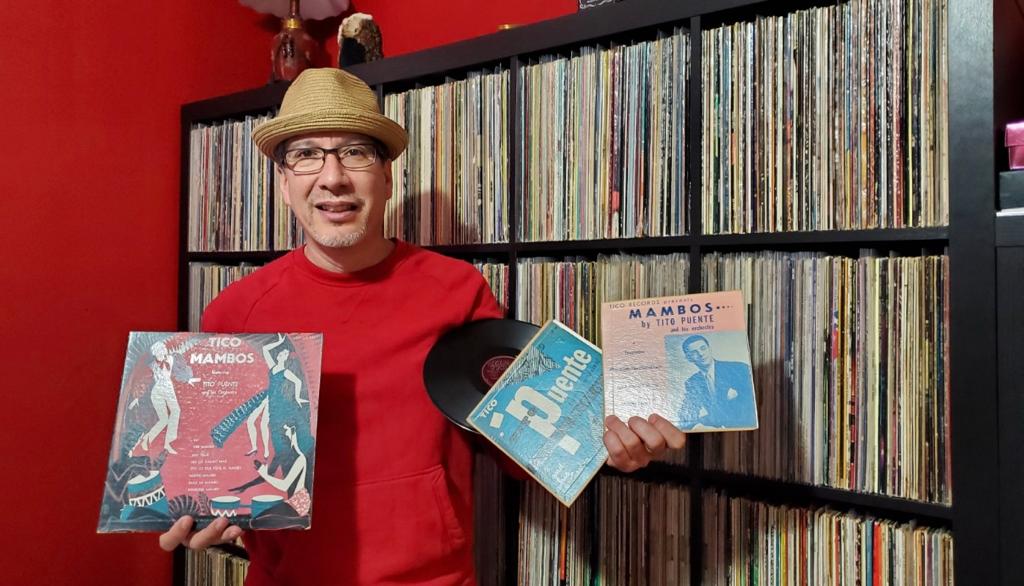
The invitation to tune in to the new Fm / Internet radio station on Live365.com continues: Salsagallery. Good music, interviews with the artists and much more… now with the participation of Felix Villalobos who joins Salsagallery Radio with a segment in which we will be talking about Music.

At the Spanish Harlem Salsa Gallery Museum we are happy to say that we are gradually returning to our activities and we will be opening the gallery sporadically. We do not stop, we continue to work for our music and we will always keep you informed through our social networks. We hope to have more news shortly and that we can return to normal soon.

Publicity
Raymond Stewart
Johnny Cruz
Correspondent
New York

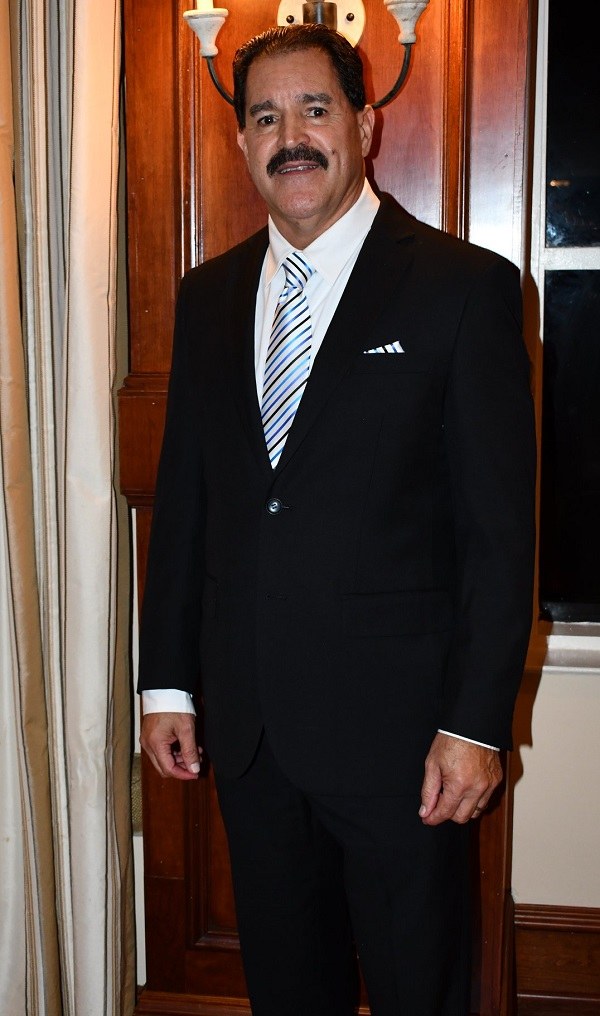
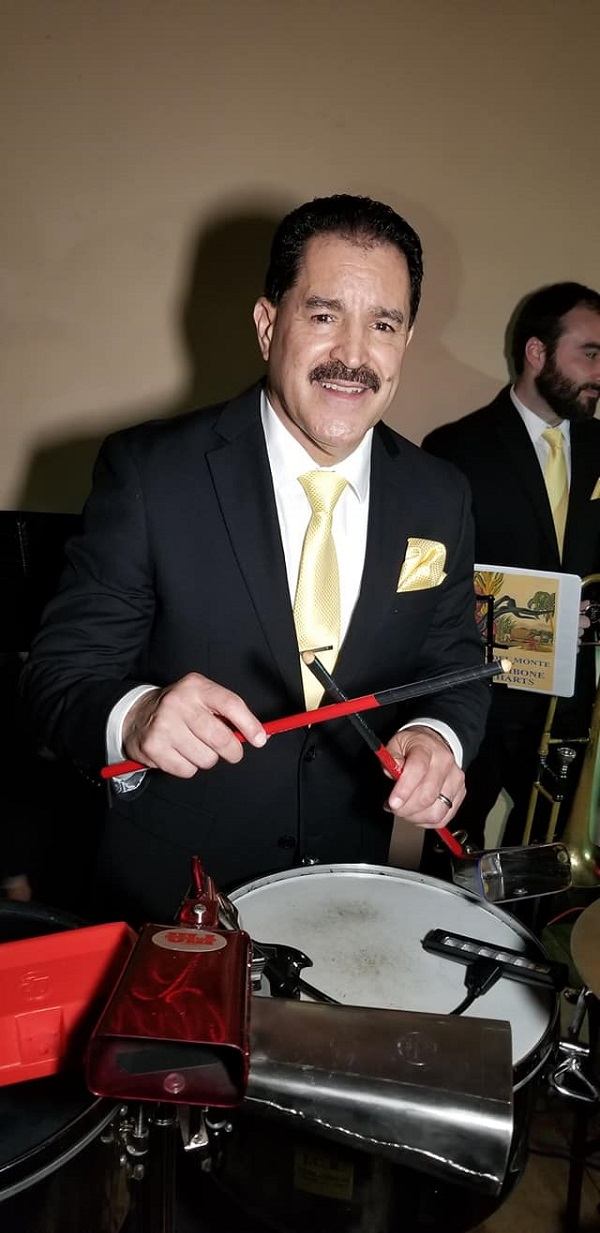
Son Del Monte’s musical director and timbalero Manuel Rivera

Who is ”Manny”

Manuel ”Manny” Rivera is the musical director and timbalero of the Son Del Monte Orchestra. We had the great opportunity to have a friendly conversation with him to know in detail his beginnings, career, groups, role as musical director, among other things.

Manuel ''Manny'' Rivera tells us his interesting story
Manuel ”Manny” Rivera tells us his interesting story

Time in the Yambú Orchestra

After apologizing for his deficits in the Spanish language, he continued by thanking us for the opportunity to tell his story and describe his time in the Yambú Orchestra, which was the first group in which he could start developing his talents in the 70’s. ”what we wanted to do at that time was make a mix between jazz with typical music because the pianist, who was of African descent, was who wrote the music with musical director and bassist Ramón Rodríguez”. It is presumed that the pianist focused a lot on these genres because of his roots, but his colleagues were fine with it.

Although he loved jazz, Manuel began to notice that it was not very danceable for the audience, which is what caused him to become interested in charanga, a genre that was already very famous in New York City in those years. That’s how he decided to immerse himself in this set of rhythms because he liked to see people go to the dance floor and enjoy themselves.

He also liked Yambú’s style a lot, but felt he had to take a more accurate path for what he was feeling at the time.

Manuel Rivera performing on stage

Similarities of Son Del Monte with other jazz big bands and members

I was a bongo player, but I started playing timbales because they are widely used in charanga. What I was looking for was to do a similar thing to what Eddie Palmieri did with La Perfecta, who used trombones and a flute mixed with timbales to achieve a charanga sound” said Rivera on this subject. He also added that ”I also wanted to avoid monotony of charanga so I also started using trombones, violin and a flute. This is what I have baptized as chajunto, a mixture of charanga with the characteristics of an ensemble (conjunto in Spanish) ”.

He also pointed out that New York does not have an orchestra like his because he did not want to do the same thing that all groups of this kind do, but something different and novel. ”Son Del Monte is charanga with something more for the people, not only violin and flutes,” said the artist. ”I have three singers with three different styles and they are Puerto Rican Luis Ayala, Colombian Armando Son Giménez and Puerto Rican-Dominican Luisito Soto Junior,” he added.

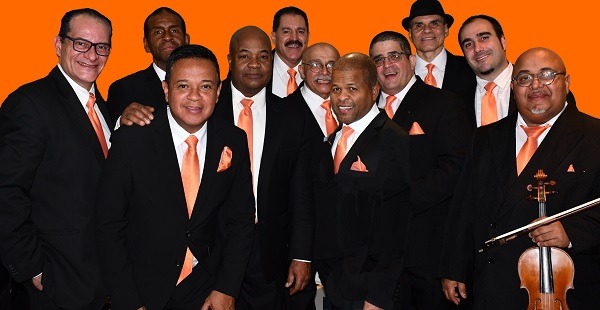
The Son Del Monte Orchestra also features from the talent of flutist Mauricio Smith Junior, violinist Erick Salazar, trombonist Juanga Lakunza, trombonist Charlie García, bassist Bert Castro, conguero Joe González, pianist Andy Colón, among others. This is the group that has stuck by his side for more than six years in spite of the storms and they always perform together.

All members of the Son Del Monte Orchestra

Opinion on the academic training of musicians

Rivera was one of the best students at Harbor’s Conservatory of Music in Manhattan, New York and he thinks that institution had done so mucho good for folk music because of all the talent that graduated there. After studying there, he began to read percussion music and learned to play batá, tumbadora, Colombian rumba, guaguancó, yambú, and so on.

The musician stresses the importance of studying, as this knowledge helps to understand the clave, the moment to start playing an instrument, the chime, the reading of music, discipline and many more. Before this, Manuel played led by the spirit and sensations, but his teachers at the conservatory taught him to have the technical tools necessary for being even more professional.

What is more important, experience or studies?

”Definitely experience. I have seen many great artists learn to read music without going to a conservatory and a great example of that is Roberto Roena, who did not need that learning to be who he was. However, that is something that not everyone can do” said Manuel. I can also mention the case of Tito Rodriguez who was not a musician guided by the lyrics, but he knew very well what he wanted. These are some of the many examples of privileged artists who only needed accumulated experience to achieve wonders with their work”.

However, this does not mean studies are not important, as they can teach things that can be useful later on and under some circumstances.

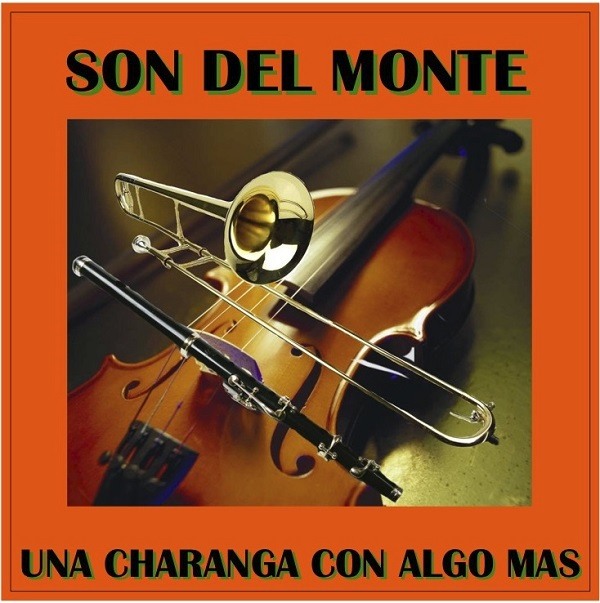
Front cover of the Son Del Monte Orchestra's album ''Una Charanga Con Algo Más''
Front cover of the Son Del Monte Orchestra’s album ”Una Charanga Con Algo Más”

Covid-19

”The pandemic did not let us do anything on stage. The guys went to the studio from time to time or we met virtually, as we do now. It was so sad because there are many venues that have failed to open their doors again. Since the pandemic started, we have not seen as much activity in New York as it used to be before” expressed the artist sadly.

Also of concern to the musical director of the Son Del Monte Orchestra is that this situation has put many musicians out of work, at least in the industry. Active musical groups have very few members in the vast majority of the cases, contrary to his and the orchestra he conducts. He hopes that it will improve with time.

Read also: Founder of the Son Latino de Orlando Orchestra Carlos Rodríguez

Christmas songs in salsa format from Puerto Rico to the world

International Salsa Magaine presents by Bella Martinez the Irreverent writer of La Salsa.

Julito Alvarado compone, arregla, produce “La marquesina”

Julito Alvarado composes, arranges, produces, complements on backing vocals and plays his trumpet on the recently released Christmas single entitled La marquesina.  For this, he invites Luisito Carrión and Prodigio Claudio to be part of the song conceptualized in a traditional septet format.  Before looking at the credits, I thought I heard Henry Santiago in the chorus singing: “Tú pones la marquesina y te traigo lo que te gusta” (You put up the marquee and I’ll bring you what you like) between pregón and pregón.   Indeed, I located his name in the credits.

In the first minute, Julito harmonizes with his characteristic trumpet solo.  At the second minute, we are treated to the Puerto Rican cuatro solo by Prodigio, shortly after Luisito Carrión brings out his commercial announcer’s voice, announcing the solo.

In addition to the above mentioned, the musicians responsible for such sonority are: Jerry Rivas and Julito Alvarado, along with Henry Santiago on backing vocals; Efraín Hernández on bass; Pedro Bermúdez on piano; Omar Hernández on timbales and bongo set; Tommy Lee Ramos on tumbadoras and Neftalí Ortiz on güiro.

Melina Almodóvar “Estamos en Navidad”

Melina Almodóvar brings us Estamos en Navidad, written by Luigi Flores, who also made the musical arrangement and played the piano.

The song starts in Melina’s voice, announcing that we are in Christmas and that a new year is coming.  “Oh, what an emotion and blessing that we are in Christmas…” she announces the good wishes chanting, between soneos: “have a lot of prosperity and that your dreams come true”.

Before the first minute, Fabiola Muñoz Ortiz’s Puerto Rican cuatro takes center stage.  During the second minute, the guest of honor adds Puerto Rican spice to the longest Christmas in the world with her Puerto Rican cuatro solo, after Melina gives way with a resounding: “Tell Fabiola, how Christmas is heard in Puerto Rico”.

Melina also sings about the coquito, the Christmas menu and everything else that might suggest a Puerto Rican Christmas in full swing.  I love the positive message, whose lyric assures us that the best is yet to come.  It is one of the few contemporary Christmas songs -if not the only one- in that line of positive and motivational inspiration, without being a religious or sacred lyric.  Anyway, the Christmas salsa song is great. It is very tasty.

The musicians responsible for accompanying Melina on this recording are as follows:  Alex Zapata on trombones, Daniel Silva on bass, Caliche Sabogal on all percussion, our beloved musical genius -Luis Aquino- on trumpets. Henry García, Melina Almodóvar and Ángel Vallenilla complement from the choirs.

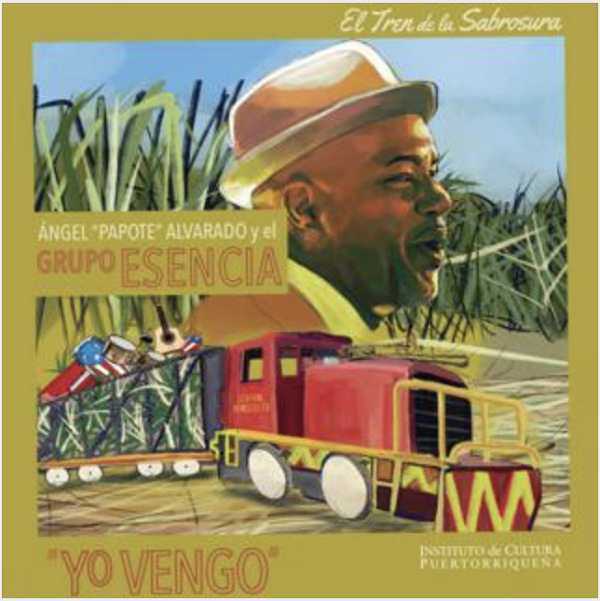
Ángel “Papote” Alvarado y su Grupo Esencia “Yo vengo”

Angel “Papote” Alvarado and his Grupo Esencia bring us the single entitled Yo vengo.  The song takes off and “takes a trip” from the first bars, affirming with forcefulness between trombones and tambourines: “I come from a truly powerful race, very deep roots and unparalleled culture”.  The pen and accordion of Ricky Martinez affirm in the voice of Papote: “My homeland is a jewel and in the world is unique, my people and my flag, are national treasure …” declaring patriotic pride and cultural responsibility, between soneos that embrace the chorus: “I come, I come, I come …”.

Motivating to move forward with the well known “pa’ lante boricua”, an honorable mention is given by saying a musical farewell to the late plenero Tito Matos, shortly before José Eduardo embellishes the theme with his Puerto Rican cuatro, so present during the Christmas season.  This is the song that awakens Puerto Rican patriotism and motivates it to flourish.

Statements like: “how happy I feel with my flag held high” and “Puerto Rico my homeland, the queen of my loves, for its people and my people, the most beautiful of flowers” while listening to the brothers Toñito and Victor Vazquez guapear with their trombones; synchronize our hearts to the rhythm of patriotic pride that only the Puerto Rican Afro-Caribbean essence understands.

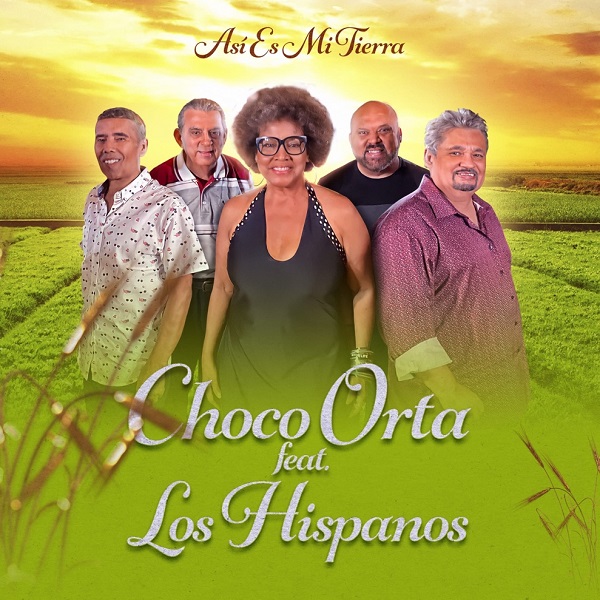
Choco Orta  “Asi es mi Tierra”

In keeping with the Puerto Rican concept of celebrating Christmas as early as September, as soon as the gentle breezes of our tropical Christmas season begin to be felt, Choco Orta released this Christmas classic. From the pen of our own Gloria Gonzalez, Choco Orta produced, directed and released this all-time hit.

It is worth mentioning that this song has already consolidated as a classic, originally popularized by the quartet Los Hispanos. In this way, Choco celebrates with Los Hispanos the 70th anniversary of the longest running quartet in existence, in addition to his 35 years of artistic career.

Choco Orta considers the Los Hispanos quartet “one of the great pearls and treasures of our Puerto Rican soil.  Currently, the members of the Los Hispanos quartet are Wisón Torres, Tato Díaz, Rafy Torres and Nino Segara.

For the production of this single, Choco had the collaboration of Nino Segarra in the arrangement, musical direction and keyboards. Musicians of the stature of Julio Loyola on trumpets; Moisés Cancel on trombones; Hilton Mercado on baritone saxophone; Ceferino Cabán on piano; Alexis Pérez on bass; Manny Trinidad on cuatro and guitar and Javier Tito Álvarez on tumbadoras, bongo and timbales delivered such perfection.

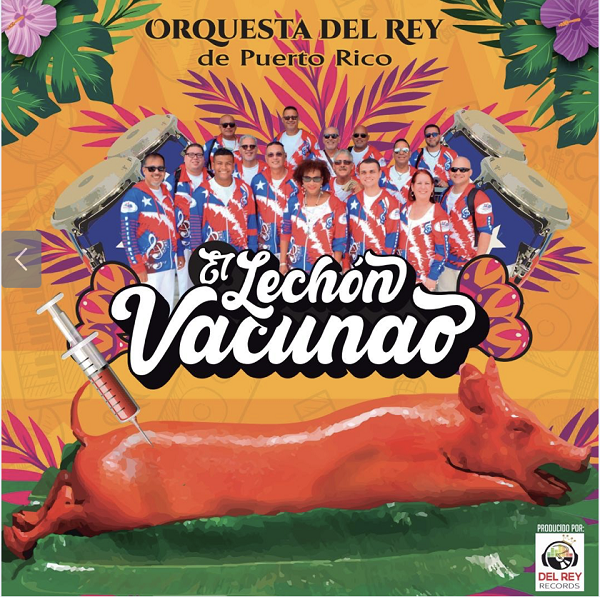
La Orquesta del Rey de Puerto Rico “El lechón vacunao”

The Orquesta del Rey de Puerto Rico brings us El lechón vacunao, from the pen of Miguel García. The composer manages to inject jocularity into the return of the Puerto Rican Christmas celebration with all the trappings of the law, after having been inhibited from celebrating Christmas in person because of COVID-19.

Néstor Ramos Zavala interprets the nice song.  He is accompanied by: Michael Colón and David Irurita on trombones; Harel Orengo, José Claudio and Eduardo Alvelo on trumpets; Juan Ramos on bongo; Gary Rodríguez on tumbadoras; Javier González on timbal; Benjamín Vázquez on bass; Sebastián Alicea on piano; Israel Santana on Puerto Rican cuatro; Cándido Reyes on güiro; Millie Smith, Luis Martínez and Jorge Agosto on backing vocals; Ezequiel Colón is the voice of Don Seco.


By Bella Martinez, ISM Correspondents, San Juan, Puerto Rico

  • « Go to Previous Page
  • Page 1
  • Interim pages omitted …
  • Page 5
  • Page 6
  • Page 7
  • Page 8
  • Page 9
  • Interim pages omitted …
  • Page 11
  • Go to Next Page »

International Salsa Magazine (ISM) is a monthly publication about Salsa activities around the world, that has been publishing since 2007. It is a world network of volunteers coordinated by ISM Magazine. We are working to strengthen all the events by working together.