• Skip to primary navigation
  • Skip to main content

International Salsa Magazine

  • Home
  • Previous editions
    • 2025
      • ISM / November 2025
      • ISM / October 2025
      • ISM / September 2025
      • ISM / August 2025
      • ISM / July 2025
      • ISM / June 2025
      • ISM / May2025
      • ISM / April 2025
      • ISM / March 2025
      • ISM / February 2025
      • ISM / January 2025
    • 2024
      • ISM / December 2024
      • ISM / November 2024
      • ISM / October 2024
      • ISM / September 2024
      • ISM / August 2024
      • ISM / July 2024
      • ISM / June 2024
      • ISM / May 2024
      • ISM / April 2024
      • ISM / March 2024
      • ISM / February 2024
      • ISM / January 2024
    • 2023
      • ISM / December 2023
      • ISM / November 2023
      • ISM / October 2023
      • ISM – September 2023
      • ISM – August 2023
      • ISM July 2023
      • ISM Edition June 2023
      • ISM – May 2023
      • ISM April 2023
      • ISM March 2023
      • ISM February 2023
      • ISM January 2023
    • 2022
      • ISM December 2022
      • ISM November 2022
      • ISM October 2022
      • ISM September 2022
      • ISM August 2022
      • ISM July 2022
      • ISM June 2022
      • ISM May 2022
      • ISM February 2022
      • ISM January 2022
    • 2021
      • ISM December 2021
      • ISM November 2021
      • ISM October – 2021
      • ISM September 2021
      • ISM August 2021
      • ISM July 2021
      • ISM May 2021
      • ISM April 2021
      • ISM June 2021
      • ISM March 2021
      • ISM February 2021
      • ISM January 2021
    • 2020
      • ISM December 2020
      • ISM November 2020
      • ISM October 2020
      • ISM September 2020
      • ISM August 2020
      • ISM July 2020
      • ISM June 2020
      • ISM May 2020
      • ISM April 2020
      • ISM March 2020
      • ISM February 2020
      • ISM January 2020
    • 2019
      • ISM December 2019
      • ISM November 2019
      • ISM October 2019
      • ISM Septembre 2019
      • ISM August 2019
      • ISM July 2019
      • ISM June 2019
      • ISM May 2019
      • ISM April 2019
      • ISM March 2019
      • ISM February 2019
      • ISM January 2019
    • 2018
      • ISM December 2018
      • ISM November 2018
      • ISM October 2018
      • ISM September 2018
      • ISM August 2018
      • ISM July 2018
      • ISM June 2018
      • ISM May 2018
      • ISM April 2018
      • ISM March 2018
      • ISM February 2018
      • ISM January 2018
    • 2017
      • ISM December 2017
      • ISM November 2017
      • ISM October 2017
      • ISM September 2017
      • ISM August 2017
      • ISM July 2017
      • ISM June 2017
      • ISM May 2017
      • ISM April 2017
  • Download Salsa App
    • Android
    • Apple
  • Spanish

Search Results for: Willie Colón

Jimmie Morales a conguero for the history of Afro-Caribbean music

Jimmie Morales was born in Bridgeport, Connecticut to Puerto Rican parents

Jimmie Morales was born in Bridgeport, Connecticut to Puerto Rican parents.

He spent his early childhood listening to American popular music on the radio, and it wasn’t until 1967, when his family moved to Puerto Rico, that he became fascinated with Caribbean music, especially the salsa genre.

Jimmie’s first foray into music was with the guitar, but his father gave him a bell and, later, a conga drum that would become his main artistic fascination.

He learned of his interest by listening to Cuban, Puerto Rican and New York salsa records; also to congueros such as Milton Cardona, Eddie Montalvo, Patato Valdés, Cándido Camero, Mongo Santamaría, Johnny Rodríguez and his favorite: the late Ray Barretto.

In a very short time, he found himself making inroads with local bands, and sharing his talent with the renowned singer Tito Allen.

Jimmie Morales' memoirs Mr. Slap
Jimmie Morales Mr. Slap

Jimmie Morales and his experience with Willie Rosario

In 1978, Jimmie joined the popular rhythmic band of maestro Willie Rosario, and for eight years obtained what he considers his best formal training in the music industry.

Concurrently, he began an impressive career as a top-level studio musician, achieving outstanding participation in performances by the most important artists of the salsa genre, including Marc Anthony, Gilberto Santa Rosa, Roberto Roena, Oscar D’León, Lalo Rodríguez, Eddie Santiago and Frankie Ruiz, with whom he collaborated on each and every one of his solo recordings.

The sound of this great percussionist, his impeccable rhythm and his solid accompaniment defined him and have placed him convincingly as one of the most influential congueros of the last 30 years.

As if that were not enough, this talented conguero enjoys the genuine respect and appreciation of the Puerto Rican people and salsa connoisseurs worldwide
Jimmie has also accompanied great artists such as Willie Colón, Ismael Miranda, Tito Nieves, Juan Luis Guerra, Grupo Niche and Jerry Rivera

Trajectory with Gilberto Santa Rosa

In 1986, he joined a young Gilberto Santa Rosa, who had left Mr. Willie Rosario’s band to become the most prolific salsa singer in the last 25 years.

Since then he has traveled throughout the Americas, Europe, Japan, Taiwan and South America offering percussion workshops and accompanying different artists in a consistent and successful career as a percussionist. Jimmie Morales has also accompanied great artists such as Willie Colón, Ismael Miranda, Tito Nieves, Juan Luis Guerra, Grupo Niche and Jerry Rivera, among others.

He is currently promoting his line of congas sponsored by the Remo Company. As if that were not enough, this talented conguero enjoys the genuine respect and appreciation of the Puerto Rican and Latin American people. His humility, his affable treatment and his charisma, together with his musical virtuosity, make him worthy of an indisputable place in the history of salsa.

In 1986, he joined a young Gilberto Santa Rosa, who had left Mr. Willie Rosario's band to become the most prolific salsa singer in the last 25 years.
Jimmie Morales is currently promoting his conga line sponsored by the Remo Company

Since then, he has traveled throughout the American continent, Europe, Japan, Taiwan and South America offering percussion workshops and accompanying different artists in a consistent and successful career as a percussionist.

Jimmie has also accompanied great artists such as Willie Colón, Ismael Miranda, Tito Nieves, Juan Luis Guerra, Grupo Niche and Jerry Rivera, among others. He is currently promoting his line of congas sponsored by the Remo Company.

As if that were not enough, this talented conguero enjoys the genuine respect and appreciation of the Puerto Rican people and of salsa connoisseurs worldwide. His humility, his affable treatment and his charisma, together with his musical virtuosity, make him worthy of an indisputable place in the history of salsa.

A conguero for history Jimmie Morales’ memoirs

“Mr. Slap”       

Bella Martínez (Author)

That originality of Willie Rosario must have influenced Jimmie's impeccable style.
Jimmie paid for the luck that accompanied him at that crucial moment with an immense dose of vocation.

When all the congueros were imitating the king of the hard hands, Ray Barreto, Jimmie manages without intending to be the one chosen by the master Willie Rosario to accompany with the conga the tuning that Rosario had already established.

That Willie Rosario originality must have influenced Jimmie’s impeccable style.

Let’s not forget that when all timbaleros were imitating maestro Tito Puente, that irreverent coameño – maestro of maestros Willie Rosario knew how to be original.

Jimmie repaid the fate that accompanied him at that crucial moment with an immense dose of vocation.

And that stroke of luck in the leather didn’t manage to erase the humility of his being.

I invite you to read what I have managed to compile about Jimmie Morales, whom, with your authorization, I show in this work that pretends to be a summary of the life and work of this incredible musician.

Here you will also see that in spite of his perennial shy smile, his hands of stone do not give a break nor allow tropical music to ignore his monumental influence.

Jimmie, the human being who communicates through the leather of his conga, presents us with the musical strength he continues to share with the world. I am deeply grateful for the introspection and candor of his testimony.

I recognize that I am fortunate that Jimmie has agreed to give me part of his voice and to perpetuate this story. I insist that it was a sin not to share this legacy before, but now it was Mister Slap who beat the drum.


Home

Salsa as a reflect of social inequality

Salsa is more than a musical genre

Salsa is only viewed as a musical genre of Latin American origin that relates to Spain in the wrong way for many people, but it is much more than this. In the same way, we can talk about salsa as a set of Caribbean rhythms and styles amongst which we can find mambo, rumba, guaracha, among others. Nowadays, both definitions are now known to encompass everything salsa means in terms of culture in the Latin world.

Well, turns out salsa went far beyond serving as a type of music to become a cultural and even political phenomenon that played a very important role at momentous points in public life in many Latin countries.

How salsa social movement began

Salsa as a social movement ans its artists
Willie Colon playing the trumpet

As soon as the Cuban Revolution was concrete, the island was gradually isolating itself from the rest of the world in many of the areas of life, especially the artsy one. This resulted in that many local artists were forced to leave their country and relocate to New York, United States. It was there that all these exponents of the aforementioned genre began to work in innovative ways and give new life to this music, thus leading to a number of changes that would transform salsa forever.

One of the most important changes was the fact that music was no longer confined to smart ball-rooms. Now it does too in the corners where you can see the misery in which a significant percentage of the population lives. At these times, the aim was not only to achieve the greatest number of attendees possible, but to achieve those who needed to feel connected to these rhythms.

That audience was composed of Latino neighborhood residents, who were desperate to find any artistic expression capable of reflecting their everyday problems. In this sense, salsa has become a powerful tool of protest against the very poor economic, political and social situation for which Latinos were going through. One of its greatest exponents has been Ruben Blades with songs such as Prohibido Olvidar, Pueblo Latino, and Tiburon. These musical themes are an open critic to governments of all ideological tendencies reneged on promises to the people.

Salsa culture and salsa as part of Latin American identity

Salsa and social inequality
A couple dancing salsa

When we analyze thoroughly the origins of salsa and the most famous artists of this genre, it is not difficult to understand why it has been so successful in the greater share of Latin America. These artistic expressions of this type are the ones that can put into words the feelings experienced by those who wish to create an identity and bring about solid political thoughts. We mention the word identity because it refers to the way we perceive ourselves and we see our traditions and the story behind us.

A large part of the story is related by salsa, which has become a popular life expression as an unambigous reflection of the typical traditions and customs of the Caribbean countries. In the same way, this genre lets us view the experiences, happiness and sadness of those who identify with its lyrics.

Salsa is a clear demonstration that arts are not always disconnected from the feelings of the majority but, on the contrary, it can be a true reflection of what people dream, think and feel from each chapter of history.

Home

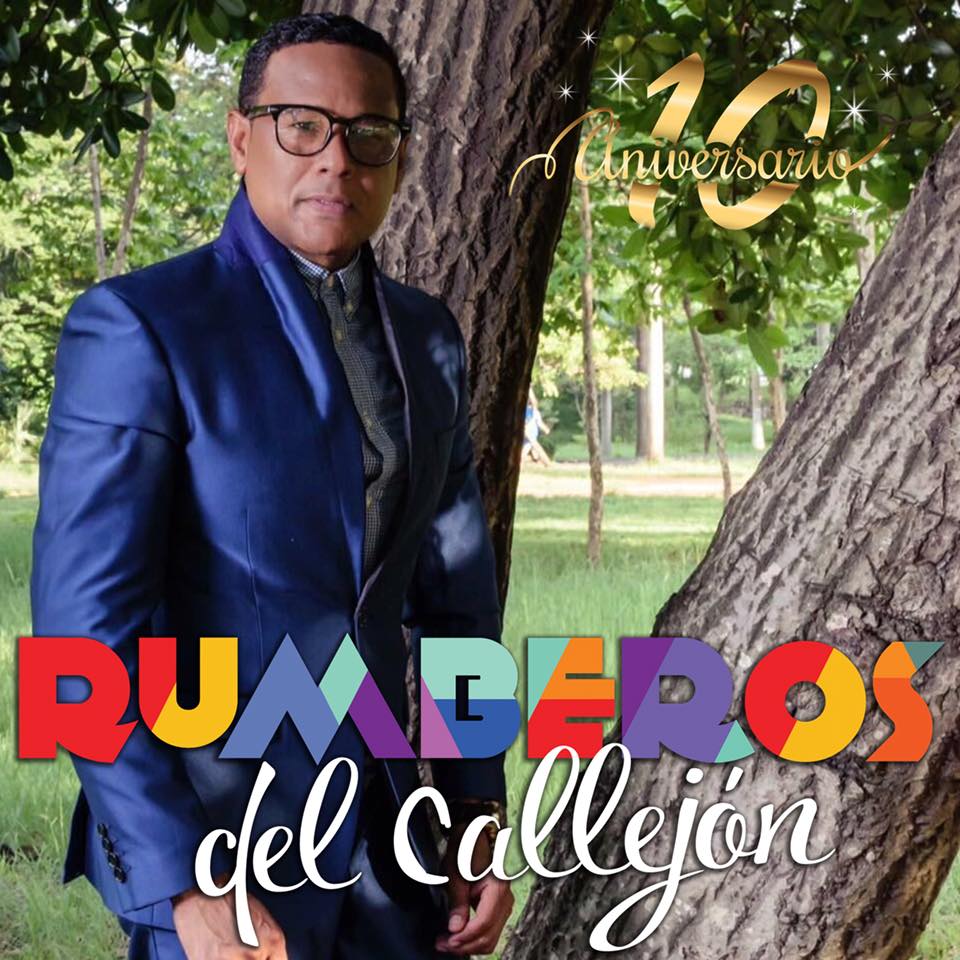
Rumberos del Callejón

North America / USA

Rumberos del Callejón “Celebrando” The Salsera Culture

After 11 years of trajectory, Rumberos del Callejón return with their third record label “Celebrando” for Salseros lovers from all continents. An album that since its inception has gained great acceptance by the public knowledgeable of this Tropical genre.

Logo - Rumberos del Callejón
Logo – Rumberos del Callejón
Rumberos del Callejón with the saxohone artist

“Celebrando” will feature several unpublished tracks that highlight the evolution of this orchestra created in Caracas – Venezuela in 2007. These singles will be interpreted mostly by guest artists of the current movement, internationally recognized for their extensive and successful musical career.

Rumberos del Callejón

Celebrando will have a modern and emblematic sound effect, since it has the outstanding voices of: Tito Nieves, Maelo Ruiz, Gilberto Santa Rosa, Domingo Quiñonez, Sixto Yorente “El Indio”, Luis Fernando Borjas, Wilmer Lozano and with the already prestigious vocal harmonies, members of this musical group: Rodrigo Mendoza, Gonzalo Díaz, Angelito Vallenilla, Memo Arroyave and their new musical bet, the young singer, Veruzka Verdú.

Wilmer - Rumberos del Callejón
Wilmer – Rumberos del Callejón

This group that owes its name to the San Pedro alley located in the popular Catia area, west of the Venezuelan Capital managed to obtain the collaboration of these international guest artists on their album not only thanks to the current avant-garde technology, but also to the printed constancy and always present in the director Carlitos Padrón, who took up the challenge with his father Carlos Padrón (founder of the orchestra) to produce “Celebrando”, which also had the privileged pens in the composition of the songs by Rodrigo Mendoza and Angelito Vallenilla.

Veruzca Verdu - Rumberos del Callejón
Veruzca Verdu – Rumberos del Callejón

“ For me Salsa is a way of life. It’s passion and culture. Carlitos Padrón “

This album with almost 4 years of production was recorded in the main cities of the American continent: Caracas, Santo Domingo, Cuba, Miami, Orlando and mainly in the recording studio “Chongo Records” belonging to the director, founder, composer and percussionist of the band, Carlitos Padrón, in New York.

Gilberto Santa Rosa - Rumberos del Callejón
Gilberto Santa Rosa – Rumberos del Callejón

“Celebrando” has the participation of important Venezuelan arrangers of the tropical genre, such as: Alberto Crespo and Willie Melo, who along with Carlitos Padrón took care of all the sound material of the production to get to the music market with a lot of “modernism and melao”, commented Carlitos Padrón. Currently, Celebrando is in the final phase of remastering and mixing so that dancers from the 5 continents are able to enjoy this new record proposal that Rumberos del Callejón will offer them soon.

“… We have international guests of great trajectory, which are a bit difficult to get but with the Grace of God, today, I think we have an Artwork”. Carlitos Padrón

Check List - Rumberos del Callejón
Check List – Rumberos del Callejón

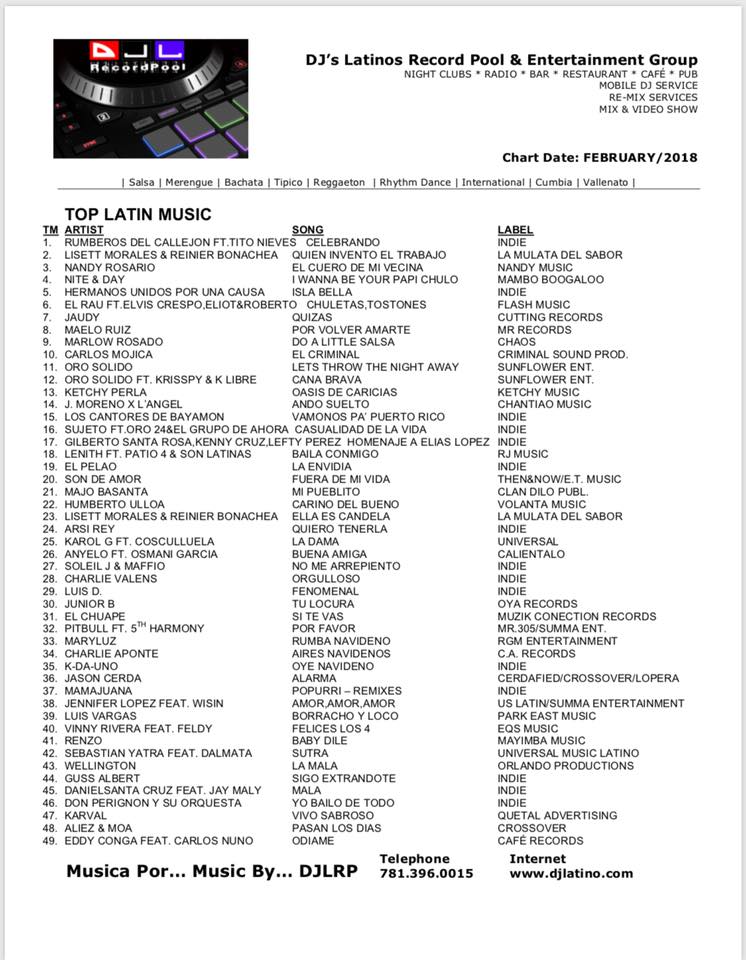
Recently, “Celebrando” whose name also titles the album, was the first single released by the group in November 2017 on all digital platforms and radio stations worldwide, and which last February managed to reach # 1 on the DJs chart.

The theme “Celebrando” has the participation of the Salsero Puerto Rican singer, Tito Nieves and the composition of the Venezuelan Angelito Vallenilla. The musical performance was in charge of the excellent Latin American musicians:

José Tabares (bass), Carlitos Padrón (Timbal), Alberto Crespo (piano), Marc Quiñones (conga), Bobby Allende (bongó), Manuel Maneco Ruiz (trumpets), Pablo Santaella (trombone), José Antonio Fariñas Gutiérrez (baritone), and in the choir: Rodrigo Mendoza, Leo Gruber, Wilmer Lozano and Angelito Vallenilla.

With this third record production product of the celebration of their 10th Anniversary, Rumberos del Callejón, hope to take their music to every corner on the planet and continue betting on the support and integration of new generations in salsa music.

Angelito Vallenilla - Rumberos del Callejón
Angelito Vallenilla – Rumberos del Callejón

“For me, the biggest success is to be able to say that I have in my production the biggest salsa singers of today, nationally and internationally.” Carlitos Padrón

Rumberos del Callejón’s Discography:

In order to rescue the golden age of Salsa in the 70s, 80s and 90s, the Orchestra Rumberos del Callejón was created with a total of 13 members at the beginning, currently, they are 12 members. Their great musical proposal was captured in their first record production titled “De la Nada” (2008) under the label Callejón Música. This album is composed of 11 songs, including: Aquí Se Puede, Pa ‘Lante Otra Vez, Chechere Guma by Justi Barreto, among many others.

Rumberos del Callejón - Se Acabo el Silencio
Rumberos del Callejón – Se Acabo el Silencio

After 4 years, they release their second album “Construyendo” (2012) with such emblematic songs as “Cuando te toque llorar” by Puerto Rican balladeer José Feliciano, likewise, the production of “Constuyendo” was in charge of the director, timbalero and composer, Carlitos Padrón with arrangements made by the renowned Puerto Rican producer, Ramón Sánchez.

Rumberos del Callejón - de la nada
Rumberos del Callejón – de la nada

And Finally, for the musical performance Padrón decided to gather the best musicians from the NY area: Isidro Infante (Piano), José Tabares (Bass), Pablo Santaella (Trombone), Ray Colón (Bongó), Nelsón Jaime “Gazú” (Trumpet) , Manuel Ruiz (Trumpet), Iván Renta (Saxo Baritone) and Robert Quintero (Congas).

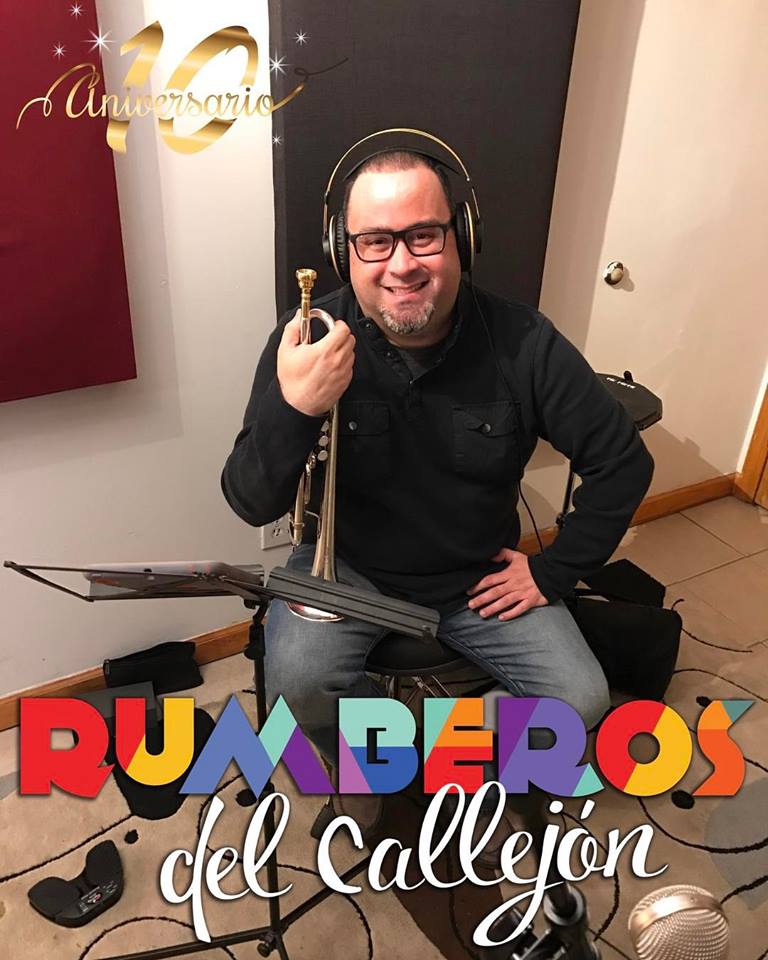
Trumpet Artist - Rumberos del Callejón
Trumpet Artist – Rumberos del Callejón

For more information, follow them at:

  • Facebook: https://www.facebook.com/pg/rumberosdelcallejon1
  • Instagram: @rumberos_del_callejon
  • The Official Accounts on YouTube and Soundcloud: Rumberos del Callejón.
Rumberos del Callejón

Betty Zapata ¨The Lady of Salsa¨

Latin America / Venezuela / Caracas

In Venezuela, Caracas, the neighborhood is a way of life with its own identity. The neighborhoods of the entire National Territory, its inhabitants, become outstanding characters. Such is the case of Betty Zapata who was born in the emblematic La Pastora Parish located in the Capital (Caracas). There he spends his childhood in a neighborhood of colonial and historical houses of Venezuela.

Betty Zapata ¨The Lady of Salsa¨

There are many memories of that legendary Zone, they are inevitably built by those associated with survival, preparation, development, work, love, struggle and family formation, its magic and what marked it for life… . “Music”.

My connection with music is due in part to the fact that I live in a popular area where the music that was heard was Afro-Caribbean (mostly Salsa), the parties or meetings in my house and the neighborhood were always enlivened by that type of music, the most rooted and sticky collectively, originating the most varied dancers.

In the Carnestolendas festivities, improvised platforms (Templetes) were installed to stage the most varied costume and dance contests. Leaving my childhood and beginning my adolescent stage, I participated in dance competitions, obtaining recognition and prizes that were awarded to the young people of my generation.

I attended festive celebrations (dance meetings) with my older sisters at the age of 12, not because I was a dancer, but to not leave me alone, since I was the youngest of 3 sisters, this allowed me to share with people older than me and which I was learning the different dance styles “remembering with great affection the Cayender family, made up of excellent dancers” they are part of my school and love for dance. My cadence, flavor and body movement also allowed me to learn until I had my own dance style.

The music of the moment was the Danzones, Billo’s, Melodicos and in my house my sisters listened in the 70’s to Joe Cuba, Ricardo Rey and Bobby Cruz, Eddie Palmieri, the Latin Dimension prevails, Grupo Mango, Salsa Mayor, La Banda and his Young Sauce. That stuck with me forever and I felt drawn to Salsa.

That gave me the basis to fully incorporate myself into the exciting world of music. In the Barrio salsa is something essential, if you don’t dance it, enjoy it, feel it, you’re nothing.

Attending a meeting, an event, a concert, a presentation, a party or a meeting and there is no salsa, you feel an emptiness since with it we enjoy, we share, we dance and it definitely puts us to enjoy.

Photo - Betty Zapata ¨The Lady of Salsa¨
Photo – Betty Zapata ¨The Lady of Salsa¨

In the course of my 6 decades of existence, I have not ceased to be linked to it in different facets: as an audience, spectator, guest, contestant, jury, organizer, producer and director of events.

Each of these participations has allowed me to stand out, stand out and be a well-known, popular and loved person, a reference in the organization of a good party, night events, presentations of representative groups of the world of Salsa such as:

Ray de La Paz, Herman Olivera, Frankie Vásquez, Bobbie Valentin, Willie Rosario, Spanish Harlem Orchestra, Sonora Ponceña, La Selecta, Mulenze, Carlos Cano Estremera, Julio López, Yolandita Rivera, Mambo Legends among others, and for those from the Patio: Bailatino, Rumberos del Callejón , Ensamble La Calle, Albondiga y su Pandilla, Repicao, Tributo, On Fire, La áquina de la Salsa, La Negramenta, Gerardo Rosales, Javier Plaza’s Son Risa Orchestra among others.

This has allowed me to be an obligatory reference when it comes to producing and making an event of great importance and musical quality where the Dancing Public is respected and appreciated, providing them with the comforts to enjoy an excellent show and Latin music is seen as an element of identity that belongs to all of us to live it and feel it.

I am (Betty Zapata) currently planning and developing projects in the short, medium and long term and to give you a heads-up I am giving you the scoop: I am here with my radio program to promote, support, disseminate and promote our exciting and magical world of Caribbean music.

19va Entrega Anual de los Latin Grammy

North America / USA / Las Vegas

19th Annual Latin Grammy Awards. The most important award ceremony of the Latin American Music Industry will be held for the fourth time in Las Vegas, Nevada

The main international event in Spanish that brings together the best of Spanish-speaking music reaches its nineteenth live broadcast, from the MGM Grand Garden Arena in Las Vegas, Nevada for the fourth time, to reward and honor the achievements of professionals of music throughout the year. The ceremony of the 19th Latin Grammy Awards is here, and on November 15 you will be able to enjoy it through the Univisión signal for the United States and with the #LatinGrammy you will be able to follow it minute by minute during its three hours of transmission by all social networks.

19 Latin Grammy Nominaciones
The most important night of Latin music 19 Latin Grammy
Congratulations Latin Grammy Nominees

Each year the Latin Recording Academy awards recognition to Latin music in 49 categories for work recorded in two languages: Spanish and Portuguese. This prestigious institution also endorses musical genres, identifies new talent, recognizes legendary living artists, and preserves and archives both recordings and videos in order to preserve the valuable Latin American musical culture.

The global impact that Spanish-language recordings have caused this 2017-2018 has proven once again that this year each category will be close to its maximum exponential, which shows that MUSIC made by Latinos has an enormous export capacity, and further evidence that the Latin Grammy awards continue to be one of the specials with the largest audience in the country, as it integrates the largest audience of diverse generations united to witness the annual event with the greatest presence of artistic talent gathered in the same show.

FOR THIS 19TH AWARD OF THE LATIN GRAMMYS, THE NOMINEES ARE:

BEST SALSA ALBUM

  1. Dancer’s Corner

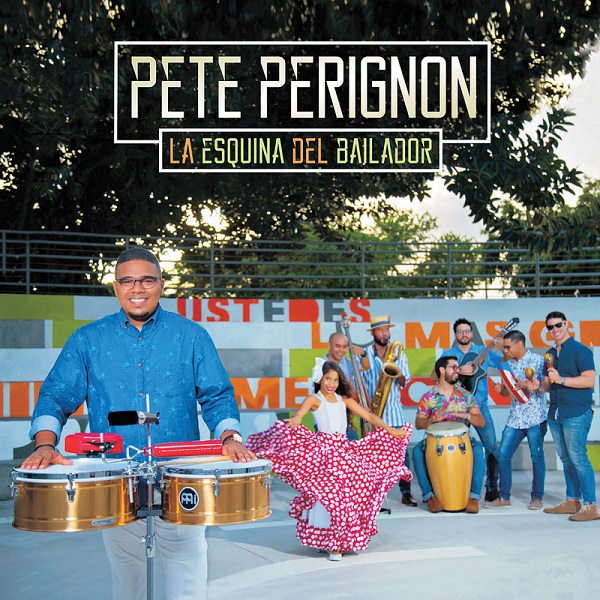
Pete perignon

Record Label: Pete Perignon Music

“La Esquina Del Bailador” is the second production by musical director and master percussionist, Pete Perignon. This album contains five unreleased singles and five re-interpretations of classics. “Gotita Falling in Key” was his first promotional theme. This album released in 2017 has versions of classics with modern arrangements such as: “De Mi Para Ti” (Bossa recorded by Tito Puente and Santos Colón), “El Beso Discreto” original from the Cuban songbook Trio Matamoros, among many other original songs and versioned

Pete Perignon
Pete Perignon
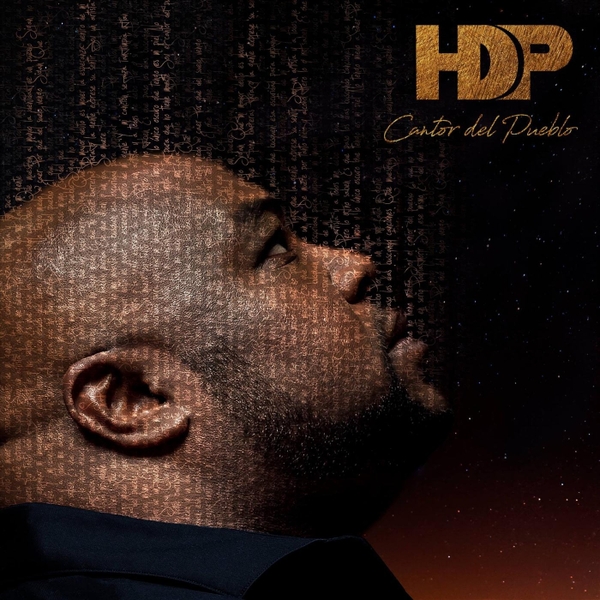
  1. Village Singer

Alexander Abreu and Havana D’ Primera

Record Label: Páfata Productions

Alexander Havana D Primera - Cantor del Pueblo
Alexander Havana D Primera – Cantor del Pueblo
  1. For My People

Charlie aponte

Record Label: CA Records Inc.

Charlie Aponte
Charlie Aponte
  1. The Sound Makers

Chiquito Team Band

Record Label: Planet Records

Chiquito Team Band - Los Creadores
Chiquito Team Band – Los Creadores
  1. 7/25

Victor Manuelle

Record Label: Sony Music Latin

Victor Manuelle y Juan Luis Guerra

BEST TRADITIONAL TROPICAL ALBUM

  1. To Me What – Tribute To The Cuban Classics

José Alberto El Canario & The Santiaguero Septet

Record Label: Los Canarios Music

In this category, the Septeto Santiaguero, originally from Cuba, is nominated for its fourth album “A Mí Qué- Tributo A Los Clásicos Cubanos”. This ensemble founded in 1995 recorded this production in the company of the Dominican interpreter José Alberto “El Canario” and other music stars. This record material has 13 Tracks and was released on May 25, 2018.

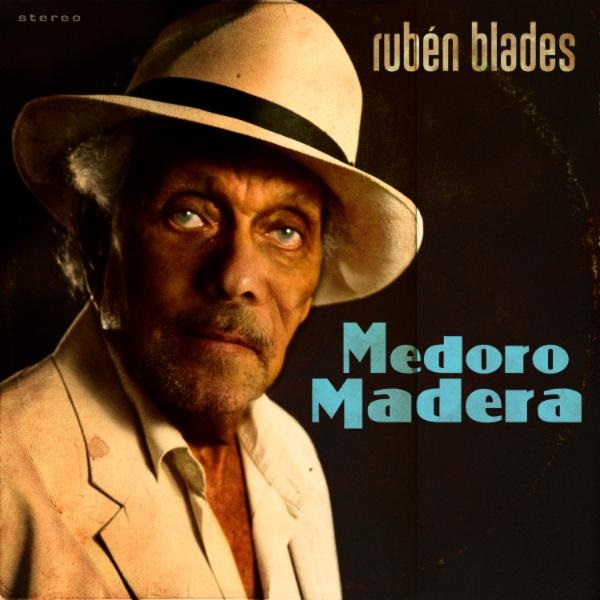
  1. Medoro Madera

Rubén Blades With Roberto Delgado and Orchestra

Record Label: Ruben Blades Productions

Medoro Madera
Medoro Madera
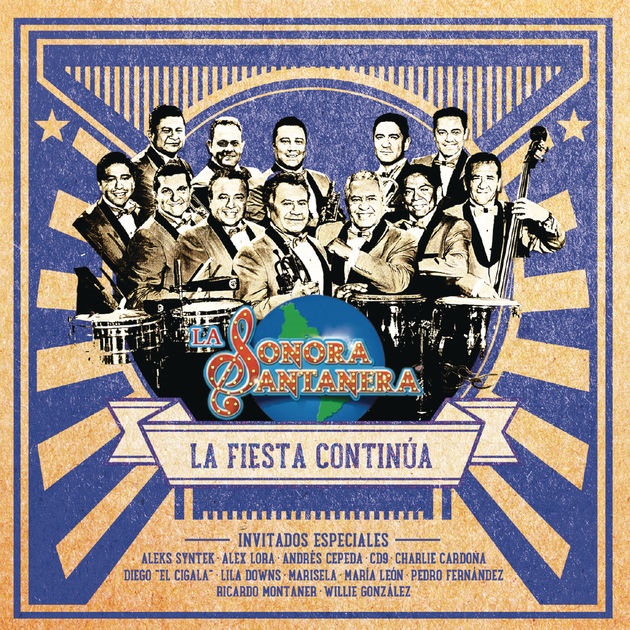
  1. The Party Continues

The Sonora Santanera

Record Label: Sony Music

Sonora Santanera
Sonora Santanera
  1. Omara Always

Omara Portuondo

Record Label: Egrem

Omara
Omara
  1. Reasons

Maria Rivas

Record Label: Angel Falls Artists Inc.

Maria Rivas
Maria Rivas

BEST TROPICAL SONG

  1. I want time

Juan Carlos Luces & Víctor Manuelle, songwriters (Víctor Manuelle Featuring Juan Luis Guerra)

Cut off: 7/25

Record Label: Sony Music Latin

Victor Manuelle 25/7

The prominent Puerto Rican singer-songwriter and producer, Víctor Manuelle, began his professional career in 1993, and to date has sold millions of records worldwide. He has earned 16 LATIN GRAMMY and GRAMMY nominations, thus establishing himself as one of the most admired artists of his generation. He has placed 46 singles on Billboard’s weekly Hot Latin Songs chart. Eleven of his albums have reached the place of honor in the Salsa genre for sales in the United States and Puerto Rico.

His hit “Imaginar” (2016) as a duo with urban artist Yandel, broke records, reaching #1 on the tropical charts thanks to his fusions of salsa with urban rhythms. In addition, it was named the most popular tropical song of that year, marking the third time that Víctor has obtained this important recognition, after his hits “Me Da Lo Mismo” and “ Tengo Ganas”.

Tonny Succar
Tonny Succar

In this 2018, Víctor celebrates his silver anniversary as a professional artist with his new record label “25/7” under the Sony Music Latin label. This album nominated for best Salsa album features collaborations with international artists, such as: Wisin, Bad Bunny, Juan Luis Guerra, Gilberto Santa Rosa and Glenn Monroig. The single “Quiero Tiempo” taken from this production is designated as one of the candidates to win the award in this important category.

  1. Marry Me

Silvestre Dangond, Nicky Jam, Juan Medina, Mauricio Rengifo & Andrés Torres, songwriters (Silvestre Dangond Featuring Nicky Jam)

Record Label: Sony Music Entertainment US Latin

Marry Me Silvestre Dangond ft Nicky Jam
  1. Fall in love dancing

Jorge Luis Piloto, songwriter (Reynier Pérez y Su Septeto Acarey Featuring Gilberto Santa Rosa)

Cut from: Fall in Love Dancing

Record Label: Independent

SEPTETO ACAREY
SEPTETO ACAREY
  1. I fall more in love with you

Jorge Luis Piloto, Jean Rodríguez & Tony Succar, songwriters (Tony Succar Featuring Jean Rodríguez)

Record Label: Unity Entertainment

  1. Simple Hearts

Fonseca, Mauricio Rengifo & Andrés Torres, songwriters (Fonseca)

Record Label: Sony Music Latin


BEST LATIN JAZZ/JAZZ ALBUM

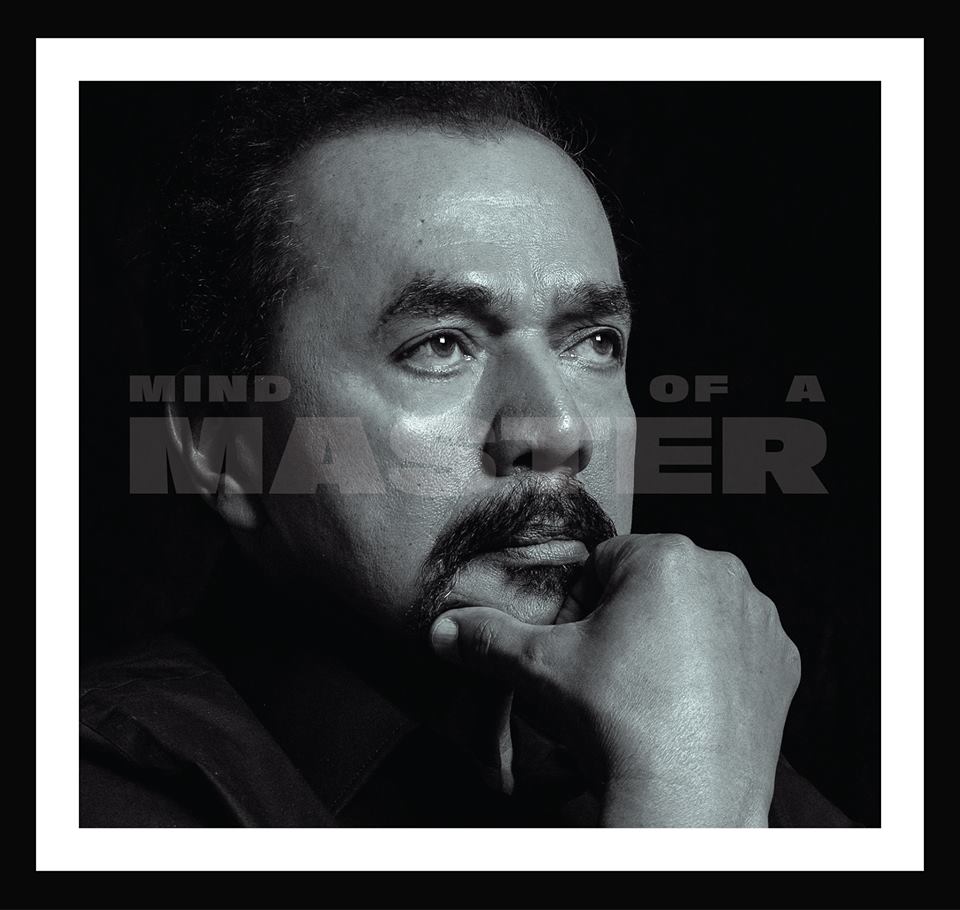
  1. Mind of a Master

Bobby Valentin & The Latin Jazzists

Record Label: Bronco Records

Bobby Valentin
Bobby Valentin
Tracks:
1. De Nuevo a la Carga 7.El Cumbanchero
2. Latin Gravy 8.Mellow Funk
3.Orocoa 9. Endless Love
4.Smooth Ride 10.Freedom
5.Blast Off 11. God Bless the Child
6. Coco Seco  


Roberto Valentin, better known as Bobby Valentin, was born on June 9, 1941 in the town of Orocovis on the island of Puerto Rico. At a very young age, Bobby learned to play the guitar thanks to the teachings of his father. At just 11 years old, he formed his first musical trio with which he won his first prize, after participating in a local competition. In 1963 Bobby Valentin joined the Tito Rodríguez orchestra traveling to Venezuela twice.

This phenomenal bass player and arranger belonged to the Fania All Stars for 20 years and also arranged music at the same time for celebrities such as: Charlie Palmieri, Joe Quijano, Willie Rosario and Ray Barretto.

In 1975 he formed his own record label “Bronco Records” and released the album, “Va a la Cárcel” Vol. 1 and Vol. 2, among others.

Over the years, Bobby has made collaborations on recordings for great artists of international fame, such as: Larry Harlow, Ismael Miranda, Roberto Roena, Cheo Feliciano and the always remembered, Celia Cruz.

Likewise, Valentin has taken over the stages performing live in the United States during this year, and more recently launched his new production “Mind of a Master”, on April 14, 2018, with which he is nominated. for this important award.

  1. The House Of A Jazz Pianist

Adrian Iaies Trio

Record Label: DBN

  1. Universal Nature

Hermeto Pascoal & Big Band

Record Label: Scubidu Music

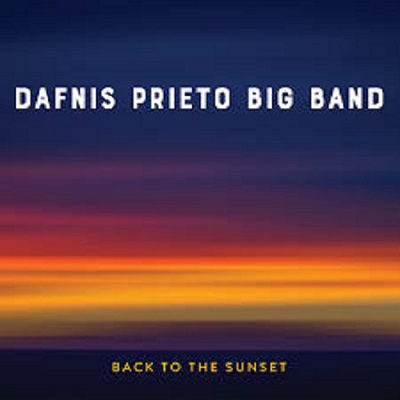
  1. Back To The Sunset

Dafnis Prieto Big Band

Record Label: Dafnison Music

PRIETO
PRIETO
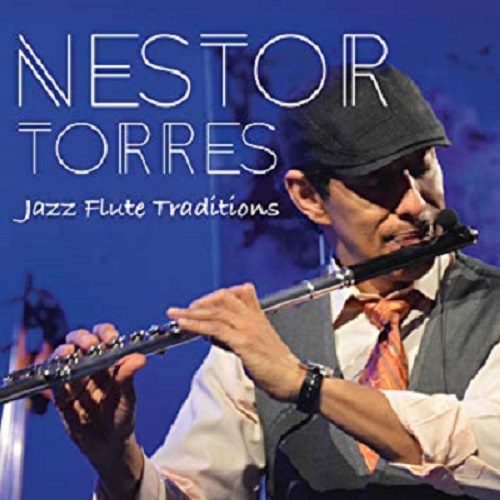
  1. Jazz Flute Traditions

Nestor Torres

Record Label: Alfi Records

Nestor Torres
Nestor Torres

For more information visit the official website of the Latin Recording Academy:

https://www.latingrammy.com/en

  • « Go to Previous Page
  • Page 1
  • Interim pages omitted …
  • Page 20
  • Page 21
  • Page 22
  • Page 23
  • Page 24
  • Interim pages omitted …
  • Page 26
  • Go to Next Page »

International Salsa Magazine (ISM) is a monthly publication about Salsa activities around the world, that has been publishing since 2007. It is a world network of volunteers coordinated by ISM Magazine. We are working to strengthen all the events by working together.