




A virtuoso musician, Luis Tata Guerra, member of a humble and hard-working family, is the last of 4 brothers, born of a musical tradition, his father played guitar, and his older brother Emerio Guerra is a guitarist in Havana.

He joined the Almendra Orchestra in 1954, performing in the best nightclubs of the island. He rehearsed with Conjunto Casino and Conjunto Arsenio Rodríguez.
In 1956 he arrived in Colombia with the Cuban Swing Orchestra, he stayed for 4 years working with the groups Sonera del Caribe and the Pepe Reyes Orchestra (Cuban singer). From there he went to Venezuela where he has lived since 1960.
Maestro Guerra has an extensive career as a musician for his activity in different groups such as: Los Melódicos, Víctor Piñero y sus Casiques, Aldemaro Romero, Chucho Sanoja, El Pavo Frank, and accompanying on percussion in Caracas Tito Rodríguez, Miguelito Valdez, Rolando Laserie, Daniel Santos, Olga Guillot, Rubén Blades, Paco de Lucia, including the Timbal King Tito Puente and many Others.
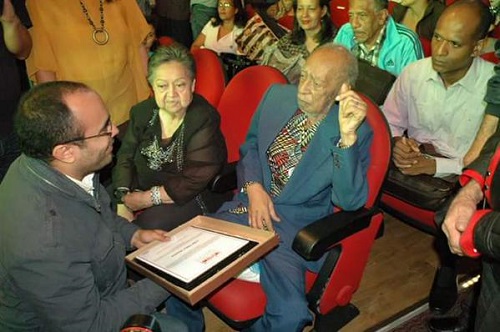
His compositions have been played in the media in Santo Domingo, Spain, Cuba, Puerto Rico, Colombia, Venezuela.
The composition “Son Matamoros” dedicated to this famous Cuban trio, was included in the movie “Salsa” with the participation of Celia Cruz, Tito Puente, Mongo Santamaria, Grupo Niche and other values. He was a member of the VTV Orchestra (channel 8) for 23 years (1965-1991).
Again in 1999, they returned to the Canary Islands for more than 2 months, in addition to performing at the fabulous The Trump Taj Mahal Casino Resort in Atlantic City, New Jersey.
He presented his program “RAICES CARIBEÑAS” on ANTV.
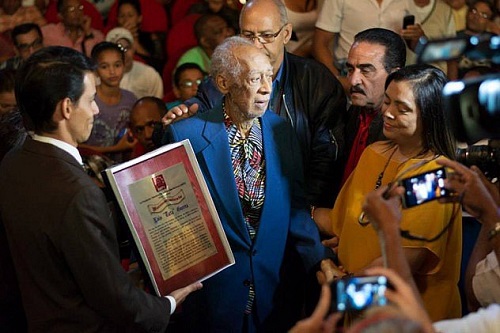
We also remember the time he shared with his compatriot Rafael “Felo” Bacallao Hernandez, who had retired from the Aragon orchestra.
With great regret we recorded on February 24, 2015, the unfortunate news of the death of Tata Guerra, four months shy of his 81st birthday, he had been suffering from an accelerated affection in his respiratory system, remaining hospitalized at the Florida Clinic in the city of Caracas, where in the early morning of that day he left us.
“When I listen to reggetón/ my heart stops/ because my thing is rumba and son”.
Read Also: Stelio Bosch Cabrujas a remarkable musician, but completely forgotten by the new generations
Source:
Por: Carlos Molano Gómez
Bogotá – Colombia
Derechos Reservados de Autor -primera publicación – 2016
Actualizado 2021.
Roberto is the author of Ray Barreto’s hit “Que viva la música”.
Roberto was born in 1938, in Cienfuegos (Cuba). He began his musical career at the age of 12, in his native province; cradle of the world famous Orquesta Aragón.
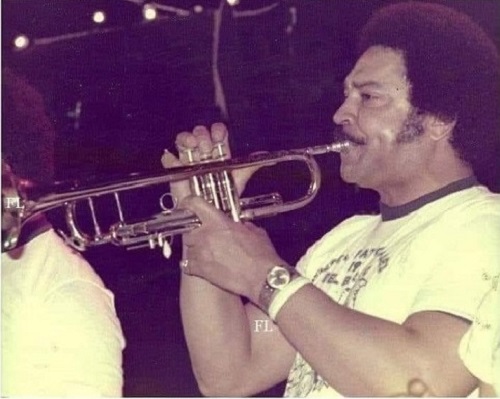
From an early age he participated in “Las Comparsas de Cuba” and with the orchestra “La Unión Fraternal de Cienfuegos”.
In 1955, he emigrated to the United States and in 1957 he married Nancy Zayas, with whom he had three sons: Roberto Jr., William and Richard.
While growing as an artist, Roberto co-founded the orchestra “Los Jóvenes Estrellas de Cuba” with his long-time friend Ernie Stairs. He later moved on to Wilfredo Figueroa’s orchestra and “Ritmo Swing”.
In 1965, Roberto was recommended to Ray Barreto by Eddie Martinez. Eddie was a pianist for both the TataVazquez and Ray Barretto orchestras.
His performance as first trumpet soloist was extraordinary. While in Ray’s orchestra, Roberto composed several famous songs such as: “Yo Soy La Candela”, “Fuego y Pa’Lante”, “Invitación al Son”, “Cienfuegos, Perla del Sur”, “Se Traba”, “El Tiempo lo Dirá”, “O’Elefante”, and the worldwide hit: “Que Viva la Música”.

In 1972, Roberto became a member of the Fania All-Stars as first trumpet and soloist. The documentary “Our Latin Thing” launched Roberto along with the other members of the All-Stars to international fame.
On August 26, 1971 New York City gave birth to a sound that would change Latin music forever. That night at the renowned Cheetah nightclub, the Fania All Stars took the stage with their unique sound that echoed across all borders and reached every country. Fania Records re-releases “Our Latin Thing” on DVD, the film that sparked the salsa movement of the seventies.

From the concert came a double LP entitled “Live At The Cheetah” and the historic film “Our Latin Thing”. Its director, Leon Gast, documented the events at the Cheetah with the addition of footage of the musicians in the recording studio and scenes of New York’s Spanish Harlem.
In 1975, Ray decided to take a turn towards a new musical facet and Roberto became part of the group “Los Kimbos”.
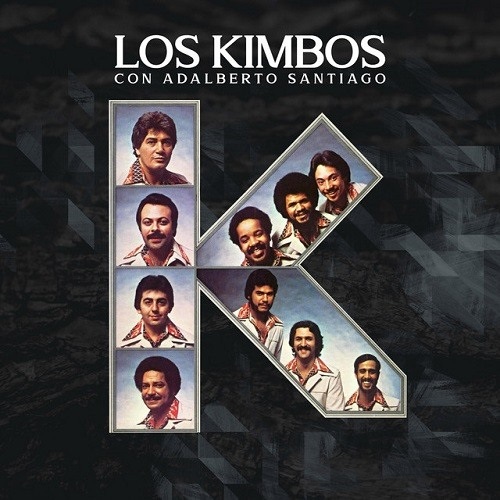
Two years later, in 1977, Roberto joined the charanga band “Orquesta Broadway”. In this group he not only excelled as a trumpet soloist but also as a vocalist. Here he composed new hits, including: “No Se Va a Poder” and “Como Nueva York no Hay”.
In 1982, Roberto decided to assist his sons in their desire to continue their musical journey and produced the album: “Roberto Rodríguez Presenta a Los Rodríguez”, under the “Combo Records” label.
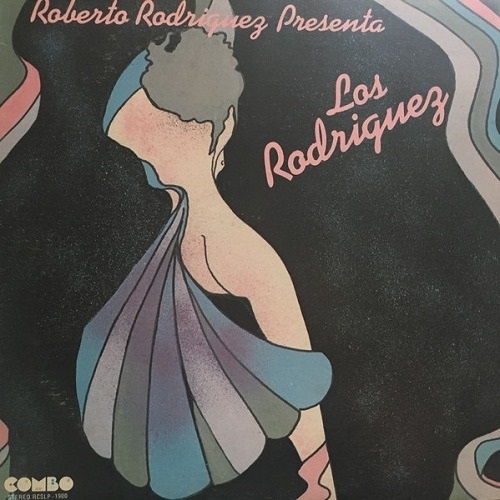
In 1983, Roberto joined the “Los Rodriguez” Orchestra, to perform with his sons Roberto Jr (trumpet player) and Willie (bass player).
Roberto Rodríguez was a Cuban trumpet player and composer
Read Also: Miguelito Cuní recognized among the best soneros of Cuba
Cali is the capital of the department of Valle del Cauca, located on the Colombian Pacific. Located at 1,018 meters above sea level, its average temperature is 32 degrees, with a dry climate for most of the year.
The climate of the city is hot most of the day, so it is advisable to wear fresh clothing and elements to protect yourself from the sun.
The city is one of the main economic and industrial centers of Colombia, in addition to being the main urban, cultural, economic, industrial and agrarian center in the southwest of the country and the third nationally.
The number of inhabitants according to the result of the last census is 2,420,013 inhabitants, which makes it the third most populous city in the country.
The Alfonso Bonilla Aragón International Airport is located just 35 minutes from the city center.
Salsa is the musical genre that is most listened to in the city; but there are places for all kinds of musical tastes.
The dancers from Cali are recognized for the speed of their movements and there are academies where classes are taught for tourists.
Aguardiente is the typical drink of the region. To consume it, it is recommended to eat first and hydrate well.
A variety of beers, local rum and imported spirits are also available.
It is essential to try the local delicacies: Lulada, marranitas, pandebonos, cholados, chontaduros and shampoos.
If you arrive in Cali at the time of the Fair, it is best that you prepare to live six of the best days of your entire life; where the music, the dance, the gastronomy and the warmth of the Caleños will make you fall in love with this city which they call “La Sucursal del Cielo”.
Cali has a massive transportation system called MIO, which has routes designed to cover the entire city; but you can also get around in taxis. The minimum race has a cost of $4,700. ($1.5)
1. Calima Gold Museum
It is an archaeological museum dedicated to the Calima culture located in the historic center of Cali.
2. Boulevard of Colombia Avenue
Also known as the River Boulevard for being located on the banks of the Cali River.
It is a boulevard located in the historic center of the city, in whose surroundings are the Ermita Church, the Coltabaco Building (architectural heritage), the Municipal Administrative Center, CAM; the Puente España, the Jorge Isaacs Theater, among others.
This pedestrian space has become one of the most visited sectors of the city due to its traveling art shows.
3. The Tertulia Museum
It is a museum of modern art and has the most important collection of works on paper in the country.
4. Alameda Park
It is a space for family integration that has become a great cluster of gastronomy, music and dance.
5. Caliwood Museum of Cinematography
It stands out for its emblematic collection of cinematographic, photographic and phonographic devices, which show the evolution of the filming and film exhibition equipment used in Colombia.
6. La Merced Religious Complex
Religious complex located in the place of foundation of the city of Santiago de Cali.
It is made up of the main nave of the church dedicated to Our Lady of Mercy (patron saint of the city), the auxiliary chapels dedicated to Our Lady of Remedies and the Lateran Christ, the religious convent, the museum of religious art and the archaeological museum.
7. Pance River and Health Park
It is one of the most frequented natural places by the inhabitants of Cali.
From the town of Pance to the area known as the Vorágine there are a good number of restaurants and recreational parks.
8. Sebastian de Belalcázar viewpoint
It has a monument that pays homage to the conqueror Sebastián de Belalcázar, who founded the city in 1536.
9. San Antonio neighborhood
Its richness lies in its urban landscape and in the daily expression of its inhabitants, custodians of the oral traditions that gave the city its identity.
It is the cradle of a varied gastronomic offer and fashion shops, as well as religious devotion and the sweet tradition of flower pots on the last weekend of June when the Flower Pot Festival is celebrated.
10. Christ the King
It is the monument that dominates and protects the city with open arms. It is 26 meters high and is located on Cerro Los Cristales.
11. Granada and El Peñon
These neighborhoods are renowned for their hotels, shops, restaurants, bars and nightclubs, with something for everyone.
12. The Cat of the River
It is one of the sculptural works of different artists located on the banks of the Cali River.
The Cat is the work of Hernando Tejada. A series of complementary sculptures can also be found accompanying the cat, called Las Novias del Gato.
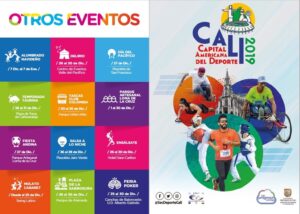
Macetas festival
It is part of a local tradition that celebrates the bond between godparents and godchildren. Every year, during the last days of June, cultural activities, exhibitions and sales of pots, made with sugar candies, are held.
Dance Biennale
It is a festival dedicated to the music of Pacific folklore that takes place in the month of August. It seeks to highlight composers, musical groups and music researchers of Afro-Colombian origin. Gastronomy, clothing and handicrafts are some of the components of this multicultural meeting.
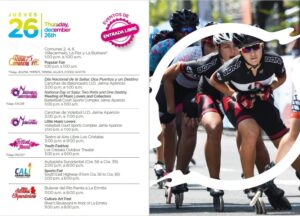
Petronio Álvarez Pacific Music Festival
Event that aims to stage theater shows at a local, national and international level, during the month of October.
World Salsa Festival
National and international companies arrive in the dance capital in November to show the country the best of contemporary, urban and folkloric expression.
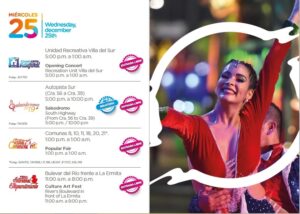
Cali International Theater Festival
It takes place in Cali every year in the month of September and recognized orchestras and all the salsa schools in the city participate, accompanied by dance academies from other cities and abroad that are represented by around 5,000 dancers.
During the festival, workshops, talks and academic meetings are held around salsa.
Cali Exposhow
It is the most important beauty, health and fashion event in Colombia, it takes place annually in the month of October and brings together important local and international designers and exhibitors.