• Skip to primary navigation
  • Skip to main content

International Salsa Magazine

  • HOME
  • Previous editions
    • 2026
      • ISM / March 2026
      • ISM / February 2026
      • ISM / January 2026
    • 2025
      • ISM / December 2025
      • ISM / November 2025
      • ISM / October 2025
      • ISM / September 2025
      • ISM / August 2025
      • ISM / July 2025
      • ISM / June 2025
      • ISM / May2025
      • ISM / April 2025
      • ISM / March 2025
      • ISM / February 2025
      • ISM / January 2025
    • 2024
      • ISM / December 2024
      • ISM / November 2024
      • ISM / October 2024
      • ISM / September 2024
      • ISM / August 2024
      • ISM / July 2024
      • ISM / June 2024
      • ISM / May 2024
      • ISM / April 2024
      • ISM / March 2024
      • ISM / February 2024
      • ISM / January 2024
    • 2023
      • ISM / December 2023
      • ISM / November 2023
      • ISM / October 2023
      • ISM – September 2023
      • ISM – August 2023
      • ISM July 2023
      • ISM Edition June 2023
      • ISM – May 2023
      • ISM April 2023
      • ISM March 2023
      • ISM February 2023
      • ISM January 2023
    • 2022
      • ISM December 2022
      • ISM November 2022
      • ISM October 2022
      • ISM September 2022
      • ISM August 2022
      • ISM July 2022
      • ISM June 2022
      • ISM May 2022
      • ISM February 2022
      • ISM January 2022
    • 2021
      • ISM December 2021
      • ISM November 2021
      • ISM October – 2021
      • ISM September 2021
      • ISM August 2021
      • ISM July 2021
      • ISM May 2021
      • ISM April 2021
      • ISM June 2021
      • ISM March 2021
      • ISM February 2021
      • ISM January 2021
    • 2020
      • ISM December 2020
      • ISM November 2020
      • ISM October 2020
      • ISM September 2020
      • ISM August 2020
      • ISM July 2020
      • ISM June 2020
      • ISM May 2020
      • ISM April 2020
      • ISM March 2020
      • ISM February 2020
      • ISM January 2020
    • 2019
      • ISM December 2019
      • ISM November 2019
      • ISM October 2019
      • ISM Septembre 2019
      • ISM August 2019
      • ISM July 2019
      • ISM June 2019
  • Spanish
  • Download Salsa App
    • Android
    • Apple

Search Results for: dance

“El Caballero de la Salsa” Kicks Off “Íntimo” in Puerto Rico

With performances on February 14 and 15, 2026, at the Coliseo de Puerto Rico, Gilberto Santa Rosa started the year “at home” with two sold-out shows and the successful launch of his “Íntimo” tour. That is always the goal. On the island, the audience is as demanding as they are generous and the singer knows it. Following the concerts, “El Caballero” posted on social media: “Puerto Rico, thank you for giving us two nights full of love, dancing, and so much music at home! What a thrill it is to sing at home!”

“El Caballero de la Salsa” Kicks Off "Íntimo" in Puerto Rico
“El Caballero de la Salsa” Kicks Off “Íntimo” in Puerto Rico

On January 30 of this year, the album that shares the tour’s title was released. In Puerto Rico, two shows were scheduled for Valentine’s Day weekend. The first coincided with Valentine’s Saturday; the second was added for the following day due to how quickly the first round of tickets sold out.

At exactly 6:46 PM on Sunday, February 15, 2026, the stage of the Coliseo de Puerto Rico welcomed Gilberto Santa Rosa’s orchestra to begin the second concert, marking the salsa singer’s long-awaited reunion with the Puerto Rican public. According to a press release from Edumil Ruiz’s agency: “These performances are part of a series of special concerts celebrating the month of love (…) and represent the long-awaited reunion of ‘El Caballero de la Salsa’ with his Puerto Rican audience after two years since his last performance on the island.”

A Night of Rhythms and Ovations

The performance began with high energy and impact from the very first track. The opening bars were seasoned with the sounds of the Puerto Rican cuatro, played by Fabiola Muñoz. “Déjate querer” featured a timbal solo by Pete Perignon, while “Cartas sobre la mesa” highlighted Saviel Cartagena’s saxophone. These were followed by “Ahora o nunca,” “Tú,” “Amor para la historia,” “Quiéreme,” and “Almas gemelas,” which featured Juan Carlos Vega on an aerophone solo; followed by “Yo no te pido” and “Conciencia,” for which the audience gave the artist a thunderous standing ovation.

Between songs, Santa Rosa took a moment to address the crowd: “I was born, raised, and live here. And it moves me to know that here in Puerto Rico, I am still dearly loved.” He added that he is a fan of singing to the brokenhearted with “scorned” lyrics set to savory, danceable arrangements. Addressing the contradiction of that combination, he stated, “We Puerto Ricans are capable of crying and dancing at the same time,” capping the explanation with: “That’s just how passionate we are.”
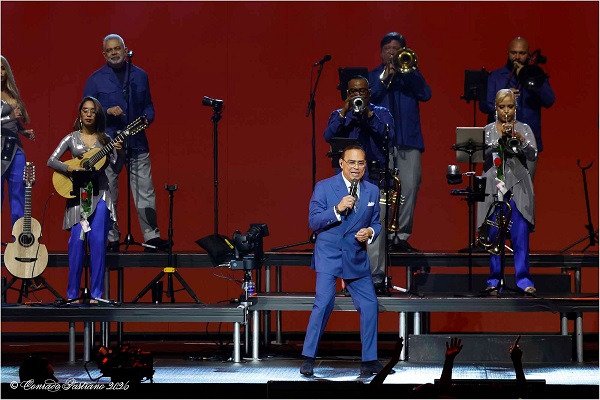
152 With the performances on February 14 and 15, 2026 at the Coliseo de Puerto Rico, Gilberto Santa Rosa began the year in "his home" with two sold-out shows.

152
With the performances on February 14 and 15, 2026 at the Coliseo de Puerto Rico, Gilberto Santa Rosa began the year in “his home” with two sold-out shows.

After his remarks, “Gilbertito” explained he would welcome a beloved artist to sing “Misterio,” an urban salsa track with lyrics “about a relationship where you don’t know if it’s coming or going, starting or ending.” Gerardo Rivas took the lead in his solo role, which required Pete Perignon to fill in on the congas while Pedro Marcano took over the timbales.

Tributes and Special Guests

Later, Gilberto Santa Rosa dedicated a segment of the concert to a legend Puerto Rico bid farewell to last December. He stated that Rafael Ithier was a musical genius whom he considered a mentor and a father in music, dedicating the iconic “Las hojas blancas” to him. Notably, the production featured a team of sign language interpreters who translated the entire concert in real time.

The repertoire also included “Vino tinto,” “Cosas nuevas” highlighting Pedro Marcano on the flugelhorn and “No me dejes solo,” which kicked off with a mozambique rhythm and rumba clave on the drums, courtesy of Gerardo Rivas and Tito Echevarría. The most anticipated moment arrived when Santa Rosa asked the crowd to join him in a chorus that allowed “El Caballero” to pay his respects to special guests. The “Choliseo” vibrated as the crowd chanted: “Mira quien llegó / Quién está ahí / Qué bueno que te vino a ver” (Look who arrived / Who is there / How good they came to see you). The tenacious sonero greeted the following guests in perfect rhyme and with his trademark elegance: Don Perignon, Luisito Ayala, Luis Vázquez, Juan José Hernández, Elwood Cruz, Marilin Pupo, Cucco Peña, Lissette Álvarez, Willie Chirino, his wife Alexandra Malagón (whom he called “The owner of my heart”), and Ismael Miranda, among others.

The evening continued with “No pensé enamorarme otra vez” and “Para vivir,” for which he was joined by Yeika Álvarez and “a representation of the Arturo Somohano Philharmonic Orchestra of Puerto Rico.”
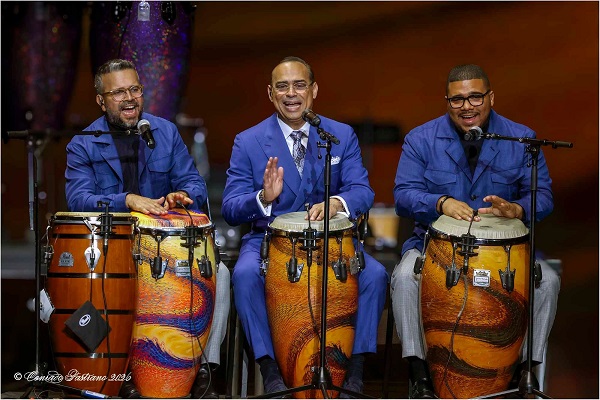
Gerardo Rivas (Hijo de Jerry Rivas el reemplaso de Jimmie Morales), Gilberto Santa Rosa y Pete Pergnon

A Monument to Nostalgia

“Tengo una muñeca,” followed by a fusion that progressed from boogaloo to cha-cha-cha and finally to salsa with Gilberto showcasing his skill on the maracas led us into a monument of nostalgia. The memory of the conga player Santa Rosa had worked with since their days in Willie Rosario’s orchestra until his passing in 2021 was honored with “Impaciencia.” The song showcased the Jimmie Morales Signature Series drums by Remo Percussion©, which sponsored “El Rey del Seco” (The King of the Dry Hit) from 2005 to 2016.

During this segment, “El Caballero” displayed his own skills as a talented conguero while singing, accompanied by Gerardo Rivas (the orchestra’s conga player) and Pete Perignon (the timbalero) on either side. While the audience was spellbound by the sight of the three musicians at their drums, this writer wondered if Gilberto was reminiscing about the days when he used to imagine he was a singer, using an upside-down trash can as a drum in the group led by Don Perignon.

The “Army of One”

This intervention was followed by “La agarro bajando,” which preceded the introduction of the band members, “musically directed by the master of the trombone,” Georgie Torres. The lineup included:

  • Backing vocals: Yeika Alvarez and Gino Ramírez.
  • Puerto Rican Cuatro: Fabiola “The one who holds her own” Muñoz.
  • Trumpet: Rebecca Zambrana (with the orchestra for 29 years) and Pedro Marcano.
  • Trombone: Anthony Rosado (also a ballroom dance champion).
  • Saxophone/Flute: Francisco “Paquito” Cruz and Saviel Cartagena.
  • Piano: Luis Marín.
  • Congas: Gerardo Rivas.
  • Timbales: Pete Perignon Morales.
  • Bongos: Rafael “Tito” Echevarría.
  • Bass: The legend Johnny Torres.
  • Keyboard/Aerophone: Dr. Juan Carlos Vega.
  • Vocals: Michael Pérez.

Santa Rosa also praised the technical and audiovisual teams, producer Rafo Muñiz, and Edumil Ruiz, noting that “all these people make this work.”

After identifying his team who gave a masterclass in what the military calls an “Army of One” the hits “Conteo regresivo,” “Perdóname,” “Que alguien me diga,” and “Que manera de quererte” rang out. Gilberto Santa Rosa celebrated Valentine’s weekend by once again proving why he holds the loyalty and preference of his Puerto Rican fanbase.

From the start, the energy never wavered. The crowd sang and danced along with the artist, the musicians, and the dancers on stage. The vast repertoire serves as a reminder of the countless hits “El Caballero de la Salsa” has collected throughout his prolific career.

Bella Martinez Puerto Rico


Also Read: Bandleader and conga player Tony Rosa tells us how he built his career

Bandleader and bongosero Ray Degaldo is here to talk about his life and career

The talented percussionist Ray Delgado has made room in his schedule to share some time with us and talk about some of the most curious details of his artistic career, which fills us with pride and gratitude in equal measure. The founder of the Ray Delgado Project has many interesting things to say, and we are more than willing to listen.

Ray playing the bongo
Ray Delgado playing the bongo live

Ray’s inspirations to become an artist

Ray grew up in a family with deep Puerto Rican roots and was raised between Puerto Rico and New York because his parents constantly moved from one place to another, which made him feel very fortunate because he was being formed between two cultures that allowed him to listen to all kinds of music. In his time, radio remained extremely popular, so this was his vehicle to travel just by listening to certain songs.

Music in English came from the United States and Europe, while music in Spanish came from Cuba, Venezuela, Puerto Rico, the Dominican Republic, Jamaica, and many other countries. Delgado was exposed to all genres, but as a New Yorker, the one that resonated the most with him was salsa and the atmosphere that it brings with it. In fact, he remembers having the joy of seeing the Machito Orchestra, Johnny Pacheco, Héctor Lavoe, Willie Colón, Pete Conde, and many others live.   

These great exponents were the ones who sparked off the young man’s desire to pursue music at some point, but his father did not like the idea at all, as he saw the men in this business as womanizers, drunks, and irresponsible. Obviously, no father wants his son to end up like that, so Ray had to wait to become a responsible adult with a steady job to finally realize his aspirations as a kid.

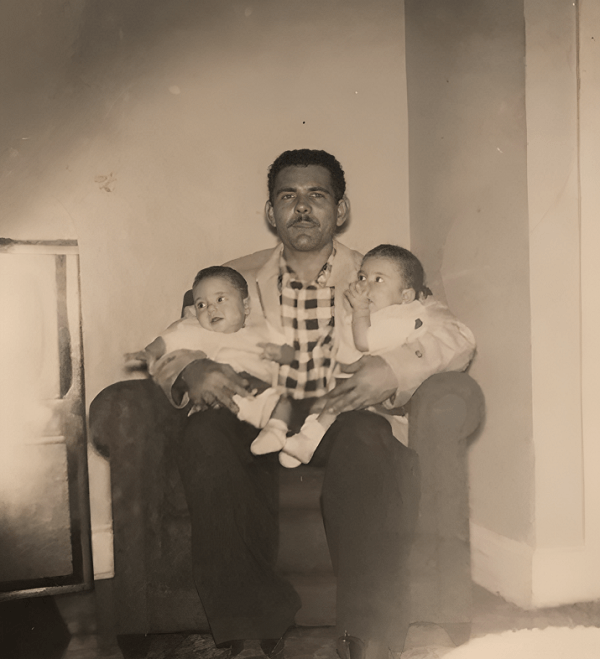
Ray and his father
Ramón Delgado Castro holding his son Ray Delgado and his brother when they were babies

It all started when some older men invited him to play with them, so he found an old bongo drum he kept in his closet and accepted the offer without a second thought.

That was the point of departure for him to play with many other bands in New York, and his consistent work led him to want to be better, to study hard and prepare himself much more.

Ray’s music education

Ray studied at the East Harlem Music School founded by legendary musician Johnny Colón in Manhattan, and focused on timbales with teacher Ray Cruz, but he left the instrument aside for a while when he moved back to Puerto Rico. When returning from the Island of Enchantment, he enrolled at the Harbor Conservatory for the Performing Arts. He also studied with Professor George Delgado, who is the current conguero for the Spanish Harlem Orchestra. He describes him as an excellent teacher and musician from whom he learned so much.

Additionally, he had the support of many musician friends who also helped him and taught him many things that are not learned in an educational institution, including Luis Rivera, Radamés Rojas, Eric Rivera, and many others. Close contact with other artists and groups made him see that many sounded exactly the same and there was little variety, so he decided to form his own orchestra.

In this way, he also learned percussion, which is the area by which he is best known today.

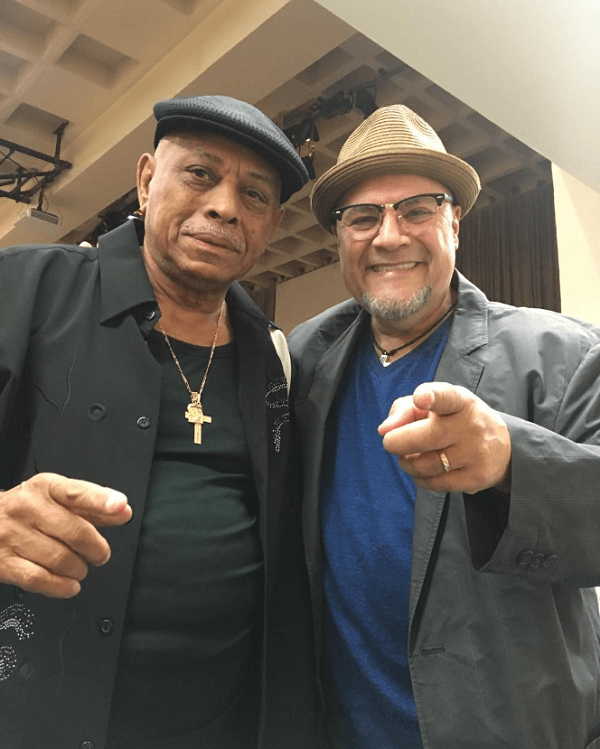
Joe and Ray
Joe Bataan and Ray Delgado

Ray Delgado Project’s birth

Driven by the lack of musical variety in his environment, he wanted to create his own musical project that included vibraphone, percussion, piano, bass, and vocalist. It all started with a workshop for musicians offered by Ray himself in a community room in the building where he lived and he was allowed to use it. After having played and experimented with different styles, the group was getting smaller until all the musicians who signed up ended up leaving.

From there, at every show and opportunity he had to meet new musicians, he would ask for their numbers to recruit them and achieve a chemistry and combination, resulting in the sound he wanted. Ray was in that process from 2009 until now. About three years ago, in 2023, he finally got what he was looking for. 

This group was called Ray Delgado Project, which takes up a huge amount of time and effort. However, the musician says that the New York where his youth was spent, which offered lots of places to go dancing, no longer exists, so there is not much work as back then.

Today, they play many covers of great hits from the 1970s, but they add their own touch to stand out with completely new arrangements. Not so long ago, they released their new version of “Lo Que Traigo es Sabroso,” a hit by Eddie Palmieri, and adapted it to their own style and arrangements. It can be found on Spotify and the main digital platforms. 

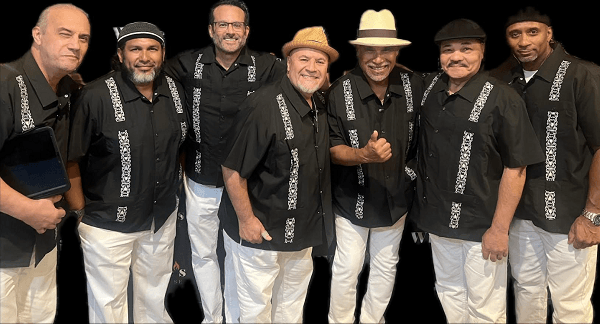
Ray and his orchestra
Ray Fuentes (piano), Abraham Saenz (bass), Danny Sieber (vibraphone), Ray Delgado (director and bongo), Rhadames ”Randy” Rojas (lead vocals) Izzy Diaz (congas), and José ”Cheo” Colón (timbales)

Ray is so happy with what he has achieved so far with their orchestra that ensures that when God calls him, he will be calm and happy to have been able to play and make audiences dance during his lifetime. God willing, we wish him many more years playing with the Ray Delgado Project, enjoying life and bringing joy to those who have the pleasure of listening to him. 

Read also: Leader of K’ndela Salsa Band Eric Cabanilla and all his entertainment company has to offer

Porfi Jiménez The Master of Rhythm Who United Two Nations

The life, work, and legacy of tropical music’s most “Venezuelan” Dominican.

Porfirio Antonio Jiménez Núñez, known universally as Porfi Jiménez, was more than just a musician; he was a cultural bridge.

A Dominican virtuoso by birth and Venezuelan by choice, he became one of the most iconic figures of Caribbean dance music.

His legacy endures as an exceptional trumpeter, arranger, and bandleader who possessed a unique gift for reading the pulse of the streets and elevating it to the level of fine art.

Porfi Jiménez El Maestro del Ritmo que Unió a dos Naciones

The Prodigy of Hato Mayor: Academic Training

Born on February 16, 1928, in Hato Mayor del Rey, Dominican Republic, Porfi’s destiny was sealed by music from an early age. A recognized child prodigy, he began his formal studies at age seven.

Following the death of his father, his mother gifted him his first trumpet when he was eight a tool that would eventually become his eternal voice.

Unlike many bandleaders of his era, Porfi sought technical excellence at the prestigious Berklee College of Music in Boston. This education granted him a superior technical command of jazz orchestration and tropical rhythms, allowing him to inject a unique harmonic sophistication into popular music.

Vida, obra y legado del dominicano más venezolano de la música tropical.

Putting Down Roots in Venezuela: A 50-Year “Layover”

On February 6, 1954, Porfi landed in Caracas at the invitation of his compatriot Rafael “Tata” Minaya for a brief Carnival tour.

What was planned as a temporary trip turned into a stay that lasted over half a century. Before founding his own sonic empire, he honed his craft within the country’s most elite musical institutions:

  • The Pedro J. Belisario Orchestra.
  • Billo’s Caracas Boys, under the baton of Maestro Billo Frómeta.
  • Staff orchestras for Venevisión and RCTV, where he shone as the lead arranger during the golden age of Venezuelan television.

The Birth of a Signature Sound

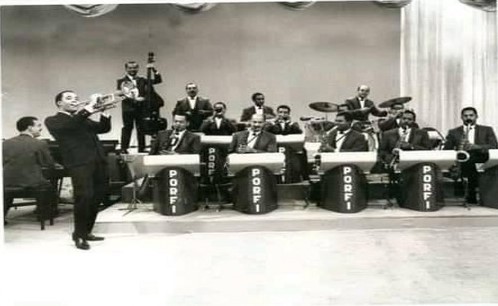
On December 31, 1963, as the world celebrated New Year’s Eve, a legend was born: Porfi debuted his own orchestra at the Tamanaco Hotel’s Naiguatá Hall.

31 de diciembre de 1963, en el Salón Naiguatá del Hotel Tamanaco Foto By El Universal

His style broke the mold by fusing Dominican merengue with salsa and jazz, achieving a modern, high-energy orchestration.

That same year, he released his first LP, A bailar con Porfi (Velvet Records). Featuring the vocals of Kiko Mendive and Chico Salas, the orchestra produced hits that are now staples of the Latin party songbook:

  • “La Negra Celina”
  • “La Resbalosa”
  • “La Banda está Borracha”

The “King of Carnival” and the Golden Years

Throughout the 80s and 90s, his name was synonymous with sold-out venues. Dubbed the “King of Carnival,” no festival in Venezuela was complete without his music. His ability to create “people’s anthems” is undeniable, leaving behind timeless tracks such as:

Iconic Songs Cultural Impact
La hierba se movía A massive sales and dance phenomenon across the region.
Culucucú An undisputed hit during the December holiday season.
Se hunde el barco A quintessential classic in the repertoire of great orchestras.
Dolores / Chivo Florete A masterclass in high-energy, danceable merengue.


Culucucú Éxito indiscutible en las festividades decembrinas.

 An Immortal Legacy

Maestro Porfi Jiménez passed away in Caracas on June 8, 2010, at the age of 82.

Though Dominican by birth, he always declared himself “Venezuelan at heart,” leaving behind a devoted family and a generation of musicians trained under his disciplined leadership.

As we approach the centenary of his birth in 2028, his influence remains more vibrant than ever.

The tributes held between 2024 and 2026 in both the Dominican Republic and Venezuela only confirm that Porfi Jiménez was, is, and will always be the man who defined the rhythm of the Caribbean identity.

Also Read: Federico Betancourt “Pioneer of Salsa in Venezuela”

Andy Durán: The Architect of Mambo and Latin Jazz

If there is one name that embodies technical elegance and rhythmic passion in the contemporary Caribbean, it is Andy Durán.

A musician, arranger, composer, and conductor, Durán has spent over four decades serving as the guardian of the big band sound. He keeps the flame of legends like Tito Puente and Pérez Prado alive, but with a distinctive signature that fuses academic precision with popular soul.

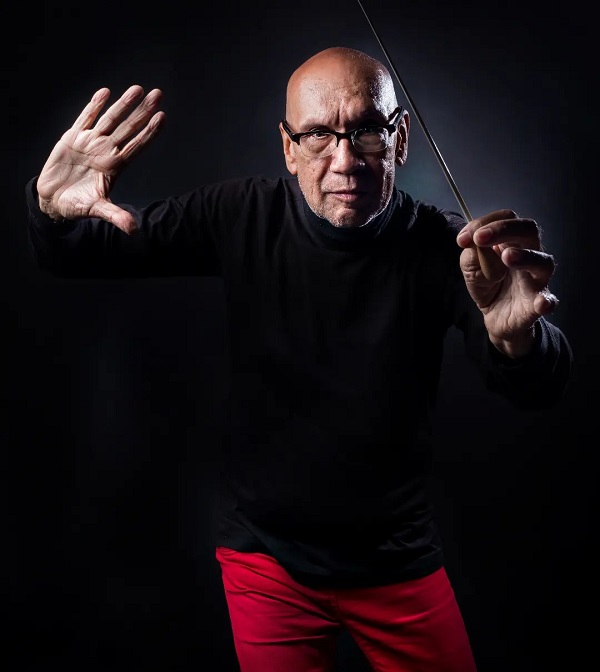
Andy Durán El Arquitecto del Mambo y el Latín Jazz

Born in Caracas, Venezuela, on January 2, 1949, as Nelson Valor Ramos, this extraordinary artist is today an essential figure in music production and direction.

The Musician: Master of the Arrangement

Andy Durán is more than just a conductor; he is a scholar of musical structure. His academic background has allowed him to master the art of the arrangement the ability to transform a simple melody into a complex masterpiece where twenty musicians move as a single, unstoppable force.

  • The Big Band Sound: He is one of the few directors who has kept the large orchestra format relevant in Venezuela. His ensemble, Andy Durán’s Latin Jazz Big Band, is an institution renowned for its rhythmic precision and powerful brass section.
  • Stylistic Versatility: While Mambo is his backbone, his repertoire flows seamlessly through Jazz, Salsa, Mambo-Jazz, and traditional Venezuelan music.
  • Cult Discography: Albums such as Tropicalia, Mambo 2000, and his acclaimed tribute to Tito Puente, Fidelidad, are essential pieces for any collector of the genre.

The Person: The Educator and Music Lover

Behind the baton, Durán is known for his humility and profound work ethic; he is frequently described as a “gentleman of music.”

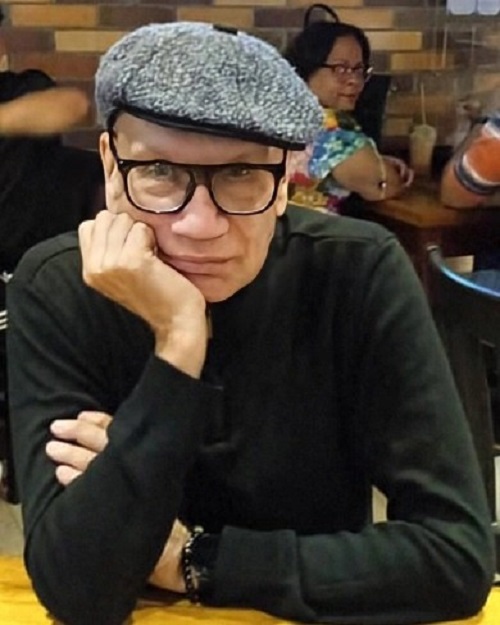
Nacido en Caracas, Venezuela, el 2 de enero de 1949, bajo el nombre de Nelson Valor Ramos
  1. Relentless Researcher: Beyond performance, he is a historian of rhythm. His concerts often turn into masterclasses where he explains the origins of the pieces, always honoring the original composers.
  2. Generational Bridge: He has served as a mentor for young Venezuelan musicians, integrating new talent into his ranks and proving that classic Caribbean genres have no expiration date.
  3. Cultural Resilience: In an era dominated by commercial trends, Durán remains faithful to acoustic quality and the complexity of Latin Jazz, earning the respect of international critics.
  4. Si existe un nombre que personifica la elegancia técnica y la pasión por el ritmo en el Caribe contemporáneo, ese es Andy Durán
    Si existe un nombre que personifica la elegancia técnica y la pasión por el ritmo en el Caribe contemporáneo, ese es Andy Durán

Career and Legacy

Andy Durán is one of the greatest exponents of Salsa and Latin Jazz in Venezuela. With 16 albums to his credit, he holds the most extensive discography of any Venezuelan jazz artist. Additionally, he is recognized as the country’s premier music copyist.

His beginnings date back to his youth with the group Nelson y su Sexteto. In 1978, he founded the Orquesta Palladium. Shortly after, he adopted the stage name “Andy Durán” to avoid confusion with other artists of the era and because it was easy to remember and write.

Since 1982, he has been fully dedicated to professional music, working alongside giants such as Aldemaro Romero, Eduardo Cabrera, the Billo’s Caracas Boys, Los Melódicos, and Soledad Bravo. In 1985, he released his first LP, Mambo Salsa. Among his most notable works are:

Nacido en Caracas, Venezuela, el 2 de enero de 1949, bajo el nombre de Nelson Valor Ramos
  • Tropicalia Caraqueña
  • Canelita y Andy Durán: Tribute to Celia Cruz
  • Tito & Tito (A tribute to Tito Puente and Tito Rodríguez)
  • Salsa Dura y Descarga: A Tribute to Fania
  • Fiesta con Billo

Reflections by Andy Durán: Is Singing Easy?

The Requirements: Flawless pitch, breath control, phrasing, and diction; in addition, a strong memory for melodies, lyrics, and orchestral arrangements.

It is highly recommended to know how to dance according to the genre being performed (e.g., Salsa). It is also beneficial to have basic acting skills to handle dramatic themes when necessary.

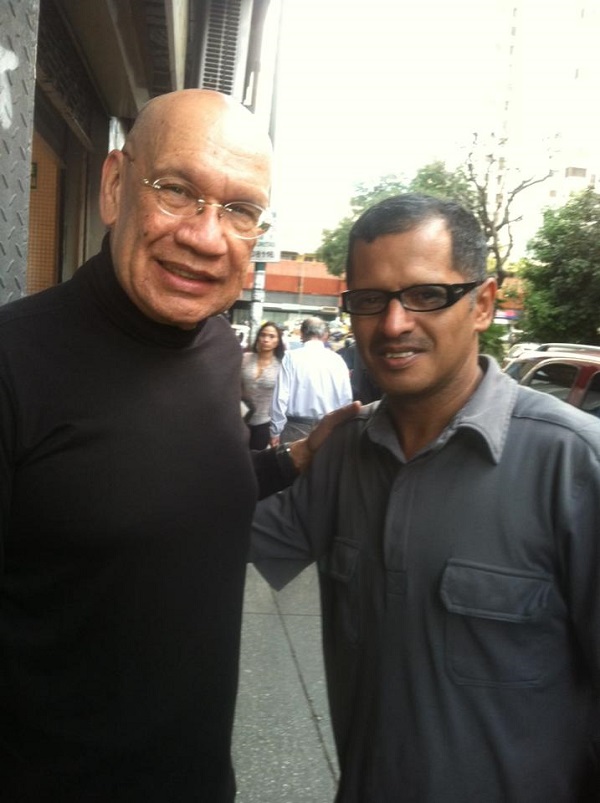
Andy Duran y Dj. Augusto Felibertt

Reading is mandatory to develop a rich vocabulary for improvisation or public speaking; it also prevents embarrassing spelling errors in written lyrics. Keeping the vocal cords healthy and trained is a vital matter. Music theory and sight-singing are the ideal, essential, and unavoidable tools.

Finally, a singer must define their style and repertoire with great care. One must invest in professional orchestral arrangements and have an arranger-director or advisor—this is an investment, just like stage attire.

Remember, my fellow singers: a director’s worst nightmare is a singer who is out of tune, off-beat, and forgetful.

Best regards to all vocalists and singers.

Maestro Andy Durán: Director, Arranger, and Composer

P.S. Vocalists must meet two more requirements: keep your nerves in check and sing from the heart.

Also Read: Víctor Cuica “The Eternal Breath of Latin Jazz and Venezuelan Identity“

Asia / March 2026

Apocalypse Now 2025Dubai Latin Crazy TribeGuia Fu 2025

Karina Bernales present March 2026 FESTIVALS

China Circle Flag
CHINA
GUANGZHOU 03 2026

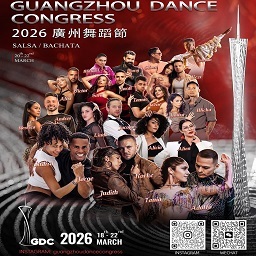
Guangzhou Dance Congress

March 20 / 22, 2026

Chateau Star River Guangzhou
No. 1 Panyu Avenue North, Panyu District 511430 Guangzhou, Guangdong, China

$ 320

Philippines circle flag
PHILIPPINES
Boracay 03 2026

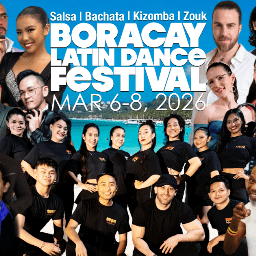
Boracay Latin Dance Festival

Mar 6 / 8, 2026

Casa Pilar Beach Resort
Boracay, White Beach Path, 5608
Malay, Philippines

$ 200

Vietnam circle flag
VIETNAM
8th Vietnam 02 2026

Vietnam International Latin Festival

Mar 27 / 29, 2026

Grand Plaza Hanoi Hotel
117 Trần Duy Hưng, Quận Cầu Giấy, Hà Nội
Việt Nam Hanoi, Vietnam 10000

$ 250

Calibrated maracasBill Martinez

Directory of Asian nightclubs

Hong Kong `circular flag

HONG KONG

Graffiti LKFGraffiti LKF
G/F, 17-18 Lan Kwai Fong, Central
Central, Hong Kong
Solar LKFSOLAR LKF
Central 2nd Floor, Ho Lee Commercial Building, 38-44 D’Aguilqr Street, Lang Kwai Fong Central
HKI Hong Kong
Sole Mio RestaurantSole Mio
Upper Ground Floor, 51 Elgin Street, Soho
Central Hong Kong, Hong Kong

ISRAEL

Havana Music Club
Havana Music Club
Yigal Alon St 126
Tel Aviv-Yafo, Israel
+972 3-562-3456

Japan circular flag
JAPAN

Egoland
Egoland Bar Akihabara
Chiyoda City, Kanda Sakumacho, 4 7-3 2F
Tokyo, Japan
Bar MirageBar Mirage
5F VORT Roppongi Briller, 3-14-14 Roppongi, Minato-ku
Tokyo 106-0032, Japan
+03-5860-6946
FiestaFiesta Latin Spot Bar
3F, 1 Chome-14-6 Kabukicho, Shinjuku City
Tokyo 160-0021, Japan
+81 90-1086-2878
El Cafe Latino TokyoEl Cafe Latino

3 Chome-15-24 Roppongi, Minato City
Tokyo 106-0032, Japan
+81 3-3402-8989

Latin Club Leon
Latin Club Leon
5-17-6 B1 Shinjuku, Shinjuku-ku
Tokyo 160-0022, Japan

La Tropi Azabu
La Tropi Azabu
3F Roppongi Azelea Bldf. 1-3-6 Nishi-Azabu, Minato-ku
Tokyo1060031, Japan

Thailand circular flag
THAILAND

bAFROS lOUNGE
Bafros
Sugar Club Complex Sukhumvit Soi 11
Bangkok 10110, Thailand
+66 63 039 8700

Havana Social Cocktail Bar
Havana Social
1/1 Sukhumvit Rd. Soi 11
Bangkok, Thailand
+66 2 821 6111

Vietnam circle flag
VIETNAM
Apocalypse Now Vietnam
Apocalypse Now Sai Gon
2F Thi Sach
Ho Chi Minh City, Vietnam 70000
+84 799 741 261


La Habanera Vietnam
La Habanera
Basement 81 xuân diệu Tay Ho
Hanoi 100000, Vietnam
+84 35 320 7220

La Pachanga Saigon
La Pachanga Club Saigon
3rd Floor, 39A Co Bac Street, Cau Ong Lanh Ward, District 1
Ho Chi Minh City 700000, Vietnam
+84 93 855 79 21
  • « Go to Previous Page
  • Page 1
  • Interim pages omitted …
  • Page 16
  • Page 17
  • Page 18
  • Page 19
  • Page 20
  • Interim pages omitted …
  • Page 165
  • Go to Next Page »

International Salsa Magazine (ISM) is a monthly publication about Salsa activities around the world, that has been publishing since 2007. It is a world network of volunteers coordinated by ISM Magazine. We are working to strengthen all the events by working together.