• Skip to primary navigation
  • Skip to main content

International Salsa Magazine

  • HOME
  • Previous editions
    • 2026
      • ISM / March 2026
      • ISM / February 2026
      • ISM / January 2026
    • 2025
      • ISM / December 2025
      • ISM / November 2025
      • ISM / October 2025
      • ISM / September 2025
      • ISM / August 2025
      • ISM / July 2025
      • ISM / June 2025
      • ISM / May2025
      • ISM / April 2025
      • ISM / March 2025
      • ISM / February 2025
      • ISM / January 2025
    • 2024
      • ISM / December 2024
      • ISM / November 2024
      • ISM / October 2024
      • ISM / September 2024
      • ISM / August 2024
      • ISM / July 2024
      • ISM / June 2024
      • ISM / May 2024
      • ISM / April 2024
      • ISM / March 2024
      • ISM / February 2024
      • ISM / January 2024
    • 2023
      • ISM / December 2023
      • ISM / November 2023
      • ISM / October 2023
      • ISM – September 2023
      • ISM – August 2023
      • ISM July 2023
      • ISM Edition June 2023
      • ISM – May 2023
      • ISM April 2023
      • ISM March 2023
      • ISM February 2023
      • ISM January 2023
    • 2022
      • ISM December 2022
      • ISM November 2022
      • ISM October 2022
      • ISM September 2022
      • ISM August 2022
      • ISM July 2022
      • ISM June 2022
      • ISM May 2022
      • ISM February 2022
      • ISM January 2022
    • 2021
      • ISM December 2021
      • ISM November 2021
      • ISM October – 2021
      • ISM September 2021
      • ISM August 2021
      • ISM July 2021
      • ISM May 2021
      • ISM April 2021
      • ISM June 2021
      • ISM March 2021
      • ISM February 2021
      • ISM January 2021
    • 2020
      • ISM December 2020
      • ISM November 2020
      • ISM October 2020
      • ISM September 2020
      • ISM August 2020
      • ISM July 2020
      • ISM June 2020
      • ISM May 2020
      • ISM April 2020
      • ISM March 2020
      • ISM February 2020
      • ISM January 2020
    • 2019
      • ISM December 2019
      • ISM November 2019
      • ISM October 2019
      • ISM Septembre 2019
      • ISM August 2019
      • ISM July 2019
      • ISM June 2019
  • Download Salsa App
    • Android
    • Apple
  • Spanish

Search Results for: flute

Don Perignon and La Puertorriqueña Release Classique et Savoureux

Timbalero, director, and music producer Pedro Luis Morales Cortijo, better known as “Don Perignon,” presents the 14th musical production from the “dancer’s orchestra” titled Classique et Savoureux. The leader of La Puertorriqueña features three guest vocalists on the album: Venezuelan musician and sonero Marcial Istúriz; Josué Rosado, one of the most iconic voices from La Puertorriqueña’s history; and “El Niño de Trastalleres,” Andy Montañez. With this record, Don Perignon reinforces his commitment to producing “flavorful” salsa with the dancer in mind.

In September 2025, Don Perignon and Andy Montañez reunited in the recording studio to reinvent “La Bikina.” The digital single fused the signature sound of Don Perignon’s La Puertorriqueña with the seasoned expertise of Andy Montañez. This alliance revives a nostalgic duo—the “dancing timbal” and the “singing compressor” that dates back to 1981. At that time, “Perín” took the reins as Andy’s musical director at the invitation of the legendary vocalist following his departure from Dimensión Latina. From that eight-year partnership, Andy Montañez still treasures Don Perignon’s participation in the 1988 recording of El Eterno Enamorado (TH-Rodven), where the latter not only played the timbales but also served as the album’s musical director. Regarding this, Andy says: “I remember him with great affection and appreciate his discipline in directing that recording, especially because every track became a hit.”

Don Perignon and La Puertorriqueña Release Classique et Savoureux

As promised in earlier press releases, that single was the prelude to Classique et Savoureux, where “La Bikina” is featured as the third track. Don Perignon released the song arranged by pianist and composer Domingo García 60 years after its original composition. The song, originally titled “The Beginning,” was penned by Mexican songwriter Rubén Fuentes Gasson.

Tracklist and Credits

The tracklist for Classique et Savoureux is as follows:

  • “Ella Sigue Bailando”: Composed and performed by Joe González; arranged by Andy Guzmán.
  • “Hay Que Quererlas”: Composed and performed by José Karlo Ribot; arranged by Roberto Pérez.
  • “Pura Imagen”: A classic piece by Adalberto Álvarez, vocalized by Joe González; arranged by Juan C. Cardona.
  • “Ayer Te Vi”: Written by Rubén Rada, featuring the vocals of Henry Santiago; arranged by Ramón Sánchez.
  • “No Se Equivocan”: Written and performed by José Karlo Ribot; arranged by Carlos “Cuto” Soto.
  • “Yo Soy Guaracha”: Written by Ángel Santos, performed by Marcial Istúriz; arranged by Carlos García.
  • A Medley of Boleros: Featuring “Necesito Llamar Su Atención” (Roberto and Erasmo Carlo) and “Mírame Más” (Julio Gutiérrez), performed by Henry Santiago and Joe González; arranged by Juan C. Cardona with a flute solo by Roberto Calderón.
  • “Será Mejor”: The closing track, written by Héctor Olmo and arranged by Juan C. Cardona, featuring vocalist Josué Rosado.

The Musicians

Leading his musical generation on the timbales and as director, Don Perignon was backed by the musicians of La Puertorriqueña and several guest artists. On the congas, Antonio “Coqui” Marrero, Jean Carlos Camuñas, and the late William “Kachiro” Thompson ensured the time and clave remained rhythmically precise. On the bongos, you can hear the distinctive touch of one of the original members of La Puertorriqueña, Miguel Aponte. On bass, the unmistakable Efraín Hernández interacts with Juan Rivera on piano. Other pianists on the recording include Luis Marín, Leni Prieto, and Ricky Rodríguez. The production is rounded out by the backing vocals of the incomparable Henry Santiago, Juan Bautista, and Joe González. The trumpet section featured Ángel and Richie Segarra along with Jesús Alonso; Sammy Vélez on baritone sax; and the trombones were handled by Juan C. Cardona, Gamalier González, César Javier Ayala, and Carlos “Cuto” Soto.

Pedro Luis Morales Cortijo “Don Perignon”

The album was recorded at the studios of Rolando Alejandro and Angelito Segarra, with mastering by Wiso Rivera.

This release “reaffirms Don Perignon’s commitment to the evolution of salsa in the digital age” without neglecting physical formats, as the album is available on CD and LP to ensure the music is accessible to everyone.

With the title Classique et Savoureux, Don Perignon honors more than four decades of using his stage name inspired by the French champagne Dom Pérignon. He expresses gratitude for the longevity of a concept that began without a clear goal but was built on heavy discipline and the firm purpose of making music for the dancer. In an interview, the bandleader stated that his musical project “is already a classic, thanks to the dancers who have appreciated and supported its sabrosura (flavor).”

Also Read: Long live the music! Repeat after me: “Long live the musicians so they can keep making it.” And I’ll add: “Long live SALSA!”

Bella Martinez Puerto Rico

Víctor Cuica “The Eternal Breath of Latin Jazz and Venezuelan Identity “

The legacy of a visionary who fused the saxophone with the essence of the Caribbean and national cinema.

Víctor Cuica was more than just a musician; he was a bridge between two worlds. Born on April 19, 1949, in the iconic Caracas neighborhood of La Pastora, Cuica established himself as a preeminent saxophonist and actor, earning global acclaim for his innovative fusion of Jazz with Afro-Caribbean roots.

His presence defined a golden era in Venezuelan culture, as he shared the stage with legends such as Tito Puente, Paquito D’Rivera, Porfi Jiménez, and Gerry Weil.

Victor Cuica “The Eternal Breath of Latin Jazz and Venezuelan Identity”

Victor Cuica “The Eternal Breath of Latin Jazz and Venezuelan Identity”

Training and First Steps: The Birth of a Style

The journey of this virtuoso—master of the tenor and soprano saxophone as well as the flute—began in 1963 at the Military Music School of La Victoria. His time in the Venezuelan Navy band served as the catalyst for his love of Jazz, leading him to deepen his knowledge of flute, harmony, and composition at the “José Ángel Lamas” Higher School of Music.

His professional career took off in Chucho Sanoja’s orchestra. Shortly thereafter, he joined Oscar D’León’s ensemble. It was actually Cuica who suggested the name “Dimensión Latina” to replace the group’s former name, “Oscar y sus Estrellas,” thereby christening what would become the most iconic salsa orchestra in Venezuelan history.

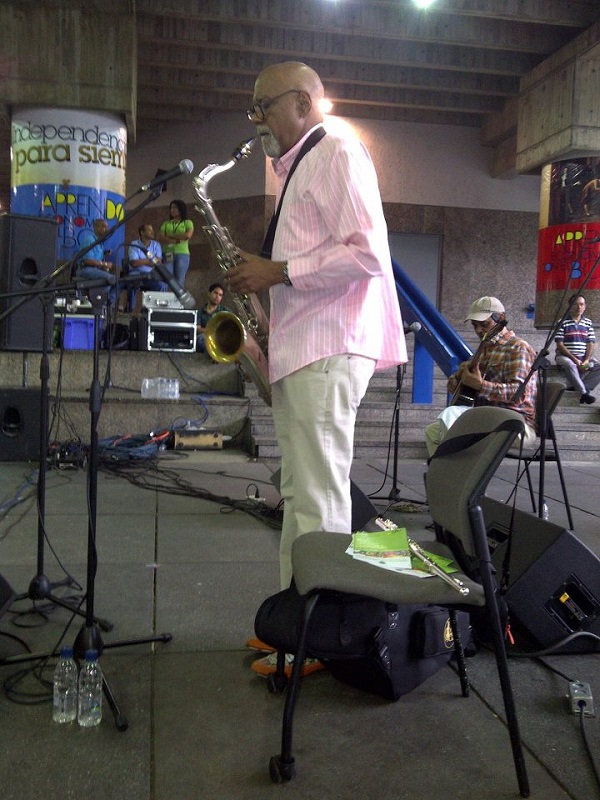
Victor Cuica in concert held on August 22, 2011 in Juan Pedro Lopez Square in Caracas

Victor Cuica in concert held on August 22, 2011 in Juan Pedro Lopez Square in Caracas

Latin Jazz: From the Silver Screen to International Stages

By the late 1970s, Cuica expanded his horizons into the “seventh art.” In 1978, he composed and performed the soundtrack for “The Sea of Lost Time” (El Mar del Tiempo Perdido), based on the short story by Gabriel García Márquez. A year later, he solidified his own group, “Víctor Cuica y su Jazz Latino,” debuting to resounding success at the Alcázar Theater in Caracas and gaining international momentum in Costa Rica.

Throughout the 1980s, critics hailed him as the most important innovator of jazz fusion in the region. His talent brought him to historic venues:

  • 1981: He triumphed at the “Memphis in May” festival in Tennessee.
  • 1982: He performed at the prestigious “Domicile” club in Munich, Germany.
  • 1985: He reached a milestone as the leader of the first Venezuelan group invited to the Montreal International Jazz Festival, where he shared the limelight with the legendary vibraphonist Lionel Hampton.

Artistic Maturity and Recognition

In the 1990s, his music reached new academic heights when Maestro Eduardo Marturet composed the work “Music for Six and Sax” specifically for him. It premiered with the Sinfonietta Caracas and represented Venezuela at the 1992 Universal Exposition in Seville.

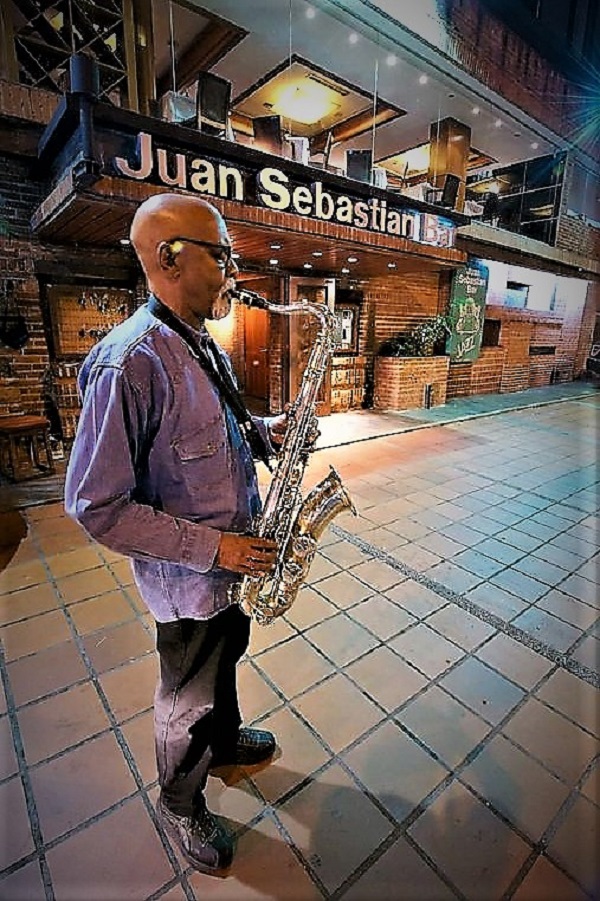
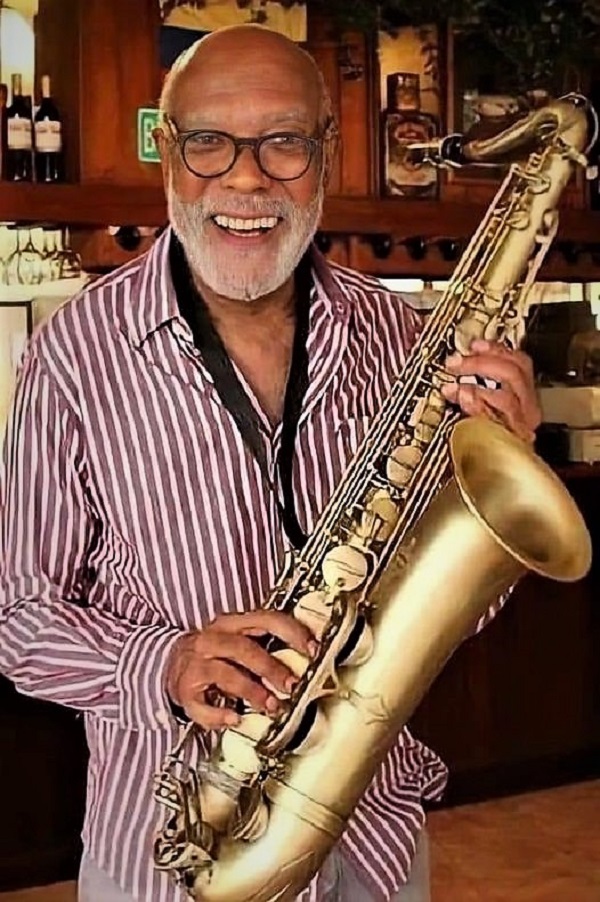
Víctor Cuica was not just a musician; he was a bridge between two worlds. Photograph at Juan Sebastian Bar

Víctor Cuica was not just a musician; he was a bridge between two worlds. Photograph at Juan Sebastian Bar

His discography, which includes gems such as Que sea para siempre (1984), Noctámbulo (1993), Just Friends (1998), and Los Locos de Caracas (1999), stands as a testament to his versatility. In 1995, the Venezuelan Artist’s Guild (Casa del Artista) honored him as Musician of the Year.

A Farewell with the Flavor of the Streets and Bohemia

Víctor Cuica passed away on Saturday, December 26, 2020, at the age of 71 due to a heart attack. His departure left a void in the film industry, where he starred in memorable films such as Santera (for which he also composed the award-winning soundtrack in 1997), and in the bohemian nights of Caracas, where his saxophone was often the soul of the evening.

A Tribute from His Peers

Multi-percussionist José Hidalgo, known as “El Tokun Mayor,” describes Cuica with words that summarize his essence:

“Víctor Cuica is the finest example of an artist intimately linked to his daily reality and cultural origins, without ever losing sight of the cosmopolitan and universal nature of his musical message. Cuica is the expression of genuine jazz performed with the simplicity of the streets.

Víctor is as authentic in his personal character as he is as an artist. This virtue was his companion as he traveled across numerous international stages, spanning the worlds of music, film, theater, and opera always with the transcendence of a bohemian, simple, and bold minstrel.

Cuica never ceases to surprise us, whether through his voice or the sound of his saxophone an instrument that, with his habitual ingenuity, he turned into a centerpiece of performance through his creativity and versatility.

His talent has graced stages across Europe and the Americas. His work projects far beyond the commercial mainstream and, today, leaves us with a brilliant musical improvisation that is truly beyond compare.”

DJ Augusto Felibertt with the one and only virtuoso Víctor Cuica

DJ Augusto Felibertt with the one and only virtuoso Víctor Cuica

Today, the name Víctor Cuica remains etched in history as the man who gave Jazz a Caribbean color and gave the Venezuelan saxophone a voice of its own.

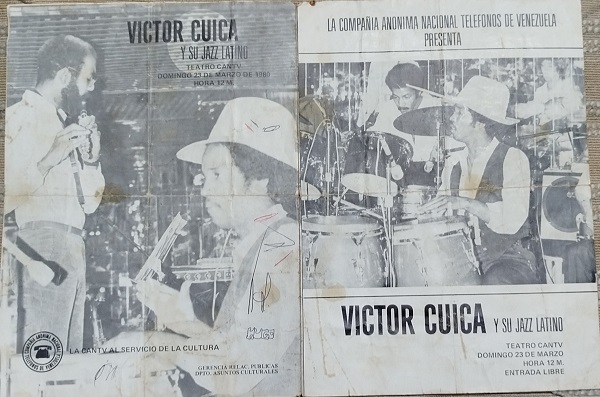
Victor Cuica and his Latin Jazz, March 23, 1980 at the Cantv Theater in Caracas

Victor Cuica and his Latin Jazz, March 23, 1980 at the Cantv Theater in Caracas

Also Read: Oscar Rojas Oscar Rojas has 54 years of musical career full of passion, rhythm and flavor

Carlos Jimenez offers his talent and passion to charm the audience in universities, hotels, and restaurants all over New York

We are very happy because this beginning of the year has brought us a very friendly conversation with brilliant bandleader, composer, vocalist, and flutist Carlos Jiménez, who kindly answered the questions we had for him. 

The New Yorker has many interesting things to tell, so we hope that everyone will enjoy the material below.

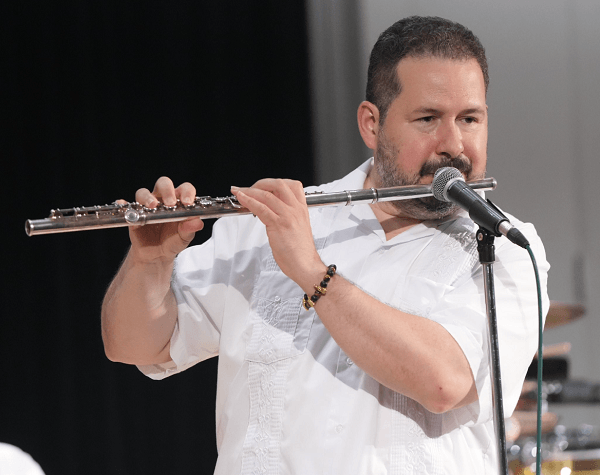
Carlos Jimenez playing
Carlos Jimenez playing the flute live

Carlos’ beginnings in music

Carlos was born in New York City, but moved to Puerto Rico with his family when he was six years old. It was on the Island of Enchantment that he discovered his inclination toward music thanks to his trumpeter father William, and his cuatrista grandfather Cruz, who encouraged him to take music lessons. Therefore, he also began to receive musical training and built competence for playing percussion instruments such as the timbales, bongos, and congas. 

His first lyrical instrument was the trumpet, which he learned to play under the tutelage of Professor Pablo León at Francisco Zayas Santana High School. However, inspired by Mongo Santamaría and his musical arrangements for his song “Song For You,” he decided to switch instruments and start playing the flute, which he has continued to do.

Carlos’ return to New York

As a young man, he decided to return to his hometown highly motivated by the vibrant Latin music scene there, which he describes as “the city where all our dreams come true.” While there, he enrolled at the Music Conservatory of Westchester to study classical flute, but his training have not been completed. 

He also studied jazz harmony and voicing with piano teacher Michael Longo, who he describes as a good friend and teacher to the point of making a recording together. Unfortunately, Longo was one of the many victims of the COVID-19 pandemic, which was an immense sadness for Carlos and those who had the privilege of knowing him. 

Orlando Marín and Carlos Jimenez
Orlando Marín ”El último Rey del Timbal” and Carlos Jimenez

Results of his prolific career

After more than 20 years of successful career, Carlos has built a great reputation in the industry at the point of passion and hard work. He himself says that his good name comes as a result of his responsibility, reliability, and, most importantly, his ability to play good music.

His great skills as a professional and musician have led him to play at corporate events for companies such as Victoria’s Secret, Nike, ScotiaBank, Regeneron, and many others. In addition to that, he has also been able to play and lead orchestras in performances for universities and cultural institutions such as Lehman College, Sarah Lawrence College, New York Botanical Garden, Columbia University, and many more. 

Likewise, Carlos’ band has performed in so many festivals such as West Harlem Jazz Festival, Harbour Jazz Festival, Fall Harvest Fishkill Farm Festival, Lake George Festival, Summer Sound Festival, and many others. 

Altruistic side

In addition to the above, Carlos has also earned the respect of his colleagues thanks to the numerous galas, charity events, and community activities the artist has been involved in recent years, which has made him worthy of numerous awards for his community service. This shows that the flutist is not only passionate about his craft, which is music, but also uses it to do good to those in need. We can also add that he has headlined numerous shows at well-known restaurants and hotels such as Casa Cipriani Hotel, The Marriott, Ritz Carlton, The Lexington Hotel, among others.

Carlos Jimenez and Eric Adams
Carlos Jimenez and former New York Mayor Eric Adams

The Carlos Mambo Dulcet

Together with his orchestra, Carlos has released several albums, including “Red Tailed Hawk Vol. 1,” “Red Tailed Hawk Vol. 2,” and “Despierta Boricua,” among others. The artist closed the conversation by saying that his group continues to be formed and has more than 100 musicians and all are are wonderful.

Read also: La Nota Band showcases the best of Venezuelan talent

Ángel Luis Canales is a renowned Puerto Rican singer and composer known as “El Diferente” (The Different One) for his particular and irreverent style

Angel Canales was born on June 29, 1950, in Santurce, Puerto Rico.

During his childhood, around the age of 8 or 10, he moved with his family to New York City, where he lived in East Harlem (Upper Manhattan). Musical influences indicate that from a young age, he was strongly influenced by the music of Cortijo y su Combo and Ismael Rivera.

Before or concurrently with his musical career, he worked in the jewelry business; he was a messenger and later learned to cut and polish diamonds, a skill that allowed him to self-finance his musical career and pay high salaries to his musicians.

Ángel Luis Canales is a renowned Puerto Rican singer and songwriter known as El Diferente for his unique and irreverent style.

Musical Career

His Beginnings: He started as a timbalero in Ray Jay’s orchestra, where he debuted as a singer, replacing the lead vocalist.

His first album (1970), titled “Brujería,” was released in 1970 and recorded under the Alegre Records label, with musical direction by Mark Dimond. Hits from this production include “El Barrio,” “Yo No Tengo Pena,” and the title track.

Notable Hits: Among his most popular songs are: “Nostalgia,” “Sol de Mi Vida,” “Perico Macoña,” “Lejos de Ti,” “Hace Tiempo,” “El Cantante y la Orquesta,” “Sabor de los Rumberos Nuevos,” “Bomba Carambomba,” and his celebrated rendition of the bolero “Dos Gardenias.”

His Unique Style is recognized for its unorthodox approach and distinctive vocal timbre, which earned him the nickname “El Diferente” (The Different One).

He was a highly independent artist who self-financed his albums and founded his own record label, Celanac Records.

Tours and Retirement

International Tours: He toured internationally, visiting countries such as Panama (his first), Venezuela (where he performed at the Poliedro de Caracas in 1982), Colombia, and Peru. It is said that he never performed with his orchestra in his native Puerto Rico.

He retired in the late 1990s, deciding to leave the stage.

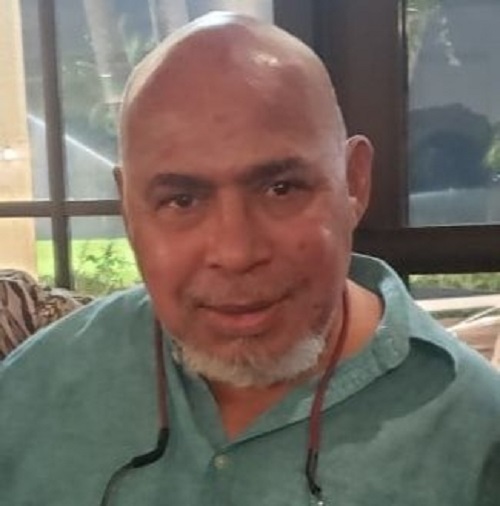
Currently, he is reportedly battling Parkinson’s disease, which has limited him and led him to choose silence and retirement, although he occasionally attends private events. He is currently 75 years old.

Àngel Luis Canales, y el pianista, compositor y arreglista Gilberto el pulpo Colòn

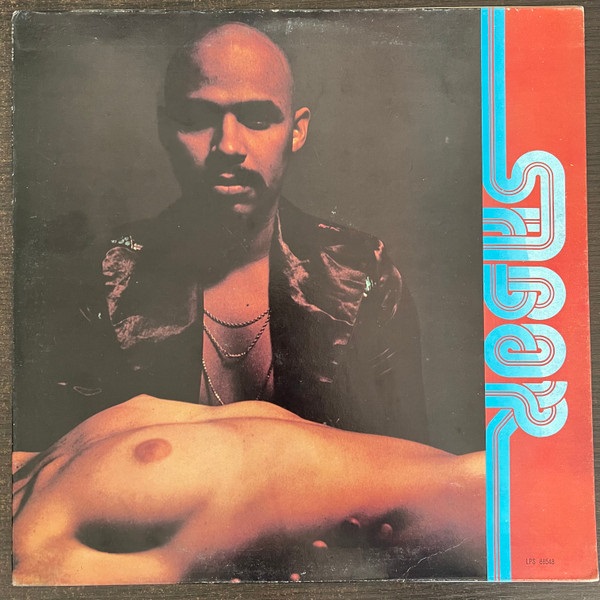
50 Years Since the Launch of “Sabor” (1975)

The Album: The album titled “Sabor” by Angel Canales was released under the Alegre Records label in 1975.

Only a boricua (Puerto Rican) who has been absent from their homeland knows what it’s like to be away from Puerto Rico when winter arrives in New York City. Or when you’re inside a taxi or walking the congested streets of the Bronx or the Latino barrio, and all you see around you are skyscrapers and more skyscrapers. The anxiety and sense of helplessness that overwhelm your spirit in the concrete jungle can only be calmed by memories.

50 years ago, on Monday, November 10, 1975, the unique voice of Puerto Rican singer Ángel Luis Canales consoled the thousands of boricuas oppressed by nostalgia with his composition “Lejos De Ti” (Far From You). It was a confession and affirmation of his Puerto Rican identity, in which he asserts that his love for his homeland will never die, even though he was raised in New York.

The song is a guaguancó with lyrics that evoke images of old San Juan, Villa Palmeras and its rich bomba heritage, Boca de Cangrejos, fried fritters on the grill, and the river that crosses through the old Ancón de Loíza Aldea, where his grandmother lived. “Lejos De Ti” remains the most remembered track from “Sabor,” an album produced by Joe Cain, recorded in late 1974, and released by Alegre Records on Monday, November 10, 1975.

Angle Canales Sabor 1975 Photography By Dominique

This album is considered one of the best salsa releases of the 1970s.

Canales’ Style: Canales favored a different style of interpreting Afro-Caribbean rhythms, combining elements from Héctor Lavoe, Ismael Rivera, Vicentico Valdés, and Paquito Pérez (the singer of the Orquesta Zodiac of Loíza). He extended the melodies with his nasal voice, challenging the poetry of the montunos, but going off-key and mispronouncing some words. His diction was far from perfect.

Production: The architect of Canales’ success was Colombian pianist Edy Martínez, who arranged seven of the eight tracks on this session, from cut #2 to #8. Due to a prior commitment with Mongo Santamaría’s band, he left his compatriot José Madrid in charge of the piano performance on this record.

Under Martínez’s direction, Canales embraced fame. “Sabor” was his second album between 1970 and 1971, he had recorded the “Brujería” session with pianist Mark Alexander “Markolino” Dimond, who founded Conjunto Sabor after spending several years with Willie Colón’s band.

Canales reappeared four years later with the Orquesta Sabor los Rumberos Nuevos with an arrangement by Louie Cruz. That same year, 1975, Larry Harlow produced Mark Dimond’s classic “Beethoven’s V” featuring vocalists Frankie Dante and Chivirico Dávila. “Sabor” was a huge hit.

Tours and Artistic Choices: The singer toured Europe, the United States, and South America, where Colombians, Panamanians, and Peruvians remember him fondly to this day, despite health issues forcing him to retire from the stage.

During the golden age of salsa, singers were expected to master all genres, and boleros were no exception. His vocalization on “La Hiedra” (a track written by Saverio Saratini and Vincenzo D’Acquisto) and “No Te Acostumbres” (a track belonging to Doris Aghian’s catalog) is notable for its theatricality, a trick Canales employed to mask the limitations of his voice.

Salsa dancers who thrive on piano, trombone, and percussion solos will be delighted with “Sabor Los Rumberos Nuevos,” “Sol De Mi Vida” (dedicated to his wife Brunilda), “El Cantante y La Orquesta,” and the hit “Hace Tiempo” (with its memorable chorus: ay, ay, ay, no me hagas padecer así – oh, oh, oh, don’t make me suffer like this).

Legacy: Before becoming a professional singer, Canales worked as a jeweler. A look at the covers of his first two albums is enough to conclude that he was a pioneer in the use of bling-bling in salsa. As a composer, Canales was a solid chronicler of barrio life. The story told in “Perico Macoña” is a good example: a man who smokes a joint and loses all self-control, insulting his own friends with his abrupt comments.

The re-issue of “Sabor” is a fitting tribute to the memory of the late Joe Cain.

Credits

  • Trombone: Juan Torres, Ricardo Montañez
  • Trumpet: Tom Malone
  • Baritone Saxophone, Flute: Emérito Benítez
  • Piano: José Madrid
  • Bass: Eddie Testo
  • Congas: Antonio Tapia
  • Timbales: Gadier Quiñones
  • Bongo: Aldemaro Luis Rivera
  • Producer: Joe Cain
  • Musical Director: Juan Torres
  • Recorded at: LE Studio NYC, December 1974
  • Engineer: Sandy Sina
  • Arrangements: Edy Martínez (except “Sabor Los Rumberos Nuevos” by Louie Cruz)

Torres, Montañez, Tapia, and Quiñones had previously collaborated with Canales on Markolino Dimond’s “Brujería” album.

Collaboration:

  • GonZalsa
  • L’Òstia Latin Jazz
  • Dj. Augusto Felibertt
  • Jaime Torres Torres
  • Fania Record
Angel Canales «El Diferente» recibiendo la produccion de Danilo Cajiao Titulada»Mi Perdicion» año 2020

Also Read: Angel Canales «El Diferente» receiving the production from Danilo Cajiao titled »Mi Perdicion» year 2020.

Charlie Sierra was a prominent Puerto Rican timbalero, recognized for his long musical career and virtuosity on the instrument

Carlos Manuel Sierra Sánchez, better known in the music world as “Charlie Sierra,” was born on October 10, 1956, in Vega Baja, Puerto Rico.

Charlie Sierra fue un destacado timbalero puertorriqueño

An excellent percussion musician from Barrio Sabana, Charlie Sierra recorded with important figures in music such as Don Mario Ortiz, Andy Montañez, Raphy Leavitt, Marc Anthony, Oscar D’León, Julito Alvarado, and many others. He even recorded the album Bravo by the Fania All-Stars in 1997.

To the worldwide community of salsa fans (salsómanos), he was a member, along with Chago Martínez, Tito De Gracia, Edgardo Morales, and Edwin Clemente, of the Gran Cumbre de Timbaleros (Great Summit of Timbaleros) that emerged in Puerto Rico’s rumbero (Afro-Cuban rhythm/rumba) scene during the penultimate decade of the 20th Century.

Charlie Sierra fue un destacado timbalero puertorriqueño reconocido por su larga trayectoria musical y su virtuosismo en el instrumento

Among these five virtuosos, the majority of the recording sessions in the Puerto Rican market were divided. The others were, practically, second choices for producers.

This fortunate circumstance allowed him to develop an impressive discography as a session musician, which includes the most stellar names in salsa. Likewise, he traveled across a large part of the globe as a member of the backing bands for many of those stars.

Our biographical subject was a child when he began, without a teacher, to learn the bongos and drums which he also played on recordings and on stage and the timbales, leading him to be identified as a fundamentally intuitive musician.

At the age of thirteen, he moved with his family to Bayamón, and it was during his time as a student at the Nuestra Señora del Rosario School that he began to show signs of his talent.

At fourteen, he enrolled in the Ernesto Ramos Antonini Free School of Music (Escuela Libre de Música), where he was a disciple of the Argentine master Samuel Lipchik.

During that time, he also advanced his knowledge of the flute, guitar, and piano, instruments he would never cultivate professionally, as percussion was always his great passion.

Papo Lucca, Charlie Sierra y Cheo Feliciano

However, his time at the Free School of Music was relatively brief (1972-1974). He soon began his professional career, gaining his first experiences with the Orquesta Rica and the Orquesta Tabú.

During this period, he received private lessons from the renowned professor Raúl Berríos Sánchez.

Fully immersed in the music scene, his name began to gain relevance in the salsa world following his tenure with the original Orquesta Mulenze, led by bassist Edwin Morales, during the 1976-1978 period.

At that time, this organization focused its work on providing accompaniment to solo singers affiliated with the genre, both national and foreign, who visited the island. He had the opportunity to travel with several of them: Santos Colón, Celia Cruz, Cheo Feliciano, Chivirico Dávila, Pellín Rodríguez, Yayo El Indio, etc.

From the Orquesta Mulenze, he moved to the lineup of Raphy Leavitt & La Selecta (1978-1979), with whom he had the opportunity to record hits like “La cosquillita,” vocalized by Tony Vega. He later worked with the orchestra led by pianist Tito Valentín, which featured Marvin Santiago as the vocalist.

He then joined trumpeter Mario Ortiz’s orchestra (1982-1984); he collaborated in the founding of the backing bands for the great sonero (Cuban son singer) Carlos «Cano» Estremera (1984) and the equally admired Tony Vega (1988).

In the interim, he worked independently and constantly recorded with other groups and a large number of soloists. He maintained this intense work routine until the present.

In 2009, Charlie Sierra organized his own orchestra, Paso Nivel, with which he recorded the album Ganas de bailar (Paso Nivel, CD-10692).

The album prominently features singer Efraín «Pichi» Gaetán, and included special guests such as Cheo Feliciano, Ismael Miranda, Andy Montañez, and Gilberto Santa Rosa, as well as Primi Cruz, Darvel García, and Héctor Luis «Pichie» Pérez.

Charlie Sierra was a distinguished Puerto Rican salsa timbalero, recognized for his long musical career and his virtuosity on the instrument.

He passed away on October 23, 2024, at the age of 67. Throughout his career, he collaborated with artists of the stature of Andy Montañez, Celia Cruz, Cheo Feliciano, and Bobby Cruz.

Musical Career: He began his career with the Orquesta Mulenze in 1970 and later joined Raphy Leavitt & La Selecta’s band.

Charlie Sierra y Orestes Vilato

Notable Collaborations:

He worked with Andy Montañez for over 25 years, being a key piece in his orchestra. He also collaborated with artists like Celia Cruz, Cheo Feliciano, Gilberto Santa Rosa, Bobby Cruz (on the hit “Sonido Bestial”), Tito Valentín, among others.

Own Orchestra: In 2009, he founded his own orchestra called Paso Nivel, with which he recorded the album “Ganas de bailar” (Desire to Dance).

 Collaborators:

L’Òstia Latin Jazz

Also Read: Orestes Vilato. Cuban multi-percussionist.

  • « Go to Previous Page
  • Page 1
  • Page 2
  • Page 3
  • Page 4
  • Interim pages omitted …
  • Page 18
  • Go to Next Page »

International Salsa Magazine (ISM) is a monthly publication about Salsa activities around the world, that has been publishing since 2007. It is a world network of volunteers coordinated by ISM Magazine. We are working to strengthen all the events by working together.