• Skip to primary navigation
  • Skip to main content

International Salsa Magazine

  • Home
  • Previous editions
    • 2025
      • ISM / November 2025
      • ISM / October 2025
      • ISM / September 2025
      • ISM / August 2025
      • ISM / July 2025
      • ISM / June 2025
      • ISM / May2025
      • ISM / April 2025
      • ISM / March 2025
      • ISM / February 2025
      • ISM / January 2025
    • 2024
      • ISM / December 2024
      • ISM / November 2024
      • ISM / October 2024
      • ISM / September 2024
      • ISM / August 2024
      • ISM / July 2024
      • ISM / June 2024
      • ISM / May 2024
      • ISM / April 2024
      • ISM / March 2024
      • ISM / February 2024
      • ISM / January 2024
    • 2023
      • ISM / December 2023
      • ISM / November 2023
      • ISM / October 2023
      • ISM – September 2023
      • ISM – August 2023
      • ISM July 2023
      • ISM Edition June 2023
      • ISM – May 2023
      • ISM April 2023
      • ISM March 2023
      • ISM February 2023
      • ISM January 2023
    • 2022
      • ISM December 2022
      • ISM November 2022
      • ISM October 2022
      • ISM September 2022
      • ISM August 2022
      • ISM July 2022
      • ISM June 2022
      • ISM May 2022
      • ISM February 2022
      • ISM January 2022
    • 2021
      • ISM December 2021
      • ISM November 2021
      • ISM October – 2021
      • ISM September 2021
      • ISM August 2021
      • ISM July 2021
      • ISM May 2021
      • ISM April 2021
      • ISM June 2021
      • ISM March 2021
      • ISM February 2021
      • ISM January 2021
    • 2020
      • ISM December 2020
      • ISM November 2020
      • ISM October 2020
      • ISM September 2020
      • ISM August 2020
      • ISM July 2020
      • ISM June 2020
      • ISM May 2020
      • ISM April 2020
      • ISM March 2020
      • ISM February 2020
      • ISM January 2020
    • 2019
      • ISM December 2019
      • ISM November 2019
      • ISM October 2019
      • ISM Septembre 2019
      • ISM August 2019
      • ISM July 2019
      • ISM June 2019
      • ISM May 2019
      • ISM April 2019
      • ISM March 2019
      • ISM February 2019
      • ISM January 2019
    • 2018
      • ISM December 2018
      • ISM November 2018
      • ISM October 2018
      • ISM September 2018
      • ISM August 2018
      • ISM July 2018
      • ISM June 2018
      • ISM May 2018
      • ISM April 2018
      • ISM March 2018
      • ISM February 2018
      • ISM January 2018
    • 2017
      • ISM December 2017
      • ISM November 2017
      • ISM October 2017
      • ISM September 2017
      • ISM August 2017
      • ISM July 2017
      • ISM June 2017
      • ISM May 2017
      • ISM April 2017
  • Download Salsa App
    • Android
    • Apple
  • Spanish

Search Results for: jazz club

Carlos Medrano from Sabor De Mi Cuba tells us abut his long musical history

There is a tremendous amount of Cuban artists who have had to fight against economic adversity there is in their country, but this has not prevented them from getting ahead and fulfilling their dream of making a living from their art. One of them is the bandleader of Sabor De Mi Cuba Band, Carlos Medrano, with whom we had the pleasure to talk for this report.    

Carlos Medrano was born in the city of Havana, Cuba, and became interested in music when he was very young. The first instruments with which he began experimenting were the bongo and the conga, which had a huge importance in the training the artist would follow until he became the professional musician he is today. Here are some of the topics we cover in a long but pleasant conversation via Zoom.   
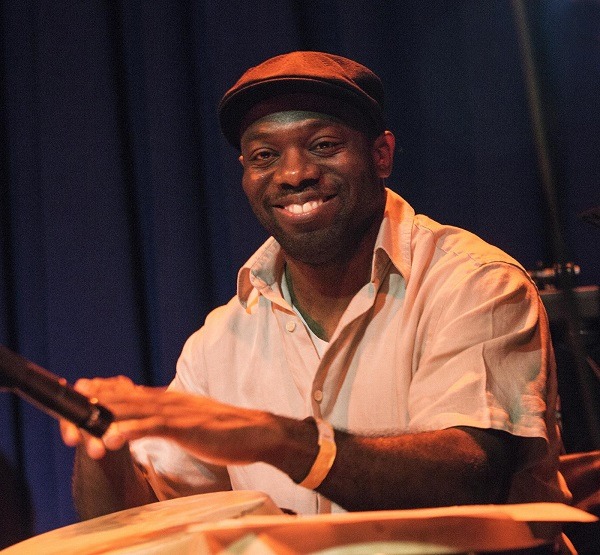
Bandleader Carlos Medrano
Carlos Medrano, bandleader of Sabor De Mi Cuba

Topics covered with Carlos Medrano 

When talking about his first experiences with music, Carlos told us he has always been surrounded by musical sounds since his childhood, which was spent in the neighborhoods of El Vedado and Old Havana.    

When he lived in El Vedado, his grandfather used to make poetry and do recitations, while he accompanied him with the drum, but he was in more direct contact with the musical world in Old Havana, a place where there were many rumberos and renowned musicians who were always playing in those parts.   

A very young Carlos always saw comparsas and street concerts from her home window and people always joined them making sounds with bells, pans or anything they had. 

During the decade of the 90’s, Cuba saw a big boom in tourism, resulting in the appearance of numerous traditional Cuban music groups and the cafes and clubs in the area were filled with sextets with professional musicians. They were looking to play in these places to get tips from tourists and have travel and employment opportunities,” said Carlos.    

I always looked at the work these artists were doing, especially tres players and bongos players. That’s how I learned to play the bongo: by watching and listening to what others were doing. I tried to imitate the sounds they made with a metal bucket or whatever I had at home to learn”, he continued.    

Carlos Medrano on stage
Carlos Medrano performing on stage with his band

Professional training of Carlos Md¡edrano and and limitations found 

After junior high school, he met a friend of his father who would be key in his training as an artist and his name is José Antonio Oviedo. Although his father saw no problem in this fascination of Carlos with music, he always told him not to drop out of school and to pursue a university career. 

When he began taking lessons with José Antonio, the level of demand was such that he felt he was in a formal school. He taught him to read music in a way that had nothing to envy to an art institute, which Medrano will always be very grateful for. 

In addition to that, near his home, there is a sector called ”Cueva De Humo” where there are excellent musicians and rumberos. It was there that Carlos got to meet Juan Ernesto Santana, Ernesto Gatel Coto from Rumberos de Cuba and many more. ”I was lucky that most people liked me and they always explained to me everything I needed to play as it should be” he added.   

With all these insights, there came a point when he decided to devote himself to the world of music and put aside other ambitions he had such as studying law, which was a shock to his family at the time. 

That is when his mentor José Antonio did the necessary procedure for him to present the Escuela de Superación Profesional de Arte “Felix Varela y Morales” admission exam, which he passed without major setbacks thanks to his training up to that point. 

Although his admission to the institution was relatively simple, it was not long before Carlos faced another equally difficult challenge: getting the necessary resources and instruments to receive a good training. 

”I didn’t have my own instruments until I started playing professionally with maestro Orlando Sánchez. I had my first bongo thanks to my father’s friends, who helped me to have my own things, but that never limited me” said the percussionist on this topic. 

In a time of so many shortages, it was clearly not easy to study, but Carlos was always looking for ways to fulfill his activities, whether it was raising money, borrowing instruments, practicing with other similar implements, sharing school instruments with his classmates, among other things.    
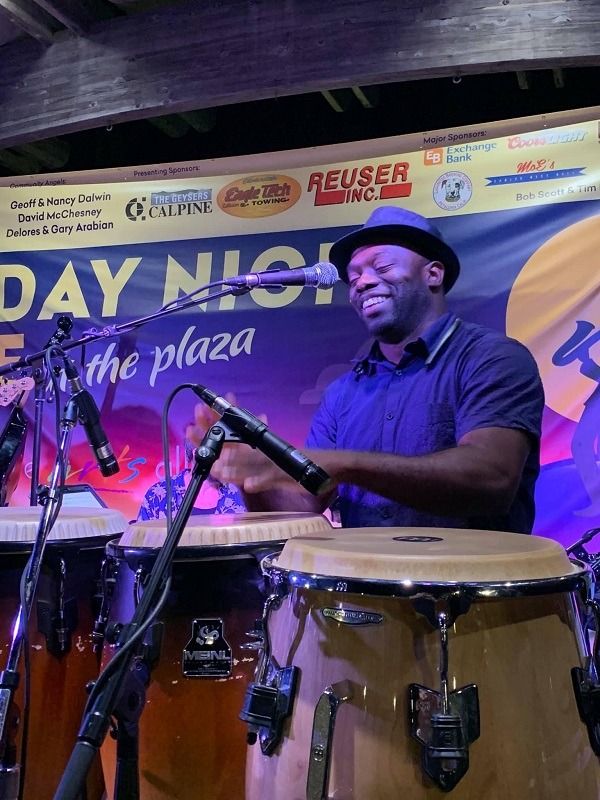
Carlos Medrano paying the drums
Carlos Medrano playing the drums on stage

Great inspirations and mentors   

One of his biggest inspirations was his cousin Stanley, who was a professional percussionist. He always advised Carlos to never classify himself in one instrument, but to always learn to play a little bit of everything to become a needed man, so that bands would always consider him for their tours and projects.    

Another of the great mentors he had has been Ignacio Jarabe, who has taught him many of the best ”tricks” a percussionist may need when playing one of these instruments. ”I still have solo sheet music that he wrote and some of his book manuscripts, which I don’t know if they were ever published, but they are still important reference sources for me”, said Carlos about Jarabe. 

We cannot forget to mention percussionist Eliel Lazo, with whom Carlos had amazing chemistry from the beginning. Lazo had contact with the best AfroCuban jazz musicians of the time and came to travel to many places thanks to his training in percussion instruments, which inspired Medrano to follow in his footsteps. After about one year of studying with this great musician, he was able to perform at La Fiesta Del Tambor and went on to be a finalist in several categories.   

Once he started plating professionally, the first person to call him was the maestro Orlando Sanchez, who in addition to offering him his first formal opportunity in this field, taught Carlos many other things which he had not learned so far. He has him up on a pedestal and thanks him for everything he has learned. 

Another person to whom the artist is very grateful is José Luis Quintana, better known as Changuito, who told him that ”the good conga player has to listen to the orchestra. You have to be able to hear the piano, the bass and the other instruments. You have to look for your space between the rest of the musicians”.   

Another important figure who cannot be left out is Yaroldy Abreu, a mmusician who spent hours rehearsing with Carlos at his house. They focused a lot on technical and creative resources during these classes. Medrano considers him one of the best percussionists and musicians in the world due to his extensive knowledge in every field of music.  
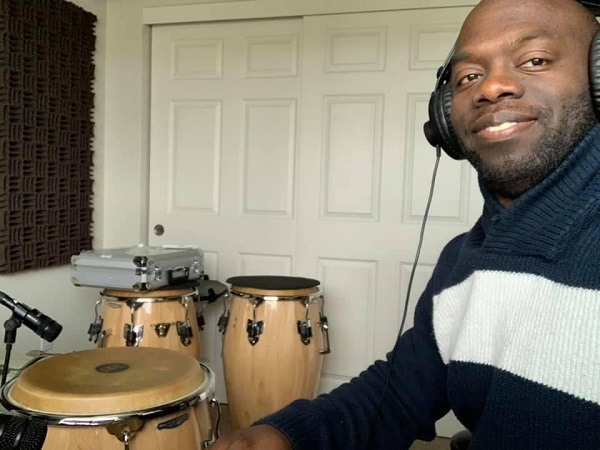
Carlos recording at home
Carlos Medrano recording music at home

Sabor De Mi Cuba   

It all started with a contest called ”Joyas” which specializes in promoting young Cuban talents who present their art to a qualifying jury and seek to carve a name for themselves in the industry.    

Carlos was fortunate that one of the judges told him and drummer Pablo Calzado ”you two shall go along with me”. The artist spent some time working with this person, who took him to play in other orchestras so that he could learn from the best until developing his own style.  

This happened after he moved to the United States and was still acquiring experience with other musical groups. That is when he realized he wanted to do things in a different way and get involved in other genres and rhythms that he had not tried before.    

There came a day when a bass player friend of his told him that if he wanted to come up with his original ideas, he had to embody them himself and not wait for others to do it. Carlos never saw himself creating his own band, but he decided to began composing his own music and he succeeded. 

Then, he started writing usic, contacting great arranger friends of his who helped him reassemble the idea of what he wanted to do. Once he had a repertoire, they advised him to record an album and give life to everything he had done, which gave birth to his first album ”Sabor De Mi Cuba”. 

The first song he wrote in his life was called ”La Habana” and was basically inspired by everything Carlos lived in his country and the longing he feels for not being able to be in his country, walk its streets, party with his friends, visit its special places, among other things. What he relates there is his life in the city where he was born and his desire to be able to go back there. 

His main motivation to make the album was the possibility of doing something different from anything he saw in the music scene around him at the time.   

Carlos does not think of himself as a professional composer, far from it, as he feels he still has a lot to learn in that field, but he hopes to reach the level of the artists who inspired him in his youth.   

Read also: Héctor “Rudy” Regalado and his great career 

Fausto Cuevas Y La Moderna in International Salsa Magazine

Who is Fausto Cuevas

Fausto Cuevas is a bandleader and percussionist from the state of Texas who is currently leading the orchestra Fausto Cuevas Y La Moderna, which has been playing in a large number of nightclubs located in the state of California, where Fausto currently resides.

For its part, Fausto Cuevas Y La Moderna is a salsa group whose purpose is to take the old Latin genres and provide a modern twist to them. While it is true that their main genre is and has been salsa, its members also experiment a lot with Cuban guaguancó, yambú, cumbia, son, cha cha chá, among others.

We are proud to have such an artist in our June edition and hope that this conversation will grace all our readers.

Fausto Cuevas next to a drum

Fausto’s beginnings in music

Fausto grew up in Brownsville, a village in Texas very close to the southern border with Matamoros, Tamaulipas, where his father is from. Due to this territorial proximity to Mexico, the artist was always exposed to ranchera instruments and, in particular, drums. The latter would be very important in what would become his professional future.

At the age of 11, he entered the public school system and was assigned to play a snare drum in a symphonic style. It can be said that this is when his fascination for this type of instrument began and continues till this very day.

In fact, Fausto claimed to have not been interested in guitar, piano or bass. He was always very clear that his aspirations were focused on drums, and percussion.

These first steps led him to specialize in playing American music, rock and jazz. Until then, he had not had any contact with Latin or Afro-Cuban music, but that would eventually change.

Moving from Boston to California

Fausto tells us that his biggest dream was always to go to New York, since the music scene was vibrant there at that time, but he could never do it due to some personal issues he encountered, such as the birth of his daughter. This is what made him move to Los Angeles and give up on that dream.

Fausto Cuevas performing on stage

When we asked him if he still wanted to live in ”The Big Apple”, he told us that he had already found his place in California and his career had already taken root in this part of the United States.

Fausto Cuevas Y La Moderna

Fausto Cuevas Y La Moderna was created in a very particular way. One day, Fausto received a call from the department at Berkeley that does concerts for the Boston community and was asked if he had a salsa band to play at the Tito Puente Latin Music Series. He said yes to everything, although he had nothing prepared at the time.

What he did have was a group of friends who were related to music and happened to live in Boston. They were all so well-suited and had so many plans that things worked out in an extraordinary way. That was 25 years ago and they have stayed together to this day despite the obstacles.

Relationships with other artists and genres

Fausto Cuevas Y La Moderna have performed and toured with stars such as Marc Anthony, Jose Alberto ”El Canario”, Celia Cruz, Julio Iglesias, Santana, Tito Nieves, Tito Puente Jr., Stavie Wonder Jennifer Lopez, Britney Spears, among others.

Fausto Cuevas and Tito Puente Jr.

One thing that Fausto feels he has learned from these artists is to be identifiable as a Latino in American genres. He says it is very interesting to create things, always identifying with Latin rhythms when playing soul, R&B or pop.

Having had so much contact with all these musical luminaries has helped him to rediscover himself and be much more creative when mixing Latin and American elements. In this sense, knowing the roots of the genres he plays has helped him a lot to know how to link both worlds.

It is precisely the knowledge of these roots which has made Fausto Y la Moderna stand out among other Californian groups.

Future projects

As to future projects, Fausto Y la Moderna plans to release a few singles this year and record the rest of the album in order to release the whole album in 2024.

He also pointed out that he is about to release an album with Gonzalo Grau Y La Clave Secreta, another group in which he is also involved, so he invites everyone to listen to his music through networks and digital platforms.

Read also: Great conversation with New York singer Ralphy Ray

Héctor “Rudy” Regalado and his great career

This is Rudy Regalado

Héctor ”Rudy” Regalado was a Venezuelan artist born on January 29, 1943 in the 23 de Enero parish, Caracas, and died on November 4, 2010, in Las Vegas, United States, at age 61 as a result of pneumonia.

For a great part of his life, he devoted himself to being a brilliant bandleader, composer, percussionist and musician who had a very prolific career with more than 50 years of duration. At that time, he made an endless number of tours and was a very important member of the Orchestra El Chicano, which was very famous in those years.

Rudy Regalado was born in Caracas and died in Las Vegas

Youth

As a teenager, a young Hector began playing drums and timbales in the city of Caracas. The years were not many when he adopted the nickname “Rudy Regalado” as his artistic name in honor of the former Cleveland Indians’ player.

When he decided to embark on a career as an artist, he moved to Puerto Rico in 1963 and began to delight the public of San Juan in various nightclubs of the city. Along with these concerts, he was professionally formed at the Pablo Casals Conservatory of Music.

In 1970, he moved permanetly to Los Angeles and united his talent with local groups before becoming part of El Chicano that same year.

Career with El Chicano

One of the most important details to mention about Rudy Regalado’s career is his participation as a member of the band El Chicano, which was always dedicated to mix rock, R&B and jazz. He remained in the group for 12 years and recorded about five record productions which included songs such as “Viva Tirado” and “Tell she’s Lovely”.

The orchestra also created the song used for the television series “Baretta”, which was broadcast from 1975 to 1978.

Rudy Regalado with the rest of the members of El Chicano

All Star Band

In 1983, he formed his own orchestra “All Star Band” with an outstanding group of musicians from Los Angeles with whom he toured a lot of countries such as the United States, Canada, Singapore, Indonesia, Thailand and many more. A short time later, its members decided to change their name to “Chévere”.  

Almost a decade later, Rudy Regalado impressed the whole world when millions of people witnessed his timpal solo in the World Cup closing ceremony, alongside Kenny G and Whitney Houston.

A few years later, the artist toured Japan in the company of maestro Tito Puente, with whom he demonstrated his great skills as a percussionist and his high musical level.

Mr. Duran, host of The Mr. Duran Show, and Rudy Regalado

Other musical works

In 2008 he reunited with “El Chicano” for a reunion tour, which highlighted the 40th anniversary of the Woodstock Festival at the Golden Gate Park Music Concurse in San Francisco. That same day, its former members played together for the last time at the Greek Theatre in Los Angeles, resulting in a historic evening in which feelings were close to the surface.

During the course of his successful career, Regalado collaborated with different and important figures of the musical environment such as: Quincy Jones, Rubén Blades, Cheo Feliciano, Cachao, The Zawinul Syndicate, Paquito D’ Rivera, Willie Colón, Oscar D’ León, Alphonse Mouzon, Caravana Cubana, among others.

Rudy Regalado dedicated his life to music and to represent the name of Venezuela in every stage that enjoyed his talent, standing out in the music scene for his vibrant performances with the timbales, also for his prolific compositions and the dedication to his work.

If you want to know more about this Venezuelan icon, you can wrtite to his daughter Norka Tibisay Regalado and get more info about him.

Read also: Interesting conversation with vocal coach and YouTuber Ceci Dover

Caroline Cohen

Latin America / Buenos Aires / Argentina

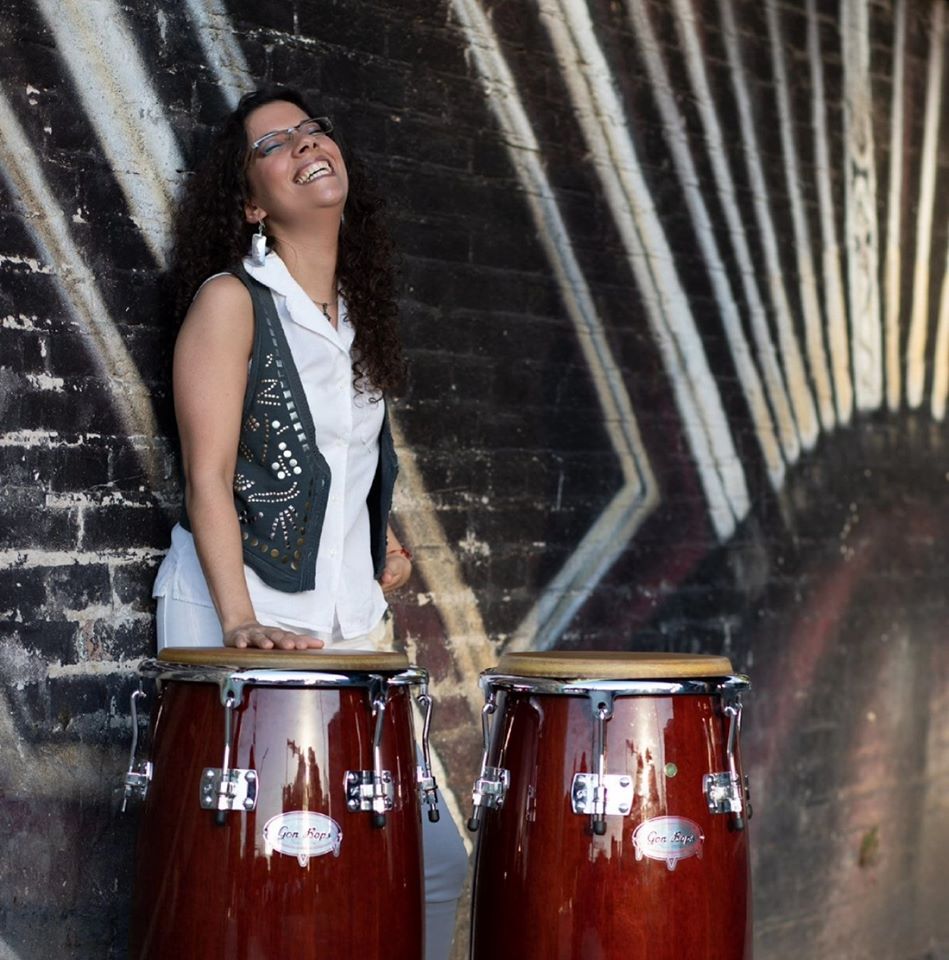
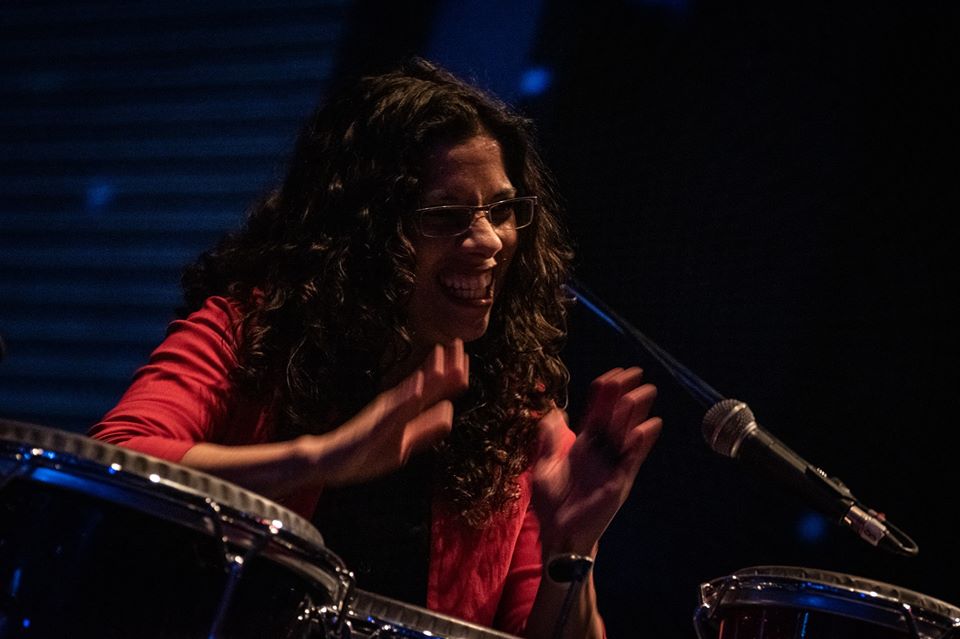
Carolina Cohen, Singer and percussionist

Carolina Cohen
Carolina Cohen

Percussionist and singer Carolina Cohen was born on November 8, 1982 in Buenos Aires, Argentina.

He began his studies in the year 2000 and traveled to Cuba, Peru and New York to perfect himself.

Throughout his career he has accompanied great artists such as Mayito Rivera, Eva Ayllón, Luis Salinas, Nahuel Peennisi, Bomba de Tiempo and prestigious artists at the Teatro Colón in the city of Buenos Aires.

Cohen has participated in highly relevant international festivals; Jazz Festival in Peru and Uruguay, International Cajon Festival in Peru, International Percussion Festivals in Argentina and the Great National Folklore Festival of Cosquín.

Carolina Cohen and her drums

Carolina is frequently invited to give percussion master classes, workshops and clinics at universities, colleges and schools in countries such as Colombia, Peru, Chile, Uruguay and the United States.

In 2016, she was invited to appear in a video on CongaHead, a popular YouTube with over 100,000 subscribers.

He currently directs his group “Caro Cohen Cuarteto”, created in 2017.

In the short period of existence, this group was already the opening act for Grupo Pedrito Martínez at Trastienda Club and accompanied Maestro Tito Manrique from Peru.

Highly in demand on recording sessions, she has recorded with many different artists.

Carolina Cohen on stage

Carolina has been a member of the “Grupo De Tal Palo de Música Latinoamericana” for eleven years with two albums released, Música Latinoamericana and La Luna Está Roja.

She is currently an exclusive artist for Gon Bops Percussion in Los Angeles-California.

Quinteto D’Amore

Latin America / Cuba / Havana

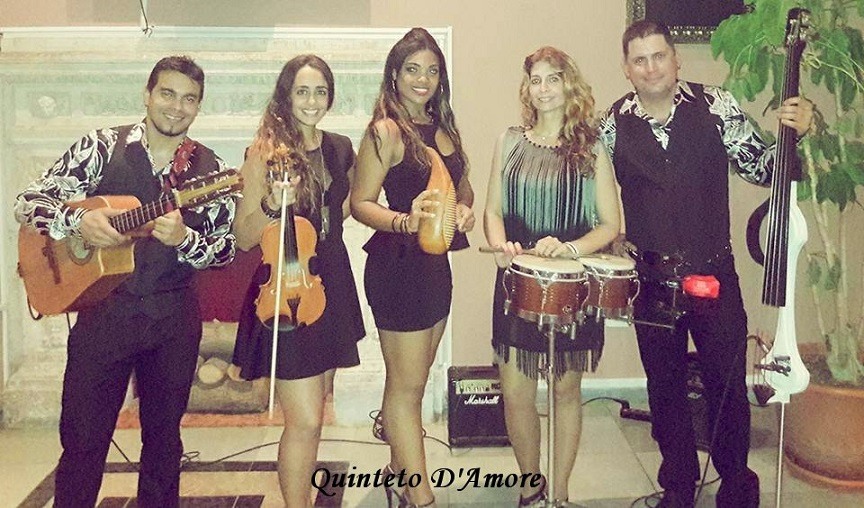
Quinteto D’Amore, cultivating traditional Cuban music throughout the world

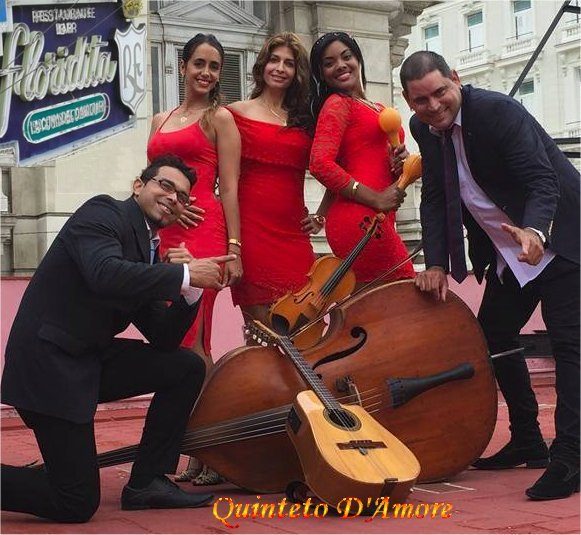
Quinteto D'Amore - floridita
Quinteto D’Amore – floridita

Quinteto D’Amore was founded in 2000 with an acoustic format, cultivating traditional Cuban music, although its repertoire includes international themes, it has made various national and international presentations.

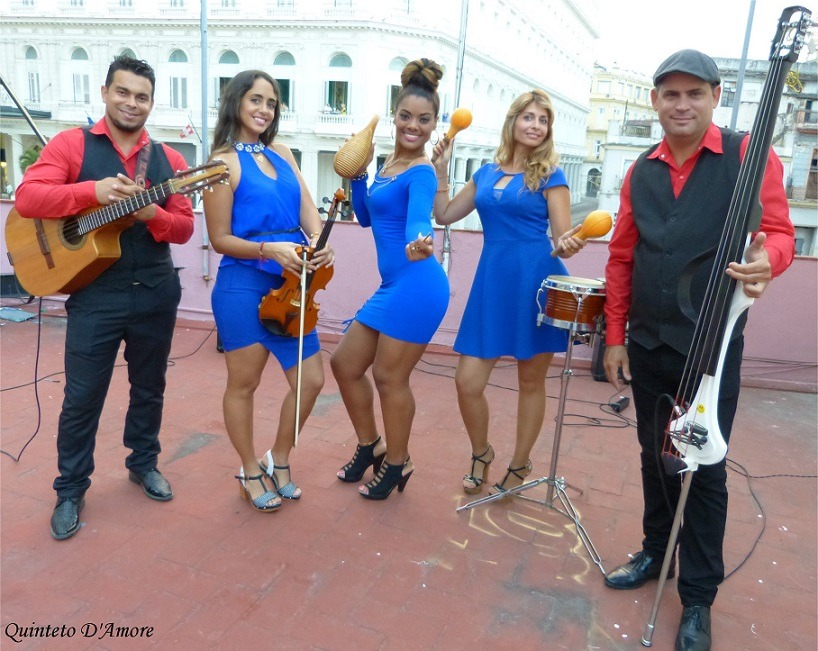
In all these years different musicians have integrated the group, currently two years ago the group has been renewed and is composed of Bass, Tres, Violin, bongo, minor percussion and soloist.

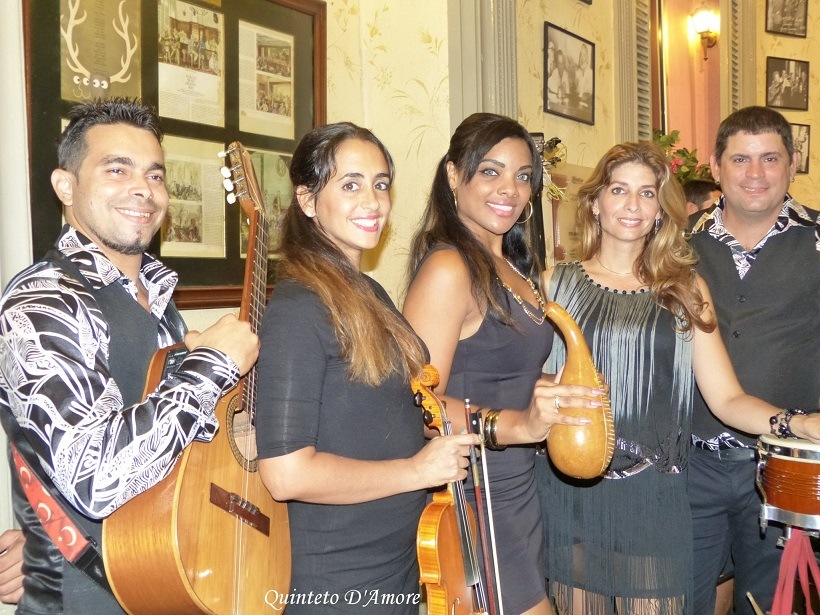
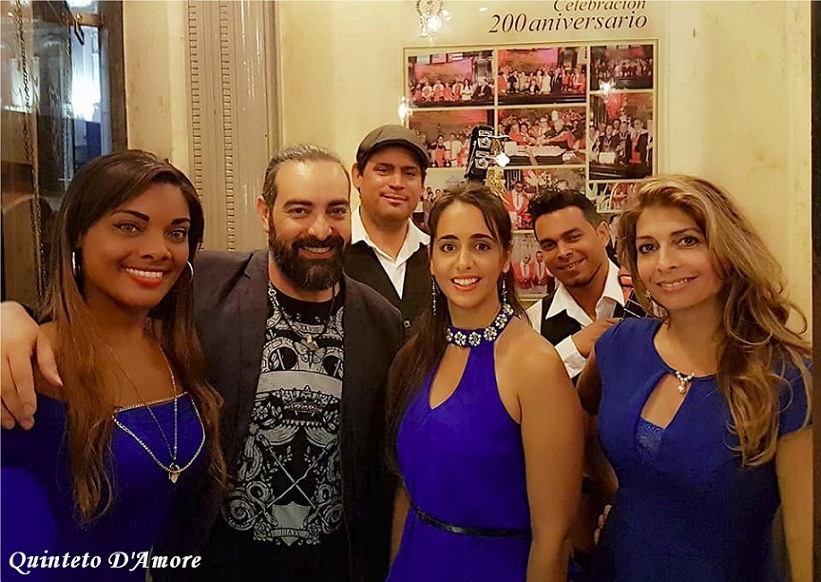
Quinteto D'Amore & integrants
Quinteto D’Amore & integrants

They are characterized by combining music, voices and choreography in some of their songs, filling those who can enjoy their show with joy and energy.

Yasney (violin): Graduated from the Higher Institute of Art in the specialty of Violin (ISA). Member of the UNEAC, he was a member of the National Symphony Orchestra of Cuba, has participated in record recordings of outstanding groups and soundtracks, as well as in the CD “Mi Querido Pablo II” with Pablo Milanés and his guests: Milton Nacimiento, Lucecita Benítez,

Fito Páez, Joaquín Sabina, Alberto Cortes, and in the concert offered at the National Auditorium of Mexico.

He has made numerous artistic tours and concerts with the band “Mambo Así”, the group “Sol y Arena”, “Piel Morena” among others in various countries such as: Moscow, Spain, Thailand, Hong Kong, Isla San Martín and Guadalupe, Italy. , Angola. yasney joined D’Amore in May 2014.

Quinteto D'Amore & integrants - Photos
Quinteto D’Amore & integrants – Photos

Yonel (three/four Cuban guitar) I started in music at the age of 6 when I learned to play the guitar since then I sang some songs and accompanied others like my brother. At the age of 7 I started at the art school of Sgt.

From Cuba to study the violin for more or less three years, over time I got to know other instruments such as the piano, percussion until I got to the bass with which I spent several years with the group Son Chévere de Matanzas.

Then I came to Havana and started playing the tres until I transformed it into a CUATRO, adding a couple more strings and it is the instrument I currently work with in Quinteto D’Amore.

Quinteto D'Amore & integrants
Quinteto D’Amore & integrants

Evelyn (soloist), began studying music when she was little, receiving piano and music theory lessons at age 11, she received her first prize as a solo singer awarded by the pioneer organization, she also received dance classes at the National Ballet School of the Havana and contemporary dance workshops, integrating several dance companies and performing in the 2nd Tropicana Show. She is a mid-level micro operator graduate. I study at the school of art instructors.

As a singer, he began his professional career integrating several groups such as: Lady Salsa Mix, Cuban Salsa Orchestra, Las Canelas, Ketlman Ferrer and his orchestra, etc. She is currently the solo singer of the Quinteto D’Amore.

Photo of Quinteto D'Amore & integrants
Photo of Quinteto D’Amore & integrants

Orley (Bass): He studied Bass and Double Bass, he began his musical career in Ciego de Ávila as part of different groups of small and large format such as: Orquesta Eclipse, Conjunto Campesino “Campo Lindo”, among others, later he joined groups in Havana as the Tradition Septet, the group of the singer Leyanis López traveling to France (Paris) under the record label “Luz Africa”, from 2007 to 2011 in the Maykel Blanco Orchestra and its Salsa Mayor making several international tours by Italy, Sweden, Denmark, Germany, Poland, Switzerland, Belgium and Peru, thus participating in the recording of their 2 albums.

From 2011 to 2013 he was a member of the groups “Amor y el Son”, Pepitín y su CumBachá”, and Habana Midic, performing in Egypt, Jordan, Tunisia and Lebanon. Orey joined D’Amore in May 2014.

Daymé (Director, tres and bongó): Graduated in Telecommunications and Electronics Engineering at ISPJAE, and in intermediate level in music in the specialty of “Tres”, she belonged to the movement of amateur artists for 14 years, participating in international festivals, more Later as a professional, he joined several small-format groups performing in Cuba at the “Dos Gardenias” complex, La Bodeguita del Medio, at the Floridita Restaurant and in various hotels, abroad he has fulfilled various contracts in Jamaica, Qatar, United Arab Emirates (Abu Dhabi, Dubai and Al Ain), Jordan, Egypt, Japan, Spain, Turkey and China, she is currently the bongo player and director of the DÁmore Quintet.

Maria Carla (2nd violin) She began her music studies at the “Alejandro García Caturla Conservatory” where she reached the level of Junior High School and the 7th year of violin.

In 2006 he entered the “Amadeo Roldán Conservatory” to continue his studies up to the upper middle level of violin. During his student stage he was part of the orchestras of the respective schools participating in meetings, competitions and concerts both as an instrumentalist and as a vocalist in choirs.

Upon graduation, he taught in the province of Pinar del Río and for two years taught at the Vocational School of Art in the city of Pinar del Río.

Since 2010 he has been part of the National Symphony Orchestra of Cuba, collaborating simultaneously with various groups of both classical music and popular music with groups such as “La Camerata del Son”, “Ensemble Alternativo”, “Quinteto D Amore”, “Orquesta Panorama”, “Quinteto Doble Sabor”.

María Carla also participated in several events and festivals: National Meeting of Symphony Orchestras, International Fair

Cubadisco, Encounter of Choirs, -Festival América Canta, Festival of Contemporary Music, Festival of Young Pianists,

Danzón Festival, International Book Fair of Havana as well as in various recordings of phonograms with artists such as José María and Sergio Vitier, Toni Pinelli, Rafael Guedes, Aldo López-Gavilán.

He has also accompanied renowned soloists such as pianists Lang Lang, Chucho Valdés, Frank Fernández, Aldo López Gavilán, singer Omara Portuondo, violinists Ryu Goto, Francesco Manara, clarinetist Keisuke Wakao, guitarist Joaquín Clerch.

I work under the baton of directors such as Yoshikazu Fukumura, Marin Alsop, Francesco Belli.

Photo of Quinteto D'Amore & integrants
Photo of Quinteto D’Amore & integrants

Quintet D’Amore Repertoire

Latin/English Recent Hits

Havana – Camila Cabello

Someone Like You ‐ Adele

Don’t You Remember ‐ Adele

Unbreak My Heart ‐ Tony Braxton

Rehab ‐ Amy Winehouse

Whenever Whatever ‐ Shakira

Dancing – Enrique Iglesias,

Lambada‐Kapma,

Macarena ‐ Those of the River,

Mambo No 5 ‐ Lou Bega,

Nossa Nossa ‐ Miechl Telo

I Have Your Love ‐ Si7e

I just want to give you a kiss – Prince Royce

Despacito – Luis Fonsi & Daddy Yankee

English Pop, Rock, Blues, Jazz, R&B

Stand By Me ‐ Ben E. King

Yesterday ‐ The Beatles

Only You (And You Alone) ‐ The Platters

New York New York ‐ Frank Sinatra, Liza Minelli

Misty ‐ Errol Garner & Johnny Burke / Johnny Mathis

Girl From Ipanema ‐ Pery Ribeiro, Frank Sinatra

Flying To The Moon ‐ Frank Sinatra, Doris Day, Tony Bennett, Diana Krall

Summertime ‐ Ella Fitzgerald, Janis Joplin, Billie Holiday …

Autumn Leaves ‐ Nat King Cole, Andrea Bocleli, Eric Clapton …

My Way – Jacques Revaux, Paul Anka / Claude Francois, Frank Sinatra, Elvis Presley

I Just Called To Say I Love You ‐ Stevie Wonder

Somewhere Over the Rainbown ‐ Harold Arlen and Yip Harburg / Judy Garland, Israel

For Ever And Ever ‐ Demis Roussos

Hotel California – Eagles …

Cuban/Latin Salsa, Son, Rumba, Cumbia, Bolero

The Modern Yerbero ‐ Celia Cruz,

Quimbara ‐ Celia Cruz

Life is a Carnival – Celia Cruz

Idyll ‐ Wilie Colon

El Cartero ‐ Buena Vista Social Club

Tula Room ‐ Buena Vista Social Club

Discreet Kisses ‐ Compay Segundo

Chan chan ‐ Compay Segundo

Goodbye, Commander ‐ Carlos Puebla

Husbands Majaderos ‐ Perdro Luis Ferrer

Yolanda ‐ Pablo Milanes

I’ll be back – Diego Verdaguer

Pile of Stars ‐ Polo Montañez

Cariñito ‐ The Children of the Sun

Hey How It Goes ‐ Tito Puente / Carlos Santana

Nel blu dipinto di blu (Volare) ‐ Dean Martin …

Cocoon of Aleli ‐ Catean Veloso

Dos Gardenias ‐ Daniel Santos, Buena Vista Social Club

The Pale Flower ‐ Polo Montanez / Marc Anthony

Perfidia ‐ Alberto Domínguez / Los Panchos, Perez Prado, Nat King Cole, Ben E. King,

Luis Miguel

Guantanamera ‐ Celia Cruz, Compay Segundo, Tito Puente, Joan Baez

Black Tears ‐ Trio Matamorros, Omara Portuondo, Celia Cruz, Compay

Segundo/Cesaria Evora

Grinding Coffee ‐ Jose Manzo Perroni / Mario Suárez, Xiomara Alfaro, Ricardo

Montaner

El Manisero ‐ Rita Montaner, Antonio Machin, Mistinguett, Louis Armstrong

Story of a love ‐ Carlos Eleta Almaran, Guadalupe Pineda

Besame Mucho ‐ Consuelo Velasquez / Los Panchos, Pedro Infante, Louis Arnstrong,

Andrea Bocelli

Maybe Maybe Maybe ‐ Osvaldo Farres / Bobby Capo, Celia Cruz, Nat King Cole

The cumbanchero ‐ Rafael Hernandez / Tito Puente

Que Sera, Sera ‐ Jay Livingston and Ray Evans / Connie Francis, Natalie Cole

Pink Cherry ‐ Los Tecolines

Photo of Quinteto D'Amore & integrants
Photo of Quinteto D’Amore & integrants

www.quintetodamore.com

www.facebook.com/QuintetoDAmore

Youtube Quinteto D’Amore

Contact us at [email protected]


  • « Go to Previous Page
  • Page 1
  • Interim pages omitted …
  • Page 18
  • Page 19
  • Page 20
  • Page 21
  • Page 22
  • Interim pages omitted …
  • Page 34
  • Go to Next Page »

International Salsa Magazine (ISM) is a monthly publication about Salsa activities around the world, that has been publishing since 2007. It is a world network of volunteers coordinated by ISM Magazine. We are working to strengthen all the events by working together.