• Skip to primary navigation
  • Skip to main content

International Salsa Magazine

  • HOME
  • Previous editions
    • 2026
      • ISM / March 2026
      • ISM / February 2026
      • ISM / January 2026
    • 2025
      • ISM / December 2025
      • ISM / November 2025
      • ISM / October 2025
      • ISM / September 2025
      • ISM / August 2025
      • ISM / July 2025
      • ISM / June 2025
      • ISM / May2025
      • ISM / April 2025
      • ISM / March 2025
      • ISM / February 2025
      • ISM / January 2025
    • 2024
      • ISM / December 2024
      • ISM / November 2024
      • ISM / October 2024
      • ISM / September 2024
      • ISM / August 2024
      • ISM / July 2024
      • ISM / June 2024
      • ISM / May 2024
      • ISM / April 2024
      • ISM / March 2024
      • ISM / February 2024
      • ISM / January 2024
    • 2023
      • ISM / December 2023
      • ISM / November 2023
      • ISM / October 2023
      • ISM – September 2023
      • ISM – August 2023
      • ISM July 2023
      • ISM Edition June 2023
      • ISM – May 2023
      • ISM April 2023
      • ISM March 2023
      • ISM February 2023
      • ISM January 2023
    • 2022
      • ISM December 2022
      • ISM November 2022
      • ISM October 2022
      • ISM September 2022
      • ISM August 2022
      • ISM July 2022
      • ISM June 2022
      • ISM May 2022
      • ISM February 2022
      • ISM January 2022
    • 2021
      • ISM December 2021
      • ISM November 2021
      • ISM October – 2021
      • ISM September 2021
      • ISM August 2021
      • ISM July 2021
      • ISM May 2021
      • ISM April 2021
      • ISM June 2021
      • ISM March 2021
      • ISM February 2021
      • ISM January 2021
    • 2020
      • ISM December 2020
      • ISM November 2020
      • ISM October 2020
      • ISM September 2020
      • ISM August 2020
      • ISM July 2020
      • ISM June 2020
      • ISM May 2020
      • ISM April 2020
      • ISM March 2020
      • ISM February 2020
      • ISM January 2020
    • 2019
      • ISM December 2019
      • ISM November 2019
      • ISM October 2019
      • ISM Septembre 2019
      • ISM August 2019
      • ISM July 2019
      • ISM June 2019
  • Download Salsa App
    • Android
    • Apple
  • Spanish

Search Results for: kizomba

Historical events that gave birth to kizomba

History of kizomba

There are many musical genres and rhythms that we love and make us want to dance just by listening to them, but in most cases, we do not know their origin or how they became what they are today. Such is the case of kizomba, whose origins are both particular and fascinating, so we want to explore a bit about this interesting story for the knowledge of all those readers who still do not know it.

This dance modality that has become well known in Latin America and the United States in recent years has its origins in Angola in the 1960s as a fusion of ”semba” and other African rhythms, but it was not as simple as it sounds. In fact, many things happened before kizomba became what we know, some of which have to do with historical events that led to the creation of this musical genre indirectly.
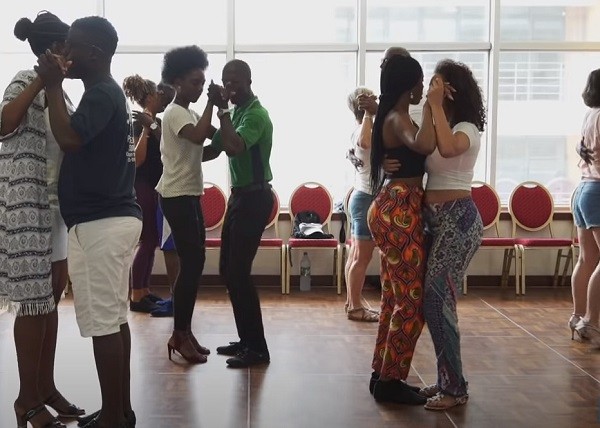
People dancing kizomba
People dancing kizomba in a dance studio in Angola

Historical context

Angola was colonized by Portugal in the 16th century, fact from which the European country began to impose its culture, language, religion and political system in the occupied territory. In the same way, the colonizers took advantage of the Angolans in every possible way, but the best known was the labor exploitation to which they were subjected to obtain resources and the suppression of their national identity.

The situation became so unbearable that there has been an emergence of numerous anti-colonialist movements throughout the country such as the National Front for the Liberation of Angola, the People’s Movement for the Liberation of Angola and the National Union for the Total Independence of Angola. This resulted in the Angolan population demanding the rights they had as inhabitants from their own country and which had been forcefully taken away from them. The following years were marked by intense armed conflict, a lot of political instability and international intervention.

Finally in 1975, Angola gained independence from Portugal to become a country free from the yoke which settled down on it for decades. However, the legacy of colonization in every area of national life was so profound that it could not be swept way from one moment to another, including traditional music and dances. Both Angolan music and dance ended up mixing with European and Portuguese rhythms in general, resulting in a colorful range of sounds that have been conquering the whole world.
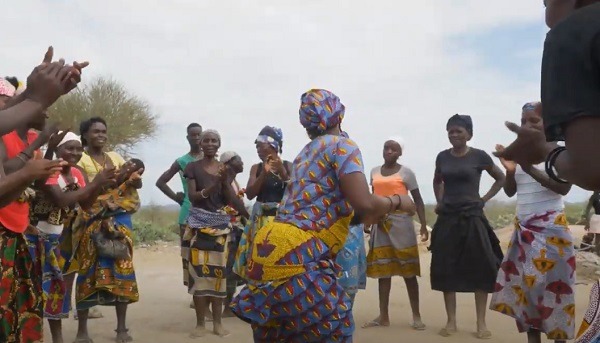
Angolan women dancing
Angolan women dancing tradicional rhythms

Origin of kizomba and its name

Returning to semba that was mentioned at the beginning, it was its union with other African rhythms such as zouk that gave origin to kizomba as such. The word ”kizomba” comes from ”kimbundú” or ”quimbundú” which means ”party”. Kimbundú is a language spoken in some Angolan provinces and the Portuguese language incorporated some of its terms such as ”xinga” which means ”curse”.

On this subject there is much controversy, since lots of hypotheses are floated to explain the origin of kizomba and one of them states that this genre does not exist as such, but it is a version of the already existing zouk, but sung in Portuguese. There are also some studies indicating that kizomba comes from ”bèlè”, which is a dance inherited from African ancestors who came to the Island of Martinique as slaves to work in the sugarcane plantations.

By mixing bèlè and the European polka, Martinican musicians created something called ”beguine”, which was spreading in Parisian popular dances. When these rhythms were mixed with more commercial music in the 1970s, zouk originated and this term makes direct reference to the spontaneous parties in Martinique. ”Zouk” means ”party” in Creole, which is a language spoken by West Indians that emerged from the mix of French with other African languages. Coincidentally, it has the same meaning as ”kizomba” in Kimbundu.
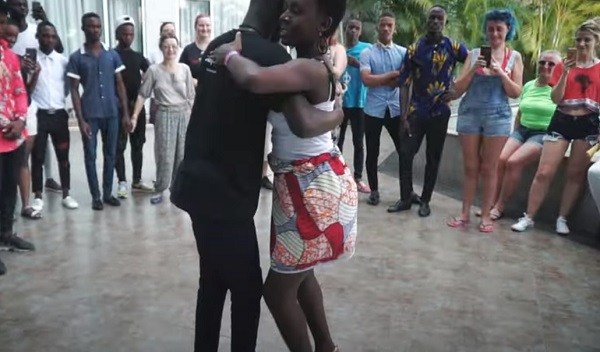
Luanda Semba Festival
Some contestants at the Luanda Semba Festival 2019

After zouk spread to French Guiana and Brazil, it returned to Africa, especially to Angola and Cape Verde, where it merged with semba and finally gave birth to kizomba.

What how is kizomba is today

Kizomba tended to be slow-paced and static and not required many turns, but that changed with the passage of time. Today, it includes legs tangled and recreates much more visual moves than before.

Something that characterizes the genre is the circle dance with forward and back steps, which has been very appealing to dancers from all over the world despite their origin. Besides, it is very easy, sensual, different and exotic.

Read also: No man is a prophet in his own land

Kizomba as a result of war and colonization

The fight for Angola’s independence was a long and difficult struggle that endured for several decades. The country was colonized by Portugal in the 16th century, and for centuries the Portuguese imposed their culture, language, and political system on the Angolan people. However, the Portuguese colonization also led to the exploitation of the country’s resources, the forced labor of its people, and the suppression of its cultural identity.

In the mid-20th century, there came a wave of anti-colonial movements across Africa and Angola was no exception. The Angolan people began to demand their right to self-determination and freedom from colonial rule. In 1961, the National Front for the Liberation of Angola (FNLA) conducted a guerrilla war against the Portuguese, followed by the People’s Movement for the Liberation of Angola (MPLA) and the National Union for the Total Independence of Angola (UNITA) in the following years. The struggle for independence was marked by heavy fighting, political instability, and international intervention, but in 1975, Angola finally got its independence, ending over four centuries of Portuguese colonial rule.

Kizomba Dancer

Angola, officially known as the Republic of Angola, is a country located in southwestern Africa. It is known for its rich culture, vibrant music, and stunning natural beauty. One of Angola’s most famous cultural exports is kizomba, a popular dance and music genre that originated in the country and has spread to other parts of the world.

Angola has a long and complex history, marked by centuries of colonization, slavery, and war. The country was colonized by Portugal in the 16th century and remained under Portuguese rule until 1975, when it got its independence. The legacy of colonialism and the struggle for independence have had a profound impact on Angola’s cultural identity, including its music and dance traditions.

Kizomba, which means “party” or “celebration” in Kimbundu, one of the Bantu languages spoken in Angola, emerged in the 1980s and 1990s as a fusion of Angolan semba music, Caribbean zouk, and other African rhythms. Semba is a traditional dance and music genre that originated in Angola and is characterized by its joyful tempo, complex rhythms, and energetic movements. Zouk is a popular dance and music genre that originated in the French Caribbean and is characterized by its slow and sensual tempo, soft melodies, and romantic lyrics.

Young woman dancing kizomba

Young woman dancing kizomba

Kizomba music, in contrast to semba, is characterized by its slow and sensual tempo, soft melodies, and rich harmonies. The lyrics of kizomba songs are often sang in Portuguese, the official language of Angola, and deal with themes of love, romance, and social issues. Kizomba dancing is characterized by its close embrace and smooth, flowing movements. It is often danced in pairs, with the leader guiding the follower in gentle steps and turns.

Kizomba became popular in Angola in the 1990s, especially in Luanda, the country’s capital. The dance quickly spread to other parts of the country and became an important part of Angola’s cultural heritage. Kizomba dance parties, known as “kizombadas,” were held in clubs, bars, and community centers, attracting people of all ages and backgrounds.

In recent years, kizomba has gained popularity in other parts of the world, particularly in Europe, where it has become a popular social dance. Kizomba festivals and workshops have been held in many countries around the world, attracting dancers and music lovers from different cultural backgrounds.

Kizomba is not only a dance and music genre but also a cultural expression that reflects the history and identity of Angola and its people. It is an important part of the country’s cultural heritage and a source of pride for Angolans around the world.

It’s back for the 2021 Tijuana Salsa Bachata Kizomba Festival

After spending the Halloween festival in various countries of the world, where many took the opportunity to hold costume parties for both children and adults, both in the streets and in discos, dance halls and academies where everyone enjoyed the dances, music, costumes, food, and festivities; and for this month of November 2021 we have an important event in Mexico that returns to us after the covid-19 quarantine that will encourage fans and dancers of Salsa, Bachata and Kizomba to participate in the festival and in turn enjoy a nice moment. Among the events already confirmed this for this month of November 2021 is back with us the 7th Tijuana Salsa Bachata Kizomba Festival 2021, an event that I hope will partially normalize the quarantine situation of the covid-19 so that one can enjoy it live and not online, now for this 2021 said objective was achieved, and this will be held from November 4 to 7 in Tijuana, Mexico where the following activities will be carried out:

Flyer Tijuana Salsa Bachata Kizomba Festival 2021
Tijuana Salsa Bachata Kizomba Festival
  • Thursday, November 04:
    • 7:45 pm Registration Table opens
    • 8pm The Welcome Social begins with Salsa, Bachata and Kizomba
    • 11:30 pm Presentations
    • 12am The Social ends
  • Friday, November 05:
    • 11am Registration Table opens
    • 12pm Workshops begin
    • 4pm Competitors Meeting
    • 5pm General Rehearsal
    • 8pm Doors Open
    • 8:30 pm Competitions
    • 9:00 pm Presentations
    • 10:30 pm The Salsa & Bachata Room begins
    • 11pm Kizomba Room (Restaurant) opens
    • 12am The Bachata Room opens
  • Saturday, November 06:
    • 10:00 am Registration Table opens
    • 11am Workshops begin
    • 2pm Competitors Meeting
    • 4pm General Rehearsal
    • 4pm Social Day
    • 8:00 pm Doors open
    • 8:30 pm Competitions
    • 9:00 pm Presentations
    • 10:30 pm The Salsa & Bachata Room begins
    • 11pm Kizomba Room (Restaurant) opens
    • 12:00 am The Bachata Room opens
  • Sunday, November 07:
    • 10am Registration Table opens
    • 11am Workshops begin
    • 3:00 pm Social by Day
    • 5:00 pm Traditional Jack n ‘Jill
    • 9:00 pm Salsa & Bachata Room opens
    • 9:00 pm Kizomba Room opens

Tickets to enter the 7th Tijuana Salsa Bachata Kizomba Festival can be purchased at the Registration Desk, which will only have access to a cash payment; the cost of the tickets during those days are the following:

  • Welcome Pre-Party will be held on Thursday, November 4 at 7:45 pm, the cost of the social will be $ 200 m.n.


  • Black & Red Party (black and red party) will be held on November 5 from 7:45 pm, where the Shows, Competition & Social will be held, it will cost $ 400 m.n. and if you go only to the social which will start at 10:30 pm it will cost $ 200 m.n.


  • White Party (white party) will be held from 7:45 pm it will be held on Saturday, November 6, where shows, competition & social will be held, which will cost $ 500 m.n. and of $ 400 m.n. If you only go to the Social that will take place at 10:30 pm


  • Hollywood Night (the gala party) that will take place on Sunday, November 7 at 9:00 pm, the entrance will cost $ 200 m.n.


If you want to be in this great event with all the comforts, you can stay at the headquarters hotel or at the Hotel One Tijuana Otay.

If you want more information about the 7th Tijuana Salsa Bachata Kizomba Festival 2021, you can contact them through:

  • Facebook: @tjsbkf
  • E-mail: [email protected]
  • Phone: +52 664 475 6191

Fest Mi Swing and Kizomba Mexico San Miguel de Allende 2022.

In the state of Guanajuato, Mexico is a small and beautiful city known for being a tourist center for its history and charm, colonial streets full of colors, its churches with its impressive structures as well as its squares, public spaces and its handicrafts. they embrace the travelers who stroll through their corners. In the city of San Miguel de Allende, the Mi Swing and Kizomba México 2022 Festival will be held from April 15 to 17, organized by the sponsors Mi swing, Kizomba México and AGN Producciones.

Festival Mi Swing y Kizomba México San Miguel de Allende 2022:

On these days such fun and emotional workshops, socials, pool parties will be held and then the party will continue inside the premises.

Among the great dancers who have been confirmed for now to perform are:

  • Selene Tovar: one of the great dancers of Mexico who will be with it in “LINE UP” in the classes that they will give at this festival, she has traveled the world living her passion and at the same time she is learning from the best professionals she has come across. her path and at the same time she is sharing the incredible flavor of dance that characterizes her.Jorge Martínez: director of the Salsa Na Ma Oaxaca dance hall @SalsaNaMaDanceco, also one of the best promoters of Oaxaca La Capital Salsera México and is a multi-champion of several international competitions.Mike and Odeth: they are the directors of SO Company @ /SOCompany.SalsayBachata and they are also the winners of multiple international competitions and above all they are great exponents of Modern Bachata with a modern style in Mexico

Book your room at the Hotel Arcada which is located in Calz. de la Estación 185, Zona Centro, 37759 San Miguel de Allende, Gto, Mexico, before the rooms are occupied, you can find out about the details of the upcoming presales through @ SBK FEST San Miguel de Allende (Facebook) but currently they are in:

  • 3 Night Lodging: $1300
  • Full Pass: $700

The Authorized Promoters are:

  • @Atonatiuh Montesinos
  • @marckglucklich
  • @Lu Ixikwa

It is good that after so long waiting, the events come to life again this year and in turn the opening of dance clubs and academies such as Kizomba México, who mention that they are the first Kizomba school in Mexico, with more than 8 years of experience. experience teaching Kizomba, they like this musical genre so much and see it in a comprehensive way, so Semba, Tarraxinha, Urban Kiz, Tarraxo and Kizomba Fusión are part of their methodology that will allow you to learn Kizomba in an easy and fun way in this dance academy, showing its participants and / or students the best way to connect the couple, discover their sensuality and eroticism in each dance step.

So now you know, if you want an event where everyone likes to party, buy your ticket for the SBK FEST San Miguel de Allende 2022

For more information about both the event and the academy follow them through:

Facebook: @SBK FEST San Miguel de Allende
Phone Number: +52 477 434 0303

The Costa Rica Salsa Bachata and Kizomba Fest 2021 begins.

There are different musical rhythms throughout the world and as time passes new rhythms are born and in turn dances that show the elegance, grace, fun and communication between us, at present the kizomba is a musical genre that emerged in the decade of the 70 in Angola, a South African country with varied terrain (beaches, deserts and rivers), this great genre is described as an art, it is passion and beauty who dances it, that means that the couple who dance it shows their viewers their own music through its steps and close movements (it is a narrow or sensual dance) since its songs are more leisurely, romantic and soft, currently it is the fashionable dance.

In the different congresses, events and / or festivals lively dances reign, with rhythm, grace and competitive, where there is a great interaction with the participants and spectators, especially in Latin America with the following musical genres Salsa, Bachata, El Mambo, Merengue and the Kizomba, where a great skill of conduction and communication is required between the dancers, alternating open dance steps (Pasos Libres) with complicated and fast movements of the feet.


There are a wide variety of congresses in all Latin American countries, which have taken place every year including the Covid19 quarantine through social networks such as Facebook live and Instagram live, but this time Costa Rica will be holding Costa Rica Bachata Salsa and Kizomba Fest 2021 from September 2 to 5 at the Hotel Radisson San Jose, Costa Rica.


It will be 4 days full of music from both DJs and live music, shows, competitions, pool parties, after parties and workshops, and everything is possible thanks to its sponsors Euroson Latino world Salsa Championship, Houston Salsa Congress, World Championship from Pasos Libres “La Negra Salsa”, Oaxaca Salsa Bachata Festival Nicaragua, Salsa Resort Punta’l, Pie World Championship, Palma Real Hotel & Casino and Sara Beauty Salon.

Flyers - Costa Rica Salsa Bachata and Kizomba Fest 2021
Costa Rica Salsa Bachata and Kizomba Fest 2021 Flyers

In this great tropical festival we will have the following artists (dancers) already confirmed:

  • Oswaldo Corzo (Mexico) will participate for the first time in the Costa Rica Salsa Bachata and Kizomba Fest, offering and giving him a lot of bachata on those days.
  • Style Company By Henry Urias (El Salvador)
  • Rincón Salsero Puntarenas (Costa Rica), known for being a school specialized in Salsa, Bachata, Kizomba and popular dances in Costa Rica, not to mention that they are experts as companies that offer shows and competitions, so their presence will be very interesting and dynamic. . @ Rincon-Salsero-Puntarenas
  • Alexander Gómez (Panama), who will teach us Panamanian Kizomba and contemporary rhythms, you can learn more through his Facebook page @danceholicpanama or Instagram @alex_holic.
  • Dicky Colon (Puerto Rico), known for being a Puerto Rican dancer and instructor who has participated in different international events, teaching salsa, afro, rumba and other musical genres, you can learn more through Instagram @ dickycolon
  • There will be the Dancer, Choreographer and teacher Jessica Quiles (Puerto Rico) @jessicaquilesll
  • Dancers of Papa Tambor Los Santana (Costa Rica), where we will be ready to enjoy the “Bomba” @ Danzarines-de-Papa-Tambor
  • Director and choreographer of Latin sphere # 2 # 3, dj, salsa and bachata dancer, Bachateros factory Danny Salsita (Colombia) @ danny.salsita
  • The dancers of Héctor and Mariana (Mexico).

The background music that they will have at the festival will be performed thanks to the participation of the following DJs:

  • Dj Azúcar Morena (Mexico), @djazucarmorena
  • Dj Mac (Mexico)

For more information, consult the following links:

  • Facebook: @COSTARICASBKF
  • Correo: [email protected]
  • Teléfono:  +506 8822 6120
  • « Go to Previous Page
  • Page 1
  • Page 2
  • Page 3
  • Page 4
  • Interim pages omitted …
  • Page 32
  • Go to Next Page »

International Salsa Magazine (ISM) is a monthly publication about Salsa activities around the world, that has been publishing since 2007. It is a world network of volunteers coordinated by ISM Magazine. We are working to strengthen all the events by working together.