• Skip to primary navigation
  • Skip to main content

International Salsa Magazine

  • HOME
  • Previous editions
    • 2026
      • ISM / March 2026
      • ISM / February 2026
      • ISM / January 2026
    • 2025
      • ISM / December 2025
      • ISM / November 2025
      • ISM / October 2025
      • ISM / September 2025
      • ISM / August 2025
      • ISM / July 2025
      • ISM / June 2025
      • ISM / May2025
      • ISM / April 2025
      • ISM / March 2025
      • ISM / February 2025
      • ISM / January 2025
    • 2024
      • ISM / December 2024
      • ISM / November 2024
      • ISM / October 2024
      • ISM / September 2024
      • ISM / August 2024
      • ISM / July 2024
      • ISM / June 2024
      • ISM / May 2024
      • ISM / April 2024
      • ISM / March 2024
      • ISM / February 2024
      • ISM / January 2024
    • 2023
      • ISM / December 2023
      • ISM / November 2023
      • ISM / October 2023
      • ISM – September 2023
      • ISM – August 2023
      • ISM July 2023
      • ISM Edition June 2023
      • ISM – May 2023
      • ISM April 2023
      • ISM March 2023
      • ISM February 2023
      • ISM January 2023
    • 2022
      • ISM December 2022
      • ISM November 2022
      • ISM October 2022
      • ISM September 2022
      • ISM August 2022
      • ISM July 2022
      • ISM June 2022
      • ISM May 2022
      • ISM February 2022
      • ISM January 2022
    • 2021
      • ISM December 2021
      • ISM November 2021
      • ISM October – 2021
      • ISM September 2021
      • ISM August 2021
      • ISM July 2021
      • ISM May 2021
      • ISM April 2021
      • ISM June 2021
      • ISM March 2021
      • ISM February 2021
      • ISM January 2021
    • 2020
      • ISM December 2020
      • ISM November 2020
      • ISM October 2020
      • ISM September 2020
      • ISM August 2020
      • ISM July 2020
      • ISM June 2020
      • ISM May 2020
      • ISM April 2020
      • ISM March 2020
      • ISM February 2020
      • ISM January 2020
    • 2019
      • ISM December 2019
      • ISM November 2019
      • ISM October 2019
      • ISM Septembre 2019
      • ISM August 2019
      • ISM July 2019
      • ISM June 2019
  • Download Salsa App
    • Android
    • Apple
  • Spanish

Search Results for: record company

Wilmer Lozano from a very young age his mother saw in him the desire to be a musician

Wilmer Lozano is a Venezuelan singer and composer. He was born in Caracas, Venezuela, on October 7.

Wilmer Lozano Yenyere

When talking about successful Latin singers and good salsa, one has to talk about Wilmer Lozano, one of the greatest exponents of Latin music in the world, who has made millions of people around the world dance.

Among his musical hits are: “Me marcharé”, “Aún estoy de pie”, “Si acaba bien”, “Descarga pa ti”, “Se me pasó la mano” and “Igual que yo”.

Childhood, Youth and Family Life.

Wilmar Lozano’s mother saw in him the desire to be a musician since he was a child.

Every night before going to sleep and saying his prayers, he would dedicate himself with his grandfather Lino Lozano to practicing décimas, which would be very useful in his career as a sonero.

Wilmer Lozano’s Beginnings in Music.

Wilmer Lozano’s career began when he was in school, participating in all the events that took place there.

He got his first singing lessons at the Casa de la Cultura Germán Lira and that’s how he arrived at a very popular radio program for the time, rumbos, coplas y canciones directed by the great Venezuelan Simón Díaz.

Jose Hidalgo y Wilmer Lozano

Wilmer Lozano and his union with different groups.

Soon after, he belonged to an orchestra in the block where he lived and shared his studies with music. Little by little he belonged to orchestras based in Caracas, such as: Grupo Autana, Grupo Rayta, La Quinta Galaxia, Quinteto Visa, Conjunto Sensación, Sonora Habanera, Hildemaro y su Orquesta, Orquesta Selecto, Marianela y su Orquesta, Orquesta Vía de Escape and Orquesta La Júnior.

He later joined the ranks of the Dimensión Latina Orchestra. With this orchestra he has the privilege of sharing with the excellent bolerista Wladimir Lozano and the sonero Rodrigo Mendoza, both recognized nationally and internationally, with whom he further nurtured his knowledge as an interpreter and sonero.

He also formed part of the youth orchestra called Los Adolescentes, where he is a key piece of it, standing out as a leading artist.

With this project he recorded two productions where he performed several hits, with which he became known worldwide.

Musical genre.

Wilmer Lozano is a performer who is considered one of the best salsa singers due to his graceful voice register.

Career and Legacy

Wilmer Lozano has managed to place eleven songs in the first place of the Hit Parade. According to information provided by the company Record Report, besides being the only Venezuelan singer, who in two opportunities being in the first place, is incorporated again to the same place of honor with the same interpretations.

Wilmer Lozano, Tuky Torres, Dj. Augusto Felibertt y Rey Torcatt

Then his artistic life assumes another challenge, which he achieves with great professionalism, since his talent exceeds many expectations. Proof of this was his record production “Wilmer Lozano Original”, where he took the opportunity to launch himself as a soloist.

In this work he shows all the experience he has acquired during his artistic career, with the help of producer Thomas Bernal.

He achieves an excellent production, with very varied Latin rhythms and social themes. This album has the participation of the composers: Thomas Bernal, Ruby Pérez, José Luis Perales, Amaury Gutiérrez, Ángel Flores and Pedro Vargas, among others.

Among the hits of his debut are: “Me han contando que existe un paraíso”, “Me marcharé”, “Se me pasó la mano”, “Completamente” and “Sueño guaireño”, this last one was dedicated to the people who had something to do with the tragedy of La Guaira, Vargas, Venezuela.

In many of his songs he also talks about the social content, as well as the concern of many people to move forward beyond their borders.

He has also collaborated with renowned interpreters of the salsa genre, such as: Tito Puente, Tito Rojas, Rey Ruiz, Victor Manuel, Cheo Feliciano, Gilberto Santa Rosa, Tony Vega, Celia Cruz and Oscar D’León.

Wilmer Lozano is a salsa performer who has achieved musical success. His career has excelled nationally and internationally, with his arduous talent that has characterized him.

His tours have taken him to Latin America, the United States, Asia and Europe.

Theme: Se me paso la mano

Album: Wilmer Lozano “Original”.

Composition and Arrangement: Tomas “Monchy” Bernal (RIP)

Year: 2001

Label: Plátano Record

“I don’t know what I’m going to do with me, today I’m destroying myself little by little, I was wrong I lost my way because of her my destiny is transformed, because I don’t know what to do with this love that makes me run amok, she makes me see everything differently”.

Sources: Buena Música

Also Read: If you want to listen to Tasty Salsa tune in to Ritmo Sabor y Salsa with Nesmary J. Gómez


Los Adolescentes Giving The Swing The World Needs

Latin America / Venezuela / Caracas

Los Adolescentes  “We are premiering our most recent video clips “Close your eyes””

When talking about the great salsa orchestras of Venezuela, there are many names that come to the fore, either because of history, the great successes of the golden years of Salsa in Venezuela or because of their great distinguished voices of so many successes that the world well-known from this land of southern salsa, but if there is something impossible not to mention, it is one of the most important orchestras of this movement of the nineties.

The Adolescents, a group that marked a before and after of the new salsa era in this beautiful country. House of great youth voices, teenagers have made millions of people dance around the world, revealing the talent that this group has managed to nurture in more than 20 years of artistic journey.

Los Adolescentes in USA

Claiming Our Space, a record production with which they went on the market in 1995 with great songs like “Hoy aprendí”, “I can’t be your friend” and “Anhelo”, six songs from this CD; occupied the first place as hits throughout Venezuela and other countries of the Latin American continent, they started a sequence of successes for more than 20 years that have made this great group distribute Salsa and flavor throughout the world, it is that even the pope John Paul II had the honor of listening to this great musical event at Jubilee 2000, which brought together two million five hundred thousand people outside the University of Bergata, an event that lasted four years to prepare for this event.

In conversations with Carlos Mendoza, manager and main helmsman, we found out about the group’s latest projects for this 2019, great things continue to happen for these young salseros.

Los Adolescentes
Los Adolescentes

This new year started with great things for our young salseros, during the month of March and April they will be giving rhythm in Colombia with a tour of more than 5 cities, Mendoza tells us “We will be visiting Armenia, Bogotá, Medellin among other cities of the beautiful Colombia, we take a train that does not stop, we offer a list of unforgettable concerts”.

On the 23rd they will be in Armenia at the Fonda, the local forest that has received great national and international artists, they will continue in the capital of this southern country Bogotá on the 30th in Sutton club of the best clubs in the city, they will pass through Medellin in Emporium on April 05, 06 for Cartagena and closing on 06 in Marseille, they have dates for hiring, contact that we will leave at the end of this review for your contact, in the voices of Arnaldo Quintero, Renzo Romero, Ronald Gómez, Josep Palacios and Leonardo Leal we will be able to listen to the successes of these almost three decades of rhythms.

Los Adolescentes
Los Adolescentes

“For the month of June we will be part of the great experience that will be lived in the Adventure Dance Cruise, together with greats like Torito Acosta” Mendoza told us that the great company Royal Caribbean presents what they call: World’s Largest Latin Dance Cruise, from June 6 to 10 from Miami passing through the beautiful island of son and rumba Cuba and arriving in the Bahamas, full of dance classes, attractions, distractions and the best concerts on the high seas.

For the last semester of the year they are already preparing a concert in Tampa, Miami, presentations of variable types in North America, to close the projects for this 2019 an important tour of Europe with the great Maelo Ruiz is being prepared, a detail that we will have better reviewed in future editions.

For bookings on the tour of Colombia, contact the number +57 310 3293158, don’t miss out on living this great experience of dancing alongside one of the best salsa orchestras in the world.

Los Adolescentes in NY

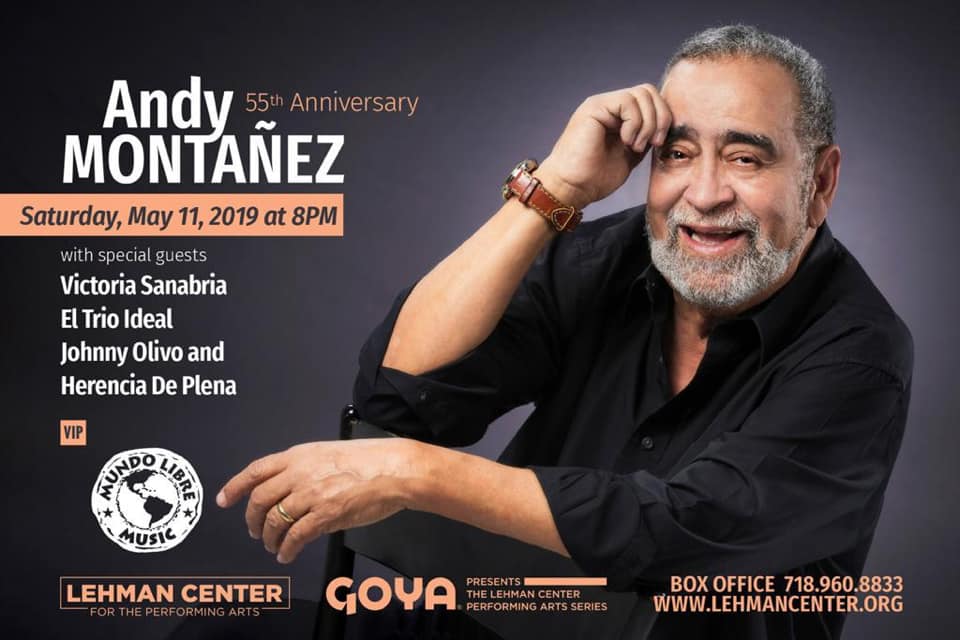
The Lehman Center Performing Arts Series Presents Andy Montañez’s 55TH Anniversary

North America / USA / New York

Lehman Center for the Performing Arts Presents Andy Montañez:

Enjoy this Puerto Rican star recognized as one of the best and most influential singer in Latin America in a Special Show with special guests: Victoria Sanabria, El Trio Ideal and Johnny Olivo & Herencia de Plena

Date: Saturday, May 11th

Show: 8:00PM

Cost: $65 – $100

Venue: 250 Bedford Park Boulevard West Bronx, New York 10468


Lehman Center for the Performing Arts is proud to present the Latin GRAMMY Lifetime Achievement Award winner, Andy Montañez as he celebrates his 55th Anniversary with special guest: Victoria Sanabria on Saturday, May 11th. In addition to this, enjoy EL TRIO IDEAL and the exciting dance rhythms of JOHNNY OLIVO Jr. & HERENCIA DE PLENA’s performance of their afro-rich folkloric musical traditions of Puerto Rican Bomba and Plena in a Salsero Show never before seen in New York City.


BIO: The Andy Montañez ’s beginnings go back to 1962 with the orchestra: El Gran Combo de Puerto Rico. It was 15 years of success. El Niño de Trastalleres recorded 37 LP’S with this great Latin orchestra. There he created and sealed the luggage that would accompany him always: “El Barbero Loco”, “Julia”, “Guaguanco del Gran Combo”, Un Verano en Nueva York”, “Vagabundo”, “Milonga Sentimental”, “Las Hojas Blancas”, “La Soledad” and the now classic “A mí manera”, a song that he recorded with Paquito Guzmán and with Pellín Rodríguez originally.


In 1977, Andy Montañez decided accepts the irresistible offer made by the popular Venezuelan orchestra “La Dimensión Latina” to replace Oscar D’ León. With this important orchestra, Andy Montañez recorded eight LPs that placed the Venezuelan band at the popularity top and sales. The first album with Dimension Latina marked big hits, such as: “El Eco Del Tambor”, “Mujer Impura”, “Ritmos Cubanos”.  Then, the triumphs continued with the themes: “Las Perlas de tu Boca”, “Como Canto Yo “, “Nuestra Tierra”, “Vuelve”, “Rumberos de Ayer”, “Son del Bohío”, “Ave María Lola”, “Mi Son Oriental”, “Cantante Errante”, and others.

Andy Montañez
Andy Montañez

For 1980, Andy Montañez recorded with the group “Puerto Rico All Stars” three LPs that were the prelude to his return to Puerto Rico. “Reunión en la Cima”, “Isla Bonita”, “Homenaje al Mesías” dedicated to Eddie Palmieri, outlined the growth process in which the Salsero still remains.

Returning Puerto Rico, Andy Montañez forms his own orchestra. By 1981, he recorded his first solo LP titled “Salsa con Caché” with record label LAD (TH Rodven’s subsidiary). His third LP “Simplemente Andy Montañez” rang with the hits: “Dulce Veneno” and “Payaso”. This album stayed 30 weeks in the magazine, Bilboard, inside its pages Tropical Music with five themes.

For 1998, he finally created his first independent production as a Salsero artist. Guided by his feelings, his proven experience and his artistic spontaneity was released the album: “Soy Como Soy”. This production is a tribute to his people to whom Andy Montañez responds with commitment of national pride wherever he goes.

In 2002, this worldwide multifaceted artist sees the support of his people materialized by filling the Centro de Bellas Artes’ Festival Hall for three consecutive days, where he captivated three generations with an unforgettable musical tour in which El Bolero, la Música de Tríos, La Salsa and La Plena harmonized that unparalleled Salsa experience. For more details, please, visit him through http://www.andymontanez.net

BIO: Victoria Sanabria was born on October 6, 1976 in Guayama (Puerto Rico). This woman with a sublime voice who carries in her throat all the essence of singing peasant, is one of the most impressive talents that has given the Trova Jíbara of the island of enchantment.

In 1992, she won the third prize in the category of singing in the competitions “Juventud Vibra”. The following year she won first place in the Troubadour Contest of the Institute of Puerto Rican Culture, becoming the national troubadour per excellence. Later, Victoria was part of the Choir of the University of Puerto Rico, Ponce Campus.

Continuing her ascending path in the arts, in December (1995) she made her debut in Bellas Artes with the Puerto Rico’s Symphonic Orchestra. That same year this talented artist managed to be crowned as the first female to win the Bacardí Troubadour Contest, proving to be the best improviser of Puerto Rico at the end of the century.

Andy Montañez
Victoria Sanabria

Her first album as a soloist, Cánticos de Serrania, was recorded in 1999, and in the next eight years she released three more in Puerto Rico including 2008’s Celebra Conmigo that featured Andy Montañez and Andrés Jiménez as guest artists. That same year, she joined the world-wide Tribute to Hector Lavoe concert tour.

In December 2009, Sanabria released her international breakthrough album Criollo Con Salsa, in which she had combined Puerto Rican folk music with salsa. The album contained several hits including “10 Dias”, “No Lavo, No Plancho, Ni Cocino”, “Jibara Natural” that featured Luis “Perico” Ortiz, and “No Te Quiero” sung with reggaeton star Ivy Queen. 2011 saw the release of the highly successful album Boleros which established Victoria as a major singer, and a year later she followed up with the release of Boleros II, which is now considered a classic.

The Sanabria’s most recent releases are her live concert album Trayectoria that was recorded in Santurce in 2012, and 2016’s Música Mía. In addition to her own recordings, Victoria has been featured as a guest on works by Domingo Quiñónez, Olga Tañon, Richie Ray, Bobby Cruz, Gilberto Santa Rosa, El Gran Combo, Danny Rivera, Charlie Aponte, and Willie Colon, among others.


Purchase your Tickets NOW at:

https://lehmancenter.org/ANDY-MONTANEZ-VICTORIA-SANABRIA/

Luis “Perico” Ortiz: six decades of impeccable musical trajectory

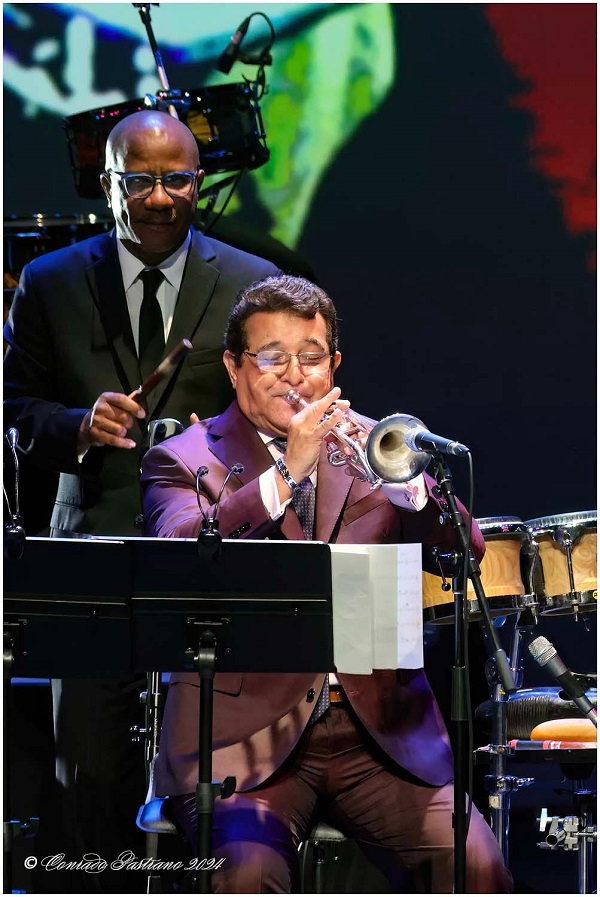
The lobby of the Centro de Bellas Artes in Caguas served as a prelude to the concert, entitled Tocando y contando historias (Playing and telling stories), for which we came to enjoy “Perico” and his guests. Mario Ortiz, Jr. brought together a dozen trumpet players (Luis Figueroa, Richie Segarra, Roby Texeira, Rafael Lebrón, Kevin Ibáñez, Ricardo Marrero, Kenneth Torres, Rubén Días, Ricky Zayas and Simón Rivera) to pay tribute to Luis “Perico” Ortiz by performing his most emblematic solo: ‘Coro Miyare’.

Luis "Perico" Ortiz and his Orchestra
Luis “Perico” Ortiz and his Orchestra

Once in the concert hall, the child trumpeter Daniel Torres (whom Perico predicted would be his successor) and Luis “Perico” Ortiz kicked off the concert with a fun trumpet correspondence. The musicians, turned into actors, shared with us the scene in which we saw Luis “Luisín” Ortiz as a child, playing ‘Quítate de la vía Perico’ with his trumpet; introduction that gave way to the custodian of Ismael Rivera’s legacy (“Moncho” Rivera) to sing the emblematic theme to which “Perico” owes his nickname, while the audience enjoyed images of “Maelo” on a giant screen. The short film defined how “El Sonero Mayor”, personified by “Moncho” told “Luisín”, that from that moment on he would be called “Perico”.

Moncho also interpreted ‘Bilongo’, a song in which Richard Carrasco stood out on the bongo after the saxophones made themselves felt with forcefulness. “Perico” also claimed his turn with the trumpet solo that preceded a resounding “Buenas noches” in the voice of the virtuoso trumpet player.

The orchestra was integrated by: Luis “Perico” Ortiz on musical direction; Yturvides Vilchez, Jan Duclerc and Rolando Alejandro Lora on trumpets; Rafy Torres, Jorge Díaz, Randy A. Román, Mario Alonso Ángel Marulanda on trombones; Roberto Calderón on baritone saxophone, Luis Daniel Valentín Muñiz on tenor saxophone; Antonio Luis Orta and Luis Fernando Hernández on alto saxophones; David Marcano on timbales; Gadwin Vargas Vélez on congas; Richard Carrasco Ayala on bongo; Juan Manuel Rivera Colón on piano; Carlos Luis Martínez Peña on bass; Henry Santiago and David Carrero on backing vocals.

Luis “Perico” Ortiz
Luis “Perico” Ortiz

Then, Henry Santiago received the microphone to sing ‘Tres grandes amigos’. For the song, which refers to Tito Rodríguez, Tito Puente, and Machito; “Perico” introduced “Manolito” Rodríguez and Arianelys Ortiz Cruz, a blind autistic timbalera player.

He was followed by Norberto Vélez, who performed ‘Julián Del Valle’ (1978, Súper salsa) and ‘De patitas’ (1979, Luis “Perico” Ortiz, One of a kind) – songs of great vocal and interpretative difficulty, popularized by the unmistakable voice of Rafael De Jesús – with his usual sympathy. Nor-Bert once again demonstrated his powerful voice, and was matched by the saxophones, whose forcefulness did not diminish the power of Vélez’s voice.

“La India” arrived with her usual energy to interpret ‘Químbara’ and “Manolito” did his part singing ‘La Reina es la rumba’, in company of “La India”, alternating on the soneos.

Coro Miyare” made use of Richard Carrasco’s unbeatable performance in the bongo solo with drumsticks -which had been popularized by Roberto Roena-, followed by the crushing solo by “Perico”, the piano solo by Juan Rivera, the conga solo by Gadwin Vargas and the timbales solo by David Marcano.

Richard Carrasco Ayala en el bongó y Luis “Perico” Ortiz

The highlight of the concert was Gilberto Santa Rosa’s brilliant renditions of ‘Atrevida’ and ‘Planté bandera’; recorded and immortalized by Tommy Olivencia’s La Primerísima, to which Santa Rosa briefly belonged.

After the intermission, as a tribute to the “Niño bonito de la salsa”, “Perico” invited Tony Vega to the stage to perform ‘Así se compone un son’ and ‘Borinquen tiene montuno’, the latter adorned with an elaborate trumpet solo by “Perico”.

“Perico” brought Gerardo Rivas to the stage to perform ‘Río abajo va’ (1985, La vida en broma), popularized in the voice of Domingo Quiñones. Gerardo explained that he had accepted the invitation to participate in the concert without knowing which song he was going to sing, in a clear allusion to the vocal difficulty of reaching Domingo’s vocal register. Gadwin Vargas sprinkled the theme with a conga solo with a mozambique beat, very well achieved. Gerardo’s second song, ‘Perico lo tiene’, brought to the stage the cacique of the Rivas dynasty (“Jerry” Rivas, singer of El Gran Combo de Puerto Rico) on the tres and Richie Bastar (bongos player of La Universidad de la Salsa). While Bastar took over on the bongo and the bell, Richard Carrasco took over the güiro. At the end of the intervention, “Jerry” asked for a round of applause for the mulato mayor, Don Rafael Ithier, who was enjoying the concert with all of us who were there.

Then, “Perico” dedicated ‘Perfume de gardenias’ to his mother; a speech that was enjoyed with an instrumental prelude performed by “Perico” and a great vocalization by “El Caballero de la Salsa”.

Next up was Rubén “Panamá” Blades, who received a standing ovation from the audience. This made visibility difficult, although it did not affect our enjoyment of the audio. Blades was in charge of the big hits ‘Plástico’ and ‘Pedro Navaja’ (1978, Siembra). During ‘Pedro Navaja’ Gadwin Vargas replicated the conga sound that Eddie Montalvo immortalized on the recording.

The stage was full when all the guests arrived to perform ‘Como vivo yo’, after Perico announced with a trumpet solo the song that would end the show.

As Luis “Perico” Ortiz said, the vote of love and confidence that we witnessed there will be remembered as an unrepeatable evening, which detailed what has been six decades of impeccable career that the trumpeter, composer, arranger and music producer has achieved.

Luis “Perico” Ortiz y Gilberto SantaRosa
Bella Martinez Puerto Rico 


Also Read: ¡Attack Sergio! Unbreakable: A fun read because of the contradictory content

Justo Betancourt Querol Cuban sonero and singer famous for his interpretation of the song “Pa’ bravo yo”

Heir to the solid musical tradition of his family, Justo Betancourt was an incomparable sonero, possessing a unique personal style, He began his career at a very early age in his native Cuba, where he participated with orchestras and bands.

Justo Betancourt Querol Cuban sonero and singer famous for his interpretation of the song Pa' bravo yo.
Justo Betancourt Querol Cuban sonero and singer famous for his interpretation of the song Pa’ bravo yo.

In the 1960s, he arrived in New York, where he launched a new and brilliant stage of his career, singing vocals for the legendary and inveterate group, La Sonora Matancera, which was already established in the city. Betancourt stayed with the group for five years.

In later years, he was a member of the chorus of several groups, including those of Eddie Palmieri and Ray Barretto.

At the end of 1976 Justo settled in Puerto Rico, fleeing the limitations of the New York environment and separating himself from the tours and recordings of Fania All Stars, to enter the modern and freer scene projected by groups such as Sonora Ponceña, Willie Rosario, Bobby Valentín and Roberto Roena, among others, from the island.

With young musicians including vocalists Sammy Gonzalez and Tito Rojas, he created his own orchestra which he called “Borincuba”, a name to reflect the mixture of Puerto Rican and Cuban artists.

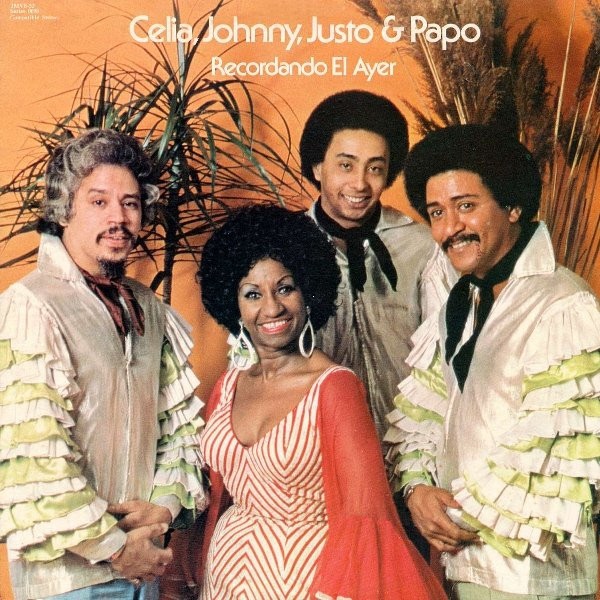
In 1976 Johnny Pacheco in his interest to maintain the successful formula of the modernization of the sound of the Sonora Matancera as the typical sound of his group (the Tumbao Añejo), unites the voice of Justo Betancourt with that of his compatriot Celia Cruz, it was the first time that this duo of Cubans in exile was reunited, in the album “Recordando El Ayer” and in which the young pianist Papo Lucca was presented in a big way. Justo’s voice was recorded in the songs “La Equivocada” (a duet with Celia), “Ahora Sí” and “Guíllate”.

Celia, Johnny, Justo & Papo Recordando El Ayer 1976


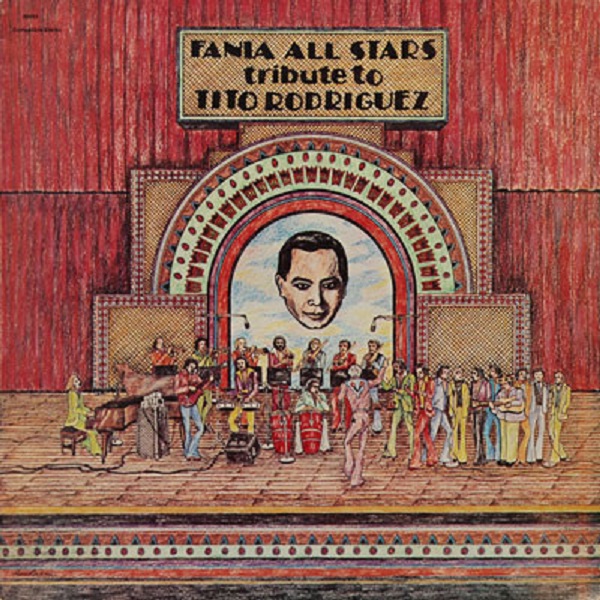
That same year 1976, Justo is part of the ten vocalists that the Fania All Stars summons for his first production in a recording studio in the project “Tribute To Tito Rodriguez”, in which he performs the song “Cara De Payaso”, (the other vocalists were Santos Colón, Bobby Cruz, Cheo Feliciano, Héctor Lavoe, Ismael Miranda, Ismael Quintana, Pete “Conde” Rodríguez, Rubén Blades (his first recording with Fania All Stars) and Chivirico Dávila (his only recording with the group).

Fania All Stars Tribute To Tito Rodriguez 1976

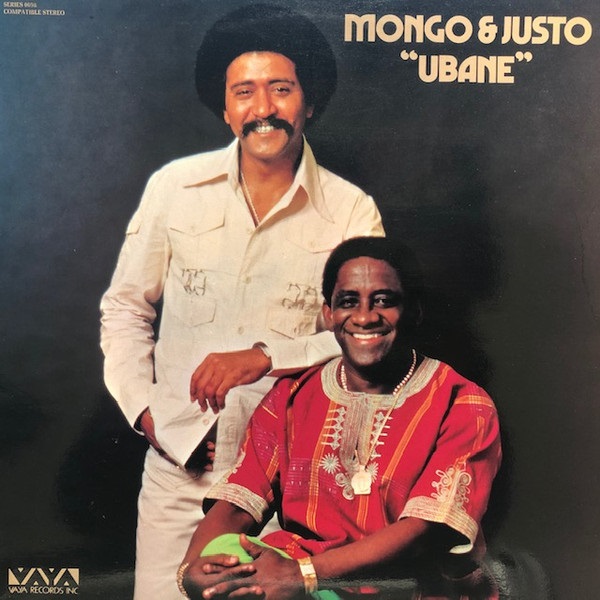
To complete this productive year, Justo Betancourt joins percussionist Mongo Santamaría as the lead vocalist for the musical work “Ubane”, with the production of Marty Sheller, one of the important experimental albums of the salsa boom, a work that recovers the saxophone for the Salsa and bembé orchestra in the old Cuban Guaracha of the 50’s, and in which a constellation of New York, Cuban, Puerto Rican and Colombian musicians participate.

Mongo y Justo Ubane 1976.

However, the album did not succeed in definitely catching on with the public and ended in the most unjust failure.

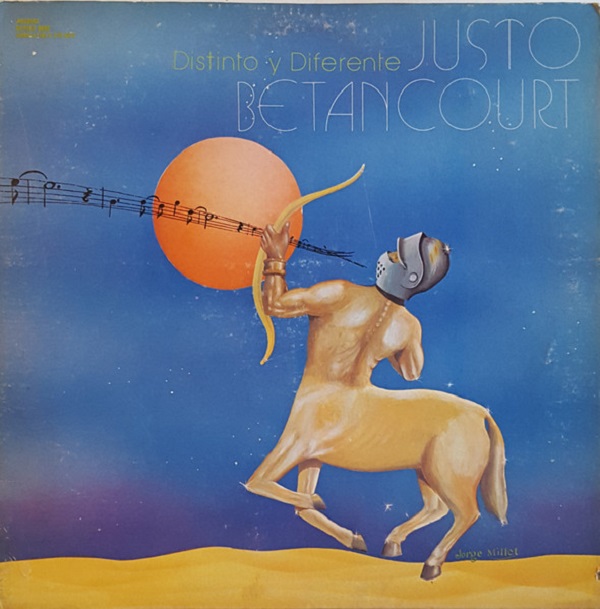
With his new orchestra, he recorded four albums, of which he recorded as lead singer in only two albums: “Distinto Y Diferente” (1977) which includes the songs: “No Estás En Nada”, “Distinto Y Diferente”, “Soy Profesional” and “Óyela”; and “¡Presencia!” (1978) which includes a tremendous new version of the bolero “Psicología” and the song, composed by Catalino “Tite” Curet Alonso, “Camarón”. Justo was always among the best and remained oblivious to the decadence of the industrial boom of New York Salsa at the end of the decade.

Justo Betancourt Distinto Y Diferente 1977

His secret was to remain bravo by performing authentic Caribbean music without the commercial additives imposed by Salsa.

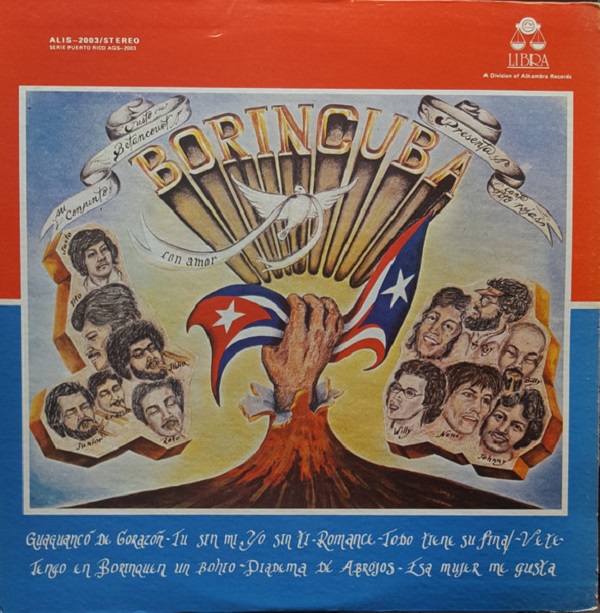
The young singer who performed in the chorus and Justo’s student in Borincuba, Tito Rojas, became the lead singer in the following album “Con Amor” (1978), which Betancourt conducted and participated in the chorus.

Tito Rojas’ last work before splitting from Borincuba to start his solo career was the album titled only as “Borincuba”, in which Justo also served as musical director and backing vocalist.

Justo Betancourt Presenta Su Conjunto Borincuba Canta Tito Rojas Con Amor 1978

So in 1979, when Tito inherited the band, he started his solo career changing the name to Tito Rojas y el Conjunto Borincano¸ which had a short existence.

After a series of his own albums, he became the lead vocalist of the Puerto Rican Power Orchestra and appeared on their first two albums (1987 and 1989).

In 1990, Tito Rojas embarked on his solo career with the romantic salsa album “Sensual” which reached first place in the Latin Music Hit Parade in April.

In the following years, Betancourt, residing between New York and San Juan, continued in the inertia of the Fania contracts. In March 1979, when the Fania All Stars were part of the group of musicians who traveled to the island of Cuba to participate in the “Havana Jam Festival”, a musical exchange between the United States and Cuba organized by CBS and held at the Karl Marx Theater in Havana, Justo Betancourt and his compatriot Celia Cruz, for obvious political reasons, could not travel with the group; for this reason Justo decided to leave the All Stars.

Nevertheless, his contract with the Fania company remained in force, and that year he released another album titled “Justo Betancourt” (1979), produced by himself and Louie Ramirez, which included the songs “Yo Sin Ti” and “Qué Más Quieres De Mi”, among others.

In 1981, Betancourt returns to record again with the Sonora Matancera in an album entitled “Sonora Matancera Con Justo Betancourt”, produced by Javier Vásquez and recorded on the Bárbaro label, a subsidiary of Fania and owned by Jerry Masucci. On this album, four guest musicians appear for the first time to record with the Sonora: Pedro “Puchi” Boulong: on trumpet, José Daniel: on the tumbadora, Elpidio Vásquez Jr. (son of the bassist): on second bass, and Mario Hernández: on tres.

From this work the hit “Mala Pata” and a new version of the bolero “Hoy Sé Más” stand out.

In 1982, he recorded his last work on the Fania Records label “Leguleya No” (1982), with his own production company RMQ and with the arrangements and musical direction of Ray Santos and Javier Vásquez.

From 1982 onwards his appearances were variable, he participated in Israel Sardinas’ LP, “Israel, la Verdad” (1984), and participated in Celia Cruz and Tito Puente’s album “Homenaje A Benny Moré Vol. 3” in 1985, in one of the songs: “Tú Solo Tú”.

Except for these participations, he made no recordings between 1983 and 1989.

And so, there were plenty of reasons for Justo Betancourt, despite so many successes, to end up in virtual anonymity and indifference. He gradually withdrew from the world of the studios, although he continued to perform sporadically.

After years of recording silence, he returned in 1990 with his style with the album “Regresar” on his own label RMQ, of which he was the producer, director and did half of the arrangements written by Eric Figueroa.

In 1992 he released the album “El Bravo De Siempre”, for Rafael Viera’s RV Productions label, which featured the participation of Cuban percussion legend Carlos “Patato” Valdes, among other great Puerto Rican musicians.

In 1994 he participated in the project of Puerto Rican producer and musician Frank Ferrer called “Descarga Boricua”, alongside more than 30 experienced local and international musicians such as Ismael Miranda, Jerry Medina, Papo Vázquez, Juancito Torres, Alex Acuna, Mario Rivera, Pedro Guzmán and Ángel “Cachete” Maldonado, among others. There, and in several songs, he resorted to his superb vocal resources as in his good times. In the second work of the Descarga Boricua, edited in 1996, he participated briefly with some soneos in the song “Abrázate a Puerto Rico”, as well as in the third album of the reunion of the virtuous Puerto Rican musicians.

He returned to the recording studios again in 1998 with the CD “Mató” for the El Paso label in Puerto Rico, and from which the song “El Lema Del Guaguancó” stands out in the most vigorous style of Arsenio Rodríguez, composer of the song.

He also made his return as guest singer of the Fania All Stars for the concert of April 29, 2000 in Puerto Rico, a return that he made together with Ismael Miranda and Luigi Texidor to the group.

Justo Betancourt has participated as a backing vocalist in the recordings of many Latin music orchestras and works of renowned artists, such as La Conspiración de Ernie Agosto, Celia Cruz, Johnny Pacheco, Roberto Roena, Willie Colón, Eddie Palmieri, Willie Rosario’s orchestra, Héctor Lavoe, Adalberto Santiago, Kim De Los Santos, Van Lester and the Puerto Rican Power orchestra, among others.

In 2002 he participated for pianist Papo Lucca in the musical project “Festival de Boleros” with the song “En Cada Beso”, along with a constellation of Boricua singers and musicians.

Sources:

Por: Jose Ramon Tremaria

Ecued

Fania Stars

Also Read: Nicky Marrero is an innovator, timbalero and bongo player, living legend of our Afro-Latin and Caribbean music.

  • « Go to Previous Page
  • Page 1
  • Interim pages omitted …
  • Page 16
  • Page 17
  • Page 18
  • Page 19
  • Page 20
  • Interim pages omitted …
  • Page 42
  • Go to Next Page »

International Salsa Magazine (ISM) is a monthly publication about Salsa activities around the world, that has been publishing since 2007. It is a world network of volunteers coordinated by ISM Magazine. We are working to strengthen all the events by working together.