





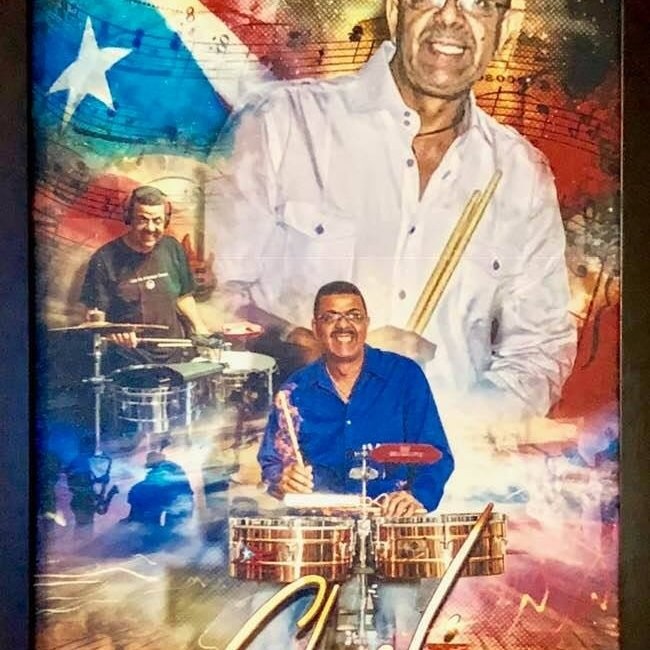
An excellent percussion musician from Barrio Sabana, Charlie Sierra recorded with important figures in music such as Don Mario Ortiz, Andy Montañez, Raphy Leavitt, Marc Anthony, Oscar D’León, Julito Alvarado, and many others. He even recorded the album Bravo by the Fania All-Stars in 1997.
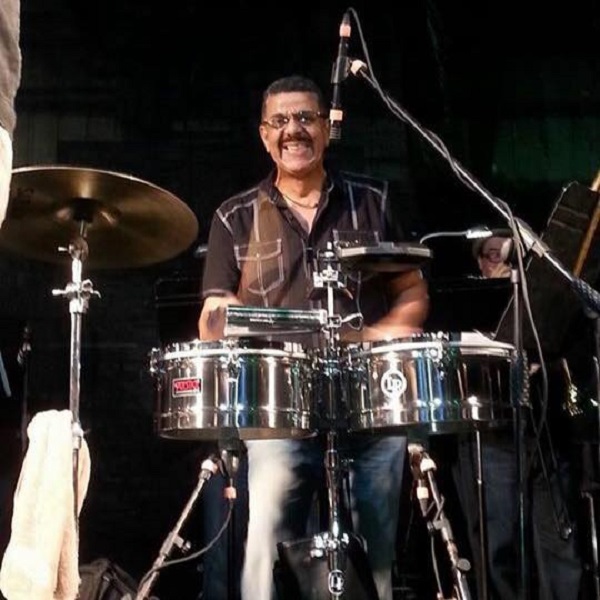
Among these five virtuosos, the majority of the recording sessions in the Puerto Rican market were divided. The others were, practically, second choices for producers.
This fortunate circumstance allowed him to develop an impressive discography as a session musician, which includes the most stellar names in salsa. Likewise, he traveled across a large part of the globe as a member of the backing bands for many of those stars.
At the age of thirteen, he moved with his family to Bayamón, and it was during his time as a student at the Nuestra Señora del Rosario School that he began to show signs of his talent.
At fourteen, he enrolled in the Ernesto Ramos Antonini Free School of Music (Escuela Libre de Música), where he was a disciple of the Argentine master Samuel Lipchik.
During that time, he also advanced his knowledge of the flute, guitar, and piano, instruments he would never cultivate professionally, as percussion was always his great passion.
During this period, he received private lessons from the renowned professor Raúl Berríos Sánchez.
Fully immersed in the music scene, his name began to gain relevance in the salsa world following his tenure with the original Orquesta Mulenze, led by bassist Edwin Morales, during the 1976-1978 period.
At that time, this organization focused its work on providing accompaniment to solo singers affiliated with the genre, both national and foreign, who visited the island. He had the opportunity to travel with several of them: Santos Colón, Celia Cruz, Cheo Feliciano, Chivirico Dávila, Pellín Rodríguez, Yayo El Indio, etc.
He then joined trumpeter Mario Ortiz’s orchestra (1982-1984); he collaborated in the founding of the backing bands for the great sonero (Cuban son singer) Carlos «Cano» Estremera (1984) and the equally admired Tony Vega (1988).
In the interim, he worked independently and constantly recorded with other groups and a large number of soloists. He maintained this intense work routine until the present.
In 2009, Charlie Sierra organized his own orchestra, Paso Nivel, with which he recorded the album Ganas de bailar (Paso Nivel, CD-10692).
The album prominently features singer Efraín «Pichi» Gaetán, and included special guests such as Cheo Feliciano, Ismael Miranda, Andy Montañez, and Gilberto Santa Rosa, as well as Primi Cruz, Darvel García, and Héctor Luis «Pichie» Pérez.
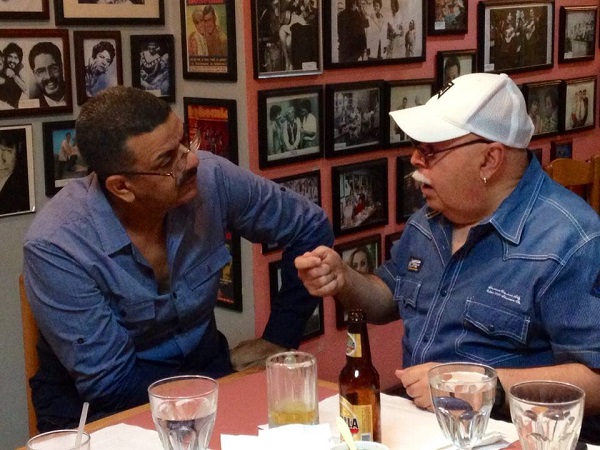
Charlie Sierra was a distinguished Puerto Rican salsa timbalero, recognized for his long musical career and his virtuosity on the instrument.
He passed away on October 23, 2024, at the age of 67. Throughout his career, he collaborated with artists of the stature of Andy Montañez, Celia Cruz, Cheo Feliciano, and Bobby Cruz.
Musical Career: He began his career with the Orquesta Mulenze in 1970 and later joined Raphy Leavitt & La Selecta’s band.
Notable Collaborations:
Own Orchestra: In 2009, he founded his own orchestra called Paso Nivel, with which he recorded the album “Ganas de bailar” (Desire to Dance).
Collaborators:
Also Read: Orestes Vilato. Cuban multi-percussionist.
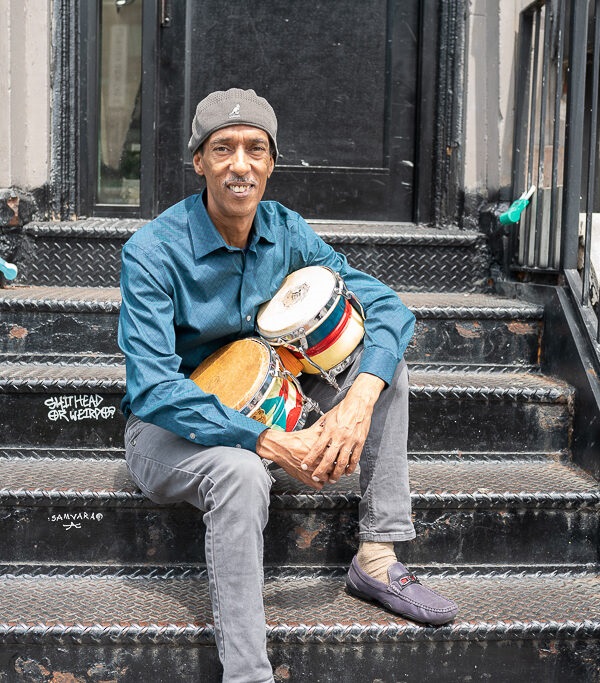
“I remember that when I opened my eyes the second day, I heard the music of Willie Colón and Héctor Lavoe”.
Me opening my eyes, and the smell of the earth. It’s a scene I’ll never forget in my life.”
Once in Puerto Rico, his father continued to play music and was connected with musicians such as David “La Mole” Ortiz, who would later become a great mentor and collaborator for Anthony.
In the mid-1970s, Anthony and his brother began collaborating with the Areito Folkloric Ballet.
Anthony Carrillo: Master Percussionist
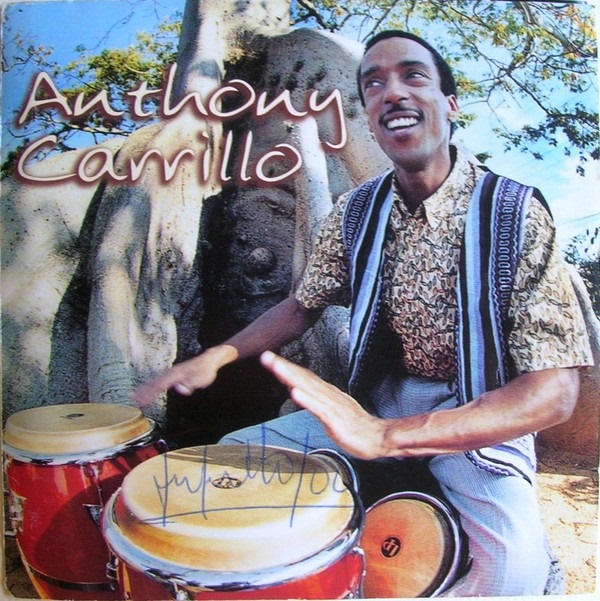
He was also an integral member of the outstanding percussion ensemble, Batacumbele, and, in contrast, the Puerto Rican metal band, PUYA. Piano legend Eddie Palmieri has referred to Carrillo as “the best bongocero in the universe.”
Under his own name, Anthony Carrillo has released three CDs, which include the historic first rumba recordings from Puerto Rico. His most recent performances include the off-Broadway musical “I Like it Like That” in 2017, and recording bongos with Puerto Rican artist Residente on his recent track “Hijos del Cañaveral.”
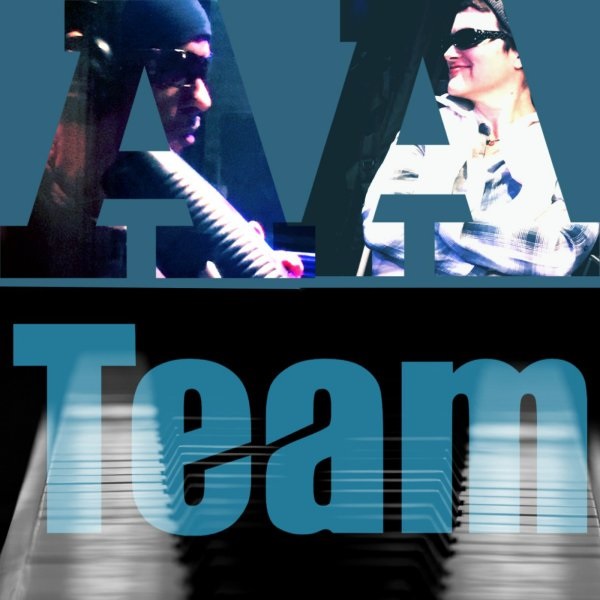
In April 2018, his Latin jazz group, AA team, released two original singles featuring Carrillo on bongos, drums, and vocals.
Musical Origins
Anthony Carrillo was born in New York City of Puerto Rican ancestry. From childhood, he expressed a special interest in music. His father, Mr. Roman “Don Nan” Carrillo, was his first teacher.
Through his father, Anthony Carrillo was exposed to the music of “Ramito” (one of the greatest exponents of folkloric music in Puerto Rico) and Rafael Cortijo.
Anthony’s earliest influences were “Papi Andino” (Ramito’s bongocero) and Roberto Roena (Cortijo’s bongocero).
When he was only nine years old, Anthony Carrillo’s family returned to Puerto Rico.
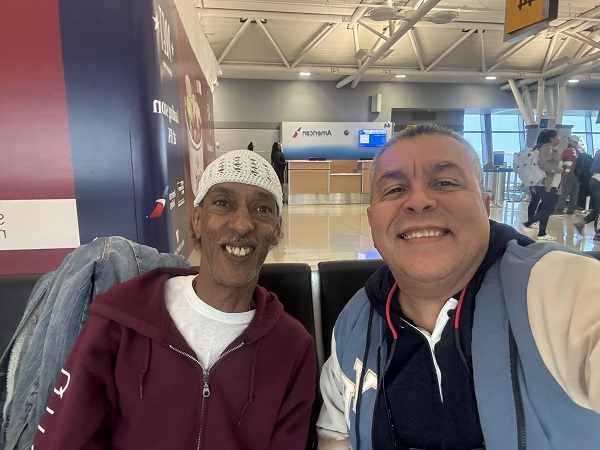
In the early 1980s, Anthony Carrillo became a member of the famous folkloric group, La Familia Cepeda, the foremost exponents and keepers of the traditional “Bomba” and “Plena” styles.
Collaborators:
Also Read: Papo Vázquez the Pirate & Troubadour of Our Latin Music
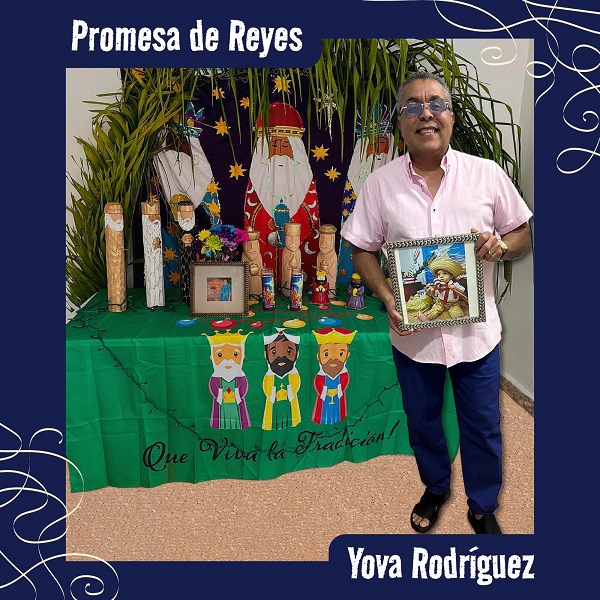
The most recent track, titled “Promesa de Reyes,” is something I’ve wanted to do for a long time. I have to tell you that producing a Christmas production is a bit difficult because the season is so short, and it’s hard to develop the theme as it should be. But I was determined to do it because it’s a gift or tribute to the memory of my mother, Doña Delia Ruiz.
The inspiration for “Promesa de Reyes,” in reality, when you listen to the song, what you’ll realize is that it’s a narration. That is, in this track, I’m going to describe, from when I was a child, how I used to watch my mom carry out the process of her “Promesa de Reyes,” from the time they sent someone to cut the palm leaves to make the altar, until that altar with the Three Wise Men was completed, and the next day, well, we knew we had the party.
I’ve been incredibly lucky because the track was arranged by Leo Morales, originally from Colombia. It turns out that Leo is influenced—he learned to play the trombone and became a musician because of Willy Colón’s Asalto Navideño records. So, he told me that since then, he started studying the authentic, folk music of Puerto Rico to find out where Willy got those kinds of ideas. This is a very special track because we managed to include Puerto Rican danza (dance), Puerto Rican bomba (drumming and dance), and salsa.
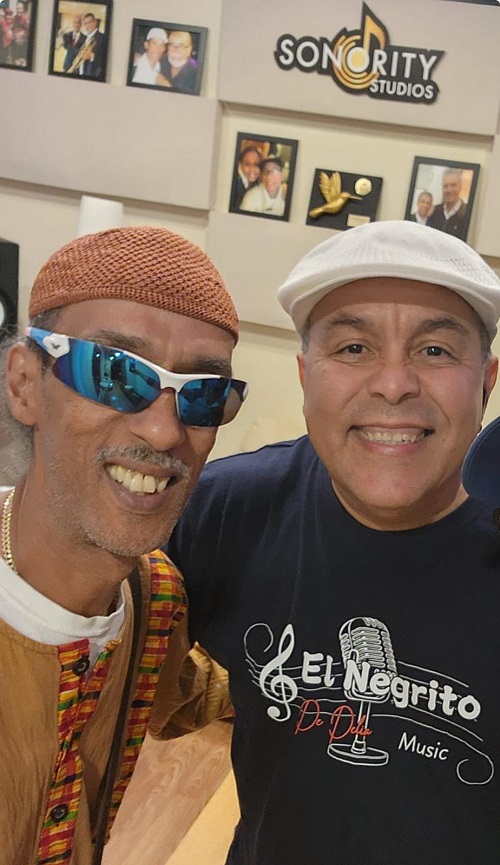
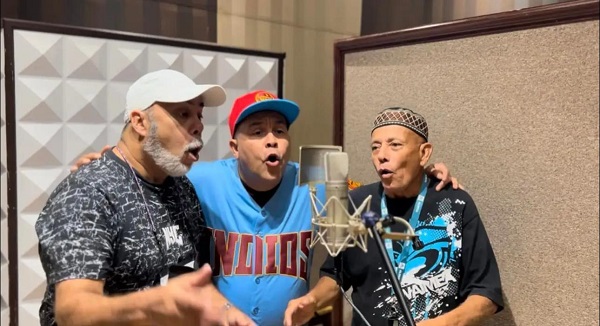
I sing and I wrote the song. On piano is Vicente Báez, the current pianist for Sonora Ponceña. On bass is Puri Matos, a master based in New York. He was recommended by Anthony Carrillo and has been doing all my projects with me for two years. Anthony Carrillo did all the percussion. On trumpet is Agustín Someillan from the Cuban National Sextet. The chorus singers are Nino Segerra, Danny Dávila, and Caneca Rosa. Manny Trinidad, recommended by Nino Segarra, played the Puerto Rican cuatro.
The recording studio was Nino Segarra’s. This is about the fourth or fifth track we’ve done there in his studio with Nino.
Nino, besides being a singer, is a professional teacher. He’s an expert who knows how to guide you, how to explain things the way they should be; he doesn’t pressure you; he lets you develop. In other words, I feel extremely comfortable working with Nino; the experience of working with Nino is very satisfying.
People tell me, “Yova, you’re crazy. You get on a plane just to go record a voice track,” and I tell them yes, for two reasons:
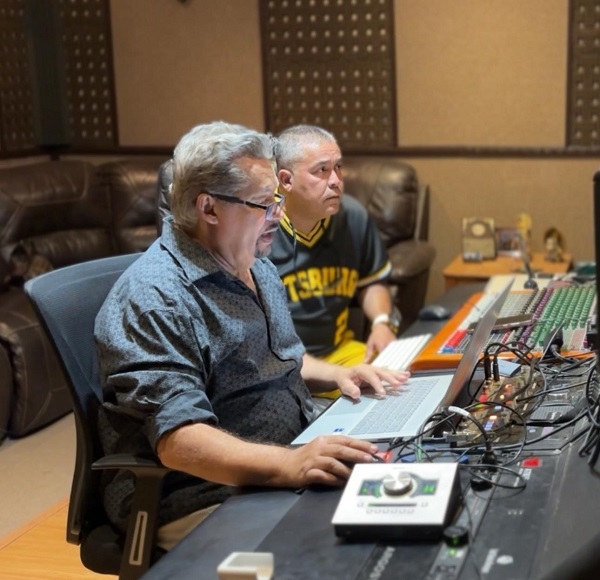
Yova, the time in the studio to make the track is very important. Talk a little about that.
Look, Augusto, remember that depends on the type of musician you have there, right? There are musicians who are sight-readers of the first caliber.
These musicians tell you, “Send me the charts two days before,” they skim them. When they get to the studio, they’re done with their part in half an hour, 20 minutes, 15. But there are others who you have to take at a slower pace. For example, in Anthony’s case, Anthony told me, “Send me the demo, and I’ll listen to it.”
But Carrillo is from another planet. I send him his demo; he listens for two days beforehand. And he tells me, “Let’s go to the studio.”
And Anthony recorded flawlessly. Anthony didn’t take three hours to do four instruments; he did it in about two hours, and everything was excellent.
Victoria listens to you and works with what you ask for. The experience with her was excellent, and I hope it continues to happen many more times.
Piano: Vicente Báez
Bass: Puri Matos
Puerto Rican cuatro: Manny Trinidad
Conga: Anthony Carrillo
Bongó: Anthony Carrillo
Snare Drum (Redoble): Anthony Carrillo
Puerto Rican güiro: Anthony Carrilllo
Cuban güiro: Edwin Caneca Rosas
Trumpets: Agustín Someillan
Chorus: Nino Segarra, Edwin Caneca Rosas, Danny Dávila
Singer: Yova Rodríguez
Studios: Sonority in New Jersey (Recording of all Percussion). Engineers: Nino Segarra
Mix: Héctor Mora, HM
Producción Medellín Colombia
Arrangement: Leo Morales
Video Production: Jhonatan Chávez
Composition: Yova Rodríguez.
Graphic Designer: Victoria Rivas Rojas.
Also Read: Yova Rodríguez. The jibarito of Mayagüez