• Skip to primary navigation
  • Skip to main content

International Salsa Magazine

  • HOME
  • Previous editions
    • 2026
      • ISM / March 2026
      • ISM / February 2026
      • ISM / January 2026
    • 2025
      • ISM / December 2025
      • ISM / November 2025
      • ISM / October 2025
      • ISM / September 2025
      • ISM / August 2025
      • ISM / July 2025
      • ISM / June 2025
      • ISM / May2025
      • ISM / April 2025
      • ISM / March 2025
      • ISM / February 2025
      • ISM / January 2025
    • 2024
      • ISM / December 2024
      • ISM / November 2024
      • ISM / October 2024
      • ISM / September 2024
      • ISM / August 2024
      • ISM / July 2024
      • ISM / June 2024
      • ISM / May 2024
      • ISM / April 2024
      • ISM / March 2024
      • ISM / February 2024
      • ISM / January 2024
    • 2023
      • ISM / December 2023
      • ISM / November 2023
      • ISM / October 2023
      • ISM – September 2023
      • ISM – August 2023
      • ISM July 2023
      • ISM Edition June 2023
      • ISM – May 2023
      • ISM April 2023
      • ISM March 2023
      • ISM February 2023
      • ISM January 2023
    • 2022
      • ISM December 2022
      • ISM November 2022
      • ISM October 2022
      • ISM September 2022
      • ISM August 2022
      • ISM July 2022
      • ISM June 2022
      • ISM May 2022
      • ISM February 2022
      • ISM January 2022
    • 2021
      • ISM December 2021
      • ISM November 2021
      • ISM October – 2021
      • ISM September 2021
      • ISM August 2021
      • ISM July 2021
      • ISM May 2021
      • ISM April 2021
      • ISM June 2021
      • ISM March 2021
      • ISM February 2021
      • ISM January 2021
    • 2020
      • ISM December 2020
      • ISM November 2020
      • ISM October 2020
      • ISM September 2020
      • ISM August 2020
      • ISM July 2020
      • ISM June 2020
      • ISM May 2020
      • ISM April 2020
      • ISM March 2020
      • ISM February 2020
      • ISM January 2020
    • 2019
      • ISM December 2019
      • ISM November 2019
      • ISM October 2019
      • ISM Septembre 2019
      • ISM August 2019
      • ISM July 2019
      • ISM June 2019
  • Spanish
  • Download Salsa App
    • Android
    • Apple

Search Results for: salsa in venezuela

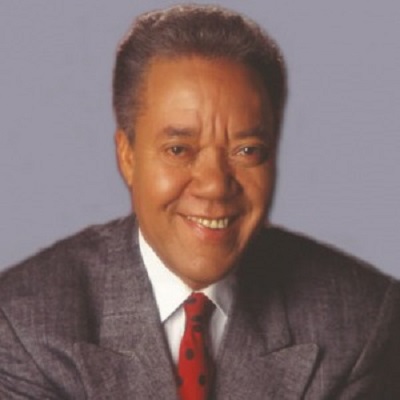
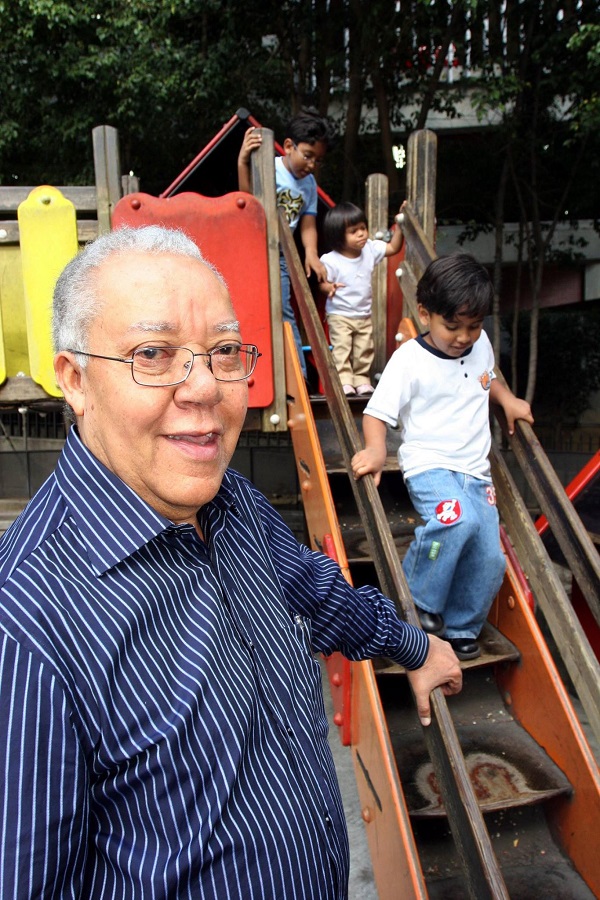
Orlando José Castillo: The Venezuelan sonero graduated in New York

Orlando José Castillo “Siempre Pa’lante”

He (Orlando José Castillo) is catalogued as one of the most important soneros that Venezuela has given to the world and considered a living legend of Afro-Caribbean music for his extensive, successful and extraordinary career during many years; for “International Salsa Magazine”, it is a great honor to have as a special guest on this occasion Orlando José Castillo “Watussi”, born in Marín, Yaracuy state, on March 23, 1949, who, since he was a child, moved with his parents to live in the parish of La Pastora in the city of Caracas.

Welcome Master Watussi and we hope that all salsa lovers through International Salsa Magazine, www.salsamundi.com, will know part of his life.

Thanks to all the staff for giving me the opportunity to read your magazine, which is already observed in Latin America, USA and Europe.
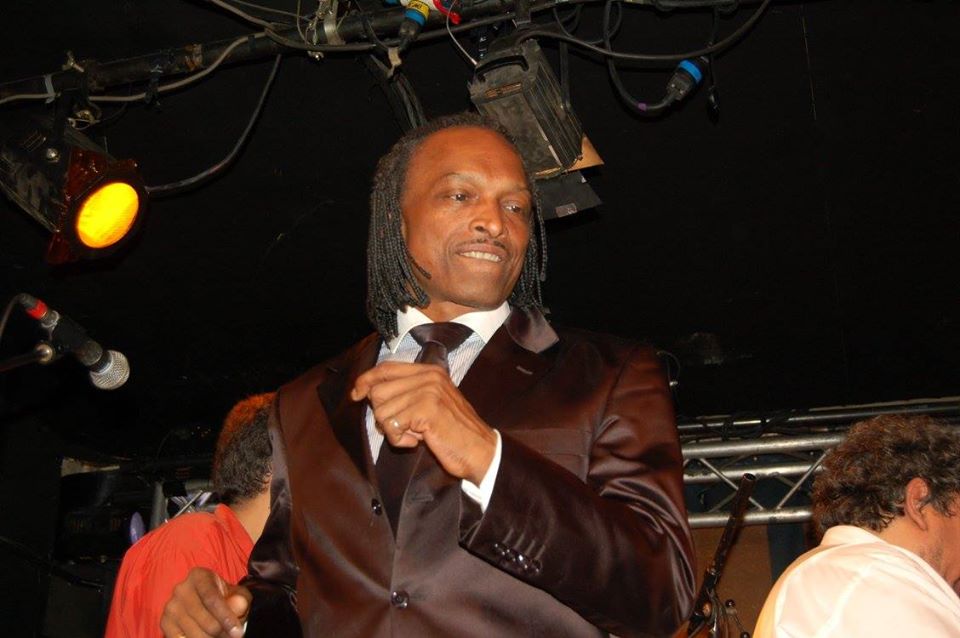
Orlando José Castillo "Watussi" The Venezuelan Sonero graduated in New York
Orlando José Castillo “Watussi”

And well, I am currently living in the city of Milan, Italy and let me tell you that I have beautiful and unforgettable memories of Barquisimeto, so for me it is a pleasure and an honor at the same time, to be sharing with all those people and my country.

To begin with, Maestro Watussi, which were the first groups and orchestras you were part of? Let me tell you that I started with Los Satélites, Federico y su Combo Latino, Porfi Jiménez, Príncipe y su Sexteto and that was super important, since they were the Venezuelan orchestras with which I began to form my career, especially with Los Satélites, Porfi, Federico; I sincerely owe the present of my life to all of them and that is why I do not want to leave them out of the picture.
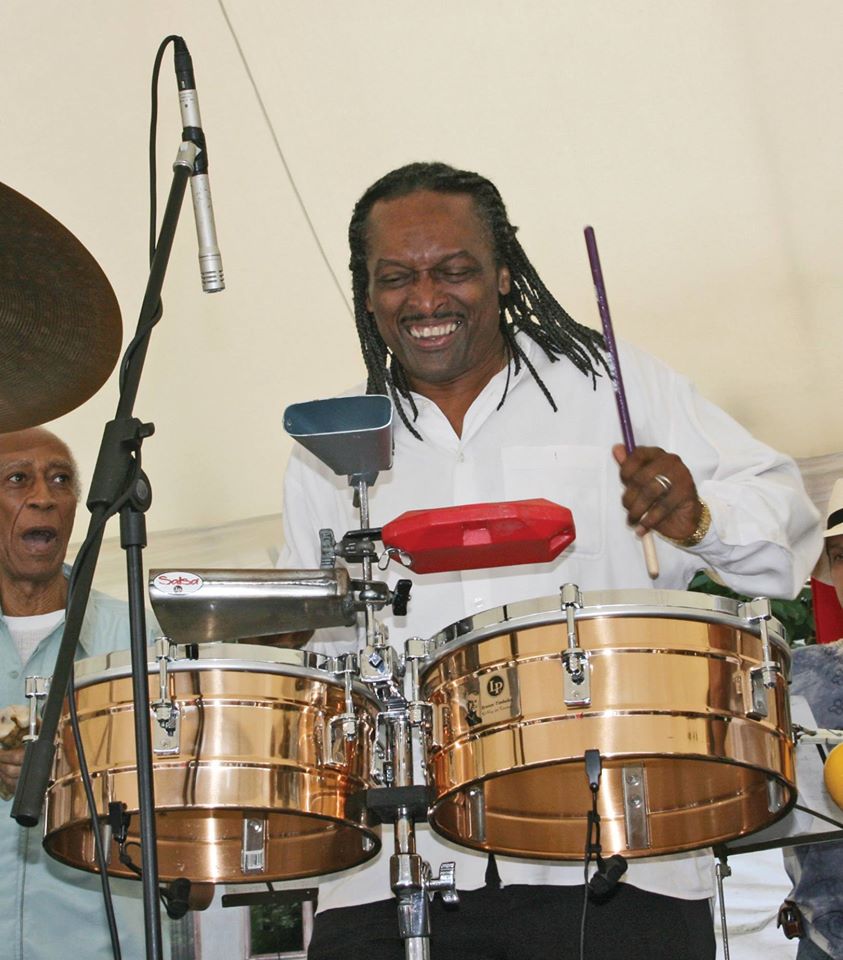
"Watussi" The Venezuelan Sonero graduated in New York
Orlando José Castillo “Watussi”

Very good teacher, we would like to talk about your career in Puerto Rico and in the United States, with the various groups with which you were part.

Well, I tell you that I left Venezuela in 1979 definitely because I traveled for the first time in 1971, musically speaking, and it was my first international tour to the island of Santo Domingo with Los Satélites and then we returned in 72 and in 1974 we were the first Venezuelan orchestra to set foot on American soil in New York City.

NY being on the most important stage in the world at that time as it was Madison Square Garden and the importance of imposing a hit of musical salsa in the Big Apple, with a song I recorded called “Traicionera”, by the master Carlos Guerra and recorded with “Los Satélites”, after that experience I was founder of the “Renovación”, from there I went to be part of “Federico y su Combo Latino”; Then I worked with Rafael Cortijo and his Combo in Puerto Rico in 1977.

Later, in 1979, I went to the island of Borinquén, Cortijo was already traveling to New York and because I could not accompany him, I was lucky enough to be asked by the maestro Bobby Valentín to be part of his band. I stayed with him for three months and at one point I went to New York, The strike of Puerto Rican musicians, as many Dominican musicians were entering the island, led to Bobby being criticized for having a Venezuelan singer instead of a Puerto Rican one.

Later, in New York, I joined Cortijo and Kako Bastar again, who was another teacher in my career and with him I learned to know that great city and at that time almost all the singers of the orquestas bravas, were beginning to do their own work as soloists and I began to work with Joe Cuba and his Sextet, Eddie Palmieri, Larry Harlow, La Típica 73, until I arrived at the “Conjunto Libre”, I was there for about a year and a half, I recorded with them “El changó de María”.

After I had signed with the Fania label, which was a mistake I made, because Cortijo and Kako were telling me not to do it, since I had Fania in my brain, I rushed and was with them for a year practically inactive in the discography and that cost me not to have recorded the last album with Rafael Cortijo and others.

I recorded with Fania “Mi rumba y yo” and told them to leave me alone, they let me go and I joined the orchestra of “Bobby Rodríguez y su Compañía” for three years, I recorded a very good album, including the songs “María Cristina”, “El Pintor”, “Homenaje a Cortijo”.

In fact Carlos, then I continued with Palmieri in 1987, when I had already recorded the album “Las Calaveras” with José Mangual Jr. and there I began my career as a soloist.

Later on I set up my orchestra in New York, but unfortunately work began to decline due to the closure of venues such as El Corso, Casablanca, Copacabana, El Palladium and that brought as a consequence much less work, but thank God, in 1988 I had the opportunity to go to Paris, invited by my compadre Alfredo Cutuflá, in the place of Cheo Feliciano, to do the dance of December 31st at the New Morning.

Excellent, master Watussi, and it must have been a great commitment to replace Cheo at that time, tell us about this experience. Yes, I was fortunate to take his place because he did not travel at that time without his orchestra and Alfredito Cutuflá told me to get Cheo, I had his telephone number, I gave it to him and he told me that if Cheo did not go, I would go, and well it was a tremendous success with Cutuflá and that opened the doors for me in Europe and specifically in Italy, where my friend Carlos Ugueto was based, who brought salsa to that country.
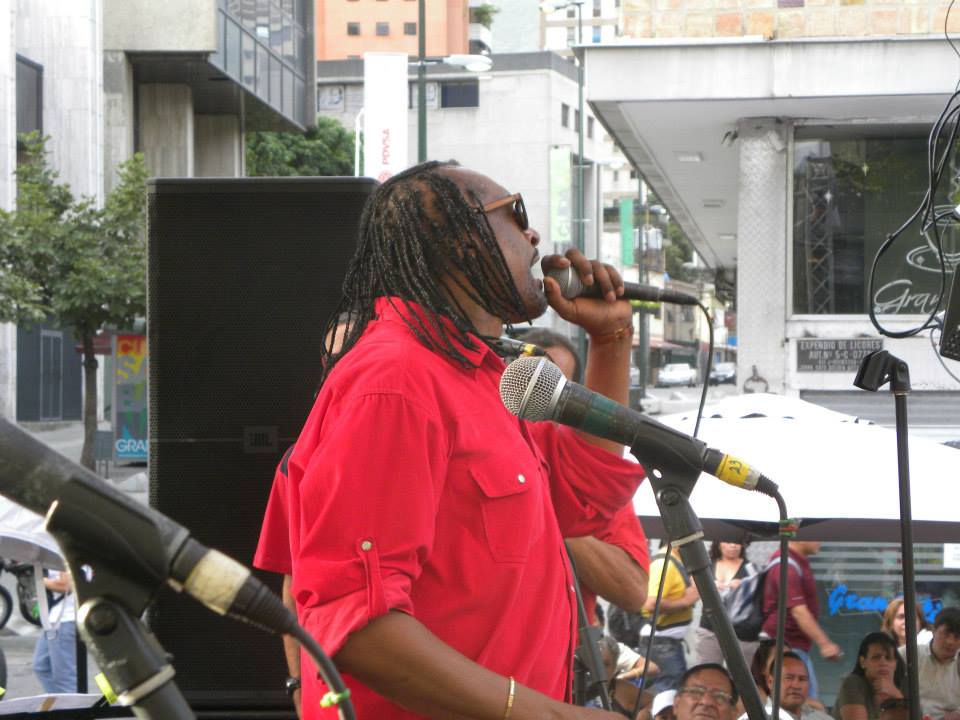
Orlando José Castillo "Watussi"
Orlando José Castillo “Watussi”

Ugueto played the first album of this genre on his radio program, in his club and after he found out that I was in France, he sent for me and facilitated a tour in Milan in 1990, since in 1989 I was in Panama, singing to my compadre’s daughter Roberto “Mano ‘e Piedra” Durán, his 15 year old party, together with Camilo Azuquita, exactly on December 16, 1989,

but on December 19 the invasion of Panama began and I had to stay there until January 5 and well Carlos, I go to Europe and start my tour in Holland, then London, where I did a show with the master Tito Puente, on December 30, 1990, there I was 2 months in the old continent; I returned to New York, where I was residing, and in 1991 I returned to Europe and that’s when I stayed here for good with my family in Milan.

Orlando José Castillo, when you come to Venezuela, we imagine you will feel very well because you are visiting your homeland?

Of course I do, professor, when I go to my country I recharge my batteries, because there is no place like Venezuela, no matter what happens and I tell you honestly, I hope one day to be able to be in Barquisimeto with you, especially to personally show my appreciation for this gesture of having given my name to that “Peña Salsera Orlando Watussi”, in the middle of 2019, being the first time in Venezuela, to give me an honor of that size; especially my thanks to Dany Castillo and my family there, precursors of that idea, and to all the musicians of the musical capital to whom I send a cordial greeting.

Master Watussi, I am remembering that you were integrating the “Clan of Salsa” here in our city, do you remember that too?

Obviously, my friend Carlos, I was there with one of the bravest singers that Venezuela has given, my little brother Willy Rodriguez, who unfortunately is no longer with us.

Willy “El Guaro”, took care of me in his house for a few days, until I got my house in Barquisimeto; I am going to take advantage of this interview professor, to thank the family of Aldemar Barrera, the family of Honorio, tremendous bass player, Coromoto, who was the engine of that movement; greetings equally to Egidio and to all those panas.

Carlos, I want to greet especially the people of the Orquesta Malecón, I hope that one day we can meet on a stage and make a little effort, or perhaps in the Peña itself.

Orlando José Castillo, what can you tell us about Maestro Baquedano? Santiago Baquedano is one of the best musicians Venezuela has ever given and with him I worked on Margarita Island for a few months and from there I went to “La Salsa Mayor” and then I went to Puerto Rico, but I feel proud to have shared with so many valuable people from my country in my 50 year artistic career.

And let me tell you Carlos, just to finish, I reiterate my congratulations and good wishes for you to continue always with the work you do with this salsa column and your radio program, which aims to support and encourage musical talent in salsa.

Thank you Carlos and God bless you, take care all of you in my country and don’t leave the house! Cool…!.

 

Home

Rónald Gómez Original Venezuelan Sonero for the World

Rónald Gómez, One of the most respected young soneros of the New Generation

He belongs to the new legion of young soneros and projects himself as one of the greatest exponents of Venezuelan salsa at the national and international level; I am referring to Rónald Eduardo Gómez Ávila, known artistically as Rónald Gómez, born in Caracas on March 11, 1995, son of Sonia Ávila and Rónald Gómez; his brothers: Jesús Eduardo and Rónner Eduardo.

He completed his high school studies at the Orinoco High School and his university studies at UNEARTE in Caracas.

He has been living in Los Teques for some time and is currently living in Valencia.

The singer and sonero Rónald, started in music since he was 4 years old, when his father, also a musician, invited him to sing the song “Llorarás”, with the free orchestra of the UCV and from that moment he won people over with his charisma and his swing. At the age of 6, he joined the Chiky Salsa orchestra and due to his versatility, he later joined the Porfi Baloa Teenagers, first as a musician and then as a vocalist, and later as a member of the Porfi Klan staff.

Rónald Gómez soneros of the New Generation
Rónald Gómez One of the most respected young soneros of the New Generation

It is worth mentioning that Rónald Gómez, besides being one of the most respected young soneros in our country, has stood out as an excellent sportsman, being a member of the Miranda State Volleyball Team in various national competitions.

Gómez has had the honor of sharing the stage with salsa greats such as: Tony Vega, Maelo Ruiz, El Gran Combo de Puerto Rico, Cheo Feliciano, Ismael Miranda, Hermanos Lebrón, Frankie Vásquez, Hermán Olivera, Adalberto Santiago, Oscar D’León and was a special guest to sing along with Sonora Ponceña and La India from New York.

Rónald has worked with the orchestras La Dimensión Latina, the Dance Orchestra “La Resistencia Salsera de Venezuela”, the Cheo Navarro Tribute Orchestra and currently Los Adolescentes.

Ronald Gòmez One of the most respected young soneros of the New Generation
Orchestra los Adolescentes

Among the countries where Rónald Gómez has represented Venezuela are United States, Peru, Canada, Colombia, El Salvador, Ecuador, Mexico and Cuba.

Some of the songs he has recorded are: “No puedo vivir sin ti”, “Ya la vi” with Bailatino and “No temas al amor” and “Tengo un amor” with Los Adolescentes, which are played on radio stations and social networks.

What are your current projects, Rónald? Carlos, I am currently continuing with the Teenagers and I also have projects as a soloist; I am recording some things on the fly individually, obviously without leaving the orchestra and at the same time I have in mind to enhance the image as Rónald Gómez. Have you recorded any new songs? Indeed, professor, I have recorded some with the Teenagers and as I told you, I am going to record with some guests together with myself; that is going to be good and I hope you enjoy it; in due time I will make them known.

Ronald, where are you currently with the Teen Orchestra? At the moment I am in Miami, last week we were in Los Angeles, San Francisco and Santa Ana.

What can you tell us about your next tour? We are going to Colombia at the beginning of March, we will be alternating with Diego Galé and Maelo Ruiz, then we will be on a break there in Venezuela and then we will continue with the full tour in the United States, having concerts in: Houston, Utah, Ohio, among many other cities.

Finally, Rónald tells us that he feels satisfied by his successes at a professional level and wishes to continue to succeed inside and outside our country, with the support of all his family, musicians, friends and all the salsa musicians who enjoy his presentations.

It is important to emphasize that Rónald Gómez is characterized by his simplicity, professionalism and gift of people who will surely make him one of the greats of Latin music.

From “Salsa Escrita” and International Salsa Magazine, we wish Rónald the best performance and he always counts on us.

To contact Rónald Gómez, you can do it through the Instagram: Ronaldadolescentes.

Ronald Gomez soneros of the New Generation
The singer and sonero Rónald Gòmez


Home

Porfi Jiménez The Master of Rhythm Who United Two Nations

The life, work, and legacy of tropical music’s most “Venezuelan” Dominican.

Porfirio Antonio Jiménez Núñez, known universally as Porfi Jiménez, was more than just a musician; he was a cultural bridge.

A Dominican virtuoso by birth and Venezuelan by choice, he became one of the most iconic figures of Caribbean dance music.

His legacy endures as an exceptional trumpeter, arranger, and bandleader who possessed a unique gift for reading the pulse of the streets and elevating it to the level of fine art.

Porfi Jiménez El Maestro del Ritmo que Unió a dos Naciones

The Prodigy of Hato Mayor: Academic Training

Born on February 16, 1928, in Hato Mayor del Rey, Dominican Republic, Porfi’s destiny was sealed by music from an early age. A recognized child prodigy, he began his formal studies at age seven.

Following the death of his father, his mother gifted him his first trumpet when he was eight a tool that would eventually become his eternal voice.

Unlike many bandleaders of his era, Porfi sought technical excellence at the prestigious Berklee College of Music in Boston. This education granted him a superior technical command of jazz orchestration and tropical rhythms, allowing him to inject a unique harmonic sophistication into popular music.

Vida, obra y legado del dominicano más venezolano de la música tropical.

Putting Down Roots in Venezuela: A 50-Year “Layover”

On February 6, 1954, Porfi landed in Caracas at the invitation of his compatriot Rafael “Tata” Minaya for a brief Carnival tour.

What was planned as a temporary trip turned into a stay that lasted over half a century. Before founding his own sonic empire, he honed his craft within the country’s most elite musical institutions:

  • The Pedro J. Belisario Orchestra.
  • Billo’s Caracas Boys, under the baton of Maestro Billo Frómeta.
  • Staff orchestras for Venevisión and RCTV, where he shone as the lead arranger during the golden age of Venezuelan television.

The Birth of a Signature Sound

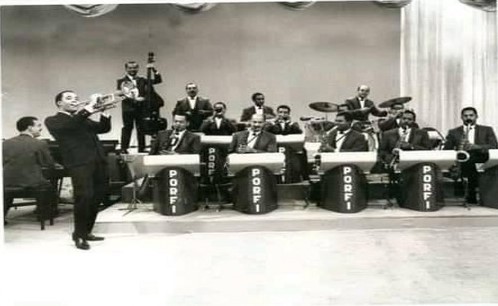
On December 31, 1963, as the world celebrated New Year’s Eve, a legend was born: Porfi debuted his own orchestra at the Tamanaco Hotel’s Naiguatá Hall.

31 de diciembre de 1963, en el Salón Naiguatá del Hotel Tamanaco Foto By El Universal

His style broke the mold by fusing Dominican merengue with salsa and jazz, achieving a modern, high-energy orchestration.

That same year, he released his first LP, A bailar con Porfi (Velvet Records). Featuring the vocals of Kiko Mendive and Chico Salas, the orchestra produced hits that are now staples of the Latin party songbook:

  • “La Negra Celina”
  • “La Resbalosa”
  • “La Banda está Borracha”

The “King of Carnival” and the Golden Years

Throughout the 80s and 90s, his name was synonymous with sold-out venues. Dubbed the “King of Carnival,” no festival in Venezuela was complete without his music. His ability to create “people’s anthems” is undeniable, leaving behind timeless tracks such as:

Iconic Songs Cultural Impact
La hierba se movía A massive sales and dance phenomenon across the region.
Culucucú An undisputed hit during the December holiday season.
Se hunde el barco A quintessential classic in the repertoire of great orchestras.
Dolores / Chivo Florete A masterclass in high-energy, danceable merengue.


Culucucú Éxito indiscutible en las festividades decembrinas.

 An Immortal Legacy

Maestro Porfi Jiménez passed away in Caracas on June 8, 2010, at the age of 82.

Though Dominican by birth, he always declared himself “Venezuelan at heart,” leaving behind a devoted family and a generation of musicians trained under his disciplined leadership.

As we approach the centenary of his birth in 2028, his influence remains more vibrant than ever.

The tributes held between 2024 and 2026 in both the Dominican Republic and Venezuela only confirm that Porfi Jiménez was, is, and will always be the man who defined the rhythm of the Caribbean identity.

Also Read: Federico Betancourt “Pioneer of Salsa in Venezuela”

Learn to dance to the rhythm of Son Rumbero

Latin America / Colombia / Bogota

The Son Rumbero academy dresses up with the grand opening of its offices in Bogotá in Colombia and Santiago in Chile.

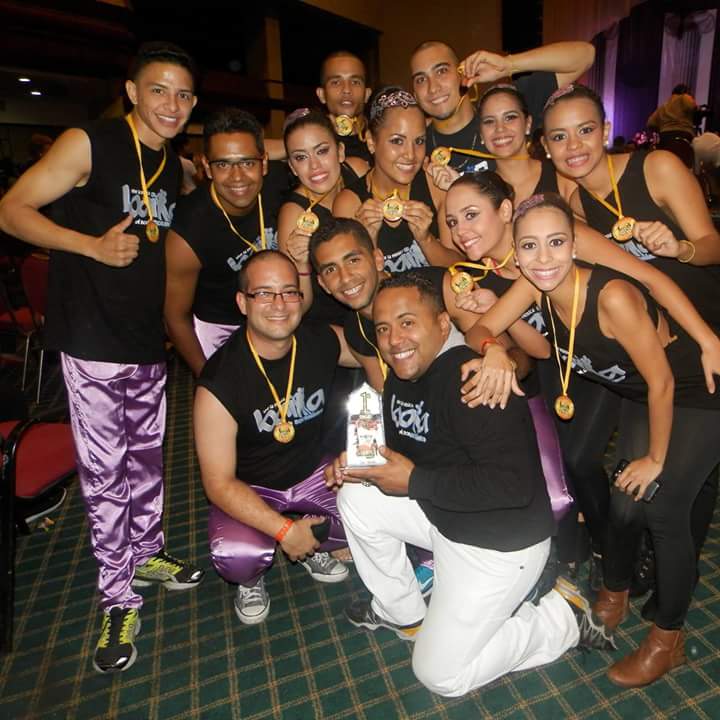
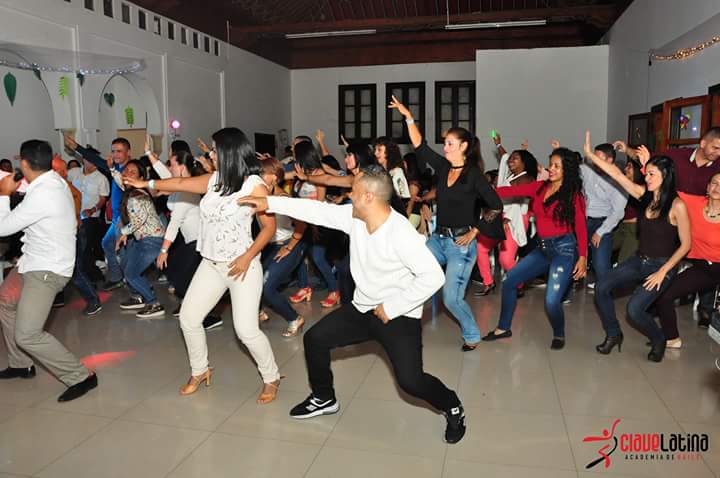
Photo of dancers by Son Rumberos

They offer dance classes based on 3 profiles, for the youngest and adolescents of the “Kids” house, the fitness line and Latin dances, join the dance trend, give your body health and distraction, it’s been 15 years of experience and consolidation, they have been one of the distinguished schools of Salsa in Venezuela, now, they dedicate hard work in giving improvements and innovations to the dance of the capitals of Colombia and Chile.

Son Rumbero social
Son Rumbero social

In Bogotá they will begin to offer salsa tourism, if as you hear it, you could have 5 days of tourism in Bogotá under an innovative and very formal proposal. This tourist proposal begins with more than 24 hours of formal classes in the disciplines of Afro-Cuban music, learn rumba, cha cha, son, salsa, mambo and many more, together with the tourist tour of the city, closing every night in local and spaces destined for enjoyment, dance all night without stopping with the dancers taxis assigned for this great experience. To learn more about this great proposal, be sure to visit www.sonrumbero.com in our SALSERO TOURISM section soon to be published.

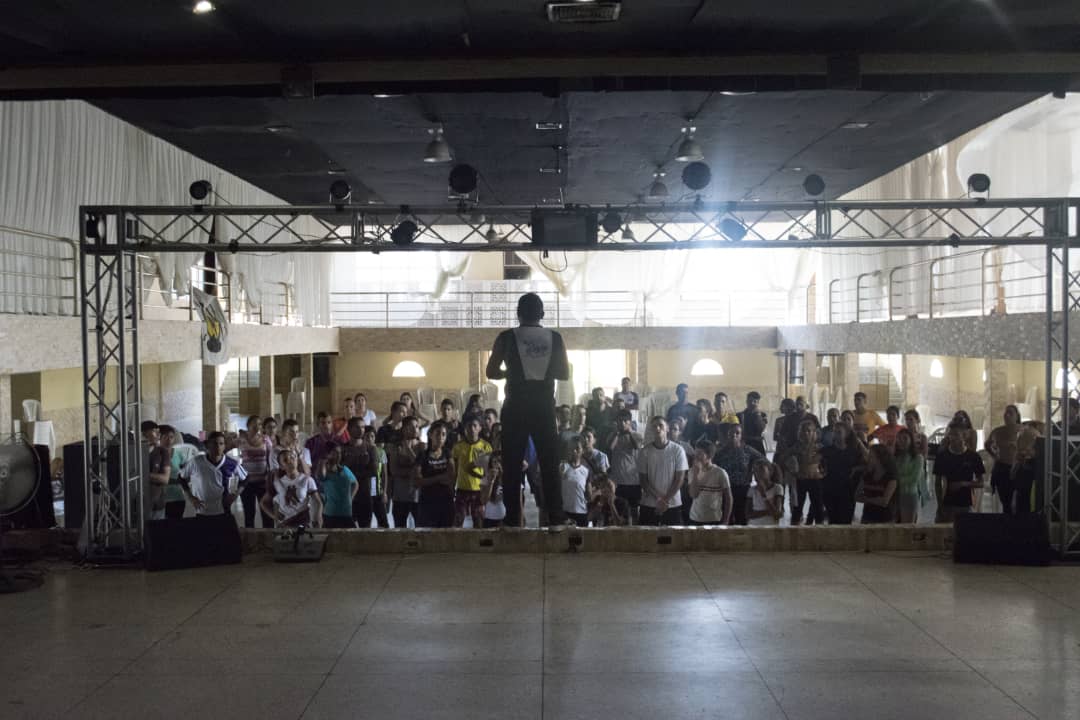
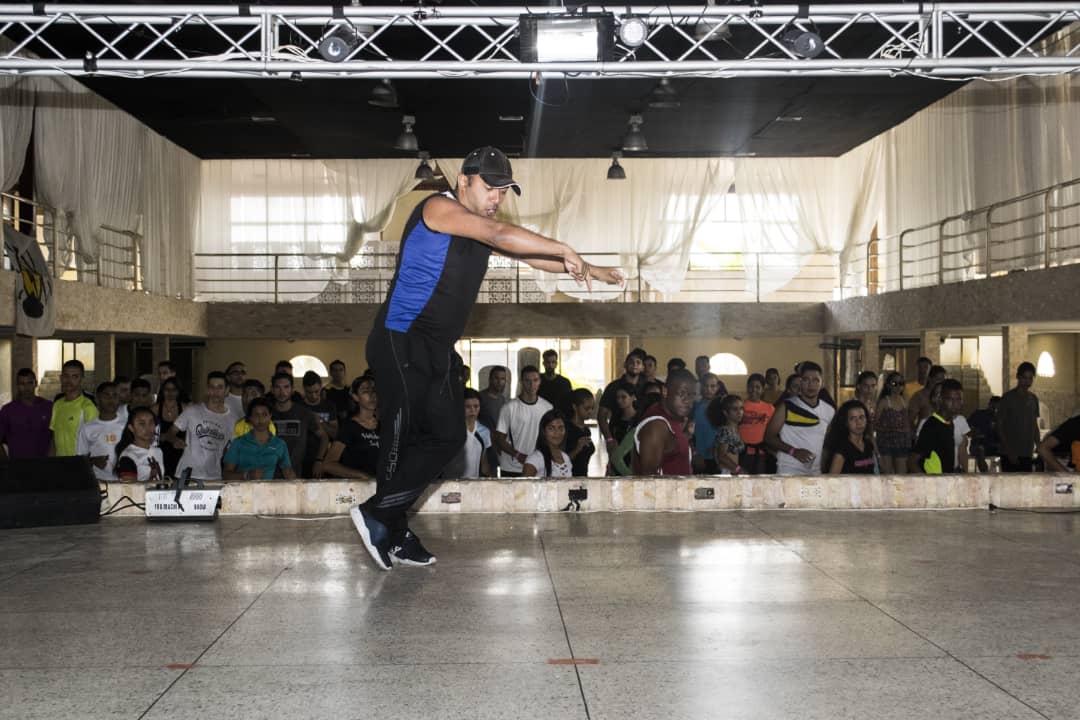
Jose Perez teaching in Son Rumberos
Photo of Jose Perez teaching in Son Rumberos

Everything is in the hands of lovers of good music and dance, do not forget to give yourself the opportunity to do a different tourism, full of experiences that you hardly get in the world, study, dance and get to know the best tourist sites. Follow the social networks of the academy by @sonrumbero on Instagram, Facebook and twitter.

Son Rumbero Logo
Son Rumbero Logo

The project “A Bailar Colombia” that moved the country.

The beginning of the project “A Bailar Colombia”:

South America maintains an important space for Salsa in many of its main capitals, it is easy to speak of Lima as a great salsa and timbera area like Venezuela, but beyond the contributions they make, it cannot be forgotten that if It is not the most important, it is one of the main ones, is Colombia.

Cuba and Puerto Rico do a great job for the dissemination of this beautiful genre to the world, however Colombia accompanies much of this work for the south of this continent. Many of us already know Cali as a salsa city of birth, along with it Cartagena, Barranquilla and Buenaventura combine a good salsa team, an element that at the moment weakens other areas of this beautiful country.

The #ABailarColombia project directed by the Son Rumbero schools in Bogotá and Bucaramanga, Emily’s dance and Baila Latino de Medellín, Timbea and Danz in Barranquilla, as well as 5 other academies that work towards the growth of the academic training of Salsa dance in various modalities, in addition to the main genres of Afro-Latin dance music.

The Son Rumbero dance school with 16 years of experience, opened its headquarters in the capital Bogotá in 2017 and in 2018 it will go to Bucaramanga, the main concept is not only to dance, but to do it academically, quickly and effectively. The object is to teach in ideal spaces, that is why its main headquarters is located at calle 19 # 4-20 in Bogotá, Son Salomé nightclub, where at the end of each class a practice space is released in an environment destined to dance and enjoyment. a real night dance room, in the same way they handle a very effective project in distance education, who would say that you can learn from the comfort of your home, organized at your entire disposal and with supervised classes with dance professionals by video live classes , an incredible way to learn, you can contact them at 3022582306 or social networks like @sonrumbero.


Dancing
People dancing Salsa

If you are in Medellín, the options vary, the Baila Latino school rules the rhythm in this city since 2011, dedicated to training in various branches of dance, from porro to kizomba, they are located at Calle 44 # 80 – 31, with group classes of excellent level, they serve audiences of all ages with certified professionals, they manage competition groups, formed under professional dance lines, in their closest projects is being part of large festivals such as the Casinea in Bogotá and the Venezuela is Latin, easy to contact by 3104749407 and its social networks @academiabailaltino.

In the same order Emily’s dance opens doors in 2018 in Medellin with a comprehensive training proposal, where we can see classes in various disciplines with personalized attention in the hands of its director Emily Sánchez, a professional in the world of dance with more than 25 years of experience. artistic career, managing to project his work in 3 of the world’s continents, in this great proposal he leans classes of a particular nature that seek a guaranteed learning in a short time, they can take classes by the numbers 3008510304.

Visiting the northern area of ​​Colombia on the coast we can dance to the rhythm of Danz in Barranquilla, a school with headquarters in Cr 46 82-71 vibra fitness studio and Cr 43 87-120 danceworkshop dedicates its program in the Cuban Casino, the bachata, the Feminine style in salsa and they even work on DanzKids, the latter a training profile for boys and girls, a fact that incorporates them into the world of dance from a very young age. With almost three years of foundation, they have managed to advance by having group classes at various levels and developing activities that allow recreation for the whole family, 3003827618 or Instagram @danzacademy.

Meringue Competition
Photo of dancers dancing Merengue

Similarly, Timbea in Barranquilla presented a very entertaining proposal to learn to dance, structured in 2018, this institution develops an important profile in Salsa, Merengue and Bachata, with dynamic classes under a very integrating criterion. Its founder and main instructor registers a trajectory of more than 7 years with awards and a good position in the world of salsa in Venezuela, being part of a prestigious school such as rhythm and essence in the state of Zulia, you can find them at 310 6326106 and on the networks by @ timbea2018.

Currently during the Covid-19 pandemic, many events, projects have been kept on hold until there is no danger of contagion, where many of the academies have chosen to give online classes and some competitions and / or congresses, remain fixed either online or in person, the latter depending on how the quarantine is at that time.

Home


  • « Go to Previous Page
  • Page 1
  • Interim pages omitted …
  • Page 19
  • Page 20
  • Page 21
  • Page 22
  • Page 23
  • Interim pages omitted …
  • Page 94
  • Go to Next Page »

International Salsa Magazine (ISM) is a monthly publication about Salsa activities around the world, that has been publishing since 2007. It is a world network of volunteers coordinated by ISM Magazine. We are working to strengthen all the events by working together.