
Search Results for: tango
Milonga’s contribution to Latin music in general
There are many Latin genres that have managed to find a place in the USA music scene thanks to the constancy of many of its great exponents, salsa being the genre we talk about the most. However, today we want to change the subject a little bit and analyze what is milonga and how popular it has become in recent years.

Definition of milonga
The milonga can be defined as a folkloric musical genre coming from the Rio de la Plata region, which is usually performed with a guitar accompaniment in 6/8 time. Usually, it is divided in two modalities that are the milonga campera (the genre in its purest form) and the city milonga (style subsequent to the milonga campera).
Etymology of ”milonga’’
Although the musical genre is known for being originally from Argentina, Uruguay and certain parts of Brazil, ”milonga” means ”word” in the Quimbundu language (a language of Angolan origin that corresponds in several expressions with Portuguese). It is important to mention that this is the language used by some tribes from Angola, which was a colony of Portugal, and that many of the slave population of those lands was transported to Brazil, Uruguay and Argentina.
According to information received from some scholars, after the defeat suffered by the Argentine founding father Juan Manuel de Rosas in Caseros at the hands of Entre Rios Governor Justo José de Urquiza, the Brazilian soldiers caught the porteños off guard while singing guajiras in mockery, at the same time that the porteños sang milongas.
In the ears of Brazilians, these songs sounded like gibberish they could not understand. In the end, as a result, the term had such an impact that locals began referring to their own creolized guajiras as milongas.

A little history of milonga
Milonga is known for its joy, speed and sensuality at the time of being performed by its dancers. Its binary rhythm is of great simplicity, so it is in stark contrast to the four beats of the guitar that gives the melody to the dance and is usually accompanied by lyrics occasionally.
It has always been closely related to paya and tango. In the case of paya, milonga used some of its elements specifically for the dance, while tango uses some details of the rhythm and the melody in milonga for its own dance. Today, the three genres are considered a very important part of the Rio de La Plata music scene and each of them has their own characteristics that distinguish one from another.
Milonga had much to do with the birth of tango, but at the same time, it evolved and maintained its independence. In fact, there is some sort of mix of the two called tango milonga that is almost extinct, although it is known that many musicians wanted to use it to give the rhythm of the tango more strength and sustainability.
As for the places where milonga could be danced, the genre used to be found in neighborhood clubs, dance halls, tearooms and boites. The music used was usually recorded, although the venue owners hired small bands occasionally to change the modality. The popularity of these groups was so great that several of their musicians managed to join highly recognized orchestras at the time.
Couples who went to milonga clubs to dance ballroom tango and outskirts tango. The first only consisted of beat and elegance, while the second had beat, elegance and figure. Among the most famous places to dance milonga that remain active to this today, we can mention El Barracas Central, Unidos en Pompeya, El Sunderland and many others.

Milonga at present
Today, milonga has become a genre of big importance for people eager to learn to dance things other than salsa, bachata or merengue. This genre offers them the opportunity to try something completely different thanks to which they can connect with others in ways they would not have imagined due to its peculiar rhythm and overflowing sensuality.
In addition to that, every day there are more and more events also called milongas, which consist of massive dances where couples show their best moves to the rhythm of various genres, such as milonga, tango, and vals criollo. In general, the scheduling of a milonga is divided into blocks of three, four or five dances that are separated by short pieces of light music. Apart from that, each block contains a sort of rhythm that is grouped by orchestra, singer or composer.
These events were very typical in Argentina, but have been gradually spreading throughout various parts of the world, including the United States. Nowadays, it is fairly common to find restaurants, night clubs and academies that offer this kind of entertainment to their attendees such as Alberto’s Night Club (San Francisco), The Tango Room (Los Angeles), Milonga La Paz Tango Club (San Francisco), Tango De Rey (San Diego), Tango La Nacional (New York), Fairmont Tango Club (Philadelphia), Dance Fire Studio (New York), and many more.
Read also: The best marimba band found in Los Angeles
The Granada LA
North America / USA / Los Angeles
The Granada LA is the home to a Ballroom, Latin, Salsa & Bachata dance studio with Los Angeles hottest dance instruction with classes a week and private lessons available by appointment. Offering several nights with live entertainment and dancing to show off all you have learned.
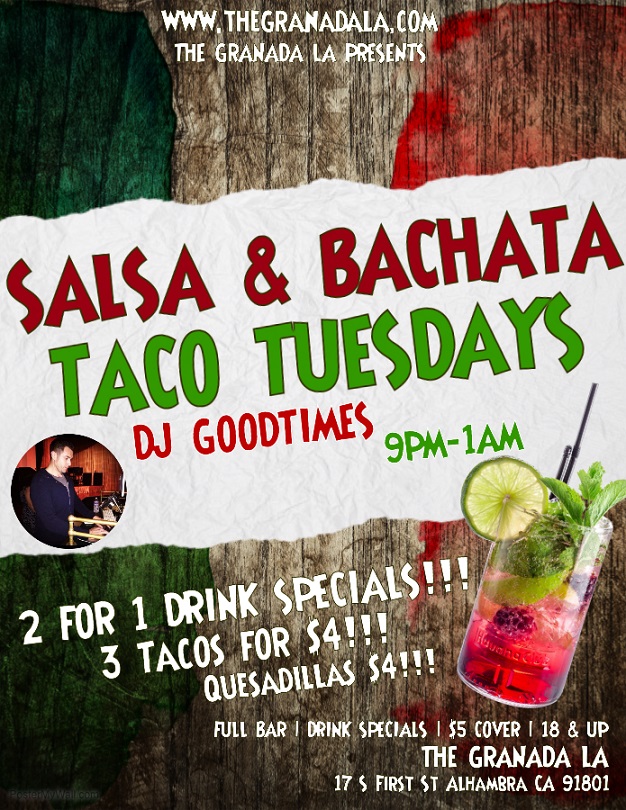
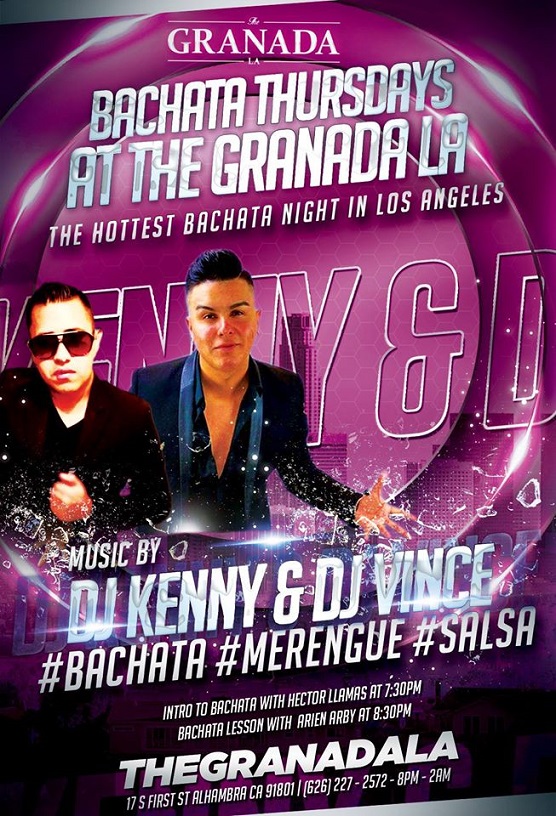
Tuesday is Salsa & bachata Nights, Thursday is Bachata Tropical Nights with 3rd floor Hip Hop/Reggaeton, Friday and Saturday Nights the main dance floor becomes Los Angeles Best Live Salsa Club! Enjoy an extra room on Saturday for bachata and Hip Hop/Top on patio.
Also the first and third Sunday of the month, live music for the Ballroom Dinner Dance with Two’s Company with all your favorites. Also, offering other special nights once a month on different nights.

Group Classes & Private Dance Lessons go on throughout the building, but it is important to remember that the Granada LA has other activities and groups sharing the space day and night.
The restaurant is open Thursday thru Sunday for dinner, in addition to being the caterer for rentals. Just as most clubs in Hollywood, enjoy different theme nights, so will the Granada LA.
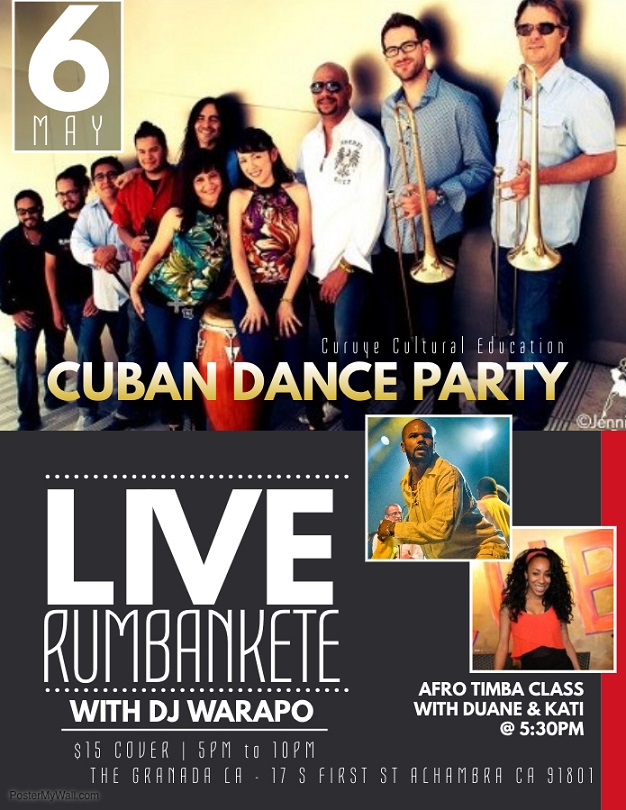
Friday and Saturday night Salsa dance club, Ballroom Dinner Dance, Thursday night Bachata dance club, Cuban Timba party 2nd sunday of the month, Chicago stepping platinum club 4th sunday of the month, Special Dance performances, Concert nights & special events throughout the week and on weekends.

Teaching and choreographing for shows, events, parties, celebrations and your first dance. The Ballroom Dance Studio is located in Los angeles and specializes in Ballroom, Latin, Swing, Salsa & Tango dance classes and instruction both privately and in groups.
Offering an elegant beautiful Banquet Facility in Los Angeles for your upcoming Wedding Reception, Quinceanera, Birthday Party, Anniversary or a Special Occasion in Alhambra.
Gabriela Anders studied classical guitar privately, and music and piano at a conservatory in Buenos Aires
Gabriela Anders was born to music amidst the grace, paradox and tradition of Argentina.
Gabriela studied classical guitar privately, and music and piano at a Conservatory in Buenos Aires.
Adding to the musical medley was her father’s influence (a noted jazz saxophonist and arranger) which became even stronger than her classical studies. After finishing high school, Gabriela decided to move to New York.
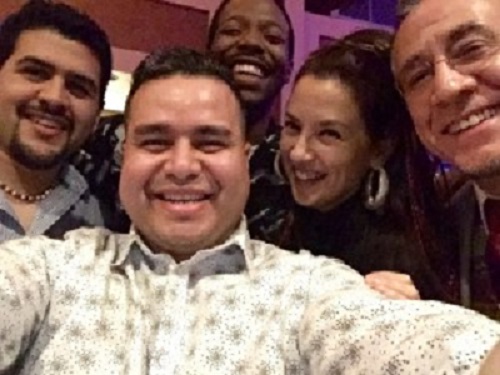
There she studied orchestration for brass and strings in a class conducted by Don Sebesky and composition at Hunter College. Gabriela started to write her own material. Her studio and club work took off leading to a record deal with major label Warner Brothers Jazz.
Gabriela Anders’ debut album on Warner Bros. Records, (1999) “Wanting” is brimming with vocal subtlety; although smooth, it is anything but simple. It features arrangements and production by Paul Brown, George Duke, Allain Mallet and Anders herself.
The album elicited much praise for Anders’ vision and impassioned vocal style.
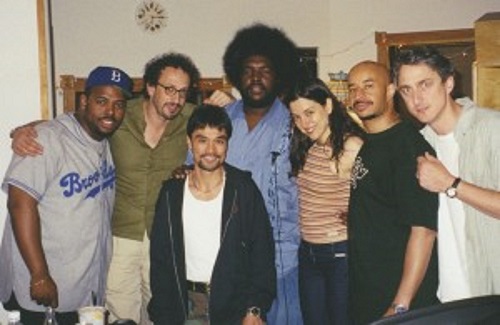
Her unique marriage of Brazilian, Latin and Jazz led to Vogue and People Magazine describing Anders and her music as “exotic and bold”, “wonderfully soulful”, and “one of the most distinctive new voices to hit the music scene in years”.
Her second record for Warner Bros Records was a European release entitled “Gabriela” which featured an array of world-class sidemen, including Christian McBride, Amir “Questlove” Thompson and Kirk Whalum. Again, she contributed ten of the album’s twelve tracks.
Her next CD “Last Tango in Rio” was released in 2005 by major label EMI. “Last Tango in Rio” is a collection of songs closely associated with Billie holiday that have been uniquely transformed by Gabriela’s interpretation and orchestration.
Hailed by critics (Los Angeles Times, Billboard magazine and People magazine)) as highly -original and creative presentation of standards, “Last Tango in Rio” represents a fresh and effervescent take on a classic song book that has previously defied reinvention.
In October of 2009, JVC Japan released her CD “Bossa Beleza“. “Bossa Beleza” blends her own immediately recognizable sound with that of her first musical love, classic Bossa Nova.
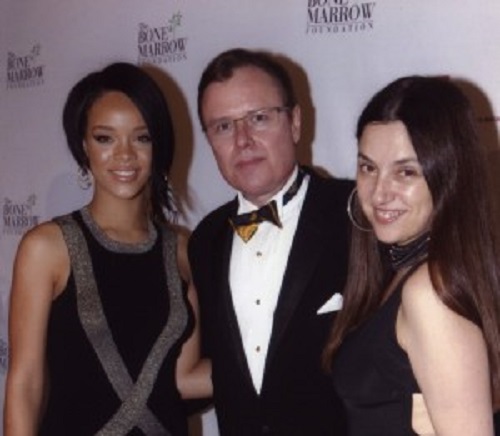
Gabriela Anders‘ 2015 album, “Cool Again”, beautifully displays the significant gifts as singer, vocal orchestrator, songwriter and bandleader she has steadily developed through her previous releases. The mix of original and cover songs on “Cool Again” finds Gabriela at her best.
The soulful funk of the original title track is a classic example. Its message of empowerment can be considered a core theme in Gabriela’s lyrics and a source of her resonating appeal as a performer, entertainer and artist.
2020 CD ‘The Ring‘: While facing the fear and uncertainty of the virus in New York City, Gabriela recorded a piano/voices collection of songs at her home studio, creating intimate portraits of inner struggle and redemption against the bizarre backdrop of the pandemic.
The project’s three pianists – Jim Ridl, Jean-Michel Pilc and Jon Cowherd – are radically different stylists from different corners of the world, here each offering their unique sensibilities to Gabriela’s voice and music.
2021 CD release Gabriela Anders’ ‘Los Dukes’! Los Dukes is a new 9 piece band arranged and directed by Gabriela Anders, featuring songs from the Duke Ellington’s catalog done in wildly distinctive Latin American styles. A Latina’s tribute to the music of Duke Ellington.
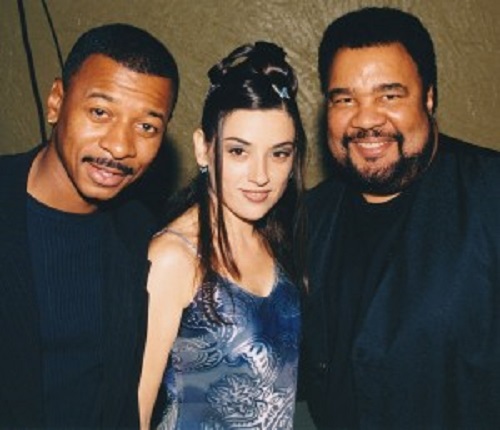
Los Dukes, pays loving tribute to the elegant GENIUS of Duke Ellington and includes some of the best Latin Jazz players on the New York scene.
Hailed by critics (Los Angeles Times, Billboard magazine and People magazine) as ‘highly original and creative artist’, a ‘multi-talented artist who is destined to leave her mark on the jazz world’ and the ‘most promising jazz influenced artists today’.
Gabriela Anders – Último Tango En Rio (2004)

Temas:
- Te Subes A Mi Cabeza
- Abracadabra
- El Amor Llegó Para Quedarse
- Dios Bendiga Al Niño
- Abrázame
- Buenos Aires Mix, El
- Cuerpo y Soul
- All Your Love
- Meant To Be
- ‘Til The End of Time
Músicos:
Gabriela Anders (Voz, teclados)
Romero Lubambo (Guitarra)
John Benitez (Bajo)
Wayne Krantz (Guitarra)
Portinho (Batería, percusión)
Gabriel Rivano (Bandoneón)
H. Martignon (Teclados)
Tito Castro (Bandoneón)
Donald Edwards (Batería)
Jorge Anders (Saxo)
Jorge Alfano (Flauta, flauta andina, charango)
Información realizada (22 de abril de 2009)
Also Read: Samuel Quinto Feitosa is a Brazilian virtuoso jazz and classical pianist
Gabrielito Y La Verdad shines in Los Angeles
We are so pleased to have spoken with Mexican singer-songwriter and percussionist Gabriel González, who gladly embraced the opportunity to share with us a little of his personal story with music and the beginning of his band Gabrielito Y La Verdad. This project has brought him great joy and personal satisfaction since its foundation, as well as the possibility of meeting some of the today’s largest artists and being on stages where Gabriel never imagined playing.

Gabriel’s beginnings in music
Gabriel’s first contacts with music occurred when he was just a seven year old boy in East of Los Angeles. That city had a place called ”El Mercadito” where there were amateur contests the boy always took advantage of to practice his singing and this start his career as a vocalist.
Being in his native Mexico, he became interested in regional Mexican music, ranchera, guatango, boleros, son and many others. When he moved to the United States with his family, he also began to know son jarocho, son jalicience and son montuno.
The first group he played and toured with was the Los Angeles Chicano rock band Quetzal, which is the one that gave him his first job opportunity and with which he would stay for some time until his interests shifted definitively.
As he left Quetzal, Gabriel resumed his interest in son montuno and thereafter in salsa as well. From then on, he became so good at these genres that he played with most of the salsa orchestras in Los Angeles and its nightclubs, which attracted the interest of many promoters who invited him to new places. In fact, he himself says that sometimes he would be called to play at venues without knowing which band he would be playing with that night.

Salsa orchestras in which Gabriel participated
In California, there were many salsa orchestras in which Gabriel participated and one of the most important was Johnny Polanco Y Su Conjunto Amistad. The artist sang with the late Polanco on a few occasions over several years, as they respected each other professionally and never missed any opportunity to show it on stage.
The singer-songwriter also played with the Orquesta de Ángel Lebrón Y Su Sabor Latino on many occasions. The conguero and orchestra leader also relied heavily on the Mexican and what he had to offer, so he did not hesitate to call him whenever he needed him.
Gabrielito Y La Verdad
Gabriel had already gained so much popularity that, one night, he was invited to a concert whose flyer announced him as ”Gabrielito Y Su Orquesta”, meaning that he had already his own importance outside of being a simple element of support for groups and artists better known than him. The best thing about this is that the event was a complete success, leading the musician to think about creating his own orchestra, which he later named ”Gabrielito Y La Verdad”.
From that moment Gabriel founded Gabrielito Y La Verdad, it has been ten years, in which he has dedicated himself to tour all over California and considers that his journey has been very successful and filled with gratification.
In view of the success and fans amassed by the orchestra during this time, Gabriel decided it was time to make original music and write his own songs, while acknowledging that his thing is singing and playing percussion because that is at what he excels.

Gabriel’s contact with other artists
Gabriel and his orchestra have also had the opportunity to share with great music luminaries, from whom he has been able to learn many things and apply them to his own career. Among the artists and groups he has shared the stage with are Juan Gabriel, Los Van Van, Cubanismo, Los Cuban All Stars, Silk Sonic and Bruno Mars.
In every case, Gabriel was impressed with the discipline and professionalism of each of the above-mentioned artists or orchestras, but at the same time, how humble and pleasant they were off the stage.
In Bruno Mars’ case, he attended one of Gabriel’s shows along with the rest of his musicians without any of them noticing that the singer-songwriter was listening to them play with great interest. The artist was so fascinated with the orchestra that he invited it to open for him at a private party he would soon have in Las Vegas, an experience that was a great honor for the Mexican and the rest of the group.
From this anecdote Gabriel learned that he must always give his best in his work, since he does not know who may be watching him.
Read also: Omar Ledezma Jr. and Pacific Mambo on tour in Europe