The Cultural Heartbeat of Bolívar State
In the mining heart of Venezuela, where gold dictates the pulse of the land, an annual celebration arises that transcends simple festivity: The Callao Carnival.
This is not merely a costume party; it is a living chronicle of resistance, cultural fusion, and joy that has echoed through Bolívar State for over a century. Declared a UNESCO Intangible Cultural Heritage of Humanity in 2016, this festival is the result of a fascinating blend of West Indian, African, and European cultures.
A Journey to the Roots: The Origins of Calypso
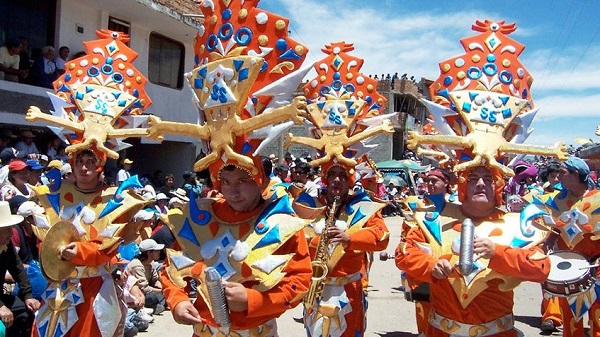
The history of this carnival is intrinsically linked to the 19th-century gold rush. Immigrants from the British and French West Indies (Trinidad, Grenada, Saint Lucia) brought with them their languages (patois), their cuisine, and, above all, their music: calypso.
Unlike Trinidadian calypso, Callao Calypso developed its own distinct identity. It is sung in both English and Spanish, accompanied by the bumbac drum, the rallo (metal scraper), the bell, and the Venezuelan cuatro, creating a contagious rhythm that narrates the hardships and hopes of the miners of that era.
Iconic Characters: Guardians of Heritage
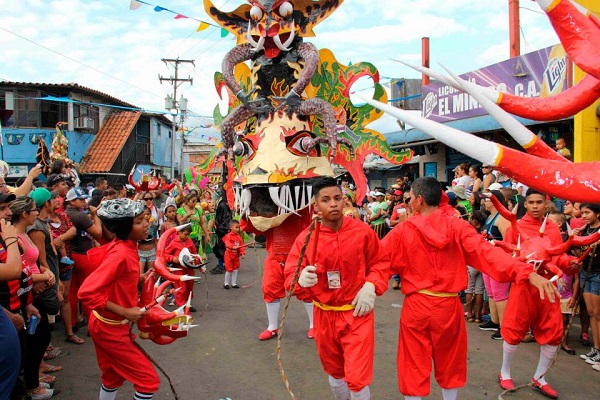
What makes the Callao Carnival unique is its colorful and unchanging hierarchy of characters, each carrying deep significance:
- The Madamas: They are the central figures and pillars of the tradition. They represent the matriarchs of the West Indies, dressed in regal, brightly colored gowns, headscarves (turbans), and abundant jewelry. The figure of Isidora Agnes, the legendary “Negra Isidora,” is remembered as the great defender of this culture.
- The Dancing Devils: Dressed in red and black, they wear impressive masks with multiple horns. Their original role was to clear the path for the parade and maintain order with their whips, symbolizing the protection of the festivities.
- The Mediopintas: Characters who roam the streets smeared in a mixture of charcoal and molasses. With humor, they threaten to “paint” passersby unless they are given a coin (a medio).
- The Miners: Clad in helmets and carrying tools, they pay homage to the region’s primary economic activity and the workers who founded the town.
More Than a Party: An Identity
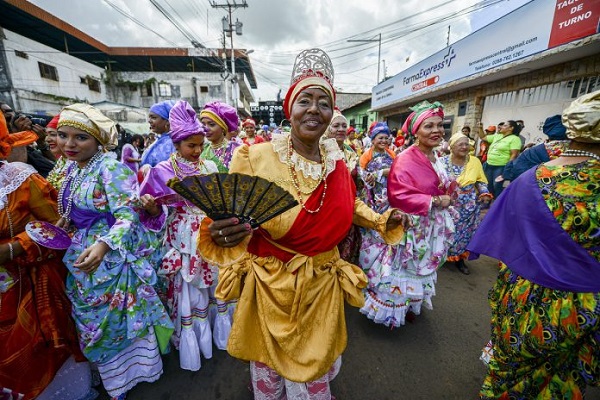
The Callao Carnival is a prime example of cultural resilience. During the festivities, social barriers dissolve under the sound of the bumbac. Families prepare all year to sew costumes and rehearse songs, passing this legacy from generation to generation.
Visiting El Callao during this time is to immerse oneself in a whirlwind of energy, history, and hospitality, where every parade tells a story and every beat celebrates freedom.
Isidora Agnes: The Eternal Queen Who Turned Calypso into World Heritage.
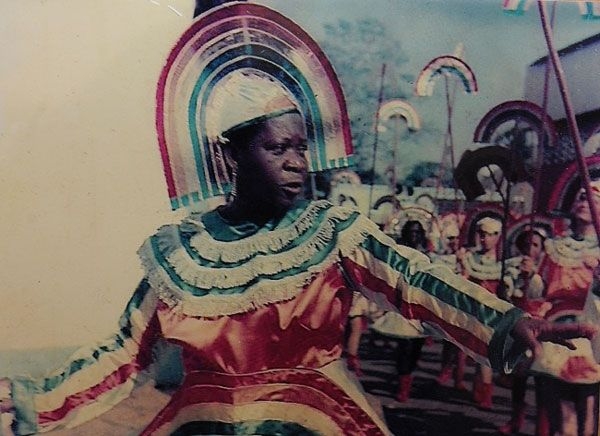
To speak of Isidora Agnes, universally known as “La Negra Isidora,” is not just to remember a figure from the past; it is to invoke the very soul of the El Callao Carnival. She was the vital force who rescued, protected, and championed this tradition until it reached its current status as a UNESCO World Heritage treasure.
A Leader Forged in El Callao
Born on August 17, 1923, Isidora was much more than a festive figure. With a firm character and clear convictions, she stood out as a social leader and labor unionist. Her role as the town’s first telephone operator was no coincidence; this position allowed her to be the town’s communication hub, hearing firsthand the needs and struggles of her people.
With deep West Indian roots (the daughter of immigrants from Saint Lucia and Martinique), Isidora grew up with calypso in her blood, leading her to fiercely defend her identity at a time when the tradition was beginning to fade.
Rescuing a Fading Tradition
In the mid-20th century, the El Callao Carnival was facing an identity crisis and losing ground to outside influences. Determined not to let her heritage die, Isidora launched a cultural crusade:
- Institutionalization: In 1954, she founded the “Friends of Calypso Association,” giving the festival a formal structure.
- Discipline and Aesthetics: She organized the parades under strict standards of authenticity, demanding rigor in costume making and respect for traditional music.
- National Exposure: She took calypso beyond the borders of Bolívar State. Thanks to her, Caracas and the rest of Venezuela discovered the thundering bumbac and the patois choruses.
The “Madama” Par Excellence
While the carnival features many “Madamas,” Isidora became the ultimate icon. She didn’t just wear the dress; she personified the elegance, respect, and stately joy of the figure. Her presence in the streets dictated the rhythm of the entire festival.
Beyond the Dance: Her Social Legacy
“La Negra” Isidora’s commitment didn’t end when the drums were put away. She was a tireless advocate for El Callao. It is said she never hesitated to travel to the Miraflores Palace to demand improvements from the nation’s presidents, achieving milestones such as the installation of the sewage system and the construction of the local hospital.
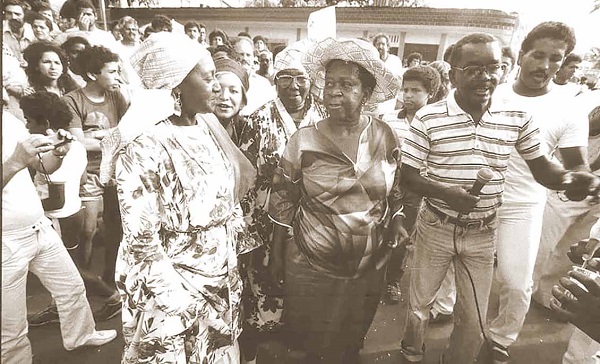
Facts That Immortalize Her Legend
- The Carnival Anthem: The famous song “Isidora, Isidora, Isidora Callao Calipso Queen,” composed by her close friend Lulú Basanta, is considered the unofficial anthem of the festivities today.
- A Poetic Farewell: She passed away on March 5, 1986. Ironically, it was Ash Wednesday—the day the carnival ends. She was laid to rest with state honors and, as per her final wish, to the rhythm of calypso.
- A Date of Honor: In commemoration of her birth, every August 17th is celebrated as Municipal Calypso Day in El Callao.
Also Read: Samba el baile que despierta el Carnaval en Brasil

- Willie Colón The “Architect of Salsa” Enters Immortality - February 23, 2026
- Porfi Jiménez The Master of Rhythm Who United Two Nations - February 23, 2026
- Andy Durán: The Architect of Mambo and Latin Jazz - February 23, 2026