• Skip to primary navigation
  • Skip to main content

International Salsa Magazine

  • Home
  • Previous editions
    • 2025
      • ISM / December 2025
      • ISM / November 2025
      • ISM / October 2025
      • ISM / September 2025
      • ISM / August 2025
      • ISM / July 2025
      • ISM / June 2025
      • ISM / May2025
      • ISM / April 2025
      • ISM / March 2025
      • ISM / February 2025
      • ISM / January 2025
    • 2024
      • ISM / December 2024
      • ISM / November 2024
      • ISM / October 2024
      • ISM / September 2024
      • ISM / August 2024
      • ISM / July 2024
      • ISM / June 2024
      • ISM / May 2024
      • ISM / April 2024
      • ISM / March 2024
      • ISM / February 2024
      • ISM / January 2024
    • 2023
      • ISM / December 2023
      • ISM / November 2023
      • ISM / October 2023
      • ISM – September 2023
      • ISM – August 2023
      • ISM July 2023
      • ISM Edition June 2023
      • ISM – May 2023
      • ISM April 2023
      • ISM March 2023
      • ISM February 2023
      • ISM January 2023
    • 2022
      • ISM December 2022
      • ISM November 2022
      • ISM October 2022
      • ISM September 2022
      • ISM August 2022
      • ISM July 2022
      • ISM June 2022
      • ISM May 2022
      • ISM February 2022
      • ISM January 2022
    • 2021
      • ISM December 2021
      • ISM November 2021
      • ISM October – 2021
      • ISM September 2021
      • ISM August 2021
      • ISM July 2021
      • ISM May 2021
      • ISM April 2021
      • ISM June 2021
      • ISM March 2021
      • ISM February 2021
      • ISM January 2021
    • 2020
      • ISM December 2020
      • ISM November 2020
      • ISM October 2020
      • ISM September 2020
      • ISM August 2020
      • ISM July 2020
      • ISM June 2020
      • ISM May 2020
      • ISM April 2020
      • ISM March 2020
      • ISM February 2020
      • ISM January 2020
    • 2019
      • ISM December 2019
      • ISM November 2019
      • ISM October 2019
      • ISM Septembre 2019
      • ISM August 2019
      • ISM July 2019
      • ISM June 2019
      • ISM May 2019
      • ISM April 2019
      • ISM March 2019
      • ISM February 2019
      • ISM January 2019
    • 2018
      • ISM December 2018
      • ISM November 2018
      • ISM October 2018
      • ISM September 2018
      • ISM August 2018
      • ISM July 2018
      • ISM June 2018
      • ISM May 2018
      • ISM April 2018
      • ISM March 2018
      • ISM February 2018
      • ISM January 2018
    • 2017
      • ISM December 2017
      • ISM November 2017
      • ISM October 2017
      • ISM September 2017
      • ISM August 2017
      • ISM July 2017
      • ISM June 2017
      • ISM May 2017
      • ISM April 2017
      • ISM March 2017
  • Download Salsa App
    • Android
    • Apple
  • Spanish

Tito Rodríguez The Unforgettable “Gentleman of Salsa”

A journey through the life and legacy of Pablo Rodríguez Lozada, the voice that defined an era between mambo and bolero.

Pablo Rodríguez Lozada, known worldwide as Tito Rodríguez, was born on January 4, 1923, in Santurce, Puerto Rico. From early childhood, young Tito displayed a natural affinity for Caribbean rhythms, organizing the ensemble Sexteto Nacional alongside his lifelong friend, Mariano Artau.
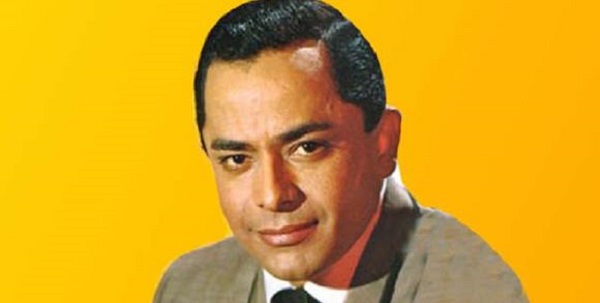
Pablo Rodríguez Lozada, conocido mundialmente como Tito Rodríguez

The Early Steps of a Prodigy

At the age of 13, his professional career began to take shape when he joined Conjunto Típico Ladí (also known as Conjunto de Industrias Nativas), led by Ladislao Martínez. Shortly after, he joined the Cuarteto Mayarí under the direction of Plácido Acevedo, where he played maracas and sang second vocals. Although this stint lasted only four months and left no studio recordings, it was fundamental to his musical development.

In 1939, at just 16 years old, Tito emigrated to New York City with hopes of carving out his own musical path. His first jobs in the Big Apple included collaborations with his brother Johnny Rodríguez’s orchestra and recordings with Cuarteto Marcano.

After passing through prestigious groups like Cuarteto Caney and the orchestras of Enric Madriguera and Xavier Cugat, he had to pause his rising career in 1945 to serve in the U.S. Army.
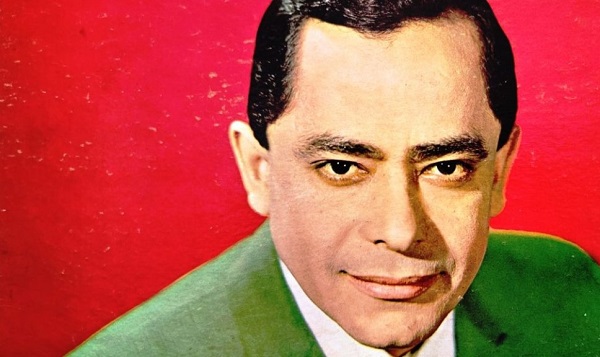
El legado de Tito Rodríguez es analizado este domingo en el Viejo San Juan. (Foto UA Latino)

The Rise of the “Mambo Devil”

Upon his discharge, Cuban pianist José Curbelo recruited him for his band. It was at the China Doll nightclub where Tito met Japanese-American chorus girl Takeku Kunimatsu (Tobi Kei), who would become his wife and lifelong partner.

In 1948, Tito founded his own group: the Mambo Devils. During the height of the mambo craze, Rodríguez entered into a legendary musical rivalry with Tito Puente and Machito’s orchestra.

Under the Tico Records label, he renamed his group Los Lobos del Mambo. Ever conscious of the importance of formal training, he enrolled in the Juilliard School of Music, where he studied percussion, vibraphone, and xylophone.
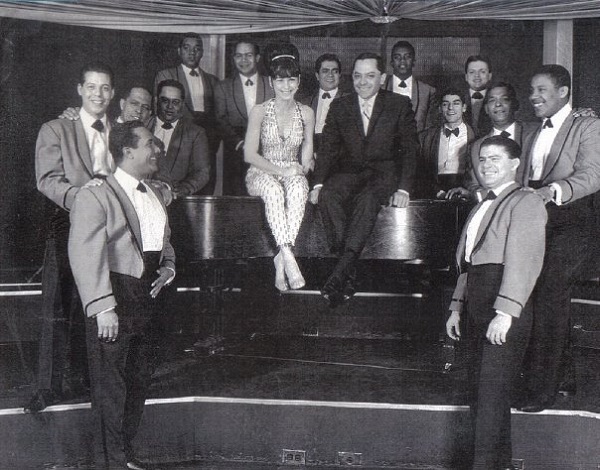
Un recorrido por la vida y el legado de Pablo Rodríguez Lozada, la voz que definió una era entre el mambo y el bolero

Reinvention: From Mambo to Bolero

In 1953, he signed with RCA Victor, formally establishing the name Tito Rodríguez and his Orchestra. Years later, in 1960, he achieved massive mainstream success with United Artists and the album Live at the Palladium.

However, in 1963, an artistic union dispute prevented him from performing with his usual musicians. Refusing to back down, he took on the challenge of radically shifting his style: he traded the frenzy of mambo for the intimacy of boleros accompanied by a string orchestra. The result was the album From Tito Rodríguez with Love, a commercial phenomenon that established him as an unparalleled romantic crooner.

Return to Puerto Rico and the Beginning of the End

After dissolving his orchestra in 1966 due to contractual issues, he returned to Puerto Rico to star in his own television program. However, nostalgia and his enduring passion brought him back to New York for the record Estoy como nunca.
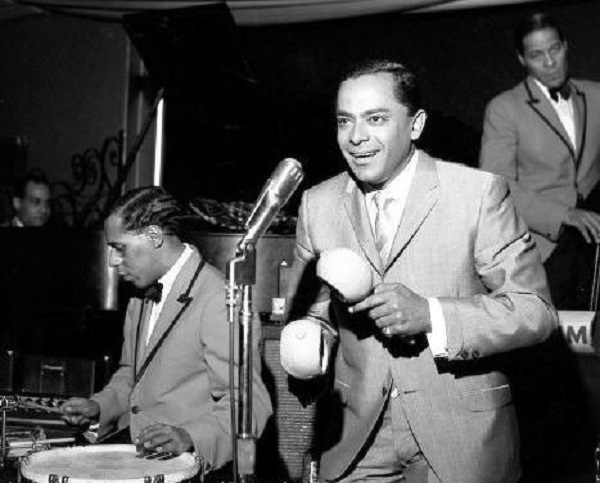
Tito Rodriguez era excelente tanto en guarachas como en boleros. Esto lo convirtió en uno de los artistas más versátiles de la época.

It was in 1967 when the first symptoms of leukemia appeared. Despite the diagnosis, Tito continued to work. In 1971, he founded his own label, TR Records, releasing the iconic album Inolvidable (Unforgettable).

A Final Farewell on Stage

In 1972, he celebrated 25 years in the industry with a show at the El Tumi club in Lima, Peru, alongside Lucho Macedo’s orchestra. This live recording would prove to be a premonition of his end.

Ignoring medical advice, he gave his final performance at Madison Square Garden on February 2, 1973, alongside Machito’s orchestra. During the show, his health failed, and he had to be hospitalized. Finally, on February 28, 1973, Tito Rodríguez passed away in New York in the arms of his wife.

Per the singer’s express wish, his remains were returned to Puerto Rico. At his funeral, legendary figures of the music world paid their respects, including his old rival, Tito Puente. Today, his ashes rest alongside those of his wife, while his voice continues to resonate as one of the most elegant and versatile pillars in the history of Latin music.

Also Read: Tito Rodríguez, Jr. “The Palladium legacy lives on”

  • Author
  • Recent Posts
Augusto Felibertt
Augusto Felibertt
Latin America Coordinator at International Salsa Magazine LLC
[email protected]

P.O. Box 50631
Palo Alto, CA 94303
+1 408 287-9500
Augusto Felibertt
Latest posts by Augusto Felibertt (see all)
  • Tito Rodríguez The Unforgettable “Gentleman of Salsa” - January 29, 2026
  • 10th Annual Salsa Festival in Cuba: A Milestone Between Stage Lights and the Shadow of Crisis - January 28, 2026
  • Víctor Cuica “The Eternal Breath of Latin Jazz and Venezuelan Identity “ - January 25, 2026

International Salsa Magazine (ISM) is a monthly publication about Salsa activities around the world, that has been publishing since 2007. It is a world network of volunteers coordinated by ISM Magazine. We are working to strengthen all the events by working together.