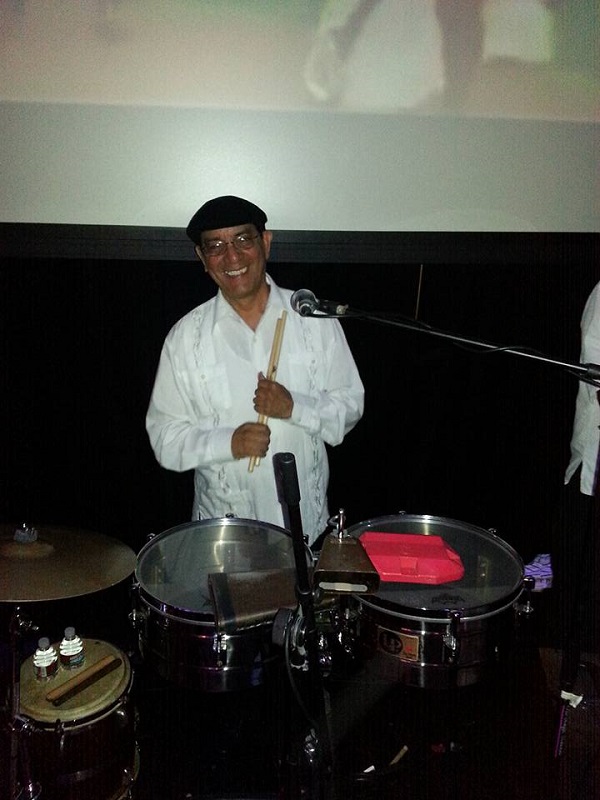
Carlos Navarro is a renowned multi-percussionist, producer, bandleader, and singer, known for leading the Orquesta Son y Clave. Here are some key details about him and his music:
-
Musical Style: He specializes in genres like salsa, mambo, merengue, and Latin jazz.
-
Orquesta Son y Clave: The band has gained popularity in recent years, even sharing the stage with world-class artists like The Rolling Stones.
-
Collaborations: He has worked with major talents in Latin music in Los Angeles, including Tito Nieves, Luis Barbarán, and others.
-
Family Connection: He is the brother of the famous singer Cherry Navarro.
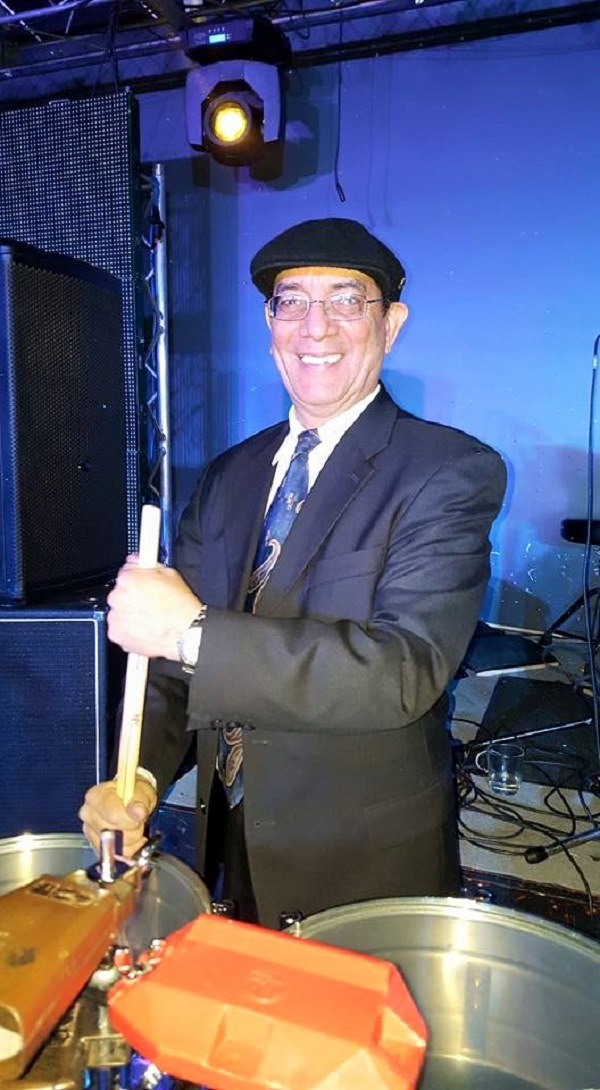
Carlos Navarro reconocido multi-percusionista, productor, bandleader y cantante, conocido por liderar la Orquesta Son y Clave
1). What’s the current process for recording, music production, and royalty distribution?
The current process begins with recording, which can now be done in professional studios or in home studios equipped with high-quality technology. Next is music production, which includes editing, mixing, and mastering to ensure the material meets industry standards.
Once the final product is complete, it’s distributed digitally through aggregators or distributors who place it on platforms like Spotify, Apple Music, and YouTube, among others. As for royalties, these are mainly collected by collective management societies and the platforms themselves, who distribute the income based on streams, downloads, or licenses, assigning it to the author, performer, and producer as stipulated in their contracts.
2). What is the impact of digital platforms that artists use to release their music?
Digital platforms have transformed the music industry by democratizing access. Today, any artist, regardless of their fame or resources, can distribute their music globally. The biggest impact is visibility: a song can reach millions of listeners without the need for a traditional record label.
However, there is also the challenge of market saturation, which requires artists to accompany distribution with solid strategies for digital marketing, branding, and social media presence.
3). How are the revenues distributed once the product is complete?
Revenue distribution varies according to contractual agreements, but generally, it’s split between authors and composers (publishing royalties), performers and producers (master recording royalties), and the distribution company or label.
In the digital environment, streaming platforms pay a percentage for each stream, which first goes to the digital distributor and is then divided according to the percentages agreed upon in publishing and production contracts. This system makes good administrative management essential so that everyone involved receives what they’re owed.
4). Name some current business models for producing a record.
- Independent Digital Distribution: The artist pays a digital distributor (e.g., DistroKid, CD Baby, TuneCore) and keeps most of their rights.
- Record Label Contract: The label invests in production and promotion in exchange for a percentage of royalties and even the master rights.
- Licensing and Sync: Producing music geared toward films, commercials, and video games, generating income from usage licenses.
- Crowdfunding: Fans support the funding of the album in exchange for exclusive rewards.
- 360 Deal: The label or company handles not only production and distribution but also concerts, merchandise, and image rights, in exchange for a larger percentage.
5). What strategies can artists use to monetize their work in the digital environment?
- Streaming and Digital Downloads: Maximizing presence on Spotify, Apple Music, Deezer, etc.
- YouTube and Content ID: Monetizing through views, ads, and copyright control.
- Digital and Physical Merchandise: T-shirts, vinyl records, NFTs, and exclusive products.
- Social Media and Subscriptions: Platforms like Patreon or TikTok offer the possibility of direct income from fans.
- Licensing and Sync: Offering music for TV series, films, video games, and advertising campaigns.
- Virtual Concerts and Exclusive Experiences: Monetized live streams, digital meet-and-greets, or access to exclusive content.
6). What do you think about creating a digital platform among us, the Latin musicians, where the profits go to the artists?
I think that’s an extremely valuable and necessary proposal. A digital platform created by and for Latin musicians would have a direct impact on the independence and sustainability of our artistic projects. By eliminating traditional intermediaries and ensuring most of the profits go directly to the artists, it would foster a fairer and more equitable industry.
Furthermore, this kind of initiative would not only allow for a better distribution of income but also the creation of a strong community where we can support each other, give visibility to emerging talents, and preserve the cultural identity of our music. In a market dominated by global platforms that prioritize volume over quality, having our own space would be a strategic tool to strengthen our voice as Latin artists and give true value to our creative work.
Also Read: How Money is Made Today as a Recording Artist with Record Labels and Digital Platforms

- Willie Colón The “Architect of Salsa” Enters Immortality - February 23, 2026
- Porfi Jiménez The Master of Rhythm Who United Two Nations - February 23, 2026
- Andy Durán: The Architect of Mambo and Latin Jazz - February 23, 2026