• Skip to primary navigation
  • Skip to main content

International Salsa Magazine

  • Home
  • Previous editions
    • 2026
      • ISM / January 2026
      • ISM / February 2026
    • 2025
      • ISM / December 2025
      • ISM / November 2025
      • ISM / October 2025
      • ISM / September 2025
      • ISM / August 2025
      • ISM / July 2025
      • ISM / June 2025
      • ISM / May2025
      • ISM / April 2025
      • ISM / March 2025
      • ISM / February 2025
      • ISM / January 2025
    • 2024
      • ISM / December 2024
      • ISM / November 2024
      • ISM / October 2024
      • ISM / September 2024
      • ISM / August 2024
      • ISM / July 2024
      • ISM / June 2024
      • ISM / May 2024
      • ISM / April 2024
      • ISM / March 2024
      • ISM / February 2024
      • ISM / January 2024
    • 2023
      • ISM / December 2023
      • ISM / November 2023
      • ISM / October 2023
      • ISM – September 2023
      • ISM – August 2023
      • ISM July 2023
      • ISM Edition June 2023
      • ISM – May 2023
      • ISM April 2023
      • ISM March 2023
      • ISM February 2023
      • ISM January 2023
    • 2022
      • ISM December 2022
      • ISM November 2022
      • ISM October 2022
      • ISM September 2022
      • ISM August 2022
      • ISM July 2022
      • ISM June 2022
      • ISM May 2022
      • ISM February 2022
      • ISM January 2022
    • 2021
      • ISM December 2021
      • ISM November 2021
      • ISM October – 2021
      • ISM September 2021
      • ISM August 2021
      • ISM July 2021
      • ISM May 2021
      • ISM April 2021
      • ISM June 2021
      • ISM March 2021
      • ISM February 2021
      • ISM January 2021
    • 2020
      • ISM December 2020
      • ISM November 2020
      • ISM October 2020
      • ISM September 2020
      • ISM August 2020
      • ISM July 2020
      • ISM June 2020
      • ISM May 2020
      • ISM April 2020
      • ISM March 2020
      • ISM February 2020
      • ISM January 2020
    • 2019
      • ISM December 2019
      • ISM November 2019
      • ISM October 2019
      • ISM Septembre 2019
      • ISM August 2019
      • ISM July 2019
      • ISM June 2019
      • ISM May 2019
      • ISM April 2019
      • ISM March 2019
      • ISM February 2019
      • ISM January 2019
    • 2018
      • ISM December 2018
      • ISM November 2018
      • ISM October 2018
      • ISM September 2018
      • ISM August 2018
      • ISM July 2018
      • ISM June 2018
      • ISM May 2018
      • ISM April 2018
      • ISM March 2018
      • ISM February 2018
      • ISM January 2018
    • 2017
      • ISM December 2017
      • ISM November 2017
      • ISM October 2017
      • ISM September 2017
      • ISM August 2017
      • ISM July 2017
      • ISM June 2017
      • ISM May 2017
      • ISM April 2017
      • ISM March 2017
      • ISM February 2017
  • Download Salsa App
    • Android
    • Apple
  • Spanish

North America

Eric Duffau and his 26-year Tempo Latino’s legacy

North America / USA / New York

The biggest festival in Europe reaches its twenty-sixth edition and its founder told us how this journey began. International Salsa Magazine met with Eric Duffau and was able to talk about the beginning of the festival and the history behind the event that houses more than 60,000 people each year.

Tempo Latino Festival

Tempo Latino Festival is “The only one”. For 25 years has kept its artistic approach in the heart and around Afro-Cuban and Latin Music. Its region, “Occitanie”, in the department of Gers, opens up internationally by supporting the cultural adventure. A beautiful project built south pride and prize of risks to produce all these artists.

Eric Duffau is a music lover in all its splendour. He arrived in Paris in 1982, from his small village Vic-Fezensac to devote himself to the formal study of music. He studied classical music, medieval music, jazz, and at the same time, he met Mambo, Cha-Cha-Cha, Salsa and Latin Jazz. With his formal apprenticeships, he met the Temp, and with his learning in the streets of Paris, he met a range of Latin rhythms that were combined divinely to form what we nowadays know as Tempo Latino.
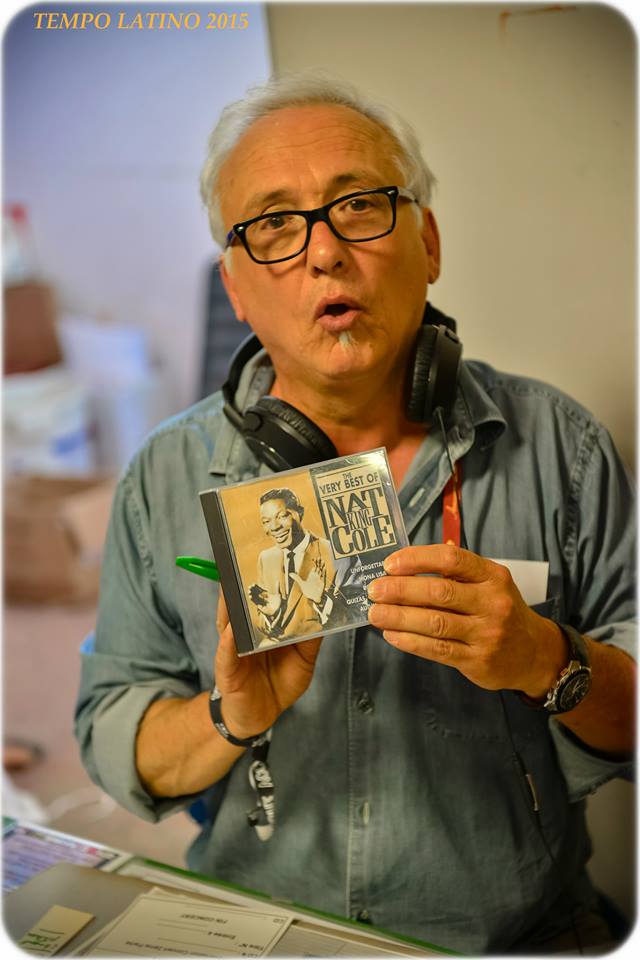
Eric Duffau
Eric Duffau

With this idea, he put together a 6-page project and in 1993 he returned to his village to seek the support of all those who wanted to collaborate. This is how in 1994 the first edition of the festival was held with 100 volunteers, becoming known among journalists, the public in France, Europe and the world.

The first edition was attended by 3,500 people with paid entrance, over the years the capacity of this arena up to 7,000 people paying every day, plus those who attend the other locations throughout Vic-Fizensac. Today, more than 60,000 travel to this small village to dance for 4 days in every corner.

To Vic-Fezensac, that has 3,700 habitants, is preparing itself during the whole year to welcome to a mixed race public and traveler, essential artists or to discover, proposing a festival under the heat of the end of July where everyone will have the freedom to go to the meeting of rhythms, people, flavors and other shared pleasures.

The Tempo Latino’s team is a well-oiled team that leads several projects of front and in which everyone knows what to do. All members of this team are passionate and possess very strong skills and a spirit of solidarity mark.

Eric Duffau, Celia Cruz y Oscar D Leon

To pay attention to every detail the festival count with:

7 members of the board | 2 employees

500 volunteers | 22 commissions

2 months of editing before festival

From this year, Mr. Jean-François Labit, will replace Mr. Eric Duffau as president of the Festival.

Some of the great figures in the world of Latin music who have passed through Arènes Joseph Fourniol in 15 avenue Edmond Berges, 32190 Vic-Fezensac are:

Israel López “Cachao”

Celia Cruz

Jimmy Bosch

Ósar D’Leon

Yuri Buenaventura

Willie Colon

Ernesto «Tito» Puente

Richie Ray & Bobby Cruz

And hundreds more in 26 years…
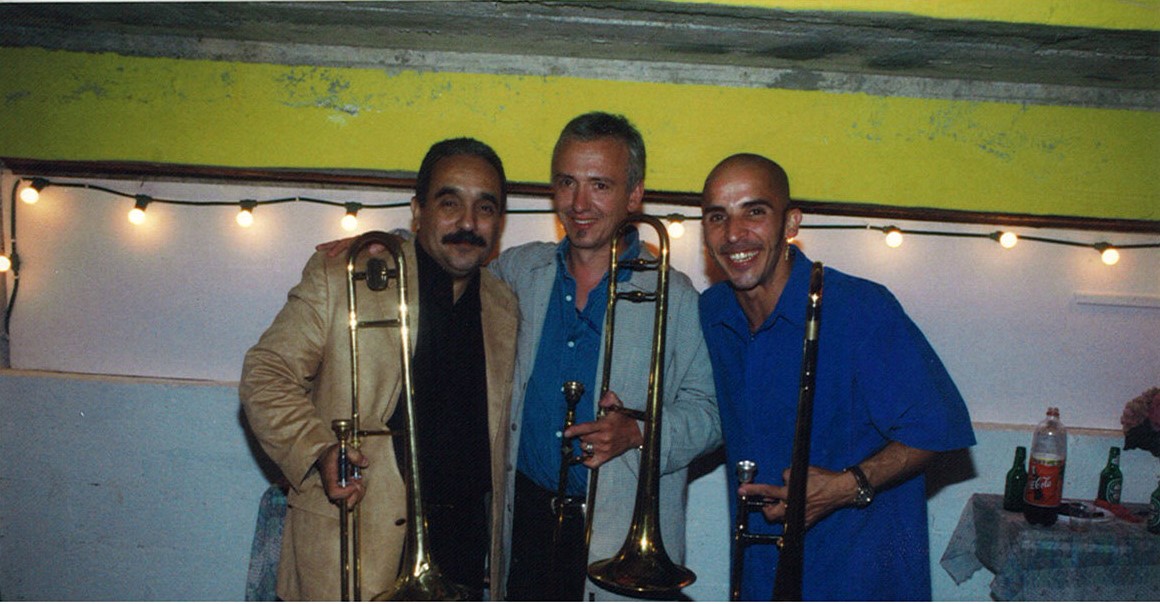
Eric Duffau, Wilile Colon, Eric Jimmy Bosch 1999

Where is Vic-Fezensac?

Vic in Fesensac in Occitan, is a town and commune in France, located in the Midi-Pyrénées region, department of Gers, in the district of Auch and canton of Vic-Fezensac. Is one of the last towns in France which still showcases bullfighting. The main feria takes place over the Pentecost weekend. On this occasion, tens of thousands of people gather all night long over the weekend in the tiny streets of the city. It is the first big “feria” of the year in Southwestern France. Small bodegas crowded with people are open until the morning comes, “bands” (bands of popular Basque or Gascon music) goes on the streets.

At the end of July, the Tempo Latino salsa festival takes place. Night markets (“Marchés de Nuit”) are also held in summer.

If you are in USA and want to go to the biggest Salsa Festival, you can fly with some cheap options that International Salsa Magazine finds for you:

Frenchbee:

San Francisco  – Paris

$500 round trip

www.frenchbee.com

La Compagnie:

New York – Nice

$1065 round trip in Business Class

www.lacompagnie.com
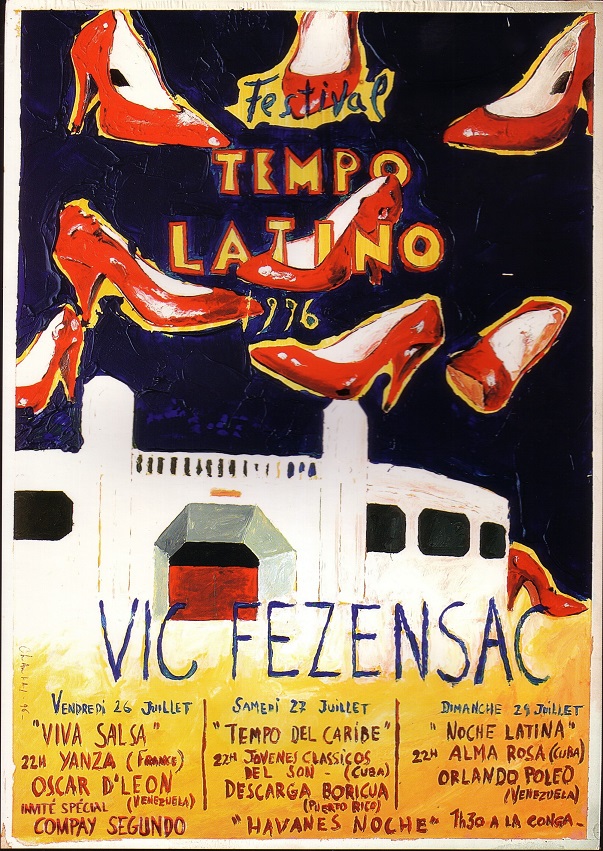
Tempo Latino Festival 1996 Jean-Paul Chambas flyer

Find them everywhere:

Web: http://tempo-latino.com

Facebook: https://www.facebook.com/tempolatino/

Twitter: https://twitter.com/tempo_latino?lang=fr

Instagram: https://www.instagram.com/tempolatino

Youtube: https://www.youtube.com/channel/UCRjFUG_yf9EgX-5FAPZwJGg
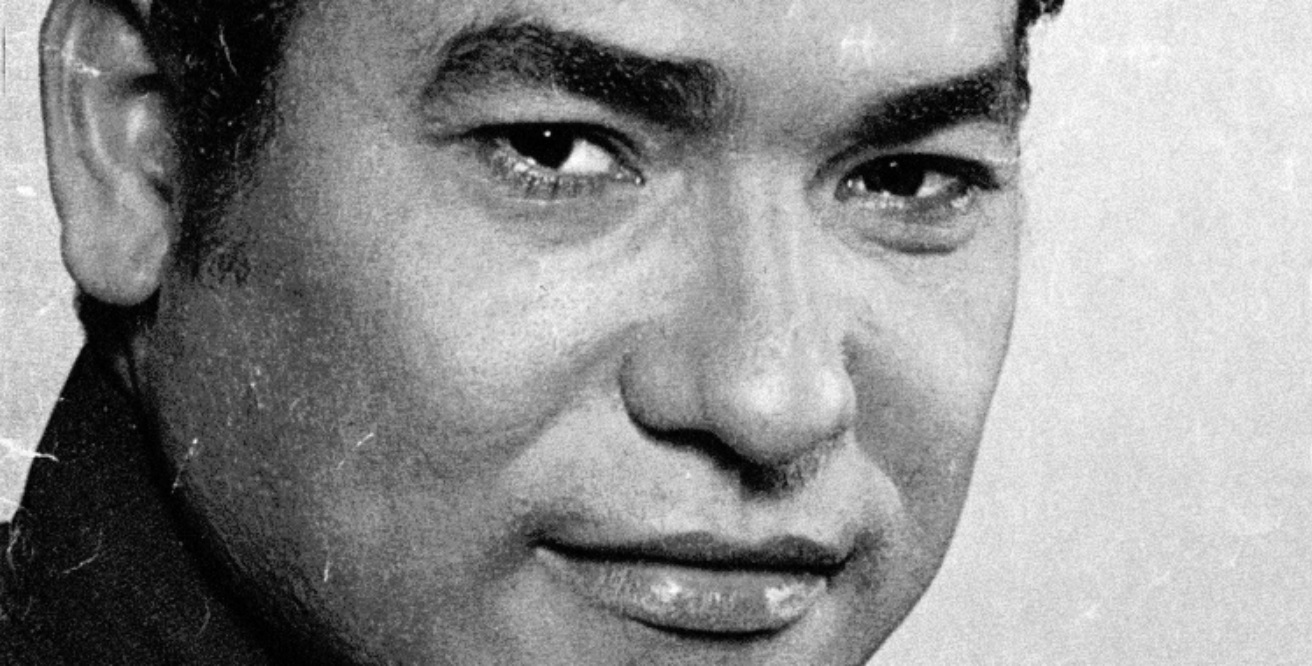
Felipe Pirela | The Bolero of America

North America / USA / New York

Felipe Pirela:

En mi barrio el empedrao
Parroquia Santa Lucia
Había una barbería
Que era muy populachera
Te lavaban en ponchera
La silla se reclinaba
Y Luis el perro pelaba
Al son de una periquera

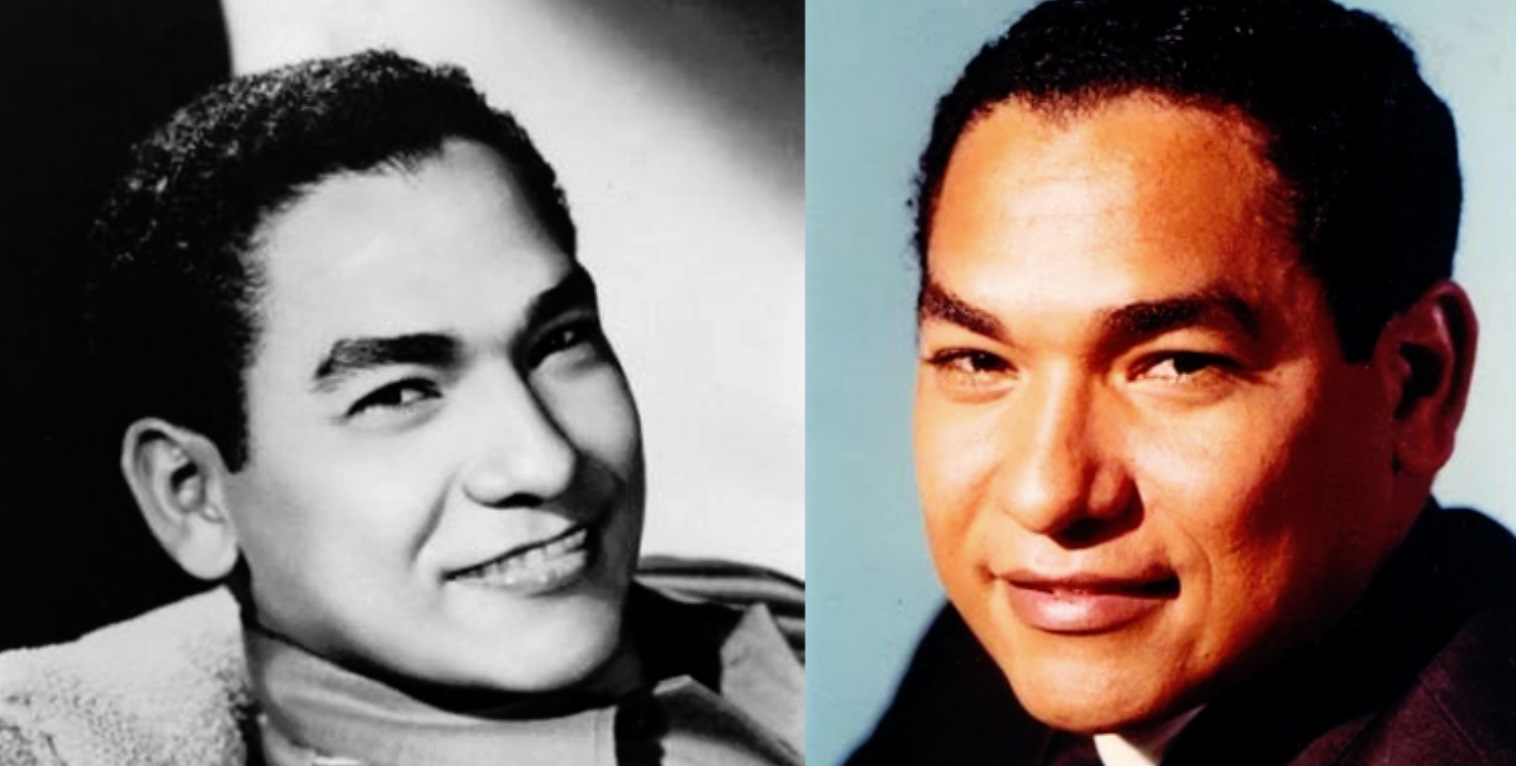
Felipe Pirela
Felipe Pirela

This is the sound of the tasty gaita performed by the group Sabor Gaitero and Los Gaiteros de Pillopo. It refers to a barbershop in a picturesque neighbourhood of Maracaibo in the Venezuelan state of Zulia. It was in this popular neighbourhood of Maracaibo, El Empedrao, that Felipe Antonio Pirela Morón was born in 1941. It was probably in this popular barbershop that he got his first haircut, and it was certainly in some corner of the neighbourhood that he took his first steps as a singer, perhaps interpreting gaitas or some other popular genre. The young Felipe was far from imagining that he would become “El Bolerista de América” (The Bolero of America).

The son of a bricklayer, Felipe Pirela Monsalve, and a housewife – an artist at heart – Lucia Morón de Pirela, the boy began his musical career as a child, supported by his mother, in small radio singing competitions. Incredibly, at the age of 13, together with some boys from the neighbourhood and his two brothers, he founded the group Los Happy Boys, which performed in various venues in Maracaibo, without even imagining that he would later become the main star of Billo’s Caracas Boys, a group that, upon arriving in Venezuela, debuted under the same name, Billo’s Happy Boys, directed by the Dominican maestro Billo Frometa.

At the beginning of his singing career, Felipe specialized as a bolerista, performing songs by prominent singers such as the Chilean Lucho Gatica, the Cuban bolerista Olga Gillot and Venezuela’s favorite tenor Alfredo Sadel.

Felipe Pirela
Felipe Pirela

Radio Caracas Television had the honor of making Felipe’s image public for the first time in 1957, through an amateur program in which Felipe placed third. Unfortunately, there were no video recording systems in those days, so there is no record of this historic achievement. Later, the now defunct and legendary Venezuelan regional television station from Maracaibo, Ondas del Lago, served as a springboard for Felipe, who was one of its founding artists.

These performances allowed him to sign a contract with the station in 1958, after which he moved to Caracas, where he performed on Radio Caracas and in various nightclubs.

Shortly thereafter, he returned to Maracaibo to join the orchestra Los Peniques, with whom he recorded his first album in 1960 and began his professional career.

Like most of the artists, baseball players and boxers from Maracaibo, Felipe was a man of humble origins, pobre del pobre, with limited economic resources, who for a time missed opportunities to be noticed despite his immense talent.

Felipe Pirela
Felipe Pirela

Fortune smiled on him when Maestro Billo Frometa heard him sing, at a time when the arranger, director and musician from Quisqueyano was preparing to restructure his band, Billo’s Caracas Boys, and at the same time hired another singer from Maracaibo, the remarkable José “Cheo” García. This hiring gave an enormous boost to the already famous Billo’s Caracas Boys; the band acquired great international prestige, performing throughout America and Europe, popularizing the immortal mosaics that for many years enlivened the parties and were the favorites of the Venezuelan public.

Not for nothing, Billo’s Caracas Boys Orchestra has been called the most popular in Venezuela, the Caracas and Venezuelan clubs, Latin American countries and even the European continent (Tenerife, Spain) showed full houses during the band’s performances. In these performances, the acclaim for Felipe Pirela was total. Huge demonstrations of support, full houses and legions of fans followed the “crooner” on his tours.

When Venezuela’s favorite tenor, Alfredo Sadel, left the popular genre and his country to devote himself to opera, Pirela almost immediately replaced him in the favorite place of Venezuelans.

In 1961, “El Bolerista de América” recorded with a string orchestra conducted by Billo, the long playing Canciones de Ayer, including old songs and songs of that time, a recording that marked his resignation and departure to Mexico, where he also had memorable successes.

Felipe Pirela boleros with guitars

In 1964 he married Mariela Montiel, a marriage that resulted in the birth of a daughter, Lennys, and in which La Retirada was quickly marked by the fact that Amor se Escribe con Llanto (Love is Written with Crying) and that it probably does not last a lifetime.

Canada and Mexico witnessed his successes in ’67 and his return to Venezuela. Successful performances in Miami that same year motivated him to reside in the United States, where he tried to structure his own record company, a project that came to nothing and he was deeply disillusioned and returned to Venezuela, later residing in Puerto Rico, where he was taking La Última Copa when he was tragically assassinated in 1972.

For some, his career was marked by Sombras Nada Más, but for the vast majority, “El Bolerista de America” remains in the memory as one of the most unique stars of Latin American music of all time.


For Mario Cabrera Bello

Mario Cabrera Bello


Paquito D’Rivera supports the salsa museum

There have been many legends of whom we have spoken in this section of International Salsa Magazine and today it is the turn of the bandleader, composer, clarinetist, and saxophonist born in Havana, Cuba, Paquito D’Rivera.  

Today, we want to dedicate the following lines to one of the main references in Cuban music and everything he has contributed to the Latin music scene, which is growing every day in the United States.   

Paquito smiling
Paquito D’Rivera smiling for the camera

Paquito’s beginnings in music 

Francisco de Jesús Rivera Figueras, who is artistically known as Paquito D’Rivera, was born in the city of Havana, Cuba and is the son of orchestra director and saxophonist Tito D’Rivera, from whom he inherited his great artistic vein and love for music. 

At just five years old, Paquito began studying music formally and, two years later, he was already performing on stage in front of large audiences, which prepared him for what he would do as an adult. That same year, Selmer (a musical instrument company) hired him, which was a very important step in the boy’s path to becoming an artist. 

A few years later, he performed at the National Theater of La Habana, which was a very important moment for the young man, who shortly after began studying at the Havana Conservatory, where he specialized in areas of music such as clarinet, composition and harmony. 

His first media appearance was during his debut in the National Symphony Orchestra of Cuba, an event that was nationally televised so that the whole country could appreciate the talent of the young choir boys.  

A year later, when he was only 18 years old, Paquito and Chucho Valdés founded the Orquesta Cubana de Música Moderna, while working for the Orquesta Nacional and the Banda del Ejército Cubano. 

Paquito playing
Paquito D’Rivera playing the saxophone

Some time later, he founded the Orquesta de Música Moderna with some of his colleagues at the time, and then created the group Irakere, which integrated jazz, traditional Cuban music, classical music and rock in ways never seen before. Together with Irakere, he toured Europe and the United States and earned several Grammy Award nominations.   

Leaving Cuba 

Like so many Cubans, Paquito became tired of the situation experienced by the island and knew he had to make a final decision on the subject. He took advantage of a stop in Spain and sought asylum at the American embassy in the European country. Once in the United States, his process of adaptation to his new country of residence was not easy, but there were artists who gave him a lot of support such as Mario Bauza, Dizzy Gallespie, David Amram, among others. 

It did not take him too long before he earned the love and respect of many members of the jazz music community.  His place in the Latin music scene was consolidated thanks to his first two solo albums called ”Paquito Blowin” and ”Mariel”. His popularity was also benefited from a Time magazine article that talked about his great work and his appearance on the famous ”Sunday Morning” show.   

He also collaborated with artists such as Artur Sandoval, Michel Camilo, Bebo Valdés, Claudio Roditi, among others. He also participated in the founding of the United Nations Orchestra, Paquito D’Rivera Big Band, Paquito D’Rivera Quinquet and many other groups.  

More recently, in 2027, he was in Europe with the Orquesta de Valencia at the Palau de La Música promoting ”The Elephant and The Clown” of his own.   

Paquito and Johnny
President of the Spaha Harlem Salsa Museum Johnny Cruz and Paquito D’Rivera

Paquito and the Spaha Harlem Salsa Museum 

In December 2023, Paquito visited the Spaha Harlem Salsa Museum to see the huge collection of personal items belonging to world-renowned Latin artists and, once there, he expressed his surprise at the large number of items that both stars and their families have donated to the famous museum.   

In a post by Johnny Cruz, the museum’s president, on his Facebook account, Paquito said he was very impressed by all the items housed in the institution while supporting the work done by the museum’s staff and expressing his admiration for the effort devoted to the collection. 

Johnny Cru ISM corresponde in New York City


Read also: Poncho Sanchez visited us at the Salsa Museum 

¡Attack Sergio! Unbreakable: A fun read because of the contradictory content

I placed the order online on October 25, 2023. By return email, I received confirmation of payment and a promise to receive my copy the following week.

However, after several days I received a delay notification from the supplier. It was understandable that an artist of Sergio George’s stature would trigger interest in acquiring the work that promised to tell his story, perspective and opinion on the music industry. Exactly on November 25, 2023, the order arrived.

¡Attack Sergio! Unbreakable: A fun read because of the contradictory content

As a reader, I was deeply disappointed with the content of the “book”. Attack Sergio! Unbreakable falls short of being an autobiography. I would classify it as a self-help book with little depth, no substance.

Writing a book requires literary knowledge, basing the content on rigorous research and stating the data with mathematical precision.

The cover of the text is appropriate for the trajectory of the artist who is the subject of the text. However, the data on the cover that assures that he is the winner of 19 Grammy awards contradicts the text.  Specifically, on the third page of the introduction it says that he is the winner of 18 or 19. Evidently, the recently launched book should not be taken as a reference for a subject of such seriousness.

From the legal page it is clear that Sergio George is the author and that Janice Rodriguez was in charge of editing. Sadly, the work lacked editorial care, which detracts from the literary value of what is presented. There are many expressions that seem to be literal translations from English and that do not necessarily maintain the idiomatic integrity of what the author wants to express.  Now, if that were the case, you should stop counting the missing and extra accents.

Having said that, I am going to manage my criticism, since space is limited and the idea is not to write another book about the “book”.  Certainly, in the world of the versed salsero, of which I am one, the most awarded producer in Latin music has a great story to tell. But his literary delivery fell short. I understand the intention to approach his complaint as a self-help book. But that grand intention also failed.

I read in each of the 128 pages discontent, loathing, complaint, frustration, resentment and wounded self-esteem. Objectively, you have to read carefully to see that what he claims to do is the opposite of what has brought him so much controversy.

In his usual combative style Sergio George launches harsh criticisms of salsa artists. Resentment has won out over objectivity. Each blow takes away the value of his exposition, until it becomes the outlet that we all need to have at given moments.

Sergio George
Sergio George

Of course, emotional maturity is what prevents one from publishing matters that should remain in the privacy of conversations between the affected parties.

With a high sense of arrogance, characteristic of narcissistic personalities, the author accuses the “great salseros” of having murdered salsa because of their ego, pointing them out as the culprits of the death of the “musical genre”.

This becomes another of the great contradictions of the text. At times he claims that salsa is not a genre, but on multiple occasions he refers to salsa as a musical genre. On the other hand, he says that salsa is in danger of extinction shortly before assuring that it is dead.  His point of view in that sense is not clear either, although he does state near the end that there is a legacy that does not die.

This is the contradictory nature of the reading, whose common thread is the attack. That may be the origin of the idea of the title, although at first glance one might think that “Attack Sergio!” is the repetition of the battle cry that invites him to attack the piano, while he prolifically produces music.

Marc Anthony y Sergio George

I believe in the evolution of the species and I see that the adaptations through which salsa has gone through are similar to the genetic modifications necessary so that, within each species, the fittest survive.

The text has several anecdotes. However, due to the lack of details, these do not add value to the construction of the history of salsa. In some of them, the names of certain characters are not mentioned. I guess the author did not want to enter into a request for relays or preferred not to risk dealing with legal controversies.

With so much that Sergio George has contributed to the history of Latin music, it is a mistake that the book has not been given more structure and objectivity.

Sergio George has been a cornerstone in the history of Afro-Latin rhythms and is the owner of a brilliant musical career that has made many shine. But to that exposure, the text does not do justice either.

Bella Martinez Puerto Rico


Also Read: Metamorphosis: from music to photojournalism, a reinvention without limits

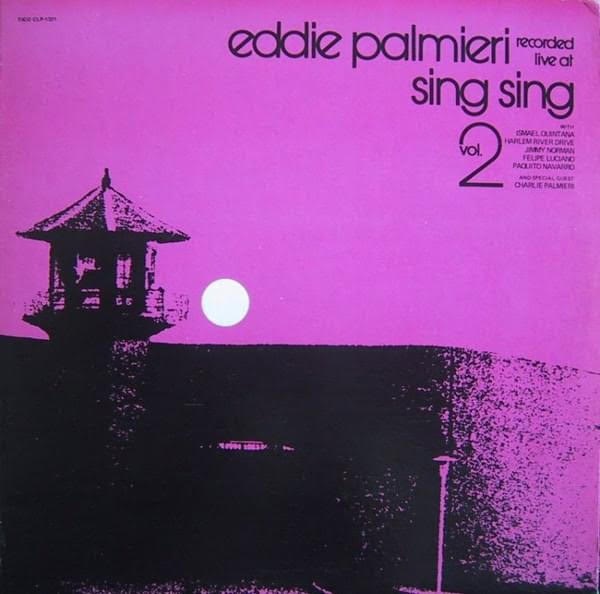
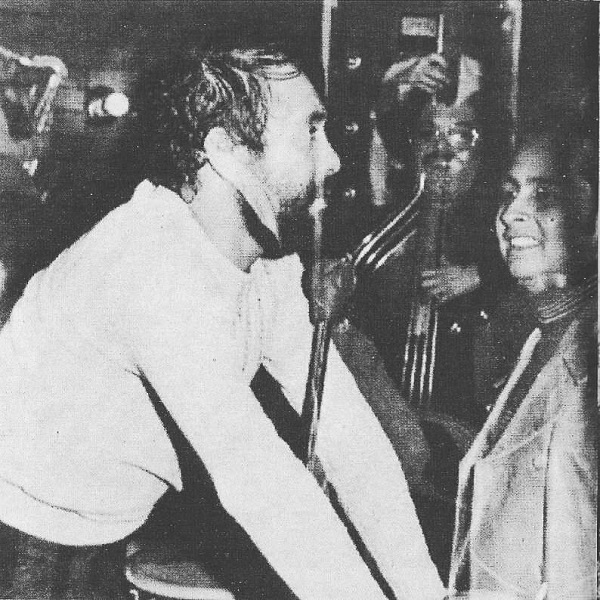
Eddie Palmieri brought salsa for the first time and live from Sing Sing Penitentiary in New York

In the early 1970s, the American social landscape was dominated by the Vietnam War and the birth of several protest movements advocating for equality, justice and the defense of human and civil rights, and from sing sing a historic concert.

In the midst of all that collective turbulence, Eddie Palmieri and his orchestra were giving free rein to their social rebellion with a sweeping musical proposal.

But Palmieri’s rebelliousness was not only reflected in his music, but also in his decision to take his group’s sound to atypical and controversial scenarios that would attract the attention of the authorities.

By the beginning of 1972, Eddie Palmieri had already performed in some correctional institutions, including the Louisville Correctional Facility and the Attica and Rikers Island prisons in New York, but the pianist wanted something more.

Eddie Palmieri brought salsa for the first time and live from Sing Sing Penitentiary in New York

In those days, a good friend of Eddie Palmieri was incarcerated in the sinister and historic Sing Sing Correctional Facility, also known as Sing Sing Prison, infamous for the reputation of its inmates and for its executions with electric chairs.

It was at that moment that the idea of an unprecedented performance at the facility was born.

Palmieri’s group was not only the orchestra of choice for Hispanics, it was also favored by the majority of African-Americans in the Latin dance world, and at that time the prison population at Sing Sing was composed mostly of Hispanics and African-Americans, so the stage was perfect.

However, it was not easy to perform a concert in a maximum security prison like the dreaded Sing Sing Prison.

However, at the request of Eddie Palmieri himself and with the coordination of Roulette Records and the prison administration, the performance took place on Wednesday, April 12, 1972.

By the beginning of 1972, Eddie Palmieri had already performed in some penitentiary institutions.

Sing Sing Correctional Facility is a New York State Department of Correctional Services prison in Ossining, New York State, United States. The name comes from the original name of the town of Ossining.

It was the third prison in New York State, built in 1825. The state legislature allocated $20,100 to purchase the Silver Mine farm. The prison was to be self-supporting and not require a state budget.

Elan Lynds, a jailer at Auburn Prison (New York’s second prison), brought 100 convicts from Auburn to the new prison and employed them for its construction.

Harris A. Smiler was the first person executed by electrocution at Sing Sing on July 7, 1891. From 1914 until 1971, only the electric chair at Sing Sing was used for executions.

On January 8, 1983, more than 600 inmates in B Block started a riot, taking 17 officers hostage; it ended 53 hours later.

Sing Sing in popular culture

Near the end of Herman Melville’s short story Bartleby, the Scribe, it is mentioned that Monroe Edwards died of tuberculosis in Sing Sing Prison.

There is a song called La cárcel de Sing Sing, written by Bienvenido Brens, which tells the story of a prisoner in this jail who was sentenced to death for killing his wife and her lover. The song was made famous by José Feliciano. It is also performed by Colombian singer-songwriter Alci Acosta.

Sing Sing Penitentiary in New York City

In addition, it was performed live by the band Corizonas (union of Arizona Baby and Los Coronas) in their live album “Dos bandas y un destino”.

There is a song by the salsa group Conjunto Clásico on the album El panadero released in 1986, called A los muchachos de Sing Sing, which has a message of encouragement to convicts.

There is a song by the French-Tunisian singer-songwriter (Michel) Laurent entitled Sing Sing Barbara, from 1971, which tells the story of an inmate who sends desperate messages of love to his wife from this prison.

There is a song by the Madrid group Los Nikis entitled Diez años en Sing Sing, which also gives title to the tribute album to that group.

There is a song by the Basque group Sorotan Bele titled Sing Singatiko Folk & Rolla.

In 1932 the film Twenty Thousand Years in Sing Sing was shot, directed by Michael Curtiz and starring Spencer Tracy and Bette Davis. The film is based on the book of the same name by Lewis E. Lawes.

In the film Constantine, and in the official Constantine comic book, John Constantine is seen to use the Sing Sing prison chair to connect to hell.

In the film Citizen Kane, protagonist Charles Kane threatens his political rival, Jim Gettys, to send him to Sing Sing, when Gettys informs Kane that he will publish his affair with Susan Alexander in the newspapers if he does not withdraw from the election.

In the film The Pilgrim, Charles Chaplin plays the role of a convict recently escaped from prison, who, when he is at the train station, moves his finger without looking over the board of destinations to choose one at random and falls on Sing Sing, so he repeats the process again when he realizes his unfortunate choice.

In the movie Breakfast at Tiffany’s, Holly Golightly periodically visits inmate Sally Tomato at this prison.

In the movie and musical The Producers, the main characters stop at the same prison and create a musical called Prisoners of Love.

In the video game Driver Parallel Lines, the protagonist spends 28 years in Sing Sing.

In the ABC television series Castle, Sing Sing is cited during an episode of the fourth, fifth and eighth seasons.

In the film noir movie Odds Against Tomorrow, Johnny, the character played by Harry Blafonte, says, “I know they changed his color when they rehabilitated him in Sing Sing.”

In the AMC television series Mad Men, Sing Sing is quoted during an episode of the third season.

In the series Breakout Kings, prisoners are transferred to Sing Sing for their help.

In the song Báilalo como tú quieras, by artist Tego Calderón, the phrase “If rapping was a crime, I’d be in Sing Sing!” appears.

In the horror movie saga Maniac Cop, cop Max Cortell is killed in Sing Sing prison by inmates and is resurrected in the form of a “maniac cop”.

In the Netflix series The Punisher, Arthur mentions to Billy Russo having been imprisoned 10 years in Sing Sing, in episode 4 of the second season.

In the novel “The Ppsychoanalyst” by John Katzenback published in 2002, the Sing Sing prison where a man served six months is named.

In Georges Simenon’s novel The Hound Dog starring Commissar Maigret, one of the characters spends several years in Sing Sing prison.

In the comics “Mortadelo y Filemón”, by cartoonist Francisco Ibáñez, when a character has done something barbaric, he is sentenced to Sing Sing prison and appears with the typical black and white striped prisoner’s suit, chopping stone with an iron ball chained to his leg.

In the series Law and Order the Sing Sing prison is constantly mentioned.

Also Read: Carlos “Nene” Quintero comes from a family of musical prodigies

  • « Go to Previous Page
  • Page 1
  • Interim pages omitted …
  • Page 57
  • Page 58
  • Page 59
  • Page 60
  • Page 61
  • Interim pages omitted …
  • Page 127
  • Go to Next Page »

International Salsa Magazine (ISM) is a monthly publication about Salsa activities around the world, that has been publishing since 2007. It is a world network of volunteers coordinated by ISM Magazine. We are working to strengthen all the events by working together.