• Skip to primary navigation
  • Skip to main content

International Salsa Magazine

  • Home
  • Previous editions
    • 2025
      • ISM / December 2025
      • ISM / November 2025
      • ISM / October 2025
      • ISM / September 2025
      • ISM / August 2025
      • ISM / July 2025
      • ISM / June 2025
      • ISM / May2025
      • ISM / April 2025
      • ISM / March 2025
      • ISM / February 2025
      • ISM / January 2025
    • 2024
      • ISM / December 2024
      • ISM / November 2024
      • ISM / October 2024
      • ISM / September 2024
      • ISM / August 2024
      • ISM / July 2024
      • ISM / June 2024
      • ISM / May 2024
      • ISM / April 2024
      • ISM / March 2024
      • ISM / February 2024
      • ISM / January 2024
    • 2023
      • ISM / December 2023
      • ISM / November 2023
      • ISM / October 2023
      • ISM – September 2023
      • ISM – August 2023
      • ISM July 2023
      • ISM Edition June 2023
      • ISM – May 2023
      • ISM April 2023
      • ISM March 2023
      • ISM February 2023
      • ISM January 2023
    • 2022
      • ISM December 2022
      • ISM November 2022
      • ISM October 2022
      • ISM September 2022
      • ISM August 2022
      • ISM July 2022
      • ISM June 2022
      • ISM May 2022
      • ISM February 2022
      • ISM January 2022
    • 2021
      • ISM December 2021
      • ISM November 2021
      • ISM October – 2021
      • ISM September 2021
      • ISM August 2021
      • ISM July 2021
      • ISM May 2021
      • ISM April 2021
      • ISM June 2021
      • ISM March 2021
      • ISM February 2021
      • ISM January 2021
    • 2020
      • ISM December 2020
      • ISM November 2020
      • ISM October 2020
      • ISM September 2020
      • ISM August 2020
      • ISM July 2020
      • ISM June 2020
      • ISM May 2020
      • ISM April 2020
      • ISM March 2020
      • ISM February 2020
      • ISM January 2020
    • 2019
      • ISM December 2019
      • ISM November 2019
      • ISM October 2019
      • ISM Septembre 2019
      • ISM August 2019
      • ISM July 2019
      • ISM June 2019
      • ISM May 2019
      • ISM April 2019
      • ISM March 2019
      • ISM February 2019
      • ISM January 2019
    • 2018
      • ISM December 2018
      • ISM November 2018
      • ISM October 2018
      • ISM September 2018
      • ISM August 2018
      • ISM July 2018
      • ISM June 2018
      • ISM May 2018
      • ISM April 2018
      • ISM March 2018
      • ISM February 2018
      • ISM January 2018
    • 2017
      • ISM December 2017
      • ISM November 2017
      • ISM October 2017
      • ISM September 2017
      • ISM August 2017
      • ISM July 2017
      • ISM June 2017
      • ISM May 2017
      • ISM April 2017
      • ISM March 2017
  • Download Salsa App
    • Android
    • Apple
  • Spanish

Radio

Latin Saoko The Latin Corner of the World – 2018

Latinoamerica / Argentina / Buenos Aires

Latin Saoko, the radio is dedicated to spreading the richness of our Latin culture to all the public who want to have an encounter with the magical Caribbean and its music.

It is the Internet radio station of Latin-Caribbean genres that produces interactive programs with top-of-the-line speakers, this is how Dj timbao and Víctor Rodríguez define Latin Saoko, a radio station that since 2016 dictates the rhythm of timba and salsa on the internet .

Latin Saoko flyer
Latin Saoko flyer

In a pleasant conversation with his mentors, we were able to learn that it is an idea that arose a long time ago from these two great DJs and dance instructors from Venezuela, for now Dj timbao making life and projecting himself in Argentina and Víctor doing the same in Spain .

The radio is dedicated to spreading the richness of our Latin culture to all the public who want to have an encounter with the magical Caribbean and its music. Our work comes to you from the hand of professionals who strive every day to produce the best programs with true dynamic content through our website, with an excellent technical team and specialized personnel who work 24 hours a day in each one. Of its different spaces, Víctor mentions the director of the Kimbara school from the beautiful island of Tenerife.

There are 24 continuous hours of the best musical themes of Latin-Caribbean genres, we can enjoy premieres that come at the hands of this pair of DJs thanks to their great trajectory around the world. Dj timbao tells us that:

At saokolatino.com we seek to innovate the way in which Internet radio is currently produced so that in this way we can introduce real radio programming with dynamic content, for all local audiences and also worldwide. , offering the best of products so that saokolatino.com becomes the number one reference radio station for Latin American musical genres.

Among its main objectives is to create a space dedicated to the public that loves Latin genres, strengthen and promote Caribbean music and culture worldwide, expand the horizons of Latin radio in the world and reach number 1 in the ranking of radio stations. internet radio.

Radio Latin Saoko
Radio Latin Saoko

One of our main missions is to be the first Internet station of Latin-Caribbean genres, with unique production of true and real programs broadcast live and in real time. Spread the true Latin culture through the music that represents us and is loved worldwide, so that everyone who is connected to the radio identifies with its image and content.

Work hard so that our broadcasts, programs, calendars and music reach all possible destinations hand in hand with professionals who strive day after day, week after week and year after year to produce true radio content programs on the web, I emphasize Víctor, in the same way that the production of programs with characters from all over the world will take this radio to another level, they seek not only to delight musically speaking, they also follow the idea of ​​nurturing with programs aimed at substantially improving the offer.

They are currently in the registry of people who want to make programs, they offer excellent benefits and are open to proposals that are presented to promote programs dedicated to Latin music and Caribbean rhythms.

On the website we can also find several interactive sections, the largest of which is a chat room in which all listeners, whether registered or not, can chat with each other, sending messages, images and emoticons on the topics they most want to discuss. and in turn they can talk directly with the announcer who is making the program at that moment.

On the other hand, there is the video section, where you can see the artists of the moment and those that have been successes or classics in their times, which Important to note in this section is that it links you directly to the station’s YouTube channel which has a direct playlist of the channels of each of the artists, this is important because by watching the video you are contributing to the artist directly and growing its popularity.

Similarly, they have a section of biographies where there is the story behind each of the most important orchestras, groups, ensembles or groups in Latin music.

Estrenos Timberos - Latin Saoko
Estrenos Timberos – Latin Saoko

To close, they invite us to download the saokolatinoradio app through playstore and for IOS present at www.tunein.com as saokolatinoradio, in this way they will be able to have 24 hours of good music at hand in any corner of the world where they are. For contacts: +34654723798 and +5491161380106 or by e-mail [email protected], by facebok on Saoko Latino Radio, on Instagram and twitter as @saokolatino and the youtube channel where we can enjoy video premieres of the most popular artists. recognized is Saoko Latino.

Robert Tellez is undoubtedly “El más que sabe de salsa” (The one who knows the most about Salsa)

Recently, the second edition of the authorized biography of Míster Afinque, entitled Willie Rosario, El Rey del ritmo, was released. This work is authored by journalist and music researcher Robert Tellez M. The publication of this second edition of Willie Rosario, El Rey del ritmo came just in time to add to the centennial celebration of the musical leader, who has managed to keep his orchestra active and alive for more than six decades.

Photo by Sandro Sanchez Robert Tellez
Robert Tellez (Photo by Sandro Sanchez )

With this second edition, in alliance with our publishing house, the author was pleased with the treatment of the content and in his appreciation tells us: “This is a documentary work that exposes the different facets of the maestro Willie Rosario: the human being, the family man, the radio broadcaster and of course the leader of the “Banda que deleita””.

Fortunately, during the five years that followed the publication of the original text, maestro Willie Rosario has remained extremely active. In addition, since 2019, the orchestra leader has received several awards; so it was quite easy to collect data and photos that allowed us to expand the text with unpublished content.

As a journalist and researcher, Tellez affirms the importance of the text while clarifying: “This book is also a contribution to the preservation of the memory of salsa, a task that requires a rigorous, precise and responsible approach, ensuring adequate documentation for present and future generations. In my opinion, the work of building this memory is an inherent duty for communicators who are dedicated to disseminating this musical expression.”

Robert Téllez con Willie Rosario
Robert Téllez and Willie Rosario

Who is the biographer of Mister Afinque?

Labeled as “the one who knows the most about salsa”, Robert Téllez Moreno is a journalist.  Within journalism, he has excelled in different media.  He says he prefers his facet as a radio broadcaster, a branch in which he decided to specialize since he was a child.  However, Robert has also made a name for himself in the press and has ventured into television. Specifically, his interest in salsa music led him to be the biographer of Willie Rosario, his third literary work entitled Willie Rosario, el Rey del Ritmo (Willie Rosario, the King of Rhythm). His first literary publication was Ray Barretto, Fuerza Gigante and his second was Frankie Ruiz, Volver a nacer (co-authored with Felix Fojo).

A passion for salsa, but first a passion for the radio

Robert says that his first encounter with salsa was inexplicable.  It happened when he was a child by way of the Martínez family, some Caleños who moved in across the street from the Téllez Moreno home, located in a popular neighborhood.  In the mid-1980s, the Martinez family came to live in a neighborhood that did not accept them as noisy, because the Bogotá of that time was very conservative. Bogota belonged to the Bogotanos, and those who came from other parts of the country were in the minority. Robert’s mother went further and said that the Martínez were marihuaneros, not because she saw them smoking marijuana, but because she thought it was too noisy for the tranquility of the neighborhood before the arrival of the Caliños.  Téllez adds: “I was struck by the fact that since they arrived they had parties every weekend; Thursday, Friday and Saturday. There was music all night and they would wake up there. In reality, they were family parties.”.

“Uncles, nephews, cousins and brothers shared that taste for music there. The only thing you could hear was salsa at a time when salsa was not the prevailing thing in Bogotá. That sound attracted me.  That’s where I identify that my passion for this music began. Of course, first came a greater passion, which was the passion for the radio. I connected them very early in my childhood. I was attracted to what I heard. However, my brothers listened to Anglo American music. They heard other kinds of sounds. Break dancing was coming in, American music was invading us. Ballads were what my sister liked; the romanticism of Juan Gabriel, Camilo Sesto and all that kind of music. Vallenato was also listened to a lot, but the only thing that made an impact on me was salsa. As my love for salsa was born without explanation, but it arrived, I romantically say that salsa touched the window of my room, and I fell in love with it. It’s just that the room in the living room where those parties were held faced my bedroom window.”

Robert Téllez con Ismael Miranda
Robert Téllez and Ismael Miranda

A potential programmer

At just 7 years old, Robert began to understand the workings of radio as a means of communication and entertainment intuitively. He recalls how for as long as he can remember, he imitated the announcers of the moment, knew to tell the time; maintaining awareness of the time in relation to the songs in the order of radio programming. Sometimes he reasoned and concluded: “that song played a while ago and so he tried to understand everything that was happening on the radio”. However, that station did not play salsa; it played ballads, vallenatos, American music, and other genres. Of course, within the musical environment available, since he was a child he began to understand the style of the whole radio world and there he drew a line of programming. Later, when the Martinez family arrived in the neighborhood, Robert was able to connect the radio with salsa. However, he says, “I didn’t even have a record in my house to be able to have a reference. The arrival of the new neighbors coincided with the arrival of a Caracol FM station called Bienvenida Estéreo, the director was Rodrigo Salazar. Today I understand that Salazar began to program salsa in a city that was not salsa. But he came from Cali and tried to program the first salsa station in Bogotá, on FM”.

Robert Téllez con Willie Rosario
Robert Téllez and Willie Rosario

At just 8 years old, the precocious programmer had already won a radio contest that consisted of going to the station that sponsored the contest and doing voice-over, presenting songs and having the listeners select the winner. Robert does not remember which song he presented, but he does remember that he knew the station’s slogan, told the time, said his name and went to commercials. With the memory vivid in his mind, Robert adds, “I won because of the confidence I had. The other kids were shy. Many were silent on the air.”

In spite of his young age, with discipline and precision he remained engrossed by the radio, listening to it as if it were a mandatory activity. He knew all the programming, made programming spreadsheets and began to understand how the songs rotated and to memorize the songs that were played in the morning and later played at noon and then at night.

I began to understand everything and to compare different stations. Already with his critical thinking polished in the prediction of musical themes within the programming lineup, he began to participate in radio competitions in which they gave away records on a weekly basis and, “as that was what I wanted, to have records, then I became quite tired”. He continues his story, stating: “I think they already knew me there and I always guessed what the number one song of the week was. Since I had the program listings, it was easy for me”.  That’s how he got his first album: Salsa Fever, (1988, Gunda Merced y su Salsa Fever). But, he had nowhere to listen to it. He put it in his room, looked at it and read that the record had the song ‘La familia’ on it.  He went to a friend’s house to listen to it. After listening to it several times, he returned home and put it away again. Later, that LP gave him entry to the Martinez house, and established him as the DJ of the family parties; at first programming what they told him so that people would dance. About that entry, Robert adds: “Later I learned and I was already programming according to what they liked”. Later, that experience led him to play music at youth parties of the time that were called “minitecas” and to earn his money programming.

At just 14 years old, he went to his first concert, to see Grupo Niche, during the time when Tito Gómez was part of the front. It was also in those days when, in addition to being the Martínez’s DJ, he had already convinced the parents’ association of the public school where he was studying that it was time to create a school radio station. First they gave him permission to animate the breaks that were half an hour. He used the school recorder and placed it in front of the microphones, which were the same ones used for protocol activities. From there, Robert would give the time and announce the songs. Later on, a messenger service was created to guarantee the permanence of his radio functions on campus.

When he finished high school, he went to do mandatory military service in the Colombian army. There he had already defined that he wanted to study Social Communication and Journalism, but he had to go to the army first. Going to the army was not his worst drawback; the real impediment was the lack of money to pay for a career.

Before applying for the army he sold everything, even his records. He later regretted it, although the money came in handy to survive in the army from 1992 to 1993. He served days after Pablo Escobar’s death. While in the army, he did not stop listening to the radio, nor did he stop listening to salsa. In order to have access to the radio, he was designated to carry and maintain the communications radio and to prepare the sergeants’ reports. As a reward, he was allowed a transistor radio to listen to commercial radio. That radio wave accompanied him in the army and that is how he learned of Hector Lavoe’s death on June 29, 1993.

Eventually, in January 1994, he began studying at the Colegio Superior de Telecomunicaciones in Bogotá, and was also employed full time at the Luis Ángel Arango Library.  On Fridays and Saturdays, after his shift at the library, he would go to El Canelazo to program music until 3:00 a.m.

Once graduated from the Superior College of Telecommunications, the recent graduate was disappointed at not being able to enter the media because he did not have a referral. Later on, a client of the men’s fashion store that Robert managed, more out of necessity than for pleasure, recommended him to Gilma Camelo de Tobón, who gave him his first opportunity in the radio. About this, the journalist says: “she gave me the opportunity to enter the radio without having a name, without being anyone, without having had any experience working in the booth”. This is how Téllez entered Radio Capital that first of three times, in 1999. In his first on-air program, hosted by Henry Segura, Téllez was in charge of programming and news reading. In his second contract, in 2001, he programmed the station, but this one was boleros. Eventually, Robert took over the station, turning it into a 100% salsa station, 24 hours a day.

Already with the maturity of one who can choose his functions, Robert has dedicated himself to interviewing salseros. “That’s what I started to like more than the programming itself and they say that what I do best is the music programming, but interviewing is where I think I add the most to salsa and the media (…) because I am original, because I already have a method that works well for me. Some people want me to share my interviews in order to plagiarize them”, says Téllez, who remembers having made his debut as an interviewer with Ismael Miranda in 1998.

In the editorial field, Téllez was founder and director of Sonfonía magazine.  Sonfonía was first a portal that was managed as a virtual magazine and then went to paper, to which Robert adds: “It was an economic failure, but we did it”.

From there it went to Superestación Salsa, which is an important brand within Colombian youth radio and was a milestone in the 80s. Under the brand, Superestación rock, Superestación ballada, super pop station and super vallenata station were created. Within that conglomerate, Robert came to be the founder of Superestación Salsa under the online radio system, as director of that salsa concept.

In 2012, he accepted to be the manager of singer Miles Peña, and successfully represented him for a year. However, in 2013, when he accepted a contract with Radio Nacional de Colombia, he had to terminate his representation agreement with Miles.  Of course, they are still linked by a great friendship that survived beyond that artistic representation agreement. And as for his imprint on Radio Nacional de Colombia, for nine years he directed and hosted the weekly program known as Conversando la salsa con Robert Téllez. In that space, in which more than 400 unpublished interviews were published, hundreds of key figures in the musical memory of salsa were made known. There at Radio Nacional de Colombia he also maintained a podcast, entitled Cronología de la salsa as well as La salsoteca, digital content produced specifically to interact with salsa fans during the COVID-19 pandemic.

Today he is an advisor to a Christian radio station, Ambiente Estéreo, of which he was director a few years ago. Before directing it, he had a program entitled Salsa de verdad. In that space, in which he listened to salsa dura, he even programmed non-Christian artists who have recorded songs with a biblical message.

According to Téllez, his greatest professional achievement has been to write the biography of the longest-serving salsero who remains active playing his instrument and directing the oldest salsa orchestra in the salsa scene. In addition, as a result of that work he achieved a close relationship with Dr. Willie Rosario, adding: “that has no comparison”. Robert is welcome in Willie’s home, and often shares phone calls in which he is free to talk about any subject, including politics and religion. These are privileges he is humbled to receive, which he insists have come about because of the publication of the literary work. Regarding this achievement, Tellez shares with us: “Having the privilege of being the biographer of maestro Willie Rosario represents the pinnacle of my work as a researcher and journalist. It is an honor that transcends into a deeply rewarding and enriching experience. The opportunity to delve into the life and work of such an emblematic figure in the world of Latin music as Maestro Rosario has been a fascinating journey, full of invaluable discoveries and learning. Robert was recently invited by the Senate of Puerto Rico to be t Robert Téllez M.’s musical knowledge has been requested and published in prominent media such as Revista Nómadas, – a scientific publication, with an interdisciplinary approach and monographic character. – of the Universidad Central de Colombia. He has also collaborated with Latin Beat Magazine, Agencia EFE, Semana Magazine, Caracol Televisión, El País de Cali Newspaper, El Heraldo de Barranquilla, El Tiempo Newspaper and El Espectador Newspaper, among others.

Robert Téllez en el Capitolio de Puerto Rico
Robert Téllez at the Capitolio de Puerto Rico

Full time and overtime -because his days are approximately 12 hours working for the responsible documentation of salsa- he is a repository of stories that nurture what he has aptly called the memory of salsa. Currently, he is building a comprehensive project and, as he says: “I believe that this will be published, but we will disclose it in due time”.

The second edition of Willie Rosario, El Rey del ritmo is the second work that author Robert Téllez M launches in collaboration with Be more. The first was the translation of Ray Barretto, Fuerza Gigante (Unos y Otros Editores, 2016) under the title: Ray Barretto, Giant Force (Be more, 2021), which won a silver medal for best translation from Spanish to English in the 23rd International Latino Book Awards.

For me as an editorial leader, the publication of this work is of utmost importance not only because my roots, like those of maestro Willie Rosario, come from the Center of the Universe, as Coamo is known, but also because I am passionate about the cultural and historical context in which salsa has developed as an artistic and sociological movement. For my work team, it is a priority to disseminate the memory of salsa with the responsibility and scientific precision with which history is written.

Bella Martinez Puerto Rico

Also Read: A party of dancers at the concert to celebrate Willie Rosario’s 100th birthday

Salsa Warriors Radio. Playing the best Salsa on the Planet!!!

North America / USA / New York

Salsa Warriors Radio began its program in June 2014 as an ambitious and supportive project to enhance the most famous and danceable tropical genre in the world for more than three decades, Salsa Music. Among 15 disc jockeys friends, during a celebration, came the idea of this online station with live DJs that would play Salsa 24 hours a day, 365 days a year; just Salsa from yesterday, today and always.

Salsa Warriors Radio flyer

So it was! This digital station currently has 14 DJs from two continents (America & Europe) and they perform their daily work with the most variable Salsa music, which differentiates it from the main FM commercial radio stations in New York and the rest of the planet.

The name “Salsa Warriors Radio” was chosen with great success by these 15 friends to identify those people willing to fight for the Salsa genre. Likewise, this corporation has three owners:

“DJ Boricua” Renan Morales, Andrés Padua and Harry Trinidad, elected by the 15 founding DJs and of which 9 continue with their radio programs on the digital station.

Owners of Salsa Warriors. Andrés Padua, Harry Trinidad and Renan Morales. From left to right.

To be a Salsa Warriors’ DJ you must have experience, mastery with computers and a lot of Salsa music.

After overcoming the estimated listeners of 700 people per month in its beginnings to 194,000 listeners worldwide each month in their different shows after four years, Salsa Warriors Radio also bets on national Salseros events after 2 months of its official opening as a radio station alternative.

Salsa warriors in the Park

Since September 2014, Salsa Warriors have been sponsors of 25 Salsa musical events on the East Coast of the United States, such as: Empire City Casino in Yonkers, NY and two annual Salsa concerts in the summer at Flushing Meadow Park, Queens also in New York with massive attendance of professional dancers, amateurs and lovers of salsa in general.

Empire City Casino
Empire City Casino

In addition, they have had the support of great and renowned world-renowned artists who have attended these events, such as: Yolanda Rivera, Ismael Rivera Jr., Pedro Brull, Gilberto Colon Jr., Eddie Montalvo and Adalberto Santiago, among many others.

This station, broadcaster of the salsa culture, can also listen to it through the Roku system, accepting its channel “Salsa Warriors”. And if you are away from your PC you can listen to this digital alternative radio through the application for Smartphone with the same name.

Salsa event photo
Salsa event photo

Salsa Warriors Radio is committed to supporting both the Salsa masters with great experience and the new generation, the latter being the key to continue with the progress of this musical genre, said Renán Morales. Furthermore, Salsa Warriors radio maintains its plans to continue holding mass events, to maintain the digital station and bring orchestras from Puerto Rico or from other parts of the world to New York soon.

DJs Staff:

★   Andrés Padua ★   Harry Trinidad ★   Mario Chiclana
★   Esther Díaz & Jules Asencio ★   Carmen Cepeda ★   Roy López
★   Howard Turner & Evelyn Moro ★   Jaime Soler ★   Tito Massas
★   Jules Asencio ★   Monica Dobroiu ★   Fabian Rivera
★   Renan Morales “Dj Rey Boricua”


Renán Morales was born in New York of Puerto Rican parents. He is the founder and Salsa Warriors Radio’s owner. His Radio Show “Salsa Es Lo Que Hay” airs on Wednesdays at 7:00 pm and Thursdays at 8:00 pm. His specialty is Salsa Dura and he has already broadcast 325 live shows. As “DJ Boricua” has performed at: White Plains – NY, Nyack – NY and in Connecticut.

Salsa Event
Salsa Event

 “Para mí la Salsa es una música pegajosa que te habla del amor, sufrimientos, triunfos y cultura. Es un género que significa pueblo, orgullo y mucho sabor. La misión de Salsa Warriors es promover nuestra Salsa del pasado, presente y futuro para mantener el género en alto, al igual que la cultura de todos nosotros”. Renán Morales

For more information, visit www.salsawarriors.com or follow them on Facebook www.facebook.com/salsawarriors

Flyer Salsa Warriors Radio

To be promoted, write me to:  [email protected]  

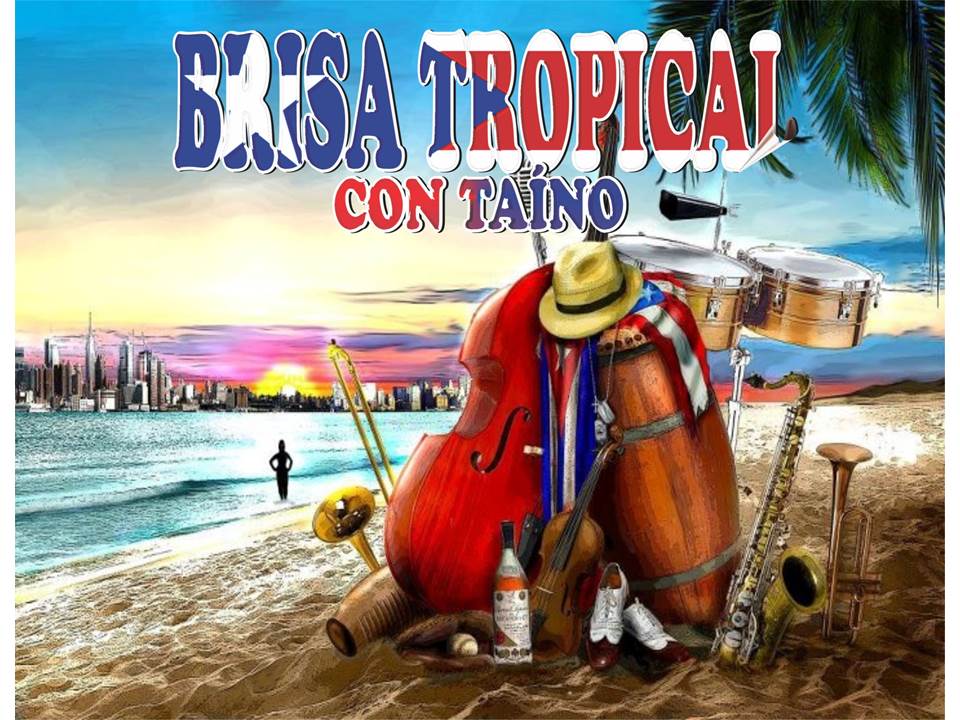
Brisa Tropical con Taino

North America / USA / Oklahoma

Brisa Tropical con Taino. The Oklahoma´s Salsero program in Spanish

For almost 30 years, the state of Oklahoma has among its ranks of entertainment, “Brisa Tropical con Taino”, the first spanish radio show with Salsero sound, made especially for the Latin community in the country.

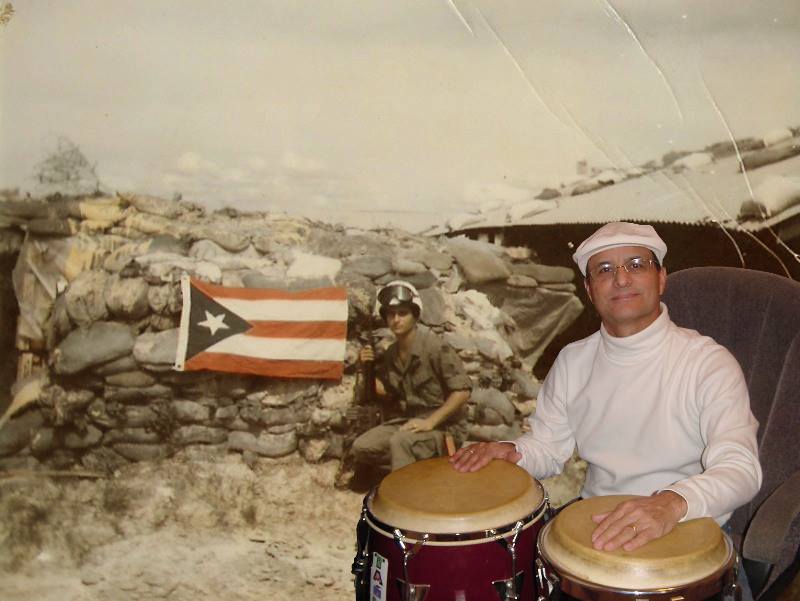
Its creator, founder, host and producer is the Puerto Rican Lino “Taino” Roldán Torres, a Disabled Vietnam and Persian Gulf wars Veteran, salsa lover, who together with his wife Carmen decided to undertake this project for the Latin market unattended for so many years.

Brisa Tropical with Taino

This pioneering program began its transmission for the first time in 1992, through the Amplitude Modulation (AM) dial. At first, this format had three hours of broadcast of only Tropical Music in its programming, novelty that made him a creditor of a preferential site in Frequency Modulation (FM) in 1995, with a duration of one hour in addition to the one established at the beginning in the AM circuit.

This way, Brisa Tropical con Taino had a total of four hours of continuous Latin music with advertising spaces, musical information and artists´ biographies, these transmissions lasted 18 uninterrupted years in that radio space.

Nam - Brisa Tropical con Taino
Nam – Brisa Tropical con Taino

“AN ANNOUNCER SHOULD FOCUS ON THE MUSIC AND LEAVE ASIDE ANY OTHER SUBJECTS THAT ARE NOT APPROPRIATE.”

Lino started with the idea of a Latin program for Latinos at a Local Radio Station when he arrived in Oklahoma after his work in the military in the early 90’s, at the same time, this retired military man with 23 years of service also worked as a DJ in two European countries: Italy and Germany. “… When I arrived to Oklahoma, I noticed the absence of a radio station in Spanish of tropical rhythms, such as Salsa, Merengue, Etc.

Taino in the studio
Taino in the studio

I went to several radio stations, but they were not interested in having a program in Spanish. I went to the commercial establishments of the city and told them about my idea that would bring them a market that was unexplored (the Hispanic market). The merchants and other commercial institutions immediately told me that they would give me their support. I presented the idea to an AM station, and they accepted it. (My goal was FM, but this opened the doors)”, Taino told us.

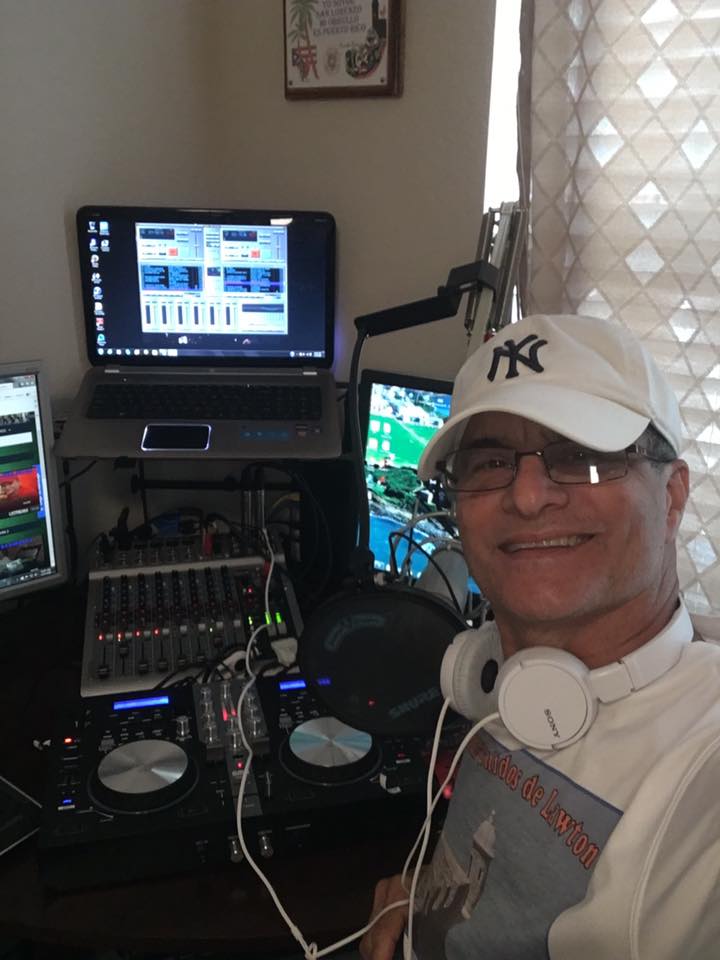
Currently, Brisa Tropical con Taino is developed only by network 2.0 since 2015, going from a Radio Program to a Digital Salsera Station with 24 hours programming each day with live interruptions between 10AM and 3PM, using that is commonly known as “Voice Track” for the rest of the time.

With this change, this interactive Web Station based in the city of Jenks, south of Tulsa in Oklahoma, has managed to obtain a loyal and numerous audience in Europe, the Caribbean, all of Latin America, the United States, and especially in remote areas such as: Iraq and Afghanistan, where the station fulfills a gratifying mission, as they carry greetings from the hundreds of soldiers deployed in those war zones to their relatives in the U.S. and Puerto Rico.

The also sociologist, Lino Roldan, along with his wife and great collaborating friends, are responsible for producing the varied programming for all Salseras generations all week, as well as to bring information capsules about Health, Consumer, Home Security, Maintenance of automobiles, etc., always with the firm purpose of bringing entertainment and, at the same time, education for the listening public.

Taino
Taino

“… LA SALSA LLEGÓ PARA QUEDARSE Y ES MUNDIAL”

This non-profit digital broadcaster is committed to the community, sponsoring Salsa events (without cost) such as: cruises and artist presentations, as well as helping to promote several activities of various organizations. In the same way, they are always present and united with the community in cases of emergencies such as natural disasters caused by the past hurricanes Mitch (1998) and María (2017), collaborating with the collection of food for the victims.

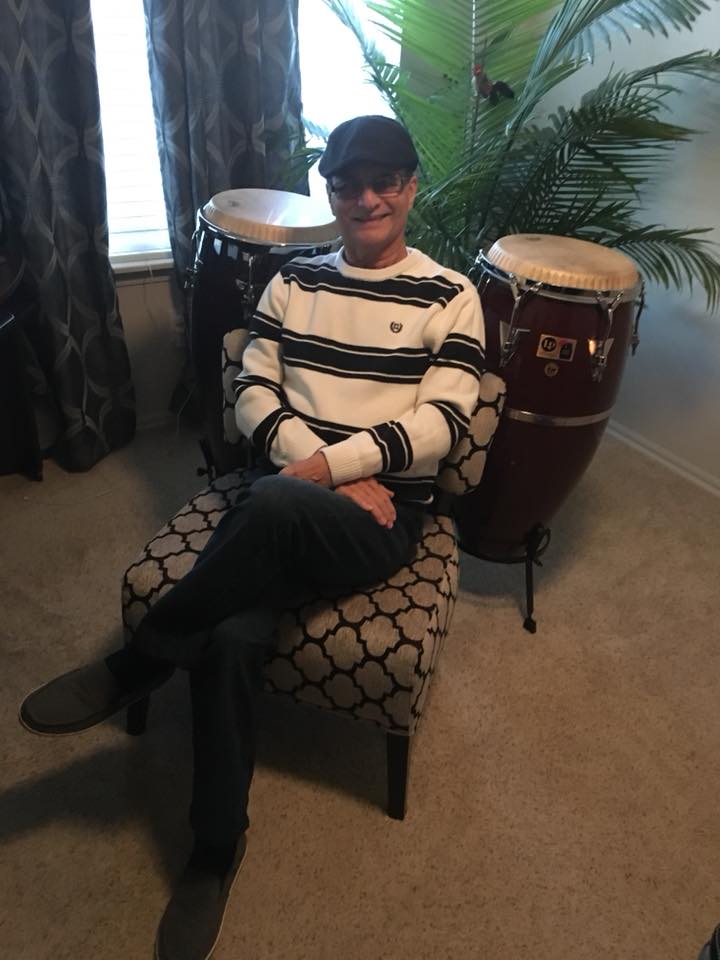
Lino “Taino” Roldán, as a good Salsa lover, hopes to continue praising this tropical music for many years, transmitting through his digital station different interpreters’ songs from all over the world, and to continue with this important work and pasion, Lino and Carmen need to raise $1000 in the account opened in “Go Fund Me” for maintenance expenses and music royalties that they promote. Would you like to help them?

Carmen and Lino Roldán - Brisa Tropical with Taino
Carmen and Lino Roldán – Brisa Tropical with Taino

“… AT MY AGE, PROJECTS AND GOALS ARE DONE EVERY DAY. I FEEL HAPPY WITH WHAT I DO”. Lino Roldán

For more information, please visit www.brisatropical.com or download the app for Smartphone Radio La Brisa Tropical.

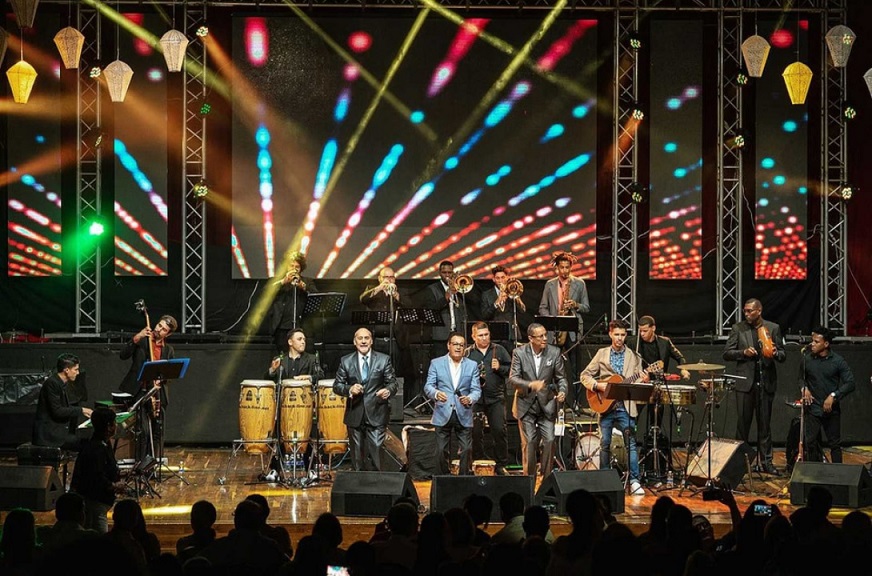
The great ‘Soneros Summit’ in Barranquijazz – Courtesy of Radio Nacional de Colombia

Latin America / Colombia / Barranquilla

Courtesy of Radio Nacional de Colombia of the Barranquijazz  2018 for International Salsa Magazine.

This is how the great ‘Cumbre de Soneros’ was lived in Barranquijazz this 15th of Sep-2018.

In a special gala that included the participation for the first time of the Antonio Arnedo Quintet, a determining musician in the languages ​​of Colombian jazz, in which he magnificently managed to introduce the public on a journey through the traditional sounds of the different regions of Colombia under that concept that has come to be known as World Jazz, the atmosphere was warming up for the enjoyment of one of the most vibrant nights of Barranquijazz 2018.

Photo of The great Soneros Summit in Barranquijazz

The first of the protagonists of the summit to go on stage was Hermán Olivera, the so-called ‘Sonero of the 21st century’, who demonstrated that he is indeed “the bridge between yesterday and today”, as he says in one of his proclamations in ‘ The heir to flavor’, a piece included on his solo album ‘La voz del Caribe’, a nickname given to him some time ago by Eddie Palmieri, the leader of the orchestra in which Herman has been a member for more than 20 years.

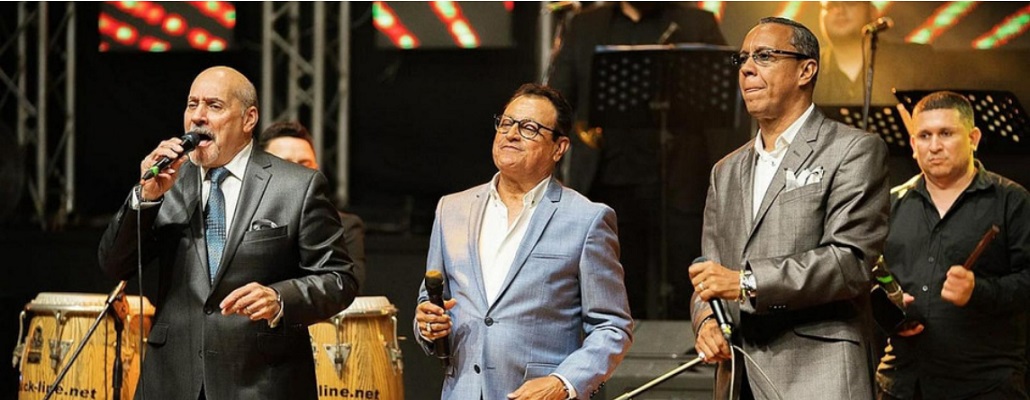
Then it was Ray de la Paz’s turn, who raised the level of the public’s enthusiasm after performing the greatest hits of his career, achieved together with the late arranger and conductor Louie Ramírez. The New Yorker exhibited his powerful voice with the pieces: ‘Everything collapsed’, ‘Only you and I’, ‘Liar’, ‘Let’s go from here’ and ‘Being in love’.

Later, the ‘Pretty Boy’ Ismael Miranda was present. In his greeting to the public he mentioned: “We saw that they did some brutal Olympics and the world found out”, referring to the Central American and Caribbean Games recently held in the arena.

Photo of the artists at the great Soneros Summit in Barranquijazz

Miranda performed ‘Caretas’, ‘The corners are’ and ‘Don’t tell me it’s too late’. For the closing, Ismael Miranda called Ray de la Paz and Hermán Olivera to the stage, and together they inspired their best soneos, wasting their talent on the song ‘Abran Paso’.

With this show of the highest level, Barranquijazz closed its cycle of galas.

By: Robert Tellez.

More information:

https://www.radionacional.co/noticia/musica/asi-se-vivio-la-gran-cumbre-de-soneros-barranquijazz

  • « Go to Previous Page
  • Page 1
  • Page 2
  • Page 3
  • Page 4
  • Page 5
  • Page 6
  • Page 7
  • Go to Next Page »

International Salsa Magazine (ISM) is a monthly publication about Salsa activities around the world, that has been publishing since 2007. It is a world network of volunteers coordinated by ISM Magazine. We are working to strengthen all the events by working together.