• Skip to primary navigation
  • Skip to main content

International Salsa Magazine

  • HOME
  • Previous editions
    • 2026
      • ISM / March 2026
      • ISM / February 2026
      • ISM / January 2026
    • 2025
      • ISM / December 2025
      • ISM / November 2025
      • ISM / October 2025
      • ISM / September 2025
      • ISM / August 2025
      • ISM / July 2025
      • ISM / June 2025
      • ISM / May2025
      • ISM / April 2025
      • ISM / March 2025
      • ISM / February 2025
      • ISM / January 2025
    • 2024
      • ISM / December 2024
      • ISM / November 2024
      • ISM / October 2024
      • ISM / September 2024
      • ISM / August 2024
      • ISM / July 2024
      • ISM / June 2024
      • ISM / May 2024
      • ISM / April 2024
      • ISM / March 2024
      • ISM / February 2024
      • ISM / January 2024
    • 2023
      • ISM / December 2023
      • ISM / November 2023
      • ISM / October 2023
      • ISM – September 2023
      • ISM – August 2023
      • ISM July 2023
      • ISM Edition June 2023
      • ISM – May 2023
      • ISM April 2023
      • ISM March 2023
      • ISM February 2023
      • ISM January 2023
    • 2022
      • ISM December 2022
      • ISM November 2022
      • ISM October 2022
      • ISM September 2022
      • ISM August 2022
      • ISM July 2022
      • ISM June 2022
      • ISM May 2022
      • ISM February 2022
      • ISM January 2022
    • 2021
      • ISM December 2021
      • ISM November 2021
      • ISM October – 2021
      • ISM September 2021
      • ISM August 2021
      • ISM July 2021
      • ISM May 2021
      • ISM April 2021
      • ISM June 2021
      • ISM March 2021
      • ISM February 2021
      • ISM January 2021
    • 2020
      • ISM December 2020
      • ISM November 2020
      • ISM October 2020
      • ISM September 2020
      • ISM August 2020
      • ISM July 2020
      • ISM June 2020
      • ISM May 2020
      • ISM April 2020
      • ISM March 2020
      • ISM February 2020
      • ISM January 2020
    • 2019
      • ISM December 2019
      • ISM November 2019
      • ISM October 2019
      • ISM Septembre 2019
      • ISM August 2019
      • ISM July 2019
      • ISM June 2019
  • Download Salsa App
    • Android
    • Apple
  • Spanish

Search Results for: Afro+dances

5th Rumba y Manana Afro-Cuban Festival in Cracow

Europe / Poland / Cracow

Rumba y Manana is a vibrant world of Afro-Cuban stories and legends coming alive in music and dance.
Rumba y Manana
Rumba y Manana

Rumba y Manana was born out of a pure passion for Cuban rumba and afro along with all they bring: roots, tradition, wealth of rhythms and movements, unlimited possibilities of interpretation, all the wide range of emotions and utility in the modern Cuban music and dance as well as all the amazing joy they bring.

  • We intend to create a place to develop and deepen your skills and knowledge of these dances, as we believe there is a true strength hidden in them.
  • We want them to become more and more popular, as they fully deserve it.
  • We want to share the joy and happiness of dancing them.
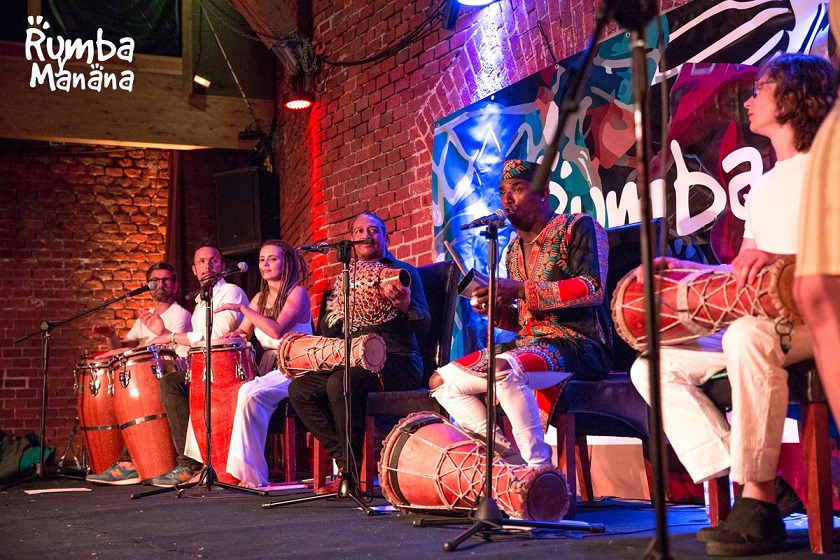
Rumba y Manana rumba in Cracow

We have also created another event to popularize rumba and Afro-Cuban dances: Sabado de la Rumba – a younger sister of Rumba y Manana. Sabado de la Rumba is a projector meetings with live music concerts and free-dancing accompanied by few workshops. We’ve hosted two editions of them in Cracow, where we always invite.

  • 3 workshop rooms , two of them with live music!
  • 4 levels of teaching : begginers, open, advanced, masterclass
  • One workshop room dedicated to Salsa
  • 3 salsa cubana parties with the best DJ!
  • Live Concert & Orisha show
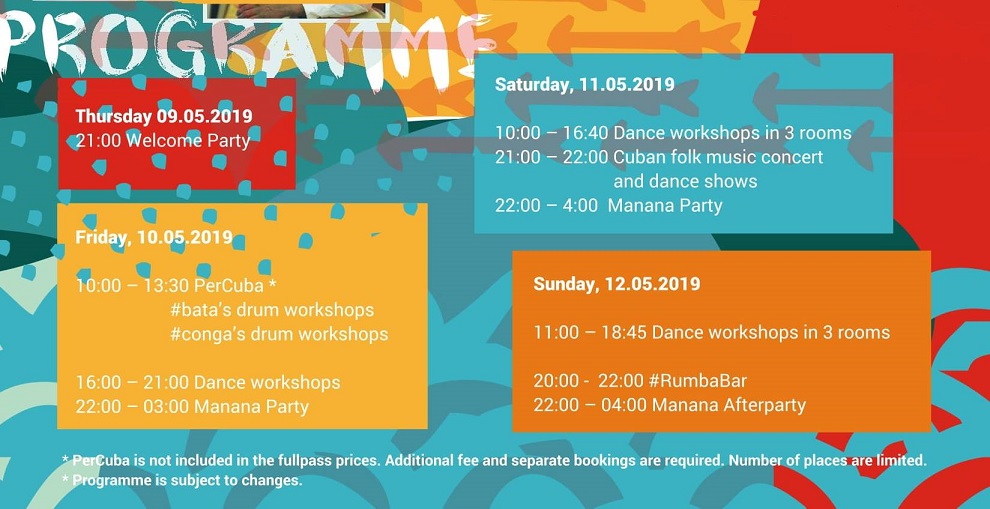
Rumba y Manana Programm

Tickets & Programm: http://rumbaymanana.pl/

Tips for the Latin dances “Salsa”, “Bachata”, “Merengue” and “Lambada”

To be able to socialize and have fun, many people learn different activities that can attract others either in their daily routine or during a rest time they have; among those activities is music and dance, where the person can interact with their neighbor and / or partner (a) either by practicing it or simply talking about the subject.


Dancing is simply the act of performing a dance, where a person uses his or her body to perform movements to the beat or to the rhythm of a music or melody, in order to express a message, by tradition or with the aim of entertaining oneself; of course, in order to practice it, body communication is very important because the couple or group needs to know certain signals that indicate the “when” or “how”, in order to perform the steps and as a result the success of this performance will test the quality, maturity and growth of the dancers; and to perfect the technique the best thing they could do is to look for an academy where they can orient them and thus achieve their equilibrium either as a couple or as an individual.

However the dance is not something monotonous, it has different musical genres and on this occasion we will talk about La Salsa, La Bachata, El Merengue and a little known but at the same time very interesting rhythm called Lambada.

 The tenses in these 4 musical genres are different, for example:


  • The Lambada is a dance that comes from Brazil although you still have doubts about its exact origin.  Another influence of its development came from Caribbean music adding metal drums, electric guitars making this a unique musical experience.  It has a degree of popularity in Europe because it is exotic and uncommon due to certain characteristics la Lambada that there are traces of flamenco and other ancient Spanish dances.  The Lambada uses a three (3) beats, where the first 2 are fast and the third (3rd) is slow, with simple steps dancing either in the same place or on the side, showing momentum and interest where the dancer is looser, flexible and docile, whereas the woman is full bodily movement and should be guided by her partner, as if the woman were clay in the hands of the potter.
Lambada dance
Photo of a Lambada dance contest
  • La Salsa is an Afro-Caribbean rhythm and dance fused with jazz and other styles.  Its birth has been much debated, but it is known that it comes from a fusion carried out by the inhabitants of the Caribbean when they listened to European music and then mixed it with their drums, it is a rhythm with flavor, joy and the force of life, a very common characteristic when it comes to party, which one can associate through the salsa songs. The Salsa handles a four (4) beat beat beat, either side to side or back and forth, it can also be crossed (as if you draw a “V” with the 2 and 3 in the middle) and the turns in both dancers can be from simple to complex as you progress level in (a dance academy), citing the textual words of Glenis is a rhythm where the woman It’s man-guided, so if you want to blame her for a misstep, you know who to blame.
Salsa Pose
Photo of a couple dancing Salsa
  • The Merengue is a dance from the Dominican Republic, becoming a Caribbean and Latin rhythm, it is one of the easiest rhythms to learn to dance even without experience, since it is not as fast or strict as the “Salsa” is, its movement can be back and forth, or side to side, always adding very noticeable hip movement with the rest of the body although not as exaggerated as bachata or kizomba; giving it a touch of flavor and flavor.  It is required to do this a close dance with your partner that when salsa is danced, facilitating the fluency of the couple at the time of moving and so be more synchronized, of course it is that not all the time is like this, the trick is the synchronization of the couple’s steps; usually it resembles the turns of the salsa with the merengue.
Meringue Competition
Photo of dancers dancing Merengue

There are many types of dances in each country and in its academies and-or dance venues, which have their own rules, tips, names and steps to follow, what matters is that you achieve the ultimate goal which is to “dance” by holding classes regularly, following the advice of your teachers, practicing your technique outside your classes, dedicating time to improve your dance skills specific, improve your postures, exercise without abusing it getting your rest time and above all observe outstanding dancers of different styles, this way you will be able to achieve your goals without staying on the path of learning.

Yehudry N. Perdomo M.

North America / USA / New York

High performance athlete in rhythmic gymnastics and professional dancer. Bailoxtreme master trainer and salsa fitness instructor. Yehudry was born in Caracas, Venezuela from a family where salsa was heard as the first and even only option. Surrounded by dancers, she began to enjoy this genre as well and began taking dance classes to stop being an amateur and prepare for a professional level.

His first academy was Latin Images, directed by Arelis Guevera and Remmys. After going through several academies, it was at Grizzly Dance Company where he learned about existing dance styles such as in L.A, Puerto Rico and New York, but never forgetting his style. LOVER OF SALSA IN ALL ITS VERSIONS.

Yehudry N. Perdomo M

Her salsa roots come from the neighborhood, although thanks to her performance as a gymnast, she maintains a very beautiful and impressive elegance when dancing, merging sport with dance. His first international presentation was in 2013 at the Peru Salsa Congress with the dance company where he began his career.

Today he is dedicated to fitness but his passion for salsa did not end there, as he created a training system called BAILOXTREME where salsa gained strength due to its unique way of training and dancing simultaneously in time of 1. This training system has generated that more people are interested in salsa and in taking classes in various consecrated academies in Venezuela and now internationally.

Today, Yehudry lives in Miami making this project grow but always remembering and respecting those who helped her grow professionally. Below you can learn more about this incredible dancer from a conversation she had with our ISM team…

What led you to choose Latin Images as your first dance academy?

The proximity to my home and the recommendation of dancer friends who are members of that company.


Did you always know that your passion for salsa surpassed rhythmic gymnastics?

It is not surpassed today by Salsa Fit or Fitness as it is currently called, it is Latin dance applied to Fitness and Gymnastics is a high-performance sport, I cannot choose between one and the other. Each one has marked a stage in my life. Currently I am not an athlete, now I am a training coach and a professional dancer, what I did was to unite both sports style and culture and the result was excellent.


Where do you think your salsa roots came from?

I really think that from my Maternal Grandmother, a beautiful black woman with a religious family, lovers of Afro-descendant music, she was the one who gave all her children that love for Salsa and Afro dances. I even have a musician uncle.


How was the creation of Bailoxtreme?

Well it’s very funny, but it was a coincidence. Some ladies were dancing and exercising in a park alone because their coach didn’t show up. And I offered to teach him that day. From there to here, what were 10 ladies became almost 300 in an area where there could only be 100 perhaps.


If you could choose a gymnastics idol and a salsa idol, which one would it be?

Definitely Almudena Cid and Nadia Comanecci.

Oscar d’ Leon, Raphy Leavit, Celia Cruz, Tito Puentes.

Bailo Xtreme - Yehudry N. Perdomo M
Bailo Xtreme – Yehudry N. Perdomo M


Would you see yourself performing with them doing bailoxtreme?

It would be an honor and an indescribable charge of energy to be able to exercise and learn to dance salsa with live music.


What’s next in Yehudry’s life?

I am currently recording a Cuban series that talks about the story of a revolutionary Fidelista who emigrates to Miami. This will be streamed on Netflix.

There I am a dancer who is kidnapped to pay a debt and it is a new challenge. I loved the experience and I’m already thinking about Salsa Pole fit, Something will come out (laughs)


For all the people who are reading us, tell them where they could practice this method?

In which dance academies? Both in Caracas and in Miami.

Bailo Xtreme logo - Yehudry N. Perdomo M
Bailo Xtreme logo – Yehudry N. Perdomo M

In Caracas you must communicate with the certified instructors in Bailoxtreme through their social networks or my instagram account @Yehudryfit_dancer

In Miami at Rise Health & Fitness

And Personalized at Country Club Towers gym Hialeah, FL.

10th Festival Salsa Cubana

Europe / Germany / Munich

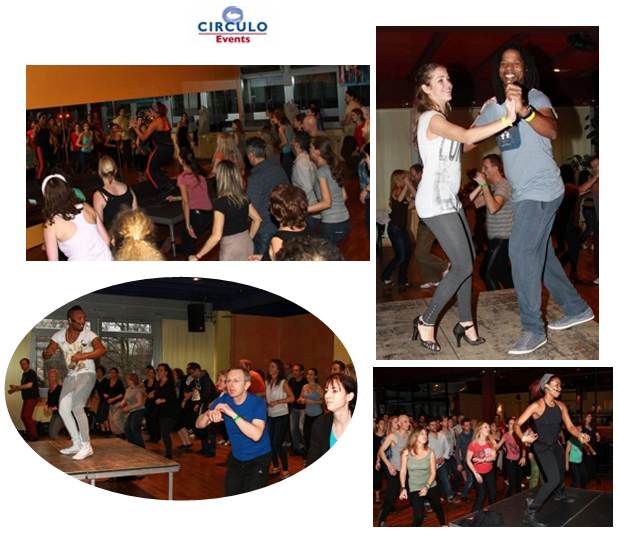
Circulo Events presents 10th Festival Salsa Cubana

Circulo Events presents 10th Festival Salsa Cubana
Munich - Germany / January 27th - 29th 2017

“In January 2017, Munich will be able to experience a high class weekend full of dance and music, again. Inspired by “Baila en Cuba”, the annual dance and music event in Havana (Cuba), we brought this festival to life. And moreover we want to import a part of the wonderful atmosphere of its big Cuban counterpart to Munich”…

Cuban atmosphere and total joy of life!

Let yourself get carried away and dive into the world of Salsa & Co.

“Salsa Cubana is more than a dance – it’s an attitude towards life! Who does not inevitably associate typical Cuban music, Cuban ambience and Son cubano (the most traditional of all Cuban dances) with these words?

Festival Salsa cubana stands for this very diversity. No matter if dancer, music lover or just fancier of the Caribbean atmosphere – you will get your money’s worth!

This year again with the Percussion Ensemble Live: Drums Secret”

http://www.festival-salsa-cubana.de/en.html

This winter’s music and dance event!

  • Top event for all dancers in and around Munich! • Salsa, Afro, Reggaeton and a lot more!
  • Great party with show acts!
  • Taster’s session Salsa Cubana
  • Rueda de Casino: Dancing Salsa with other couples in a circle. Nice combinations with the exchange of the dance partners provide pure fun!
  • Up to 50 workshops with the best in class instructors • For all dancers and future dancers a “must do”: authentic teaching with guest instructors! From beginner to masterclass!
  • Awesome and high class parties and show acts!

http://www.festival-salsa-cubana.de/en/the- festival.html

WORKSHOPS

WORKSHOPS - 10th Festival Salsa Cubana
WORKSHOPS – 10th Festival Salsa Cubana

Up to 70 lessons in 5 rooms. Be inspired by the best teachers and artists and enjoy a weekend very special cuban weekend!See the workshops schedule at:

http://www.festival-salsacubana.de/en/festival/kursplan.html

Workshop Topics and ContentFestival Salsa Cubana offers up to 70 high class workshops and training lessons!

  • Salsa elegante / Musicalidad en la Salsa
  • Salsa figuras / Nudos en la Salsa
  • Salsa con rumba – Rumba en la Salsa!
  • Salsa con pasitos / Pasitos en la salsa • Rueda de Casino
  • Son cubano
  • Manstyling
  • Ladystyling
  • Salsa suelta
  • Cubaton/Reggaeton
  • Afro – Movimientos afrocubanos • Afro-cuban Dances (ACD)
  • Makuta / Palo
  • Guaguancó – black soul of the Cuban Salsa!
  • Columbia
  • Bantu
  • Shangó
  • Ογά
  • Kizomba
  • Semba

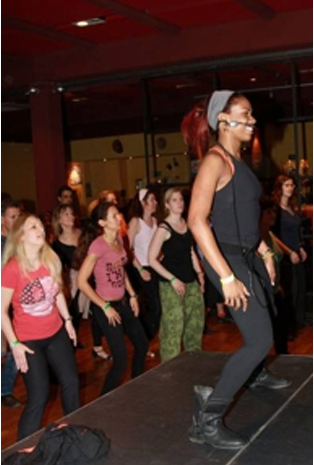
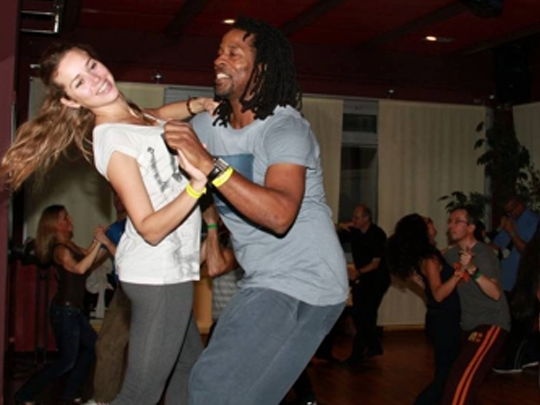
Photo 1: 10th Festival Salsa Cubana

Photo 2: 10th Festival Salsa Cubana

See the information about workshop content and topics at: http://www.festival-salsa-cubana.de/en/festival/kursinhalte.html

Location

The festival is located in the rooms of the CIRCULO. CIRCULO is the biggest dance shoool for Salsa Cubana in Munich. Additionally, as a salsateca, with legendary salsa parties and a lot of Salsa live concerts, CIRCULO is an integral part of Munich’s salsa scene. CIRCULO’s address is Rosenheimerstrasse 139, in Munich. With its seven, highly equipped rooms, it is predestined for the realization of all classes and parties that are part of the Festival Salsa Cubana.http://www.festival-salsa-cubana.de/en/location.html

See more information at:

  • http://www.circulo.de/
    http://www.festival-salsa-cubana.de/en.html
    https://www.facebook.com/events/1121917691219559/

The Cajón throughout history

The main artists who put on a show always get the lead on stage, but nothing much is being said about the instruments accompanying them, which are a fundamental part of music as we know and enjoy it. One of these is the cajón, which has a most interesting and a little bit controversial origin, so there are certain considerations to express this regard.

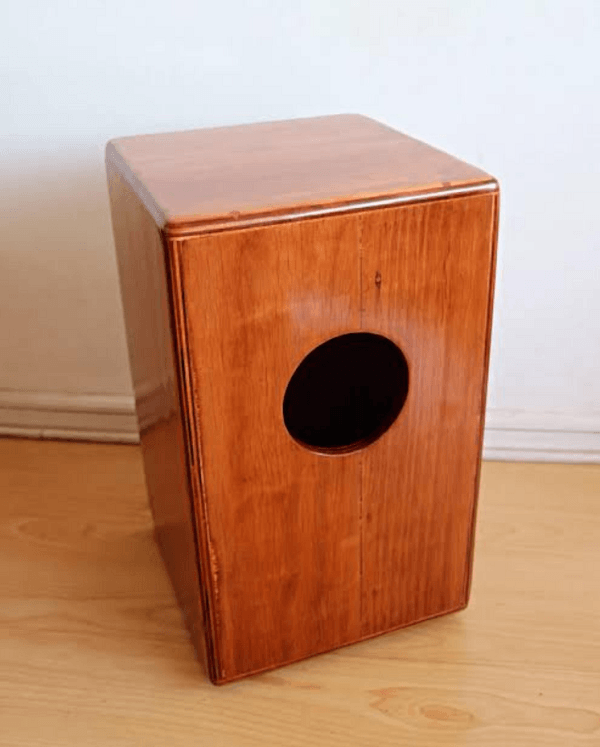
This is the cajón
This is how the cajón looks today

What is the cajón?

The cajón, also known as the Paruvian cajón or flamenco cajón, is a percussion instrument consisting of a wooden box on which the musician sits and taps with his fingers and palms to produce the desired sounds, whether bass or treble. On certain occasions, it is used as a substitute for the drum kit and has gained popularity in jazz, flamenco, and some Latin genres. 

One reason it is so popular is because of its versatility, transportability, and ease to be played, even if the musician does not have much experience. Therefore, many prefer it to the drum kit, which is bigger and more cumbersome in certain cases.

Origins of the cajón

What is known about the origin of the cajón is that by the end of Spanish colonization, African slaves bound for America were not allowed to use their drums because the Catholic Church saw them as sinful and pagan tools. Not to mention that these prisoners also used these drums to communicate with each other, which is why the Spanish nicknamed them “talking drums.”

This led to the aforementioned instruments and several of their musicians being burned. Not to mention that slavers wanted to ban black songs that sent messages about slavery through their melodies. 

By the early 1800s, there was absolutely no record that the drum had existed in what we now know as Peru, and any viceregal document mentioning it disappeared. However, there is evidence of the existence of the cajón from 1840, and it is believed that the first to use it were Afro-Peruvians. 

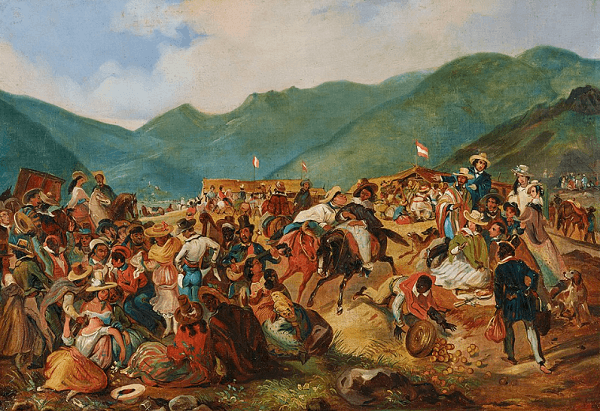
fiesta de amancaes with the cajón
Painting by the German Painter Mauricio Rugendas on the occasion of the “Fiesta de Amancaes”

Afro-Peruvians encompass a collection of African ethnic groups who, unable to express themselves through music as they did before, had no choice but to find other instruments with which they could do so. They then saw wooden crates used to transport goods as a way to do percussion and thus continue to practice their sacred rites and play their music.

Initially, the cajones were used to play coastal and traditional dances to central and north Peru, which gradually popularized them. They also began to be used to play the “Fiesta de Amancaes,” which is a Limean festival held during the time of the Viceroyalty. This event usually brought together horse breeders, artisans, and bohemian musicians from the north and center of the country.

The arrival of the cajón in Spain

Many years later, specifically the year 1977, the cajón arrived in Europe. It was Spanish flamenco composer and guitarist Paco de Lucía who discovered the instrument during a tour of Latin America when he attended a reception hosted by the Spanish ambassador at the time. On that occasion, Paco heard Brazilian musician Rubem Dantas play it during a show by singer-songwriter Chabuca Granda, and he instantly realized that those sounds combined very well with flamenco percussion, which was always done with the palms, although it was not as consistent and precise as required. The cajón achieved this without a hitch. 

It is for this that Paco decided to take the cajón to his country and only added some inner strings to adapt it and tinge its sounds, thus becoming one of the most important elements of a flamenco show today. Both Paco and Rubem decided to release it at an open-air concert at the Parque de Atracciones de Madrid of the Casa de Campo, and the Peruvian instrument was a resounding success, marking the beginning of its addition to flamenco guitarists’ shows.

At the time, Paco said that this contribution to flamenco culture in his country made him very proud and with good reason, as it was a great revolution that continues to bear fruit.

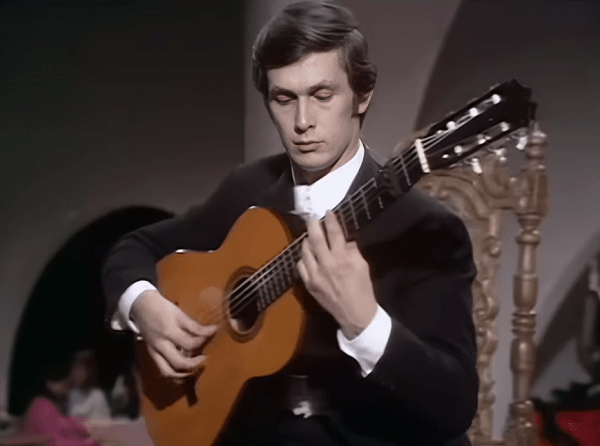
Paco de Lucía playing
Paco de Lucía playing a guitar solo

The cajón today

Today, the flamenco cajón has three screws that allow the musician to adjust the tone and a system of strings that gives the Peruvian version a different resonance and offers a range of many different sounds in which the musician’s body plays a very important role. The Peruvian version remains the most traditional of all because it gets no strings and its sounds are deeper, while the Spanish version incorporates strings or bourdons in order to make more tearing and vibrant sounds.

There are also more modern versions that include the use of drumsticks and pedals to expand their sound range a lot further.

Read also: Creator of Salsa Vida Takeshi Young graced us with his presence in International Salsa Magazine

  • Page 1
  • Page 2
  • Page 3
  • Interim pages omitted …
  • Page 9
  • Go to Next Page »

International Salsa Magazine (ISM) is a monthly publication about Salsa activities around the world, that has been publishing since 2007. It is a world network of volunteers coordinated by ISM Magazine. We are working to strengthen all the events by working together.