• Skip to primary navigation
  • Skip to main content

International Salsa Magazine

  • Home
  • Previous editions
    • 2025
      • ISM / November 2025
      • ISM / October 2025
      • ISM / September 2025
      • ISM / August 2025
      • ISM / July 2025
      • ISM / June 2025
      • ISM / May2025
      • ISM / April 2025
      • ISM / March 2025
      • ISM / February 2025
      • ISM / January 2025
    • 2024
      • ISM / December 2024
      • ISM / November 2024
      • ISM / October 2024
      • ISM / September 2024
      • ISM / August 2024
      • ISM / July 2024
      • ISM / June 2024
      • ISM / May 2024
      • ISM / April 2024
      • ISM / March 2024
      • ISM / February 2024
      • ISM / January 2024
    • 2023
      • ISM / December 2023
      • ISM / November 2023
      • ISM / October 2023
      • ISM – September 2023
      • ISM – August 2023
      • ISM July 2023
      • ISM Edition June 2023
      • ISM – May 2023
      • ISM April 2023
      • ISM March 2023
      • ISM February 2023
      • ISM January 2023
    • 2022
      • ISM December 2022
      • ISM November 2022
      • ISM October 2022
      • ISM September 2022
      • ISM August 2022
      • ISM July 2022
      • ISM June 2022
      • ISM May 2022
      • ISM February 2022
      • ISM January 2022
    • 2021
      • ISM December 2021
      • ISM November 2021
      • ISM October – 2021
      • ISM September 2021
      • ISM August 2021
      • ISM July 2021
      • ISM May 2021
      • ISM April 2021
      • ISM June 2021
      • ISM March 2021
      • ISM February 2021
      • ISM January 2021
    • 2020
      • ISM December 2020
      • ISM November 2020
      • ISM October 2020
      • ISM September 2020
      • ISM August 2020
      • ISM July 2020
      • ISM June 2020
      • ISM May 2020
      • ISM April 2020
      • ISM March 2020
      • ISM February 2020
      • ISM January 2020
    • 2019
      • ISM December 2019
      • ISM November 2019
      • ISM October 2019
      • ISM Septembre 2019
      • ISM August 2019
      • ISM July 2019
      • ISM June 2019
      • ISM May 2019
      • ISM April 2019
      • ISM March 2019
      • ISM February 2019
      • ISM January 2019
    • 2018
      • ISM December 2018
      • ISM November 2018
      • ISM October 2018
      • ISM September 2018
      • ISM August 2018
      • ISM July 2018
      • ISM June 2018
      • ISM May 2018
      • ISM April 2018
      • ISM March 2018
      • ISM February 2018
      • ISM January 2018
    • 2017
      • ISM December 2017
      • ISM November 2017
      • ISM October 2017
      • ISM September 2017
      • ISM August 2017
      • ISM July 2017
      • ISM June 2017
      • ISM May 2017
      • ISM April 2017
  • Download Salsa App
    • Android
    • Apple
  • Spanish

Search Results for: Afro dances

Nahití Ortega. Dance is her Passion and Life

Latin America / Venezuela / Caracas

Nahiti Ortega, is a Venezuelan with exceptional talent, more than 25 years as a performer of traditional Venezuelan dances, this time International Salsa Magazine has the privilege of conversing with this artist of international stature.

She began her Dance studies in the Popular Culture workshops of the Bigott Foundation, taking classes in different regions of the country.

Nahiti Ortega
Nahiti Ortega

It also conducts courses in other international dances such as: African, Colombian, Cuban, Argentine, Dominican, Bolivian, Brazilian, Chilean, among others.

She expands her knowledge by taking other workshops on dance accessories, body expression, rhythm, dance analysis, theory of popular culture, anti-stress elements of music and singing, vocal technique, artistic makeup, stage costume design, organization of special events, corporate image, online tradition, training of teletrainers, pedagogical resources of a virtual classroom: moodle among others.

Augusto: What does dance mean to you personally?

Nahití: Dance is life…

Life begins with a dance, since we are conceived, we dance when a child is inside his mother’s womb, when the earth turns on its own axis, when the waves of the sea reach the shore, when the wind blows and moves the leaves of the trees… in all those movements a beautiful dance is produced, as well as life itself.

“The Dance is so important that the celestial heroes created the world with the power of the dance, and the whole earth is the magical work of the first dancers. The very existence of human beings is the result of the dance. Therefore, dancing is ensuring the continuation of existence” (Morela Maneiro)

For me, dance is a way of life that connects me with the depths of my being and allows me to undress and show myself as I am. My movements are the physical expression of everything intangible that happens to me. By moving I highlight the relationship I have with myself and with my surroundings.

Augusto : Is there or was there any guide that inspired you to this art?

Nahití : My father has always been my inspiration and my guide; Since I was little I always wanted to dance, one day he asked me, do you really want to dance? and I said yes, it was then he who took me by the hand to study dance and introduce me to this wonderful world.

Throughout my career I have had incredible teachers, which I must mention Professor Freddy Medina who, due to his discipline, demand and dedication, I learned to differentiate and perform a large part of our traditional dances and Omar Orozco who taught me that dance, beyond if interpreted, it serves us for life itself.

Augusto: Name me the best anecdote in your career, nationally and internationally

Nahiti: Hahaha… Woow! Throughout my career I have had many anecdotes, I can tell you a few:

One of the ones I remember right now was in a presentation with Master Cheo Hurtado where I had to show the difference in the execution of the Venezuelan Joropos, when I got to the dressing room and took out the costumes I realized that I had two shoes on the same foot, namely; I had two right shoes, you can imagine my frightened face, after this I had a fit of laughter and my friend Rossmary Rondón, also a dancer, seeing the situation and my reaction, asked me if I was crazy, why was I laughing?…

? and I replied “because I still have to solve it and I don’t do anything to bother myself”. Finally I danced with my two identical shoes and nobody noticed that detail, only she and I knew. And everything went well.

Another was on a long tour of Asia, we were in Korea and we did 3 shows a day, I remember that on the third of the day we did the monkey dance, in this piece we invited the public to join in, in the performance we threw ourselves on the ground and then we couldn’t stop quickly due to fatigue and it made us laugh a lot, the public had to act by imitation and since they didn’t know what was happening, they ended up getting our laughter.

Augusto : Was your father an influence on your work?

Nahití : Undoubtedly yes, I greatly admire my father, he is a great artist one of the best in his style, he has always been a reference in the musical field, I have learned that with discipline, perseverance, dedication and love for what you do you can achieve the proposed goals, my father currently has more than 50 years of uninterrupted artistic career, which shows that his formula works.

Augusto : Tell us a little about your career as a teacher

Nahití : In my classes I usually teach the origin of the dance to be worked on, the main body movements, basic steps and choreographic sequences, depending on the level, as well as breathing and physical preparation for each dance. I also introduce the student to the personal search so that he can achieve his own style and projection.

Augusto : We express, how was your work as Artistic Director of Vasallos de Venezuela?

Nahití : I like to stimulate the members mentally, we create a world together with some characteristics and rules. For me, each body has a story to tell, each one has particular movements acquired through their experiences that they can contribute, so I try to find ways in which the members can identify with the motivation, get involved and feel willing to propose. What I seek is to find during the process, movements that adapt to what I propose.

I also like to work a lot on muscle memory through repetition, to make the movements non-robotic. We work deeply, the gestures and the staging is important for each one to take out and project their personal style.
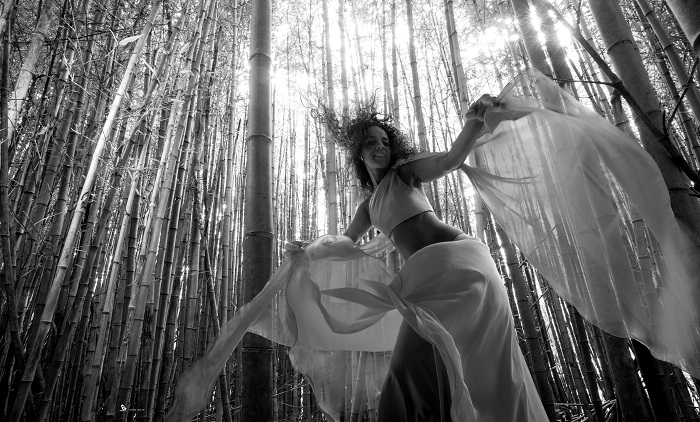
Nahiti Ortega
Nahiti Ortega

Augusto: Do ​​you have future projects?

Nahití: Many projects, tours, concert that I won’t tell you details for cabal hahaha…

Augusto : Explain your experience as manager of Coco y su Sabor Matancero

Nahití : It is really wonderful, seeing how successful my father’s career has been and now his Manager, it is a great commitment, all the years of experience in the artistic world made me worthy of this responsibility. In this short time we managed to record his new record production entitled “Con Todo” in which we managed to bring together great artists such as: Mariana “La Sonera”, Wilmer Lozano, Rodrigo Mendoza and El moreno Michael, and we have already visited several countries for its promotion. , United States, Chile, Peru and Panama, we have just performed a concert in one of the best venues in Venezuela, just as we performed its baptism.

Nahití Ortega, has a long history at the National and International level, has an extraordinary personality that transmits joy, good vibes, harmony, feeling for what she does that comes straight from the heart, taking into account her particularity and professionalism of the teachings of her dad.

He began his activities in the field of Popular Culture by participating in the Agrupación la Patria y su Gente led by Professor Freddy Medina for three years; In 1994, she participated as a special guest of the Agrupación Autochthono de la Vega in the “Barcelos Festival”, belonging to the CIOF – UNESCO circuit, in the countries of Portugal and Spain.

In 1995 he joined the group with Venezuela directed by Professor Oswaldo Lares in which he worked for four years, participating in the “Caribbean Festival 95” in the cities of Cancun, Cuzumel, Playa El Carmen, State of Quintana Roo – Mexico, in 1996, he carried out the Afro-Venezuelan percussion workshop in the Popular Culture workshops of the Bigott Foundation, dictated by Professor Jesús Paiva, with a duration of three years.

She participated as a dancer in the Oscar D´ León video clip “Mírala Como se Menea”, as well as in the Venezuelan film “Juegos Bajo la Luna”, directed by Mauricio Walerstein.

In 1995 he joined the group with Venezuela directed by Professor Oswaldo Lares in which he worked for four years, participating in the “Caribbean Festival 95” in the cities of Cancun, Cuzumel, Playa El Carmen, State of Quintana Roo – Mexico, in 1996, he carried out the Afro-Venezuelan percussion workshop in the Popular Culture workshops of the Bigott Foundation, dictated by Professor Jesús Paiva, with a duration of three years.

She participated as a dancer in the Oscar D´ León video clip “Mírala Como se Menea”, as well as in the Venezuelan film “Juegos Bajo la Luna”, directed by Mauricio Walerstein.

In the teaching area, he has taught traditional dance workshops at a national and international level.

As well as accessories for dance, body language, dance therapy, clothing, basic stage makeup, artistic makeup, staging, among others.

Among the institutions in which he has given workshops we can mention some such as: Popular Culture Workshops of the Bigott Foundation – Venezuela University of the Arts in Lima – Peru.

Simon Rodriguez University. Nucleus Barquisimeto -Venezuela

She has done work as a dancer, choreographer, image consultant and producer for various groups.

In 1993, he joined the group “Vasallos del Sol” of the Bigott Foundation under the direction of Professor Omar Orozco.

In 2000 she joined Danzas Itanera, as a dancer, costume designer and image consultant for the group.

He has shared the stage with artists such as: Serenata Guayanesa, Un Solo Pueblo, Francisco Pacheco y su pueblo, Simón Díaz, Cruz Tenepe, Vidal Colmenares, Cristóbal Jiménez, Gurrufio, El cuarteto, Caracas Youth Symphony Orchestra, Chamber Orchestra of the Armed Forces , Coco y Su Sabor Matancero, Oscar de León, Guaco, Invisible Friends, Aquiles Báez among others.

He has toured the entire national territory, appearing on countless stages with participation in international festivals. In 2009, she participated as a dancer and workshop facilitator at the X Meeting for the promotion and dissemination of the intangible heritage of Ibero-American countries “Fiestas and Rituals” in Lima, Peru. Currently Manager of Coco y Su Sabor Matancero and dance and artistic director of the Vasallos de Venezuela group.
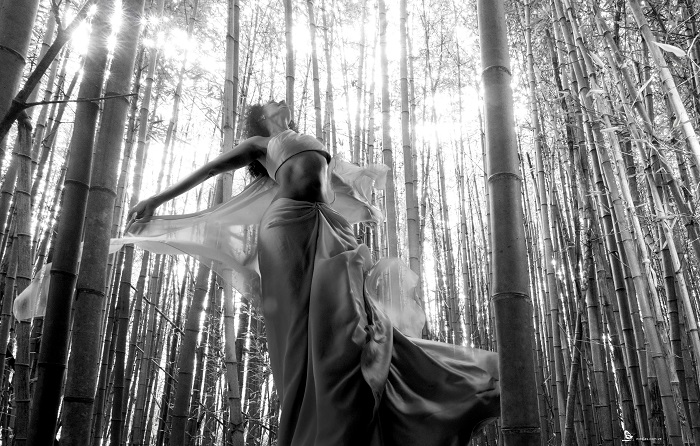
Nahiti Ortega
Nahiti Ortega

Photos courtesy of Nahití Ortega

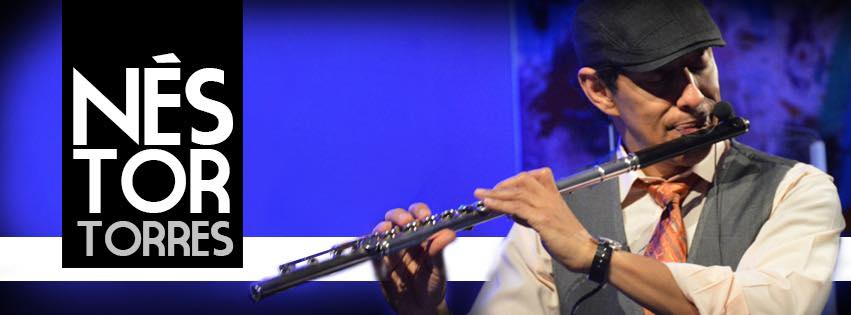
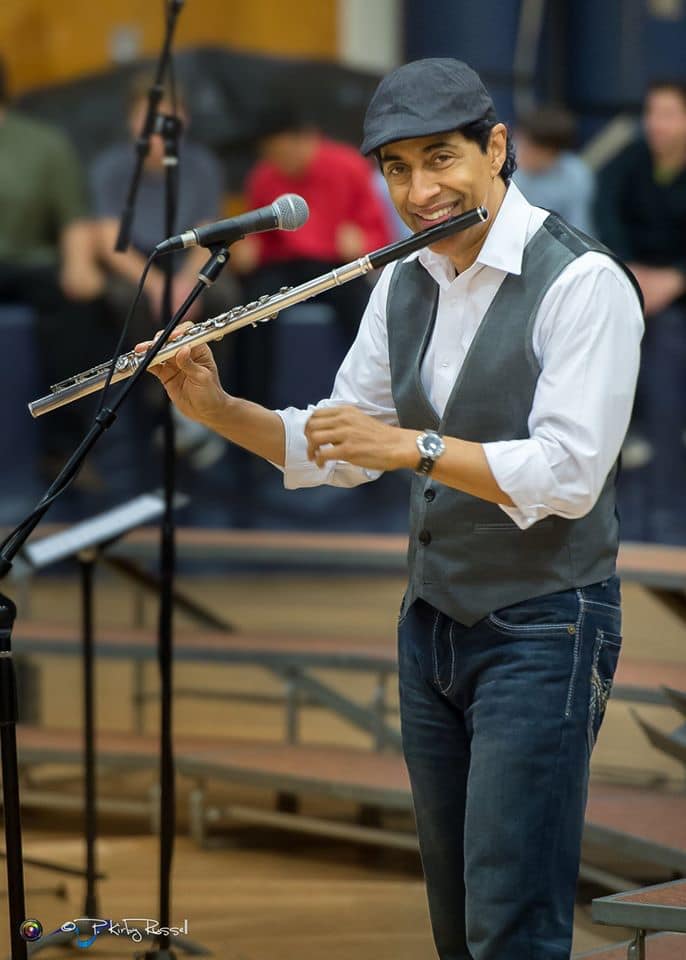
Nestor Torres

North America / USA / New York

If a flute could talk and sing, it would certainly be in the voice of Nestor Torres

If a flute could talk and sing, it would certainly be in the voice of Nestor Torres, for he speaks through his instrument. Equally fluent in Jazz, Classical and Latin sounds, his fluid versatility sets him apart.

Nestor Torres
Nestor Torres

Nestor’s total command of his instrument allows him a freedom of expression that is at once captivating and liberating, powerful and genuine.

Born in Mayaguez, Puerto Rico, Nestor Torres has played music all his life. His parents (His father, a gifted musician himself, and his mother, an educator and business woman) gave him a set of drums at age 5, and later took up the flute (at age twelve).

He moved to NYC with his family in his teenage years and went on to study at Mannes School of Music and later at the New England Conservatory of Music in Boston.

At that time he was also able to learn to improvise in a style of Cuban Dance music called ‘Charanga’, which helped to shape and develop Nestor’s melodic and danceable sound.

In 1981, Nestor moved to Miami, where he continued to develop his unique sound – and a strong following. Since then he has – and continues to – tour all over the world.

He has also performed and recorded Ricky Martin, Tito Puente, Herbie Hancock, Gloria Estefan, and many more.

Nestor Torres has recorded 14 Cd’s to the date. His 5th & 7th records, Treasure of the Heart and My Latin Soul, were nominated for a Latin Grammy, and his production This Side Of Paradise won the Latin Grammy award in the Pop instrumental category on September 11, 2001.

“Of course it was a great honor and privilege to win the Grammy,” Torres reflects. “That being said, the fact that I was to receive it on 9/11 gave my work and my music a stronger sense of mission and purpose. Terrorism and violence come from ignorance, anger, and hopelessness.

Music inspires and empowers; it soothes the human heart and enlightens the spirit. I have made it my prime point to create music and live my life in a way that does just that.”

From that experience, together with a commission to compose and perform for the Dalai Lama, Nestor Torres produced Dances, Prayers & Meditations For Peace in 2005.

In his brand new CD, Nouveau Latino, Nestor Torres returns to his Latin roots with a fresh approach, impeccable musicianship, and irresistible improvisations. Featuring songs from stars like Celia Cruz and Ruben Blades, Torres’ interpretations of these great Latin hits appeal to those discovering the songs for the first time as much as those who remember them.

In addition to his achievements in the studio and on the stage, Torres is also recipient of two honorary doctorate degrees; one in 1994 from Barry University, and the other in 2000 from Carlos Albizu University, for his commitment to youth education and cultural exchanges.

Nestor Torres
Nestor Torres

NESTOR TORRES: Facts & Career Highlights

• Classical and Jazz flute studies at Mannes School of Music, and New England Conservatory of Music.

• Early improvisational ‘on the job training’ playing in Cuban and Latin Dance bands including Ray Barretto, Eddie Palmieri, Celia Cruz and Tito Puente.

• Regular featured guest at the ‘Salsa Meets Jazz At The Village Gate’ series in NYC.

• Has toured Japan repeatedly, including collaborations with Herbie Hancock, and Wayne Shorter.

• Collaborations: with James Moody, Jon Faddis, Chris Botti, Larry Coryell, Hubert Laws, Arturo Sandoval, Michel Camilo, Paquito D’ Rivera, Danilo Perez, David Sanchez, Pablo Zigler, Makoto Ozone, Patrice Rushen, Bob James, George Duke, Wallace Roney, Peter Nero and Clare Fisher, among many, many others.

• Jazz Festivals: Capitol Jazz Festival, JVC Jazz Festivals; in Los Angeles and in NYC with Eddie Palmieri; Aspen Snowmass; Maui; Heineken in Puerto Rico and Dominican Republic; Sedona; Atlanta…. Among many others.

• Symphonic: Has performed with the New World, Singapore, Springfield Missouri, Charleston, Signature (Tulsa, OK), Puerto Rico, and Stanford Symphonies; Philly Pops Orchestra; and the Naples, Florida; Malaysia, and Florida Philharmonics.

• Recordings to date (14): ‘Colombia En Charanga’, ‘Afro Charanga Volume 2’, ‘No Me Provoques, ‘Morning Ride’, ‘Dance of the Phoenix’, ‘Burning Whispers’, ‘Talk To Me’, ‘Treasures Of The Heart’, ‘Canciones Primeras’, ‘This Side Of Paradise’, ‘My Latin Soul’, ‘Sin Palabras’ (Without Words),‘Dances, Prayers & Meditations For Peace’, and ‘Nouveau Latino’.

• Grammys: His Latin-jazz composition “ Luna Latina” (from Treasures of the Heart) was nominated in 2000 for a Latin Grammy as well as his CD ‘My Latin Soul’ in 2002. In 2001, he won a Latin Grammy for his CD ‘This Side of Paradise’.

• Two Honorary Doctorate degrees from Miami-based Universities – one in 1994 from Barry University and the other in 2000 from Carlos Albizu University – for his commitment to youth education and cultural exchange as an Ambassador of Peace and Culture.

Nestor Torres
Nestor Torres

Current location

Miami, FL USA

General Manager

Ivette Delgado/ [email protected]

Influences

My Father, Hubert Laws, Miles Davis,Tito Puente, Richard Egues & Orchestra Aragon

Contacto de prensa

Wanda Jimenez/ [email protected]

Representative

The Jazz Agency
[email protected]
818-813-5299

https://www.facebook.com/NestorTorresMusic/

La Topa Tolondra & its Salsa with Criterion – Colombia

Latin America / Colombia / Cali

Something magical happens in a unique space in Cali – Colombia: Topa Tolondra

La Topa Tolondra & its Salsa with Criterion ¨ A magical place in a unique space in Santiago de Cali¨

Because what matters is the music and its only and great protagonist “la salsa” a whole universe of happy individuals united by the melody, and all this happens because the salsa is tattooed in the hearts of many caleños and visitors to the area who It becomes evident on the dance floor, where you can find that visiting salsa public from all over the world that dances professionally, there are also those who dance well and those who don’t dance, but who doesn’t give a damn? “nothing”.

Those who are stung or guilla of dancers, those who go in sandals, those who go with tennis, those who go with heels, those who go elegant, those who go relaxed, the dreadlocks with long hair, those with afros, the gentleman and the lady, the chickens, the urban cyclists and even the rockers… and the list is endless because what matters is the music and its only and great protagonist “salsa”

“Lovers of Salsa and Bolero romantics attend weekly without age limits” To the rhythm of the Charanga, the Pachanga, the Boogaloo, the Guajira and the Son Cubano, it is enjoyed every night at the Topa Tolondra. Something unique happens in that magical place and that is that everyone forgets what they will say and they enjoy it from start to finish. In addition, local and international artists such as:

Esteban Copete y su Kintelo Paci co, Habana con Cola, Los Hermanos Lebrón, Clandestina Orquesta, Africali, Ebano y Marl, Bailatino, La Negramenta, Bobby Valentín and among others. For special dates ¬these and events such as Halloween that is approaching are organized. In “La Topa” as it is already known in Cali, sounds resound that arrived in the city between the 50s and 70s, where Salsa shapes the body and bolero its spirit, and going a little deeper we also perceive inclusive energies.

“Having fun is the only requirement to attend” “The Environment” For an unforgettable night you need two halves. The first is a table, chairs, water and drinks. And the second, and perhaps the most important: music and hit.

In Topa Tolondra there is plenty of space for gozadera, to sit down, to toast. Time does not run and there is no decache… “La Música” Here they marry the old guard of Los Hermanos Lebrón, Ángel Canales, La Sonora Ponceña, Frankie Dante and La Flamboyán.

The curatorship of its owner Carlos Ospina, its disc jockey and owner, is to learn it. It is not at all about impressing, it is about knowing how to find the subject at the right time.

¨Variety¨ Mondays are for foreigners. On Tuesdays there is a cinema-forum space and separate classes that are included with the 3 for 1 promotion (for every 3 Salsa songs, one bolero). Wednesdays are the best dancers in the city, Thursdays are dedicated to live salsa.

Finally, Fridays and Saturdays are reserved for these traditional Topa. “To Many Degrees” If your hair is long, bring something to tie it up with. If you are wearing a long-sleeved shirt, roll up the sleeves. If you are one of those people who is not used to consuming water, be prepared to drink what has not been drunk in a year. In La Topa you feel the harsh heat, so it is necessary to establish breaks to go outside to cool off “the heat outside will seem cool to you.”

For a round night, the ideal combination is beer, brandy and water, in dosed sips. Does the temperature exhaust? Yes, but it doesn’t matter if the song that is playing touches your ¬bras and reaches your heart. If you don’t know La Topa Tolondra, be sure to go and if you want to get a clearer idea before visiting, visit their fan page on Facebook www.facebook.com/Latopabar but don’t stay intrigued! Location of La Topa Tolondra. Cl. 5 #13-7, Cali, Valle del Cauca, Colombia Telephone: +57 323 5972646

Samba The dance that wakes up Carnival in Brazil 

Latin America / Brasil 

“The samba” The dance that wakes up Carnival in Brazil 

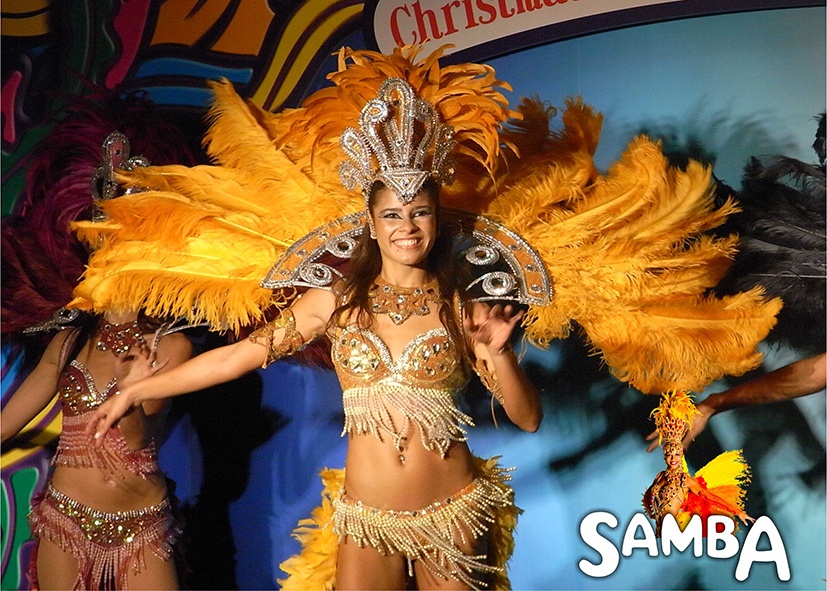
Despite the fact that carnivals are known worldwide for their costumes and samba parties, none is as good as the carnival that takes place in Brazil, Rio de Janeiro, especially in the Sambadrome, known for being one of the largest open-air spaces in the city. city ​​where one can hold big events.

The Brazilian Carnival or the Carioca Carnival is a great event where Brazilians and tourists meet to dance and see the great festivals offered by the different dance academies and/or samba studios where the evaluation of each one will depend on the rhythm, participation, costumes and the originality of the parade.

Samba dancers at the carnival

Samba is the national music of Brazil, which has Afro-Brazilian origin of 2 times 4 times but the beginning was specifically in Angola before reaching Brazil; It currently has a style that has currently received many fusions and is very varied.

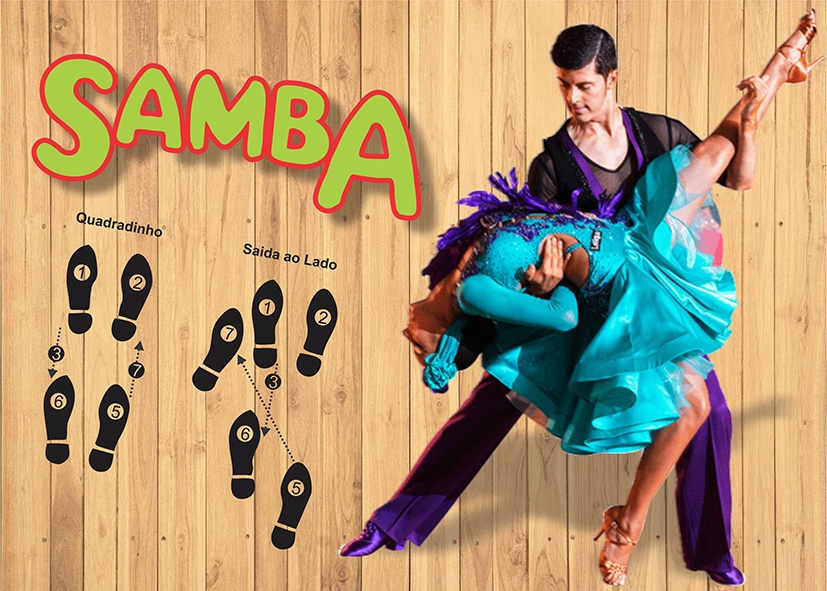
To learn to dance it, one begins with the progressive basic movement that consists of the normal basic step and the lateral basic step (left and right, front and back), then the whisk step that consists of the variation of the lateral basic step and instead of carrying the other foot next to the leading foot, you will take it backwards if you want to know all the details of this step visit the following page (https://es.wikihow.com/bailar-samba), the next step is the stationary walk of samba where the person who performs it in a closed position holding the partner with both hands, unlike the position explained at the beginning; the arms should be extended.

The leader will have his left leg extended behind him, while the follower will have the same position but with his right leg behind him, the inside leg will be the one that stabilizes him and in this way the couple will not move and will stay in one place.

The samba walk is the displacement that is carried out in a very similar way to the stationary one, but in a walking position; it is very similar to the closed one, but it forms an open “V”; the left side of the leader and the right side of the follower should be slightly turned outwards so that the opposite sides of both are next to each other. To perform this move, start with your outside leg diagonally behind your inside stabilizer leg.

One of the secrets so that the movement reflects the essence of this music is the “rebote” between one step and another, there must be a fluid transition that engages the whole body and to achieve this it is possible to think that we are constantly stepping on different objects that appear in our way and that we quickly try to lift our foot so as not to break them. It is very important that this bounce is expressed with the whole body, and not just with the legs.

Among the recommendations to perform an effective and great dance is concentration and looking forward over the shoulders of your partner.

Among the many benefits that dances give, Samba has certain privileges not only physically but also psychologically.

  • On a physical level:
    • Strengthens the legs, as it tones them since the movements are very fast and continuous.
    • Flat stomach, since in the dance they must have the abdominals contracted and the body stretched.
    • Slims the hip for extensive movements.
  • On a psychological level: it releases stress since the person plays sports by practicing it, in such a way that it helps the body to release tension, resulting in fun and relaxation.
Steps to dance samba

Now that we know more about samba and its influence on carnival at an international level, can we say that it is a single style? Well, no… Did you know that the “Carnival” differs in the different ways in which it is carried out or developed in each city?

It is true that there are many traits in common, such as their origins and motivations. One of the most attractive characteristics in Brazil is that it takes place in the open air, which means that the visitor has a more active participation at a lower cost and can dance and enjoy the shows and/or shows that take place during the marches.

by the academies with their dancers wearing their best costumes and Samba steps as well as the allegorical cars and also the public can enjoy and see the electric trios (they are musical groups that travel the city in equipped trucks playing music) at street parties river; and not only in “Rio” it is celebrated but it can be found in Recife and Olinda, in Salvador de Bahía, the city where Samba was born – Florianópolis, among others.

These cities have an architectural beauty that seduces the visitor and transports them historically both historically and culturally.

If you want to have your own experience, do not miss the next carnival in Brazil 2020 that will take place from February 21 to 26, you can buy your tickets here https://www.carnavales-brasil.com/rio-brasil/carnaval /tickets-tickets/dates-2020/buy .

Festivals in June 2023, Europe, Asia, Australia and New Zealand

Spring in Europe


The next beginning of rest in summer, pleasant temperatures at night and heat during the day, the work of the year has its rewards in holidays and is traveling, knowing places and people, cultures and languages and all this leads us to have fun as a couple or alone and thus meet nice people with whom to share, and at this point we want to captivate you by enjoying tropical dances, commonly called Latin music, as it is Salsa, Bachata, Kizomba among other variables are sensual and exotic rhythms in many cases, that make us experience pleasant bodily and sensory, for this incredible experience we have festivals in the European continent and Asia with some ease of transport according to our budgets but if we want to go further let’s not forget the beautiful beaches and active life of New Zealand very few hours by plane

This month of June we have festivals in the following countries and do not forget that next month comes Tempo Latino, a festival like no other, about which I will be informing you.

Germany

Cologne Salsa Congress
Jun 02 2023 – Jun 04 2023
Hurth, Germany
http://colognesalsacongress.com/en/

Spain

Estilos Unidos Dance Festival
Jun 02 2023 – Jun 04 2023
La Zenia, Alicante, Spain
https://estilosunidos.com/

Latin Dance Festival & WTP European Meeting Summer Edition
Jun 02 2023 – Jun 04 2023
Lloret de Mar, Spain
https://www.facebook.com/LatinDanceFestivalWTP
CROACIA

Summer Sensual Days

Jun 05 2023 – Jun 12 2023

Rovinj, Croatia

https://www.summersensual.com/

Croatian Summer Salsa Festival 2023

Jun 12 2023 – Jun 19 2023

Rovinj, Croatia

https://www.crosalsafestival.com/

NEW ZEALAND

NZ Salsa Congress

Jun 02 2023 – Jun 04 2023

Wellington , New Zealand

https://www.nzsalsacongress.co.nz/

FRANCE

Kizomba Gala Challenge Festival

Jun 08 2023 – Jun 12 2023

Saint Herblain, France

https://www.facebook.com/events/555875292933107

PORTUGAL

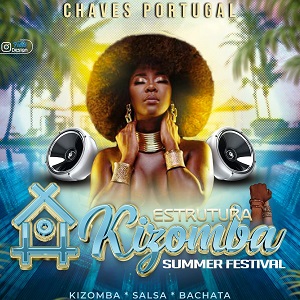
Estrutura Kizomba Summer Festival

Jun 15 2023 – Jun 18 2023

Chaves, Portugal

https://www.estruturakizomba.com/en

Aquae Flaviae International Congress

Jun 16 2023 – Jun 18 2023

Chaves, Portugal

https://www.facebook.com/events/452697403072900

KOREA

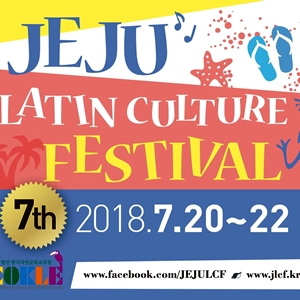
Jeju Latin Culture Festival

Jun 22 2023 – Jun 25 2023

Jeju-si, South Korea

http://www.jejulcf.com/

MALAYSIA

Afro Latin Fest Asia

Jun 23 2023 – Jun 25 2023

Kuala Lumpur, Malaysia

https://www.alfa-asia.net/


ROMANIA

Carpathian Latino Fest

Jun 24 2023 – Jun 26 2023

Ramnicu Valcea, Romania

https://www.facebook.com/events/661474741321475


  • « Go to Previous Page
  • Page 1
  • Interim pages omitted …
  • Page 3
  • Page 4
  • Page 5
  • Page 6
  • Page 7
  • Interim pages omitted …
  • Page 9
  • Go to Next Page »

International Salsa Magazine (ISM) is a monthly publication about Salsa activities around the world, that has been publishing since 2007. It is a world network of volunteers coordinated by ISM Magazine. We are working to strengthen all the events by working together.