• Skip to primary navigation
  • Skip to main content

International Salsa Magazine

  • HOME
  • Previous editions
    • 2026
      • ISM / March 2026
      • ISM / February 2026
      • ISM / January 2026
    • 2025
      • ISM / December 2025
      • ISM / November 2025
      • ISM / October 2025
      • ISM / September 2025
      • ISM / August 2025
      • ISM / July 2025
      • ISM / June 2025
      • ISM / May2025
      • ISM / April 2025
      • ISM / March 2025
      • ISM / February 2025
      • ISM / January 2025
    • 2024
      • ISM / December 2024
      • ISM / November 2024
      • ISM / October 2024
      • ISM / September 2024
      • ISM / August 2024
      • ISM / July 2024
      • ISM / June 2024
      • ISM / May 2024
      • ISM / April 2024
      • ISM / March 2024
      • ISM / February 2024
      • ISM / January 2024
    • 2023
      • ISM / December 2023
      • ISM / November 2023
      • ISM / October 2023
      • ISM – September 2023
      • ISM – August 2023
      • ISM July 2023
      • ISM Edition June 2023
      • ISM – May 2023
      • ISM April 2023
      • ISM March 2023
      • ISM February 2023
      • ISM January 2023
    • 2022
      • ISM December 2022
      • ISM November 2022
      • ISM October 2022
      • ISM September 2022
      • ISM August 2022
      • ISM July 2022
      • ISM June 2022
      • ISM May 2022
      • ISM February 2022
      • ISM January 2022
    • 2021
      • ISM December 2021
      • ISM November 2021
      • ISM October – 2021
      • ISM September 2021
      • ISM August 2021
      • ISM July 2021
      • ISM May 2021
      • ISM April 2021
      • ISM June 2021
      • ISM March 2021
      • ISM February 2021
      • ISM January 2021
    • 2020
      • ISM December 2020
      • ISM November 2020
      • ISM October 2020
      • ISM September 2020
      • ISM August 2020
      • ISM July 2020
      • ISM June 2020
      • ISM May 2020
      • ISM April 2020
      • ISM March 2020
      • ISM February 2020
      • ISM January 2020
    • 2019
      • ISM December 2019
      • ISM November 2019
      • ISM October 2019
      • ISM Septembre 2019
      • ISM August 2019
      • ISM July 2019
      • ISM June 2019
  • Download Salsa App
    • Android
    • Apple
  • Spanish

Search Results for: All Stars

José Madera

North America/ United State / New York 

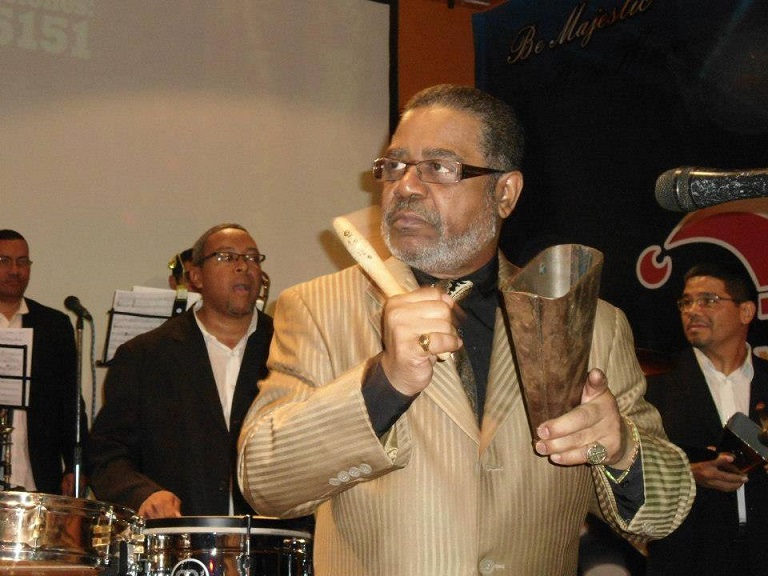
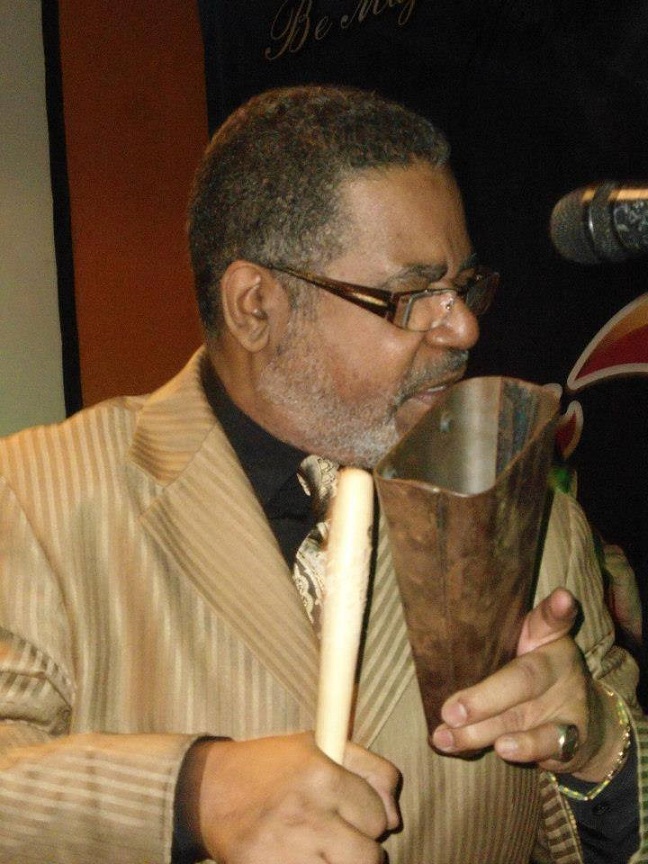
José Madera, Percussion & Arranger of Machito, Tito Rodriguez and Tito Puente

One would think that a job with the world famous Tito Puente

Band  keep busy a percussionist.
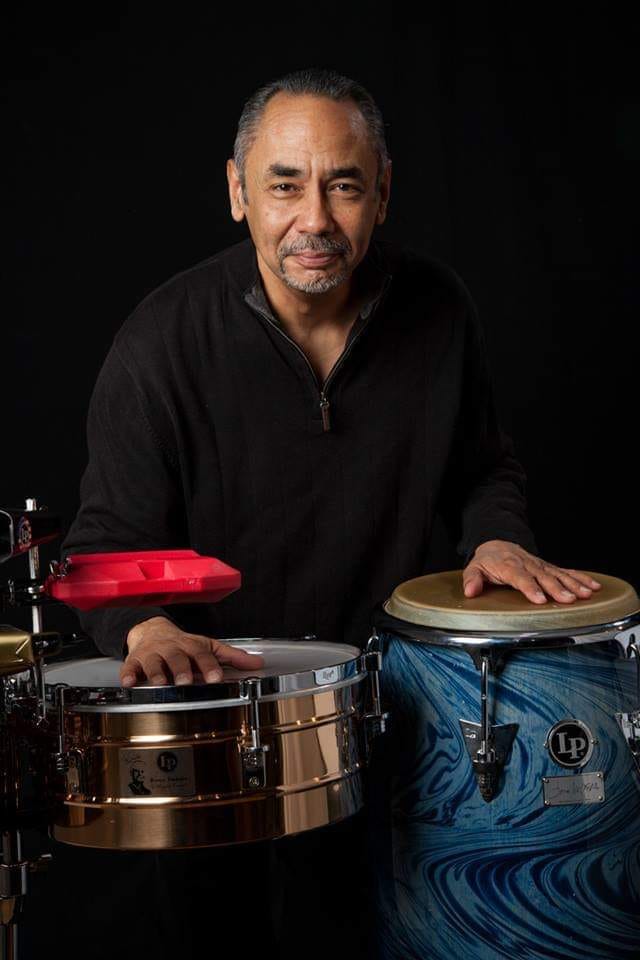
But the musician, arranger and composer José Madera had yet found the time to record and write music for some of the most influential bands in the world.

Prior to joining Tito Puente over 35 years ago, Madera play for four years with the famous Machito Orchestra, and recorded with many artists of R & B (including James Brown, Diana Ross, David Sanborn and Aztec Two – Step).

As an arranger for Fania Records Plant, played in several comerciales successes, and through the years has composed music for the Fania All- Stars, Larry Harlow , Johnny Pacheco , Willie Colón, and Celia Cruz .

Although he has recorded some 75 albums in 20 years, as well as numerous radio jingles and film soundtracks, Madera still had time for his other career for 15 years he had worked as a teacher and conductor in a high school for the performing arts with private funds, in the city of New York.
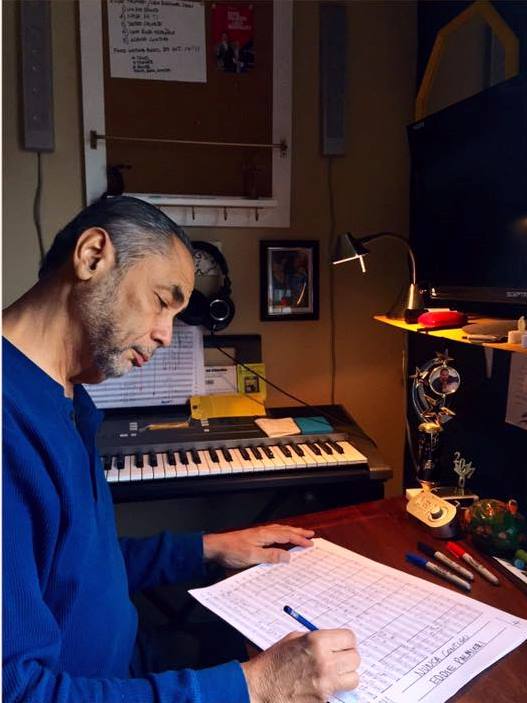
Jose has written many arrangements for countless commercial Latin artists and has recorded or worked with many of them as well. Some of them include: Larry Harlow, Johnny Pacheco, Chico O’Farill:  The Lincoln Center Afro-Cuban jazz orchestra, Celia Cruz, Tito Rodriguez, Fania All-Stars, Willie Colon, Joe Farrell, Machito, Graciela, Mario Bauza, Willie Rosario, Earl Klughand  Eddie Palmieri, just to name a few.

Jose has also worked and recorded with many pop, R&B and jazz artists.

Some of them include Diana Ross, James Brown, Dizzy Gillespie, Paquito D’Rivera, George Benson and Lionel Hampton among others.

Jose has performed on over 250 recordings. He has worked on several television show soundtracks including “The Simpsons” and several motion picture soundtracks including ”The Mambo Kings Play Songs of Love” where he was the musical arranger and conductor for the Tito Puente segment of the film.

Jose also taught the art of playing Latin percussion instruments at BOYS HARBOR in New York City for 28 years.
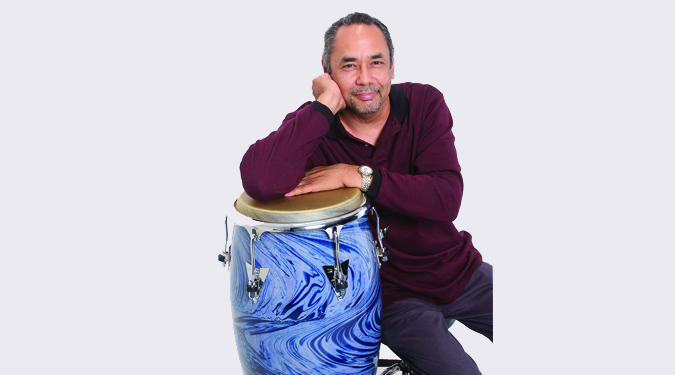
Jose has done and continues to do musical clinics around the country at various schools.

¨He was the musical director of the Latin Giants of Jazz from 2001 to 2009¨.

José Madera continues his musical direction with the Mambo Legends Orchestra, a band comprised of former members of the Tito Puente Orchestra, which is dedicated to performing new creative Latin and Latin jazz concepts, as well as some of the music of Machito, Tito Rodriguez and Tito  Puente.

José Madera has personally re-created and re-arranged much of the music that the ban ds performed during the heyday of the Mambo at the Palladium Ballroom in New York City, which is considered by many critics to be the “Greatest and Mostinnovative Era” in the history of Latin music.
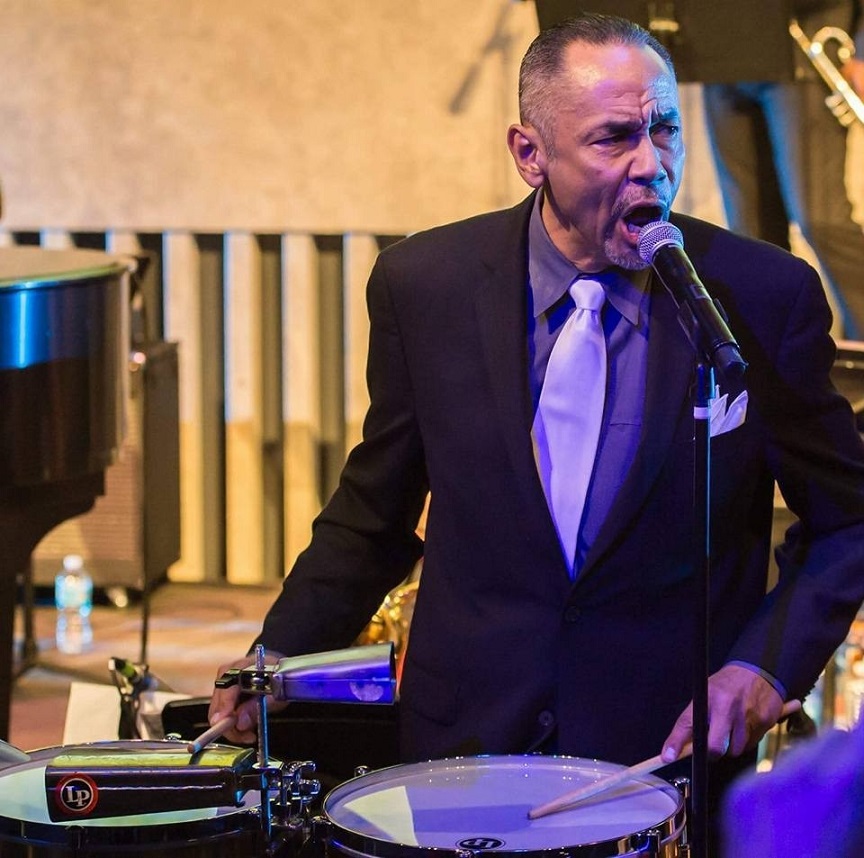
Madera’s saxophonist father  Jose “Pin ” Madera, was one of the original members of the Afro -Cuban Orchestra Machito .

Young Joseph was influenced by drummer Machito (The best Latin Big Band drummer I’ve ever heard).

Later I was influenced by José Mangual and the same Tito Puente. The LP Timbale bell (circa 1966) was the first instrument Wood LP , today plays a variety of congas , bongos , guiro and bells LP.

Compared with the instruments that were used years ago , the sounds I get from the LP instruments are very authentic.

As an arranger, it is very gratifying to know that whatever you write will be accompanied by instruments LP, which only improve the quality of interpretation.
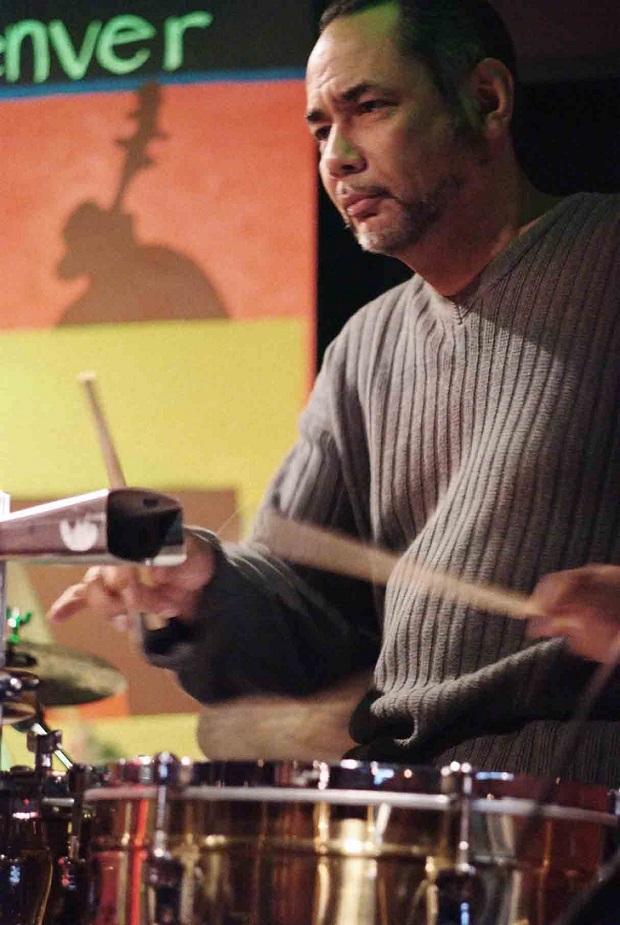
In 2008, Madera was entrusted to the Department of Research and Development LP designing the Signature Series José Madera Congas .

José Madera is proud that these drums, bearing his name, present a sound and a visual such outstanding features.


Jorge Bautista

Latin America/ Mexico / Mexico City

Jorge Bautista, Musical director and percussionist of the Irawo Orchestra

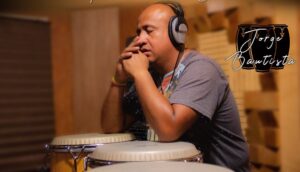
Jorge Bautista is a musician from Mexico City, he began his percussion studies at the age of 5 due to family tradition.

Jorge Bautista
Jorge Bautista and his Congas

The timbal, conga and bongo are the first percussion instruments that he studies empirically until at the age of 15 he studies at the autonomous music school for 5 years and then diversifies his knowledge in percussion from various places in Latin America such as : Colombia, Dominican Republic, Cuba, Peru and Brazil among others as well as in Africa.

Accompaniments Sauce

The experienced percussionist musician Jorge Bautista has performed important musical accompaniments with great exponents of our Afro-Caribbean music such as: Jerry Rivera, Maelo Ruiz, Tito Nieves, Willie González, Alfredito de La Fe, Oscar D`León, Larry Harlow, Ismael Miranda. , Ritchie Ray, Bobby Cruz, Roberto Roena, Oscar Hernández, Alberto Barros, Arturo Ortiz, Arturo Ortiz, Jimmy Bosch, Tito Allen, Viti Ruiz, Ray Sepúlveda, Herman Olivera and among others.

Jorge Bautista
Jorge Bautista

Latin Jazz Accompaniments

Among the stars of Latin Jazz, percussionist Jorge Bautista has performed accompaniments, among them we have: Arturo Sandoval, Ed Calle, Waney Bergeròn, Hector Infanzòn, Ola Onabule, Tlaxcatecalt Latin Jazz, Papo Sánchez, Ofunan, Daniel López, Latin Jazz On, Latin Hot Band, Density 6 and among others.

Other accompaniments

The Mexican multi-instrumentalist has also accompanied great music performers such as: Armando, Manzanero, Susana Zabaleta, Emmanuel, Kalimba, Samo, Víctor García, Carlos Cuevas, Alexander Acha, María León, Lisset, Aleks Syntek, Maria del Sol and Raul D’blasio.

Jorge Bautista and his musical instruments

Due to his great versatility, he has been invited to give clinics in different cities of the Mexican Republic as well as in several countries in the United States, Honduras, Colombia and Guatemala.

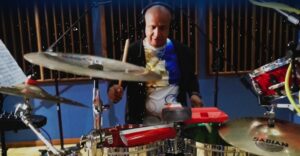
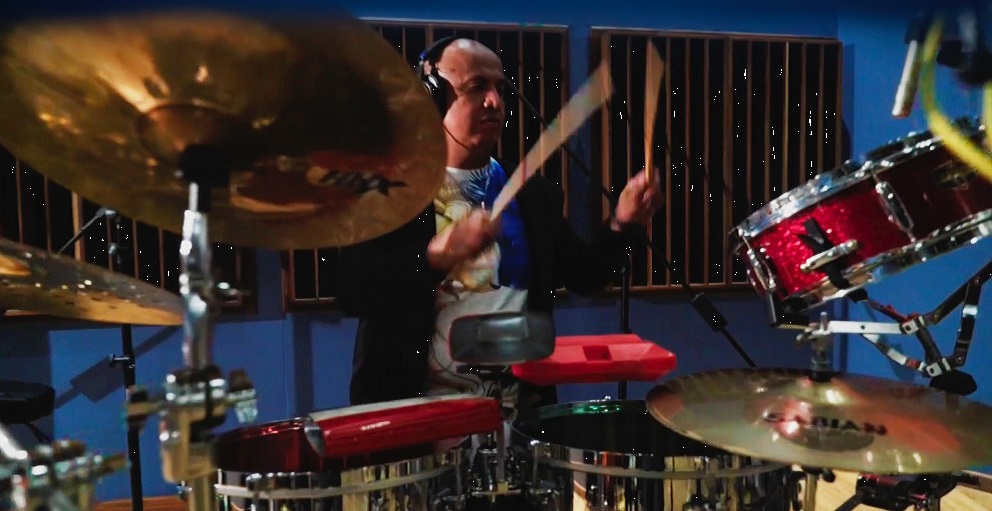
Currently the musician is sponsored by several major instrument brands worldwide: Gon Bops, Tama, Sabían, Promark, Remo, Rockears, GR, NND Percusión, and Veerkamp.

Alex Sánchez “Salsa has always had a special place. It is a genre that will never go out of style ”.

Latin America / Venezuela / Miranda

Mulato en Rumba his greatest bet Alexis José Sánchez:

He is a versatile artist, who like many other musicians begins his training from home, with his brothers he learned to play the cuatro and the guitar, this motivated him to continue his formal studies at the School of Music “José Lorenzo Llamozas”, where he also studied trumpet alongside maestro José “Cheo” Rodríguez; He jointly studies Afro-Latin percussion with maestro Orlando Poleo, Barloventeña percussion with Alfredo “Pandilla” Bolívar and Arturo Piñango, African percussion with José Shalons and Yonder Rodríguez.

At the “Nicomedes Marrero” Cultural Training Center in Tacarigua, he took piano lessons with professor Manuel Sepúlveda, Afro-Venezuelan percussion with maestro Alexander Livinalli and Choral Direction in the free art workshop of “Río Chico”.

Photo- Alex Sánchez
Photo by Alex Sánchez

Although he was born in the city of Caracas, all his life he has lived in the Barlovento region, an area with a great cultural and musical richness, there he also performs the role of teacher, being a facilitator of the Afro-Barloventeña, Afro-Venezuelan and Afro-Venezuelan percussion chairs. Afro-Latin, in School District No. 4.

From a very young age he has been linked with the traditions of his town; Tacarigua. This young man is an active part of the cultural development of the area and together with his wife Yermy Martínez and his mother-in-law Zenaida Gamboa, founders of the group “Danzas Tacarigua”, they are in charge of training the youth of relief, in order to keep the demonstrations alive. traditional barloventeñas for many generations.

Sánchez, assures us that he has a great responsibility, to preserve the legacy that the Africans left in their path through our land, that despite the obstacles he gets along the way to carry out his work, he is overcoming them one by one with perseverance and dedication. that love he feels for music, his family, his traditions and his other passion for teaching.

Salsa and Venezuelan Folklore, two different worlds, each rich and varied in rhythms and styles, however, it takes them by the hand, something that is not strange in a country where the mixture abounds, that we Venezuelans are the product of an ethnic and cultural mix.

How were your beginnings in music?

“I started in music at home with my brothers. I learned with them to play cuatro and guitar. That was the fundamental basis of what has been my musical career up to now and it also inspired me to continue with formal studies in music ”.

Your musical training has been very broad. Why did you decide precisely to specialize with the trumpet?

“I decided on the trumpet, since it has been the traditional instrument in my family, first my great-grandfather Gregorio Machado, then my great-uncle“ Perucho ”Machado and my brother Wilman”.

A man from Caracas who decides to emigrate to Barlovento Why not Barquisimeto or another region?

“My whole family is from Barlovento, since I was born I have lived here in Tacarigua, Brión municipality. After studying music I realize the musical wealth that exists in this region. That is why I decide to bet on the musical production of my homeland and also be part of that artistic movement that represents Barlovento and that has given so much to our country ”.

Composing and arranging music, the work that leads its creators and orchestras to position themselves in the first places. Which of your works as a composer and arranger have been positioned in that place?

“That is the dream of every arranger, to achieve that an orchestra reaches the first places of popularity and in sales. I haven’t had that luck yet, but it’s my dream as a songwriter. I have arranged for many orchestras that have been quite popular and are playing in various countries ”.

Alex Sánchez
Mulato in Rumba your biggest bet

There are many orchestras for which you have done this work, could you name them?

“I have arranged for orchestras and singers such as: Bailatino, Cheo Linares and his Orchestra, Víctor Cardona and the Salsa Machine, Cheo Navarro and his Tribute, Francisco Pacheco and his People, Hildemaro Jr., Orquesta Sarayé (Colombia), Orquesta La Suprema (Panama), Orlando Watussi and my musical project “Mulato en Rumba”, among other national artists “.

Percussion is another of its virtues, of the different rhythms. Which of them is more difficult to teach or learn?

“Percussion is a world that allows you to express yourself and make contributions based on its rhythmic quality. All rhythms have difficulties, but their great musical richness and the magic of the ancestral charge make it possible for us to digest them naturally ”.

“I invite the musicians and the community in general to come to Barlovento to learn about the regional culture, so that they learn to play Mina, Culo e puya, Quitiplás, Fulía and Parranda.”

In the vineyard of the Lord there is everything and for everyone. What has been the most difficult thing about this profession?

“Music gives you a lot of satisfaction, but around it there are circumstances that create disappointments – they can scam you, you have friction with colleagues, etc. – you will find obstacles, but I think that all this is overcome with perseverance and dedication to work. That is what it takes to stay in the musical world ”.

The Music Producer is the architect of a record. What do you feel at the end of each record? What do you feel at the end of each work done?

“Music production is hard work, bringing together musicians, writing and selecting songs, directing, molding and creating a pleasing product for the public, where feelings are reflected on paper, which in turn become sounds that will mark the life of anyone who is a music lover. That is the greatest satisfaction ”.

Each era has its ups and downs, do you think you can make a living from music?

“Of course, if we think of music as an industry we can find that starting from being a composer, arranger, through instrumentalist, singer, among other things, always keeping in mind the quality of the work to be able to sell it, it can be said that we are prepared to live from what we love to do ”.

How does it feel to be part of the cultural development of Barlovento?

“It is a great responsibility to know and feel that you are the bearer of such an important heritage for the development of the culture of an area where the legacy of the Africans who populated our lands will always prevail. Maintaining, disseminating and promoting the culture of my people through workshops, talks and exhibitions will guarantee that tradition is not lost and that these children and young people, just like I started, will be the future protagonists of the traditional Barlovento demonstrations. ”

Tell us about the Black Theater of Barlovento and Danzas Tacarigua. How do you undertake the preparation of the new generations so that the traditions last over time?

“The Black Barlovento Theater, a group that has 43 years of artistic experience, also proudly carries the cultural heritage of the Miranda State. It is and has been a great school for me for 27 years when I made my first presentation with this great family. I say that it is a great school because it is characterized by being an avant-garde group and that it has given me the green light and total confidence to develop and put into practice all the knowledge acquired musically throughout my career through the different productions of the theatrical works brought to the scene ”.

“Following this example and great experience with the Black Theater of Barlovento, we have been working with the Danzas Tacarigua group, directed and founded by my wife Yermy Martínez and my mother-in-law Zenaida Gamboa for 20 years, training children and adolescents in terms of traditional Venezuelan culture, emphasizing the Barloventeña. They are currently part of the main actors in the traditions of my Tacarigua people. It is an arduous work in favor of the diffusion of the same ”.

His wife is an active part of the Cultural development of the young people of Barlovento, here we could say that “Next to a great man goes a great woman”?

“When one is passionate and responsible with what he does, with his profession, his home, that is accompanied by a great companion, I thank my wife very much, a large part of who I am and what I have achieved is accompanied by her great support, she is passionate about what she does, and that gives me a lot of strength ”.

Salsa and Venezuelan Folklor take you by the hand, how does it unfold between these two worlds?

“Despite the fact that they are two different worlds and from different markets, I have tried to take them by the hand, since from a very young age I was linked with the tradition of my town and the Barloventeño region in general, participating in the demonstrations held throughout of the holiday calendar. The salsa world has helped me understand and handle our culture in a more respectful way through arrangements, compositions, and also when interpreting it”.

Flyer Alex Sánchez
Alex Sánchez & Mulato in Rumba

How do you see the sauce right now?

“Salsa has always had a special place. It is a genre that will never go out of style. We must thank the DJs very much, who, whether they like it or not, have been a fundamental part of the salsa being maintained over time, since the media have lost that interest in promoting and promoting new salsa talents for their music. respective development.

In Venezuela the salsa movement has suffered a lot, since orchestras and producers have had little support at the level of the music industry, since it has diverted its attention to urban genres, which according to them is the most commercial. Despite all this panorama, many musicians, singers, producers have made efforts to continue working in favor of Venezuelan salsa with what we call “record pocket” -hahaha-. All this so that his musical work does not remain only in a dream ”.

Barlovento and its sauce, what can you tell us about “Trabuco Barlovento”? “Trabuco Barlovento is an initiative of my cousin Richard Frías. He told me one day at a salsa concert held in Mamporal, seeing that the great stars were accompanied by musicians from Barlovento, -with all those musicians who are there you can make a blunderbuss that represents Barlovento- and that is how the group was born ” Trabuco Barlovento ”, with more than 10 years of artistic life and 1 recording production to be finished.

I remember that among those musicians who accompanied the artists were Rodolfo Rada (trumpet), Ángel González (saxophone), Darlin Palacios (trombone), among others who are today the fundamental pillar of this group. It has 14 members, where I work as the musical director and main arranger of this prestigious group”.

Orlando Poleo, a national and international percussion reference. What anecdotes do you have of his training with him?

“Orlando Poleo arrived in Tacarigua in 1986 as a percussion teacher at the” Nicomedes Marrero “Cultural Training Center, which was a great experience for me, since he was venturing into the world of Afro-Caribbean music”.

“I remember that once he came with his orchestra“ Casino ”and as he was quite advanced in his classes, he rewarded me by playing a song. It was the glory for me to play with the maestro. It was a great experience for the musicians of Tacarigua and other nearby towns because it helped improve playing techniques and understanding of the use of the clave. Much of that learning I apply to create arrangements. ”

He is a teacher and a student, what is more difficult for you to teach or learn?

“Both are difficult, because to teach well you must learn well.”

You are working with a new musical proposal. What do you have in store for us with the Mulato en Rumba project?

“Mulato en Rumba is my biggest bet. This movement has more than 15 years, began as “Alex Sánchez and his Orchestra” to accompany artists and participate in ¬estas and salsa events in the area. One day recording for another orchestra, we met my brother Edward Plater, my compadre Yoryi Pacheco and I fine-tuning details of what we had already recorded. We saw each other’s faces and said -Why don’t we make an orchestra that is ours? -; we always record and produce for others ”.

“It is then that we decided to set up and start this musical project with our own songs composed by Yoryi Pacheco and myself and arrangements made by me as well. The main members are: Yoryi Pacheco (singer), Edward Plater (trumpet), José Madera Niño (tumbadora), Jonal Rivero (trombone), Rodolfo Frías (bassist) and Alex Sánchez (trumpet, piano and musical direction). Soon our first record production will be ready, which has been done uphill because it is financed by “Pocket record”

–”jajajajajajaja”-.

That name sounds like ¬esta, joy and sauce. How was the name Mulato born in Rumba?

“This name was given to him by my friend and brother Cheo Linares. I told him that we had a new project and he told me

-The mulattoes are going to start partying in Barlovento- and from that moment we call ourselves “Mulato en Rumba”.

Alex Sánchez
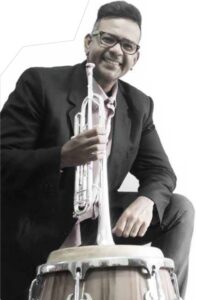
Alex Sánchez playing the trumpet

Creativity is in decline in Venezuela, you are a composer and arranger and many of the Salsa orchestras are betting on versions or tributes, they do not risk innovating, creating or inventing. What do you think about this matter?

“I think that covering is very fashionable, I think that for many people it is easier to live attached to the shadow of another than to risk producing their own.

Perhaps it is fear of failure due to the lack of support for the artist that exists in our country. There are those who do take risks and bet on other markets (other countries), where the appetite for good music is always thanks to the fact that in those countries there are people eager for new things. In our country that culture of wanting to hear something new and as the saying goes: “-No one is a prophet in his land-” has been lost.

If you bet on innovating and creating, what are the themes of your production?

“We have 10 songs, 2 versions and the other 8 songs are unpublished, we bet on ourselves, not to be in the shadow of others, here the lyrics and music are by José Madera Niño, and my person, Yoryi Pacheco also writes some of the topics. In the version of “Tú mi Delirio” I sing ”.

“The song, get ready, Dancer, the lyrics and the music are by Freddy Junior Solórzano.”

The support of the media is important to show the work done by national talent. Do you feel that there is little dissemination by the media to show the work done by the different groups?

“-Well-, in previous questions I have said that there is no support from the mass media. Hopefully that will end one day and they give importance to Venezuelan music and talent as much as they give it abroad.

La Payola, many criticize it and want it to disappear, however, there are musicians who contribute to this scourge that hurts everyone. Would you ever pay to play?

“I don’t agree with the Payola. Colleagues have told me that if they have done it that it is a rather shameful situation, since many times they have to play without any remuneration in exchange for playing on the radios several times a month. Personally, I would never pay for what he calls Payola ”.

What would be the good and not so good things about this beautiful but tough profession?

“I think there are more good things than bad things, and more when we take music as a profession. The musical world is very satisfying, since it makes you live unique experiences that fill your soul and spirit with joy ”.

Teacher, musician, arranger, music producer What do you feel you need to do?

“Learn, learn and keep learning to make good music and also be able to make” Mulato en Rumba “recognized nationally and internationally.”

His daughters have grown up in an environment full of music, tradition, folklore, they have the musical vein Sánchez, would you like them to be musicians, what legacy would you leave them?

“Hopefully they decide to be musicians, I would never force them to do something they don’t want to, because I think that everyone should do what they really like and are passionate about. The legacy that I will leave you will be all I can do in my musical life, since a large part of what I do is for my family. My daughters at their young ages have already been immersed in the artistic world, they sing, dance and participate in the cultural manifestations of our people. ”

In a word, who is Alex Sánchez?

“A fighter”.

Barlovento and Venezuela in one sentence

“My homeland, My Dear Homeland”.

Eiling Blanco Latin America Corresponded


Get to know the “ La Malamaña ” Orchestra

On this occasion we have the opportunity to meet the “La Malamaña” Orchestra

La Malamaña, a salsa orchestra that was born in 2008 as a band that paid tributes to the greats of salsa such as: Rubén Blades, Héctor Lavoe, stars of La Fania and the Cuban music and timba. They have a neighborhood band spirit, heirs to the sound of the New York neighborhood orchestras of the 70s and 80s, fused with elements of the timba sound and concepts of street music.

La Malamaña Orchestra playing
La Malamaña Orchestra Live

The name of the band was baptized by the former member – founder of the band, “Mauricio Ochoa” who founded and is leader of the orchestra “La Sonora Libre de Barcelona”. The name alludes to the Rubén Blades theme “they are looking for you” and that in addition to that also reflects our way of interpreting, writing and arranging the master genre: Salsa.

The Orchestras are based in Quito-Ecuador, with members from different latitudes, they build a proposal of Quito sauce, also called “high altitude Salsa”, for the 2800 meters above sea level where the city of Quito is located.

His main concerts were:

·   Emerald Carnival ·   Foro Mundial de la Bicicleta MINGAMOS
·   Music Festival in Quito and Cuenca ·   Festival – Engine of Change (Ambato 2019)
·   Festival in Defense of the Yasuní National Park ·   LATIN GROOVE EC (Independent Salsa Festival 2019)
·   Libertarian Days ·   CUMANDA Parque Urbano (Agenda Cultural – 2019)
·   Festival Cota 70, FIL Q (sharing stage with La 33) ·  Quito Fest-Fiestas (sharing stage with Rubén Blades)
·   Canoe Fest ·   Festival del Chocó Andino, Pacto 2019


Photo of the keyboardist of the La Malamaña Orchestra
Member of the La Malamaña Orchestra

But internationally, among the most important are:

  • 2012: Presentations in Beijing and Tianjin, in the People’s Republic of China.
  • 2015: First Tour in Europe (Genoa, Barcelona, ​​Madrid, Lyon, Paris and Tours).
  • 2018: Second Tour in Europe:
    • Festival des musiques métisses in the city of Colmar
    • FIMU de Belfort Festival “3 presentations”
    • Festival La Javelle-Guinguette “1 presentation”


During their time in the world of music they created several albums with a very characteristic sound of them. His first album was called “manual of urbanity and good customs” released in December 2011, which was followed by his single “El Kikuyo” in 2014, a song that was included in the international independent salsa compilation “Salsa de Hoy ”; In 2017 they released their song “Ya Llegó”. As of 2018 they released their latest album released which they baptized “SALSA DE ALTURA”; the members of the orchestra named it that way since Quito is 2800 meters above sea level. This new album has 6 songs by the band, among which are live versions and new material.

Photo of La Malamaña Orchestra
La Malamaña Orchestra at Club Lavoe

Did you know that there is a wide variety of topics that your audience likes, for example, the population of Cali, Colombia likes “What counts the braids” and “How to say” a lot; and in their homeland (Ecuador) they he quite liked his songs: “El kikuyo” and “Para armar”.

The members of the orchestra:

·       Grecia Albán – Voices

·       Edgar Granda – Voices

·       Javier Toro – Piano

·       Jamshid Gordón – Electric bass

·       Fidel Minda – Drums and timpani

·       Diego Minda – Conga Drums

·       Sebastián Segovia – Saxo Tenor

·       Carlos Quilumba – Saxo Alto

·       Yony Muñoz – Trombone

·       Francisco Rangél – Trombone


All the members like the strength that “salsa” has, as a music of resistance in the sense of maintaining African and mountain roots in Latin America. They have a lot of new songs and not so new ones that haven’t been recorded yet, we’re in a moment of creation. Soon they will record their new material for the enjoyment of our public.

Soon they will have an event in the month of January 2020 in the city of Quito, Ecuador for the anniversary of a hotel located in the Historic Center

They mentioned to us that their goal is: “We are interested in expanding the musical panorama of Quito salsa towards an alternative platform and generating more audiences at a local, national and international level”

They also sent a message to all their fans and new talents “To our fans we want to say that thank you for enjoying our music and our “sui generis” proposal of salsa and to the new talents simply that they believe in what they say and sing… .this is not about doing something to stick….but rather about being consistent with what is thought and with what we want to contribute in this world that so much lacks good art”

La Malamaña Orchestra photo
La Malamaña Orchestra finishing its presentation at the Club

For more information:

  • Facebook: https://www.facebook.com/lamala.mana/
  • Phone: +593 99 801 9775
  • Email: [email protected] / Edgar Granda/ Manager: [email protected] /     Press contact: Diego Minda, [email protected]

José Mangual Jr.

The son of the master and pioneer of Bongó, José Mangual “Buyú”

The son of the innovative and pioneering bongo musician, José Mangual Sr., aka “Buyú”, José Mangual Jr. was born and raised in East Harlem, the Spanish Quarter of New York City   known as “El Barrio”. By the age of fifteen, José Jr. was already playing in local groups.

In 1968, Mangual Jr. was invited to play bongos and sing background vocals for a fledgling orchestra led by a young man named Willie Colón.

The lead vocalist for this group was also a young singer named Hector Lavoe.

Along with his perennial rhythm section “compadre”, legendary percussionist Milton Cardona, Mangual would become a part of history, as they made some of the most important recordings in the annals of salsa music.

Mangual Jr. showed his skill as a composer, author, and lead vocalist with Colón’s orchestra.

José Mangual "Buyú"
Photo of José Mangual Jr in concert

With Kent Gomez in 1973, Mangual co-authored the song “San Miguel” for Tony Pabón y la Protesta. This song featured him as a lead vocalist.

After Willie Colón and Hector Lavoe parted ways to pursue different ventures, it was José Mangual Jr. who took over the musical direction of Lavoe’s band.

Shortly after this in 1977, Mangual formed his own record label, True Ventures Inc., and released A Tribute to Chano Pozo.

This album features the classic recordings, “Campanero” and “Cuero ‘Na Ma”. It also established Mangual as a lead vocalist to be reckoned with, and a serious record producer.

Live Jose Mangual Jr
Photo of José Mangual Jr on stage

The 1980’s saw José Mangual Jr.’s fame grow even more, as he became a premier artist for Velvet Records, and further solidified his fan base in South America, Europe and the Orient.

His skills as a percussionist, vocalist, composer, and musical director were sought out by many including Juan Luis Guerra, Rubén Blades, Herb Alpert, Dizzy Gillespie, David Byrne, Celia Cruz, Ramon Orlando, Mario Bauza, Mongo Santamaria, The Fania All-Stars, Junior Gonzalez, Ismael Miranda, Louie Ramirez and many others.

Perhaps the most fascinating aspect of Mangual’s career is his ability to evolve and refine the sounds of his music.

The 1990’s saw him forming and leading his band Sarabanda, while still pursuing the projects he always wanted to do.

In 1995, Mangual released his long-awaited Tribute to Chano Pozo Volume II. This album ranks among his finest, and gives listeners a glimpse into the mind of a master musician who grew up during the golden age of modern Latin music.

In 1998, Mangual produced and musically directed Caiman Records new salsa and Latin jazz release, “Son Boricua”, by his band of the same name.

This session features his original composition, “El Jibarito”, which pays homage to the island of Puerto Rico, and his Boricua heritage. The album and group was the recipient of the New York Latin Critics’ ACE Award as Best New Latin Release for 1998-1999.

Mangual’s recent new release with “Son Boricua”, entitled Homenaje a Cortijo y Rivera is a moving, swinging homage to the music of Rafael Cortijo and “El Sonero Mayor” Ismael Rivera.

What makes this work so noteworthy is that it marks an even deeper trip, not only into Latin jazz, but into the panorama of what the sounds of a Latin New York are: the sounds of the streets of  “El Barrio”.

Photo by Jose Mangual Jr
José Mangual Jr on stage

Here, Mangual displays all of the attributes of his professional career, from being the musical director and a lead vocalist, along with the “Smooth One”, Jimmy Sabater, to being a composer with his original composition, “Boricua Blues”.

With this release, Mangual, Sabater, and “Son Boricua” captured their second ACE Award in 2002.

A third ACE Award would follow in 2003 for “Son Boricua’s” 2002 release, Mo!

His most recent participation as a vocal leader in the production of the Quinteros, Quintero’s Salsa Project entitled Our Home, nominated for the Latin Grammy 2019.

  • « Go to Previous Page
  • Page 1
  • Interim pages omitted …
  • Page 37
  • Page 38
  • Page 39
  • Page 40
  • Page 41
  • Interim pages omitted …
  • Page 58
  • Go to Next Page »

International Salsa Magazine (ISM) is a monthly publication about Salsa activities around the world, that has been publishing since 2007. It is a world network of volunteers coordinated by ISM Magazine. We are working to strengthen all the events by working together.