• Skip to primary navigation
  • Skip to main content

International Salsa Magazine

  • HOME
  • Previous editions
    • 2026
      • ISM / March 2026
      • ISM / February 2026
      • ISM / January 2026
    • 2025
      • ISM / December 2025
      • ISM / November 2025
      • ISM / October 2025
      • ISM / September 2025
      • ISM / August 2025
      • ISM / July 2025
      • ISM / June 2025
      • ISM / May2025
      • ISM / April 2025
      • ISM / March 2025
      • ISM / February 2025
      • ISM / January 2025
    • 2024
      • ISM / December 2024
      • ISM / November 2024
      • ISM / October 2024
      • ISM / September 2024
      • ISM / August 2024
      • ISM / July 2024
      • ISM / June 2024
      • ISM / May 2024
      • ISM / April 2024
      • ISM / March 2024
      • ISM / February 2024
      • ISM / January 2024
    • 2023
      • ISM / December 2023
      • ISM / November 2023
      • ISM / October 2023
      • ISM – September 2023
      • ISM – August 2023
      • ISM July 2023
      • ISM Edition June 2023
      • ISM – May 2023
      • ISM April 2023
      • ISM March 2023
      • ISM February 2023
      • ISM January 2023
    • 2022
      • ISM December 2022
      • ISM November 2022
      • ISM October 2022
      • ISM September 2022
      • ISM August 2022
      • ISM July 2022
      • ISM June 2022
      • ISM May 2022
      • ISM February 2022
      • ISM January 2022
    • 2021
      • ISM December 2021
      • ISM November 2021
      • ISM October – 2021
      • ISM September 2021
      • ISM August 2021
      • ISM July 2021
      • ISM May 2021
      • ISM April 2021
      • ISM June 2021
      • ISM March 2021
      • ISM February 2021
      • ISM January 2021
    • 2020
      • ISM December 2020
      • ISM November 2020
      • ISM October 2020
      • ISM September 2020
      • ISM August 2020
      • ISM July 2020
      • ISM June 2020
      • ISM May 2020
      • ISM April 2020
      • ISM March 2020
      • ISM February 2020
      • ISM January 2020
    • 2019
      • ISM December 2019
      • ISM November 2019
      • ISM October 2019
      • ISM Septembre 2019
      • ISM August 2019
      • ISM July 2019
      • ISM June 2019
  • Download Salsa App
    • Android
    • Apple
  • Spanish

Search Results for: Bar

Jimena Verano present Orquesta de Camino al Barrio

Latin America / Colombia / Bogotá

This time we have Miss Jimena Verano, the director of “VERANOPRODUCCIONES”, who gave us the opportunity to meet the Venezuelan Colombo Orchestra “De Camino al Barrio”, which was born in the city of Bogotá, Capital of Colombia.

Through Jimena Verano, a Colombian artist entrepreneur and promoter, she presents it to us, giving us the opportunity to make them known and emerge them in this great world of music at an international level.

The Orchestra emerged as a tribute to the singer of the singers Héctor Pérez Lavoe; and she tells us that it has been easy for her to lead (as a woman) this working group; her musicians have been willing and ready to meet any request made by her, to get this musical project off the ground.

Soon they are ready to record their first single in the city of Cali Colombia, for which they are making the necessary adjustments for said musical production.

So if you want to meet or contact the orchestra, or find out more about their new recording, you can contact them through [email protected] or through Facebook, known as Jime Verano (La Chica Fitness de la Salsa).

Jimena Verano
Jimena Verano

Cubarumba Tataguines in memoriam International Festival in its second edition.

Latin America / Cuba / La Habana

The National Center for Popular Music invites you to participate in the Cubarumba Tataguines in memoriam International Festival in its second edition.

It will be held in Havana from June 28-30, 2019. With the aim of Honoring the memory of Tata güines, Stimulating the artistic creation of rumba groups from the community, encouraging children’s projects based on the folkloric and musical genre, highlight the social value of the rumba as intangible heritage of humanity.

Asocosalsa Cuba
Asocosalsa Cuba

Likewise, to carry out a national and international workshop based on the pedagogical need to strengthen cultural nationality by art students in Cuba on the basis of the figure of tata güines, the fundamental foundation that promoted the proclamation of Rumba as Intangible Heritage of Humanity. . With this goal we urge all young people, students who wish to participate in the Festival through the following themes:

Themes:

  1. Cultural educational practices
  2. Potential value of transformation of the percussive theory of Tata güines.
  3. Main factors that slow down or facilitate the descending of the Rumba genre as a percussion modality.
  4. Ethical and aesthetic values ​​promoted by the practice of percussion
  5. Challenges to perfect percussive techniques
  6. Creation and promotion of Cuban art
  7. Young rumbero, possibility of cultural advancement. Harvested experiences and challenges for the present and immediate future.
  8. Others

The venue will take place at the Turf Night Club

General program:

Press conference

Thursday, June 13, 2019

Venue: El Turf Night Club

Address: F Street between Calzada and Quinta Vedado

Time: 2pm

Participation: Press-Radio-Television-Guests

Duration: 1h

toast to daddy

Place House Museum Tata güines

TIME: 3 PM

Event schedule:

Thursday, June 27

  • 8:00 Opening Gala Avellaneda Hall of the National Theater

Cast Subject to change

  • Tata guines Jr.
  • Makuta Flow
  • Rumbansoc
  • Ronald and his Rumbera explosion
  • Denis and his swing
  • Vania Borges
  • Iannna Wobble

Friday, June 28

Venue: Club Noturno El Turf

  • 9:00 Inaugural Conference
  • 10:00 Recess
  • 10:30 Percussion and dance workshops
  • 12:30 Demonstration group
  • 1:30 Visit Tata Guines House Museum
  • 2:00 Lunch

Cultural

Devil Tun Tun: 4pm to 6pm.

Show Woman in the rumba

Omini Bata-Rumba Morena

  • 6:30 a.m. to 8 p.m. Tataguines/Ochareo Group
  • 10-2am Venue: Club Norturno El Turf Shows with rumba groups

Explosion Rumbera/Rumbavila/Rumbansoc/

Saturday, June 29

Venue: Club Noturno El Turf

  • 9:00 Inaugural Conference
  • 10:00 Recess
  • 10:30 Percussion and dance workshops
  • 12:30 Demonstration group
  • 2:00 Lunch

Cultural

  • 3:00 Clave de Rumba folkloric ensemble / children’s project.
  • 8pm-2am Venue: El Turf Timbalaye Nightclub /Rumberos de Cuba/Rumbansoc/ Tata güines

Sunday, June 30

Venue: El Turf Night Club

  • 9:00 Report of the event. Delivery of Certificates.
  • 10:00 Recess
  • 10:30 Symposium Asocosalsa Cuba
  • 5:00 Cinema Avenue Closing Gala
  • 10:00 Final reception.

Festival Project

Event Organizing Committee:

Víctor Rodríguez García: Executive Director

Arturo Soto Martínez: Chairman of the Event

Suset Núñez Vázquez: CNMP Events Coordinator

Osorio García Rule: CNMP Events Department

Brigitte Oliva: General Producer

Principal Cubarumba
Principal Cubarumba

Company National Center for Popular Music

INTRODUCTION

The Cubarumba 2019 Tata güines in memoriam project is a previous interactive festival that consists of pedagogical, competitive, sociocultural moments that will transfer original Cuban music, through percussion and dance workshops, interaction with the community, as well as shows of this genre, intangible heritage of the humanity, the evident and permanent need to rescue Cuban roots, and the representation of the name Tata güines, a national and international figure. Following this trilogy as a cultural line, the president of the festival Arturo Soto Martínez advocates for this event.

Carrying out research, it is verified that this festival has a high tourist level, which causes a useful strategy to penetrate tourists about our idiosyncrasy and traditions, in addition to giving an unforgettable moment to all those who are present at that moment.

If we observe the social gaze, we realize the motivation of society in general since we encourage in the community a hope of cultural revival, a festival of inclusion in all senses since people of all ages and disabilities participate. Achieving a mutual interaction that achieves as a result an inclusion of this musical genre in daily life and in the tastes of all the people who enjoy it.

It is emphasized that times are changing, however it is important to take actions so that the celebrations of our origin are not forgotten, it is about looking for very frequent actions that work with everyday life, exclusivity, professionalism and good taste that keep this celebration alive. choice for youth not only in our country but around the world

For all the above, the need for this culturally artistic project becomes evident, specifically in these places where a large foreign crowd is concentrated, since it is unaware of Cuban culture. Relying on the battle of ideas that we have daily for the rejection of national identity, this project that settles the roots, that remembers the past, that discloses our present and that above all that is written increases love is evident, permanent and necessary. for Cuban culture.

DEVELOPING

  • Goals:
    • Honor the memory of Tata güines
    • Stimulate the artistic creation of rumba groups from the community
    • Encourage children’s projects based on the folkloric and musical genre.
    • Highlight the social value of the rumba as intangible heritage of humanity

Themes:

  1. Cultural educational practices
  2. Potential value of transformation of the percussive theory of Tata güines.
  3. Main factors that slow down or facilitate the descending of the Rumba genre as a form of percussion.
  4. Ethical and aesthetic values ​​promoted by the practice of percussion
  5. Challenges to perfect percussive techniques
  6. Creation and promotion of Cuban art
  7. Young rumbero, possibility of cultural advancement. Harvested experiences and challenges for the present and immediate future.
  8. Others

PARTICIPATION METHOD

  • Delegates
  • Student
  • Musicians
  • Guests

REGISTRATION FEES: DELEGATES

Foreigners………………50 cuc includes participation in the event, certificate and/or credits.

Cubans …………………….250 cup includes food, participation, certification and/or credits

Cuban students ……………..125 cup includes food, participation, certification and/or credits

PROJECT OBJECTIVES

GENERAL OBJECTIVE

Carry out an international rumba festival based on the artistic value of the figure of tata güines in the world on the basis of the Rumba proclamation as Intangible Heritage of Humanity

Goals:

  • Honor the memory of Tata güines
  • Stimulate the artistic creation of rumba groups from the community
  • Encourage children’s projects based on the folkloric and musical genre.
  • Highlight the social value of the rumba as intangible heritage of humanity
Specific Objectives Actions Indicators Participants Responsible
Honor the memory of Tata güines Hold the Cubarumba Tataguines Festival in memoriam Conciliation Company, Sponsors, Organizing Committee Event Leader
Stimulate the artistic creation of rumba groups from the community Theoretical-practical dance and percussion workshops, presentation of youth groups in event activities Conciliation with Artex, Egrem. Cuban and foreign population Org Committee
Encourage children’s projects based on the folkloric and musical genre.


Activity in the National Folkloric Ensemble of Cuba, headquarters for the socialization of children’s projects Address of Palenque, Production Org Committee Event Leader
Highlight the social value of the rumba as intangible heritage of humanity Activity the woman in the rumba, the longest rumba, the rumba and its youth, the rumba does include you Group Directors Production Event Leader


Tata Guines No 1
Tata Guines No 1

Beneficiary population:

Directly, the population that benefits is Cuban and foreign, since in some way the project is aimed at educating, including, transforming the culture of these times that affects this population.

For this, their full participation is needed, in the first order the attention that is very important, then the interest in dance and percussion and the decline that forms the taste for this musical genre.

Also highlighting the importance of the social inclusion of people with disabilities, we can mention that the festival has the honor of promoting groups with different disabilities. Example of the incursion of culture in Cuba.


”Alma Del Barrio” celebrates 50 years of operation

The United States has a great number of Latin music radio programs that always sought to promote the best of Latin talent through their frequencies and one of them is ”Alma Del Barrio” of the well-known radio station KXLU, which is celebrating its 50th anniversary.   

Against all odds, ”Alma Del Barrio” celebrates five decades on the air after all the effort of its hosts and the team involved in such a noble and necessary feat. We say ”against all odds” because it is not common that projects submitted by university students did not used to last long and ended up being replaced by programs of the same style.  

In addition to the above, decades-long programs usually have a single host and comfortable time slots each week. However, ”Alma Del Barrio” was the exception to this rule and, today, continues to prove that limits can be overcome.  

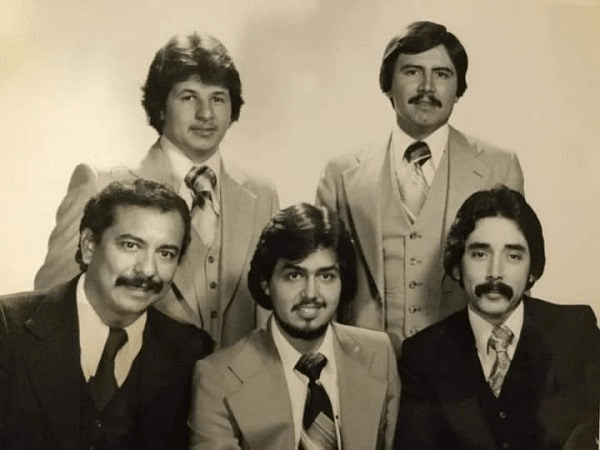
Founders of Alma Del Barrio
Founders of ”Alma Del Barrio” Steve Lopez, Enrique ”Kiki” Soto, Gustavo Aragon, Eddie Lopez, and Hector ”La Voz” Resendez

Beginnings of ”Alma Del Barrio” 

After so long, ”Alma Del Barrio” has remained up to date and continues to keep people’s taste.  

Its main founders were Enrique ”Kiki” Soto and the late Raúl Villa, who at the time were two young students with many ideas and eager to achieve interesting things. The program was aired for the first time in 1973. A few years later, Hector Resendez, a freshman in college, contacted Enrique and Raul in order to write an article about this new radio show, but it would not be long before he joined the main founders in the project they were developing.   

Three years later, in 1976, student at Loyola Marymount University Eddie Lopez joined the program on the third anniversary of ”Alma Del Barrio”, show in which he would spend the next 46 years bringing the best Afro-Cuban music to the audience every Sunday between 2pm and 6pm.  

On a number of occasions, Resendez said that ”Alma Del Barrio” was not created to be hosted by great famous personalities, but by dynamic young people who wanted to be part of a small team that was just starting operations.   

At the beginning, the new hosts only had one hour of broadcast time to show what they were made of, but at the same time, they did their best to get more airtime and have more presenters in the program. They wanted to include a not very popular genre on the station at that time, which was salsa, something totally innovative for the station. 

In those years, salsa was understood as that set of genres coming from Afro-Cuban music and the novice hosts thought it would be a fine attraction to the Latino communities of Los Angeles. That set of genres came from Cuba, Puerto Rico, Panama, Colombia and the Dominican Republic. This is when record labels and music promoters renamed these rhythms as ”salsa” in order to make it easier for programs and hosts to identify the music.  

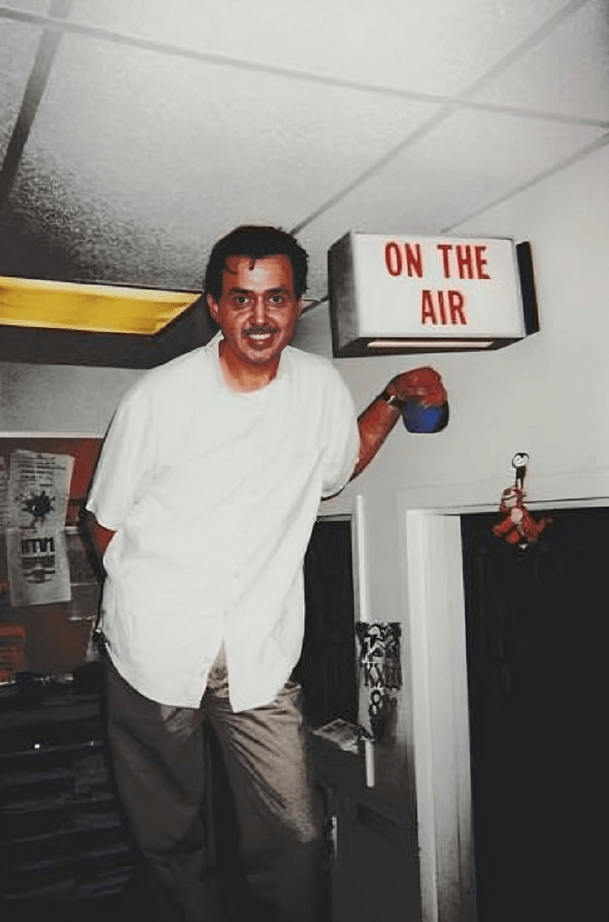
Eddie Lopez in Alma Del Barrio
Eddie Lopez working on the radio station

‘’Alma Del Barrio”’ programming 

The traditional programming of most of the stations consisted of jazz, rock and classical music, but then salsa was incorporated thanks to the increasing popularity that this genre was gaining. 

One thing Resendez said is that one of the most famous rock groups was Santana, so the announcer and the rest of his cabinmates were surprised that the musicians of the band knew so much about Afro-Cuban music in terms of percussion. Let us remember that the popular song ”Oye Como Va” was written by ”El Rey De Los Timbales” Tito Puente a decade and a half before the band recorded it.   

This union of rock and salsa was what gave the hosts the confidence to use trendy Anglo-Saxon genres as a means to promote Latin music.   

On top of that, the guys were clear that jazz fans would be receptive to Latin jazz, since great jazz musicians like Dizzy Gallespie hired Cuban percussionists in their orchestras. If on other stations, this music was successful, ”Alma Del Barrio” was no exception. Fortunately, they were not wrong.   

Logo of Alma Del Barrio
Current logo of ”Alma Del Barrio”

Last years of “Alma Del Barrio’’ 

During the last years of ”Alma Del Barrio”, the program team has made great efforts to join and create links with the community, whether it would be through sponsorships, advertisements, public services, donation campaigns, among other things.   

Through all this community service they offered, they also made their own work known and many listeners began to enjoy this great team’s talent while listening to good music and varied programming. 

The program has also been and is part of great annual and historical festivals such as the Salsa Fest. This day is always reserved for the audience to share with the new and old hosts of ”Alma Del Barrio” and many of the station staff, who always spread their enthusiasm to those present with their good energy.   

”Alma Del Barrio” and its hosts have brought joy to their followers, but there have also been some sad moments. One of them was the death of DJ Eddie Lopez in January 2023, leaving a great void in the station and the hearts of those who faithfully followed his career through the KXLU circuits during the last decades. 

Read also: Singer and manager of Cambalache Pancho Chavez 

Gato Barbieri was an excellent and virtuoso Argentine saxophonist par excellence

The Argentine musician takes us on a journey through his illustrious career.

Gato Barbieri

Editor’s note: Famed saxophonist Leandro “Gato” Barbieri passed away on Saturday, April 2, 2016, in New York City. He was 83 years old.

In 2015, the Latin Grammy Award for Musical Excellence was presented to Argentine composer Gato Barbieri, one of the most deserving musicians to be honored for his extensive career, throughout which he created a bridge between Latin music and an international audience.

In love with jazz since his formative years in the city of Rosario, Barbieri trained playing with great figures of American jazz during the 1960s.

The eternal radiance of Gato Barbieri

But his heart never left his Latin American sensibility. When he came to fame as a soloist and leader of his own group, he sold millions of records, forging a personal language that draws inspiration from tango, Brazilian cadences, the sounds of the Andes and South American folklore.

Over the past few years, Barbieri, who turns 83 on November 28, has suffered several health complications. From his home in New York, the musician spoke with remarkable sincerity about this new stage of his life, now far from his youth, but full of acceptance and hope.

You recently performed at the Blue Note club in New York and sold out. How does it feel to be a jazz legend at the age of 80-something?

When I play here at the Blue Note, people come from Russia, from Europe, from everywhere, because people identify with what Gato has done.

Now, I’m a little sick and it’s hard for me to walk. I don’t like that. I have to do exercises and things like that. I’m going to be 83 years old and it’s necessary to do these things that put me in a horrendous mood [laughs].

Life is like that, it has nice things and ugly things, and you have to keep walking, walking, walking…It’s like a tango. If you pay attention, tango talks about beautiful things: people, siblings, loves, the sweet details of existence. To this day, there are some tango songs that I find incredible.

What memories do you cherish from the beginning of your career?

When I started playing with the Casablanca orchestra, when I was 17. We played bebop music, which for me was something incredible. We used to perform at carnivals in the provinces of Argentina.

He is the most influential Argentine saxophonist in the global jazz scene.

I also have fond memories of playing in Europe with trumpeter Don Cherry, because I learned so much. He never said anything; he didn’t talk to us or explain anything about the music we were going to play. When we played together, we improvised, and he never stopped changing his compositions. It was a great thing.

And then, in 1972, came the music for Last Tango in Paris, which brought you international fame. What was it like to write the soundtrack for such a controversial film?

It was a magical thing, because Bernardo [Italian director Bernardo Bertolucci] is an incredible guy, an incredibly talented director. I was in good spirits, but it wasn’t an easy job because there were 50 moments in the film that needed music.

I remember we took a piano up to Pepito Pignatelli’s [owner of a legendary jazz club in Rome] house, which was on the fifth floor. Doing something like that 50 years ago was not easy, but when we recorded it, it was a beautiful thing. Sometimes the difficult things are the most beautiful.

And that unforgettable main theme, which is repeated throughout the film, how did it come about?

Bernardo called me and asked me to present him with several melodies, and that they should be as beautiful as possible. We had just gone to Italy to play some concerts, and we met Bernardo. I played him three or four tunes, and he immediately chose one and said: “This is the theme from The Last Tango in Paris”.

What do you think has been the secret of your success?

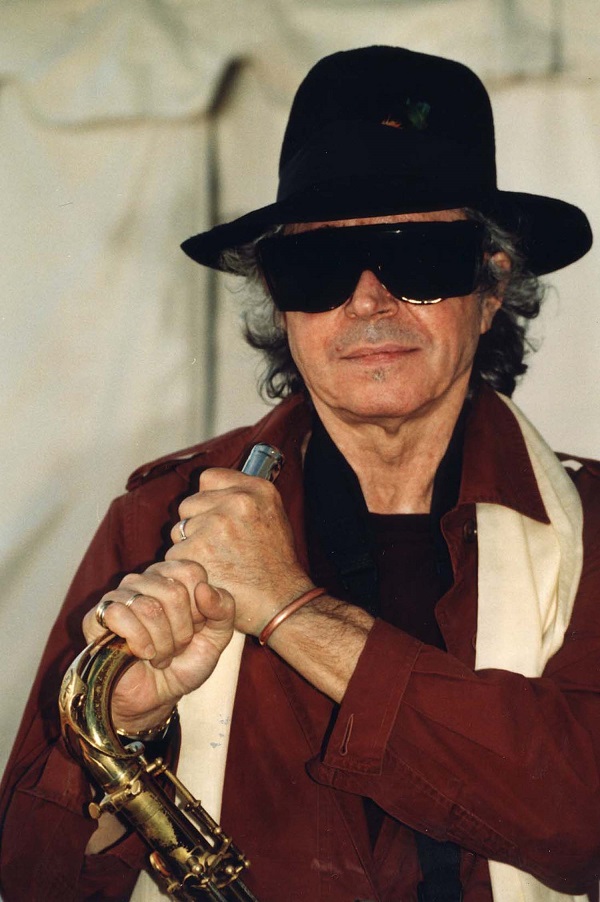
Gato Barbieri
Gato Barbieri

From 1970 onwards, I recorded about 45 records. That’s a lot. I was a guy who was always doing something, for me that lifestyle was a great satisfaction. As for the sax, I never knew much about chords. I make up my own chords, put one thing on top of them… and that’s it.

It’s hard to explain why I made the artistic choices I did. I wanted to do a little bit of everything, play an Argentine chacarera, or record with an Italian singer like Antonello Venditti [the hit ballad “Modena”, in 1979]. I always chose to play music from many different countries, and people identify with that.

Undoubtedly, you have lived a privileged life….

Yes, in a certain way, yes. Michelle [his first wife, who died in 1995] helped me a lot. She’s always in my heart, because she was incredible. She knew about film, art, so many things. In that sense, I learned a lot from her. And now I am living with Laura, my wife, who is a great person.

She has given me my only son, who is now 17 years old. He is tall and very intelligent, although a bit lazy, as I was myself at his age. It must be hereditary [laughs].

EL PAMPERO (1971)

After El Gato left his native Argentina, but before becoming a Latin jazz star, Gato Barbieri spent the second half of the 1960s collaborating with great, avant-garde musicians: trumpeter Don Cherry, vibraphonist Gary Burton and bassist Charlie Haden, among others. Capping a career for Barbieri as the leader of his own group, El pampero is an album recorded live at the Montreux Jazz Festival. Four tracks with extensive improvisations, steeped in South American nostalgia.

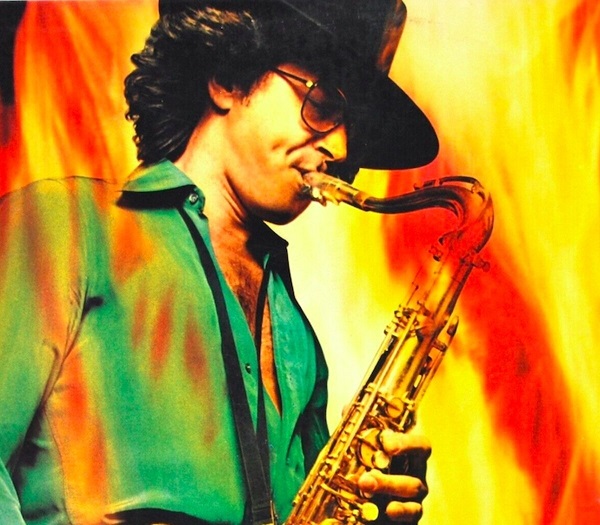
Gato Barbieri Album Caliente 1976

Gato Barbieri: Latin ‘jazz’ with a touch of pop and South American folklore.

By: Ernesto Lechner

Also Read: Irakere was a Cuban group that developed an important work in Cuban popular music and Latin Jazz under the direction of Chucho Valdés

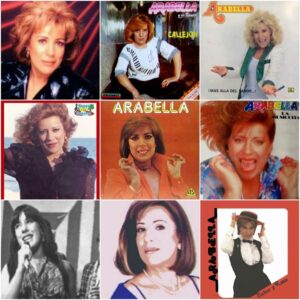
Arabella la Sonera Mayor de Colombia in her Callejón on a Sunday in Barrio with Chico Matanza

Born on June 5th, Arabella, “La Sonera Mayor”, is from Bogota, Colombia.

Arabella With her first name “María Margarita Pinillos”, she is an excellent Salsa singer and composer who shined in the 70’s and 80’s with her record productions, whose consecration and fame, however, was not in her native country but in Venezuela.

His Caribbean music song that made him famous was “Callejón” and he stayed in Venezuela for a while.

In 1972 he settled in Venezuela, it was in this country where he managed to strengthen his career and achieve the great success he had, he recorded several albums in the company of great artists of the time. In 78 and 79 he formed a group called “Los Maraqueros”, with which he could freely make the music he really wanted to make, Cuban music of Trio Matamoros and Puerto Rico.

She felt great interest in music from a very early age, however she did not contemplate from that time to make professional music, it was until she was 13 years old that a friend enrolled her without prior consultation in a radio contest of the time called “Orquídea de Plata Phillips”.

But because she was not prepared she was disqualified, however as a result she was recommended to participate in the television contest “Michel Talento” the first contest for amateurs of Colombian television. From that contest she went on to be hired at the Tequendama Hotel, the most important hotel of the time, as the first woman to sing vallenatos at the Salón Monserrate with the company of accordionist Ángel Martínez.

Arabella la Sonera Mayor de Colombia in her Callejón on a Sunday in Barrio with Chico Matanza

Arabella’s name was born from the fact that they used to tell her that she resembled a model that visited Colombia who unfortunately committed suicide, her pianist suggested her to adopt that name as her artistic name and she accepted.

Considered for many years as the natural successor of Celia Cruz, and Celia said that Arabella was her successor due to her extraordinary vocal quality.

She settled in Caracas-Venezuela since 1982, obtaining success in Salsa thanks to the advice of the great announcer Phidias Danilo Escalona.

In her beginnings she formed her own group called “Los Maraqueros”, she also recorded with Pacho Galán and with “Los Hijos del Rey” of the Dominican Wilfrido Vargas in which she recorded 4 merengues in a trip she made to the Dominican Republic, Wilfrido himself located her to record with him and they were hits the theme Corazón, Corazón de Julio Iglesia.

Los Armónicos de Manolo Monterrey, Chucho Sanoja y su orquesta, Willy Pérez and with the Megatones de Lucho.

With the groups that accompanied him as a salsa soloist.

It is worth mentioning that the song “Mi Vida es Cantar” immortalized by Ursula Hilaria de la Caridad Cruz, “La Guarachera del Mundo”, the queen of salsa, was composed by Arabella, who gave it to the eternal Cuban and salsa luminary.

For a while she lived in Puerto Rico where she decided to become a musical show businesswoman, with this company she traveled to several Latin American countries with first class singers: Marvin Santiago, Oscar de Leon, Ismael Miranda, among others.

Arabella Maria Margarita Pinillos

She finally announced her retirement from music after recording “La Musiquita” and “Yo te Vi”. After her retirement she moved to Miami, United States with her daughter, Margarita decided to dedicate herself to take care of her beloved daughter, her home and two cats and two dogs that are her favorites.


DISCOGRAPHY

– Más Allá Del Sabor (1990)

– Mi Son Es Un Misterio (1987)

– Puro Trópico (1987)

– La Musiquita (1987)

– Arabella (1985)

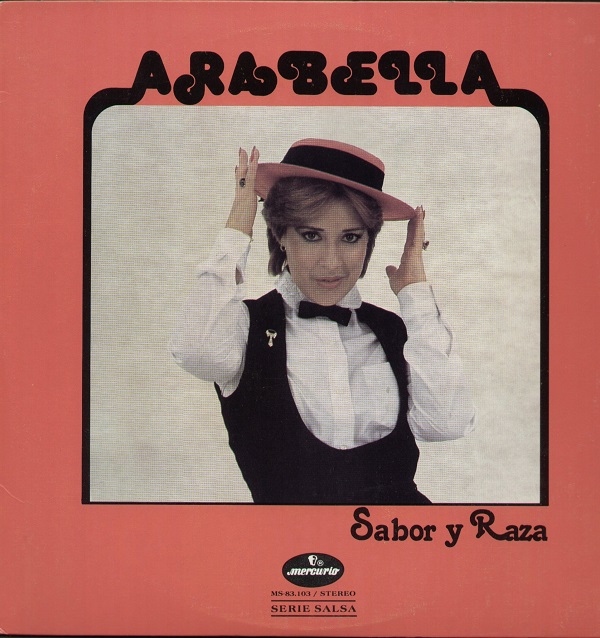
– Sabor Y Raza (1982)

– La Simpatiquisima (1980)

– Encontré Mi Amor (1979)

– Arabella (1978)

– Nelson Martinez y Arabella (1976)

– Nelson Martinez / Arabella Y Su Combo Tropical (1974)

Arabella la Sonera Sabor y Raza

SINGLES & EPs

– I Was Your Hunt (1990)

– Amiga La Vida / Sin Dejarte De Amar (1987)

– Mi Son Es Un Misterio / Mentiras (1986)

– Zape Pa’ Lla / Mentira (1986)

– Mentiras / Panamá (1985)

– Chico Matanza / Nu Sueño Mas (1982)

– Pal Campo/Mucho, Poquito, Nada (1978)

– Hija De Nadie (Flor Del Mal) / Arepas

– Domingo En El Barrio / Chico Matanza

– Mentiras / Espejismo

– Tómame Que Tómame / Con La Vara Que Midas (Take Me That Take Me / With The Rod That Midas)

Source:

William Aramburen Salsa Ephemeris

@arabellalasoneramayor 

Also Read: Betsy Colombian Salsa, Bolero and Son Cubano Singer

  • « Go to Previous Page
  • Page 1
  • Page 2
  • Page 3
  • Page 4
  • Page 5
  • Page 6
  • Interim pages omitted …
  • Page 165
  • Go to Next Page »

International Salsa Magazine (ISM) is a monthly publication about Salsa activities around the world, that has been publishing since 2007. It is a world network of volunteers coordinated by ISM Magazine. We are working to strengthen all the events by working together.