• Skip to primary navigation
  • Skip to main content

International Salsa Magazine

  • HOME
  • Previous editions
    • 2026
      • ISM / March 2026
      • ISM / February 2026
      • ISM / January 2026
    • 2025
      • ISM / December 2025
      • ISM / November 2025
      • ISM / October 2025
      • ISM / September 2025
      • ISM / August 2025
      • ISM / July 2025
      • ISM / June 2025
      • ISM / May2025
      • ISM / April 2025
      • ISM / March 2025
      • ISM / February 2025
      • ISM / January 2025
    • 2024
      • ISM / December 2024
      • ISM / November 2024
      • ISM / October 2024
      • ISM / September 2024
      • ISM / August 2024
      • ISM / July 2024
      • ISM / June 2024
      • ISM / May 2024
      • ISM / April 2024
      • ISM / March 2024
      • ISM / February 2024
      • ISM / January 2024
    • 2023
      • ISM / December 2023
      • ISM / November 2023
      • ISM / October 2023
      • ISM – September 2023
      • ISM – August 2023
      • ISM July 2023
      • ISM Edition June 2023
      • ISM – May 2023
      • ISM April 2023
      • ISM March 2023
      • ISM February 2023
      • ISM January 2023
    • 2022
      • ISM December 2022
      • ISM November 2022
      • ISM October 2022
      • ISM September 2022
      • ISM August 2022
      • ISM July 2022
      • ISM June 2022
      • ISM May 2022
      • ISM February 2022
      • ISM January 2022
    • 2021
      • ISM December 2021
      • ISM November 2021
      • ISM October – 2021
      • ISM September 2021
      • ISM August 2021
      • ISM July 2021
      • ISM May 2021
      • ISM April 2021
      • ISM June 2021
      • ISM March 2021
      • ISM February 2021
      • ISM January 2021
    • 2020
      • ISM December 2020
      • ISM November 2020
      • ISM October 2020
      • ISM September 2020
      • ISM August 2020
      • ISM July 2020
      • ISM June 2020
      • ISM May 2020
      • ISM April 2020
      • ISM March 2020
      • ISM February 2020
      • ISM January 2020
    • 2019
      • ISM December 2019
      • ISM November 2019
      • ISM October 2019
      • ISM Septembre 2019
      • ISM August 2019
      • ISM July 2019
      • ISM June 2019
  • Download Salsa App
    • Android
    • Apple
  • Spanish

Search Results for: Bar

Luis J. Cruz H. – Puerto Rican Trombonist

North America / USA / New York

Luis J. Cruz H. They recognize the Puerto Rican Trombonist

The Puerto Rican Trombonist Luis J. Cruz H.

The sound of the trombone sings a seductive melody that fuses the Antillean archipelago into a single town united by strong historical-cultural ties.

The sons and daughters of the Caribbean have left their mark on universal culture, but the libertarian struggles established an umbilical cord that established the dream of an Antillean confederation that has resisted the divisionism that conquering partisans have sown for more than a century.
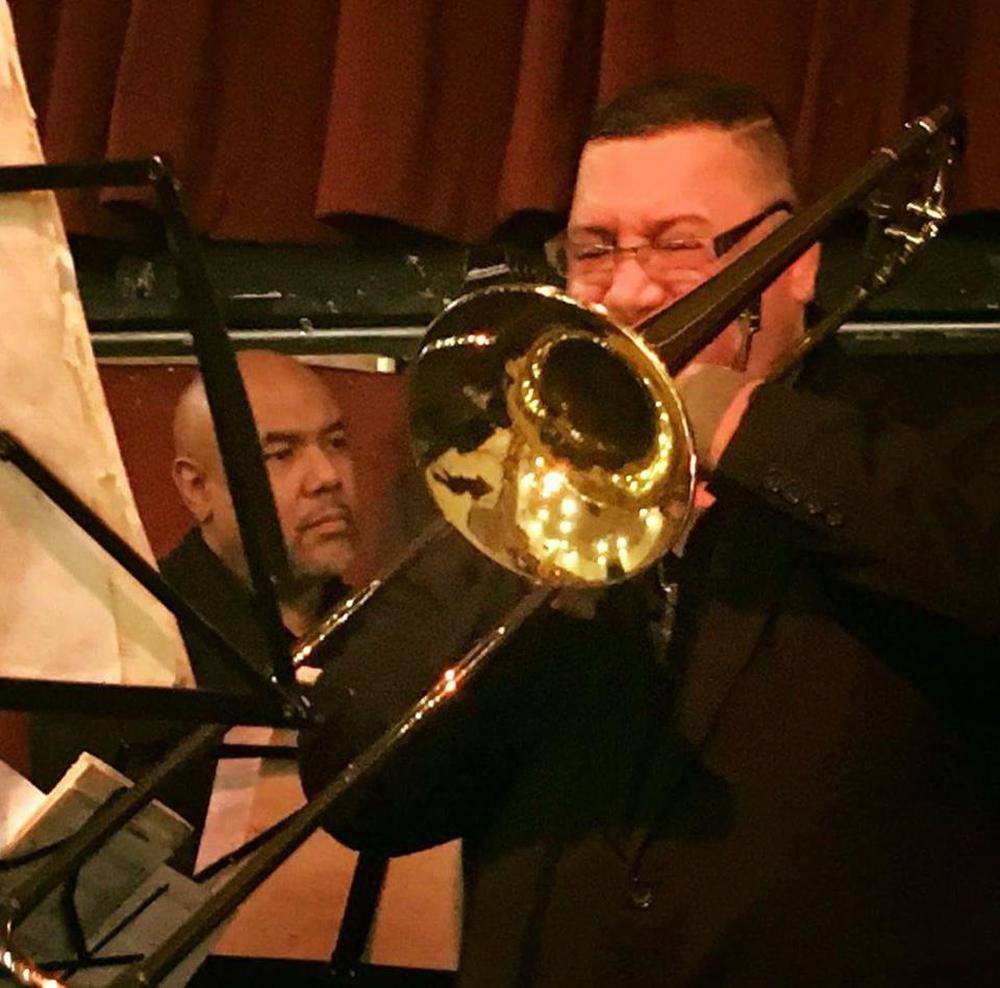
Luis J. Cruz H playing the trumpet

Luis J. Cruz H, an academic musician from Catañes based in New York with more than thirty-seven years of artistic life, recognized as the Steel Lips Trombone by legendary musicians such as Ángel ¨Papo¨Vazquez (Founder of the Manny Oquendo Free Group of New York, the Baracumbele Experimental Group of Puerto Rico).

Cruz got her start in music at the age of fourteen, when she took an optional music course in middle school. He discovered that he had talent, loved music and wanted to be a musician. The teachers advised him to enroll in the Escuela Libre de Música de Hato Rey in Puerto Rico.
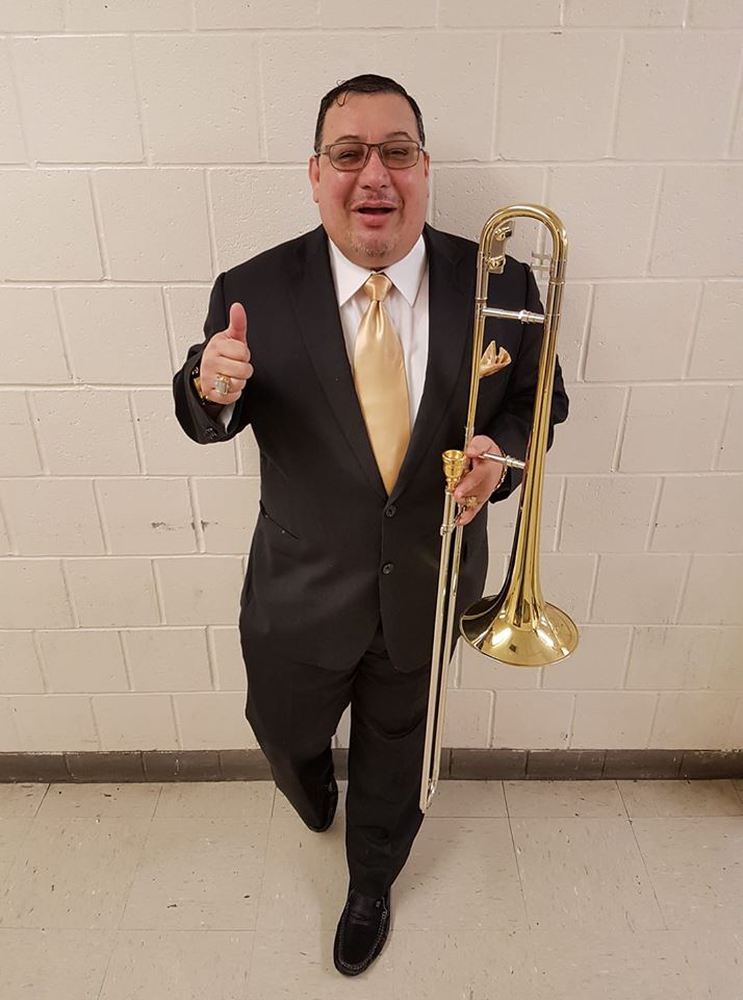
Photo of Luis J. Cruz H.

¨I was privileged. I had excellent teachers at the Ramón B. López, Rafael Cordero and Onofre Carballeira schools. They encouraged me to study and listen to the call of my heart. My parents, Luis A. Cruz Vega and Carmen M. Huertas Santiago, were fundamental. My mother has been my greatest source of support and two educators, teacher Edgardo Correa and teacher Antonio Salcedo, are the people who have most influenced my professional development¨ recalls Cruz Huertas.

The love between the trombone and Cruz was one at first sight. ¨I heard the trombone and I fell in love with its sound. Then I petted him. I reach my soul. It’s been more than thirty seven years since I married my trombone and we became one.
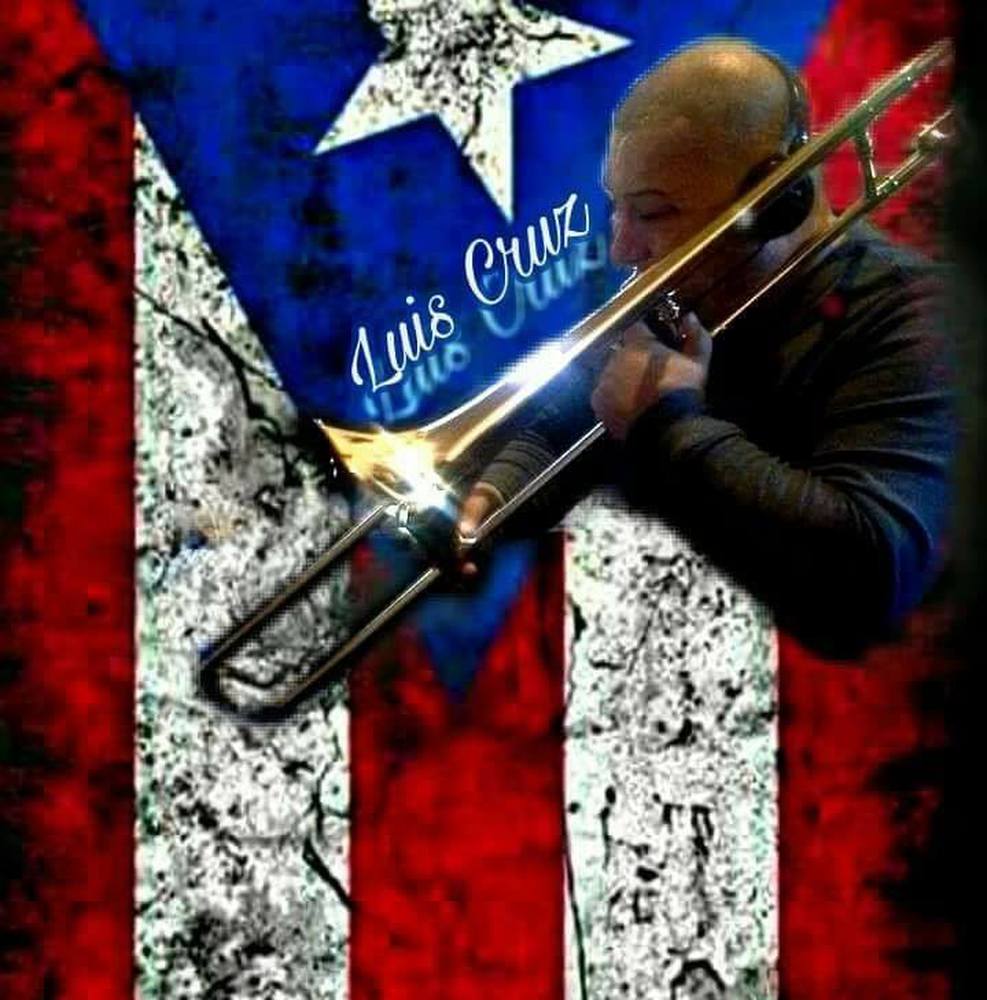
Puerto Rico -  Luis J. Cruz H.
Puerto Rico – Luis J. Cruz H.

He has participated in several orchestras such as José Alberto el Canario, Celia Cruz, Frankie Ruiz, Willie González, Eddie Santiago and is currently the first trombone of the legendary group Boricua Legends of Pedro Pocholo Segundo in New York.

In the coming days of the month of August, he will visit us in Caracas-Venezuela, to participate in a master class on techniques, use and execution of the slide trombone at the facilities of the National Center for Social Action for Music.


Luis J. Cruz H.
Luis J. Cruz H.

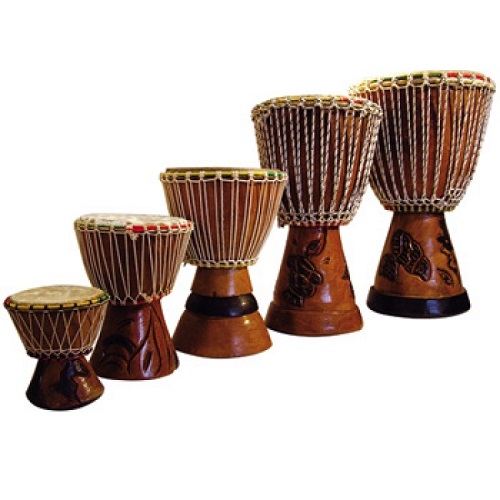
The Djembe is a percussion instrument belonging to the family of membranophone instruments

It originated in the ancient Mandinga Empire, approximately between the towns of Bamako (Mali) and Kankan (Guinea), from where it later migrated to Senegal, Ivory Coast and Burkina Faso, forming an integral part of the music and traditions of the area.

Africans playing Djembe

It is believed that this migration was due to the Numu, who were (and still are) blacksmiths [[professionals considered guardians of certain powers.

They were in charge of making the Komo masks, performing circumcision and ablation of adolescents to mark their passage to adulthood, as well as sculpting and playing the yembes.

As a result of differences in shape, wood density, internal engravings and skin, there is a wide range of tones that can be emitted by the yembe.

Striking the skin near the center produces lower notes, striking it near the edge.

It is struck with the fingers together and stretched, but without leaving them glued to the drumhead, so that the sound comes out.

On the other hand, to produce the highest pitched sound, the slap is used.

The palm of the hand is slightly curved and the membrane is hit with the fingertips.

It is estimated that the djembe was invented approximately 3000 years ago by the African Maninka tribe, who used it as a ceremonial instrument.

The Djembe originated in the former Mandinga Empire, approximately between the towns of Bamako (Mali) and Kankan (Guinea).

The word yembé comes from the Bambara language and means together in peace.

Membranophones are musical instruments that produce sound through the vibration of a taut membrane or drumhead.

The membranes can be made of animal skin or synthetic material and the instruments can be mounted on wooden cylinders, ceramic vessels or gourds.

Membranophones can be played by percussion or rubbing and can have one or two membranes, closed or open bottoms.

Some examples of membranophones are:

– Bombo: A direct hit membranophone whose sound is extracted by striking it with a wooden striker.

– Snare: A membranophone instrument

– Drum: A percussion instrument with a resonance box, which is usually cylindrical, and a membrane called a drumhead that covers the opening of the box.

– Zambomba: A friction drum.

– Cuica: A friction drum

– Juque: A Costa Rican instrument that is a friction drum

– Mirlitón: A blown membranophone instrument.

Membranophone Africa This percussion instrument is of African origin, but its antecedents are Asian (Japan and China) places where it is widely spread and is known with the names “Kelontonga” and also known as “Den-Den Daiko”.

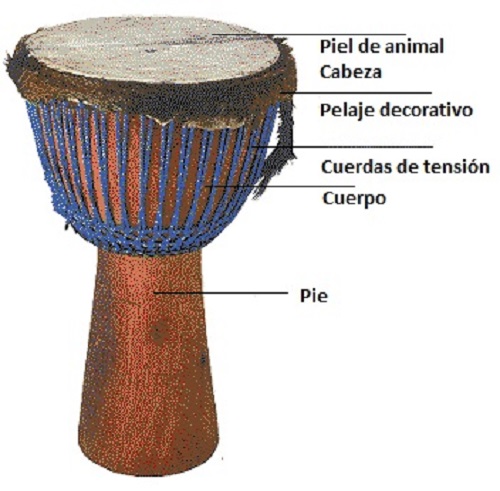
Djembe parts
Djembe parts

Membranophones. The membranophones produce the sound by means of the vibration of a tensed membrane. The vibration of this membrane can be provoked by hitting it, rubbing it or by voice (humming).

The castanets or “palillos” are a percussion instrument created by the Phoenicians three thousand years ago.

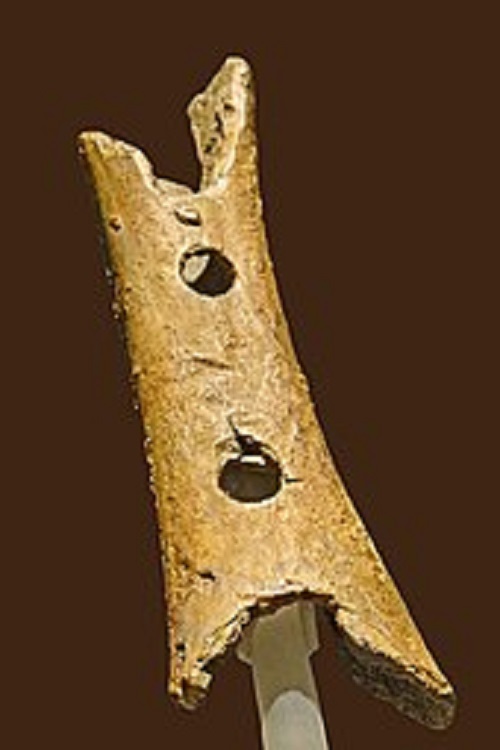
The oldest instrument is the flute, invented by Homo habilis in the Paleolithic and made of bird bone and mammoth ivory, this instrument is about 42 000 years old.

The oldest instrument is the flute, invented by Homo habilis in the Paleolithic period and made of bird bone and mammoth ivory, this instrument is about 42 000 years old.dor de 42 000 años
The oldest instrument is the flute, invented by Homo habilis in the Paleolithic period and made of bird bone and mammoth ivory, this instrument is about 42 000 years old.

The Divje Babe flute is the oldest instrument in the world and is currently in the National Museum of Slovenia.

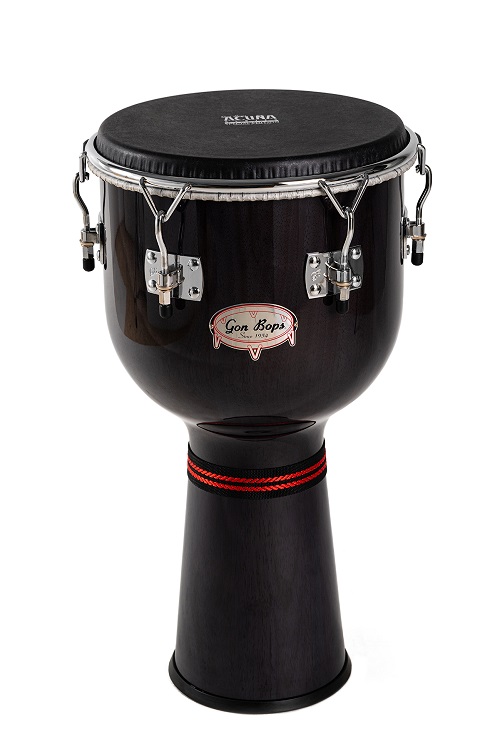
Alex Acuna Special Edition Djembe.

The combination of Asian Oak shell, Remo Skyndeep Natural head and premium Gon Bops hardware produces massive bass and impressive volume on Alex Acuna’s Signature 14″ Djembe.

Alex Acuna Special Edition Djembe

Source: Gon Bops

Also Read: Orestes Vilató es una de las figuras más influyentes en el mundo de la percusión Latina

Nanette Hernández promotes the bomba and plena in New Jersey

We know that the most of our Latin countries have historically become known for genres such as salsa, merengue, bachata and more recently reggaeton and trap. However, the popularity of the aforementioned genres made us leave aside other more local rhythms that also deserve exposure.    

On this occasion, we wanted to talk about the bomba and plena, so we resolved to interview Nanette Hernandez, who is one of its main proponents here in the United States, more specifically in New Jersey.   

This is Nanette
This is Nanette Hernández, who is a great promoter of the bomba and plena


How Nanette became interested in the bomba and the plena 

Nanette began by telling us that her interest in music was born thanks to her parents, who are Puerto Rican and moved to the United States, Pennsylvania, during the 1950s to continue their life in this new country. However, his home was built based on Puerto Rican culture and, of course, that included language and music. Her father had an ensemble that played jibaro music and Nanette grew up watching this, so this musical environment was always very familiar to her.   

As she grew up, Nanette also became very interested in dancing and discovered that she really liked salsa when she was just a teenager. She remembers listening to Celia Cruz, Johnny Pacheco, El Combo de Puerto Rico and many of the most popular groups and musicians of the time, who also inspired her to keep dancing. She felt that she was encouraged just by dancing, so she continued to do so over the years, but not professionally.   

After marrying Juan Cartagena and seeing that she and her husband shared a taste for Latin music, they began to frequent places where Puerto Rican music groups performed. That is how they were in a show of the dance and drum ensemble ”Los Pleneros de la 21”. They were so fascinated by what they saw and heard that both Nanette and Juan began to study the plena and bomba because they wanted to know everything about these rhythms. Their interest was such that they were even in contact and consistently et with the Cepeda family, which is a cultural institution with many years of experience in everything to do with the bomba and plena.   

She also mentions that Roberto Cepeda, part of the aforementioned family, was very important in her decision to devote herself to promoting the bomba and plena and feels that he saw something in her that even herself was not able to see, so she decided to search for expert teachers in these genres to become more professional in the dancing and instrumental part in order to be able to teach them to others.   

Nanette dancing
Nanette dancing bomba and plena

Differences between the bomba and plena  

When we asked Nanette about the differences between the bomba and plena, she made it very clear that people often think that they are almost the same, but they are not. They are extremely different and have many differences from each other.   

In the case of the bomba, it has re than 400 years of existence and originated in Africa. The genre arrived in America along with the slaves who were brought to the New Continent and the new inhabitants of these lands brought their improvised instruments with them such as the so-called ”barrels”, which have a great resemblance to drums. They are often accompanied by maracas.    

In the case of the plena, this rhythm uses the pandero, the güiro and other smaller hand instruments with which they make a completely different sound from the bomba. To complement what Nanette told us, we can also say that the plena is believed to originate in Ponce, Puerto Rico, and its lyrics are very focused on comedy, activism and denunciation. In addition, it is also seen as a very peculiar mix between African and European music. 

Another difference between the bomba and plena is that, in the bomba, it is the dancer who leads and guides the musicians, while in plena the opposite happens. These genres are very different from each other, but that does not change the fact that both complement each other perfectly well in any show or class.   

Nanette next to her husband Juan Cartagena, Segunda Quimbamba's founder 
Nanette next to her husband Juan Cartagena, Segunda Quimbamba’s founder

How Segunda Quimbamba came about    

Segunda Quimbamba is a project initiated in 1989 by Juan Cartagena, Nanette’s husband, which was born as a result of the couple’s interest in promoting two of the most important ancestral rhythms from Puerto Rico and preserving the most important musical traditions on the Island of Enchantent, such as the ”parrandas”. A few years later, they began introducing the bomba and plena until they became the center of the project. 

In 1997, Nanette and Juan founded the Segunda Quimbamba Folkloric Center, which is a non-profit arts organization that seeks to promote the bomba and plena in New Jersey and the rest of the United States so that those interested can learn more about Puerto Rican music and culture in general. The organization also seeks to offer music and dance workshops at solidarity prices and even for free at times.   

Nanette and Juan have been invited to participate in numerous events and have been recognized for the role they have played in promoting Latin music, especially that of Puerto Rico. For example, in 2023, The New Jersey State Council of The Arts recognized the couple with the New Jersey Heritage Fellowship Award in honor of what they have accomplished with this wonderful and ambitious musical project. 

Read also: Edwin Ortiz y La Mafía del Guaguancó is present in ISM 

International Salsa Magazine presents the Dj, Jeferson Flores, triumphing in Europe

Currently, they are known through the abbreviation “Dj” or the term “deejay” respectively, and in previous times, they were called “disc jockey”, to those people, which select and mix recorded music and thus be heard by a certain audience, thus issuing its sound in locations such as: discos, mini clubs, clubs, dances, events, concerts, bars, restaurants and rumbas, demonstrating their versatility, knowledge and bringing joy to their followers, listeners and dancers.

In this issue of International Salsa Magazine, we present a Venezuelan musician, selector or dj, who is currently triumphing outside our borders and extolling the name of our country.

Jeferson Flores, born in Caracas in 1992.

We refer to Jeferson Flores, born in Caracas in 1992, and from a very young age he was inclined to music, because his father, also worked as a professional dj of salsa music rhythm and this somehow influenced Flores to learn the trade and legacy acquired thanks to his father.

Beginning with only 15 years of age to musicalize, using in first place the formats of compact discs “cds” and “cuatromil quinientos”, in the Caracas saraos known as “Picoteros” and in the remembered “Minitecas”, and in second place demonstrates his skill in the “plates”, when using the formats of discs in acetates or vinyl, selecting salsa for the dancer and he also commented us that with the passing of the years and until the present time, he stands out and characterizes himself for being a professional salsa dj; he stands out and is characterized for being a “dj crossover”, that is to say, what it means in the Spanish language, dedicated to “mix” with the use of “controllers” his excellent musical repertoire. International Trajectory.

The performance abroad of our guest of this month in International Salsa Magazine, has been quite extensive and successful, beginning to work in Colombia, where he worked as a “resident dj” for five years in a prestigious nightclub in Bogota, then began his period, musicalizing in Ecuador, Poland, Germany and is currently based and makes professional life in Barcelona, Spain, being described by specialists as one of the “Dj Crossover” more complete and versatile, placing Latin music in their dances. And as a result of his excellent performance in the Iberian country, he was the winner last year of the “Latino de Oro” award, in the categories: Salsa Dj and Dj Crossover, respectively, and by the way, in this year’s edition 2024, he has been nominated again in both categories for this award, considered one of the most important of the music in the European continent.

As for his most recent performances as a “musical selector”, last Saturday, June 28, he was mixing salsa at a location in the city of Marbella, Spain, in an event called “Venezuelan Night”, and next Saturday, July 6, he travels to Madrid to make the rumberos of the “mother country” enjoy, integrating the line-up of the Dj show, the “Fiesta Blanca”, alternating in this opportunity with the musicalizers: Reni Herrera, Ditxon Mercado, Dj Argenis and Dj “El Negrito Caliente”.

Finally – he told us – Jeferson that his work in Spain has been very well liked and he is one of the most requested Djs in the rumbas every weekend. His social networks and contacts are, instagram: jefersonfloresoficial2, facebook: Yeferson Flores, Tik tok: @jefersonflores457, Youtube: jefferson flores.

Dj. Jeferson Flores
Dj. Jeferson Flores

Email: [email protected], Booking: +34691292564. From International Salsa Magazine in Palo Alto, CA www.salsagoogle.com, we wish Dj Jeferson Flores, the best of success and continue to succeed in Europe for the pride of Venezuelans, always putting good salsa for the dancer …! Until next time and let’s keep on salsaing. Dj. Augusto Felibertt and Carlos Alberto Colmenárez Oropeza.

The first DJ was British radio engineer Ron Diggins.

Contrary to what many may imagine, it was not a bohemian musician in a garage or some friends in a ghetto. The first DJ was British radio engineer Ron Diggins, who in 1949 invented the Diggola, which today is considered the first “mixing desk” in the history of music. The home-built Diggola had two turntables, lights, microphones, amplifier, speakers and was built on a wooden coffin (yes, coffin) base.

With his Diggola at the ready, and like a good DJ, he loaded his equipment into a van and began playing records at the hundreds of UK events where he was hired, causing the crowd to go wild. “I didn’t invent anything, I just put the same things to a different use,” he commented in the magazines of the time, never imagining that his creation would be the beginning of a revolution in music, where DJ’s and beatmakers would take beats to every corner of the planet.

Ron Diggins, throughout his life, played records in more than 20 thousand parties, retiring only in 1995, after 46 years of career in front of the decks. Passionate about music, he passed away in 2011 at the age of 91, leaving an eternal legacy.

Dj. Ron Diggins
Dj. Ron Diggins

In 2020 it will be 25 years since Diggins retired from the dancefloors. And we commemorate it with music, without a minute of silence, because a life with silence is the last thing the first DJ in history wanted.

Article written by @comte_con_eme, member of the Urban Roosters Army.

Also Read: Djane Shina una Pasión Convertida en Realidad

Australia and New Zealand / August 2024

Calibrated maracasMartinez attorney

OCEANIA 

Australia circular flag
AUSTRALIA
DIRECTORY OF NIGHTCLUB

bB Bachata BEATS
Bachata BEATS
Level 1, 416 Brunswick St. Fitzroy
Melbourne, VIC, Australia 3065
+64 0432 013 492

The Night Cat stage
The Night Cat
137-141 Johnston St, Fitzroy
Melbourne VIC, Australia 3065
+61 3 9417 0090

El Giza
El Giza Lounge & Bar
152 Lygon Street
Carlton VIC 3053, Australia
+61 466 023 140

La Bodega
La Bodega
12 Fitzroy street St
Kilda VIC, Australia 3182
+61 3 9525 3875

Pachanga
Pachanga
380 Russell St
Melbourne VIC, Australia 3000
+61 406 440 788

The Vineyard Bar
The Vineyard
71a Acland St
Kilda VIC, Australia 3182
+61 431 160 890

Bachata ConeXión
Bachata ConeXión
497-499 Queensberry St
North Melbourne VIC 3051, Carlton, Australia 3053
+61 432 215 060

Vodka Temple
Vodka Temple
162 Lygon Street
Carlton VIC, Australia 3053
+61 469 386 492

The Mustang Pub
The Mustang Bar
46 Lake Street Northbridge
Western Australia, WA, Australia 6003
+61 8 9328 2350

Noun
Noun Green Square
355 Botany Road Zetland
NSW, Australia 2017
+61 481 188 226

Uruguayan Club
Club Uruguayo de Sydney
56 – 62 Whithford Rd Hinchinbrook
NSW, Australia 2168
+61 419 494 096

Establishment
Establishment
252 George St The Rocks
NSW, Australia 2000
+61 2 9240 3000

Azuquita
Azuquita Entertainment & Productions
Sydney NSW, Australia 2000
+61 425 351 937

The Collaroy
The Collaroy
1064 Pittwater Road Collaroy Beach
NSW, Australia 2097
+61 2 9114 7366

Urban Salsa
Urban Salsa
Level 1, Suite 1, 136 Victoria Rd North Parramatta
NSW, Australia 2151
+61 478 411 849

New Zealand Circular flag
NEW ZEALAND
DIRECTORY OF NIGHTCLUB

Salsa Latina
Salsa Latina
12 Bath Street, Christchurch
Christchurch, New Zealand 8011
+64 21 743 783

El Barrio
El Barrio Latino Bar
35 Dixon Street
Wellington, New Zealand
+64 4-333 0261
AUGUST 2024 AUSTRALIA FESTIVALS

Australia circular flag
AUSTRALIA
Rhythms of Brazil 2.0 2024

Rhythms of Brazil 2.0

Aug 10 / 11 2024

Scarborough Po
75 Deanmore Rd
Perth, WA, Australia

$ 169

  • « Go to Previous Page
  • Page 1
  • Interim pages omitted …
  • Page 51
  • Page 52
  • Page 53
  • Page 54
  • Page 55
  • Interim pages omitted …
  • Page 165
  • Go to Next Page »

International Salsa Magazine (ISM) is a monthly publication about Salsa activities around the world, that has been publishing since 2007. It is a world network of volunteers coordinated by ISM Magazine. We are working to strengthen all the events by working together.