







CANADADIRECTORY OF NIGHTCLUBS |
||
|
|
|
|
|
|
|
|
|
|
|
|










UNITED STATESDIRECTORY OF NIGHTCLUBS |
||
| CALIFORNIA | FLORIDA | ILLINOIS |
| MICHIGAN | NEW JERSEY | NEW YORK |
| OHIO | PENNSYLVANIA | TEXAS |
| VIRGINIA | WASHINGTON | |
CANADADIRECTORY OF NIGHTCLUBS |
||
|
|
|
|
|
|
|
|
|
|
|
|
UNITED STATESDIRECTORY OF NIGHTCLUBS |
||
| CALIFORNIA | FLORIDA | ILLINOIS |
| MICHIGAN | NEW JERSEY | NEW YORK |
| OHIO | PENNSYLVANIA | TEXAS |
| VIRGINIA | WASHINGTON | |
One of the Latin genres that is currently on the rise is tango, so it is common to find more and more people linked to it. There are even many who have made tango one of the most important passions of their lives, as in the case of Carlos Álvarez Guevara, with whom we have had the fortune to talk exclusively about this and other interesting topics.
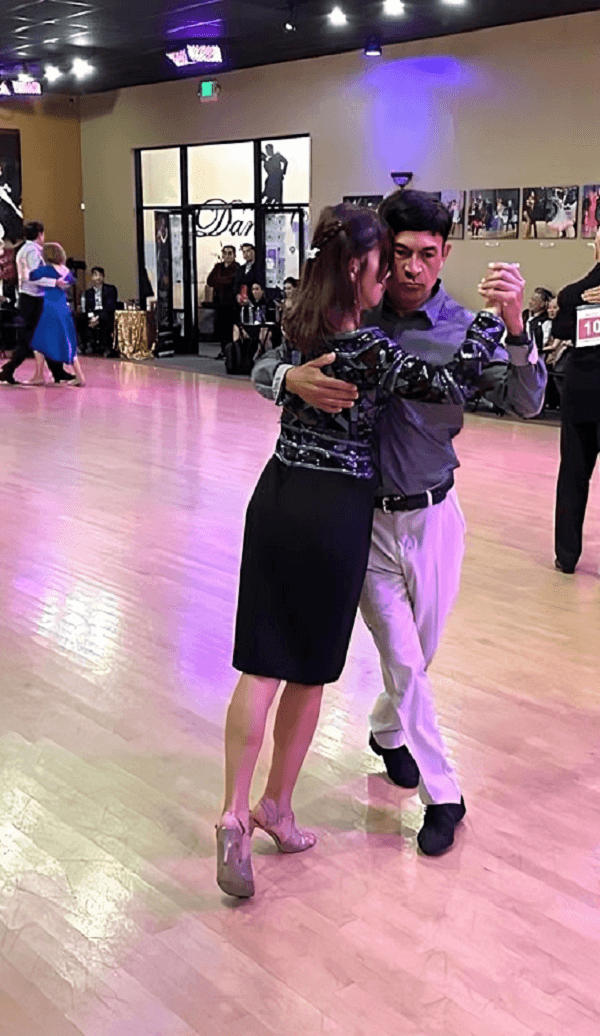
Carlos’ contact with tango began during his early childhood thanks to his mother, who was a tango singer and dancer.
Carlos describes his early live in El Salvador and points out that, back then, there were no cassettes or CD players with which to listen to music, so people had to make do with what they heard on the radio. His mother went to a well-known radio station to take part in singing competitions.
It is then that the boy would listen to his mother rehearse for the competitions with old tango songs, which made him memorize them perfectly and be able to sing them in full. The rest is history.
Today Carlos is a tango and salsa dancer, a genre that has also been important in his musical journey. However, he sings the songs he dances to at amateur level.
For many years, he left aside music to devote himself to become a mechanic, a job from which he recently retired after more than 40 years of hard work. It was when he turned 45 that he fully resumed his love for tango and enrolled in dance classes to remember everything he had learned with his mother.
This is why Carlos says that he is much more professional in dancing than in singing, since he dedicated much more time and effort to the former to become an expert in the field. Dancing, of course, is accompanied by singing, but it has less hierarchy in terms of the artist’s priorities.
He has reached such a level of excellence in these disciplines that some friends of his put him in touch with Eduardo Guilarte, director of International Salsa Magazine, so that he could talk to us and his talents would become better known.
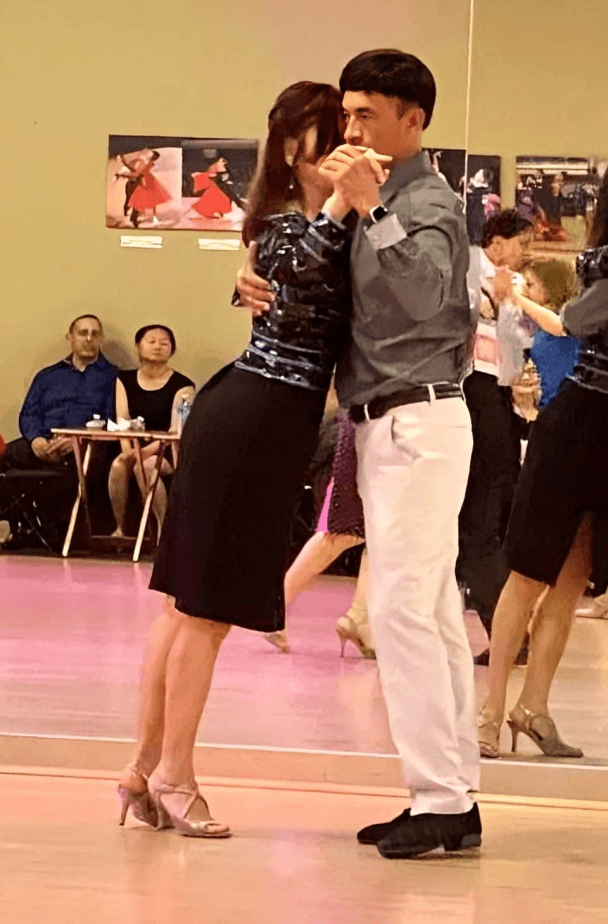
Regarding the time dedicated to his formal work and dancing, Carlos claims he never had any problems, since he knew how to organize very well in this aspect.
He always devotes his time to dance on weekends, days where he frequented, and still frequents, nightclubs with friends with whom he dances and spends very pleasant moments that clear his mind of everyday life.
In addition to that, he also has a karaoke machine at home with which he also sings and practices his repertoire to delight anyone who wants to hear him on any nightclub stage.
Just as Carlos has been dedicated to singing and dancing tango, he has also invested time in learning about its history to give more depth to the knowledge he has about this genre and he wanted to share with us a little of what he has learned.
He told us that one of the things he was most fascinated to learn is that tango has roots from many places and times around the world, although nowadays it is seen as an Argentine genre. Something that many do not know is that it has its origins in the arrival of Africans in the ”New World”, which played a fundamental role in the emergence of tango in Argentina and Uruguay, which were under Spanish rule.
Both countries were transit ports for slave traffic, so the new inhabitants of these places brought with the their music and customs, which were mixed with the local music and customs to give rise to what is known today as tango.
A very interesting detail he told us is that, when European sailors stopped in these countries and went to bars to look for drinks and some company, so the ladys in these places danced tango to seduce and provoke them. At that time, this kind of music was perceived as the lowest level of society to the point that the Catholic Church demanded its parishioners not to dance tango, but it turns out that the genre was pleasing to the people and nothing could be done about it.
In the end, puritans had no choice but to embrace this wonderful dance and, today, people of all social classes, ages and races enjoy it without any complex.

Since Carlos has very extensive knowledge of everything about the genre and its lyrics, we wanted to know what he has studied about it.
‘‘Tango can be many things at the same time. It can touch on issues related to the moral conduct of the individuals and, like many Latin genres, it also serves to mock and criticize politicians. It can also be an ode to love, spite and regret for having lost the loved one” Carlos shared with us on the subject.
‘‘This genre can deal with many subjects at the same time, but one of the most recurrent is frustration with failed love and I don’t think that will change in a long time” said Carlos.
Regarding the issue of the greatest artists who have inspired him to dance and sing tango, he mentioned Carlos di Sarli, Carlos Gardel, Oswaldo Pugliese and Enrique Rodríguez.
Carlos describes listening to any tango song as ”listening to your own national anthem in a foreign country”. For him, listening to any piece sung by his parents in the past is a source of pride and takes him back to the most beautiful moments of his childhood.
Carlos pointed out that ”when you are driven by loving emotions and some thoughts are trapped, you can express them through singing and dancing, which is what I always do”.
The artist pointed out that he loves this world and it is one of the things that fills him the most in life, so he is grateful to be able to talk about it in International Salsa Magazine and express what it makes him feel to the world.
Read also: Bolivian guitarist Gabriel Navia and his love for music
Latin America / Puerto Rico
Giovanni Yova Rodríguez Ruiz, was born in Mayagüez, being the youngest of six siblings, raised alone by his mother Doña Delia Ruiz Crespo. At the age of 7 he started in music singing Christmas bonuses and influenced by his maternal uncle José Ruiz Crespo ¨Pipo El Indio¨ and his great-uncle Antonio ¨Toño Ruiz who played Puerto Rican cuatro.
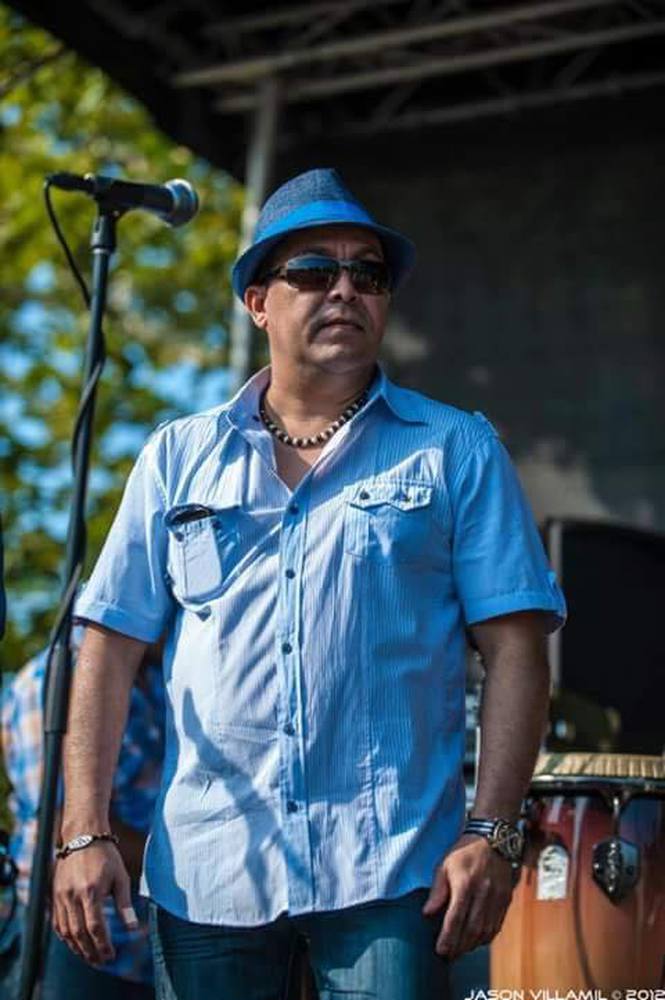
At the age of fifteen, he began his studies at the Ernesto Ramos Antonini Free School of Music in Mayagüez, Puerto Rico.
It is here that he began his singing career and minor percussion and at the age of 16 he became the singer of the school band. In 2004 the project ¨Yova Rodríguez & his group Sakao – Akà, Homage to Polo Montañez¨ began.
Since the release of her musical work, Yova Rodríguez, the ensemble Sakao – Akà, has become one of the most sought-after ensembles in Puerto Rico, Colombia, Venezuela and New York, since 2010 she has resided in The Big Apple, La Babel de Hierro N.Y. working on the musical composition for singers of the stature, Danny Rivera, Herman Olivera, Marcial Isturiz, Orquesta Boricua Legends, and the great Andy Montañez among others and to mention a few and traveling through several Latin American countries along with most of the artists already mentioned.

In 2016 he starts with his promotional song ¨Me Quedaré¨ with arrangements by trumpeter Nelson Jaime Gazu, a song dedicated to the thousands of Boricuas who have left their beloved Puerto Rico.
In 2017 he composes the song ¨Mi Barrio¨ dedicated to his native neighborhood and was presented in Mayagüez, at the same time Mayor José Guillermo Rodríguez gives him the keys to the city and a recognition, in the same year he composes the song ¨ Borinquén se Rivanta¨ where great luminaries of La Salsa participated in New York such as:
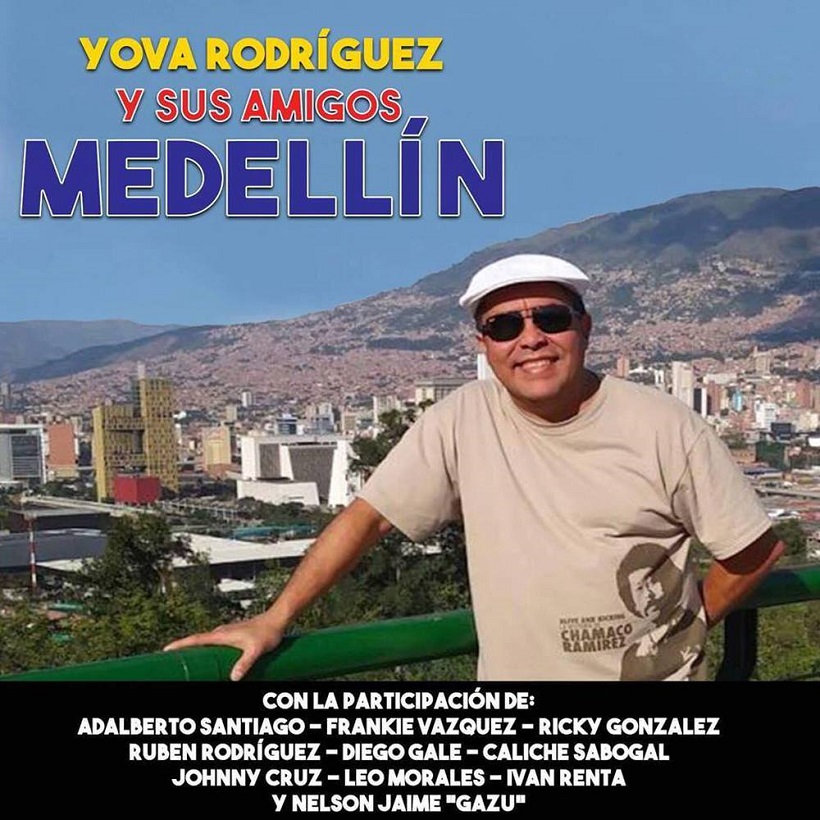
El Pulpo Colon, Jhon Benítez, Luis Mangual, José Dávila among others and by the hand of the Cuban trumpeter and arranger Agustín Someillan Garcia, in January 2018 it is presented in Medellín-Colombia in the prominent venue Son-Habana, returns to New York and composes the theme Medellín, it is presented on June 23 with a resounding total success in the event one day of Salsa for Medellín.
Yova Rodríguez himself informs me that he is already preparing his fourth record production by the hand of the pianist, arranger Arturo Ortiz. And at the same time he belongs to the board of directors of the Galería de La Salsa in Spanish Harlem in New York.
Northeast – Middle Atlantic – New York
Rumberos del Callejón brings to the Salsero musical market their new promotional single “Me Tienes Loco” with the special guest, Gilberto Santa Rosa “El Caballero de la Salsa”. This third track of the album “Celebrando” presents contemporary salsa with a fresh and avant-garde touch.

The musical arrangements of “Me Tienes Loco” were in charge of Alberto Crespo, while Carlitos Padrón was responsible for the musical production. This third single of nine in total of “Celebrando” Volume 1 was recorded between Caracas – Venezuela and the capital of the World, New York.
In this CD, celebrating the anniversary for the 10 years of the orchestra you can listen the interpretation of the most famous artists of the Salsa genre, such as: the Puerto Ricans Tito Nieves, Gilberto Santa Rosa, and Maelo Ruíz, Domingo Quiñones, and for Venezuela there are the singers: Luis Fernando Borjas, Rodrigo Mendoza, Wilmer Lozano, Angel Vallenilla, Veruzca Verdú, Gonzalo Díaz and Memo Arroyave.

“Celebrando” Volumen 1 is available on all digital platforms.
Release Date: June 28th, 2018
| Credits: | |
| Javier Vásquez | Lyric |
| Alberto Crespo | Arrangements |
| Gilberto Santa Rosa | Lead Vocal |
| Alberto Crespo | Piano |
| José Tabares | Bass |
| Carlitos Padrón | Congas, Bongos & Timbales |
| Larry Flint | Minor Percussion |
| William Rada | Trumpets |
| Pedro Moya | Trombone |
| José Fariña | Baritone |
| Rodrigo Mendoza, Wilmer Lozano, Leo Gruber, Ángel Vallenilla | Chorus |

Vídeo: https://youtu.be/Ewcil67kjyQ
North America / USA / New York

The sound of the trombone sings a seductive melody that fuses the Antillean archipelago into a single town united by strong historical-cultural ties.
The sons and daughters of the Caribbean have left their mark on universal culture, but the libertarian struggles established an umbilical cord that established the dream of an Antillean confederation that has resisted the divisionism that conquering partisans have sown for more than a century.
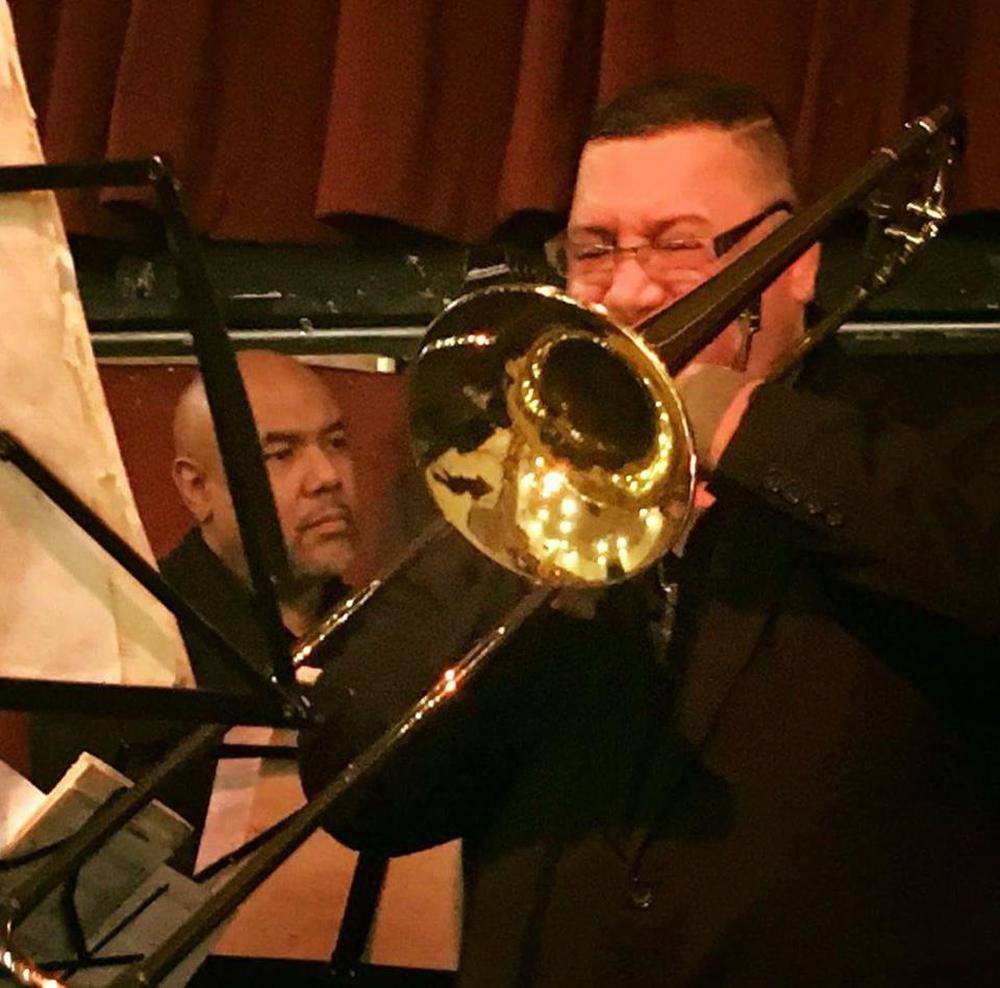
Luis J. Cruz H, an academic musician from Catañes based in New York with more than thirty-seven years of artistic life, recognized as the Steel Lips Trombone by legendary musicians such as Ángel ¨Papo¨Vazquez (Founder of the Manny Oquendo Free Group of New York, the Baracumbele Experimental Group of Puerto Rico).
Cruz got her start in music at the age of fourteen, when she took an optional music course in middle school. He discovered that he had talent, loved music and wanted to be a musician. The teachers advised him to enroll in the Escuela Libre de Música de Hato Rey in Puerto Rico.
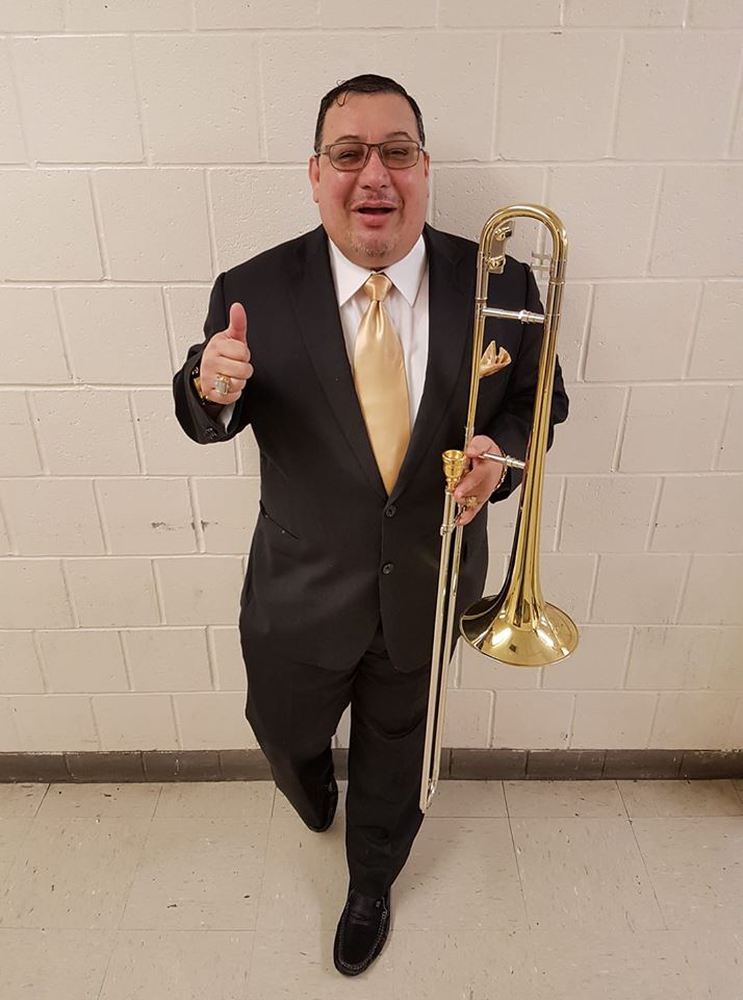
¨I was privileged. I had excellent teachers at the Ramón B. López, Rafael Cordero and Onofre Carballeira schools. They encouraged me to study and listen to the call of my heart. My parents, Luis A. Cruz Vega and Carmen M. Huertas Santiago, were fundamental. My mother has been my greatest source of support and two educators, teacher Edgardo Correa and teacher Antonio Salcedo, are the people who have most influenced my professional development¨ recalls Cruz Huertas.
The love between the trombone and Cruz was one at first sight. ¨I heard the trombone and I fell in love with its sound. Then I petted him. I reach my soul. It’s been more than thirty seven years since I married my trombone and we became one.
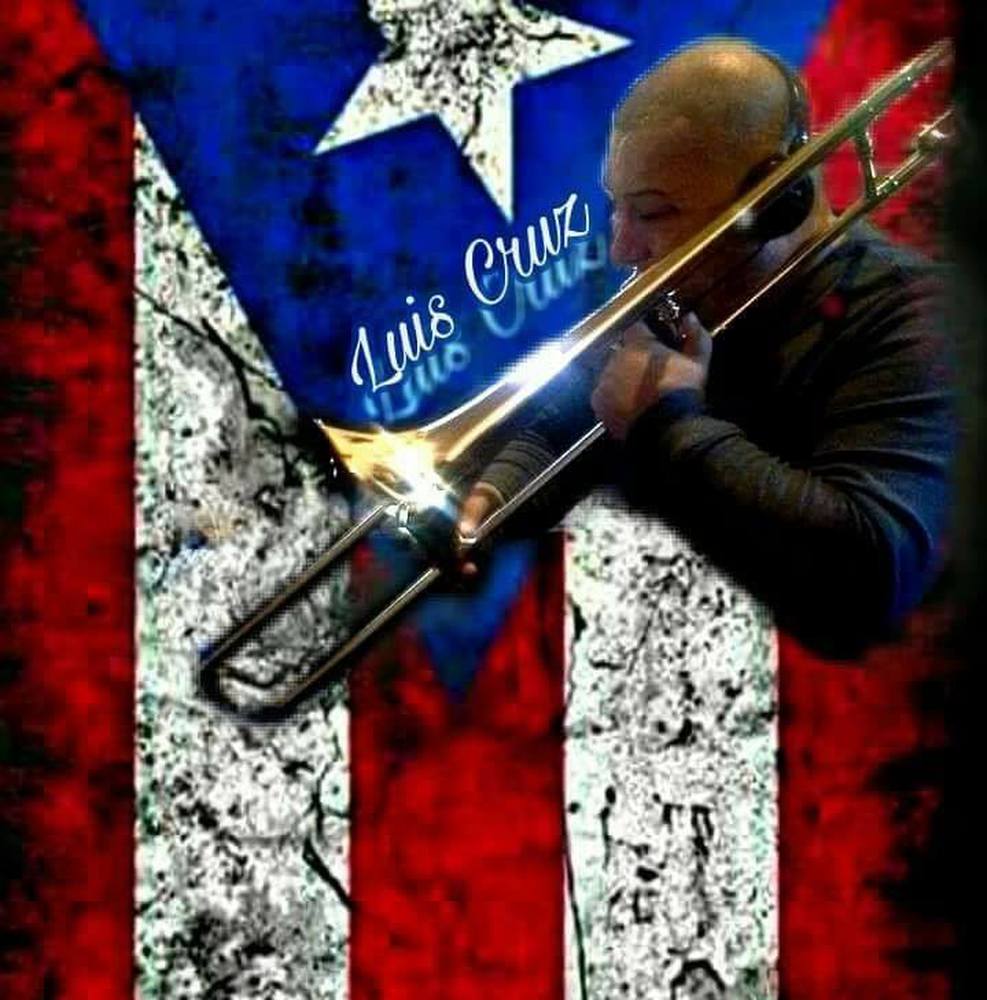
He has participated in several orchestras such as José Alberto el Canario, Celia Cruz, Frankie Ruiz, Willie González, Eddie Santiago and is currently the first trombone of the legendary group Boricua Legends of Pedro Pocholo Segundo in New York.
In the coming days of the month of August, he will visit us in Caracas-Venezuela, to participate in a master class on techniques, use and execution of the slide trombone at the facilities of the National Center for Social Action for Music.
