• Skip to primary navigation
  • Skip to main content

International Salsa Magazine

  • Home
  • Previous editions
    • 2026
      • ISM / January 2026
      • ISM / February 2026
    • 2025
      • ISM / December 2025
      • ISM / November 2025
      • ISM / October 2025
      • ISM / September 2025
      • ISM / August 2025
      • ISM / July 2025
      • ISM / June 2025
      • ISM / May2025
      • ISM / April 2025
      • ISM / March 2025
      • ISM / February 2025
      • ISM / January 2025
    • 2024
      • ISM / December 2024
      • ISM / November 2024
      • ISM / October 2024
      • ISM / September 2024
      • ISM / August 2024
      • ISM / July 2024
      • ISM / June 2024
      • ISM / May 2024
      • ISM / April 2024
      • ISM / March 2024
      • ISM / February 2024
      • ISM / January 2024
    • 2023
      • ISM / December 2023
      • ISM / November 2023
      • ISM / October 2023
      • ISM – September 2023
      • ISM – August 2023
      • ISM July 2023
      • ISM Edition June 2023
      • ISM – May 2023
      • ISM April 2023
      • ISM March 2023
      • ISM February 2023
      • ISM January 2023
    • 2022
      • ISM December 2022
      • ISM November 2022
      • ISM October 2022
      • ISM September 2022
      • ISM August 2022
      • ISM July 2022
      • ISM June 2022
      • ISM May 2022
      • ISM February 2022
      • ISM January 2022
    • 2021
      • ISM December 2021
      • ISM November 2021
      • ISM October – 2021
      • ISM September 2021
      • ISM August 2021
      • ISM July 2021
      • ISM May 2021
      • ISM April 2021
      • ISM June 2021
      • ISM March 2021
      • ISM February 2021
      • ISM January 2021
    • 2020
      • ISM December 2020
      • ISM November 2020
      • ISM October 2020
      • ISM September 2020
      • ISM August 2020
      • ISM July 2020
      • ISM June 2020
      • ISM May 2020
      • ISM April 2020
      • ISM March 2020
      • ISM February 2020
      • ISM January 2020
    • 2019
      • ISM December 2019
      • ISM November 2019
      • ISM October 2019
      • ISM Septembre 2019
      • ISM August 2019
      • ISM July 2019
      • ISM June 2019
      • ISM May 2019
      • ISM April 2019
      • ISM March 2019
      • ISM February 2019
      • ISM January 2019
    • 2018
      • ISM December 2018
      • ISM November 2018
      • ISM October 2018
      • ISM September 2018
      • ISM August 2018
      • ISM July 2018
      • ISM June 2018
      • ISM May 2018
      • ISM April 2018
      • ISM March 2018
      • ISM February 2018
      • ISM January 2018
    • 2017
      • ISM December 2017
      • ISM November 2017
      • ISM October 2017
      • ISM September 2017
      • ISM August 2017
      • ISM July 2017
      • ISM June 2017
      • ISM May 2017
      • ISM April 2017
      • ISM March 2017
      • ISM February 2017
  • Download Salsa App
    • Android
    • Apple
  • Spanish

Search Results for: Charanga

Son del Monte

North America / United Stated / New York

Son del Monte, Something more than a “Charanga”

It was one of those nights of meeting with friends, those friends with whom you share the same musical preferences among other things, you know, of those gatherings where only you and your friends can spend hours discussing the best songs of Héctor Lavoe or remembering the best hits of the Fania, and in which there is no other way to end the evening than with the deities that brings the good Salsa music from a live band to close the night with a flourish.
Son del Monte
Son del Monte from New York

And so that was, when with the hours passed we came across one of these charming Latin clubs that fill the streets  and every day prevail more in the city of New York, where, of course, they offered Live Salsa. Eureka! If you allow me to say it … It was the perfect place to “Echarnos un Pie” (colloquial term that we usually give in some Latin countries when we refer to dance).

Upon entering, the characteristic sound of the band wrapped up the entire venue, no doubt, captivated us. It was the harmony of an orchestra that played the typical Cuban music: “La Charanga“, which had its maximum exposure in the 20th century. We were all enthralled or if you want to say “delighted”, it was the mixture of wind instruments with percussion instruments but especially with the string instrument that most caught our attention, the Violin.

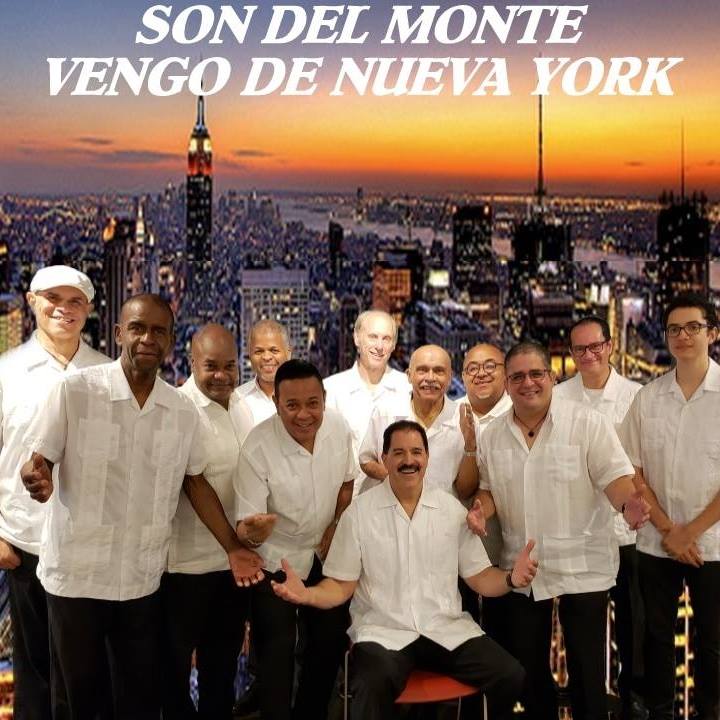
When we asked for the name of the orchestra, they told us: “Son del Monte”. It’s the ideal name for an orchestra of 12 Latin musicians who project their virtuosity before an audience eager for Caribbean Music that bathes the senses and awakens the joy of living.
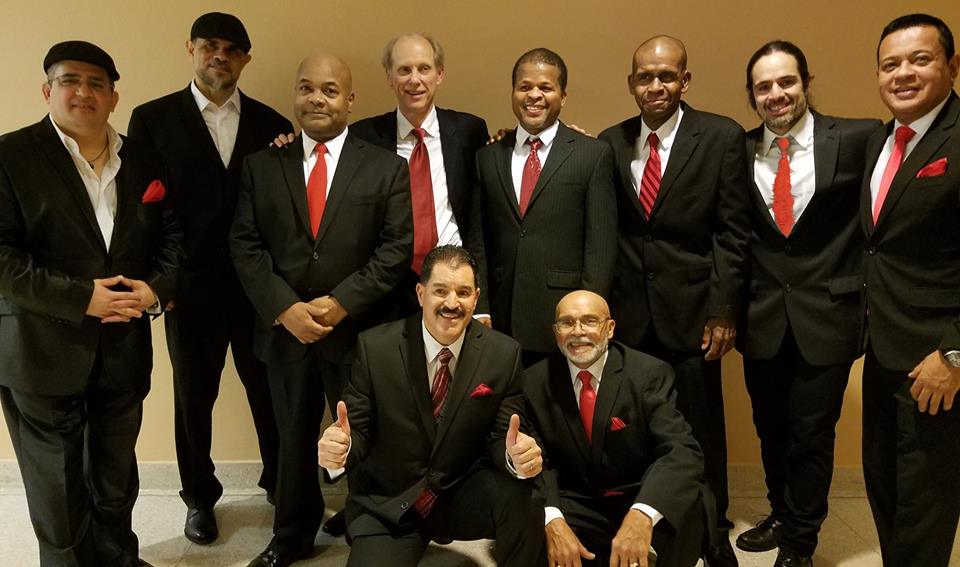
Son del Monte
Son del Monte

Son Del Monte is a band based in New York City that presents unique tunes from various artists. This orchestra was born from the musical director and timbalero, Manny Rivera whose aspiration was to create a Charanga band with a hard New York sound that paid homage to the orchestras of the 60s, 70s and 80s. “Our music is captivating for the listeners and dancers. Fans from all over the world have come to love Son Del Monte: Una Charanga Con Algo Más and our incredible musical swing”, said Manny Rivera.

This band that combines the typical sound of Cuba with the mixture of flute, violins and trombones with three singers that create a distinctive harmony of three parts, have performed in so popular Salsa venues, such as: Maryland Live Casino, the Baltimore´s Latino Festival, the boardwalk of Coney Island, SOB’s, Empire City Casino in Yonkers, Gonzalez y Gonzalez, La Marqueta, the Latina Hats Society, Industry City, Harlem Mist, among other recognized Salsa venues.

The members of this Charanga orchestra with “Sabor” and electrifying sound are: Mauricio Smith Jr. (Flute), Eric Roberto Salazar and David Rimelis (Violins), Michael Pallas, Juanga Lakunza and Charlie Garcia (Trombones), Eli Rivera (Piano), Bert Castro (Bass), Joe Gonzalez (Conga), Manuel Rivera (Timbales / Musical Director / Leader) and Luis Ayala, Armando Jiménez Sonji and Luis Soto (Singers).

Since the beginning of this year (2019), Son del Monte has been working on their record proposal for the Latin market with unpublished themes, rhythmic and unique sound – contemporary. To date they already have two singles: “Rumba Omelenko” and “Vengo de Nueva York” availables in: CD Baby, Deezer, iTunes, Apple Music, and Spotify. Likewise, the song “Herman” is in the process of recording. So, get ready because this Charanga orchestra promises their CD ended with great compositions for the public later this year.

Undeniable, the acceptance of Son del Monte has been so extensive on the part of New Yorkers and all who are Salsa lovers that they were recently awarded with the TANAE Digital Media Award for Band of the Year 2018, giving recognition to an arduous musical performance, but above all of great cultural value that keeps alive our Latin idiosyncrasy.

Son del monte - Premios Tanae
Son del monte – Premios Tanae

Manuel Rivera (Musical Director / Manager/  Timbales):

Manuel Rivera, have been a professional musician for more than 40 years and now Son Del Monte’s Leader/ Musical Director.  His musical career started playing Bongo in a Latin Workshop band which eventually became Orchestra Yambu.  Yambu was known for its Latin Jazz style and Disco Hit “Sunny”, his first recording.  Subsequently, I joined the original Charanga Orchestra Sublime of New York City, doubling up on Bongo and Timbales. He recorded on Sublime’s first two albums in 1977 and 1979.

In 2001, he rejoined Orchestra Sublime now known as “Sonsublime”. Manuel recorded on Sonsublime’s Gran Reserva and Bailando Con Sonsublime, their latest CDs. He studied various folkloric rhythms, Bata drums and sight reading at the Harbor’s Conservatory of Music in El Barrio in New York City under the guidance of the Master Louie Bauzo.

Manuel Rivera has performed with the Bassist: William Millan, of the original Conjunto Saoco, singers: Henry Fiol, Ray Ramos, and Luis Ayala.  Also, he performed with Yerason and the MTG All Stars Orchestra under the direction of Hector Leguillow, Joe Quijano at Lincoln Center and other various artists throughout his musical career.


Next Shows:

Monday, Jult 15TH   

Venue: Cunanele Restaurant and Lounge. 1 Route 46 W, Totowa, NJ 07512

Saturday, August 17TH   

Venue: La Placita de la Marqueta.  North trains between 111th and 112th Streets in East Harlem, “El Barrio” and uptown Manhattan, NY.


For more information, please visit:

https://www.SONDELMONTE.com

Or Follow them for their Social Channel:
https://www.facebook.com/MRSONDELMONTE/

The void left by Felix ”Pupi” Legarreta

Pupi’s life  

Cuba has given the world a large number of artists who have left the name of the country very high, so it is always a good moment to talk about them. Such is the case of arranger, composer, singer and musician Felix ”Pupi” Legarreta, who sadly left this world last month.   

Given that this great exponent of Cuban music and the charanga genre is no longer with us, we think it is a great opportunity to remember a little of his career and all the way to becoming the great artist he was.    

Pupi playing the violin
Pupi Legarreta playing the violin on stage

Pupi’s childhood   

Felix Legarreta was born in 1940 in the city of Cienfuegos, Cuba, and from the very early age, his father nicknamed him ”pupi”, as he would be called for the rest of his artistic life. ‘’Puppy in Spanish means ”cachorro” (a very young dog), so this pronunciation was very interesting to Americans.   

Around this same time, Pupi was not really interested in music as a profession, as his thing was carpentry at the time. However, he began being affected by severe asthma attacks due to the dust used in his daily work, so it was recommended to his father to take him away and make him dedicate himself to something else that would not damage his health. 

This is how the young boy decided to become a barber and met a friend with whom he started taking music lessons, which could be considered as the first contact he would have with music. 

The first instrument Pupi played was the violin. He admits it was not easy to learn how to play it, but with effort and dedication, he managed to become really good at music. However, he was faced with another challenge that would complicate the realization of his new dream: lack of money.    

Like the majority of families in Cuba at that time, Pupi’s was also going through a complex economic situation, so buying everything he needed for his musical training was very difficult. However, it did not stop his father from getting down to work and raising the money necessary to buy his son his first violin. 

In a 2010 interview, Pupi revealed that it took his father more than two years to raise 60 pesos to buy a used violin at a pawn shop, as it was the only way he could afford the instrument for the young boy.    

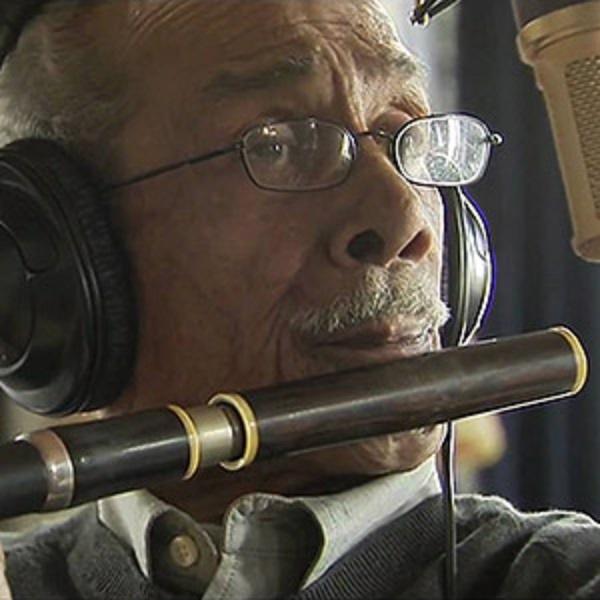
Pupi playing a flute
Pupi Legarreta playing a flute in a studio

Formal beginnings in music 

When he decided to travel to Havana, he was given the opportunity to play Orquesta Sensación, with which he earned about eight pesos a month to cover some of his basic expenses. It was very difficult for him to live with that little, but music helped him to support himself.     

However, little by little he worked his way up and earned the respect of his fellow musicians, who consider him for their own projects.    

In 1959, music also allowed him to travel to the United States, specifically to the state of California, but it would not be too long before he decided to try his luck in New York. Once there, he collaborated with artists such as Mongo Santamaría, Charlie Palmieri, Johnny Pacheco, Machito, Tito Puente and many more.    

Fania All Stars   

In 1964, he started collaborating with the Fania All Stars, which had more than 24 instruments, including trumpets, pianos, basses, singers and more. Pupi was so shocked that he could not refuse to work with the world-famous orchestra, as this number of musicians was something he had never seen before. 

In total, he recorded between five to seven albums with La Fania on which Pupi was taken into account when issuing opinions about his work. If the artist considered something was not quite right and wanted to change it, the orchestra did whatever was necessary to satisfy him with the results of the recordings. 

The only criticism that the Cuban issued towards the orchestra is regarding the excessive focus on the Puerto Rican market, in fact, the vast majority of musicians were Puerto Rican. This caused them to neglect other markets that may be useful for Fania. However, this does not exclude all the positive things that came for those involved during the time this union lasted. 

When his time in the orchestra ended, he was working for an electricity company in New Jersey, but his family was in Philadelphia, so he decided to move permanently to this city, where he remained till the day he died.   

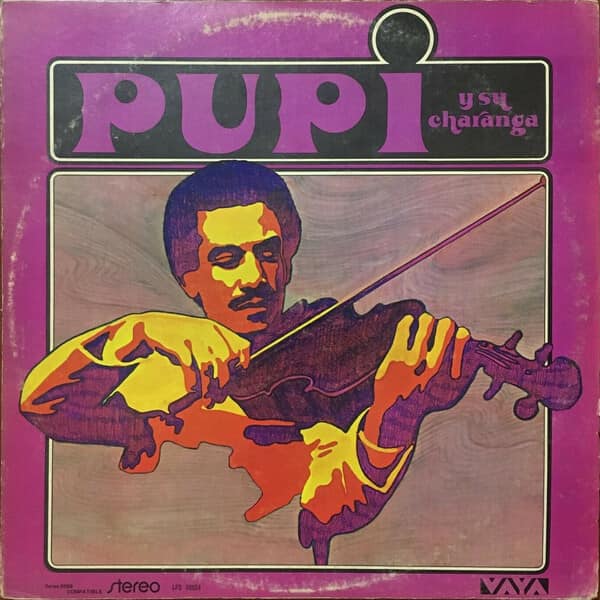
Album cover for Pupi
Album cover for ”Pupi Legarreta Y Su Charanga”

Death 

In the afternoon of July 3, 2023, Félix ”Pupi” Legarreta’s relatives issued a statement giving the deplorable news of the artist’s death the day before at the age of 83.    

His daughter Frances Legarreta posted the following on her social networks on the already mentioned day: “I announce with great sadness the death of my father, Pupi Legarreta, on July 2, 2023, in Philadelphia, Pennsylvania. He is survived by his wife Frances, his son Michael, his grandchildren, great-grandchildren and his daughter Otie in Puerto Rico”.   

In addition to the above, he revealed that his father expressed his desire to be cremated and not to be veiled in a memorial service. She also asked that her entire family’s privacy to be respected in view of the pain that its members were going through. 

Read also: Carlos Medrano from Sabor De Mi Cuba tells us about his long musical history 

La Topa Tolondra & its Salsa with Criterion – Colombia

Latin America / Colombia / Cali

Something magical happens in a unique space in Cali – Colombia: Topa Tolondra

La Topa Tolondra & its Salsa with Criterion ¨ A magical place in a unique space in Santiago de Cali¨

Because what matters is the music and its only and great protagonist “la salsa” a whole universe of happy individuals united by the melody, and all this happens because the salsa is tattooed in the hearts of many caleños and visitors to the area who It becomes evident on the dance floor, where you can find that visiting salsa public from all over the world that dances professionally, there are also those who dance well and those who don’t dance, but who doesn’t give a damn? “nothing”.

Those who are stung or guilla of dancers, those who go in sandals, those who go with tennis, those who go with heels, those who go elegant, those who go relaxed, the dreadlocks with long hair, those with afros, the gentleman and the lady, the chickens, the urban cyclists and even the rockers… and the list is endless because what matters is the music and its only and great protagonist “salsa”

“Lovers of Salsa and Bolero romantics attend weekly without age limits” To the rhythm of the Charanga, the Pachanga, the Boogaloo, the Guajira and the Son Cubano, it is enjoyed every night at the Topa Tolondra. Something unique happens in that magical place and that is that everyone forgets what they will say and they enjoy it from start to finish. In addition, local and international artists such as:

Esteban Copete y su Kintelo Paci co, Habana con Cola, Los Hermanos Lebrón, Clandestina Orquesta, Africali, Ebano y Marl, Bailatino, La Negramenta, Bobby Valentín and among others. For special dates ¬these and events such as Halloween that is approaching are organized. In “La Topa” as it is already known in Cali, sounds resound that arrived in the city between the 50s and 70s, where Salsa shapes the body and bolero its spirit, and going a little deeper we also perceive inclusive energies.

“Having fun is the only requirement to attend” “The Environment” For an unforgettable night you need two halves. The first is a table, chairs, water and drinks. And the second, and perhaps the most important: music and hit.

In Topa Tolondra there is plenty of space for gozadera, to sit down, to toast. Time does not run and there is no decache… “La Música” Here they marry the old guard of Los Hermanos Lebrón, Ángel Canales, La Sonora Ponceña, Frankie Dante and La Flamboyán.

The curatorship of its owner Carlos Ospina, its disc jockey and owner, is to learn it. It is not at all about impressing, it is about knowing how to find the subject at the right time.

¨Variety¨ Mondays are for foreigners. On Tuesdays there is a cinema-forum space and separate classes that are included with the 3 for 1 promotion (for every 3 Salsa songs, one bolero). Wednesdays are the best dancers in the city, Thursdays are dedicated to live salsa.

Finally, Fridays and Saturdays are reserved for these traditional Topa. “To Many Degrees” If your hair is long, bring something to tie it up with. If you are wearing a long-sleeved shirt, roll up the sleeves. If you are one of those people who is not used to consuming water, be prepared to drink what has not been drunk in a year. In La Topa you feel the harsh heat, so it is necessary to establish breaks to go outside to cool off “the heat outside will seem cool to you.”

For a round night, the ideal combination is beer, brandy and water, in dosed sips. Does the temperature exhaust? Yes, but it doesn’t matter if the song that is playing touches your ¬bras and reaches your heart. If you don’t know La Topa Tolondra, be sure to go and if you want to get a clearer idea before visiting, visit their fan page on Facebook www.facebook.com/Latopabar but don’t stay intrigued! Location of La Topa Tolondra. Cl. 5 #13-7, Cali, Valle del Cauca, Colombia Telephone: +57 323 5972646

Arturo “Chico” O’farrill

North America / United States / New York

Arturo “Chico” O’farrill  “The Afro-Cuban Jazz Architect” 

Arturo O'Farrill
Arturo O’Farrill

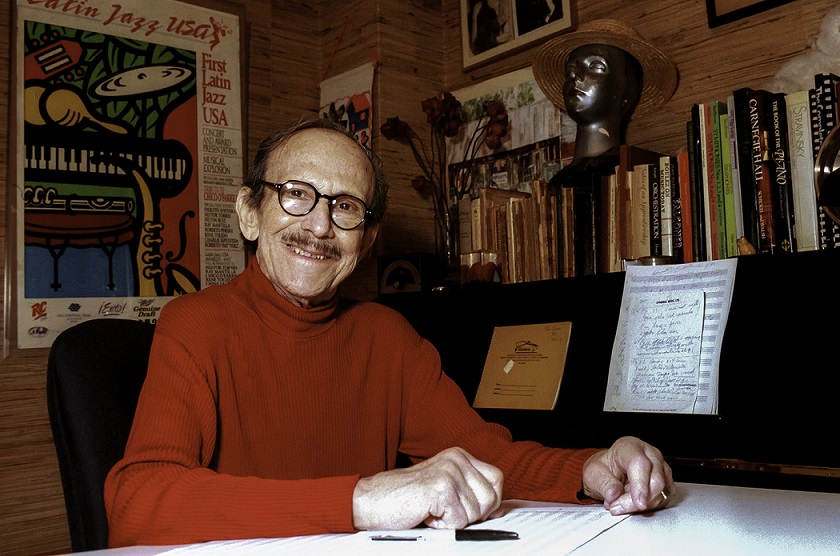
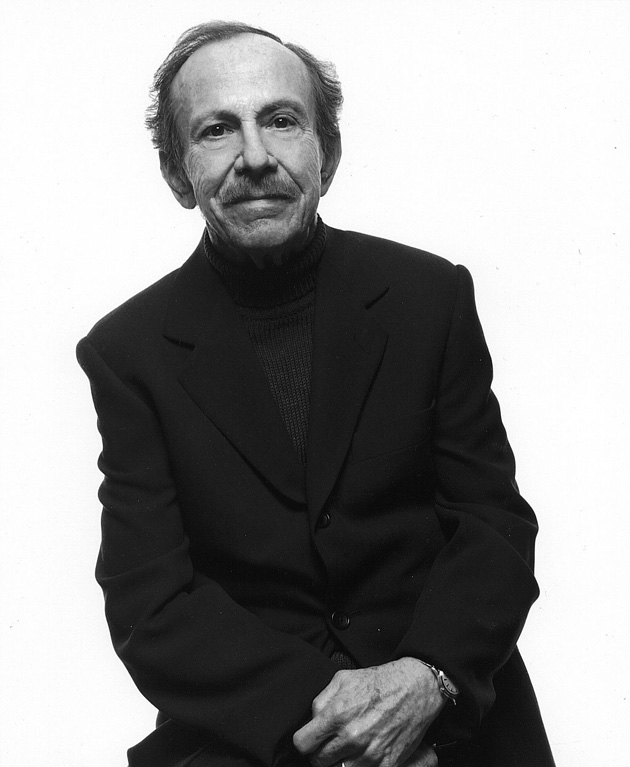
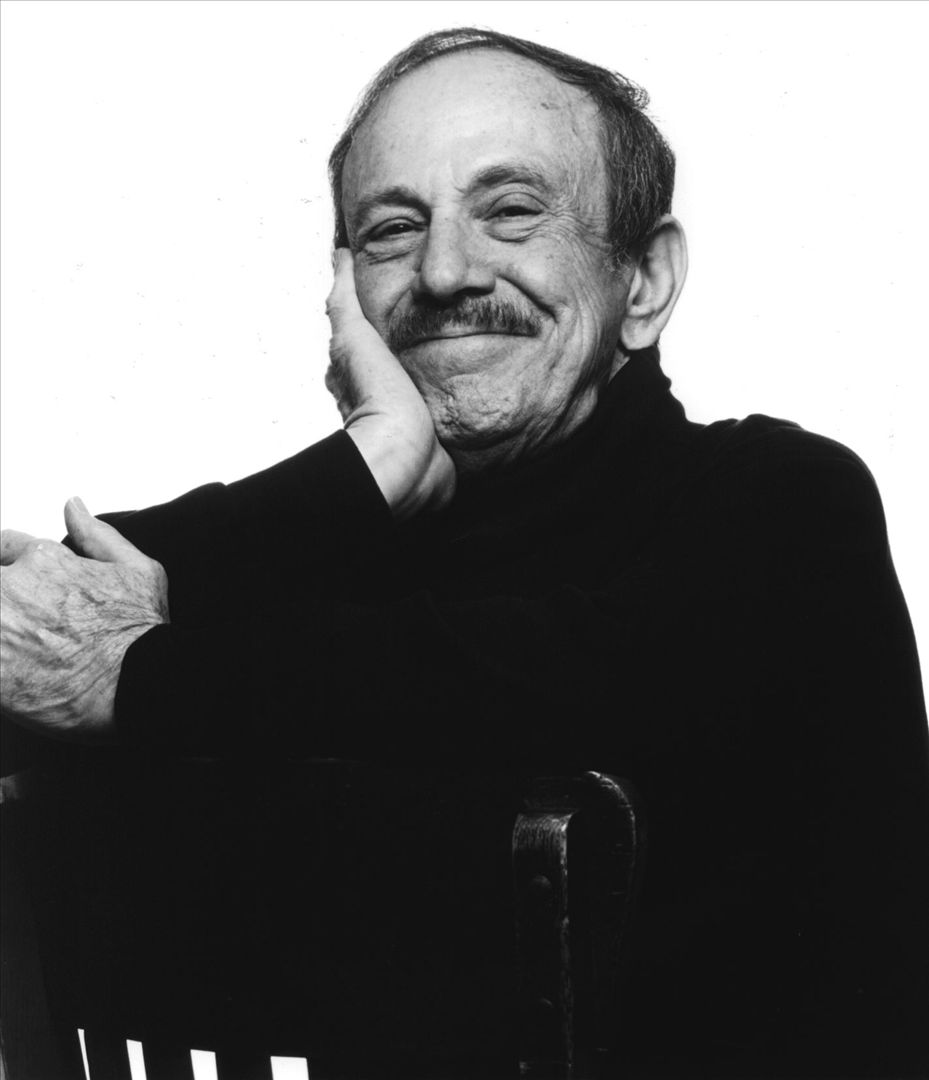
Arturo O’Farrill or better known as “Chico” O’Farrill was born in Havana (Cuba) on October 28, 1921. He was the son of a recognized Jewish family whose father was an eminent lawyer whom one day decided to immigrate to the United States. Arturo undertook his studies at the Riverside Military School in Gainesville, Georgia (interned by his father).

He began to love the jazz orchestras (big bands) and within that environment he fed musically, listening to recordings of Benny Goodman, Artie Shaw, Glenn Miller, and Tommy Dorsey, so much, that in a brief time he learned to plays the trumpet and became the trumpet player of the military band as well as the several dance groups.

Years later, Chico returned to Cuba. He studied law and at the same time developed his facet as a composer, receiving a composition and harmony study with the master, Félix Guerrero. Likewise, he was also Armando Romeu Bellamar Orchestra’s member and the Isidro Pérez Orchestra, when the Son and the Mambo prevailed in the Latin music.


TRAJECTORY

From 1943 to 1947 “The Afro-Cuban Jazz Architect” worked at the cabaret Montmartre. He was a member of Bellamar Orchestra, directed by Armando Romeu and integrated by Luis and Pucho Escalante, Gustavo Mas and Mario Romeu, among others. He traveled to Mexico and Europe as a trumpeter musician as well as he created the band, Los Raqueteros del Swing, being the director and trumpet.

Subsequently, he founded Los Beboppers (the first group of Cuban bop), which was presented at the Saratoga Hotel with Chico again as the director and the trumpet.

Arturo O'Farrill
Arturo O’Farrill

In the ‘50s decade began the successes for Chico as an arranger, working briefly for several orchestra directors, such as Gil Fuller, Noro Morales, Frank “Machito” Grillo, and Benny Goodman.

In the same way, he composed his first great masterpiece “Afro-Cuban Jazz Suite” in five movements: Song, Mambo, 6/8, Jazz and Rumba Open. This masterpiece was made and recorded for the businessman Norman Granz’s label, using the Machito’s Orchestra as an accompanist and rhythmic base.

“Afro-Cuban Jazz Suite”, according to Luc Delannoy: “begins and ends with a hypnotic flute and conga duo that reflects the essence of Cuban treatment; the union of musical universes: the European (the flute) and the African (the conga).

To these two instruments is joined the oboe, followed by the trumpets, saxophones and the “Tumbao” of the double bass… After a return to swing and bebop in the fourth movement, Chico takes us to the origins of Latin jazz with a melody of clear Arabic accents, before sinking back into the universe of Afro-Cuban percussions”. Likewise, for Benny Carter, this Suite was: “The reason for the coherence of the rhythmic parts and their relationships with the solos that have their own life and independence, Masterpiece of a genius.”

In New York and following the success of “Afro Cuban Jazz Suite”, O’Farrill writes “Cuban Fantasy” for Stan Kenton, who later changes its name to “Cuban Episode”.

In 1953 he traveled to California, where he founded his orchestra that included renowned musicians such as Mario Bauzá, Doug Mettome, Jimmy Nottingham, Eddie Bert, Fred Zito, Lenny Hambro, Flip Phillips, and saxophonist Eddie Wasserman. The orchestra used the rhythm section of the Machito’s Afro-Cuban, harp and oboe. With this concept he recorded for Norman Granz, performed in Birdland (New York), and the Hat Ballroom located in Los Angeles. In this period he composed three new movements: “La Jungla”, “Contraste”, and “Rhumba Finale”, baptized as “Manteca Suite” recorded with the Jazz player Dizzy Gillespie and orchestra of 21 excellent musicians in 1954.

Arturo O'Farrill
Arturo O’Farrill

He returns to Cuba again in 1956 to be inspired and immediately began working for the best record companies on the island such as Panart and RCA Víctor, recording “Chico’s Cha-Cha-Cha”, adapting the Charanga rhythm to the big band format. This album is released, one more time, on compact disc by BMG during the last decade of the twentieth century. Chico also made a recording for the popular D’Aida Quartet and arrangements for Bola de Nieve and the famous Orchestra Director, Aldemaro Romero.

In 1958 the restless O’Farrill moved for Mexico, an essential platform for all Latin American musicians at that time. There he returned to create another special sound and appears on television as musical director of the Andy Russell singer, and there his life changed radically. He started a semi-retirement period, but never stopped creating music. At that moment, he composed his famous “Azteca Suite” for trumpeter Art Farmer, and he made history again!

In the 60s he returned to New York and makes arrangements for such important figures as La Lupe (They Call Me La Lupe); Cal Tjader (Along Comes Cal); Clark Terry (Spanish Rice); Count Basie (High Voltage); Gato Barbieri (Chapter Three: Viva Emiliano Zapata); Ringo Starr (Night and Day) and dabbled in the Rock music with David Bowie (I Know It’s Gonna Happen, Looking for Lester), and finally he was director of the Aldemaro Romero´s Orchestra.

This stage extends until the end of the 20th century, although already in the 70s, the big bands go down in history for several genres that would be manifested due to their novelty and immense popularity in the United States and around the world. The architects of the new fashion used new techniques, styles, and sounds, especially in the field of harmonization. Suddenly popular music stopped being exclusively for the ballroom and -of course- “new sound” icons appeared in the Jazz Music. For this reason, Chico O’Farrill begins working in the lucrative field of music for television commercials.

Arturo O'Farrill
Arturo O’Farrill

In the mid-1990s, “The Afro-Cuban Jazz Architect” was contacted by American producer and Jazz director Todd Barkan with Pure Emotion, a compiled of his musical career with which he got a nomination for the 37th edition of the Grammy awards.

O’Farrill toured Europe with his orchestra in 1996 and recorded his latest album titled “Heart Of A Legend”, which contains 14 tracks, a formidable orchestra of 18 masters and a staff of international artists. The arrangements of “Heart Of A Legend”, considered for many as the best album of his career, took care by himself and the musical direction was entrusted to his son, Arturo O’Farrill Jr., a formidable pianist and heir of his legacy.

Arturo “Chico” O’farrill died on June 29, 2001, in New York City at 80 years.

Arturo O'Farrill
Arturo O’Farrill

Undeniably, Chico for more than half a century was a great musical creator. He was at the forefront of an innovative style that many know as Latin Jazz nowadays, which was called at the beginning with many names, such as Cuban bop, Mambo Jazz and Afro-Cuban Jazz.

Our dear “AFRO-CUBAN JAZZ ARCHITECT” Until forever!

In memory of 18 years of his passing!

Balazo de Norteamérica:

Arturo “Chico” O’Farrill

“The Afro-Cuban Jazz Architect”

In memory of 18 years of his passing!

Hansel & Raul celebrate the New Year in a concert in California

North America/ United States / California

Hansel & Raul celebrate the New Year with an awesome concert in California

The Charanga Ambassadors in the world will say goodbye to 2019 presenting the most select of their repertoire of the great hits

Hansel & Raul in concert

Date: Tuesday, December 31st

General Admission: 7:00PM

Cocktail Hour: 7:00PM – 8:00PM

Dinner: 8:00PM

Price: $120 (Adult) / $ 60 (Children under 12)

Venue: Crowne Plaza Los Angeles – Commerce Casino. 6121 East Telegraph Road, Commerce, CA 90040

The Charanga´s Legends will share all their talent with their fans for this last day of the year. This exceptional duo with 35 years of trajectory, time transgressor, continue to fill places to a full house in South America and the main cities of the United States, and this December 31, 2019, is the turn of Commerce city in Los Angeles County in California.

Hansel & Raul will be accompanied for the third time by Mr. Carlos Navarro orchestra, Son and Clave. This complicity of unique and singular talents has been joined in the different cities of the California State since the 90s, achieving the resounding success in each of their performances.

This duo formed in the Miami city in 1984 is still the Ambassadors of “La Charanga” with 330 recorded singles, six gold records and four platinum records for sales made, in addition to two Grammy awards with the album “Encore” in 1978.

Hansel & Raul
Hansel & Raul

Hansel & Raul, borne in Cuba, enjoy all their biggest hits summarized in their more than three decades of artistic career as a duo, and it’s for that the public will always have the last word when choosing the songs that they most prefer of these fantastic legends, but don’t worry, because Hansel assured us that their classics such as “Soy”, “María Teresa y Danilo”, “Ella”, “Ayer”, “Se me Nota”, and “Balancea mi Corazón” (songwriter  Venezuelan, Yordano) among many others, will be present in this show of one hour and forty-five minutes.

But wait, here’s still more! If you want to enjoy these Legends with the harmonic concept originating from the island “La Charanga” in advance and you aren’t here this month nor next in the United States, don’t perturb, because Hansel & Raul will be visiting Colombia, Peru, and Ecuador in a Small tour of South America, returning in December for the “New Year´s Eve 2020” event in the United States.

“LA CHARANGA IS MY FAVORITE MUSIC …

… IT’S VERY NICE AND LIGHT…

… AND IT IS THE TYPICAL MUSIC OF CUBA.”

Hansel E. Martínez

Event Details:

http://www.HANSELYRAUL.com

Social Channel:

https://www.facebook.com/pg/HANSELYRAUL/

https://www.facebook.com/events/crown-plaza-hotel-and-casino/new-years-eve-2020-the-great-gatsby-presents-hansel-raul/271515257093512/

  • « Go to Previous Page
  • Page 1
  • Interim pages omitted …
  • Page 4
  • Page 5
  • Page 6
  • Page 7
  • Page 8
  • Interim pages omitted …
  • Page 14
  • Go to Next Page »

International Salsa Magazine (ISM) is a monthly publication about Salsa activities around the world, that has been publishing since 2007. It is a world network of volunteers coordinated by ISM Magazine. We are working to strengthen all the events by working together.