• Skip to primary navigation
  • Skip to main content

International Salsa Magazine

  • HOME
  • Previous editions
    • 2026
      • ISM / March 2026
      • ISM / February 2026
      • ISM / January 2026
    • 2025
      • ISM / December 2025
      • ISM / November 2025
      • ISM / October 2025
      • ISM / September 2025
      • ISM / August 2025
      • ISM / July 2025
      • ISM / June 2025
      • ISM / May2025
      • ISM / April 2025
      • ISM / March 2025
      • ISM / February 2025
      • ISM / January 2025
    • 2024
      • ISM / December 2024
      • ISM / November 2024
      • ISM / October 2024
      • ISM / September 2024
      • ISM / August 2024
      • ISM / July 2024
      • ISM / June 2024
      • ISM / May 2024
      • ISM / April 2024
      • ISM / March 2024
      • ISM / February 2024
      • ISM / January 2024
    • 2023
      • ISM / December 2023
      • ISM / November 2023
      • ISM / October 2023
      • ISM – September 2023
      • ISM – August 2023
      • ISM July 2023
      • ISM Edition June 2023
      • ISM – May 2023
      • ISM April 2023
      • ISM March 2023
      • ISM February 2023
      • ISM January 2023
    • 2022
      • ISM December 2022
      • ISM November 2022
      • ISM October 2022
      • ISM September 2022
      • ISM August 2022
      • ISM July 2022
      • ISM June 2022
      • ISM May 2022
      • ISM February 2022
      • ISM January 2022
    • 2021
      • ISM December 2021
      • ISM November 2021
      • ISM October – 2021
      • ISM September 2021
      • ISM August 2021
      • ISM July 2021
      • ISM May 2021
      • ISM April 2021
      • ISM June 2021
      • ISM March 2021
      • ISM February 2021
      • ISM January 2021
    • 2020
      • ISM December 2020
      • ISM November 2020
      • ISM October 2020
      • ISM September 2020
      • ISM August 2020
      • ISM July 2020
      • ISM June 2020
      • ISM May 2020
      • ISM April 2020
      • ISM March 2020
      • ISM February 2020
      • ISM January 2020
    • 2019
      • ISM December 2019
      • ISM November 2019
      • ISM October 2019
      • ISM Septembre 2019
      • ISM August 2019
      • ISM July 2019
      • ISM June 2019
  • Download Salsa App
    • Android
    • Apple
  • Spanish

Search Results for: Cuba

Habana Style. Dance Company “Where dancing is a pleasure”

North America / USA / Las Vegas

Habana Style

Founded by a professional dancer and choreographer, Yody Iznaga in 2001, to offer people who are passionate about latincaribbean and cuban music a place where they could learn such exotic dance styles and express themselves in dance body movements as its main objective. Habana Style Dance Company is one of the very few dance schools in LAS VEGAS which offer its public a complete portfolio with about 15 different latin-caribbean dance styles with an objective to enable the students to feel identified with what they are looking for in specific.

Yody Iznaga professional dancer and choreographer born in Cuba and educated through the authentic Cuban technique of modern dance created by the professor Eduardo Rivero Walker at a professional company Teatro de la Danza del Caribe (Theater of Caribbean Dance). Yody Iznaga knows to perfection about 15 different dance styles. He dances on TV channels and big and famous stages known in the world of salsa. Yody has choreographed and danced for artists like Marc Anthony, Victor Manuelle, La India, Maelo Ruiz, and others. https://habana.style
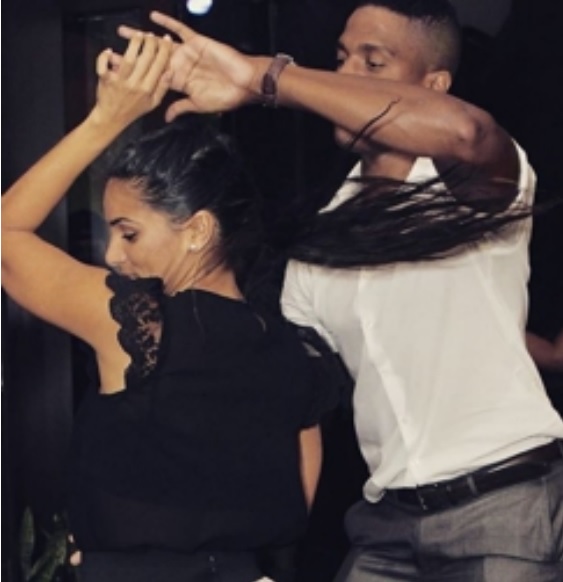
Habana Style - Social Photo 1
Habana Style – Social Photo 1

Dance Classes at Habana Style Dance Company

Private lessons Private lessons represent the most accurate, effective and the fastest way to learn or master any dance style of your choice; since you can choose exactly what you would like to learn and the areas you need to improve. The dance studio is reserved only and exclusively for you and the instructor for the time of your scheduled session. This is also why you can fully enjoy and exploit the most out of the instructor’s time and attention which are completely yours during the private lesson.

Workshops Workshops are special dance classes taught by certified professionals with the main objective to develop and improve special dance abilities and to acquire original movements of a specific dance style. Members of Habana Style Dance Company learn through an authentic technique created by the dancer & choreographer Yody Iznaga. This authentic method focuses also on clean movements while it is easy to understand and acquire due to the high and professional level of teaching methodology typical for Habana Style.

Group Classes Group classes are designed for people who want to learn in an entertaining way how to dance and at the same time to meet people and to connect to people who have the same dance objective.

The classes are structured so that also people without a partner can participate in and enjoy the group classes. Students keep on rotating which allows them to improve their commands necessary for social dance. The group classes are designed to create a friendly environment and increase trust among participant; students are greatly encouraged to practice and demonstrate the knowledge acquired in the group classes on the dance floor at our social dance nights.

Habana Style - Social Photo 2
Habana Style – Social Photo 2

Benefits of Dancing with Habana Style Dance Company

Habana Style Dance Company offers various benefits to its members while dancing Latin-Caribbean dances at the dance studio. Preparing and encouraging students to enjoy social dances anywhere in the world. On their way toward this goal, students have loads of fun, relieve stress, exercise, meet people with the same dance objective, and have constant participation in social events.

Members of Habana Style Dance School learn through an authentic technique created by the dancer & choreographer Yody Iznaga. This authentic method focuses also on clean movements while it is easy to understand and acquire due to the high and professional level of teaching methodology typical for Habana Style Dance Company.

Last but not least, Habana Style Dance School offers its members to join teams where they reach a very high level of dance including exotic movements within the social and professional dance through a long path of practices. What could be more beautiful and uniquely identifying than the exotic mixture of Salsa with Afro-Cuban rhythms and Cuban rumba within popular and social dances?


En el Nombre de Salomé. A Latin playwriting at Repertorio Español

North America / USA / New York

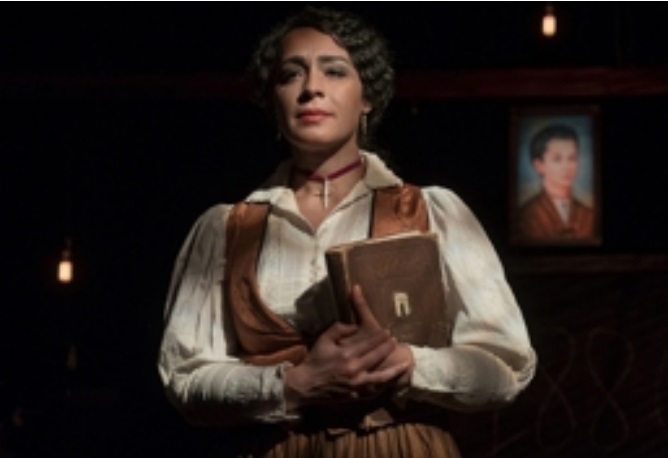
En el nombre de Salomé is a playwriting written by Marco Antonio Rodríguez and directed by José Zayas based on the fiction novel In the name of Salomé by Julia Álvarez, a history that presents the life of the patriotic poet and Dominican political activist, Salomé Ureña and her youngest daughter, Camila Salomé Henríquez Ureña. Two ladies that extolled the rights of women in XIX and XX centuries.

Salomé Ureña Díaz was a feminist poet during the most important years of Independence of the Dominican Republic, which became independent from Haiti and then returned to be the Colony of Spain for a time for their protection, hence the famous poem by Ureña “A la Patria” ” Salomé also founded the first university for women in the Caribbean country with the help of her husband, Francisco Henríquez y Carvajal, who years later was president of that nation.

Photo 2 - Salome - Repertorio Español
Photo 2 – Salome – Repertorio Español

By the other hand, Camila Henriquez Ureña was the youngest of her intellectual children, she was a respected educator of Spanish in the United States, lecturer in Latin America, co-founder of one of the main cultural feminist associations in Cuba, obtained a PhD in that Afro Caribbean country, participated in the restructuring of University of the Havana and ended up teaching in her homeland..

This fascinating novel published in 2000, captivated the attention of the director José Zayas, who decided together with the executive director of the Repertorio Español (Theater Company in Spanish famous in New York) to put it on stage.

Flyers - Salome - Repertorio Español
Flyers – Salome – Repertorio Español

Both decided that Marco Antonio Rodríguez, a New Yorker with Dominican roots, was the ideal playwright for this adaptation since all his masterpieces have been of total pleasure to the audience. “I was not familiar with Salome; she was a great poet. I knew about her poetry, but I was not very informed about her, and in reality that turned out to be something very positive. It allowed me to undertake the work not as if I were writing about an icon, but in order to find her humanity”, said Rodriguez for an American media.

This writer, producer, actor and director of Latin origin modernized the dramatic play venturing elements of humor as the creation of the character “Sylvestre”, who is a naive man, which is not accepted neither in Haiti nor in the Dominican Republic, so in the scenes of conversation with “Camila” speaks in a colloquial regionalist language, which produces in the audience, acceptance, identification and laughter. Rodriguez explains that his main objective in carrying out this work was to represent the Latino in other facets and not as usual (linked to drug trafficking or other problems), he wanted to change the stereotype of Latin in dramaturgies and films.

“I’m sure they are successful … but we have other stories to share, another psychology to explore, and other issues with which our communities identify.”

Photo - Salome - Repertorio Español
Photo – Salome – Repertorio Español

Zaya and Marcos made a perfect duet for the creative realization of En Nombre de Salomé. Together, they analyzed every detail of the scenes and characters, recreated a part of the Dominican culture and highlighted the Caribbean artistic talent that according to Zaya is still scarce in the theater.

Salome - Repertorio Español - Photo of the artists
Salome – Repertorio Español – Photo of the artists

For the author Julia Álvarez, poet, novelist, and American essayist of Dominican descent, it was a pleasant impression to see the dramaturgy in the Repertorio Español. “It is so rewarding when an artist sees that her play has inspired another artist and that through that artist the word spreads and we reach more and more people … It is a way to spread the stories that are important to our history and culture … Especially at times like this, when so many in the Latino community feel harassed, unwanted and undervalued”. This playwriting, the last October, was awarded with four HOLA (Hispanic Organization of Latino Actors) Awards, including: Outstanding Achievement in Dramaturgy and Outstanding Production of the Year.

En el Nombre de Salomé Next performances:

  • Friday, December 1st at 8pm Cost: $17 – $72
  • Tuesday, December 12th at 11am Cost: $30 Venue: Repertorio Español

Location: 138 East 27th Street, New York, NY 10016

To get more information about EN EL NOMBRE DE SALOMÉ, please visit their website http://www.marcoantoniorodriguez.com/


To the motherland


Tear, my homeland, the mantle that vilely, on your shoulders put the barbaric cruelty; already raises the bloody forehead from the dust, and sings the holy hymn of union and freedom.

Get up to gird yourself with the purple of glory, oh you, the world’s favorite of Columbus! Your sovereign rank dispute history, demand your laurel and your coat of arms from fame.

And ask your children, called to holy union, to carve you a grandiose pedestal of virtues, to affirm forever the powerful plant, showing the nations your immortal title.

And let, beloved country, let my hymns of pleasure mix with yours in the sonorous wind; Allow me to celebrate your joy and your contentment, as I regretted with you your bitter suffering.

I saw your own children yoking you to the iron yoke, making you an instrument of their cruel revenge; for a scepter they put the executioner’s ax for you, and funereal cypresses formed your canopy.

And then you looked at them outlaws, wandering, wandering tearful foreign beaches; and sad and downcast dying eyes I saw you return to heaven tired of crying.

You know how many times with your unfortunate pain I wept for your misfortune, I wept for your destruction, just as the daughters of Zion once wept for the ruin and havoc of its walls.

And you know that, like them, I hung from your palm groves the harp with which I wanted to sing your facts, because when I watched your blood flow relentlessly to the seas I couldn’t even prelude a chord sound.

But today that it seems you are reborn to another life, with holy rejoicing I take down my lute, to tell the world, if it judged you defeated, that, phoenix, you resurrect with new youth;

that you already hold the standard as the scepter of the free and your mother-of-pearl and sapphire sky as your canopy, and you go with progress, which flies to illuminate you, in pursuit of the bright future that flatters you;

that now your new children embrace each other like brothers, and swear to restore your dignity to your anguish, and among them there are neither serfs nor tyrants, and peace and good give us union and freedom.

O idolized country! Girded with high glory, prepare to be queen of the world of Columbus: your sovereign rank already guards history, fame presents you with your laurel and your coat of arms.

Salome Urena (1874)

Salome - Repertorio Español
Salome – Repertorio Español

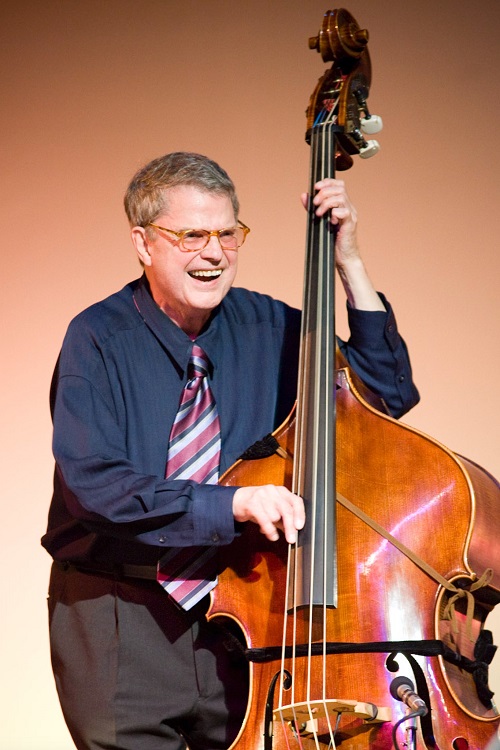
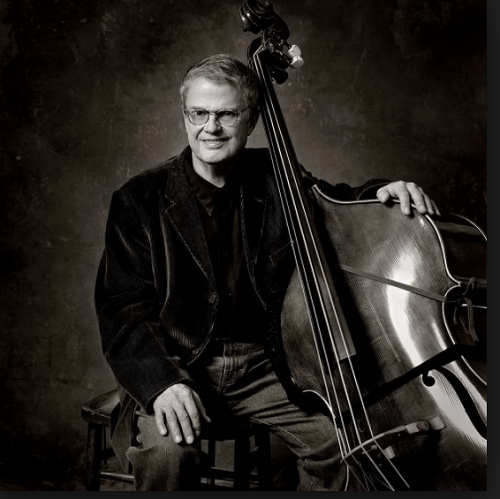
Charlie Haden was an extraordinary double bassist and composer who was a key figure in the history of modern jazz.

Double bassist and composer extraordinaire, Charlie Haden (Shenandoah, Iowa, August 6, 1937 – Los Angeles, California, July 11, 2014).

Charlie Haden began his professional activity in 1959 with Ornette Coleman’s quartet, a key figure in the history of modern jazz, and very soon began to investigate in that direction that Coleman initiated known as free jazz.

In that context, Charlie Haden participated in the recording baptism of that movement with the album recorded on May 22, 1959 for the Atlantic label and entitled: “The Shape of Jazz to Come” with the invaluable collaboration of Don Cherry, another incomparable musician and leader together with Coleman of that revolutionary musical movement that still lasts today.

Charlie Haden (August 6, 1937- July 11, 2014)

Charlie Haden in 1960 participated with another double bass player, Scott LaFaro in an operatic manifesto entitled: “Free Jazz” of whom both were distinguished representatives in their instrument.

In 1964 he worked with Denny Zeitin’s trio and in 1966 he returned with Ornette Coleman while expanding his performance area with collaborations left and right.

In these areas he stood out for his participation in the work, studio and recording meetings of the “Jazz Composer’s Orchestra” and in 1969 he was finally able to realize a wish he had been pursuing for years: to record his first album under his own name with the Liberation Music Orchestra.

With original arrangements by Carla Bley, the music of the Liberation also stood out for the political character of the songs, being the first time that, in that context, a jazz group echoed the popular songs alluding to the Republican side of the Spanish Civil War.

After the album recorded by Impulse in 1976 entitled: “Song for Che” in homage to Ernesto Che Guevara, Charlie Haden formed with Don Cherry, the quartet “Old and New Dreams” with which he toured throughout Europe, Asia and North America. At the end of the eighties, Charlie Haden elaborates a new musical discourse within the framework of his new formation entitled “Quartet West”.

The founding album of this new discourse was an extraordinary album generically entitled “Quartet West”, a musical manifesto of great beauty and one of the essential albums of contemporary jazz. From 1990 onwards, Charlie Haden explores more intimate jazz universes, introducing the duo format into his discourse.

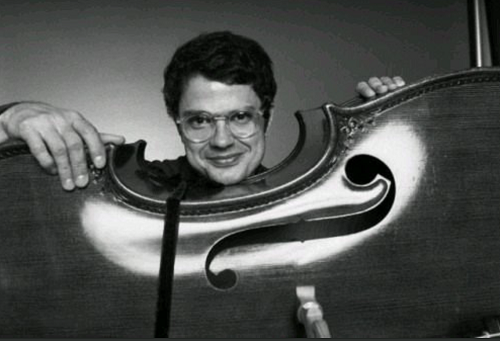
Charlie Haden
Charlie Haden

In this context, the musician explores himself in the composition and his relaxation together with the other protagonist discovers us a music of great inventiveness, clean in the execution and approached from a purely instrumental point of view.

This is how on Thursday, November 14, 2002, Charlie Haden appears in Seville at the Central Theater with the master of the guitar, Jim Hall to offer a portentous concert, full of sensitivity, art and talent.

Fortunately Apoloybaco was present that magical night in Seville and Charlie Haden is still making music of the highest level. ~ (apoloybaco)

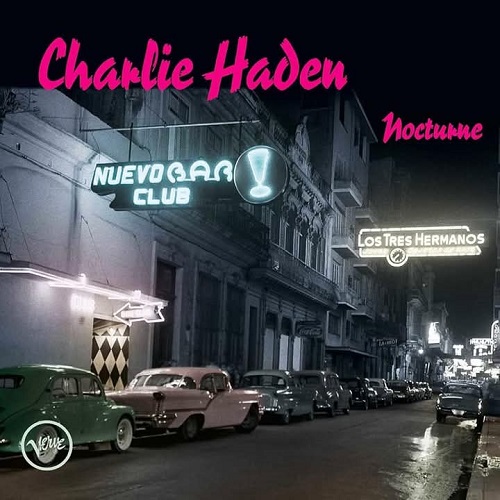
Charlie Haden teams up again with the young Cuban pianist Gonzalo Rubalcaba in this melancholic and relaxing album. Ignacio Berroa on drums and percussion completes the main trio.

Special guests include tenor saxophonists Joe Lovano and David Sánchez, violinist Federico Britos Ruiz and guitarist Pat Metheny (one track only).

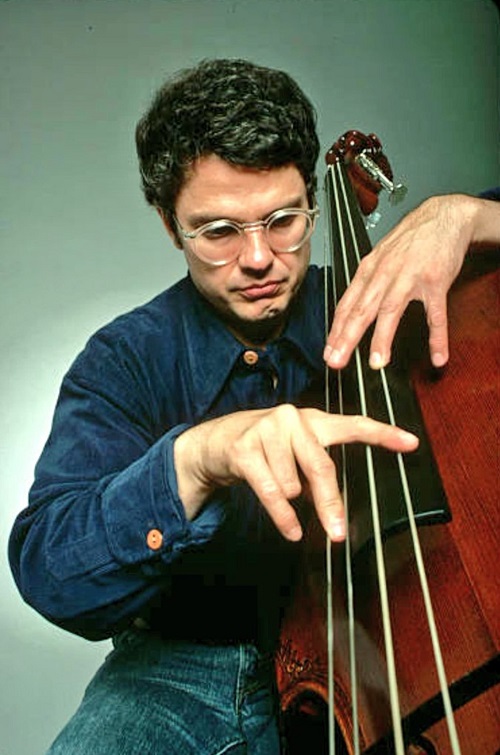
Charlie Haden photo 1978 Roger Ressmeyer

Rubalcaba contributes orchestrations on two tracks, both of which omit drums and percussion. Haden’s intention is to explore the bolero, a distinctive Latin dance rhythm that Ignacio Berroa accentuates with a soft, subtle snare drum roll, played with brushes, that begins on the “y” of the first beat of the measure and ends on the second.

This rhythm is perfect for a slow dance and, in fact, the whole album is very romantic, with bittersweet melodies and lilting cadences.

The only problem is that Berroa’s bolero figure is present on almost every track, perhaps what you would expect from a bolero album, but there is no getting around the fact that the music sounds pretty much the same on every track.

 (To be fair, Berroa is not the only one guilty of uniformity.) Most of the songs, except for two Haden originals and one by Rubalcaba, are Cuban and Mexican standards, and they are beauties. Haden’s reluctance to mess with them is understandable.

Charlie Haden fue un gran padre.

But the arrangements, always straightforward, fade too easily into the background.

Nocturne may be the best music for a candlelit dinner party, but Haden and his guests are capable of much more.  David R. Adler.

Charlie Haden – Nocturne (2001)
Temas:
01. En La Orilla Del Mundo (At The Edge Of The World) (Martin Rojas)
02. Noche De Ronda (Night Of Wandering) (Maria Teresa Lara)
03. Nocturnal (Sabre Marroquin/José Mojica)
04. Moonlight (Claro De Luna) (Charlie Haden)
05. Yo Sin Ti (Me Without You) (Arturo Castro)
06. No Te Empeñes Mas (Don’t Try Anymore) (Marta Valdès)
07. Transparence (Gonzalo Rubalcaba)
08. El Ciego (The Blind) (Armando Manzanero)
09. Nightfall (Charlie Haden)
10. Tres Palabras (Three Words) (Osvaldo Farrès)
11. Contigo En La Distancia·En Nosotros (With You In The Distance·In Us) (Cèsar Portillo De La Luz/Tania Castellanos)

Músicos:
Charlie Haden (Bajo)
Gonzalo Rubalcaba (Piano, Orquestación)
Ignacio Berroa (Percusión, Batería)
Joe Lovano (Saxo tenor en temas #1, #4, #7, #11)
David Sánchez (Saxo tenor en temas #6, #10)
Pat Metheny (Guitarra acústica en tema #2)
Federico Ruiz (Violín en temas #1, #5, #8)

Grabado del 27 al 31 de agosto de 2000 en Criteria / The Hit Factory Studios, Miami, FL.

Charlie Haden - Nocturne (2001)
Charlie Haden – Nocturne (2001)

Research Sources:

L’Òstia Latin Jazz

Dj, Augusto Felibertt

Also Read: Andy Gonzalez started as a musician at the age of 13 in the Latin Jazz Quintet in New York

ISM presents 2 Venezuelan DJ with a great passion for Salsa

Latin America / Venezuela / Caracas

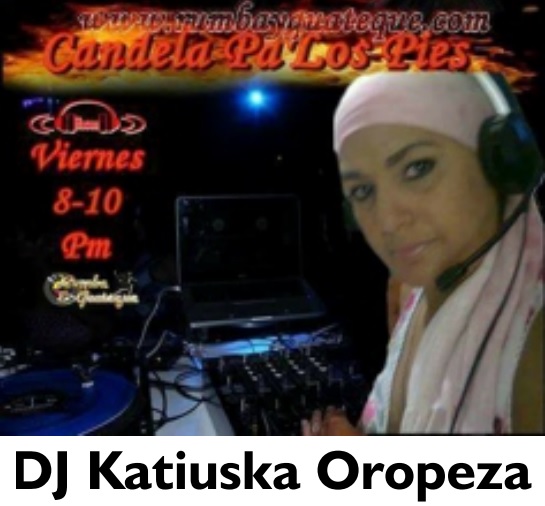
DJ Katiuska Oropeza

Katiuska Oropeza. Born in Caracas, the capital of salsa in Venezuela, currently based in the Carabobo State, Valencia – Venezuela.

DJ Katiuska Oropeza
DJ Katiuska Oropeza

He mentions “My passion for salsa began at the age of 3, influenced by my father who was a great connoisseur of this genre and at the age of 7 I already wanted to learn to play the timbal since I love percussion.

Over the years and by chance I got to know the salsa movement produced by a number of virtual collection salsa stations where a number of music lovers gather to enjoy and keep alive what is the essence and basis of salsa, I become passionate and I begin an incredible learning about everything that Venezuelan salsa is and that is when I become a programmer for the pioneering station on the Internet called www.rumbayguateque.com through this I was the representative in Venezuela of Mr. Alfredo Maleta Torres, the last singer who had the Joe Cuba sextet.

Today I try to spread the little that I have learned from this genre that has an endless history and from time to time participating as a musicalizer in different salsa events.” “Long live salsa forever.”

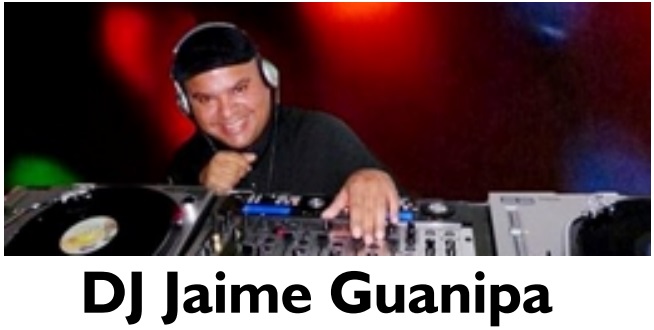
DJ Jaime Guanipa

During his interview on La Maceta radio conducted by me, Jaime mentioned that he was born in December 1966 in Caracas Venezuela, a native of Sarria belonging to the La Candelaria parish, where he grew up in two aspects in his early years, between Sarria and Alta Vista. in Catia parish Sucre also in Caracas.

His first tangible experience within Latin music called “SALSA” was thanks to the Venezuelan “PHIDIAS DANILO ESCALONA” who gave him this label that has immortalized the genre, and for Jaime’s memory it was in 1973 with the premiere of the movie “Nuestra Cosa Latina” and The SALSA Movie in different theaters in Caracas, and through its soundtrack I was shocked, and began to develop a definitive taste within the musical field, nurturing and wanting to be more extensive…

In this way, through the years, I achieved a broader knowledge within the Latin American culture, where it was enriched by absorbing like a sponge everything related to the environment and listening to Radio where they moderated great knowledge to which I can name our Venezuelans and connoisseurs. and moderators in different Radio stations in Modulated Amplitude for the time in Caracas such as Phidias Danilo Escalona, ​​Floro Manco, Enrique Bolívar Navas, Héctor Castillo, Rafael Rivas, among other great broadcasters, achieving a very solid understanding within the majesty of salsa , but…

DJ Jaime Guanipa
DJ Jaime Guanipa

As of 1979 he has the concern to share and listen to the coarsest of our Latin music, beginning with family parties and friends, then he made comments and selected music from the acetate discs that were in said meetings, being this a cult and from 1982 he defined himself as a DJ. Salsero, enriching the technology and the true art of the moment, which is research, the study of the genre and the credits of his albums that logically were and are in LP format.

Generating in this way a breeding ground for experimentation and musical selection, it is from this moment referring to the date in which his experience and exchange of criteria between friends who throughout these years have followed and accompanied him within this passion, having successes as Salsero Musicalizer in extinct venues in the city of Caracas for the years 1985 to 1990, was triggered.

Later, in 1993, he temporarily retired due to family responsibilities, but without ever abandoning my passion for music and genre research both here in my country Venezuela and abroad, and in 2008, he decided to resume after a reasonable time. my most significant taste for salsa musicalization, already for the moment obtaining many valuartes but with its due time within the genre, evolving distinctively in terms of its versatility and exponents, highlighting that for me it is not a challenge since due to the concept earned and maintained has given me a preferential position within the taste of the salsero and the dancer that…

I call demanding, experience experience gained due to the fact that at the time I was surrounded by great friends who love the salsa genre that many of them share today, which is why and subscribed to current technology and its ease of access, it means that in a masterly way I can give the what the dancing public really wants and desires in each meeting, event and party, without a doubt, before it I expose an interactive referential synthesis of my time in this exciting world as it is and I define “Salsa musicalization in Caracas nightlife ”.

Maite Hontele in CONCERT!

Europe / France / Utrecht

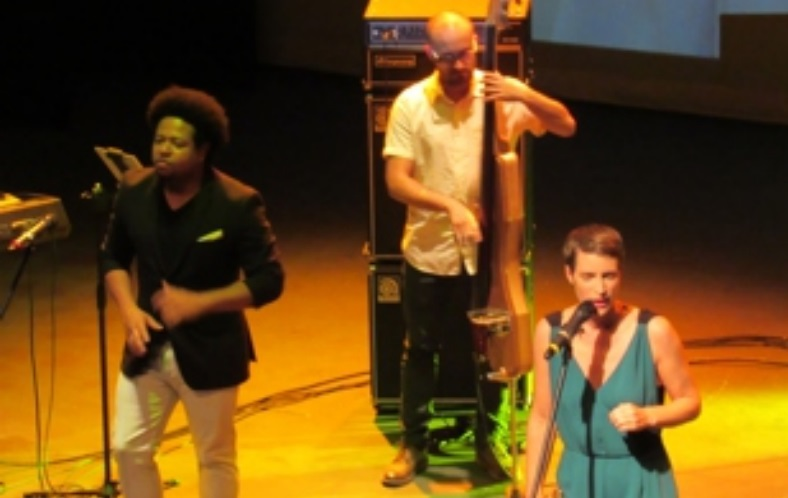
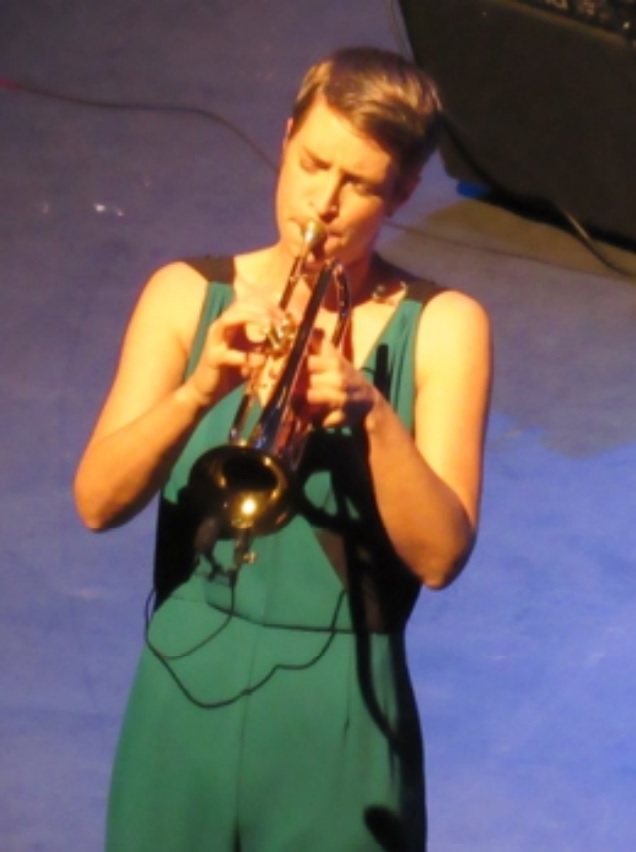
A great musician is someone who can enlighten the stage only with his/her presence, this is the case when Maite Hontele is on stage. Full-house, the stage full of colors and all the audience is ready to dance and enjoy the best rhythm: SALSA!

International Salsa Magazine had the honor to be part of the last concert of Maite Hontele, the incredible dutch trumpeter, in Caracas, Venezuela.

Maite Hontele in concert

The silence is interrupted with the beautiful sound of a characteristic trumpet playing a melody, the stage gets full of musicians and Maite comes out with the biggest smile that characterize her.

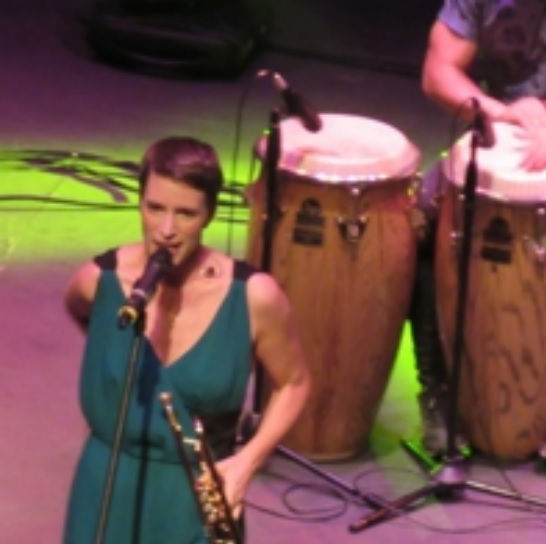
She starts with a speech where she explains how thankful she is for being there, talks a little bit about Colombia, and then the party starts! Two hours full of hits of herself, Oscar d’ Leon, and many other artists, with the performance of her Colombian band by her side.

Maite Hontele
Maite Hontele

But let’s get deeper in who is her. Maite Hontelé is a trumpeter who was born in Utrecht, Holland, and was raised with music. Her parents owned a huge collection of salsa and son Cubano, and every day she would listen to Latin music, quite unusual for a Dutch girl. After playing a few years with the local brass band, she decided to become a musician, and studied latin and jazz trumpet at the Conservatory of Rotterdam.

Her first big tour was life-changing. She went to Colombia, the country where she now lives. In 2004, Maite Hontelé toured with the world-famous Buena Vista Social Club. In 2009 Maite launched her first album, Llegó la Mona, a salsa-tribute to Colombian music. This album was made with the purpose to tour more in Colombia. Among the gigs she played was the Medellin Jazz Festival.

That year has been very important for her. Not only did Maite record her first album, she also found the place where she wanted to continue to live and make music. That’s when she decided to move to Medellin, Colombia.

Maite Hontele
Maite Hontele

In 2010, she released her second production, Mujer Sonora. The album is focused on oldschool styles such as son and charanga, but also contains some spicy salsa-tracks. This album was presented at the 2010 North Sea Jazz Festival, and on various international tours. In 2011 and 2012 Maite toured many countries with her band, and was a guest with Ruben Blades, Yuri Buenaventura, Issac Delgado, Diego Galé (DVD-recording), Juan Carlos Coronel, Oscar D’León, and many others.

Her 3rd album, Déjame Asi, was released in April 2013. She is currently touring Europe and Latin America.

“My Outlaw Loredo is the most elegant gig-bag in the universe. A perfect match for me!” Maite Hontelé

Maite Hontele in concer - Photo
Maite Hontele in concert – Photo

The show ends with the best energy. Maite Hontele is not only an amazing trumpeter, but also a great singer and composer. We are glad to be part of his musical journey.

  • « Go to Previous Page
  • Page 1
  • Interim pages omitted …
  • Page 35
  • Page 36
  • Page 37
  • Page 38
  • Page 39
  • Interim pages omitted …
  • Page 138
  • Go to Next Page »

International Salsa Magazine (ISM) is a monthly publication about Salsa activities around the world, that has been publishing since 2007. It is a world network of volunteers coordinated by ISM Magazine. We are working to strengthen all the events by working together.